

Your body often signals cardiovascular distress long before a catastrophic medical crisis occurs. Recognizing these subtle physical clues gives you the power to intervene early and safeguard your long-term vitality.
Most people mistakenly believe that heart attacks always arrive as sudden, crushing chest pain. However, cardiovascular issues frequently manifest as quiet, easily dismissed changes in your everyday physical baseline.
Learning how to spot these quiet warnings protects your cardiac muscle from permanent damage. Understanding these physiological whispers allows you to take decisive action before an emergency develops.

The Science of Silent Cardiovascular Strain
Cardiovascular disease remains the leading cause of mortality worldwide. Data from the Centers for Disease Control and Prevention shows that an American suffers a heart attack every 40 seconds.
That frequency amounts to roughly 805,000 heart attacks each year in the United States alone. Furthermore, a cardiovascular fatality occurs every 34 seconds.
Not every cardiac event arrives with crushing chest pressure. Clinical research published by the American Heart Association indicates that approximately one in five heart attacks occurs silently without typical symptoms.
Unrecognized or atypical heart attacks may account for up to 45 percent of all cases according to longitudinal findings. These silent events still cause lasting myocardial scarring and elevate long-term mortality risks.
Rapid intervention preserves vulnerable cardiac muscle during acute coronary events. Emergency guidelines from the American College of Cardiology target a door-to-balloon benchmark of 90 minutes or less.
9 Warning Signs of a Heart Problem Most People Ignore
1. Unexplained and Overwhelming Fatigue
Sudden, crushing exhaustion that occurs without physical exertion can indicate compromised cardiac function. When your heart struggles to pump effectively, it reroutes blood flow away from skeletal muscles to protect vital organs.
An NIH-funded investigation by the National Institutes of Health revealed that 70 percent of female heart attack survivors reported unusual fatigue weeks before their events. Fewer than 30 percent recalled experiencing prodromal chest discomfort.
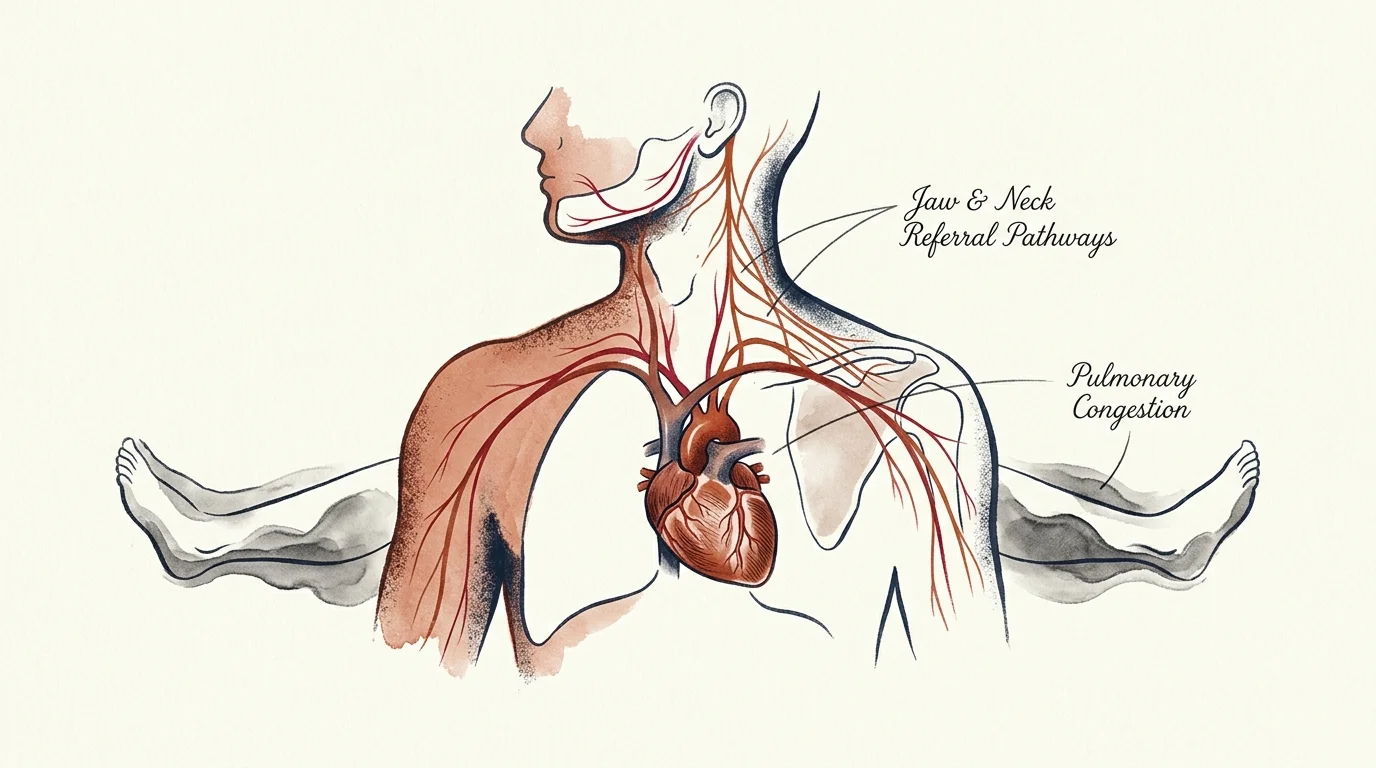
2. Radiating Discomfort in the Jaw, Neck, or Back
Nerve pathways originating in your heart share sensory junctions within the upper spinal cord. Consequently, ischemic myocardial distress often radiates outward toward your jawline, neck, or between your shoulder blades.
Many individuals dismiss these dull aches as tension headaches, dental issues, or poor sleeping posture. When upper-body discomfort appears without musculoskeletal injury—especially during exertion—you should treat it as potential cardiac distress.
3. Shortness of Breath During Gentle Activity
Struggling for breath during routine chores signals that your left ventricle is failing to pump blood forward. This failure causes fluid to back up into your pulmonary circulation, congesting delicate lung tissues.
You might find yourself gasping while carrying laundry, climbing gentle stairs, or walking across a flat room. Because breathlessness often precedes acute coronary events by weeks, never dismiss sudden respiratory decline as mere aging.
4. Persistent Swelling in the Feet, Ankles, or Legs
Peripheral edema—visible fluid retention in your lower extremities—serves as a primary clinical marker for congestive heart failure. Weakened cardiac output causes blood to pool in your venous system, forcing fluid into surrounding tissues.
The National Library of Medicine explains that your kidneys respond to lower blood volume by retaining sodium and water. If pressing your thumb into your ankle leaves a lingering indentation, seek a medical evaluation promptly.
5. Chronic Indigestion, Nausea, or Abdominal Fullness
Cardiac ischemia affecting the inferior wall of the heart frequently stimulates the adjacent vagus nerve. This neurological reflex causes gastrointestinal distress that feels identical to acid reflux, indigestion, or stomach cramping.
Standard antacids will not resolve this sensation because excess stomach acid is not the underlying culprit. If your post-meal heartburn resists medication or accompanies unexplained lightheadedness, schedule a cardiovascular consultation.
6. Fluttering Palpitations or Skipped Heartbeats
Brief fluttering sensations, irregular skips, or a rapid resting pulse warrant careful clinical evaluation. While occasional premature contractions stem from caffeine or emotional stress, frequent episodes often signal an underlying cardiac arrhythmia.
Atrial fibrillation represents the most common clinical arrhythmia and multiplies your risk of an ischemic stroke by roughly five-fold. The chaotic electrical signaling allows stagnant blood to pool in the atria, fostering dangerous clot formation.
7. Lightheadedness, Dizziness, or Fainting
Unexplained lightheadedness or sudden loss of balance indicates that your brain is experiencing transient hypoperfusion. Underlying rhythm disturbances, arterial narrowing, or failing heart valves can abruptly drop your systemic blood pressure.
Fainting—known clinically as syncope—demands an immediate, comprehensive medical assessment. Even brief episodes of dizziness during physical movement suggest that your heart cannot meet your body’s fluctuating circulatory demands.
8. Sudden Cold Sweats Without Exertion
Breaking into a drenching, clammy sweat while resting quietly signifies rapid sympathetic nervous system activation. When cardiac muscle fibers experience acute oxygen deprivation, your body triggers a fight-or-flight surge that stimulates sweat glands.
Your skin may appear pale, cool, and clammy despite comfortable ambient room temperatures. Experiencing sudden diaphoresis alongside nausea or mild thoracic discomfort requires immediate emergency medical care.
9. Difficulty Breathing While Lying Flat
Experiencing breathlessness when lying recumbent—known as orthopnea—frequently indicates advancing cardiovascular impairment. Gravity shifts pooled blood from your legs into your central circulation, overwhelming a tired heart and flooding pulmonary capillaries.
Many patients unknowingly compensate by sleeping elevated on several pillows or resting upright in armchairs. If you regularly awaken gasping for air in the middle of the night, contact a cardiologist immediately.
Evidence-Based Pillars for Cardiovascular Protection
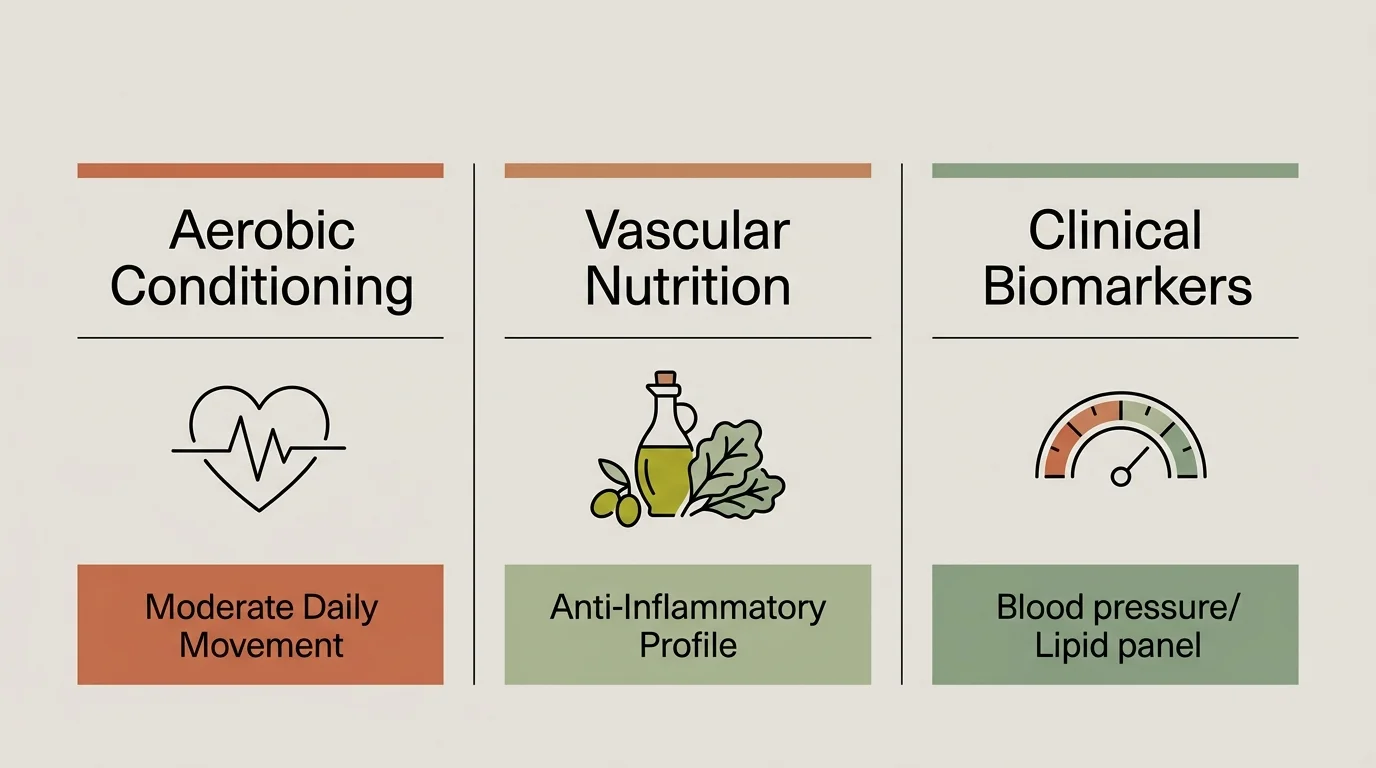
Building long-term cardiovascular resilience requires proactive lifestyle habits alongside consistent medical oversight. Adopting evidence-based protocols protects your vascular endothelium and strengthens myocardial efficiency as you age.
Cardioprotective Nutrition Strategies
Emphasize whole, nutrient-dense foods rich in soluble fiber, antioxidants, and essential minerals to combat systemic arterial inflammation. Regular consumption of leafy greens, wild-caught fish, legumes, and berries supports healthy endothelial nitric oxide production.
Balance your dietary sodium by incorporating potassium-rich whole foods like avocados, spinach, and squash into your meals. This electrolyte harmony relaxes vascular smooth muscle tissue, reducing systemic vascular resistance and lowering arterial blood pressure.
Consult a registered dietitian nutritionist to design an accessible, culturally relevant dietary pattern that respects your individual biochemical needs.
Targeted Aerobic Conditioning and Movement
Engaging in regular aerobic exercise stimulates collateral blood vessel development, creating natural bypass routes around narrowed coronary pathways. Strive for at least 150 minutes of moderate zone 2 endurance training each week.
Zone 2 exertion allows you to sustain a conversation while comfortably elevating your baseline heart rate. This intensity expands mitochondrial capacity within cardiac myocytes without producing excessive sympathetic nervous fatigue.
Add structured resistance training twice weekly to enhance glucose disposal and improve arterial compliance. Always consult a physical therapist or exercise specialist before initiating high-intensity physical routines.
Proactive Clinical Partnership and Diagnostics
Diagnostic testing detects vascular inflammation and subclinical atherosclerosis long before physical symptoms appear. Ask your healthcare provider for advanced lipid testing, including apolipoprotein B and high-sensitivity C-reactive protein measurements.
Consider discussing a coronary artery calcium scan with your physician to visualize calcified arterial plaques directly. This brief, non-invasive computed tomography scan provides objective data to refine your personalized preventive strategy.
Monitor your blood pressure at home with a validated upper-arm device to establish an accurate resting baseline. Sharing these objective readings with your clinician ensures prompt, data-driven therapeutic adjustments.
Real Voices: Clinical Perspectives from the Front Lines
Cardiologists frequently remind patients that bodily intuition is a vital diagnostic clue. Clinicians note that subtle prodromal shifts often provide the earliest detectable warning of progressive coronary artery disease.
Preventive cardiologist Dr. Elena Rostova emphasizes that waiting for classic chest pain often leads to preventable myocardial necrosis. She notes that patients who act on atypical symptoms usually preserve substantially more cardiac function.
Emergency physicians echo this urgency, stressing that every minute of coronary occlusion destroys irreplaceable muscle fibers. Calling emergency services promptly ensures you receive critical diagnostic electrocardiography and stabilization before entering the hospital.
Frequently Asked Questions
How can I tell the difference between acid reflux and a heart issue?
Gastrointestinal reflux typically creates a burning discomfort behind your breastbone that worsens when lying down after heavy meals. In contrast, cardiac-related discomfort frequently radiates toward your jaw, shoulders, or neck during exertion.
Over-the-counter antacids typically soothe acid indigestion within twenty minutes, but they offer no relief for cardiac ischemia. If your indigestion coincides with breathlessness, cold sweats, or unsteadiness, seek emergency medical attention.
Can a person experience a heart attack without feeling any chest pain?
Yes, up to 45 percent of all myocardial infarctions occur without classic chest pressure or pain. These silent or atypical events present primarily as extreme fatigue, persistent breathlessness, digestive distress, or lightheadedness.
Women, elderly individuals, and people managing long-term diabetes face a substantially higher likelihood of painless events. Diabetic nerve damage impairs sensory pain pathways, frequently blunting the classic warnings of acute myocardial ischemia.
What should you do immediately if you recognize these warning signs?
If you observe acute warning signs like sudden breathlessness, cold sweats, or radiating pain, call emergency services immediately. Paramedics can perform diagnostic electrocardiograms and initiate critical treatments directly inside the ambulance.
For progressive, subtle symptoms such as gradual ankle swelling or unusual exercise fatigue, schedule an urgent clinical consultation. Keeping a written log of your symptom patterns helps your medical team reach an accurate diagnosis.
How frequently should adults schedule cardiovascular screening evaluations?
Healthy adults aged twenty and older should have their blood pressure evaluated at least once annually during routine exams. Standard lipid panels and fasting blood glucose screenings generally occur every four to six years.
If you have existing risk factors like hypertension, elevated cholesterol, or familial heart disease, schedule annual comprehensive screenings. Early medical detection allows you to halt cardiovascular disease progression before permanent damage occurs.
Your Next Step Toward Lasting Heart Health
Tuning into subtle physical changes empowers you to protect your long-term cardiovascular health. Rather than viewing these warning signs with anxiety, recognize them as your body’s communication system prompting healthy action.
Take five minutes today to sit quietly and assess your resting baseline heart rate and breathing comfort. Notice whether lingering fatigue or unusual physical limitations have quietly settled into your daily life.
What supportive step can you take today to nurture your cardiovascular system? Schedule a preventive consultation with your healthcare team or prepare a wholesome, plant-forward meal to honor your heart today.








Leave a Reply