

Persistent fatigue, unexpected weight shifts, and sudden mood swings often stem from subtle chemical shifts inside your body. Recognizing these signs of hormonal imbalance early empowers you to take decisive action before minor disruptions become chronic health problems.
Your endocrine glands release dozens of vital messengers that coordinate your metabolism, reproductive health, and mental focus. When even one hormone surges or plummets, your entire physiological balance feels the strain.
Learning to identify common hormone imbalance symptoms helps you seek targeted testing and practical care. Here is what your body might be telling you about your internal equilibrium.
The Science of Endocrine Health
Hormones act as biochemical signaling molecules that direct your cellular metabolism, tissue repair, and neurological pathways.
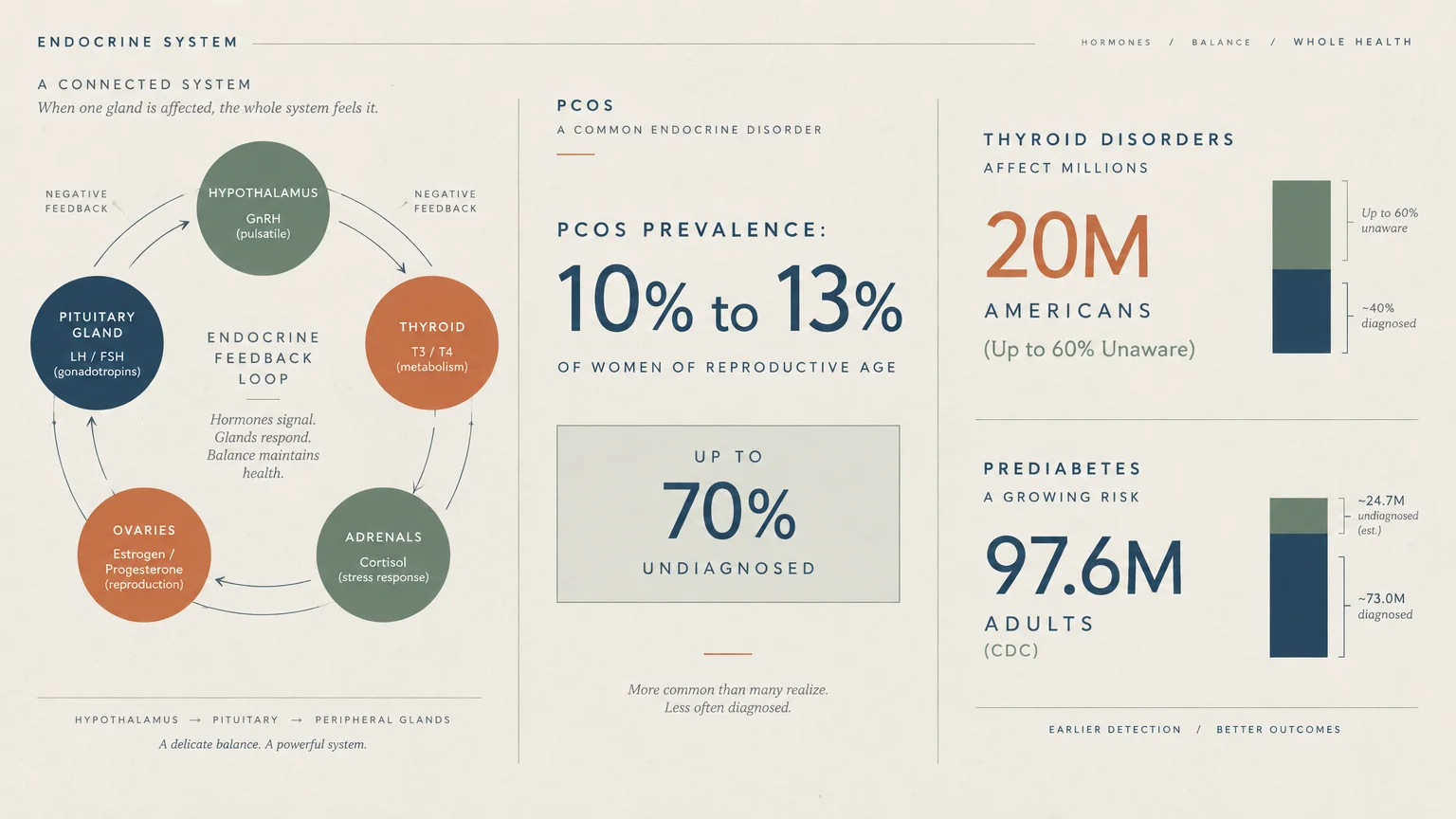
Because endocrine glands interact through interconnected feedback loops, an isolated shift in one hormone inevitably creates downstream effects throughout your entire body.
Data from the World Health Organization indicates that polycystic ovary syndrome affects 10% to 13% of reproductive-aged women globally. Remarkably, up to 70% of those affected remain entirely undiagnosed.
Thyroid dysregulation follows a remarkably similar pattern of hidden dysfunction. The American Thyroid Association estimates that 20 million Americans live with thyroid disorders; up to 60% of them do not realize it.
Women face a five- to eightfold higher risk of thyroid disorders than men, making routine monitoring especially critical. These disruptions drag down your basal metabolic rate and disrupt cellular temperature maintenance.
Metabolic hormones present comparable challenges across the broader population. The Centers for Disease Control and Prevention reports that 97.6 million American adults have prediabetes driven by unmanaged insulin resistance.
10 Common Hormone Imbalance Symptoms
1. Unexplained Weight Changes and Abdominal Fat Storage
Sudden weight gain that resists dietary discipline often points to elevated cortisol or declining cellular insulin sensitivity.
When your cells resist insulin, your body diverts circulating glucose into visceral abdominal fat rather than burning it for energy. Conversely, an overactive thyroid can cause unintended, rapid weight loss despite an increased appetite.
2. Exhaustion That Rest Fails to Relieve
Waking up utterly drained after eight hours of sleep signals a possible metabolic or adrenal malfunction.
An underactive thyroid slows cellular energy production, leaving your tissues starved of fuel throughout the afternoon. For men, subclinical testosterone deficiency frequently presents as persistent physical fatigue and flagging stamina.
3. Irregular or Painful Menstrual Cycles
Cycles that arrive unpredictably, produce excessive cramping, or vanish entirely reflect an underlying imbalance between estrogen and progesterone.
Conditions like polycystic ovary syndrome elevate circulating androgens, which halts regular ovulation and sparks menstrual irregularity. Perimenopause also triggers erratic hormonal swings that cause unpredictable bleeding patterns.
4. Mood Swings, Irritability, and Heightened Anxiety
Sex hormones interact closely with central neurotransmitters, directly regulating your production of serotonin and dopamine.
When progesterone levels plummet before menstruation, many individuals experience acute emotional volatility and sudden depressive spells. Chronic cortisol surges also impair emotional resilience, leaving you feeling wired yet mentally depleted.
5. Temperature Sensitivity and Nocturnal Sweats
If you constantly feel chilly in warm rooms, sluggish thyroid hormone output may be failing to stimulate thermal regulation.
Conversely, daytime hot flashes and intense night sweats typically point to estrogen fluctuations that confuse the hypothalamic thermostat. Men experiencing declining androgen levels also report sudden flushing and heavy nocturnal sweating.
6. Thinning Hair and Unwanted Facial Growth
Hormonal shifts alter your hair growth cycles in dramatic, noticeable ways. Elevated dihydrotestosterone shrinks scalp hair follicles, triggering diffuse thinning along the crown and parting line.
In women, this same androgen surplus can cause coarse, dark hairs to sprout across the chin and jawline. Inadequate thyroid hormone also leaves hair dry, brittle, and prone to excessive daily shedding.
7. Sleep Fragmentation and Early Awakening
Progesterone functions as a soothing neurosteroid that stimulates GABA receptors to encourage restorative, deep sleep.
When evening cortisol spikes instead of declining, your body remains stuck in an alert, sympathetic state. This physiological misfire causes frequent midnight awakenings and leaves you unable to return to sleep.
8. Sluggish Digestion, Bloating, and Constipation
Your gastrointestinal tract relies on thyroid hormones and estrogen to maintain healthy muscular motility and gut wall repair.
Insufficient thyroid hormone slows intestinal transit times, resulting in chronic constipation, uncomfortable bloating, and poor nutrient assimilation. Sustained cortisol output can also alter your gut microbiome, worsening food intolerances.
9. Reduced Libido and Sexual Discomfort
A vanishing sex drive often reflects a drop in circulating bioavailable testosterone or estrogen.
According to clinical guidelines from the American Urological Association, testosterone naturally declines by 1% to 2% each year after age 30. In women, diminished estrogen thins vaginal tissue, causing physical discomfort that dampens desire.
10. Persistent Adult Acne and Skin Texture Changes
Blemishes clustered along your jawline and lower cheeks frequently stem from an excess of circulating androgenic hormones.
These hormones stimulate your sebaceous glands to produce heavy sebum, which clogs follicles and feeds inflammatory acne bacteria. Insulin resistance can also trigger acanthosis nigricans, which produces dark, velvety skin patches along neck creases.

When to Test Hormone Levels and What to Expect
Recognizing the signs of hormonal imbalance marks an important turning point, but objective testing confirms which biological pathways require attention.
You should schedule an evaluation if multiple symptoms linger beyond four weeks or disrupt your regular quality of life.
Timing is critical when measuring circulating hormones. The Endocrine Society emphasizes strict diagnostic protocols to avoid misleading laboratory interpretations.
For instance, diagnosing male testosterone deficiency requires a total reading below 300 ng/dL across two separate morning blood samples taken between 7:00 AM and 10:00 AM.
In cycling women, doctors typically evaluate progesterone mid-luteal phase—around day 21 of a standard 28-day cycle—to verify whether ovulation took place.
Clinical societies caution against relying on direct-to-consumer saliva kits for sex hormone diagnoses. Salivary sex hormone tests lack clinical standardization, making blood serum analysis the reliable gold standard.
Direct-to-consumer panels also cost between $50 and $350 out-of-pocket, whereas insurance typically covers comprehensive physician-ordered blood panels. Validated late-night salivary cortisol remains a distinct exception, used primarily to screen for Cushing’s syndrome.
Actionable Strategies for Restoring Hormone Balance
Supporting your endocrine system requires an integrated approach combining metabolic nourishment, physical conditioning, and structured clinical support.
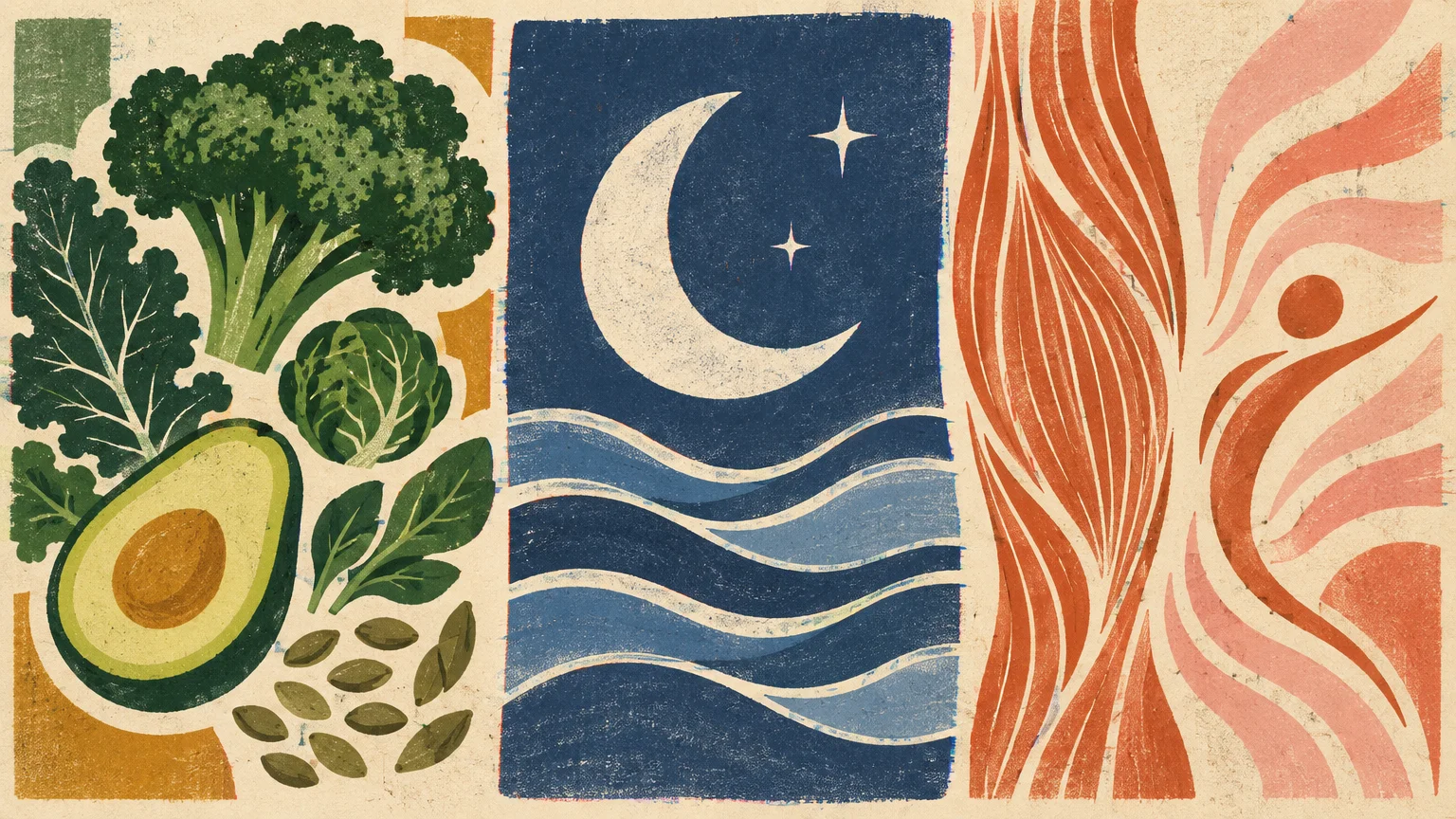
Strategy 1: Stabilize Blood Sugar Through Nourishing Meals
Erratic glucose surges force your pancreas to pump out excess insulin, which disrupts sex hormone binding and elevates adrenal stress.
Anchor each meal with 25 to 35 grams of clean protein, healthy fats, and diverse colorful vegetables. This dietary framework slows gastric emptying, smoothing out glucose spikes and preventing reactionary insulin surges.
Add cruciferous vegetables such as kale, cabbage, and broccoli to your weekly rotation. These foods contain indole-3-carbinol, a compound that supports the healthy hepatic breakdown and clearance of used estrogens.
Strategy 2: Move Intentionally to Improve Hormone Sensitivity
Targeted exercise directly alters your endocrine environment, though your training intensity must match your current biological stress levels.
Lifting weights two to three times per week builds metabolically active muscle tissue. This adaptation significantly enhances insulin sensitivity and stimulates healthy growth hormone synthesis without overtaxing your adrenals.
If you suspect elevated cortisol or adrenal fatigue, replace exhausting high-intensity cardio sessions with steady walking and gentle yoga. Gentle low-impact movement promotes circulation while keeping your circulating stress hormones within a healthy baseline.
Strategy 3: Reset Your Circadian Rhythm and Stress Thresholds
Your endocrine glands follow rhythmic daily oscillations governed by environmental cues like natural daylight and darkness.
Step outside into direct morning sunlight for 10 to 15 minutes shortly after waking. This simple habit anchors your morning cortisol peak and promotes timely nocturnal melatonin production.
In the evening, minimize blue-light exposure from screens two hours before retiring to your bedroom. Engaging in slow diaphragmatic breathing lowers sympathetic tone, signaling to your adrenal glands that you are safe to rest.
Strategy 4: Partner with an Integrative Medical Specialist
Lifestyle adjustments create an essential foundation, yet systemic conditions like Hashimoto’s disease or clinical hypogonadism demand medical management.
Collaborate with a board-certified physician who investigates your full clinical picture rather than relying on isolated reference ranges. Personalized medical plans may incorporate bioidentical hormone therapy, thyroid medications, or targeted pharmaceutical support.
Always avoid unregulated over-the-counter hormone formulations, as self-treating can further suppress your body’s natural glandular production.

Clinical Perspectives and Patient Experiences
Experienced clinicians frequently note that laboratory reference ranges represent broad statistical averages rather than personal physiological ideals.
Many patients report feeling unwell for years while their routine lab results appear nominally normal. Skilled medical providers look at the trajectory of your symptoms alongside your biomarker trends.
Maintaining a daily tracking log of your energy, sleep quality, and physical symptoms provides invaluable objective context. This clear record enables your physician to identify subtle endocrine patterns that standard snapshot tests might miss.
Frequently Asked Questions
Can a hormone imbalance resolve on its own?
Minor hormonal fluctuations caused by acute emotional stress, poor diet, or temporary sleep loss often normalize once you restore healthy habits.
However, established conditions like autoimmune thyroiditis or advanced polycystic ovary syndrome require deliberate lifestyle changes and clinical therapy.
How long does it take to correct an endocrine imbalance?
Metabolic markers like fasting insulin and blood glucose can show measurable improvements within two to four weeks of dietary optimization.
Rebalancing sex hormones or optimizing thyroid medication typically requires two to three months before noticeable symptom relief occurs.
Should I purchase an at-home hormone test kit?
At-home kits provide convenient preliminary clues, but their salivary sex hormone assays lack recognized clinical standardization.
Working directly with your physician ensures you receive standardized blood serum testing that health insurance generally covers.
How do hormone imbalance symptoms differ between men and women?
Both sexes experience universal symptoms like chronic exhaustion, mental fog, weight gain, and low emotional resilience.
The distinctions emerge primarily within the reproductive system, appearing as erectile difficulties in men and menstrual irregularity in women.
Taking Your Next Step Toward Hormonal Harmony
Restoring endocrine equilibrium does not require an overwhelming transformation; lasting progress grows from sustainable, consistent choices.
Start by selecting one actionable change today, such as stepping into morning sunlight or adding lean protein to your breakfast plate.
Pay attention to how your body responds to these adjustments, and document any shifts in your daily vitality. Your physical symptoms provide meaningful communication about what your internal systems need to thrive.
Schedule a consultation with a qualified healthcare professional to discuss your observations and design a tailored diagnostic plan.







Leave a Reply