

Severe physical agony can disrupt your life, dismantle your routine, and test your emotional endurance without warning. Understanding the complex biology behind extreme sensory distress gives you the practical knowledge needed to pursue effective, targeted medical relief.
When you examine the worst pain humans experience, you discover how hyperactive nerve pathways and acute tissue damage quickly overwhelm your sensory thresholds.
Fortunately, modern clinical medicine and holistic lifestyle strategies provide proven tools that empower you to address, manage, and endure even the most intense health challenges.
Measuring the Unbearable: Pain Scale Rankings and Science
Pain is fundamentally subjective, yet medical researchers have established clinical benchmarks to measure its intensity across different conditions.
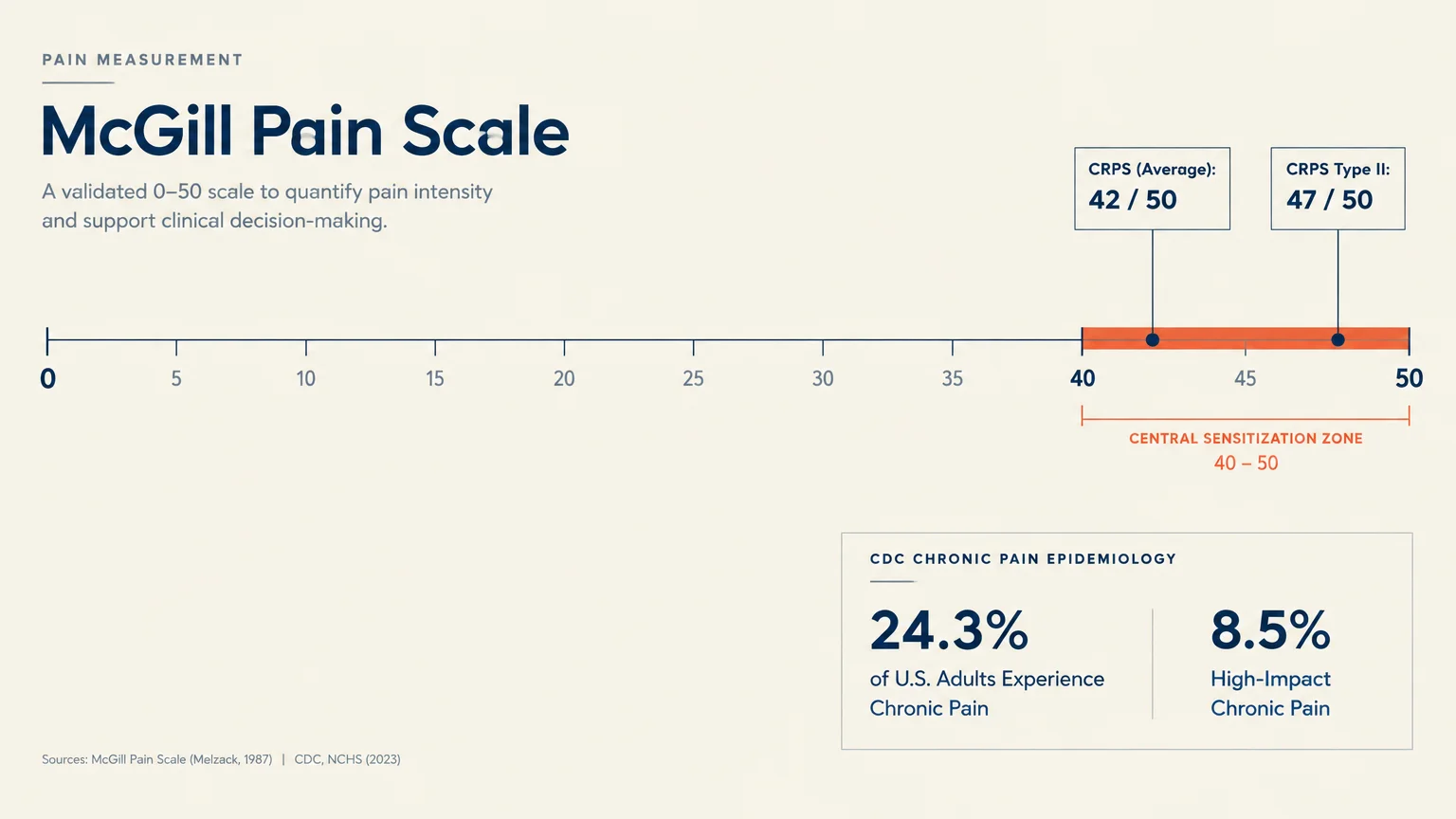
Clinicians frequently use the McGill Pain Scale, a validated diagnostic tool developed by researchers Ronald Melzack and Warren Torgerson to quantify physical suffering.
This index scores human agony from zero to fifty, categorizing sensations through descriptive terms that evaluate burning, stabbing, and emotional impact.
According to the Centers for Disease Control and Prevention, approximately 24.3% of American adults experience chronic pain lasting three months or longer.
Furthermore, 8.5% of adults suffer from high-impact chronic pain that routinely limits their work and basic daily life activities.
When intense discomfort persists, your nervous system enters central sensitization, a state where nerve circuits become hyperreactive and amplify incoming sensory signals.
The Most Agonizing Neurological Conditions
Neurological conditions consistently trigger the most excruciating suffering because they represent direct damage to the sensory transmission pathways of your body.
Complex Regional Pain Syndrome (CRPS)
Complex Regional Pain Syndrome, or CRPS, ranks as the most painful chronic condition known to medical science.
On the McGill Pain Scale, CRPS averages an astonishing score of 42 out of 50, surpassing both childbirth and amputation.
Patients experiencing CRPS Type II—which involves verified nerve trauma—sometimes report peak pain ratings as high as 47 out of 50.
The disorder typically develops after an injury or surgery, causing an affected limb to experience relentless, searing burning sensations.
Dysfunctional sympathetic signaling causes severe swelling, rapid skin temperature shifts, and allodynia, where the lightest touch feels like open fire.
Early clinical intervention remains vital; seeking care quickly protects your nervous system from permanent tissue changes and ongoing agony.
Trigeminal Neuralgia: The “Tic Douloureux”
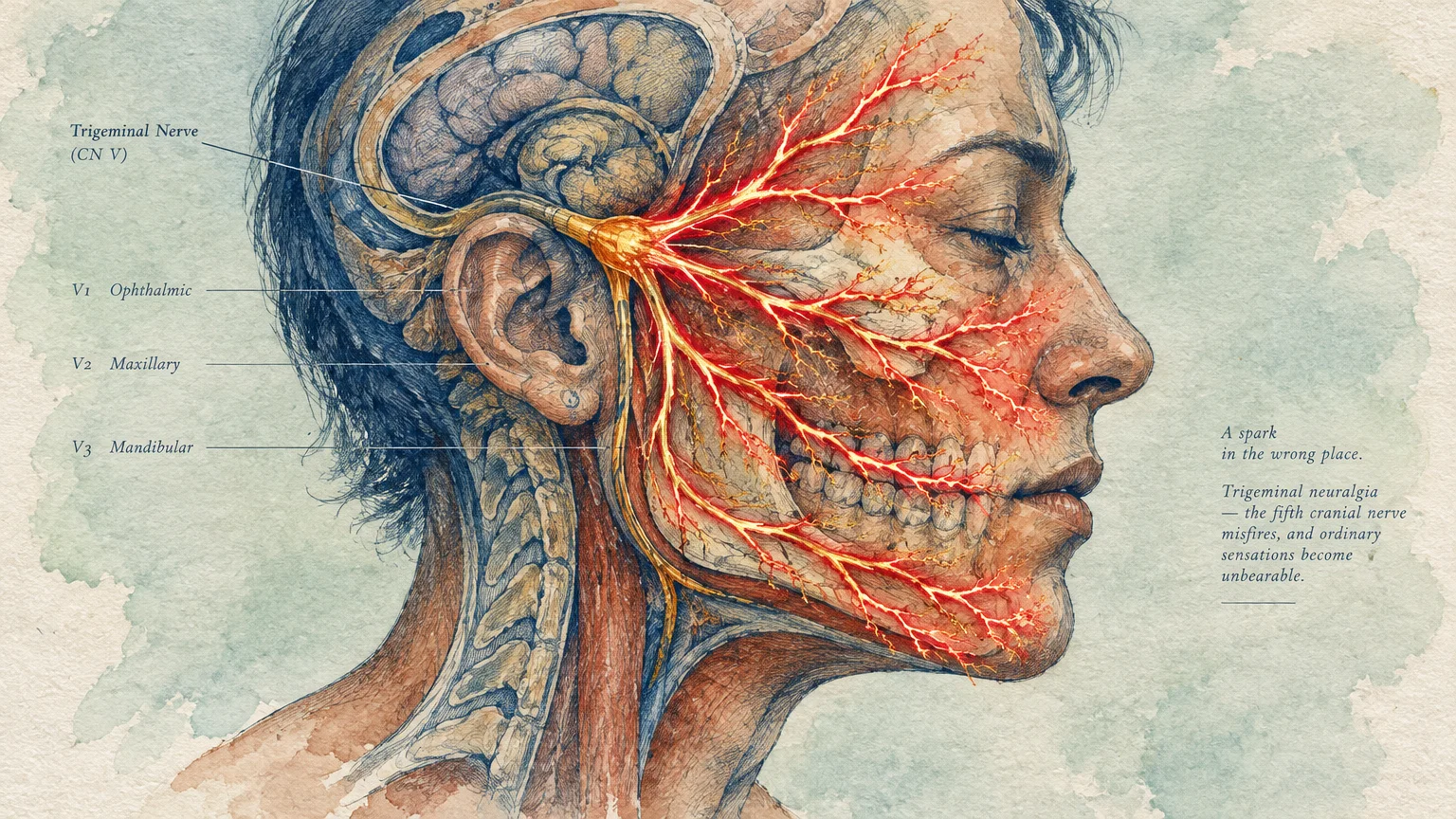
Trigeminal neuralgia targets the fifth cranial nerve, which carries sensory signals from your face directly to your brain.
Neurologists estimate that this agonizing condition develops in approximately 4 to 13 individuals per 100,000 people annually.
Historically documented in neurology literature as the suicide disease, it generates sudden, severe, electric shock-like bursts across your face.
Innocent daily activities like brushing your teeth, smiling, or feeling a gentle breeze can trigger an incapacitating paroxysm of pain.
The National Institute of Neurological Disorders and Stroke outlines several microvascular decompression surgeries and targeted medications that help calm this hyperactive cranial nerve.
Cluster Headaches: Unilateral Ocular Agony
Cluster headaches represent another severe neurological disorder that can completely overwhelm your sensory endurance.
Affecting roughly 0.1% of the population, these excruciating attacks strike approximately one in every one thousand adults.
Unlike conventional migraines, a cluster headache delivers piercing, boring pain concentrated strictly around or behind one eye.
Individual attacks last between 15 and 180 minutes, striking up to eight times a day during active cycles lasting weeks or months.
Clinicians frequently utilize high-flow pure oxygen and injectable triptans to rapidly abort active attacks and preserve patient wellbeing.
Excruciating Visceral and Musculoskeletal Afflictions
Visceral organs and deeply inflamed musculoskeletal structures can also generate overwhelming distress signals that shock your entire physiology.
Kidney Stones and Renal Colic
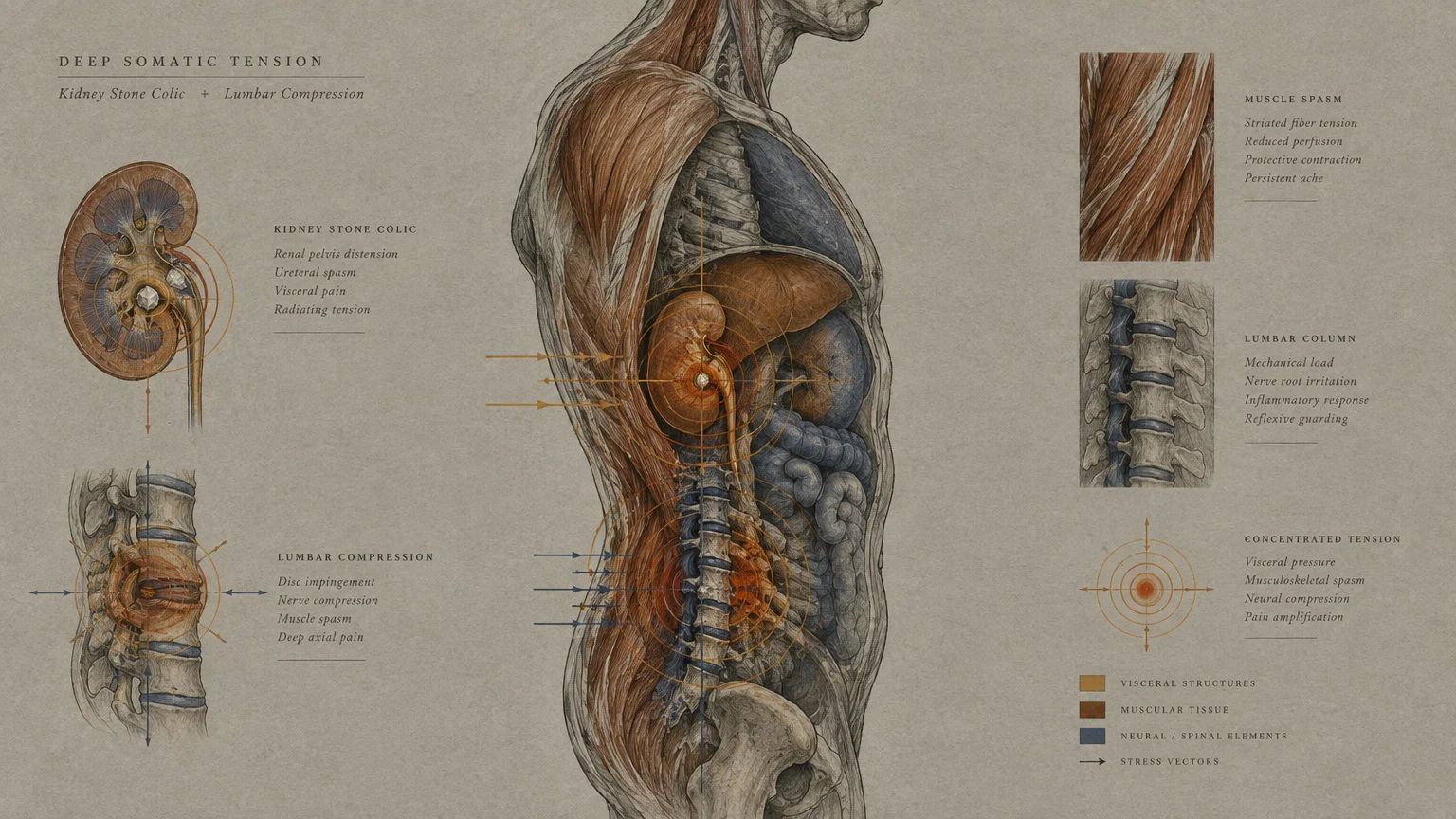
Urinary tract obstructions produce visceral agony so acute that emergency clinicians routinely compare it to active labor.
According to epidemiological findings from the National Institutes of Health, kidney stones afflict roughly 11% of men and 9% of women during their lifetimes.
When a calcified stone blocks your ureter, smooth muscle fibers spasm violently to dislodge the obstruction.
This intense mechanical blockage radiates excruciating waves of pain across your flank and lower abdomen, accompanied by severe nausea.
Drinking generous amounts of water and following evidence-based nutritional adjustments significantly lower your chances of experiencing another stone.
Acute Pancreatitis and Gout Flare-Ups
The UK National Health Service officially recognizes twenty medical conditions capable of causing pain so severe that it prevents normal daily functioning.
Acute pancreatitis features prominently on this list, occurring when digestive enzymes activate prematurely and digest your pancreatic tissue from within.
This internal chemical trauma generates relentless, boring upper abdominal pain that radiates straight through to your thoracic spine.
Gout also appears on the NHS registry as an exquisitely painful inflammatory arthritis caused by urate crystal accumulation within joints.
During an acute attack, needle-shaped crystals trigger dramatic inflammation, making your big toe so tender that resting a bedsheet upon it causes unbearable torment.
Shingles and Postherpetic Neuralgia
The varicella-zoster virus lingers quietly in your nerve roots for decades following a childhood chickenpox infection.
When reactivated by stress or aging, the virus travels down sensory nerves to cause shingles, producing a blistering, burning rash.
For many patients, the misery continues as postherpetic neuralgia, a condition where damaged nerves send continuous, searing distress signals to the brain.
Starting prescription antiviral therapy within 72 hours of symptom onset drastically reduces your risk of enduring prolonged neuropathic pain.

Holistic Pillars for Alleviating Severe Pain
Confronting debilitating conditions requires an integrative management strategy that supports your nervous system from multiple therapeutic angles.
By combining targeted medical interventions with restorative lifestyle choices, you can systematically lower physical distress and improve your functional comfort.
Advanced Medical Care and Interventions
Specialized medical care forms your crucial front line against severe pain, offering advanced techniques to calm overwhelmed nerve pathways.
Pain specialists utilize targeted nerve blocks, radiofrequency ablations, and epidural injections to disrupt aberrant pain messages before they reach your cortex.
For refractory conditions like CRPS, spinal cord stimulation delivers gentle electrical pulses that replace debilitating burning sensations with comfortable tingling.
Partnering closely with an experienced clinician allows you to find non-addictive nerve-stabilizing medications tailored specifically to your unique diagnosis.
Anti-Inflammatory Nutrition and Hydration
Your daily nutritional intake directly influences systemic inflammation and the sensitivity of your peripheral nerve endings.
Eating wild-caught fatty fish, walnuts, and chia seeds delivers powerful omega-3 fatty acids that actively decrease pro-inflammatory chemical messengers.
Antioxidant-rich foods like leafy greens, blueberries, and turmeric provide polyphenols that protect your delicate nerve cells from oxidative damage.
Drinking at least two to three liters of water daily ensures optimal kidney filtration, preventing painful crystal precipitation in your urinary tract.
Gentle Movement and Sensory Retraining
While resting during acute flare-ups is essential, complete immobilization can actually worsen neuropathic pain and cause joint stiffness.
Physical therapists frequently use graded motor imagery and mirror therapy to gently retrain the brain’s sensory maps without triggering flare-ups.
Low-impact movements like warm water swimming or gentle stretching improve circulation and encourage your body to produce natural endorphins.
Pacing your daily activities prevents the boom-and-bust cycle, keeping your nervous system stable and your physical stamina intact.
Mind-Body Resilience and Nervous System Calming
Your central nervous system interprets physical signals through the filter of your emotional state and autonomic tone.
Chronic suffering frequently traps your body in a fight-or-flight state, which tightens muscles and amplifies incoming distress signals.
Guidelines from the World Health Organization emphasize integrating psychological and somatic support within comprehensive pain management plans.
Therapies like pain reprocessing therapy teach your brain that chronic sensations do not always signal acute physical danger.
Practicing diaphragmatic breathing and mindfulness meditation stimulates your vagus nerve, fostering physiological calm that helps lower perceived pain intensity.

Clinical Perspectives and Real Voices
Clinicians who specialize in severe pain frequently emphasize that validating a patient’s lived experience is the essential foundation of effective care.
Dr. Ronald Melzack famously observed that pain is an output of the brain, shaped by neurobiology, stress, and past experiences.
Physical therapists working with severe nerve conditions remind patients that the nervous system maintains remarkable neuroplasticity throughout your entire life.
By gently re-educating nerve circuits over time, many patients regain meaningful daily function and reduce their perceived suffering.
Patients coping with chronic pain conditions frequently discover that joining empathetic support communities breaks the cycle of isolation and restores emotional resilience.
Frequently Asked Questions
What condition ranks the highest on the McGill Pain Scale?
Complex Regional Pain Syndrome ranks as the most painful condition on the scale, averaging 42 out of 50.
Severe cases involving documented nerve damage can reach 47 out of 50, exceeding scores recorded for natural childbirth and amputation.
Why do kidney stones hurt as much as childbirth?
Kidney stones create a sudden physical obstruction in your narrow ureter, triggering violent muscular contractions and swelling inside delicate kidney tissue.
Unlike labor contractions that offer predictable resting intervals, renal colic generates relentless, unyielding visceral pain that overwhelms your nervous system.
Can lifestyle changes really help with severe nerve pain?
While lifestyle changes cannot replace emergency medical interventions, adopting an anti-inflammatory diet and stress-reduction practices calms your overstimulated nervous system.
These supportive habits lower background inflammation and enhance your body’s responsiveness to prescription therapies and physical rehabilitation.
When should you seek immediate emergency care for acute pain?
You must visit an emergency room immediately if severe pain strikes with sudden explosive intensity, or accompanies fever, numbness, or fainting.
Prompt evaluation ensures that physicians can identify and treat life-threatening conditions like aortic dissection, bowel perforation, or acute infections.
Moving Forward With Hope and Healing
Facing severe physical pain can feel deeply overwhelming, but modern integrative medicine offers more targeted solutions than ever before.
Take a proactive first step today by keeping a dedicated symptom journal to record your physical triggers, hydration, and sleep quality.
Share your observations with a trusted medical professional to build an evidence-based care strategy that restores your comfort and wellbeing.
What small, nurturing choice can you make right now to support your nervous system and cultivate peace within your body?








Leave a Reply