

Unexplained fatigue, sudden memory lapses, and persistent dizziness often get dismissed as unavoidable realities of getting older, but these symptoms frequently point to a much more correctable culprit. You might be experiencing subtle medication interactions that quietly disrupt your daily life, masquerading as normal aging. When multiple prescriptions, over-the-counter supplements, and daily vitamins cross paths in your digestive tract and bloodstream, they can create unintended chemical cascades that sap your energy and cloud your thinking. Recognizing the difference between cognitive decline and drug side effects empowers you to reclaim your vitality. By learning to identify these covert warning signs, you can partner with your healthcare team to streamline your regimen and dramatically improve your quality of life.
The Hidden Science of Polypharmacy and Aging
Your body handles chemicals differently at age sixty-five than it did at age thirty. Medical professionals refer to the concurrent use of multiple medications as polypharmacy, a phenomenon that has skyrocketed over the past decade. As you accrue more prescriptions to manage various chronic conditions, your risk of experiencing an adverse drug interaction multiplies exponentially. The global push for medication safety highlights how unchecked polypharmacy leads to millions of preventable hospital admissions each year.
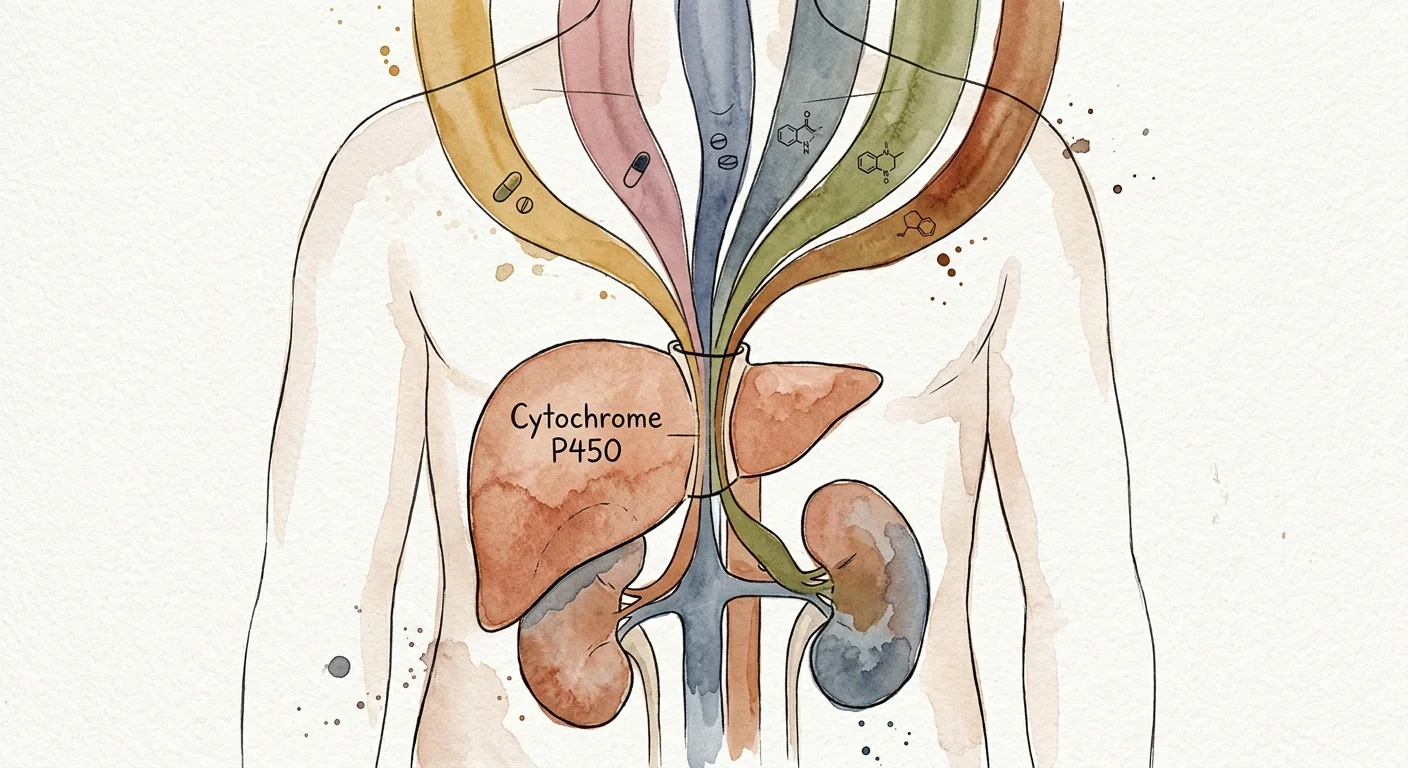
The biological mechanisms behind these interactions center primarily on your liver and kidneys. Your body relies on specific hepatic enzymes; particularly the cytochrome P450 system; to break down most medications. As you age, liver mass naturally decreases, and blood flow to the organ slows down. Consequently, your body processes drugs at a reduced rate. Furthermore, your kidneys experience a gradual decline in glomerular filtration rate, which dictates how efficiently water-soluble drugs exit your system through urine. When multiple medications compete for these slowing metabolic pathways, some drugs inevitably accumulate in your bloodstream. This toxic accumulation generates side effects that closely mimic the physical and mental decline society falsely attributes to normal aging.

9 Subtle Signs You Should Never Ignore
1. Cognitive Fog and Sudden Memory Lapses
You might misplace your keys or struggle to recall a familiar name, instantly fearing the onset of dementia. However, a significant contributor to temporary cognitive impairment stems from an invisible interaction known as anticholinergic burden. Many common medications—including over-the-counter sleep aids, allergy pills, and prescription bladder relaxants—block acetylcholine, a critical neurotransmitter responsible for learning and memory. When you combine two or three drugs with mild anticholinergic properties, the cumulative effect paralyzes your neural pathways. You experience this neurochemical traffic jam as profound brain fog, confusion, and memory deficits. Always evaluate your regimen for cumulative anticholinergic effects before accepting cognitive decline as your new normal.
2. Unrelenting Fatigue and Lethargy
Waking up exhausted after a full night of sleep often gets blamed on getting older. In reality, profound lethargy frequently results from compounding depressant effects in your daily medications. Combining a beta-blocker for blood pressure with a seemingly harmless muscle relaxant or nerve pain medication slows your central nervous system significantly. These chemical interactions lower your heart rate and decrease oxygen circulation to your tissues, leaving you feeling physically drained. If your energy levels plummeted shortly after introducing a new supplement or adjusting a prescription dose, your fatigue is likely pharmaceutical rather than chronological.
3. Persistent Dizziness and Postural Hypotension
Feeling lightheaded when you stand up from a chair poses a severe risk to your independence. This sensation, known as orthostatic hypotension, frequently arises when blood pressure medications interact with other drugs that inadvertently dilate blood vessels, such as certain prostate medications or antidepressants. The interaction causes your blood pressure to drop too low when you change positions. Maintaining balance requires immediate physiological adjustments that these interacting drugs suppress. The prevention of older adult falls relies heavily on identifying and mitigating these specific dizzying drug interactions before they lead to a catastrophic fracture.
4. Unexplained Muscle Aches and Weakness
Losing muscle mass over time happens to everyone, but sudden, unexplained muscle aches suggest a different problem altogether. Statins, widely prescribed to manage cholesterol, require specific liver enzymes for clearance. If you consume a medication that blocks these same enzymes—such as certain blood pressure channel blockers or specific antifungal medications—statin levels spike dangerously high in your bloodstream. This toxic accumulation leads to myopathy, characterized by deep muscle aching, tenderness, and sudden weakness. You might mistake this pain for age-related arthritis or general frailty when, in fact, it requires an immediate medication adjustment.
5. Gastrointestinal Distress and Loss of Appetite
Your digestive system naturally becomes a bit more sensitive over time, but chronic nausea, indigestion, or a sudden loss of appetite usually points to a chemical clash. Nonsteroidal anti-inflammatory drugs (NSAIDs) prescribed for joint pain often interact poorly with selective serotonin reuptake inhibitors (SSRIs) used for mood management. Together, they severely irritate the stomach lining and increase the risk of microscopic bleeding. Additionally, drugs used to neutralize stomach acid can prevent the proper absorption of essential minerals and other medications, leading to a cascade of digestive discomfort and nutritional deficiencies that leave you feeling weak and uninterested in food.
6. Erratic Mood Swings and Depressive Symptoms
Psychological well-being can fluctuate, but a sudden onset of apathy, weepiness, or severe mood swings warrants a careful review of your medicine cabinet. Corticosteroids prescribed for inflammation often cause emotional volatility, which becomes severely amplified when mixed with synthetic thyroid hormones or certain asthma medications. Furthermore, medications intended to stabilize physical conditions can inadvertently deplete dopamine or serotonin levels. Treating these drug-induced mood changes with additional psychiatric medications only worsens the underlying polypharmacy problem. You must look at the chemical interactions driving your mood before assuming you are simply experiencing late-life depression.
7. Disrupted Sleep Architecture and Insomnia
Changes in circadian rhythms naturally alter sleep patterns as you age, but severe insomnia or constantly interrupted sleep often stems from hidden stimulants. Decongestants containing pseudoephedrine act as powerful central nervous system stimulants. When combined with bronchodilators for respiratory issues or even high doses of caffeine, they completely override your body’s natural sleep drive. Conversely, interacting medications might cause you to metabolize your nighttime sleep aids too slowly, leaving you groggy and hungover the entire next day. A disrupted sleep architecture prevents deep, restorative healing and accelerates physical and mental exhaustion.
8. Sudden Weight Fluctuations
Gaining or losing ten pounds without altering your diet or exercise routine serves as a major red flag for drug interactions. Certain medications, particularly older classes of antidepressants and diabetes drugs, alter how your cells respond to insulin. When these drugs interact with seemingly unrelated prescriptions, they can trigger massive fluid retention or severely suppress your metabolic rate. You might assume your metabolism is simply slowing down due to age, but chemical signals conflicting within your endocrine system are often the true drivers of this unexplainable weight shift.
9. Severe Dry Mouth and Dental Decay
While salivary glands naturally produce slightly less moisture over time, a drastically dry mouth—known as xerostomia—indicates a significant chemical interaction. Dozens of medications across entirely different categories cause dry mouth as a primary side effect. When you stack blood pressure diuretics, antihistamines, and nerve pain medications, you effectively shut down your salivary production. Saliva plays a crucial role in protecting your teeth from decay and aiding initial digestion. The safe management of older adult prescriptions requires immediate intervention for dry mouth to prevent rapid tooth loss, which severely impacts your ability to eat a nutritious diet.
Strategy Pillars: Managing Your Medication Regimen
Pillar 1: Medical Care and the Brown Bag Review
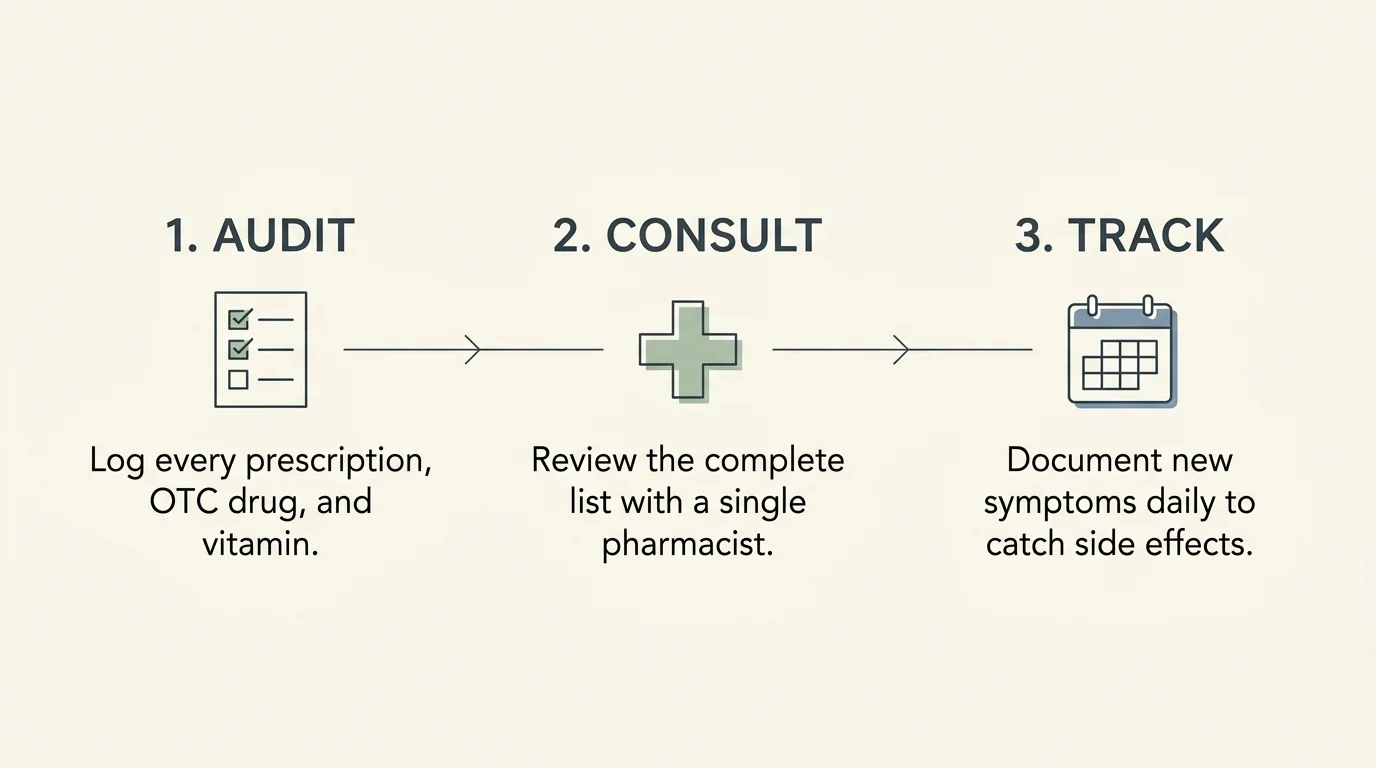
Taking control of your health begins with radical transparency with your medical providers. You must schedule an annual “brown bag review” with your primary care physician or a clinical pharmacist. This process requires you to physically gather every single prescription bottle, over-the-counter painkiller, herbal supplement, and multivitamin you take and bring them to your appointment. By placing everything on the examination table, your healthcare provider can cross-reference the entire chemical landscape of your body. They utilize specialized software to identify redundancies and dangerous interactions. Depending on your insurance and access to healthcare, securing a comprehensive review might require persistence, but you have the legal and medical right to request this service from any community pharmacist.
Pillar 2: Nutrition and Metabolic Support
What you eat directly impacts how your body processes synthetic chemicals. Food-drug interactions remain one of the most overlooked aspects of senior health. For example, calcium-fortified orange juice or dairy products can bind to certain antibiotics and thyroid medications in your gut, rendering the medication entirely useless. Similarly, compounds found in grapefruit permanently disable the specific intestinal enzymes needed to break down statins and blood pressure drugs, leading to accidental overdoses. You can protect your metabolism by familiarizing yourself with the guidelines on food and drug interactions. Keep a food diary alongside your medication schedule to spot patterns between what you consume and how you feel.
Pillar 3: Mindset, Advocacy, and Movement
Adopting an empowered mindset shifts you from a passive patient to an active director of your own health. You must advocate for yourself by asking your doctor, “Is it possible this new symptom is a side effect of my current medications?” before accepting a new prescription. Alongside this advocacy, maintain safe, daily movement to support your body’s natural clearance systems. Gentle exercise like brisk walking, water aerobics, or tai chi increases blood flow to your liver and kidneys, optimizing their ability to filter and excrete metabolized drugs. Hydration also plays a non-negotiable role; drinking adequate water ensures your kidneys can efficiently flush out water-soluble pharmaceutical waste.

Real Voices: Insights from the Frontlines of Geriatric Care
Clinical geriatricians and specialized pharmacists echo a consistent warning regarding the over-medicalization of older adults. Experts in geriatric pharmacology frequently observe patients arriving at their clinics diagnosed with cascading conditions—where one medication causes a side effect, and a second medication is prescribed to treat that side effect. According to clinical consensus in gerontology, up to thirty percent of hospital admissions for older adults stem directly from adverse drug events that could have been prevented with careful deprescribing. Health professionals emphasize that stopping a medication safely is just as important a medical intervention as starting one. They urge patients to view their medication list not as a permanent fixture, but as a living document that requires constant pruning and adjustment as their biology evolves.
Frequently Asked Questions
How can I tell the difference between normal aging and a medication interaction?
The most revealing clue lies in the timeline. Normal age-related changes occur gradually over years or decades. If you experience a sudden onset of confusion, extreme fatigue, or dizziness within days or weeks of starting a new medication, changing a dosage, or adding a new supplement, a chemical interaction is highly likely. Always track your symptoms in a journal alongside your medication schedule to provide your doctor with concrete timeline data.
Should I stop taking my medication if I suspect an interaction?
You should never abruptly stop taking prescribed medications without direct medical supervision. Suddenly halting certain drugs, particularly beta-blockers, antidepressants, or corticosteroids, can trigger severe withdrawal symptoms or cause life-threatening rebound effects like hypertensive crises. Instead, contact your prescribing doctor or pharmacist immediately, report your symptoms, and request a supervised tapering plan or a safer alternative medication.
Do natural supplements and herbal remedies interact with prescription drugs?
Yes, natural does not mean inert. Herbal supplements contain active pharmacological compounds that routinely interact with prescription medications. St. John’s Wort, for instance, drastically accelerates the breakdown of blood thinners, making them ineffective and increasing your risk of blood clots. Ginkgo Biloba can increase bleeding risks when paired with aspirin. You must treat all vitamins, minerals, and herbal supplements exactly like prescription drugs during your medical reviews.
How often should I request a comprehensive medication review?
You should secure a comprehensive medication review at least once a year. Additionally, you must request a review whenever you transition care—such as moving from a hospital stay back to your home—because hospital physicians often add new medications to your regimen. Furthermore, request a brief interaction check from your pharmacist any time you decide to add a new over-the-counter product to your daily routine.
Your Next Step Toward Clarity
Reclaiming your physical energy and mental sharpness begins with a single, highly practical step. Tonight, take a medium-sized box or bag and gather every pill, liquid, inhaler, and supplement you currently use from your bathroom, kitchen, and bedside table. Seeing your entire regimen in one place often provides immediate perspective on the chemical load your body manages daily. Call your local pharmacist tomorrow morning and ask to schedule a comprehensive interaction review. You deserve to live your later years with clarity, vitality, and balance. By questioning your symptoms and addressing subtle medication interactions, you clear the path for a genuinely healthy, vibrant future.









Leave a Reply