

Migraines affect over one billion people worldwide, yet many sufferers remain unable to pinpoint what sparks their debilitating attacks. While common culprits like stress or wine receive plenty of attention, subtle everyday factors continuously disrupt your nervous system without your knowledge. Identifying these overlooked micro-triggers allows you to anticipate brain inflammation, calm overly sensitive pain pathways, and regain control over your schedule. By tracking environmental, dietary, and physiological changes, you can lower your overall trigger load and prevent pain before it takes hold. Navigating this process transforms how you manage your neurological health, shifting your daily experience from unpredictable suffering to proactive, sustainable relief.
The Hidden Complexity of Neurological Sensitivity
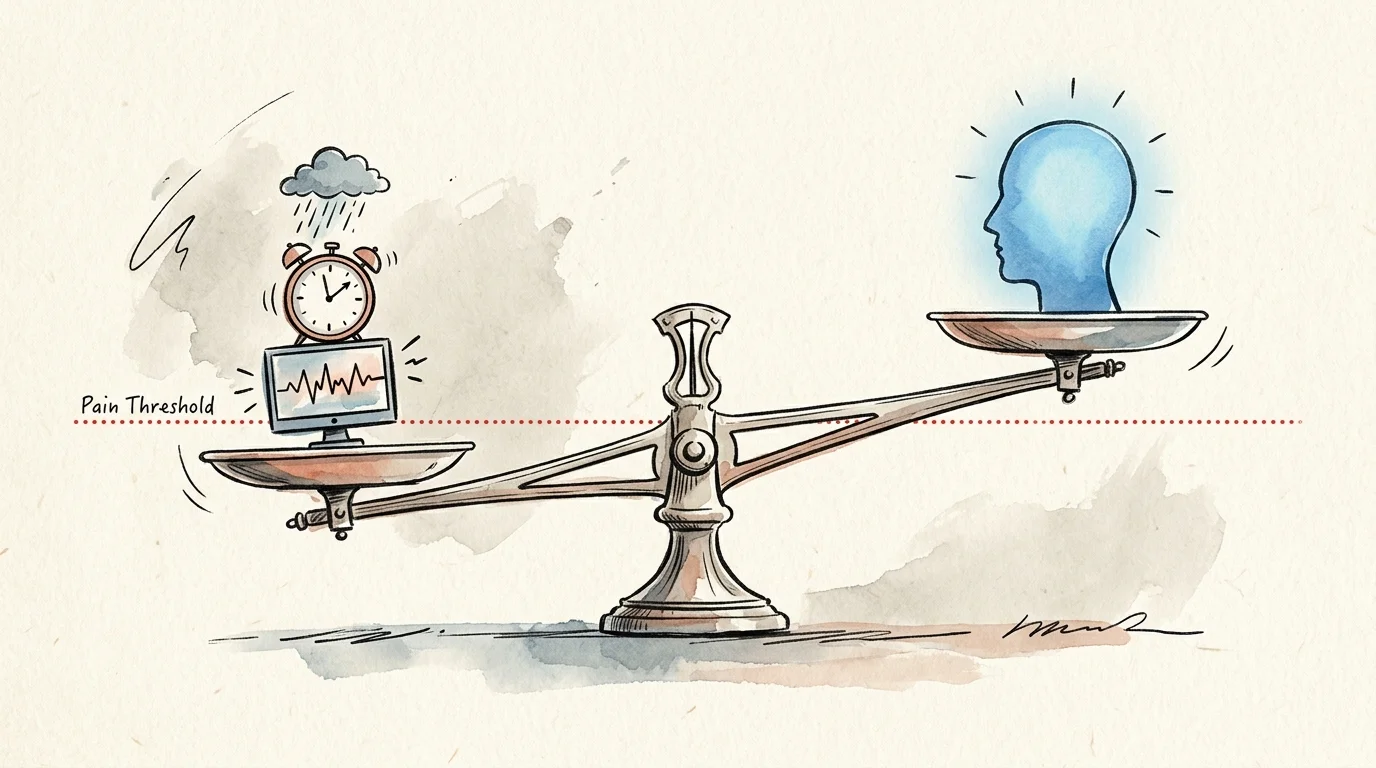
A migraine is a complex neurological condition rather than a simple tension headache. A migraine-prone brain is inherently hyperexcitable, meaning its central nervous system processes everyday sensory stimuli with heightened sensitivity. Neurologists explain this phenomenon through the cumulative trigger model. Individual factors—such as a minor dip in atmospheric pressure, a delayed afternoon snack, or subtle neck tightness—might not provoke an attack when experienced alone. However, when multiple minor influences pile together, they overwhelm your nervous system and cross your personal pain threshold. Clinical research from the National Institute of Neurological Disorders and Stroke shows that crossing this threshold activates the trigeminal nerve pathway; this releases inflammatory neuropeptides that dilate cranial blood vessels and transmit intense pain signals throughout the brain.

Ten Overlooked Triggers That Disrupt Your Nervous System
1. Barometric Pressure Shifts
Atmospheric pressure fluctuations create pressure differentials between outside air and your sinus cavities, expanding internal tissues and irritating delicate nerves. Rapid weather shifts also alter brain serotonin levels, disrupting natural pain-regulation pathways and leaving you vulnerable to sudden headaches as storm fronts approach.
2. High-Frequency Lighting and Screen Glare
Fluorescent bulbs and low-quality LED lights emit microscopic flicker that your visual cortex perceives even if your conscious mind misses it. Combined with blue light from digital screens, this visual input overstimulates retinal ganglion cells that connect directly to brain centers that process pain.
3. Silent Hypoglycemia and Meal Timing
Consuming refined carbohydrates or skipping meals causes your blood glucose to spike and rapidly crash. This sudden crash triggers a stress response, prompting your body to release epinephrine and cortisol. The resulting hormonal surge causes cranial blood vessels to constrict and expand, launching a migraine before you feel hungry.
4. Tyramine Accumulation in Aged Foods
Aged cheeses, cultured yogurt, and fermented products contain high concentrations of tyramine, an amino acid breakdown product. Tyramine stimulates norepinephrine release, altering vascular tone in your head. If your body breaks down tyramine slowly, consuming these foods creates a delayed neurological reaction hours after eating.
5. Weekend Sleep Variations
Sleeping in on weekend mornings alters your circadian rhythm, disrupting the predictable release of melatonin and cortisol. Your brain interprets sudden changes in sleep timing as a physiological stressor. This inconsistency frequently triggers weekend headaches, ruining your rest days through routine disruption.
6. Subclinical Dehydration and Electrolyte Loss
Mild fluid deficits decrease total blood volume, causing brain tissue to lose moisture and pull slightly away from the interior skull. This mechanical traction stimulates pain receptors embedded within the meninges. Losing key electrolytes like magnesium and potassium further impairs neural signaling across sensitive brain tissues.
7. Volatile Organic Compounds and Fragrances
Synthetic scents in laundry detergents, candles, air fresheners, and perfumes release volatile organic compounds into the air. Inhaling these airborne chemicals directly stimulates the trigeminal nerve network in your nasal passages. Global health reports from the World Health Organization confirm that environmental sensory irritants contribute significantly to recurring headache disorders.
8. Cervicogenic Strain from Digital Posture
Leaning forward toward screens strains your upper cervical spine and suboccipital muscles. Nerve roots in this upper neck region feed directly into the trigeminovascular nucleus inside your brainstem. As muscular tension accumulates throughout the workday, these pain signals cross over into migraine pathways, converting neck strain into an attack.
9. Nitrates and Preservatives in Processed Foods
Preservatives used in cured meats and packaged snacks contain nitrates and nitrites that release nitric oxide into your bloodstream. Nitric oxide forces blood vessels to dilate rapidly. In susceptible individuals, sudden cranial vasodilation triggers neurogenic inflammation and throbbing pain.
10. Abrupt Stress Release
While acute anxiety is a known trigger, the sudden drop in stress after a demanding project poses an equal threat. When high-pressure situations end, your cortisol levels plunge sharply, causing cranial blood vessels to dilate rapidly and triggering an attack just as you sit down to relax.

Strategic Pillars for Reclaiming Your Neurological Balance
Pillar 1: Metabolic and Dietary Consistency
Stabilize your glucose levels by eating balanced meals containing complex carbohydrates, lean protein, and healthy fats every three to four hours. Hydrate systematically by sipping water throughout the day. Research highlighted by the National Center for Complementary and Integrative Health suggests that regular mineral intake, particularly magnesium, can support cellular energy production and reduce neuronal hyperexcitability when paired with balanced nutrition.
Pillar 2: Sensory Protection and Sleep Hygiene
Protect your visual system by installing warm lighting in primary living spaces and applying glare filters to digital screens. Maintain a strict sleep schedule by going to bed and waking up within thirty minutes of the same time daily. Eliminate synthetic air fresheners and heavily scented cleaning products from your home, replacing them with unscented alternatives.
Pillar 3: Cervical Support and Mind-Body Integration
Optimize your workstation ergonomics by positioning screens at eye level and using a supportive chair that encourages neutral alignment. Perform gentle neck stretches to relieve physical tension before it reaches your brainstem. Guidance from the American Headache Society highlights the therapeutic value of integrating physical adjustments with relaxation techniques like biofeedback to regulate your nervous system.
Insights From Headache Specialists
Leading neurologists emphasize that successful migraine management focuses on raising your overall neurological threshold rather than attempting to eliminate every single potential trigger. Dr. Elizabeth Loder, a prominent headache researcher, emphasizes that individual triggers rarely act in total isolation; minor factors accumulate over hours or days until they cross a patient’s pain threshold. Clinical experts strongly advise keeping a detailed headache diary for at least four weeks to track sleep patterns, weather shifts, dietary intake, and stress transitions. Sharing this tracking data with a board-certified neurologist ensures an accurate diagnosis, helps rule out secondary conditions, and allows you to create a safe, evidence-based management plan tailored to your body.
Frequently Asked Questions About Hidden Migraine Triggers
Why do I experience migraines on weekends when I am resting? Weekend migraines often stem from stress let-down and circadian disruption. When high work stress abruptly ends, your cortisol levels drop rapidly, causing blood vessels in the brain to dilate. Additionally, sleeping in past your normal wake-up time or delaying morning coffee alters sleep architecture and caffeine delivery, sparking a neurological attack.
How long after exposure to a trigger does a migraine start? A migraine does not always strike immediately upon exposure. While triggers like flickering lights or harsh scents can provoke symptoms within minutes, dietary compounds or atmospheric pressure shifts can take six to twenty-four hours to produce pain. This delay occurs because neurogenic inflammation builds gradually before surpassing your threshold.
Can a single food item trigger a migraine by itself? For most people, a single food item rarely causes a migraine in isolation unless consumed in large quantities or accompanied by extreme personal sensitivity. Food triggers typically act alongside other subtle factors, such as fatigue or dehydration. Lowering your overall trigger burden enables your nervous system to tolerate occasional dietary variations without pain.
When should I consult a healthcare professional about my headaches? You should consult a healthcare professional if your headaches occur frequently, disrupt your ability to work, or fail to improve with lifestyle changes. Seeking immediate emergency medical evaluation is critical if you experience a sudden severe headache, or if pain accompanies fever, neck stiffness, confusion, or visual loss. Public health guidelines from the Centers for Disease Control and Prevention outline key red-flag symptoms requiring urgent medical evaluation.
Taking Your First Step Toward Lasting Relief
Uncovering your hidden migraine triggers empowers you to take control of your neurological health. Rather than feeling defenseless against unpredictable attacks, you can take deliberate, practical steps to protect your brain and build long-term resilience. Begin by selecting a single actionable adjustment from this guide—such as standardizing your daily wake-up time or adjusting your screen height—and maintain it consistently for the next two weeks. Reflect on how your daily environment influences your physical comfort, and consult a qualified healthcare professional before undertaking major health or dietary changes. Building a supportive routine step by step helps reduce your attack frequency and supports long-term well-being.









Leave a Reply