

You can manage most seasonal respiratory infections from home using simple holistic remedies and rest. However, specific cold and flu symptoms signal deeper systemic complications that require prompt evaluation by a physician.
Ignoring severe respiratory warning signs allows simple viral illnesses to escalate into secondary infections like pneumonia or bronchitis. Knowing the exact difference between normal discomfort and genuine danger protects your long-term vitality.
This clinical guide highlights twelve critical signals that mean you should see a doctor without delay, ensuring you receive timely and effective care.
Understanding Cold vs Flu: The Science Snapshot
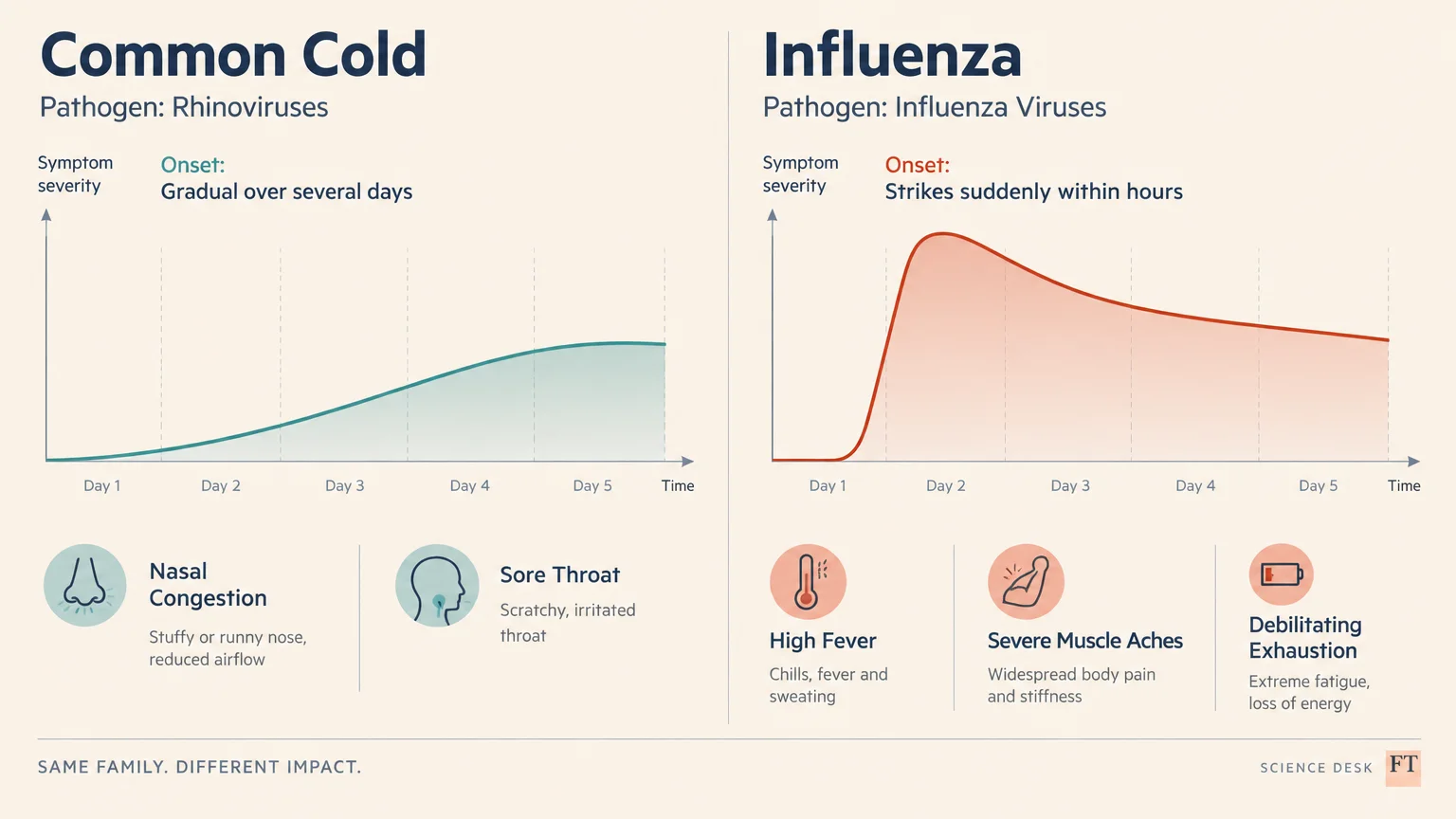
While rhinoviruses cause typical colds, influenza viruses trigger the seasonal flu. Both conditions share nasal congestion and sore throats, but their systemic impact differs significantly.
Colds generally develop gradually over several days. In contrast, influenza strikes suddenly, often producing severe muscular aches, debilitating exhaustion, and high fevers within hours.
According to the Centers for Disease Control and Prevention, distinguishing between these viruses early determines whether antiviral treatment will work.
Viruses also compromise your respiratory lining, leaving delicate mucosal tissues vulnerable to secondary bacterial invaders. When your immune defense weakens, harmless pathogens can rapidly multiply in your lungs, ears, or sinuses.
12 Cold and Flu Symptoms Requiring a Doctor
Recognizing the threshold between standard viral progression and dangerous escalation saves lives. Pay close attention if you or a family member experience any of the following twelve symptoms.
1. Persistent or Extremely High Fever
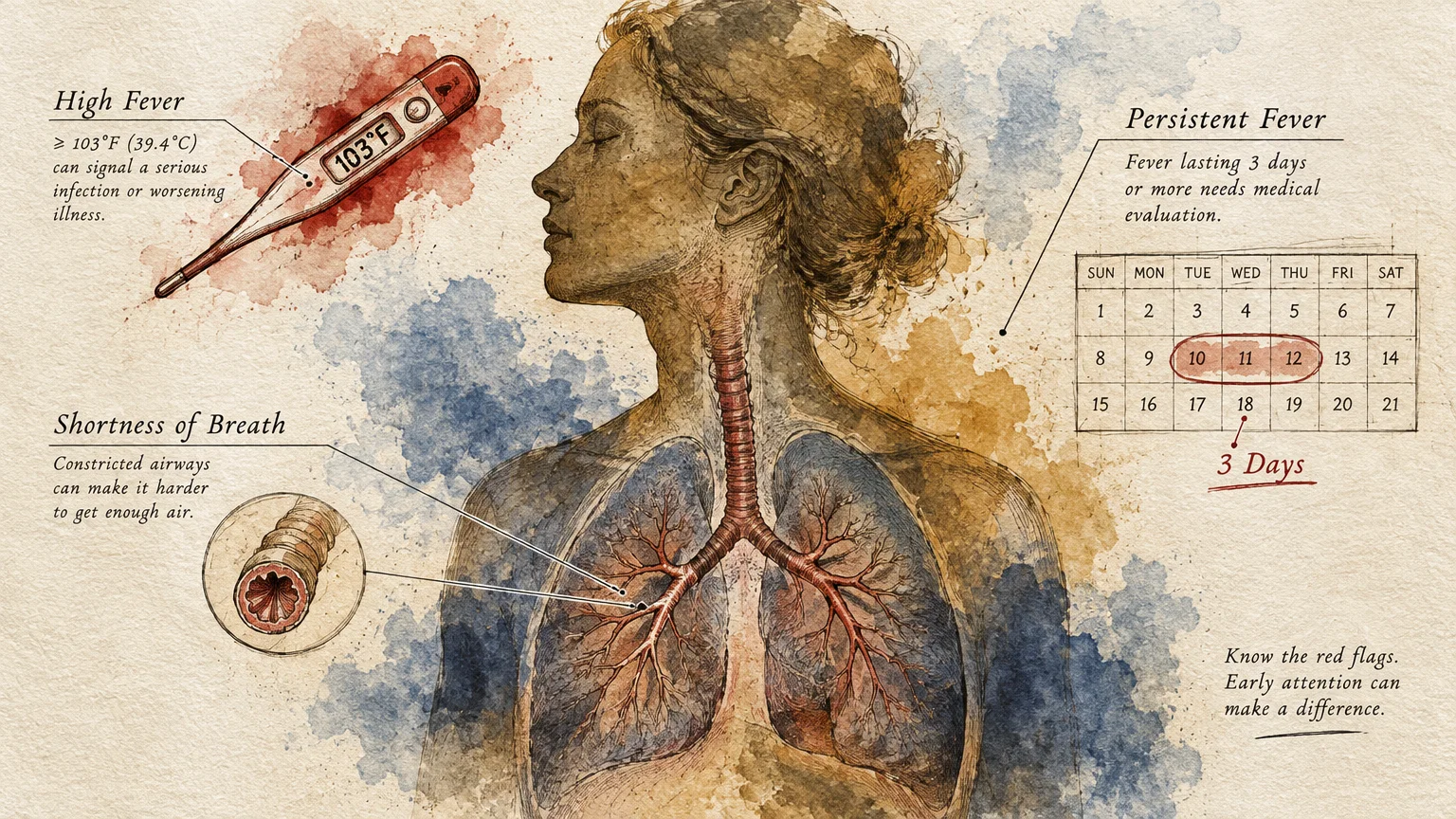
A fever represents your immune system actively fighting off viral pathogens. However, a body temperature exceeding 103 degrees Fahrenheit in adults signals an urgent medical concern.
You should also consult a doctor if any fever persists longer than three full days. Long-lasting fevers often indicate a secondary bacterial infection rather than an uncomplicated viral illness.
2. Shortness of Breath and Wheezing
Viral infections cause nasal congestion, but they should never prevent you from drawing a complete breath into your lungs. Feeling winded while resting represents an immediate medical emergency.
Wheezing, gasping, or rapid, shallow breathing indicates airway constriction or fluid accumulation. Seek emergency medical care if you struggle to speak in full sentences without pausing for air.
3. Chest Pain or Persistent Pressure
Mild soreness in your ribs from coughing is normal during a severe cold. Sharp chest pain or an oppressive pressure sensation, however, demands an immediate clinical evaluation.
The American Lung Association notes that chest pressure can signal pneumonia, pleurisy, or cardiovascular strain triggered by influenza. Clinicians must rule out acute complications promptly.
4. Sudden Confusion and Cognitive Impairment
Severe fatigue frequently accompanies viral illness, but it should never impair your mental clarity. Sudden confusion, disorientation, or an inability to answer basic questions signals a critical emergency.
These neurological symptoms can indicate systemic oxygen deprivation, severe metabolic disturbances, or viral encephalitis. Have someone drive you to the nearest emergency department immediately if cognitive changes occur.
5. The Rebound Sickness Phenomenon
Most uncomplicated colds and cases of the flu follow a predictable healing trajectory. You should feel progressively better after your fourth or fifth day of rest.
If your fever suddenly returns with worse cough and chills after brief improvement, contact your physician immediately. This pattern strongly points to secondary bacterial pneumonia taking hold.
6. Inability to Retain Liquids and Severe Dehydration
Fever, sweating, and rapid breathing deplete your internal fluid reserves quickly. If persistent nausea or vomiting prevents you from keeping liquids down for twenty-four hours, you risk severe dehydration.
Watch for dark urine, dry mucous membranes, lightheadedness, and sunken eyes. Intravenous fluid administration in a clinic might be necessary to restore electrolyte balance and support kidney function.
7. Severe Throat Pain and Difficulty Swallowing
Scratchy irritation is typical with common respiratory viruses. Severe pain that prevents you from swallowing your own saliva, however, requires swift medical attention.
Inability to swallow can indicate a peritonsillar abscess or severe streptococcal infection. Physicians must examine your airway to ensure adequate airflow and prescribe appropriate antimicrobial therapy.
8. Cough Lasting Longer Than Three Weeks
While post-viral airway hypersensitivity can linger, a chronic cough should diminish steadily over two weeks. A relentless, hacking cough exceeding three weeks warrants comprehensive evaluation.
According to clinical updates from the National Institute of Allergy and Infectious Diseases, unresolved coughs may point to pertussis, asthma, or chronic bronchitis. Your doctor can order chest radiographs to diagnose underlying lung inflammation.
9. Stiff Neck Combined With Fever and Headache
General body aches represent a classic symptom of the seasonal flu. However, marked neck stiffness that prevents you from touching your chin to your chest is an alarming finding.
When accompanied by a pounding headache and high fever, neck rigidity strongly suggests meningitis. Bacterial and viral meningitis can progress within hours, necessitating emergency medical treatment.
10. Intense Facial Pressure and Sinus Pain
Mild sinus congestion normally resolves as nasal drainage clears. Severe, throbbing facial pain concentrated around your forehead, eyes, and cheekbones that worsens when bending forward indicates severe sinusitis.
If facial pain persists beyond ten days without improvement, a secondary bacterial sinus infection likely exists. You may require targeted medical therapies to reduce swelling and clear trapped pathogens.
11. Bluish or Pale Lips, Skin, or Nail Beds
Healthy circulation maintains pink tones in your lips and capillary beds. A bluish, gray, or unusually pale tint indicates cyanosis, reflecting insufficient oxygen saturation in your blood.
Cyanosis represents a medical emergency that requires prompt hospitalization. Call emergency services immediately if you observe skin discoloration alongside labored breathing.
12. Any Cold or Flu Symptoms in High-Risk Individuals
Certain biological factors elevate the risk of life-threatening viral complications. If you have chronic conditions, you should contact a healthcare provider at the first sign of illness.
High-risk groups include adults over sixty-five, pregnant individuals, and people managing asthma, diabetes, or autoimmune diseases. Early clinical oversight prevents minor viral infections from destabilizing existing medical conditions.

Holistic Pillars for Safe Recovery and Prevention
While professional medical evaluation is crucial for severe symptoms, holistic self-care provides the baseline for resilience. Integrate these practical pillars to support your body throughout the healing journey.
Targeted Nutrition and Gentle Hydration
Nourishing your body during acute illness requires easily digestible foods rich in micronutrients. Focus on warm bone broths, herbal teas, and electrolyte solutions to maintain cellular hydration.
Incorporate antioxidant-rich foods like stewed berries, garlic, and leafy greens as your appetite returns. Avoid processed sugars and alcohol, which increase systemic inflammation and suppress immune function.
Restorative Rest and Nervous System Recovery
Deep cellular repair happens when your body enters the parasympathetic state during non-REM sleep. Eliminate strenuous workouts completely during acute illness, swapping them for quiet rest.
Engage in gentle diaphragmatic breathing to oxygenate tissues without stressing your lungs. Adequate sleep balances cortisol production, allowing immune cells to target viral particles effectively.
Timely Medical Interventions and Antivirals
Do not hesitate to combine holistic comfort measures with conventional medicine when appropriate. The World Health Organization highlights prescription antivirals as essential tools for severe influenza.
These medications work best when initiated within forty-eight hours of symptom onset. Consulting a clinician early ensures you retain the option of using targeted pharmaceuticals if your condition deteriorates.
Social Determinants and Care Accessibility
Not everyone possesses identical access to paid sick leave, private transportation, or primary care providers. These systemic barriers often delay clinical care until symptoms reach a critical emergency state.
Explore affordable community clinics through the Health Resources and Services Administration directory if you lack health insurance. Telehealth appointments also offer convenient, low-cost options for evaluating symptoms from home.

Real Clinical Perspectives
Primary care physicians repeatedly witness the consequences of waiting too long to evaluate respiratory infections. Clinicians emphasize listening to your body’s instinctual warning signals.
Dr. Elena Morales, an integrative family physician, notes that patients often minimize shortness of breath as simple fatigue. She advises individuals to seek evaluation whenever breathing requires conscious effort.
Clinical experience demonstrates that timely assessments reduce hospitalizations dramatically. Prompt triage allows doctors to prescribe supportive therapies before complications become intractable.
Frequently Asked Questions
Can a common cold suddenly turn into pneumonia?
Yes, a common cold can occasionally progress into viral or secondary bacterial pneumonia. This happens when mucosal inflammation weakens your airways, allowing pathogens to travel down into the lungs.
If you experience new chest pain, high fever, or discolored phlegm after feeling better, consult a healthcare professional. A clinician can auscultate your lungs and order diagnostic imaging.
When is the best window to take prescription flu antivirals?
Prescription flu antivirals provide the greatest therapeutic benefit when started within forty-eight hours of your first symptoms. Early administration shortens illness duration and decreases severe complication risks.
You should contact a doctor immediately after sudden flu symptoms develop if you belong to a high-risk group. Physicians can prescribe antivirals even after forty-eight hours in hospitalized patients.
How do I differentiate sinus congestion from a secondary bacterial infection?
Standard viral sinus congestion generally peaks within five days and clears within seven to ten days. Bacterial infections, however, often persist beyond ten days without any sign of clinical improvement.
Severe one-sided facial pain, worsening fever, and thick yellow-green discharge also point to a bacterial process. A physician can examine your nasal passages and recommend targeted treatment.
Should I go to urgent care or the emergency room for severe flu warning signs?
Urgent care centers excel at managing moderate dehydration, persistent coughs, earaches, and standard diagnostic flu testing. They provide accessible evaluations for symptoms that feel concerning but not instantly fatal.
Go directly to an emergency department for chest pain, blue lips, sudden confusion, or severe respiratory distress. Emergency rooms have advanced imaging and life-support equipment for critical complications.
Your Next Step Toward Recovery
Take a quiet moment today to evaluate how your body feels right now. Note your temperature, monitor your breathing patterns, and ensure you are hydrating consistently throughout the day.
If any of the twelve symptoms discussed resonate with your current state, contact a healthcare provider immediately. Trust your instincts, prioritize restorative rest, and seek professional guidance whenever uncertainty arises.
How can you simplify your daily routine today to give your body the complete physical rest it requires?









Leave a Reply