
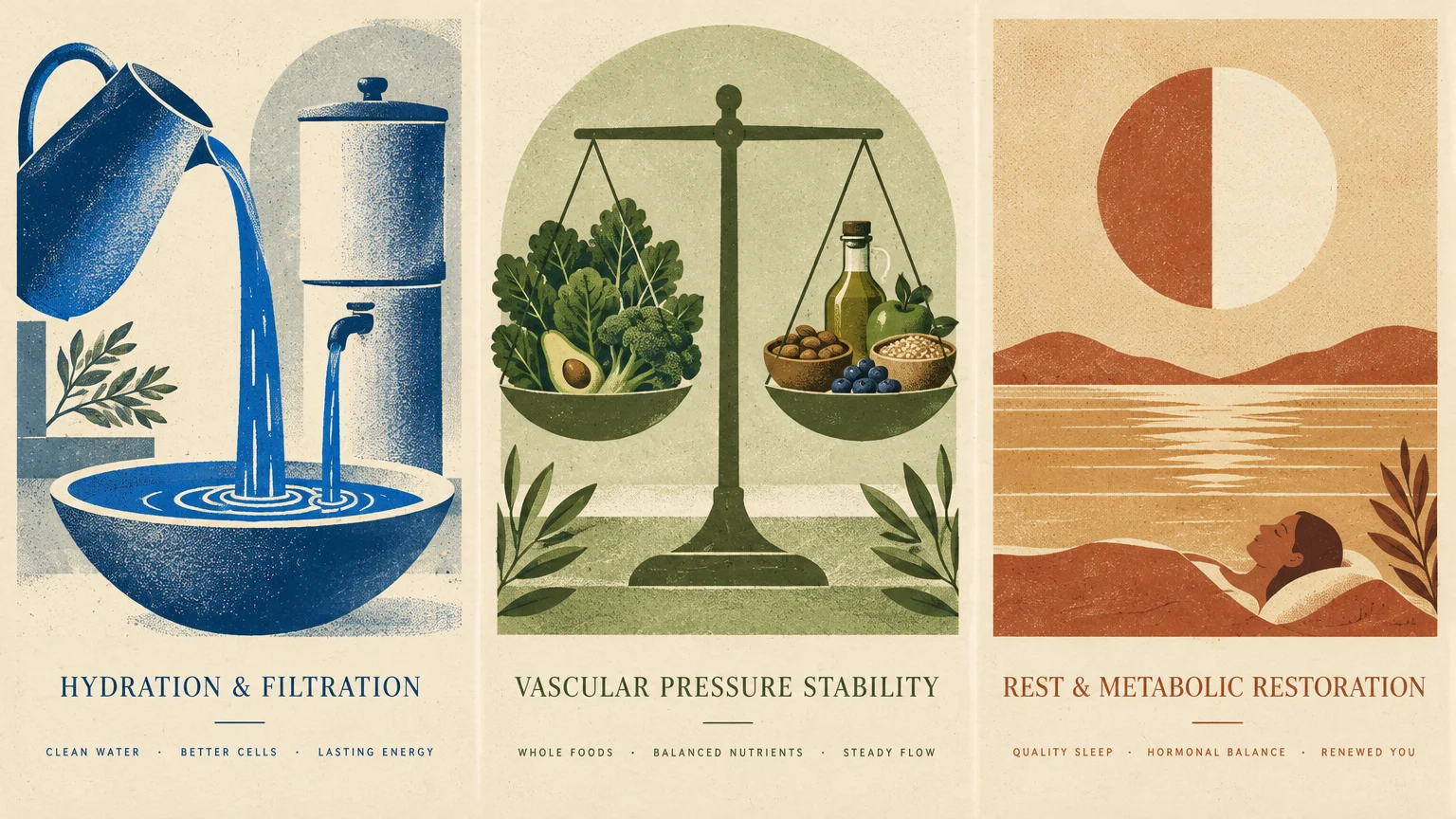
Evidence-Based Pillars to Restore Renal Resilience
1. Targeted Renal Nutrition and Smart Hydration
Nourishing your kidneys begins with moderating your daily sodium intake to protect fragile glomerular blood vessels. Research from the National Institute of Diabetes and Digestive and Kidney Diseases supports keeping sodium below 2,300 milligrams daily.
Shifting toward plant-dominant meals reduces the nitrogenous waste burden placed upon your filtering nephrons. Plant proteins produce less acidic metabolic waste compared to heavy animal proteins, easing overall renal workload.
Maintain steady, mindful hydration throughout the day rather than chugging massive volumes at once. Pure water enables your kidneys to flush sodium and metabolic toxins without placing excessive volume stress on your circulation.
2. Vascular Optimization and Functional Movement
Because your kidneys are essentially complex vascular organs, protecting your blood vessels protects your filtration capacity. Engaging in 150 minutes of moderate aerobic exercise weekly strengthens your vascular endothelium.
Regular physical activity enhances cellular insulin sensitivity, which keeps circulating blood glucose within healthy target ranges. Uncontrolled blood sugar chemically scorches delicate kidney filters, accelerating glomerular stiffening.
Brisk walking, swimming, and cycling lower systemic blood pressure naturally over time. Maintaining blood pressure below 120/80 mmHg shields delicate nephrons against high-pressure vascular shear stress.
3. Mindful Medication Use and Stress Regulation
Routine use of nonsteroidal anti-inflammatory drugs, or NSAIDs, represents a common cause of preventable renal injury. Common over-the-counter pain medications like ibuprofen and naproxen constrict blood vessels feeding your kidneys.
Whenever possible, manage musculoskeletal discomfort through physical therapy, hot and cold treatments, or safer analgesic alternatives. Always consult your personal physician before taking daily pain relievers if you possess kidney risk factors.
Chronic psychological distress also drives sustained sympathetic nervous system activation, elevating renal vascular resistance. Practicing daily diaphragmatic breathing, spending time in nature, and prioritizing restorative sleep lower elevated cortisol levels.
4. Proactive Clinical Screening and Lab Monitoring
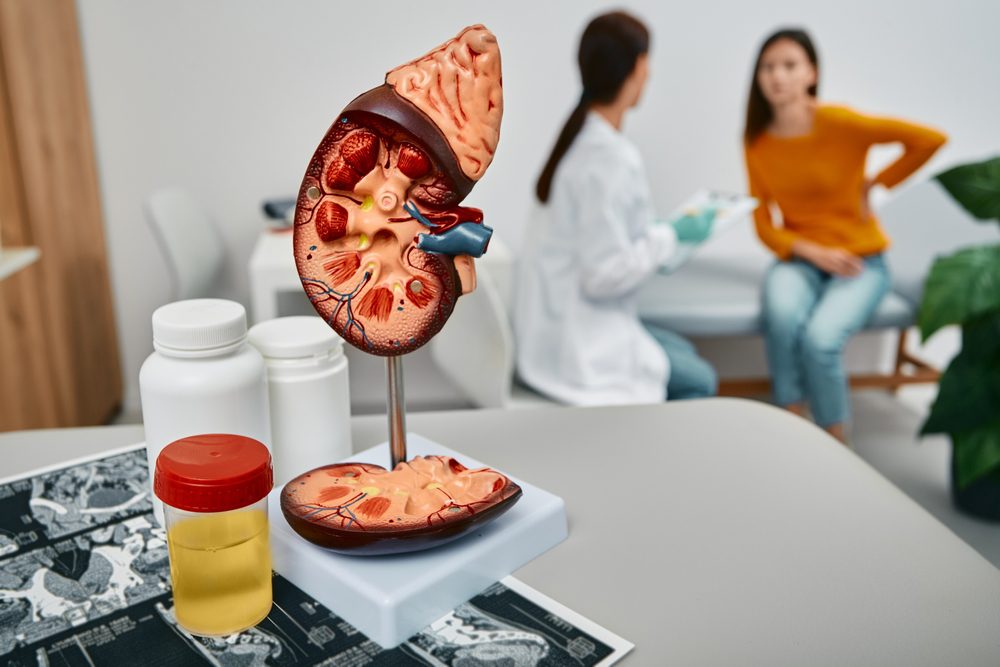
Because kidney damage develops quietly, routine objective laboratory testing remains your greatest defense. The National Kidney Foundation urges adults with risk factors to complete annual screenings.
Request an annual serum creatinine test to calculate your accurate eGFR level during your yearly physical. Pair this blood test with a simple urine test measuring your uACR.
The international KDIGO clinical guidelines recommend combined blood and urine evaluations to catch microalbuminuria early. Detecting microscopic protein leaks gives you the opportunity to intervene years before physical symptoms escalate.
Frequently Asked Questions
Can you reverse early-stage kidney damage?
While scarred nephrons cannot regenerate, you can halt further damage and restore significant functional efficiency. Addressing high blood pressure, balancing blood sugar, and adopting kidney-friendly nutrition stabilize remaining kidney tissue.
Early intervention prevents mild filtration stress from advancing into irreversible chronic kidney disease. Always partner with a board-certified nephrologist or registered dietitian to tailor your metabolic care plan.
How much water should you drink daily to support kidney health?
Most healthy adults thrive on approximately two to three liters of fluid daily from water and hydrating foods. However, your specific hydration needs depend on climate, body size, physical activity levels, and cardiac status.
Individuals with advanced kidney impairment or congestive heart failure often require strict fluid restrictions to avoid dangerous fluid overload. Consult your physician to determine your optimal daily fluid intake based on your specific medical profile.
Why are over-the-counter pain relievers risky for kidneys?
Nonsteroidal anti-inflammatory drugs inhibit cyclooxygenase enzymes, which suppresses prostaglandins that keep renal blood vessels dilated. Without sufficient prostaglandins, blood flow to your kidneys drops precipitously, inducing cellular hypoxia.
Occasional use rarely damages healthy kidneys, but frequent or high-dose intake triggers severe interstitial nephritis. If you manage chronic pain, ask your primary doctor about kidney-safe alternatives to protect your filtration capacity.
What is the single most accurate test for early kidney stress?
The urine albumin-to-creatinine ratio, or uACR, detects microscopic kidney strain far earlier than standard blood panels alone. Stressed glomerular filters leak tiny traces of albumin before your general blood filtration rate drops.
Combining the uACR test with an eGFR blood draw provides a comprehensive clinical picture of your renal vitality. Ask your healthcare provider to run both tests during your next comprehensive medical examination.
Moving Forward with Confidence
Supporting your renal wellness does not demand complex medical routines or overwhelming lifestyle overhauls. Sustainable kidney health begins with small, consistent daily decisions that ease your metabolic and vascular burden.
Start today by drinking an extra glass of water and checking your blood pressure at a local pharmacy. Schedule your annual checkup and ask your provider directly for eGFR and uACR lab evaluations.
Take a quiet moment to reflect on your physical signals. How is your body feeling today, and what gentle step can you take to support your kidneys right now?








Leave a Reply