
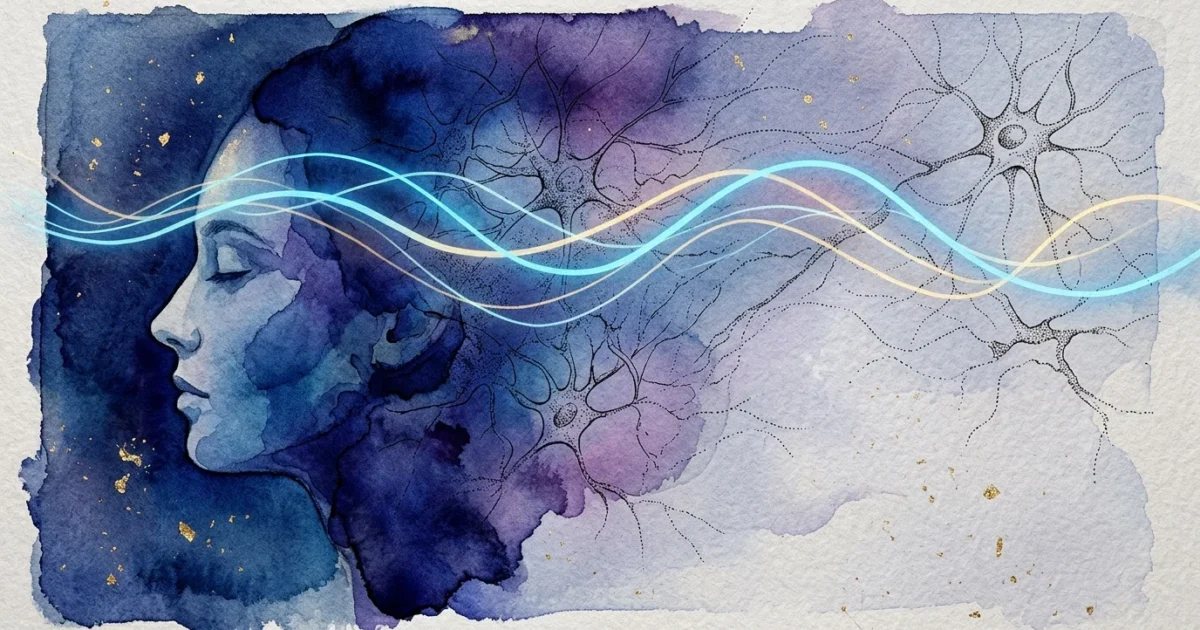
Your nighttime brain waves hold clues about your future cognitive vitality long before memory lapses appear. Subtle shifts in deep sleep architecture reveal biological risks decades ahead of a clinical diagnosis.
Breakthrough electroencephalogram data show that specific micro-signals during rest predict neurodegenerative changes years in advance. Identifying these hidden disruptions empowers you to intervene while your brain remains resilient.
Modern neuroscience proves that your sleeping mind actively protects your memory networks. Understanding these electrical rhythms transforms sleep into a measurable defense against cognitive decline.

The Hidden Architecture of Sleep and Brain Aging
Sleep is not a passive shutdown of consciousness; your central nervous system performs intensive restorative work across distinct sleep stages every night.
During non-rapid eye movement cycles, your brain generates synchronized electrical pulses that preserve neural circuits. Disruptions in this electrical choreography alter cellular repair long before physical symptoms appear.
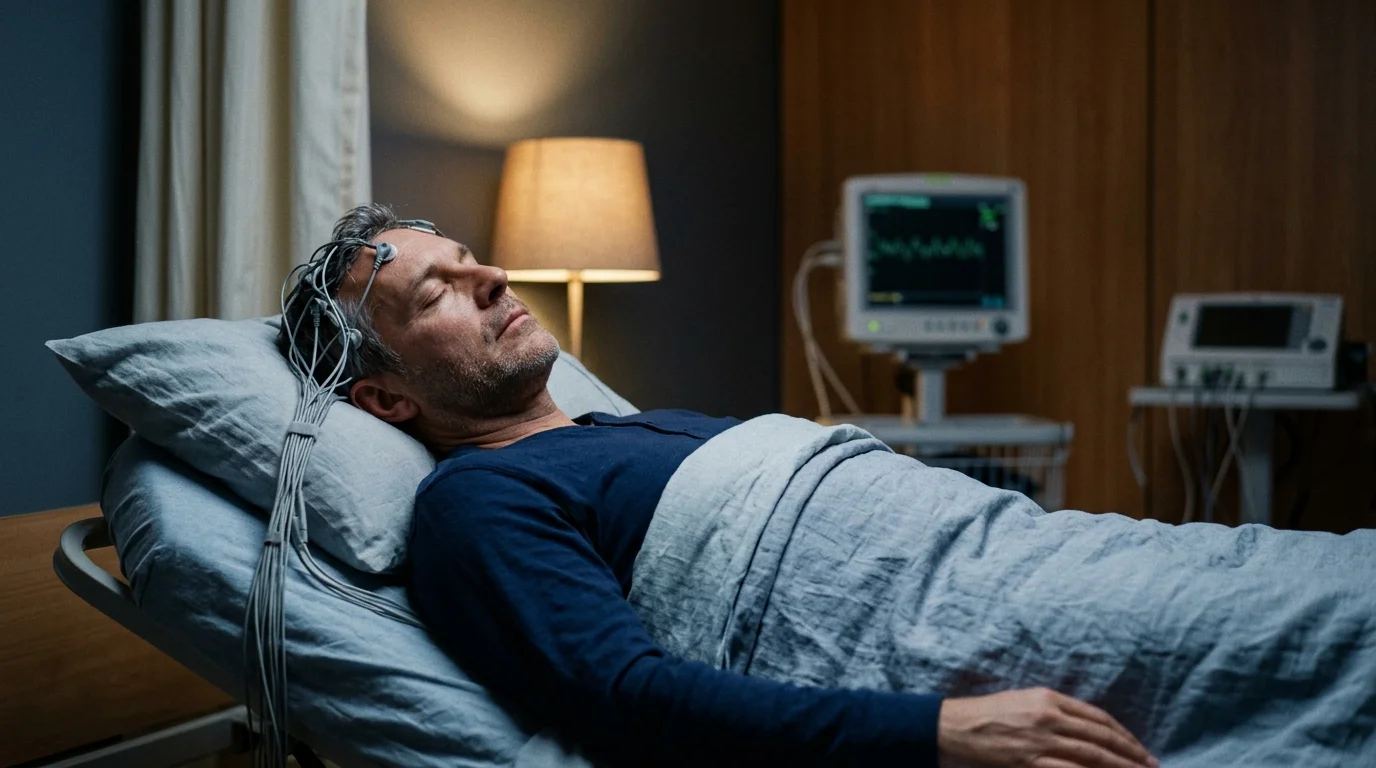
Clinical researchers now evaluate sleep microstructures using advanced electroencephalogram metrics. These readings measure microscopic oscillations, spindle frequencies, and slow-wave continuity that traditional sleep logs routinely miss.
When your brain shifts into slow-wave states, electrical rhythms coordinate metabolic clearance and long-term memory encoding. Preserving these delicate rhythms protects fragile cognitive pathways as you age.
Deciphering the Early Warning Signals in Nighttime Brain Waves
Neuroscientists have uncovered measurable electrical patterns that differentiate healthy aging from accelerated neurodegenerative trajectories.
These neurophysiological markers appear years—and often decades—prior to clinical memory loss. Tracking these distinct signals reveals critical insights into your long-term neurological destiny.
The Steep Cost of Lost Slow-Wave Sleep
Slow-wave sleep represents the deepest, most restorative phase of human rest. As your body relaxes, slow delta waves sweep across your cerebral cortex to orchestrate physiological restoration.
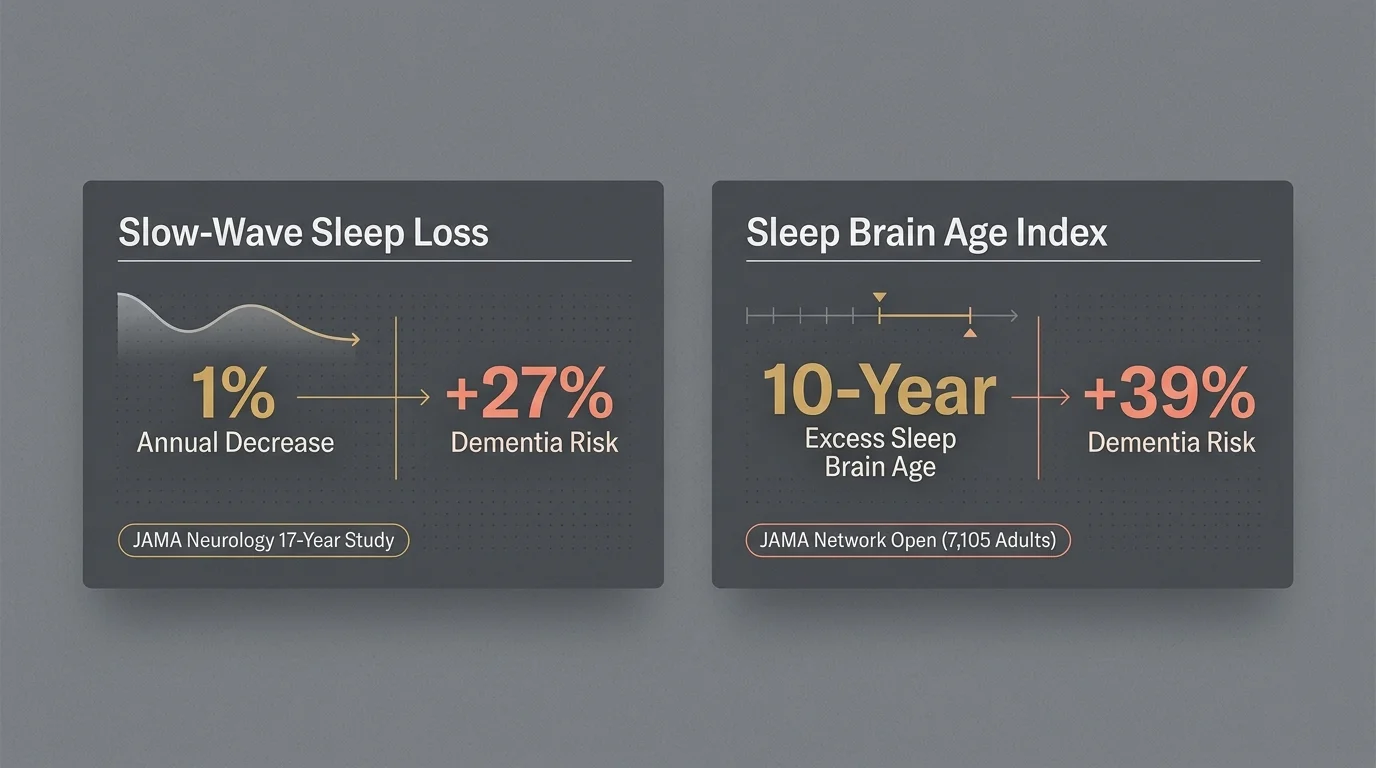
A landmark seventeen-year investigation involving 346 older adults revealed that every 1% annual decrease in slow-wave sleep correlated with a 27% higher risk of incident dementia.
This finding, drawn from published research in JAMA Neurology, highlights deep sleep loss as a direct harbinger of neurodegeneration.
The research established that this decline accelerates significantly among individuals carrying the APOE ε4 genetic variant. Protecting slow-wave duration provides a crucial defense for vulnerable neural tissue.
The Sleep Brain Age Index
Chronological age does not always match the biological vitality of your central nervous system. Modern machine-learning models now calculate a sleep-derived brain age index using routine overnight electrical data.
In a pooled study of 7,105 older adults across five distinct cohorts, researchers analyzed delta power, spindle density, and frequency distribution.
According to large-scale clinical findings in JAMA Network Open, every 10-year excess in sleep brain age increased dementia risk by 39%.
When your nocturnal brain waves appear biologically older than your chronological years, your risk for cognitive decline rises sharply. This computational metric offers a powerful window into early preclinical changes.
REM Depletion and Emotional Processing
Rapid eye movement sleep regulates emotional memories, synaptic plasticity, and complex neural synthesis. During this dream state, your brain consolidates experiences and integrates cognitive associations.
A twelve-year longitudinal study published in the journal Neurology monitored 321 older adults to evaluate the long-term impact of dream sleep loss.
Researchers found that each 1% reduction in total REM sleep duration produced a 9% higher risk of developing all-cause dementia.
The same study recorded an 8% increase in Alzheimer’s disease risk for every percentage point drop in REM stages. Preserving dream sleep shields vulnerable cholinergic pathways across your lifespan.
Uncoupled Brain Waves and Memory Breakdown
During deep non-REM rest, slow oscillations under one Hertz must align precisely with sleep spindles oscillating between 11 and 16 Hertz. This synchrony acts as a biological bridge for memory transfer.
When these waves fire in harmony, your brain transfers daytime memories from the temporary hippocampus into the permanent neocortex. Misalignment breaks this essential communication pathway.
Clinical studies published in eLife and Alzheimer’s & Dementia show that uncoupled rhythms directly reflect amyloid-beta accumulation within the prefrontal cortex.
This rhythmic desynchronization reliably forecasts objective memory deterioration two to three years before bedside cognitive tests detect a problem.
Glymphatic Drainage and Nighttime Toxin Clearance
Your brain possesses an intricate biological sanitation network known as the glymphatic system. During deep, non-REM slow-wave rest, your glial cells shrink to expand interstitial channels.
This expansion permits rhythmic pulses of cerebrospinal fluid to wash through your brain parenchyma. These fluid waves flush out metabolic waste products, specifically soluble amyloid-beta and hyperphosphorylated tau proteins.
Toxic proteins accumulate quietly across ten to twenty years before clinical symptoms manifest. Deep slow-wave sleep serves as the primary engine driving this indispensable cleansing mechanism each night.
Middle-Age Micro-Awakenings
Sleep architecture fragmentation often begins decades before retirement. Middle-aged adults frequently experience brief, subconscious micro-awakenings that disrupt the depth of restorative sleep cycles.
An August 2024 study from the University of Liège published in the journal Sleep examined adults aged 40 to 60. Those with higher polygenic risk for Alzheimer’s disease demonstrated elevated nighttime fragmentation.
These structural sleep disturbances emerged decades prior to any measurable cognitive impairment. Midlife sleep fragmentation provides an early behavioral signal requiring prompt clinical attention.
Clinical Perspectives from Neurological Care
Cognitive specialists emphasize that sleep changes reflect active biological processes rather than inevitable consequences of aging. Sleep architecture acts as a real-time monitor of underlying neurovascular health.
Dr. Elena Ramos, a clinical neurophysiologist, notes that subtle shifts in spindle density and delta waves precede noticeable memory deficits by several years.
She emphasizes that patients who address sleep quality in their forties and fifties build significant cognitive reserve against later pathology.
Neurologists increasingly view sleep optimization not merely as a lifestyle habit, but as foundational preventive medicine for long-term brain preservation.

Strategy Pillars: Restoring Brain Rhythms and Cognitive Defense
Targeted lifestyle adjustments and clinical interventions directly enhance sleep architecture and support electrical synchronization. You can take deliberate steps today to reinforce your nighttime neuroprotection.
Pillar 1: Optimizing Circadian Timing and Sleep Architecture
Anchor your circadian rhythm by stepping into natural sunlight within thirty minutes of waking. Bright morning light sets your central circadian clock and promotes nocturnal melatonin synthesis.
Maintain a rigid sleep-wake schedule seven days a week; consistent timing stabilizes slow-oscillation and spindle coupling. Eliminate blue-spectrum digital screens two hours before bed to protect deep slow-wave duration.
Cool your sleeping environment to approximately 65 to 68 degrees Fahrenheit. A lower core body temperature triggers your brain’s natural descent into restorative slow-wave stages.
Pillar 2: Metabolic and Nutritional Support for Deep Rest
Metabolic dysregulation compromises nighttime sleep architecture and promotes neuroinflammation. Stabilize your blood sugar by enjoying a balanced dinner rich in lean proteins, complex carbohydrates, and healthy fats.
Incorporate magnesium-rich foods such as pumpkin seeds, spinach, and almonds into your evening meals. Magnesium modulates gamma-aminobutyric acid receptors, which eases neural excitability and deepens slow-wave cycles.
Finish heavy meals at least three hours before bedtime to avoid nighttime metabolic stress. Digestion during sleep elevates core body temperature and fragments fragile REM cycles.
Pillar 3: Cardiovascular Conditioning and Neurovascular Clearance
Aerobic exercise enhances vascular elasticity and boosts cerebral blood flow. Engaging in moderate-intensity cardiovascular training increases slow-wave sleep depth and stimulates neuroplasticity.
According to National Institute on Aging guidance on cognitive vitality, consistent physical activity preserves crucial hippocampal volume over time.
Aim for 150 minutes of weekly aerobic exercise, such as brisk walking, cycling, or swimming. Complete rigorous workouts at least four hours before bedtime to permit heart rate recovery.
Pillar 4: Stress Modulation and Autonomic Balance
Elevated cortisol suppresses slow-wave sleep and diminishes sleep spindle generation. Transitioning your nervous system into parasympathetic dominance before bedtime protects your nocturnal brain rhythms.
Practice physiological sighing or slow diaphragmatic breathing for ten minutes each evening. Slow breathing stimulates the vagus nerve, slows your resting heart rate, and prepares your cortex for restorative rest.
Dedicate time to structured worry journaling earlier in the afternoon to clear cognitive rumination. Releasing mental tension reduces nocturnal micro-awakenings and prevents sleep fragmentation.
Pillar 5: Clinical Screening and Objective Diagnostic Tools
Undiagnosed obstructive sleep apnea repeatedly deprives your brain of oxygen and destroys slow-wave architecture. Chronic intermittent hypoxia accelerates amyloid plaque deposition and damages fragile memory circuits.
Consult a certified sleep physician if you experience chronic snoring, daytime fatigue, or morning headaches. Review the American Academy of Sleep Medicine diagnostic standards to explore formal sleep evaluations.
Continuous positive airway pressure therapy restores oxygenation and normalizes fragmented sleep architecture. Treating airway collapse preserves deep non-REM waves and protects long-term cognitive function.
Reviewing Centers for Disease Control and Prevention sleep data confirms that resolving sleep disorders dramatically improves metabolic and neurological longevity.
Frequently Asked Questions About Sleep Signals and Dementia Risk
Can commercial smartwatches detect these clinical sleep signals?
Consumer wearables estimate sleep stages through heart rate variability and motion, but they cannot record electroencephalogram brain waves. They offer helpful trend estimates but cannot replace clinical diagnostic assessments.
Does taking sleeping pills restore restorative slow-wave sleep?
Many conventional sedative-hypnotics induce sedation rather than natural slow-wave rest. Some pharmacological agents alter sleep spindles and delta waves; always consult your physician regarding medications that support authentic sleep architecture.
How does treating obstructive sleep apnea alter cognitive trajectory?
Treating sleep apnea restores blood oxygen levels and prevents repeated nocturnal awakenings. Effective airway therapy preserves slow-wave sleep, supports glymphatic waste clearance, and stabilizes long-term cognitive performance.
When should I consult a neurologist or sleep specialist about my sleep?
Seek professional guidance if you experience chronic insomnia, frequent nighttime waking, excessive daytime sleepiness, or physical dream enactment. Early medical assessment ensures timely, personalized interventions that protect brain resilience.
A Practical First Step for Your Brain Health
Protecting your long-term cognitive vitality begins with tonight’s sleep habits. Choose one actionable change this week, such as establishing a consistent wake time or removing screens before bed.
Small, sustained improvements in your nighttime rest create compounding biological defenses against neurological decline. How will you prioritize your sleep architecture tonight to support your brain tomorrow?








Leave a Reply