
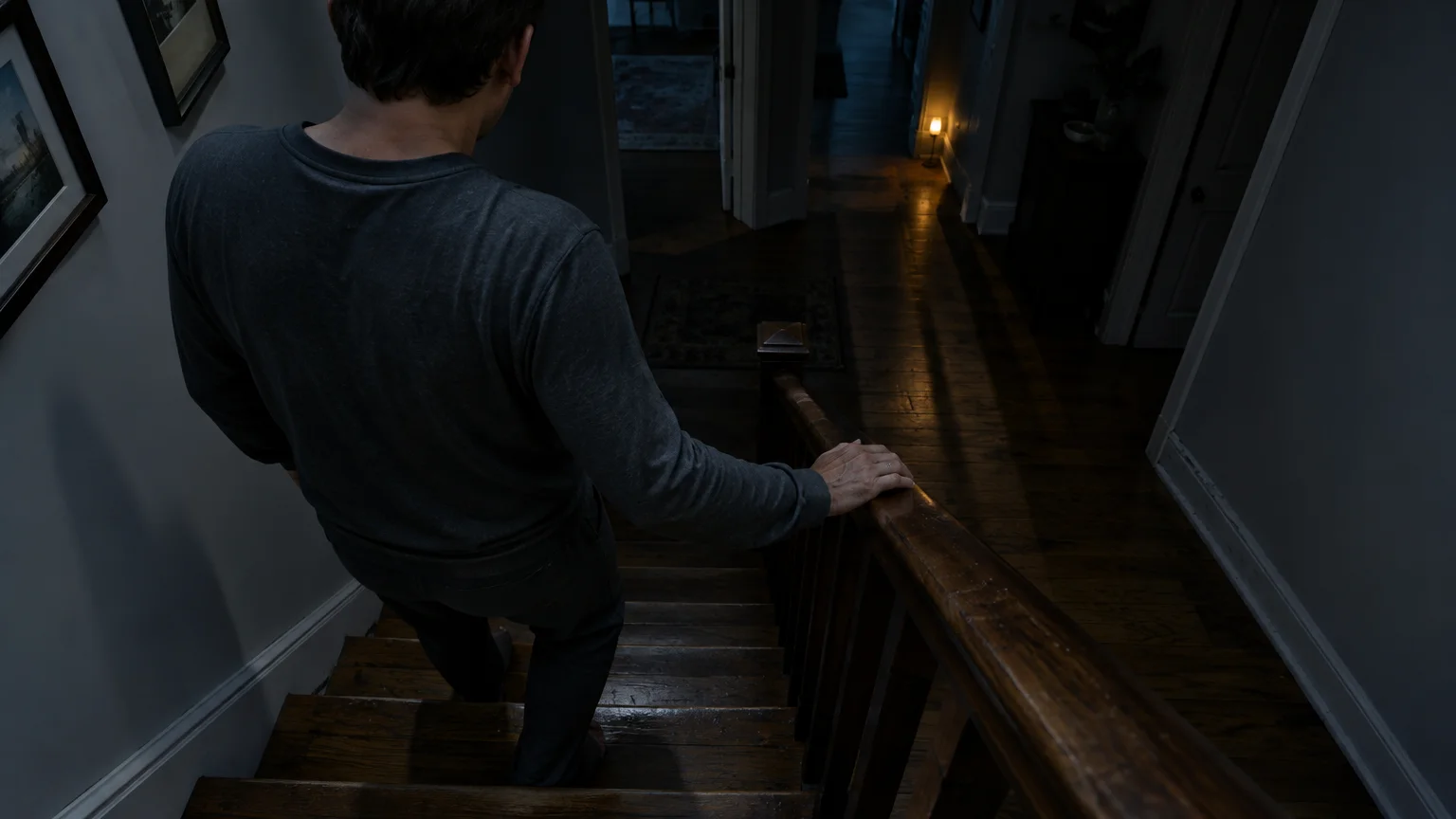
2. Compromised Night Vision and Poor Contrast
As lens proteins clump and gradually darken, less ambient light successfully reaches the photoreceptors at the back of your eye. You might notice that navigating dim hallways, reading menus in low-light restaurants, or spotting curbs during twilight requires intense concentration. This loss of contrast sensitivity often predates daytime visual blur, making twilight activities noticeably more taxing on your eyes.






Leave a Reply