

Identifying cardiovascular distress in your jaw or back can save your life before severe muscle damage occurs. While standard warnings emphasize crushing chest pressure, critical heart problems often manifest as subtle ache or tightness in distant bones and muscles.
Recognizing these referred pain pathways allows you to seek emergency care during the earliest stages of ischemia. Understanding your body’s subtle warning signals ensures you never dismiss life-threatening cardiac strain as simple muscle fatigue.
This guide details ten jaw and back presentations linked directly to cardiovascular disease. You will discover why these misdirected signals happen and how to respond decisively.

The Science of Referred Pain: Why Your Heart Confuses Your Brain
Your heart possesses an intricate sensory network that communicates continuously with your central nervous system. When heart muscle cells experience oxygen deprivation, they release biochemical distress markers like adenosine and lactic acid.
These biochemical compounds stimulate cardiac sensory nerve fibers that travel directly into your spinal cord. Specifically, these afferent signals enter the cervical and upper thoracic segments between T1 and T5.
Your spinal cord receives sensory input from multiple anatomical structures along these identical nerve pathways. Somatic nerves from your jaw, neck, shoulders, and upper back converge at the exact same spinal neurons.
Because your brain receives sensory input from the skin and musculoskeletal system far more frequently, it misinterprets internal cardiac distress. The central nervous system projects the perception of pain onto those familiar somatic regions.
Medical researchers call this neurological crossover referred pain. It explains why a blockage inside a coronary artery can feel like a dull toothache or a knot between your shoulder blades.
The vagus nerve also provides parasympathetic innervation to your thoracic organs and shares pathways with the trigeminal nerve. This cranial connection creates a direct biological route for cardiac pain to radiate into your lower jaw.
Cardiovascular Disease and the Gender Awareness Gap
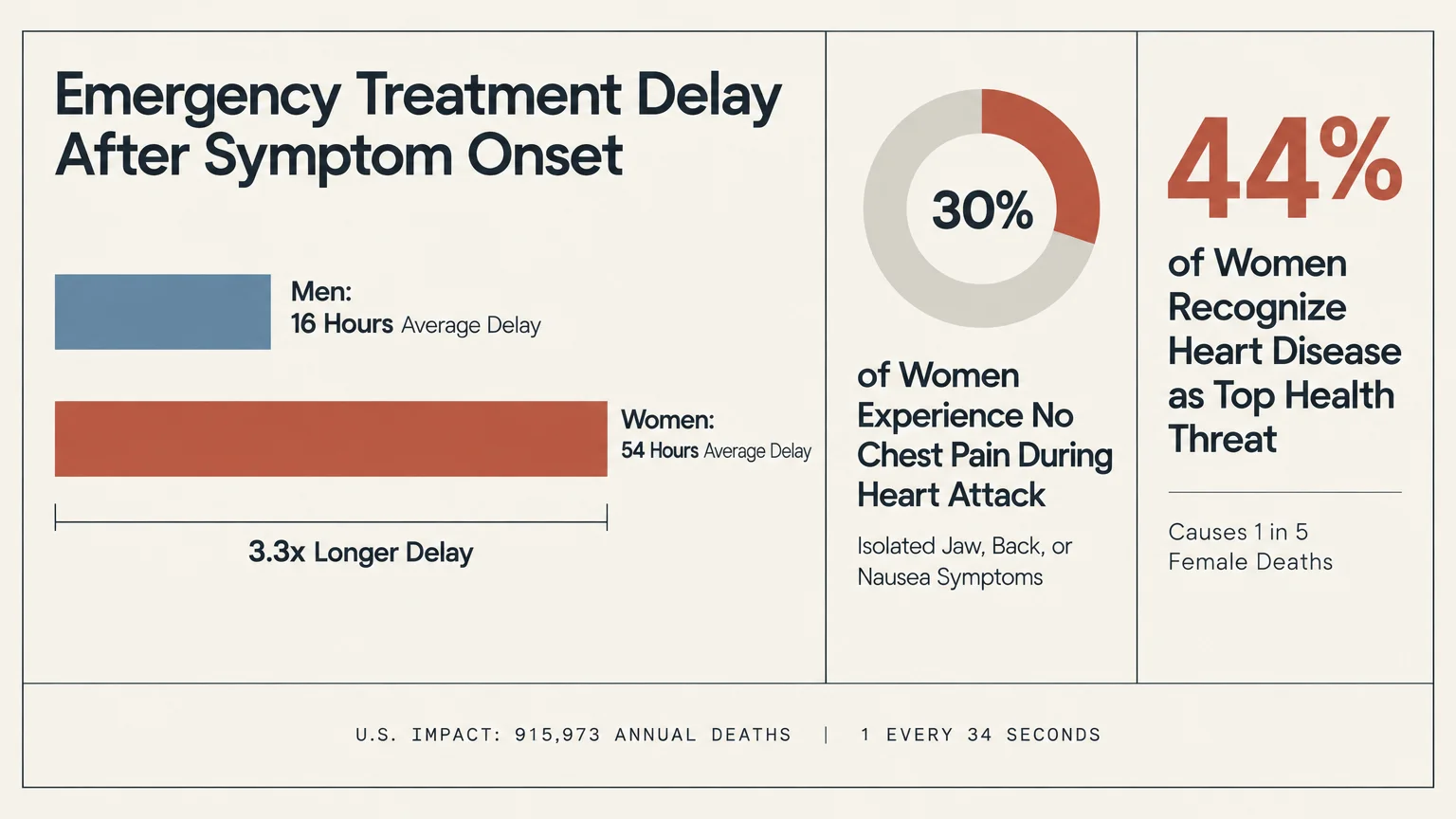
Cardiovascular disease remains the leading cause of death across the United States. According to the American Heart Association, cardiovascular conditions account for 915,973 deaths annually, representing approximately 22% of all American deaths.
This staggering toll means someone loses their life to cardiovascular disease every 34 seconds. In coronary heart disease alone, 349,470 deaths occur each year, claiming roughly two lives every three minutes.
Despite these numbers, public recognition of atypical cardiac symptoms remains dangerously low. National health surveys indicate that only 50.2% of adults recognize all five major heart attack warning signs.
This awareness gap produces devastating consequences for women. Heart disease represents the primary cause of death for women, causing roughly 1 in 5 female deaths—surpassing all combined forms of cancer.
Yet clinical reporting shows that only 44% of women recognize cardiovascular disease as their top health threat. Furthermore, approximately 30% of women experiencing a heart attack report no chest pain at all.
Instead, women frequently experience isolated symptoms like back pressure, jaw pain, severe fatigue, or nausea. Because people mistake these sensations for musculoskeletal or dental issues, women wait an average of 54 hours before seeking emergency care.
In contrast, men wait an average of 16 hours after symptom onset. Closing this temporal delay requires you to recognize jaw and back discomfort as genuine cardiovascular alerts.
10 Symptoms of Heart Disease That Show Up in the Jaw or Back
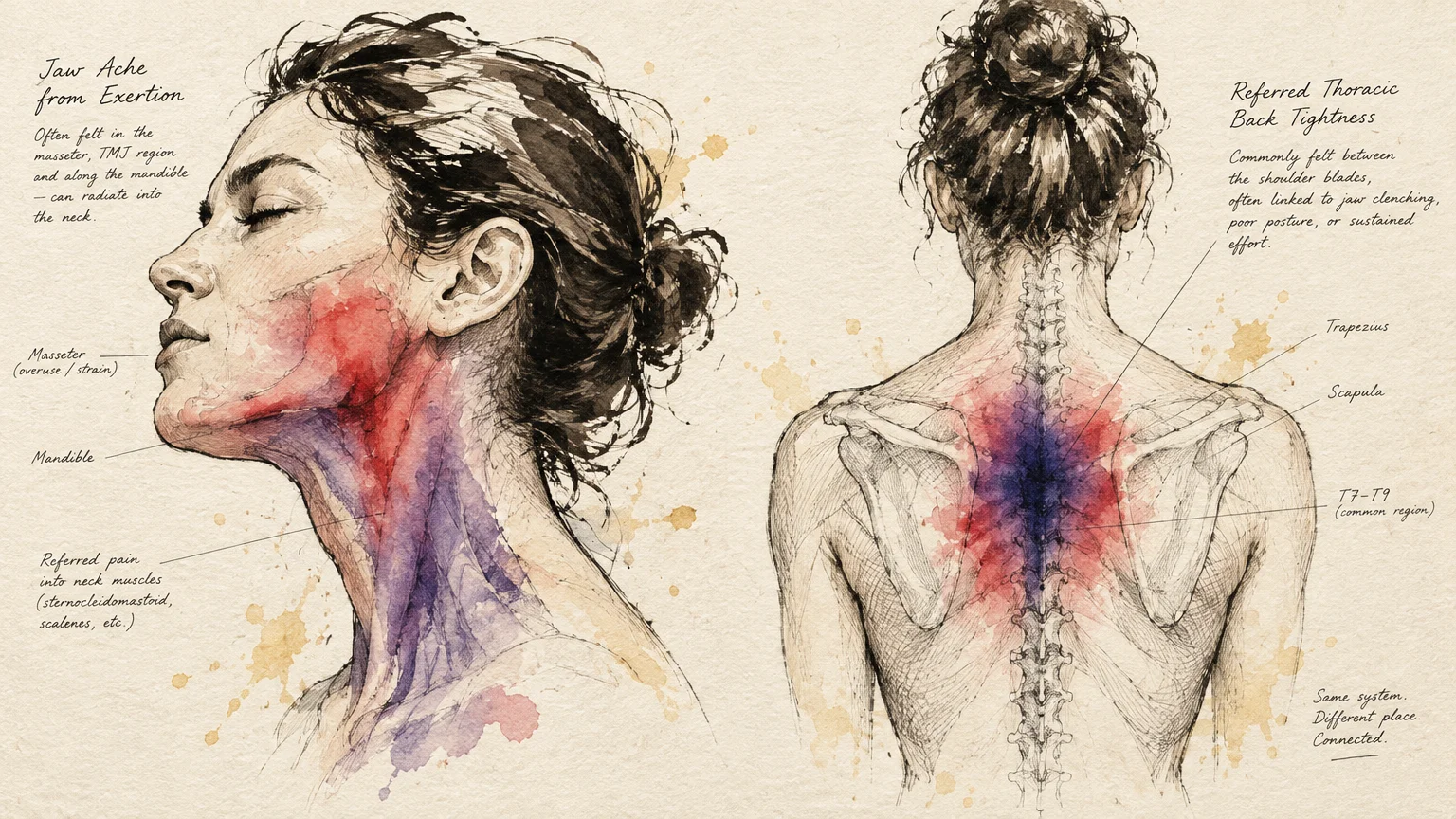
1. Throbbing or Aching Lower Jaw Pain Triggered by Physical Exertion
Cardiovascular jaw pain typically centers along the lower mandible, often affecting the left side or both sides simultaneously. Unlike a dental infection, this discomfort rarely isolates to an individual tooth.
You may feel a deep, throbbing pressure that surfaces during brisk walking, climbing stairs, or carrying heavy groceries. When you sit down and rest, the jaw ache gradually dissipates within several minutes.
This predictable pattern indicates exertional angina, which occurs when narrowed arteries cannot deliver adequate oxygenated blood to working heart muscle. Your brain registers the resulting myocardial ischemia as lower facial pain.
Track whether the discomfort correlates with physical movement rather than chewing. If resting relieves the ache, schedule an urgent medical evaluation to assess your coronary circulation.
2. Jaw Discomfort Radiating Downward Through the Neck
Some individuals experience cardiac pain that originates along the jawline and sweeps downward along the carotid sheath. This sensation often feels like a burning or tight band constricting the throat.
Because the sensation travels along cervical dermatomes, patients frequently mistake it for a strained sternocleidomastoid muscle or swollen lymph nodes. However, touching your neck does not increase or alter the pain intensity.
The discomfort does not change when you swallow or rotate your head from side to side. Instead, it feels deep, internal, and unyielding to posture modifications.
Never assume throat or jaw tightness stems from a harmless strain if it arrives without an orthopedic trigger. Radiating neck discomfort demands prompt clinical investigation.
3. Dull, Squeezing Pressure Between the Shoulder Blades
Referred back pain from coronary distress frequently manifests directly in the interscapular region between your shoulder blades. Rather than a sharp poke, patients describe a heavy, squeezing pressure.
The sensation mirrors the feeling of an iron weight resting against your upper spine. Many patients attempt to stretch or roll their upper back on a foam roller without finding any relief.
This pressure arises because sensory afferents from your left ventricle project directly into the T2 through T4 thoracic spinal segments. Your spinal cord routes those intense sensory signals directly into your upper back musculature.
Take notice if this dull pressure arrives alongside a mild flutter in your chest. When spinal pressure resists physical therapy or massage, investigate your heart health immediately.
4. Sudden Upper Back Tightness Mimicking a Knotted Muscle
A sudden, intense spasm in your rhomboid or trapezius muscles can signal an evolving acute coronary syndrome. Many people dismiss this symptom as a bad sleeping position or poor computer ergonomics.
However, an orthopedic muscle knot features palpable tenderness when you press your fingers directly into the tissue. Cardiac back pain is visceral, meaning direct physical pressure on the muscle does not reproduce the ache.
If you experience sudden, profound tightness across your upper back without lifting anything heavy, pay close attention. True muscular strains rarely emerge without mechanical strain or trauma.
Note whether the tightness escalates over twenty minutes. Progressive tightening indicates worsening myocardial ischemia that requires emergency medical attention.
5. Sensation of a Rope Tightening Around the Thoracic Spine
Cardiovascular specialists frequently hear patients describe a sensation like a wide belt or rope cinching tightly around their rib cage. This constricting pressure grips both the mid-back and upper chest concurrently.
The American Heart Association highlights this specific symptom as a prominent presentation among women facing myocardial infarction. The feeling can make drawing a full, deep breath feel mechanically impossible.
This circumferential tightness occurs as ischemic distress triggers autonomic reflexes throughout the thoracic wall. The surrounding intercostal muscles can spasm reflexively in response to cardiac tissue deprivation.
If you feel as though someone is pulling a cord around your back and ribs, do not wait for it to fade. Call emergency services immediately to rule out acute arterial occlusion.
6. Unilateral Jaw Pain With No Dental or Joint Pathology
Unexplained pain on one side of your jaw that baffles your dentist warrants an immediate cardiology referral. Patients often undergo unnecessary root canals or mouthguard fittings before discovering coronary blockages.
Cardiac jaw pain typically leaves the temporomandibular joint flexible and painless to external touch. You can open and close your mouth completely without reproducing the underlying deep ache.
Furthermore, hot or cold liquids will not trigger a spike in sensation because the dental nerves remain healthy. The pain lives deeper within the bone structure, driven by shared neural roots.
When oral examinations reveal zero dental decay or joint dysfunction, look further down into your thoracic cavity. Your jaw may simply be acting as the messenger for an under-perfused heart.
7. Mid-Back Pain Accompanied by Nausea or Cold Sweats
Back discomfort paired with gastrointestinal or autonomic symptoms represents a major medical red flag. When cardiac muscle starves for blood, your sympathetic and parasympathetic nervous systems react vigorously.
You may feel a relentless ache between your shoulders while suddenly breaking into a profuse, clammy sweat. This diaphoresis occurs without physical exertion or an elevated room temperature.
Simultaneously, stimulation of the nearby vagus nerve can produce sudden nausea, indigestion, or dry heaving. Many people assume they ate spoiled food or are experiencing severe acid reflux.
Combining mid-back tightness with cold sweats indicates systemic physiological shock from cardiac compromise. Treat this symptom cluster as a life-threatening medical emergency.
8. Nocturnal Jaw or Back Discomfort Striking at Rest
Musculoskeletal discomfort often subsides when you lie down comfortably in bed. Conversely, ischemic heart pain can strike suddenly while you are resting quietly or even awaken you from sleep.
This nocturnal discomfort may indicate coronary vasospasm or unstable angina, where plaque instability disrupts blood flow without physical exertion. The discomfort often ebbs and flows unpredictably over several hours.
Waking up with an aching jaw or a heavy spine without any clear physical cause warrants immediate concern. Rest should never provoke new or escalating musculoskeletal discomfort.
According to data from the Centers for Disease Control and Prevention, 4.9% of American adults have diagnosed coronary heart disease. Unstable resting symptoms require urgent clinical evaluation to prevent imminent infarction.
9. Intermittent Back Tightness That Worsens With Emotional Distress
Emotional volatility, severe anxiety, or intense grief places acute biomechanical strain on your cardiovascular architecture. Acute mental stress triggers a massive release of catecholamines like adrenaline and cortisol.
These stress hormones spike your blood pressure and constrict coronary microvessels, reducing blood flow to cardiac muscle. In vulnerable individuals, this emotional surge produces referred tightness across the middle and upper back.
You might notice your upper back aching intensely during a heated argument or stressful workplace confrontation. The ache recedes once the emotional situation de-escalates and your vascular system relaxes.
Do not dismiss this pattern as pure psychological tension. Emotional triggers that provoke somatic back discomfort frequently expose underlying, subclinical atherosclerotic cardiovascular disease.
10. Heavy Upper Back Aching Paired With Crushing Fatigue
When the heart struggles to pump effectively, peripheral tissues throughout your body become deprived of oxygenated circulation. This hemodynamic deficit produces profound, paralyzing exhaustion alongside referred upper back pain.
You may find yourself completely unable to make a bed, lift a grocery bag, or walk across the room. The back feels weighed down by an immovable, crushing ache that rest does not alleviate.
Many women report feeling this debilitating combination for days or weeks leading up to an acute myocardial event. They frequently misattribute the sensation to aging, overwork, or viral illness.
Recognizing heavy back pain accompanied by sudden, disproportionate lethargy as a circulatory problem can save your life. Discuss these paired warning signs with your physician without delay.

Actionable Strategy Pillars for Long-Term Cardiovascular Protection
Pillar 1: Clinical Diagnostics and Comprehensive Risk Profiling
Do not wait for acute symptoms to assess your arterial health. Work directly with your healthcare provider to establish a detailed cardiovascular risk baseline.
Modern prevention relies on advanced screening tools rather than simple cholesterol checks. According to the 2026 American Heart Association update, 47.3% of American adults—representing 125.9 million individuals—manage high blood pressure.
Request an ambulatory blood pressure monitor or track your readings at home twice daily. Hypertension silently damages the endothelial lining of your arteries for decades before symptoms emerge.
Discuss obtaining a coronary artery calcium scan with your cardiologist. This low-dose computed tomography scan detects calcified atherosclerotic plaque inside your coronary arteries before blockages cause referred pain.
Evaluate your metabolic markers alongside your lipid panel. Nearly 29.5 million Americans have diagnosed diabetes, and roughly 90% show some degree of cardiovascular-kidney-metabolic syndrome.
Ask your physician for high-sensitivity C-reactive protein and apolipoprotein B testing. These markers expose active vascular inflammation and atherogenic particle counts far more accurately than standard tests.
Pillar 2: Cardioprotective, Anti-Inflammatory Nutrition
Dietary patterns exert direct control over endothelial function, vascular tone, and plaque stability. Adopting an anti-inflammatory dietary framework protects your microvascular network against ischemic damage.
Prioritize whole, unprocessed foods rich in soluble fiber, polyphenols, and essential fatty acids. Consume at least 30 to 40 grams of dietary fiber daily from legumes, oats, flaxseeds, and leafy greens.
Soluble fiber binds bile acids in your digestive tract, clearing excess circulating cholesterol from your bloodstream. Polyphenol-rich foods like berries and extra virgin olive oil boost nitric oxide production, keeping blood vessels pliable.
Integrate wild cold-water fish like sardines and salmon twice weekly to supply cardioprotective omega-3 fatty acids. These marine lipids lower circulating triglycerides and stabilize myocardial electrical conduction.
Eliminate refined industrial seed oils, added sugars, and ultra-processed foods that trigger systemic inflammatory responses. Maintaining vascular elasticity reduces your long-term risk of experiencing referred ischemic symptoms.
Pillar 3: Heart-Smart Movement and Musculoskeletal Differentiation
Engaging in progressive physical conditioning strengthens your myocardium and establishes collateral coronary circulation. Collateral vessels act as natural bypass channels, protecting tissues during transient blockages.
Aim for at least 150 minutes of moderate-intensity aerobic exercise each week. Activities like brisk walking, swimming, or cycling improve heart rate variability and support healthy endothelial dilation.
Exercise also provides an invaluable diagnostic baseline for your body. When you know how your back and jaw feel during routine movement, unexpected referred discomfort stands out immediately.
Learn to differentiate musculoskeletal soreness from ischemic distress. Orthopedic back pain typically worsens when you bend, twist, or push against a wall.
If your back discomfort appears during physical exertion but does not change with spinal movement, stop exercising immediately. True cardiac pain reflects metabolic workload rather than musculoskeletal posture.
Pillar 4: Stress Biology and Autonomic Nervous System Balance
Chronic psychosocial stress keeps your sympathetic nervous system in a state of persistent hyperarousal. Elevated adrenaline and noradrenaline levels accelerate arterial stiffening and constrict coronary arteries.
Incorporate daily autonomic down-regulation practices to support microvascular blood flow. Techniques like diaphragmatic breathing and slow resonance frequency respiration enhance vagal nerve tone.
Stimulating your vagus nerve helps lower resting heart rate and reduces systemic vascular resistance. Spend ten minutes twice daily breathing in for four seconds and out for six seconds.
Prioritize seven to eight hours of restorative sleep every night. Chronic sleep fragmentation promotes arterial inflammation and elevates your risk for nighttime ischemic events.
Consult clinical psychologists or licensed counselors if you experience persistent anxiety or unresolved emotional trauma. Protecting your psychological well-being forms a vital shield for your cardiovascular system.

Real Voices: Clinical Perspectives on Atypical Symptoms
Emergency room clinicians regularly emphasize how frequently atypical symptoms mislead both patients and providers. Cardiologists note that patients often arrive at the hospital after visiting dentists for intractable jaw pain.
One clinical director observed that patients frequently attribute mid-back pressure to lifting yard waste or sleeping awkwardly. Only when shortness of breath accompanied the ache did they consider calling emergency services.
Preventive cardiologists stress that referred pain is not subtle because it is mild; it is subtle because it mimics everyday aches. The key differentiator is the unprovoked, systemic nature of the discomfort.
Survivors often recall that their intuition warned them something felt fundamentally wrong, even when chest pain was absent. Listening to that internal alert saved their heart muscle from irreversible necrosis.
Frequently Asked Questions
How can I tell if my jaw pain is a dental issue, TMJ, or my heart?
Dental pain generally throbs near a specific tooth and flares when exposed to hot, cold, or pressure. Temporomandibular joint pain typically produces clicking, tenderness to touch, and worsens during chewing.
Cardiac jaw pain is dull, deep, and rarely tender to external palpation. If jaw pain appears during walking or exertion and vanishes with rest, assume a cardiovascular cause until proven otherwise.
Why does heart attack back pain typically appear between the shoulder blades?
Sensory nerves from the heart enter the spinal cord at the upper thoracic vertebrae, specifically T1 through T5. These segments also receive sensory signals from the skin and muscles across your upper back.
Your brain cannot easily distinguish visceral organ signals from superficial musculoskeletal inputs. Consequently, it projects ischemic heart distress into your interscapular region as tight, aching back pain.
Can heart-related jaw or back pain resolve on its own and return later?
Yes, intermittent symptoms frequently characterize chronic stable angina or fluctuating coronary artery spasms. The pain may disappear once your heart muscle oxygen demand decreases during physical rest.
However, temporary relief does not mean the underlying vascular threat has resolved. Recurring, transient episodes indicate significant coronary narrowing that requires thorough clinical evaluation by a cardiologist.
When should I call 911 instead of waiting for a doctor’s appointment?
Call emergency services immediately if jaw or back pain arrives suddenly with shortness of breath, dizziness, cold sweats, or nausea. Do not drive yourself to the hospital under any circumstances.
Emergency medical technicians can perform electrocardiograms and administer life-saving stabilization during transit. Access clinical education through the National Institutes of Health to recognize subtle heart attack presentations early.
Taking Your First Manageable Step
Protecting your cardiovascular health begins with honest self-assessment and proactive medical engagement. Schedule a dedicated preventive consultation with your primary care provider this week to review your comprehensive cardiovascular metrics.
Request a resting electrocardiogram and discuss screening for underlying coronary plaque. In the United States, someone experiences a heart attack every 40 seconds; early detection transforms outcomes.
Review the comprehensive clinical guidelines published by the American College of Cardiology to understand recommended diagnostic pathways for atypical chest and back symptoms. Take ownership of your cardiovascular data today.
Reflect on your daily habits: does your current lifestyle nurture open, resilient arteries, or does it foster silent inflammation? Listen closely to what your jaw and back may be telling you right now.






Leave a Reply