

…Believe it or not, your feet can tell a lot about your health!
If you’ve read any of our articles, you know that we believe that every single detail on our bodies indicates that there is something happening on the inside.
Your feet are no exception. If you notice that you have constant pain when you walk, or there’s something there that doesn’t go, like a lump, it might be time to pay your doctor a visit.
In addition to that, there are some other types of symptoms, which are more serious, like numbness and incapability of walking due to severe pain. Even though it might sound a bit crazy, your feet can often show symptoms of health issues you didn’t know you might have.
We’ve talked to different doctors about this topic, and this is what they’ve told us!
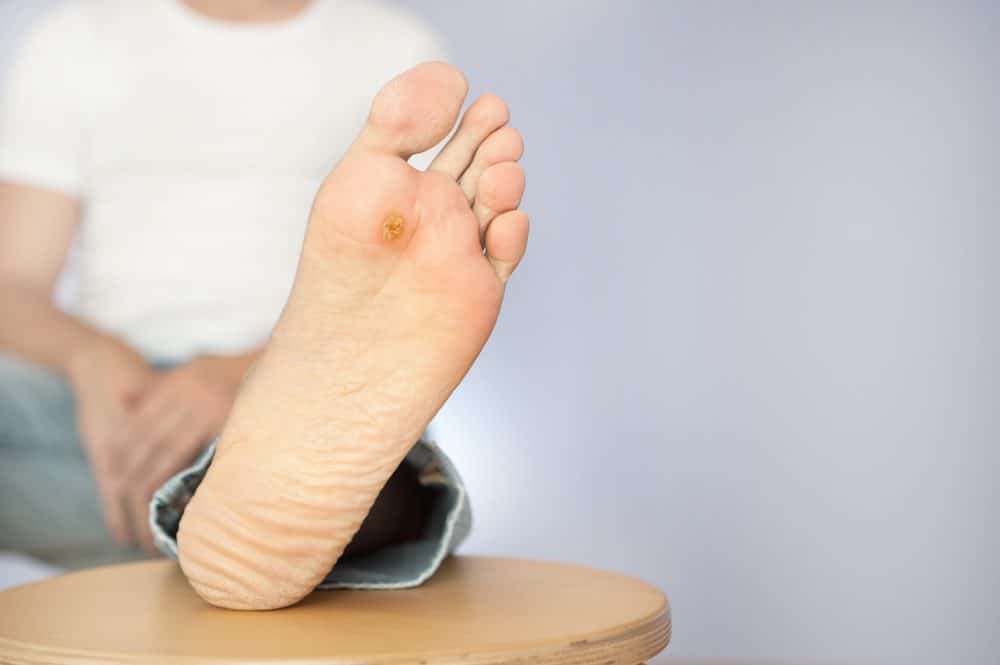
1. Ulcer on your feet that doesn’t heal
There are certain types of wounds that take a lot longer to heal compared to others, so you’ll need to take extra care of them until they’re gone. Unfortunately, if you have an ulcer or an open sore at the bottom of your feet, it might be a sign of being prone to diabetes.
According to several studies, roughly 15% of people who are diagnosed with this disease develop wounds on their feet. The worst part is that somewhere between 14 to 24% of these patients have to amputate their body parts due to severe infection, as the American Podiatric Medical Association says.
It is believed that patients who need to use insulin are the ones who present a higher risk of developing an ulcer, compared to those who keep their diabetes under control with the help of diet and medications.
2. Chunky and yellow toenails
If you notice that your toenails start to turn yellow, are thicker than usual, or are separate from the skin, there is a chance that you suffer from a fungal infection.
If you notice any changes, such as color, shape, density, visual aspect, and even smell, don’t forget to talk to your doctor about some remedies to get rid of this uncomfortable situation.
3. Your feet are numb
According to several doctors, if you have a constant feeling of “needles and pins” in your legs, it might be due to the fact that you have some type of peripheral neuropathy.
In conformity with the National Institute of Neurological Disorders and Stroke, people who are infected with diabetes have a higher risk of developing diabetic neuropathy, which is a sort of nerve contamination that starts in your feet and slowly increases up to the legs.
4. No hairy feet
Even though we all know that hair on toes is more visible in men rather than in women, these hairs exist regardless of gender. With that being said, if you notice that there is no hair on your toes, it might be a sign of peripheral arterial disease (PAD), as the American College of Foot and Ankle Surgeons says.
PAD means blood restrain in the arteries of the leg and it might indicate more widespread arterial disease. Furthermore, this can lead to serious health issues, such as heart disease.
5. Cold feet
In accordance with the American College of Foot and Ankle Surgeons, another symptom of PAD might be cold feet, also known as poor circulation.
However, this is not the only dysfunction that can be revealed by your cold feet. For instance, the National Academy of Hypothyroidism believes that poor circulation can be considered a symptom of thyroid dysfunction.
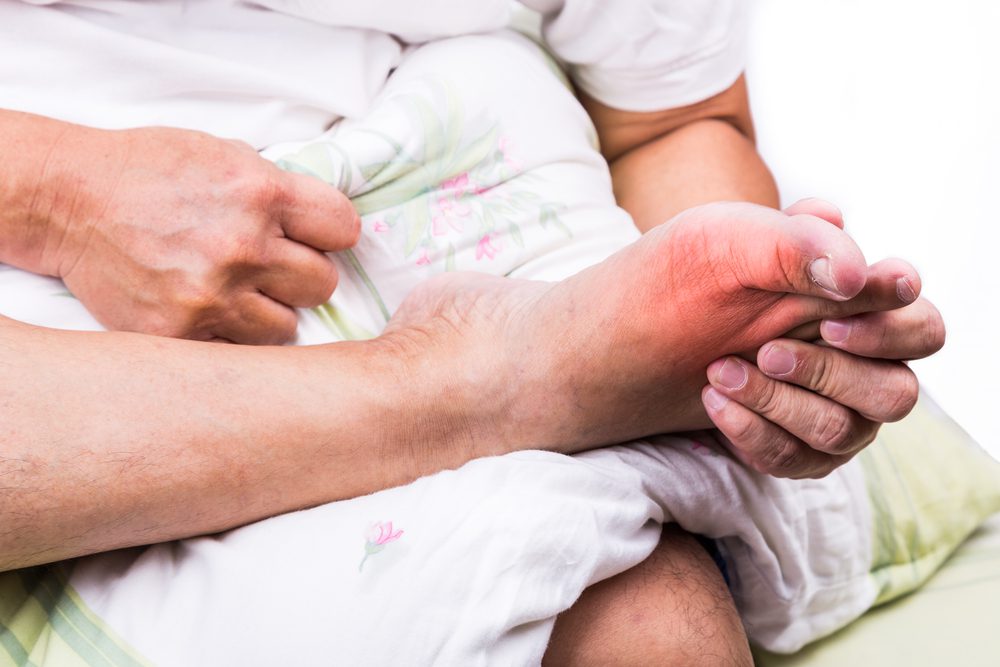
6. Swollen big toe
If you notice that your big toe is swollen, it might be a sign of gout. In conformity with the Arthritis Foundation, the inflammation of the big toe is the first symptom of gout.
This disease is a type of arthritis and it is caused by a build-up of uric acid, which appears in the coldest part of your body, aka your big toe.
7. Pitted toenails
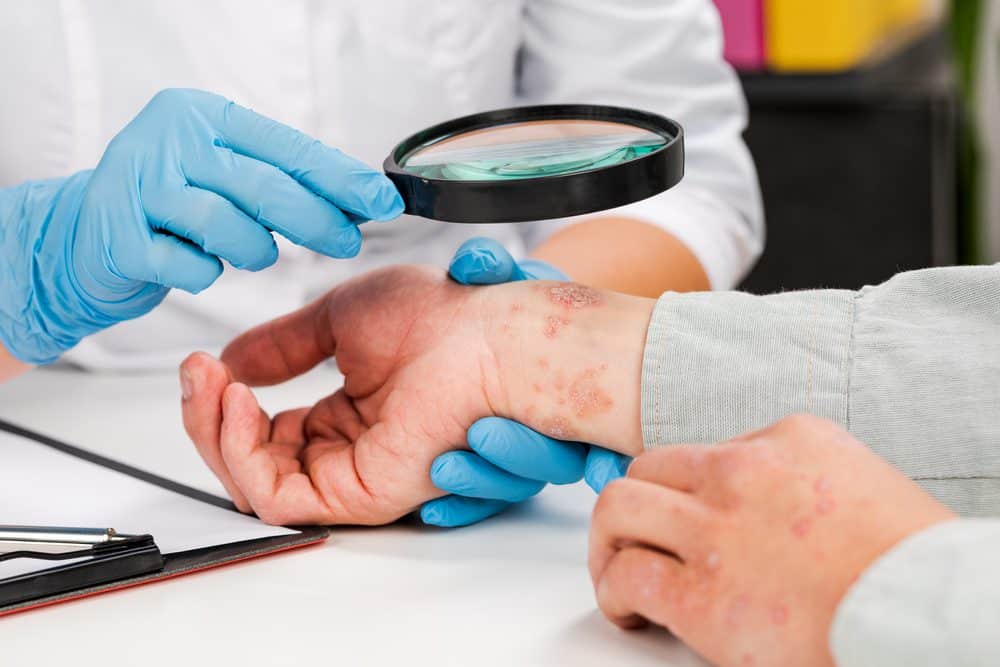
If you have pitted toenails, it might be due to the fact that you have psoriatic arthritis or simply psoriasis. There are also other signs that indicate the presence of psoriasis, such as horizontal lines in your nails, crumbling, thickening, discoloration, and loosening.
Psoriasis is a skin condition that is responsible for causing itchy and red patches, usually in places such as your scalp, knees, trunk, and elbows.
This disease is chronic, very common, and there’s no cure for it. This usually happens in cycles, flaring for a couple of weeks or months, then decreasing for some time or even going into remission.
There are people who say that regular pedicures by experts who are familiar with this skin condition help improve the appearance of the nails.
8. Sore and stiff joints
Sore and stiff joints are usually a sign of regressive joint disease. This condition begins in the small joints of the feet and hands and causes a lot of pain during movement.
If you notice that your joints are constantly tender, aching, and swollen, you should talk to your doctor about this, because you might need to go to a rheumatologist.
If the pain is too much to bear, it is good to use a pain relief cream until you can visit your doctor. The one we recommend you can find on Amazon for about $21!
9. Blue or red toes
People who have Raynaud disease can experience toes that turn blue when they are exposed to cold temperatures. This is a malady of the blood vessels that are connected to the skin.
Patients who are diagnosed with this health condition usually claim that their toes and fingers turn numb and blue when they are under a lot of stress or in cold environments.
10. Toenails with indentations
In conformity with a report in The Permanente Journal, toenails that are sunken or have indentations that look like spoons can be due to some health issues, such as anemia, or chronic iron deficiency.
The syndrome of concave nails is called koilonychia and can be caused by a lot of things, including trauma, high altitude, and exposure to petroleum products.
If you notice any type of indentations in your toenails, you should seek a visit to your doctor and talk to them about a test for iron deficiency.
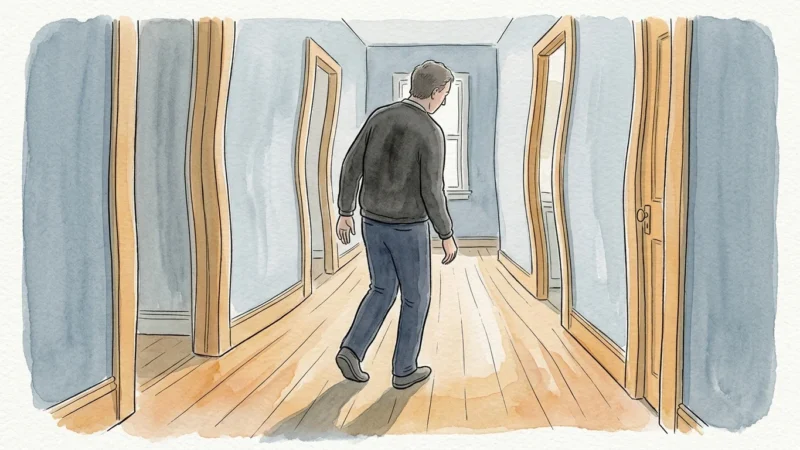
11. Incapability to lift the front part of your feet
The National Institute of Neurological Disorders and Stroke discovered that the incapability to lift the front part of your foot is known as a foot drop. This condition is caused by the weakness or even paralyzation of the muscles that are responsible for lifting the foot.
The same source believes that this incapacity can be a warning sign for several disorders, such as multiple sclerosis, cerebral palsy, neurodegenerative diseases, stroke, amyotrophic lateral sclerosis (ALS), polio, or other muscle or nerve malfunctions.
Make sure to talk to your doctor about this to find a treatment for this health condition. Experts believe that treating the hidden problem can help reverse the symptom mentioned above.
CONCLUSION
To sum up this article, we can say that you need to pay attention to the way your feet feel and look because they can hide a lot of health issues, such as psoriasis, peripheral neuropathy, peripheral arterial disease, or diabetes.
If you notice any severe changes in your feet, don’t wait for things to go away on their own, talk to your doctor about those changes and maybe even possible treatments.
…We have a lot of articles in which we discussed several health issues and possible remedies, so make sure to check them out. Until next time, we have a recommendation for you: 5 Cancers Most Likely to Spread to Your Bones!







Leave a Reply