
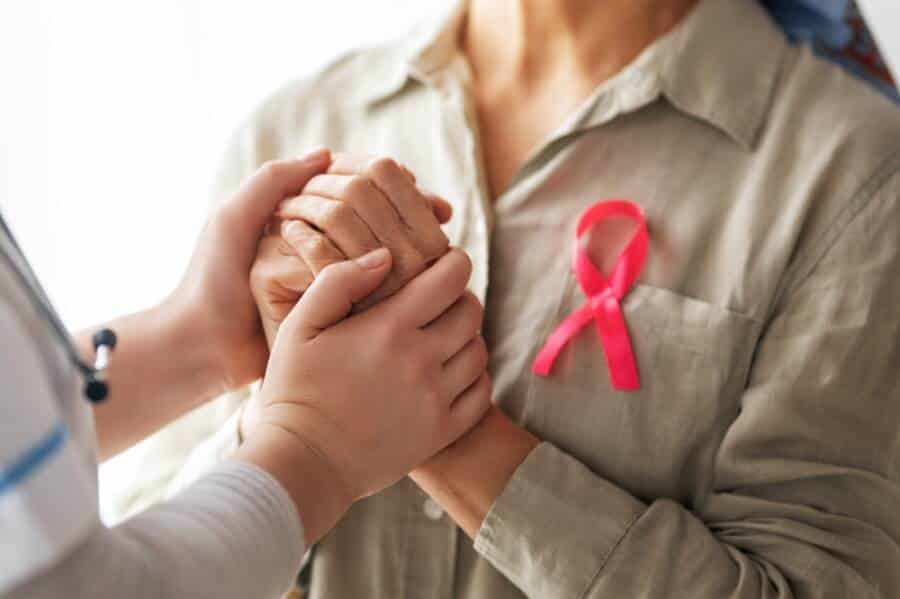
Breast cancer surgery is a difficult one, so it’s important to find comfort after it. Read here everything about recovery after breast cancer surgery.
Regaining a normal and healthy lifestyle after receiving a breast cancer diagnosis and surgery is known as breast cancer recovery. Monitoring your health, following the right treatment, adjusting your lifestyle, and getting emotional support are crucial for recovery.
Although the healing process can be emotionally and physically taxing, there are many tools available to support individuals who require them. In addition to managing any physical side effects that may arise during and after treatment, individuals with breast cancer must take care of their mental health.
Below are some important tips on how to smooth your recovery after breast cancer surgery:
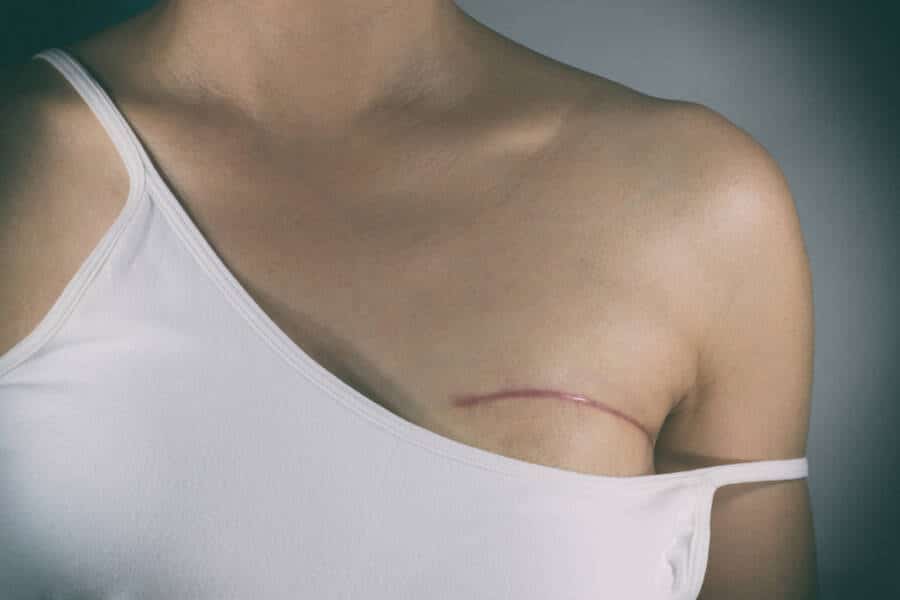
Take good care of your skin
One of the first things you have to do for your recovery after breast cancer surgery is to pay more attention to your skin, especially during the first weeks following the surgery. Since it’s going to be more sensitive and prone to irritation and soreness, it’s a must to use soothing creams or lotions recommended by the doctor to comfort the area.
Moreover, it’s super important to wear only breathable clothes and as loose as possible and take cool showers instead of long and warm baths.
Looking for a nice and comfortable pajama post-surgery? Look no further! This 2-piece short-sleeve top and long pants pajama set is available on Amazon for $18.39. They’re made to be breathable, naturally hypoallergenic, and ideal for those women with sensitive skin.
Take pain medication
When you leave the hospital, your surgeon will most likely prescribe painkillers for you to take with you. You may wish to fill it out while you’re on your way home, or you may want a friend or relative to fill it out immediately. Most of the time, following mastectomy, you will be given enough medicine to manage your pain without the need for opioids for up to three or four days.
Make sure you get enough rest
After mastectomy, you will most probably be recommended to get enough hours of sleep during the night. However, listen to your body. Maybe you will need to sleep more during the day as well. Be patient and gentle with yourself.
Stay away from stress as much as possible, and if it helps, you can also disconnect from social media or TV. You will feel a lot more tired than usual, so any activity might worsen this; therefore, staying in bed is recommended.
Start moving slowly every day
Once you’re fully rested and you’re feeling a bit better, start moving slowly. Move a bit around the house, and if you’re feeling confident, you can go outside in the neighborhood too. But don’t do so much effort! 15 minutes of walking a day is the daily recommendation after mastectomy.
You can also choose to do simple body movements like arm circles or neck rotations. They can help increase the flexibility of muscles around the breast. There are some easy exercises that you can do, but it’s important to ask your doctor before that. They may recommend avoiding any effort for one month or more, depending on how complicated the operation is.
However, take care and avoid lifting large objects: You must stay away from lifting large items during the first few weeks following mastectomy. Chest straining from lifting large items might cause difficulties. Give those bulky shopping bags to someone else to handle!
Adjust the diet a bit
Eating nutritious meals is crucial to your recovery after breast cancer surgery since it will help you get stronger, heal more quickly, and strengthen your immune system. You may maintain your strength and energy while healing by eating a balanced diet rich in whole grains, fruits, vegetables, and lean meats. Drinking lots of water can also help you stay hydrated throughout the day and help flush out pollutants.
Make sure you have a lot of nutritious recovery meals in your kitchen. Since you’re not going to be in the mood to make large meals, it’s a smart idea to stock up on foods that you can eat in little quantities and often. Stock up on simple-to-eat snacks that can help you recharge as large meals can be difficult to digest and can leave you feeling bloated.

If you feel overwhelmed, try to talk to someone
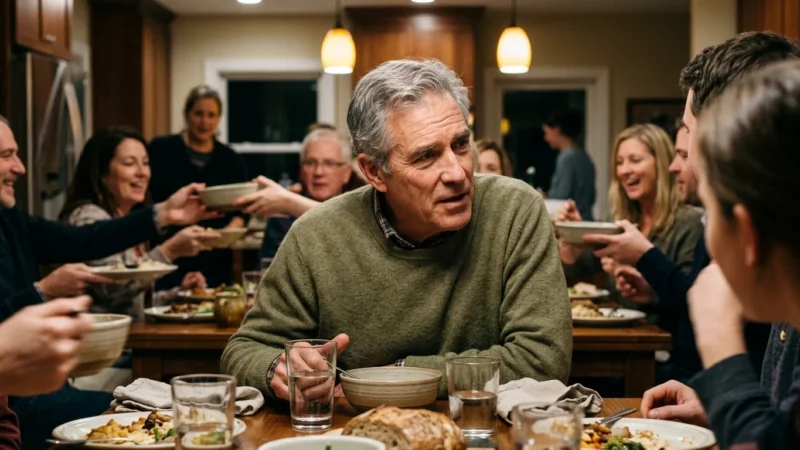
In this journey of recovery after breast cancer, it is crucial to be surrounded by friends and family. It won’t be an easy period, so any help is welcomed. Talking to a trustworthy person can ease the process by offering consolation and emotional support as you proceed.
You can also join a support group with women sharing the same issues or talk to a therapist. They have the necessary skills to help you feel heard and understood, and most importantly, they teach you how to go on with your life after such a challenge.
Be consistent and follow the treatments accordingly
It might be hard sometimes, but it’s important to be consistent and take your medications as prescribed. There is no other way your recovery will be faster. On the other hand, it is essential to also inform your doctor about any changes or side effects of the treatment. Sometimes patients need something stronger or a complete change of treatment whatsoever.
Wear a support bra
After mastectomy, your surgeon will probably advise you to wear a compression garment or supportive bra. This will support the breasts during their healing process and assist in minimizing fluid retention.
Try to be as optimistic as possible
While it’s indeed a very rough period and super hard to have a smile on your face, it’s important to think that you survived the mastectomy and now a new chapter is in front of you.
A cheerful attitude and an emphasis on the positive can greatly facilitate healing. Spend time with individuals who are interested in you and your quest, surround yourself with supportive people, or just take some time to unwind.
Besides daily walks and pleasant activities, you can also try to unwind by practicing yoga. Pranayama and other deep breathing techniques are excellent ways to promote blood flow and calm your body. In addition to promoting good circulation throughout the body, this will assist in reducing your stress levels.
According to recent research, doing yoga during the recovery phase after surgery not only promotes a speedy recovery but also increases overall survival by a significant 14%. The wonderful thing about this is that you can simply take yoga courses online these days from the convenience of your home.
Takeaway:
Mastectomy isn’t an easy surgery, and because of that, it is very important to make sure your recovery will be slow and smooth. Start by setting some realistic goals for the near future and try to accomplish them with baby steps. Don’t force yourself to do something you can’t do; try maintaining frequent communication with your doctor, and most importantly, listen to your body.
Take all the time you need; ask for the help of friends and family, and don’t overdo the things you can’t. To ensure that the scars are as tiny as possible, your doctor will likely give you specific advice on how to care for the incision, so make sure you follow them accordingly.
This doesn’t have to be an overwhelming experience if you follow these steps and are mindful of your condition. Take care of yourself!
Related article: 11 ‘Innocent’ Things That May Give You Breast Cancer.

Leave a Reply