

Recognizing the subtle warning signs of elevated blood sugar early allows you to protect your long-term health and vitality before serious complications develop. Chronic high blood sugar damages blood vessels quietly, often presenting symptoms you might dismiss as normal aging or temporary fatigue. Learning to spot these hidden indicators empowers you to take prompt action and adjust your daily habits to stabilize your glucose levels. While occasional spikes happen, sustained elevation requires careful attention to support healthy aging. Understanding how your body communicates distress through seemingly unrelated physical changes is the first crucial step toward maintaining your independence, sustaining your energy, and preventing chronic metabolic conditions down the road.
The Science Snapshot: How Glucose Impacts Your Body
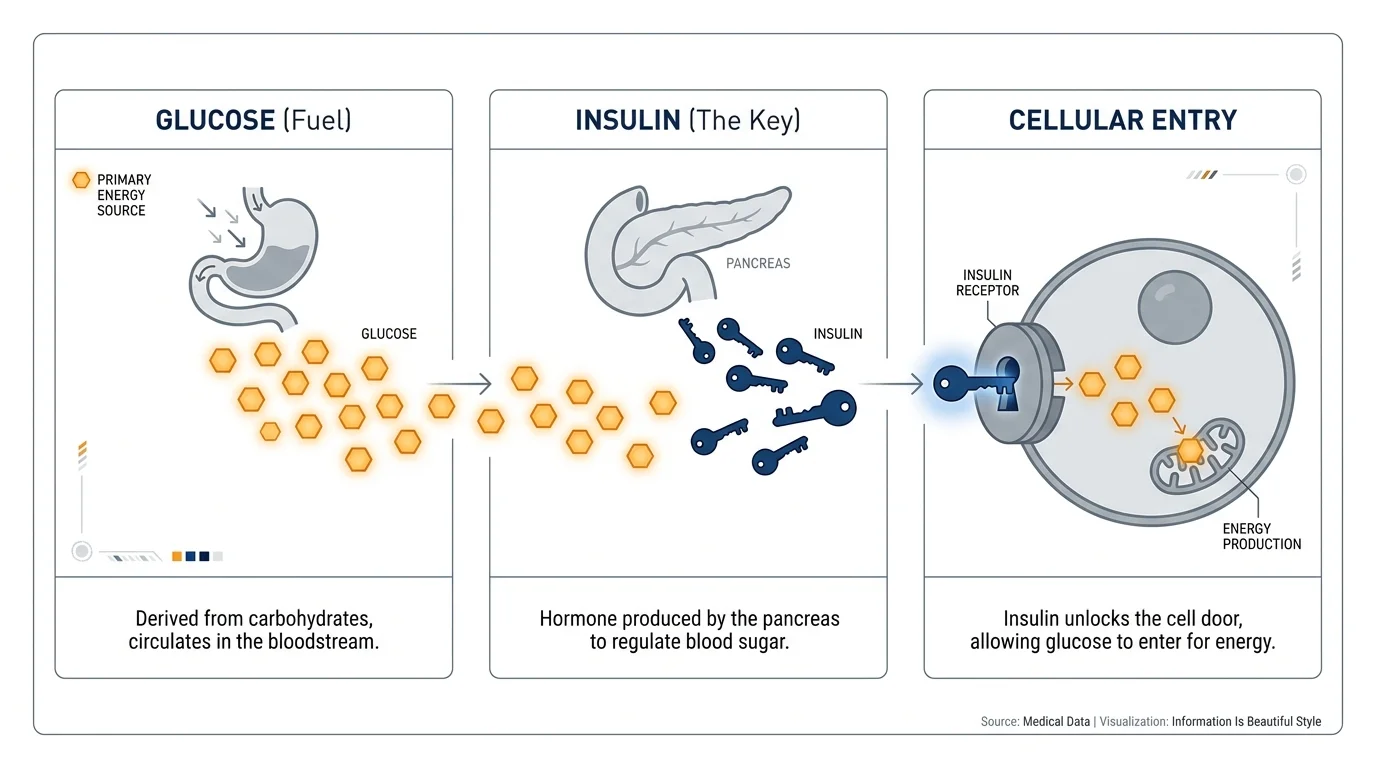
Your body operates similarly to a high-performance engine; it requires a steady, reliable fuel source to function optimally. When you consume foods rich in carbohydrates, your digestive system breaks them down into glucose, sending this essential energy source directly into your bloodstream. To utilize this fuel, your pancreas releases insulin, a specialized hormone acting as a cellular key that unlocks your muscle and fat cells, allowing glucose to enter. When this delicate metabolic system functions correctly, you experience consistent energy and mental clarity throughout your day.
However, various environmental, genetic, and lifestyle factors disrupt this precise mechanism. Your cells gradually become resistant to insulin, forcing your pancreas to produce even more of the hormone to achieve the same effect. Eventually, this compensatory mechanism fails, leaving excess glucose trapped within your circulatory system. The Centers for Disease Control and Prevention reports that millions of older adults navigate this precise state of prediabetes without realizing it. Because the physiological damage occurs at a microscopic level, you might not feel the impact until your blood vessels and nerves sustain significant wear and tear. Recognizing the clinical markers of this metabolic shift represents a vital component of proactive, long-term healthcare.

The 8 Silent Diabetes Warning Signs

Sign 1: Relentless Thirst and Frequent Urination
When excess glucose saturates your bloodstream, your kidneys face an overwhelming burden. They work tirelessly to filter and absorb the excess sugar, but when they cannot keep up, your body expels the surplus glucose through your urine. This forced diuresis pulls vital fluids from your tissues, leaving you severely dehydrated. You might find yourself waking up multiple times throughout the night to use the restroom, a symptom frequently misattributed to a normal part of the aging process. Simultaneously, this profound cellular dehydration triggers a deep, unquenchable thirst, prompting you to drink massive amounts of water without ever feeling fully hydrated.

Sign 2: Fluctuating Blurry Vision
Your eyes are incredibly sensitive to shifts in fluid balance and blood sugar concentration. When glucose levels remain persistently elevated, fluid moves in and out of the delicate tissues of your eyes, specifically causing the lens to swell and change shape. This structural alteration prevents your eyes from focusing properly, resulting in blurred vision that seems to come and go depending on your recent meals. Addressing the underlying metabolic imbalance often restores normal vision before permanent damage occurs to the intricate blood vessels supporting your retina.
Sign 3: Unrelenting Physical Exhaustion
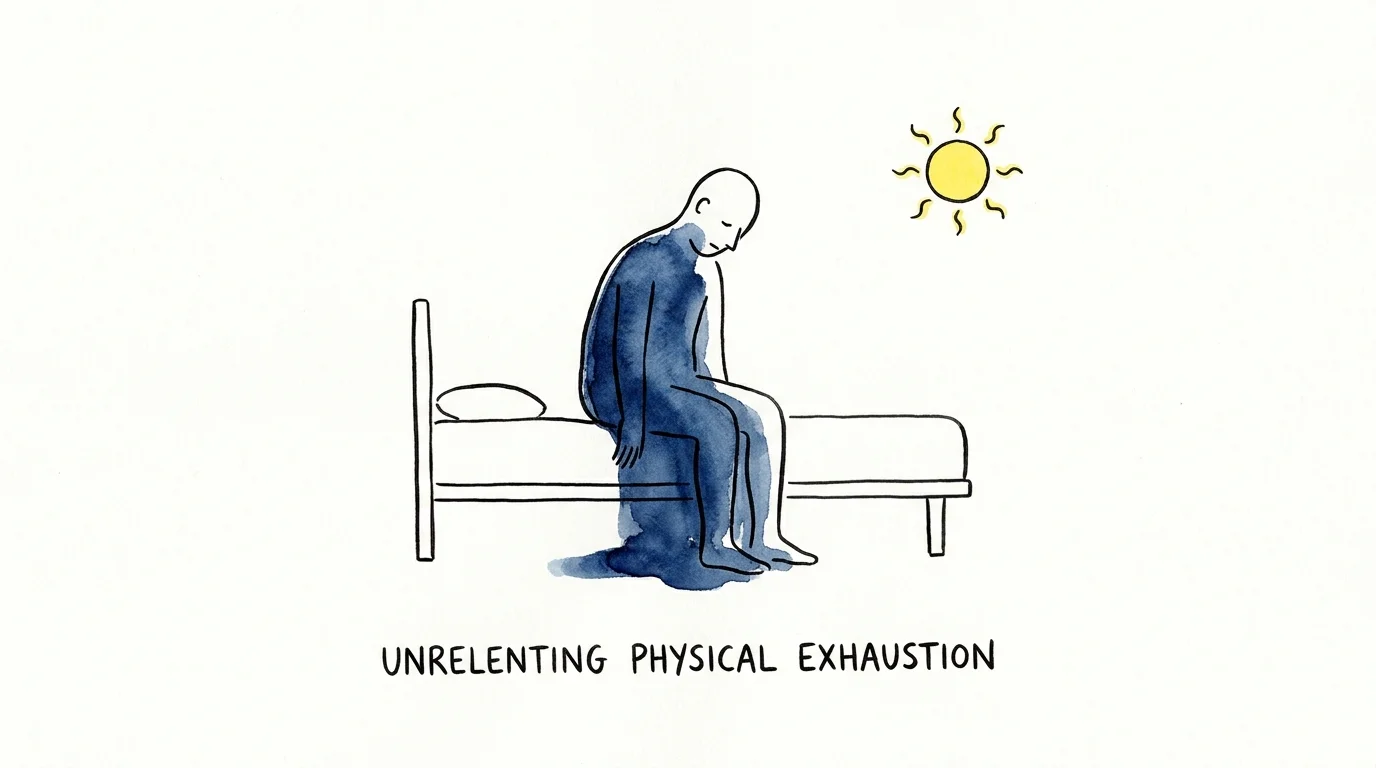
You might log eight hours of restful sleep and still wake up feeling as though you ran a marathon. Because insulin resistance prevents glucose from entering your cells efficiently, your muscles and organs remain essentially starved of energy despite an abundance of fuel circulating in your blood. Your body struggles to convert the food you eat into usable cellular currency. This profound, persistent fatigue fundamentally differs from the normal tiredness you experience after a long day of physical labor. It drains your motivation, impairs your cognitive function, and drastically reduces your overall daily stamina.

Sign 4: Sluggish Healing of Minor Cuts and Bruises
If you notice that minor wounds linger for weeks or transform into stubborn sores, elevated blood sugar likely plays a central role in your recovery delay. Chronic hyperglycemia stiffens your arteries and narrows your blood vessels, severely restricting the delivery of oxygen and nutrient-rich blood necessary for tissue repair. Furthermore, high glucose environments impair the function of your white blood cells, directly hindering your immune system from fighting off invasive bacteria. This combination creates a dangerous scenario where simple injuries rapidly escalate into serious, lingering infections.

Sign 5: Tingling and Numbness in Your Extremities
The intricate network of nerves extending to your toes and fingertips requires a pristine blood supply to function correctly. Sustained high blood sugar relentlessly attacks the capillary walls feeding these delicate nerves, culminating in a condition known as peripheral neuropathy. You might initially experience a mild tingling or a sudden loss of sensation in your toes. Over time, this progresses to sharp, burning pain or complete numbness. The National Institute of Diabetes and Digestive and Kidney Diseases emphasizes that recognizing this nerve dysfunction early is critical, as untreated neuropathy significantly increases the risk of serious mobility complications down the line.
Sign 6: Unexpected Weight Fluctuations and Constant Hunger
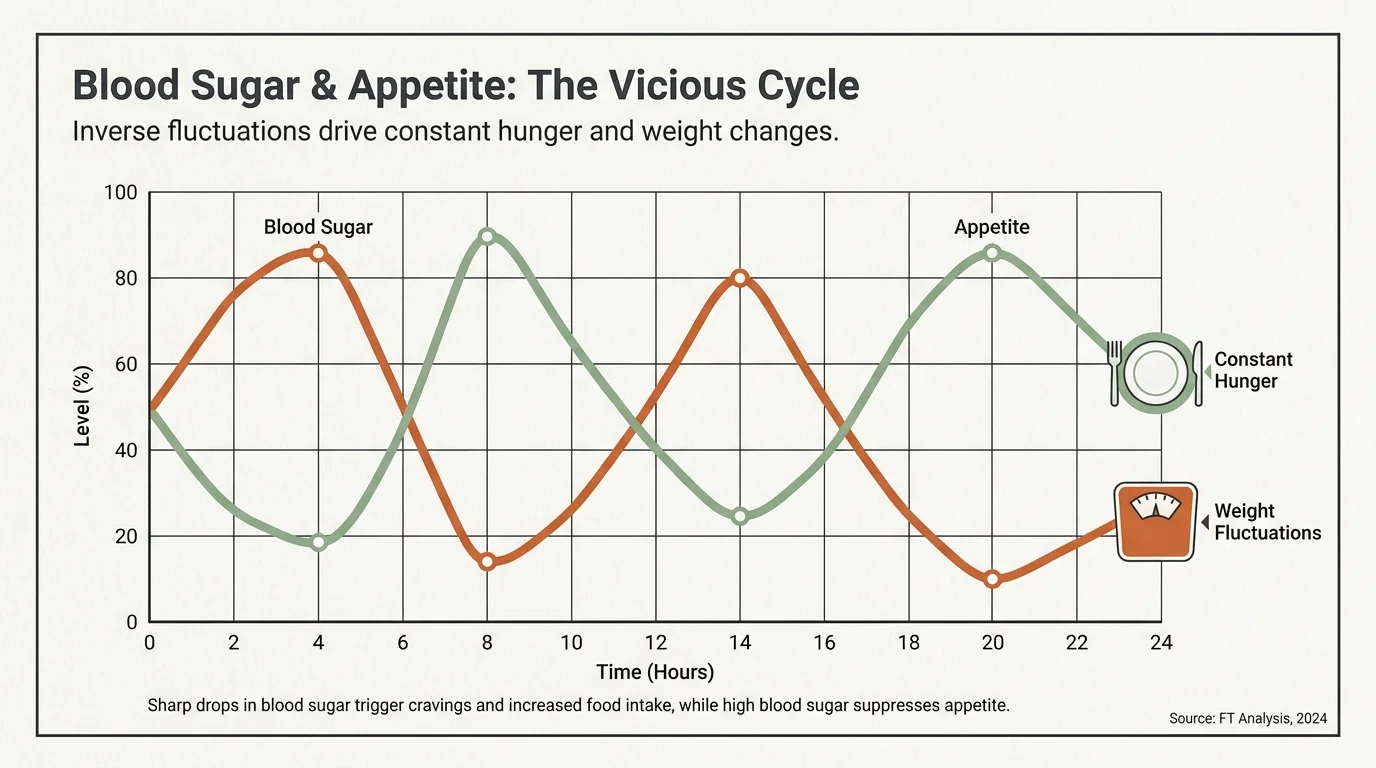
Because your cells cannot access the glucose trapped in your bloodstream, your brain receives persistent signals that your body is starving. This triggers an intense, insatiable hunger known clinically as polyphagia. Desperate for usable energy, your body forcefully breaks down its own muscle tissue and fat reserves to secure alternative fuel sources. If your clothes suddenly fit loosely despite a ravenous appetite and increased caloric intake, your metabolic system demands immediate medical evaluation to determine the underlying cause of this rapid cellular starvation.

Sign 7: Recurring Fungal and Bacterial Infections
Bacteria and yeast organisms thrive in environments saturated with excess sugar. When your blood glucose levels run high, the concentration of sugar in your sweat, urine, and saliva also increases dramatically. This creates an ideal breeding ground for opportunistic infections. You might suffer from recurring urinary tract infections, persistent skin rashes in the folds of your body, or stubborn yeast infections. A compromised immune system, coupled with an artificially sweetened physiological environment, severely limits your body’s natural defense mechanisms against common environmental pathogens.

Sign 8: Darkened, Velvety Patches of Skin
A physical manifestation of severe insulin resistance often appears directly on your skin, a condition medically termed acanthosis nigricans. You might notice the development of dark, thick, velvety patches forming in the creases of your neck, your armpits, or your groin area. The excessive insulin circulating in your bloodstream rapidly stimulates the reproduction of specific skin cells, causing this distinct textural and color change. Recognizing this dermatological sign provides a clear visual indicator that your metabolic health requires comprehensive intervention to restore balance.

Real Voices: Insights From Clinical Practice
Listening to the experiences of those navigating metabolic health provides invaluable perspective. Endocrinologists routinely emphasize that waiting for overt symptoms usually means metabolic dysfunction has already been present for several years. Registered dietitians note that patients frequently report feeling dramatically younger and significantly more vibrant simply by stabilizing their blood sugar, highlighting how deeply chronic fatigue masks itself as normal cognitive decline.
We must also acknowledge that maintaining optimal blood sugar involves deeply entrenched social determinants of health. Access to nutrient-dense foods, safe environments for regular physical activity, and affordable preventative healthcare drastically influence your ability to manage your physical wellbeing. Healthcare providers advocate for a compassionate, highly individualized approach, recognizing that chronic stress directly elevates cortisol levels, which in turn drives up blood sugar. By focusing on practical, accessible modifications rather than rigid perfectionism, you can reclaim your health without feeling overwhelmed.
Strategy Pillars: Reclaiming Your Metabolic Health

Nutrition Modifications for Steady Energy
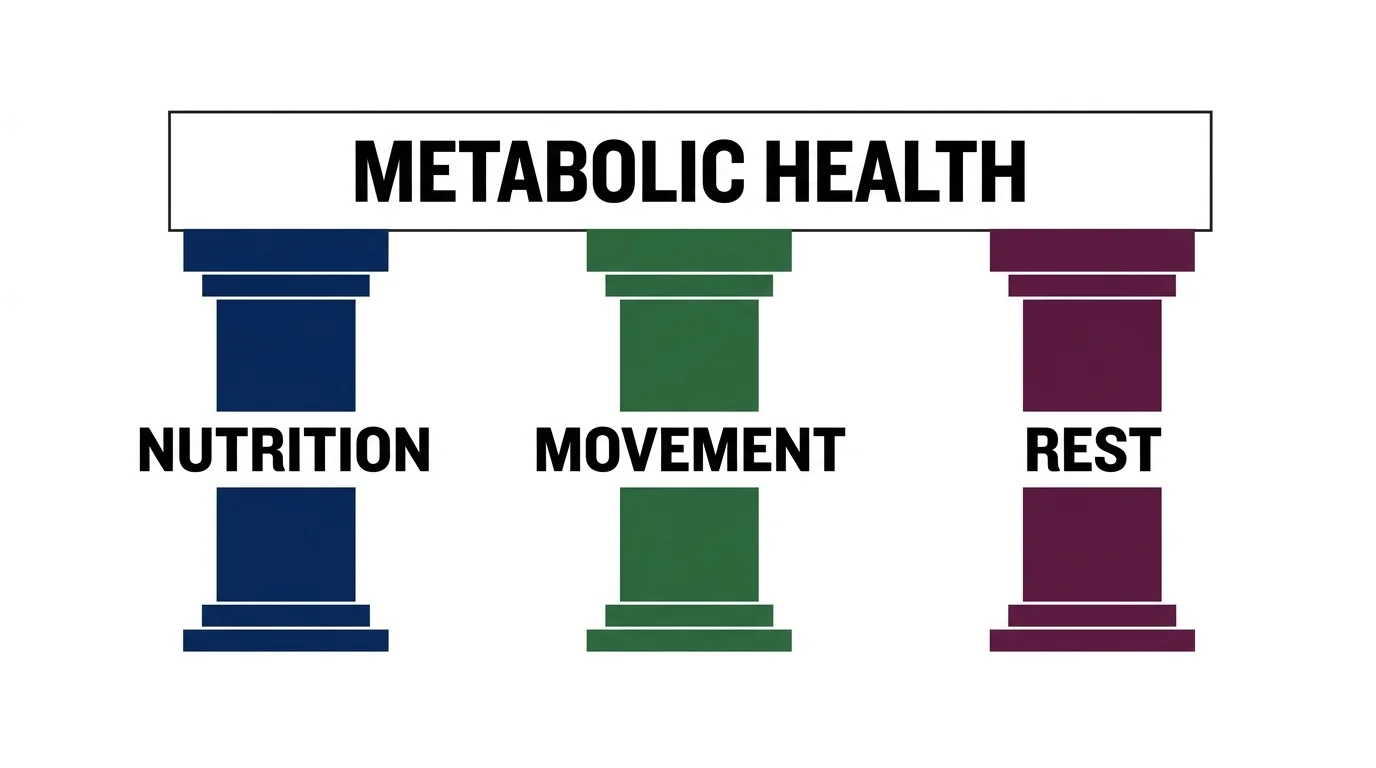
When consuming carbohydrates, purposefully pair them with a robust source of dietary fiber, healthy fats, and high-quality protein. This specific macronutrient combination significantly slows the digestive process, preventing a rapid, dangerous influx of sugar into your bloodstream. Prioritize non-starchy vegetables, legumes, and whole grains over highly processed, refined alternatives. The American Diabetes Association recommends building meals that keep you comfortably satiated while ensuring your body receives a steady, manageable drip of energy rather than an overwhelming, unmanageable flood of glucose.

Movement Prescriptions for Insulin Sensitivity
Physical activity acts as a powerful, entirely natural sensitizer for insulin. When you contract your muscles during intentional exercise, they independently draw glucose from your bloodstream for energy, entirely bypassing the need for insulin. Incorporating a brisk ten-minute walk immediately following your meals dramatically dampens post-meal blood sugar spikes. Adhering to the World Health Organization guidelines for moderate physical activity fundamentally alters your metabolic machinery, creating a remarkably resilient system capable of handling dietary carbohydrates with ease.
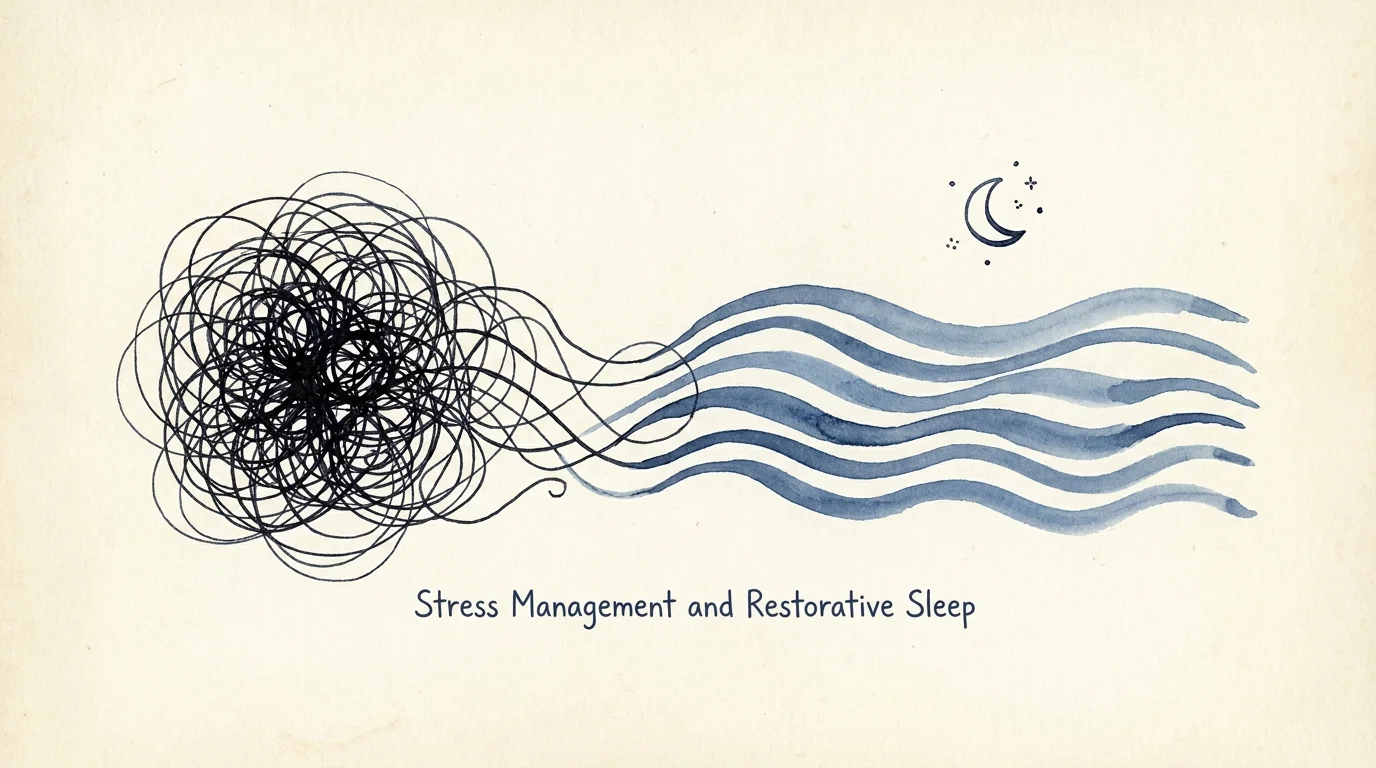
Stress Management and Restorative Sleep
Your psychological wellbeing fundamentally dictates your physiological reality. Chronic psychological stress triggers a constant release of cortisol and adrenaline, hormones explicitly designed to flood your bloodstream with glucose for a rapid fight-or-flight response. Without immediate physical exertion to burn off this sudden fuel, the sugar remains trapped in circulation. Additionally, sleep deprivation drastically reduces systemic insulin sensitivity in just a few days. Prioritize establishing a calming evening routine, aim for seven to nine hours of restorative sleep, and explore mindfulness practices to keep your stress hormones deeply regulated.
Collaborating with Medical Professionals
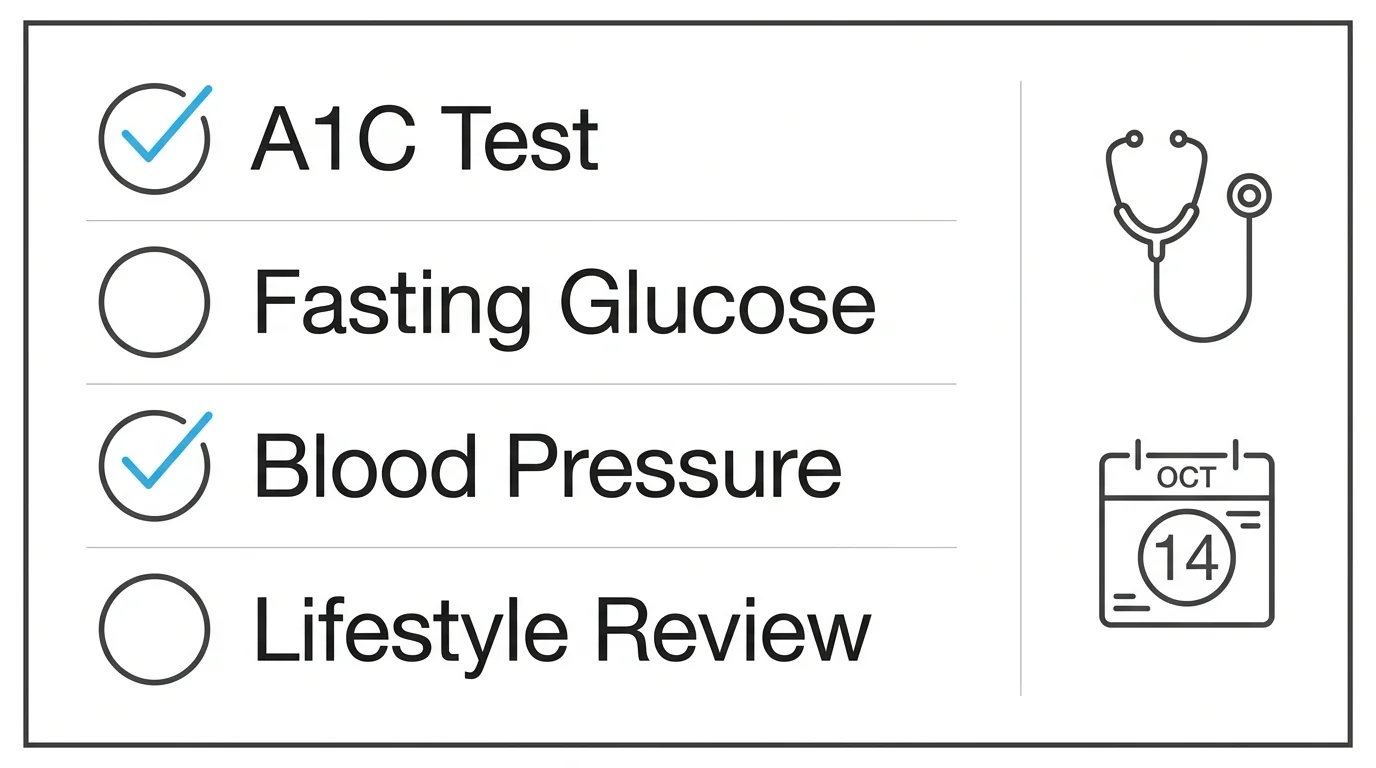
Never attempt to navigate a suspected metabolic condition entirely on your own without professional guidance. Schedule an appointment with your primary care physician to request a comprehensive metabolic panel, including a fasting insulin test and a Hemoglobin A1c screening. This specific blood test provides a reliable three-month average of your blood sugar levels, removing the guesswork from your daily health strategy. Work collaboratively with a registered dietitian or a certified diabetes care specialist to craft a highly personalized protocol that honors your unique medical history, personal preferences, and lifestyle constraints.
Frequently Asked Questions About Blood Sugar Symptoms
What constitutes a normal blood sugar level for healthy aging?
General clinical guidelines suggest a fasting blood sugar level below 100 milligrams per deciliter indicates normal metabolism. An HbA1c reading below 5.7 percent is considered standard. However, as you age, your physician might adjust these specific targets slightly upward to prevent dangerous hypoglycemic episodes. Always consult your specific healthcare team to determine the safest, most appropriate diagnostic ranges for your unique physiological profile and medical background.
Can poor sleep really cause blood sugar to rise significantly?
Scientific evidence clearly demonstrates that even a single night of severely fragmented or restricted sleep significantly impairs your body’s insulin sensitivity the following day. Sleep deprivation elevates cortisol and promotes systemic inflammation, both of which actively encourage your liver to release stored glucose into your bloodstream. Prioritizing consistent, high-quality sleep represents a foundational requirement for anyone attempting to heal their metabolic function and maintain steady energy levels.
How long does it realistically take to reverse insulin resistance?
Many individuals experience measurable improvements in their daily blood sugar readings within just a few weeks of implementing targeted nutritional changes and consistent daily movement. Meaningful reductions in your HbA1c typically require three to six months of dedicated effort, as this specific test measures a prolonged average of your cellular environment. Healing metabolic dysfunction remains a marathon, not a sprint.
Should I monitor my blood sugar at home if I only suspect an issue?
Utilizing a home glucometer offers extraordinary insights into how specific foods, stressors, and activities impact your body in real time. It removes the mystery from your daily dietary choices, allowing you to identify hidden nutritional triggers and adjust your habits proactively before prediabetes progresses into a more severe, unmanageable chronic condition. Discuss home monitoring options with your physician to see if this tool aligns with your health goals.
Your Next Step Toward Lasting Health
Reclaiming your metabolic vitality does not require an overnight overhaul of your entire existence; it relies entirely on small, manageable adjustments practiced with unwavering consistency. Today, simply observe how your body feels in the hours following your meals. Do you experience sudden lethargy, persistent brain fog, or an unquenchable thirst? Let these quiet physiological signals guide you toward making one supportive choice, whether that means scheduling a brief walk after lunch or finally booking that overdue physical with your doctor. Taking one small action today builds the foundation for decades of vibrant health.









Leave a Reply