
The Lasting Health

Unlock the healthiest version of you.

  • Home
  • Healthy Choices
  • Medical Conditions
  • Overall Well-Being

6 Dangerous Drug Combinations That Millions of Seniors Are Taking Right Now

May 14, 2026 · Uncategorized
Elderly hands sorting multiple prescription pill bottles and a daily organizer on a wooden kitchen table in soft morning light.

Managing multiple health conditions often means taking a handful of pills every morning, but mixing certain prescription and over-the-counter medications creates severe health risks. You can protect your long-term wellbeing by identifying dangerous drug combinations and working with your doctor to adjust your routine. Millions of older adults unknowingly take interacting medications that cause dizziness, internal bleeding, or cognitive decline. Changes in how the aging body processes chemicals mean that a combination you tolerated a decade ago might suddenly become toxic. By reviewing your daily regimen and understanding the chemical interactions at play, you can prevent preventable hospitalizations and maintain your independence.
A medical diagram showing how the liver and kidneys process drugs more slowly in older adults.
This medical diagram reveals how aging slows liver and kidney functions, changing how medications affect your body.

The Science Snapshot: Why Aging Changes Medication Metabolism

As you age, your body undergoes profound physiological changes that directly impact how you absorb, distribute, metabolize, and excrete medications. Pharmacologists refer to this biological process as pharmacokinetics, and it perfectly explains why a dose of medication that worked flawlessly in your fifties can cause debilitating side effects in your seventies. Your liver and kidneys serve as the primary filtration organs for clearing drugs from your system. Over time, blood flow to these vital organs naturally decreases, and they lose some of their functional reserve. Consequently, medications linger in your bloodstream significantly longer, drastically increasing your risk of cumulative toxicity.

Shifts in your physical body composition also play a major role in medication dynamics. Older adults typically experience a decrease in total body water and lean muscle mass, alongside a relative increase in body fat percentage. Water-soluble drugs become highly concentrated in your blood, while fat-soluble drugs accumulate deeply in fatty tissues, leading to an artificially prolonged drug half-life. Furthermore, seniors frequently experience polypharmacy—the concurrent use of five or more medications daily. According to the Centers for Disease Control and Prevention, older adults are disproportionately affected by adverse drug events, leading to thousands of preventable emergency room visits annually. Understanding these foundational biological realities empowers you to advocate for safer prescribing practices and holistic health interventions.

An infographic showing six warning icons for common dangerous drug combinations for seniors.
Six warning icons illustrate the most dangerous drug combinations that millions of seniors are taking right now.

The 6 Dangerous Drug Combinations Seniors Must Watch For

When you combine medications without thoroughly evaluating their combined chemical effects, you risk triggering severe interactions that amplify unwanted side effects or completely neutralize the benefits of your treatments. The following six combinations represent some of the most common and hazardous medication pairings found in the medicine cabinets of older adults today.

A diagram showing how mixing blood thinners and NSAIDs leads to a high risk of internal bleeding.
This infographic warns that mixing blood thinners and NSAIDs creates a high risk for gastrointestinal bleeding.

1. Blood Thinners and Nonsteroidal Anti-Inflammatory Drugs

Millions of seniors take daily anticoagulants, commonly known as blood thinners, to prevent strokes, heart attacks, and deep vein thrombosis. If you rely on medications like warfarin, apixaban, or rivaroxaban, you must exercise extreme caution when reaching for over-the-counter pain relievers. Nonsteroidal anti-inflammatory drugs, including ibuprofen and naproxen, also inherently inhibit blood clotting. More importantly, these anti-inflammatory drugs suppress the production of prostaglandins, which are protective chemicals that maintain the delicate mucosal lining of your stomach. When you mix these two categories of drugs, you strip away your stomach’s natural cellular defense while simultaneously preventing your blood from clotting. This exponentially increases your risk for life-threatening gastrointestinal bleeding. Even low-dose daily aspirin, when combined with another blood thinner and an over-the-counter painkiller, creates a highly dangerous environment for internal hemorrhaging. You should explore alternative pain management strategies with your physician, such as targeted physical therapy or acetaminophen, which generally avoids this specific bleeding risk.

An infographic illustrating how ACE inhibitors and potassium supplements can cause dangerous heart rhythms.
This diagram shows how mixing ACE inhibitors and potassium supplements can cause dangerous irregular heart rhythms.

2. ACE Inhibitors and Potassium Supplements

Cardiovascular health requires careful, continuous management, and doctors frequently prescribe angiotensin-converting enzyme inhibitors—such as lisinopril or enalapril—to lower elevated blood pressure and support overall heart function. These medications naturally cause your kidneys to retain potassium rather than excreting it. While potassium remains vital for proper nerve transmission and muscle function, too much of it leads to a dangerous physiological condition called hyperkalemia. If you take a standalone potassium supplement or heavily consume artificial salt substitutes that contain potassium chloride while on an angiotensin-converting enzyme inhibitor, your potassium levels can spike to highly toxic levels. High potassium drastically disrupts the delicate electrical signals in your heart, potentially triggering dangerous arrhythmias, severe muscle weakness, or even sudden cardiac arrest. You must routinely check your electrolyte levels through blood tests if you take these blood pressure medications.

A technical diagram showing how antibiotics can cause cholesterol-lowering statins to build up to toxic levels in muscles.
Mixing statins and macrolide antibiotics can cause severe muscle breakdown, as shown in this medical warning graphic.

3. Statins and Macrolide Antibiotics

Cholesterol-lowering statins like atorvastatin and simvastatin rank among the most widely prescribed cardiovascular medications globally. However, these life-saving drugs rely heavily on specific liver enzymes—particularly the cytochrome P450 3A4 enzyme—for clearance from your body. When you develop a bacterial infection and receive a prescription for a macrolide antibiotic, such as clarithromycin or erythromycin, these powerful antibiotics severely inhibit the exact liver enzymes responsible for breaking down the statin. As a result, statin concentrations in your bloodstream can surge to toxic levels within mere days. This excessive concentration leads to severe, debilitating muscle pain and a rare but life-threatening condition called rhabdomyolysis. During rhabdomyolysis, rapid muscle breakdown releases proteins into your bloodstream that overwhelm your kidneys, potentially causing irreversible renal failure. You must actively inform your prescribing physician and pharmacist about your statin use whenever you receive a new antibiotic prescription.

A stark infographic showing the dangerous combined effect of opioids and benzodiazepines on lung function.
Combining opioids and benzodiazepines creates a critical risk by slowing breathing to dangerous, life-threatening levels.

4. Opioids and Benzodiazepines

The simultaneous use of prescription opioids for severe pain and benzodiazepines for anxiety or sleep disorders creates a lethal chemical synergy. Medications like oxycodone, hydrocodone, or tramadol profoundly depress your central nervous system, slowing your breathing and heart rate. Benzodiazepines, such as alprazolam, diazepam, or lorazepam, exert a similarly suppressive effect on the brain’s GABA receptors. When combined, these drugs amplify each other’s effects exponentially, leading to profound sedation and severe respiratory depression. Older adults are incredibly sensitive to this specific combination, facing a dramatically heightened risk of fatal overdose, extreme cognitive confusion, and devastating physical falls. The National Institute on Drug Abuse explicitly warns against this dangerous pairing. If you currently take both medications, work closely with a comprehensive medical team to safely and gradually taper your dosages while introducing holistic therapies for pain and anxiety relief.

A diagram showing how calcium supplements act as a barrier to the absorption of thyroid medications.
A calcium supplement wall stops thyroid medication from entering the bloodstream, leaving your hypothyroidism dangerously untreated.

5. Calcium Supplements and Thyroid Hormones

Hypothyroidism affects a significantly large percentage of older adults, necessitating daily synthetic thyroid hormone replacement therapy like levothyroxine. Simultaneously, many seniors take daily calcium supplements to protect against osteoporosis, bone density loss, and fractures. While both treatments hold significant value for healthy aging, calcium carbonate directly binds to levothyroxine inside your digestive tract. This physical binding prevents your body from properly absorbing the essential thyroid hormone, rendering your vital prescription practically useless. The resulting severe drop in active thyroid levels causes profound physical fatigue, unexplained weight gain, clinical depression, and cognitive sluggishness. To successfully manage both conditions simultaneously, you must rigorously separate your doses. Take your thyroid medication on a completely empty stomach first thing in the morning, and wait a minimum of four full hours before consuming any calcium supplements or calcium-fortified foods.

A diagram showing the dangerous interaction between St. John's Wort and SSRI antidepressants.
Mixing St. John’s Wort with antidepressants can cause a dangerous reaction in the brain called serotonin syndrome.

6. Herbal Supplements and Antidepressants

The global wellness market heavily promotes natural remedies to enhance memory and mood, but natural components do not always equate to safe interventions. Ginkgo biloba, a highly popular supplement for cognitive support, and St. John’s Wort, widely used for seasonal depression, cause severe chemical interactions with prescription selective serotonin reuptake inhibitors. Mixing St. John’s Wort with common medications like sertraline, citalopram, or fluoxetine can immediately trigger serotonin syndrome—a potentially fatal accumulation of serotonin in the brain characterized by intense muscle tremors, dangerously high fever, and sudden seizures. Furthermore, Ginkgo biloba possesses mild blood-thinning properties that interact negatively with antidepressants, significantly increasing your risk of spontaneous internal bleeding. You must treat all herbal supplements with the exact same respect and caution as pharmaceutical drugs and fully disclose every natural remedy to your primary healthcare provider.

A three-pillar infographic showing Medical Care, Nutrition, and Movement as the keys to medication safety.
This action plan infographic presents medical care, nutrition, and movement as pillars for safe medication management.

Strategy Pillars: A Holistic Approach to Medication Safety

Addressing the inherent risks of unsafe medication interactions requires a comprehensive, highly proactive strategy. By integrating careful medical oversight, daily nutritional awareness, and sustainable lifestyle modifications, you can drastically reduce your overall reliance on multiple medications and actively safeguard your long-term health.

A pharmacist and an older woman reviewing a printed list of medications together at a counter.
A pharmacist reviews a medication list with a senior woman to help prevent dangerous drug combinations.

Medical Care: The Comprehensive Medication Review

The absolute most effective defense against dangerous drug combinations is a formal, comprehensive medication review. Schedule a dedicated appointment with your primary care physician or a specialized clinical pharmacist to conduct a brown bag check; this involves physically bringing every pill bottle, daily vitamin, and herbal extract you consume into the office. During this detailed review, your healthcare team evaluates the ongoing necessity, precise dosage, and chemical safety of each item. This specific process frequently leads to deprescribing, which is a deliberate and medically supervised reduction of medications that no longer serve your primary health goals. Geographic and financial barriers often limit direct access to specialized geriatricians, but you can leverage local community pharmacists or modern telehealth services to obtain this vital clinical oversight. You can explore excellent patient resources through the American Geriatrics Society to find specialized tools that help expertly guide these crucial medical conversations.

A close-up of a sliced grapefruit next to a medicine bottle on a white marble counter.
A halved grapefruit sits beside an amber medicine bottle, illustrating the dangers of food and drug interactions.

Nutrition: Navigating Complex Food and Drug Interactions

Your daily diet intimately and directly affects how chemical medications perform inside your body. Beyond the well-known interactions—such as how certain compounds in grapefruit juice amplify the effects of specific statins and blood pressure pills as outlined by the Food and Drug Administration—you must also carefully monitor your intake of specific micronutrients. If you take the blood thinner warfarin, sudden, drastic changes in your consumption of vitamin K-rich leafy greens like spinach, kale, or Swiss chard will rapidly destabilize your blood clotting times. You certainly do not need to eliminate these incredibly nutrient-dense foods; rather, you must maintain a highly consistent daily intake so your doctor can accurately and safely calibrate your medication dose. Working directly with a registered dietitian perfectly empowers you to design a delicious meal plan that respects your specific medical constraints while providing the vital nutrition required for healthy, vibrant aging.

An older man walking on a sun-dappled park path during late afternoon.
An active senior walks through a sunlit park, prioritizing movement as a powerful alternative to heavy prescriptions.

Movement and Mindset: Alternatives to Heavy Prescriptions

Embracing consistent physical movement and robust mental resilience practices provides incredibly powerful alternatives to managing symptoms exclusively with prescription pills. Chronic joint pain naturally drives many older adults toward a heavy, daily reliance on anti-inflammatory drugs or dangerous opioids. However, guided physical therapy, restorative yoga, and gentle aquatic exercises safely strengthen the supportive muscles surrounding your joints, naturally reducing structural pain and vastly improving mobility. For persistent anxiety and sleep disturbances—which are too often treated with risky benzodiazepines—mindfulness meditation and cognitive behavioral therapy for insomnia offer evidence-based relief completely free of chemical side effects. Acknowledging vital social determinants, such as access to safe neighborhood walking paths or affordable community wellness programs, remains essential. If local community resources are scarce, countless free digital platforms offer guided, senior-friendly routines that you can practice safely and consistently in your living room.

A stethoscope, a journal, and reading glasses on a desk, representing a clinician's perspective.
A stethoscope and glasses rest on a medical notebook, illustrating the clinician’s perspective on complex polypharmacy.

Real Voices: Clinician Perspectives on Polypharmacy

Medical professionals who specialize in the biology of aging consistently emphasize the paramount importance of vigilant, daily medication management. Clinical pharmacists specializing in geriatric care frequently observe the devastating downstream effects of unchecked polypharmacy. They note that many older patients end up in the emergency room simply because one specialist prescribed a new medication to treat the unrecognized side effect of another medication. This dangerous prescribing cascade traps seniors in a relentless cycle of worsening health and dependency. Geriatricians highly advise patients to view their current medication list not as a permanent, rigid fixture, but as a flexible, evolving treatment plan that requires constant medical auditing. Similarly, physical therapists working specifically with older adults continuously highlight that patients who commit to daily, gentle movement frequently and successfully eliminate their need for high-dose pain relievers, thereby restoring both their physical safety and sharp mental clarity.

Frequently Asked Questions About Medication Interactions

How often should I review my medications with a medical professional?

You should absolutely conduct a thorough, comprehensive medication review with your primary care provider or certified pharmacist at least once a full year. However, you must also immediately trigger a review whenever you experience a major health transition, such as being discharged from a local hospital, receiving a brand new medical diagnosis, or starting any new prescription. Constant medical vigilance ensures that temporary, short-term prescriptions do not inadvertently become permanent, hazardous fixtures in your daily routine.

Can common, everyday vitamins interact with my prescription drugs?

Yes, seemingly harmless daily vitamins frequently and severely interact with potent prescription medications. Beyond the well-known calcium and thyroid medication conflict, daily vitamins containing high doses of heavy minerals like iron or magnesium drastically interfere with the proper absorption of certain powerful antibiotics and osteoporosis medications. You must take strict inventory of every single over-the-counter supplement you swallow and discuss the optimal, safe timing for each dose with a certified pharmacist to prevent dangerous absorption failures.

What should I immediately do if I suspect an interaction is causing my symptoms?

If you suddenly develop unexplainable new symptoms—such as severe dizziness, profound physical fatigue, unusual bruising, dark stools, or sudden cognitive confusion—you must not abruptly stop taking your medications on your own. Abruptly ceasing certain drugs, particularly beta-blockers or heavy antidepressants, actively triggers incredibly dangerous physiological withdrawal effects. Instead, immediately contact your prescribing physician or a local emergency clinic, explicitly detail your exact symptoms, and forcefully request an urgent, same-day review of your current medication regimen.

Is it beneficial to use a single pharmacy for all my medical needs?

Consolidating all your prescription fills at a single, trusted pharmacy stands as one of the absolute most effective safety strategies for preventing dangerous drug interactions. When one dedicated pharmacy accurately maintains your complete medication profile, their internal computer systems automatically and instantly flag potential contraindications before the pharmacist ever hands you the bottle. If you absolutely must use different pharmacies due to strict insurance constraints or specialized compounding needs, you carry the absolute personal responsibility of keeping an updated, master written list of your medications and sharing it explicitly with every single provider.

Your Next Manageable Step

Safeguarding your ongoing health against dangerous drug combinations does not require you to suddenly become a medical expert in pharmacology; it simply requires you to become an active, highly vocal participant in your own healthcare journey. Your most vital, immediate next step involves gathering every single pill bottle, vitamin jar, and herbal supplement currently sitting in your home and placing them securely into a single bag. Call your primary care physician or your trusted local pharmacist today to boldly schedule a comprehensive medication review. As you mentally prepare for this empowering appointment, ask yourself: which of these daily chemical routines truly supports my long-term vitality, and which might actually be holding me back? Taking direct, confident control of your medication safety is a profound act of daily self-care that protects your independence and ensures a vibrant, highly resilient future.

Share this article

Facebook Twitter Pinterest LinkedIn Email

Leave a Reply Cancel reply

Your email address will not be published. Required fields are marked *

Search

Latest Posts

  • A man sweeps a dusty corner of a sunlit rural shed, illustrating the moment hantavirus particles become airborne and inhalable. Hantavirus Symptoms You Need to Know
  • A conceptual mixed media collage of a human silhouette filled with abstract textures, ink lines, and symbolic health icons on a green backgr 8 Strange Ways Stress Shows Up In The Body
  • A person in pajamas sits on the edge of their bed in the early morning, looking tired and resting their head in their hand. 8 Reasons Why Your Energy Levels Are Low No Matter How Much You Sleep
  • A senior woman sitting at a sunlit kitchen table in the morning, choosing oatmeal over a cup of black coffee. 10 Foods Seniors Should Never Eat on an Empty Stomach
  • Elderly hands sorting multiple prescription pill bottles and a daily organizer on a wooden kitchen table in soft morning light. 6 Dangerous Drug Combinations That Millions of Seniors Are Taking Right Now
  • A woman at a kitchen table rubs her temple while looking at a symptom logbook, surrounded by household items like a candle and lotion. 8 Everyday Products That May Be Triggering Headaches
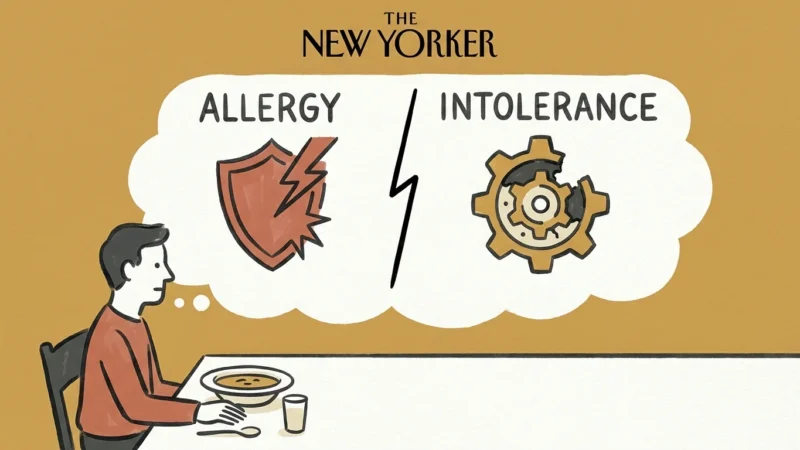
  • An editorial illustration showing a person at a table with a split thought bubble comparing an 'Allergy' shield to an 'Intolerance' gear. 8 Body Reactions People Mistake For Food Allergies
  • An older adult in a sunlit kitchen checking off a hydration routine on a handwritten list. 8 Body Functions That Change In Ways Nobody Warns You About
  • A woman looks in a bathroom mirror and touches a faint stress-related rash on her neck in the morning light. 8 Weird Symptoms Doctors Say Are Often Stress Related
  • A middle-aged man sits in a sunlit living room looking thoughtfully at a glass of water, appearing tired but resilient. 8 Signs Your Body May Be Recovering More Slowly Than Normal

Newsletter

Get the latest posts delivered to your inbox.

Related Articles

A middle-aged man sits in a sunlit living room looking thoughtfully at a glass of water, appearing tired but resilient.

8 Signs Your Body May Be Recovering More Slowly Than Normal

Discover eight crucial signs that your body is recovering slowly from daily stress and physical…

Read More →
A man sweeps a dusty corner of a sunlit rural shed, illustrating the moment hantavirus particles become airborne and inhalable.

Hantavirus Symptoms You Need to Know

Learn how to identify early hantavirus symptoms, understand the risks of rodent-borne diseases, and discover…

Read More →
A woman at a kitchen table rubs her temple while looking at a symptom logbook, surrounded by household items like a candle and lotion.

8 Everyday Products That May Be Triggering Headaches

Discover how everyday products like synthetic fragrances, household cleaners, and artificial sweeteners trigger headaches, and…

Read More →
Alzheimer's Disease

The 3 Stages of Alzheimer’s (With Symptoms)

Alzheimer’s disease is a degenerative brain disorder that gradually destroys memory, reasoning, language, and eventually,…

Read More →
A woman looks in a bathroom mirror and touches a faint stress-related rash on her neck in the morning light.

8 Weird Symptoms Doctors Say Are Often Stress Related

Discover 8 weird symptoms doctors say are stress related. Learn how to decode unusual body…

Read More →
A woman in her 60s gardening in a sun-drenched backyard, focusing on her active and fulfilling lifestyle.

8 Body Changes That Surprise People After 60

Discover the eight surprising body changes you experience after 60 and learn evidence-based strategies to…

Read More →
early signs of copd

The 5 Most Concerning Early Signs of COPD

These are the early signs of COPD everyone should know about! Chronic Obstructive Pulmonary Disease…

Read More →
A senior woman sits thoughtfully on a garden bench in warm sunlight, reflecting on her health and well-being.

7 Symptoms Seniors Often Ignore Until They Become Serious

Identify 7 critical health symptoms seniors often ignore. Discover actionable medical, nutritional, and movement strategies…

Read More →
A person in a sunlit kitchen pours a glass of water, emphasizing hydration and daily wellness habits.

7 Silent Signs Your Kidneys May Need Attention

Discover the seven silent signs of kidney decline and learn actionable, evidence-based strategies to protect…

Read More →

The Lasting Health

Unlock the healthiest version of you.

Inedit Agency S.R.L.
Bucharest, Romania

contact@thelastinghealth.com

Explore

Do not sell my personal information

Privacy Policy

Terms and Conditions

Contact

Request to know

Request to delete

CA Private policy

Categories

  • Healthy Choices
  • Medical Conditions
  • Overall Well-Being

© 2026 The Lasting Health. All rights reserved.