

Recognizing when your body needs extra time to heal empowers you to adjust your routines before minor fatigue becomes a chronic setback. Recovery health shapes how well you bounce back from exercise, illness, and daily stressors, especially as your aging body undergoes natural metabolic shifts. You might notice subtle clues like persistent muscle soreness, restless sleep, or prolonged mental fog after routine activities. These symptoms suggest your system requires deliberate support through optimized nutrition, targeted rest, and strategic movement. Understanding the difference between ordinary tiredness and impaired healing allows you to seek timely medical guidance and build sustainable wellness habits. When you respect your biological pacing, you lay the groundwork for long-term vitality.
The Science of Cellular Repair and Systemic Recovery
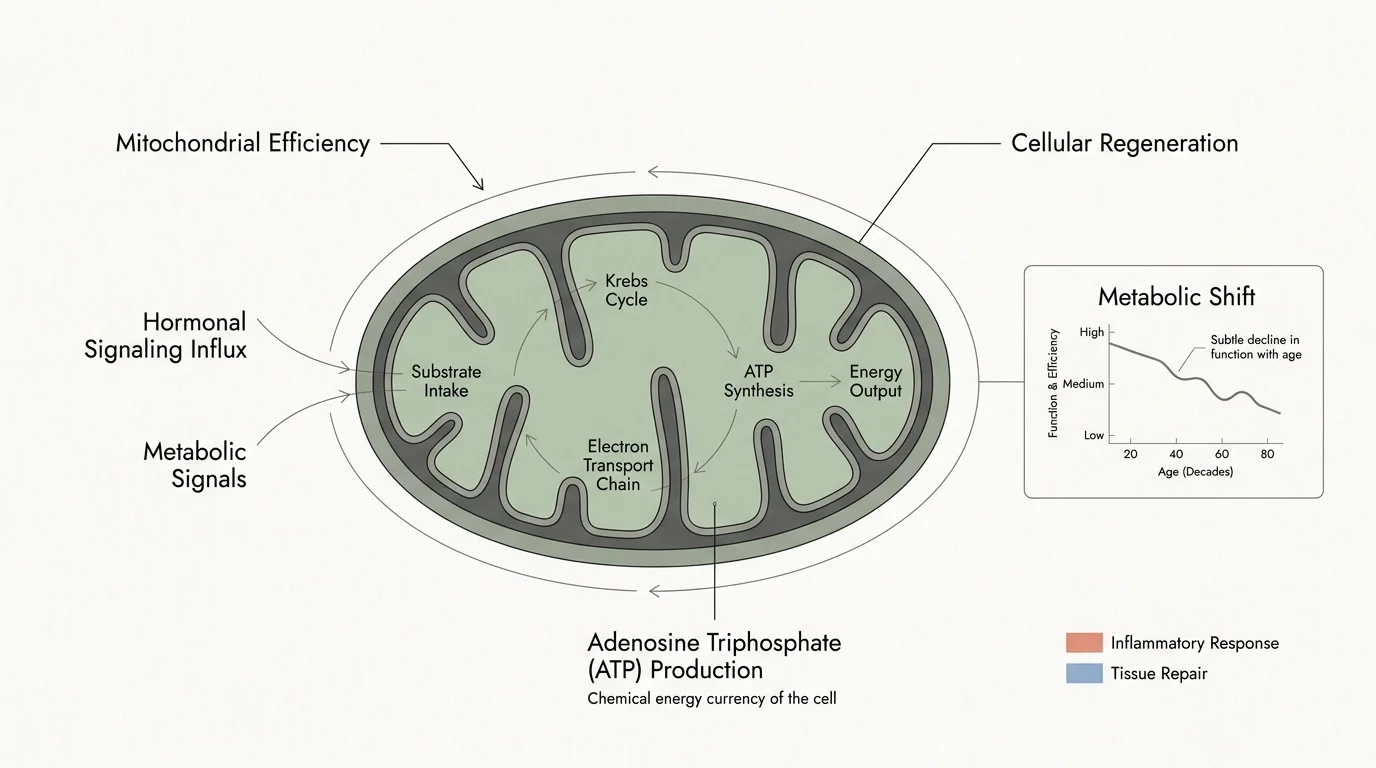
Cellular repair demands a precise balance of hormonal signaling, efficient metabolic energy production, and targeted immune system modulation. When you expose your body to physiological stressors—whether you complete a rigorous workout, battle an acute viral illness, or navigate chronic environmental strain—your cells initiate a highly regulated inflammatory response. This internal mechanism actively clears damaged tissue and stimulates cellular regeneration. Medical literature demonstrates that your mitochondrial efficiency directly dictates how quickly your body generates adenosine triphosphate, the fundamental energy carrier required to rebuild structural proteins and mend damaged fibers.
As your aging body navigates natural biological changes, this mitochondrial function often experiences a subtle decline, extending your required recovery timelines. Chronic psychological stress further impedes physical healing by sustaining elevated cortisol levels; this specific hormonal imbalance actively suppresses the foundational cellular mechanisms responsible for tissue repair. Examining current research regarding sleep architecture and immune function reveals that previously effective health routines often require strategic adjustments as we age. Aligning your daily habits to actively support your evolving metabolic and immune pathways ensures your central nervous system receives the exact biological resources it needs to stabilize energy levels, repair soft tissue, and preserve your holistic wellness.
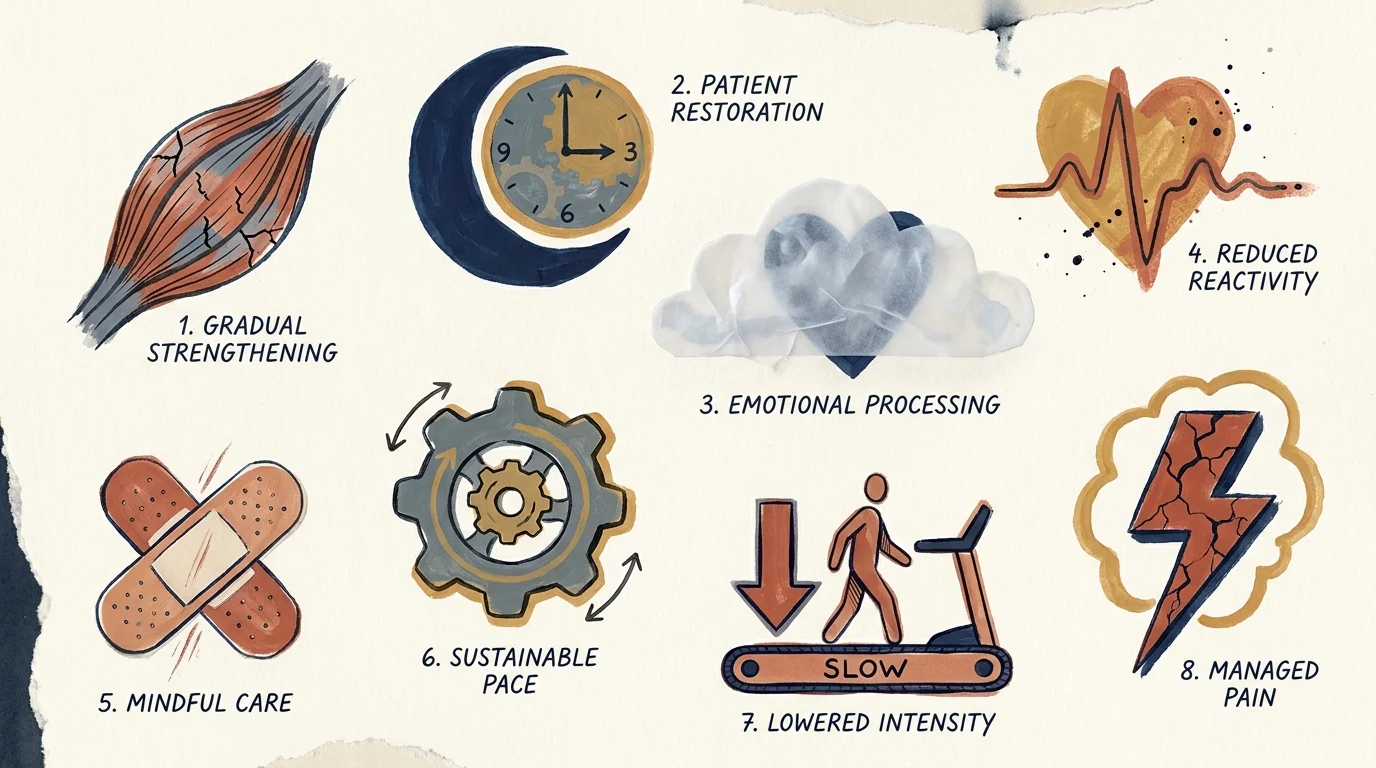
8 Signs Your Body Is Taking Longer to Heal

1. Lingering Muscle Soreness Beyond Normal Windows
Delayed onset muscle soreness represents a standard physiological response to novel physical exertion, typically resolving within forty-eight to seventy-two hours. If you experience deep, aching muscles for five or six days following a familiar workout routine, your body is clearly signaling a deficit in muscle protein synthesis. Prolonged soreness frequently highlights insufficient amino acid intake or inadequate localized blood circulation, which significantly delays your system from flushing metabolic waste products like lactic acid. When muscle tissues remain inflamed beyond the typical window, pushing through the pain heavily increases your risk of structural injury and further delays the critical rebuilding phase.

2. Unrefreshing Sleep and Frequent Night Waking
Your brain and physical tissues rely entirely on deep, slow-wave sleep to release human growth hormone, an indispensable biological component for nocturnal tissue repair. Waking up feeling physically exhausted despite spending eight full hours in bed strongly suggests your central nervous system remains trapped in a sympathetic, hyper-aroused state. Frequent night waking disrupts the essential architectural phases of your sleep cycle, completely preventing your body from entering the restorative stages required to mend cellular damage. A lack of restorative sleep operates as both a primary symptom of poor recovery and the precise mechanism that prevents future healing.
3. Persistent Brain Fog and Cognitive Fatigue
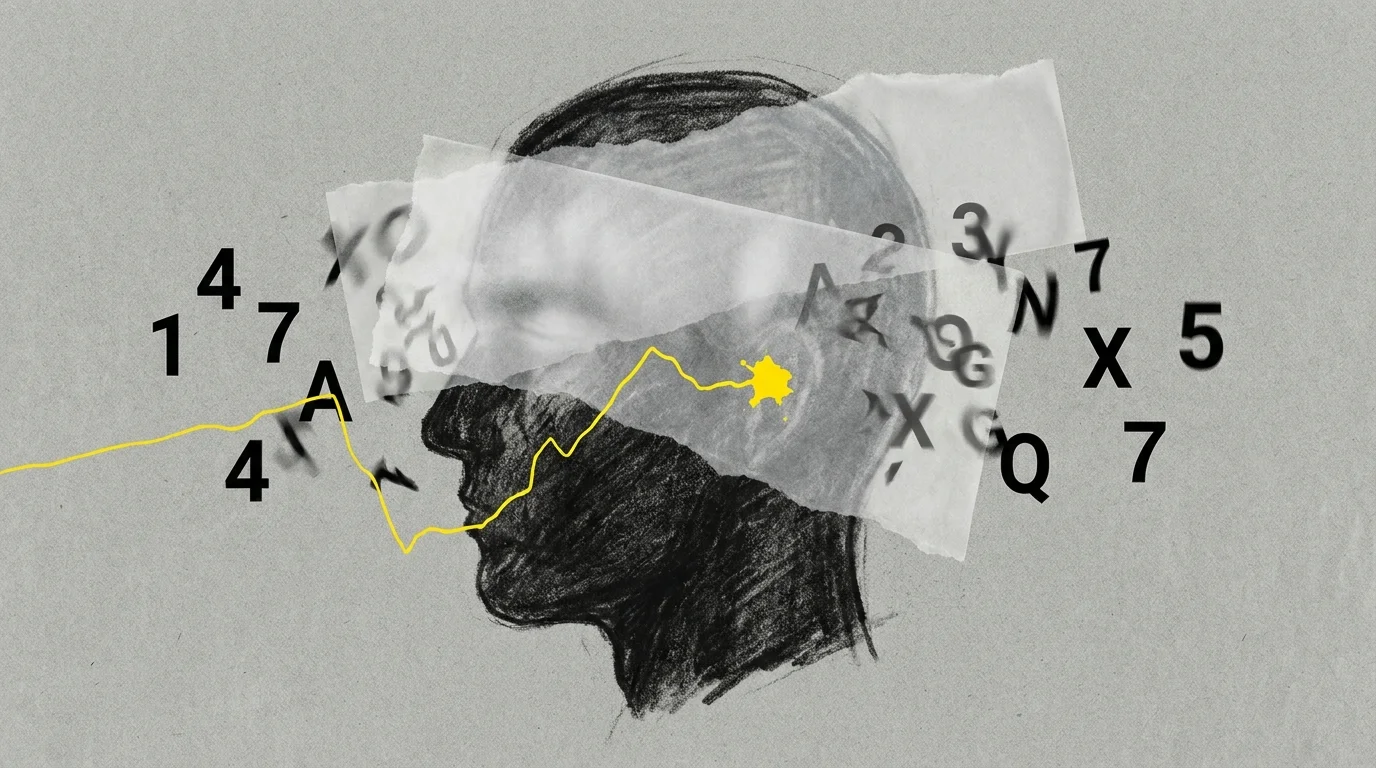
Comprehensive recovery health extends far beyond mending muscle tissue to directly encompass your central nervous system and cognitive function. Brain fog, characterized by poor daytime concentration, uncharacteristic memory lapses, and a general feeling of mental heaviness, often indicates underlying systemic inflammation and neural fatigue. When your physical body struggles to heal from athletic exertion or illness, it automatically redirects vital energetic resources away from executive cognitive functions toward foundational survival and repair mechanisms. This biological triage leaves you feeling mentally depleted, making everyday problem-solving feel significantly more taxing than usual.
4. Elevated Resting Heart Rate
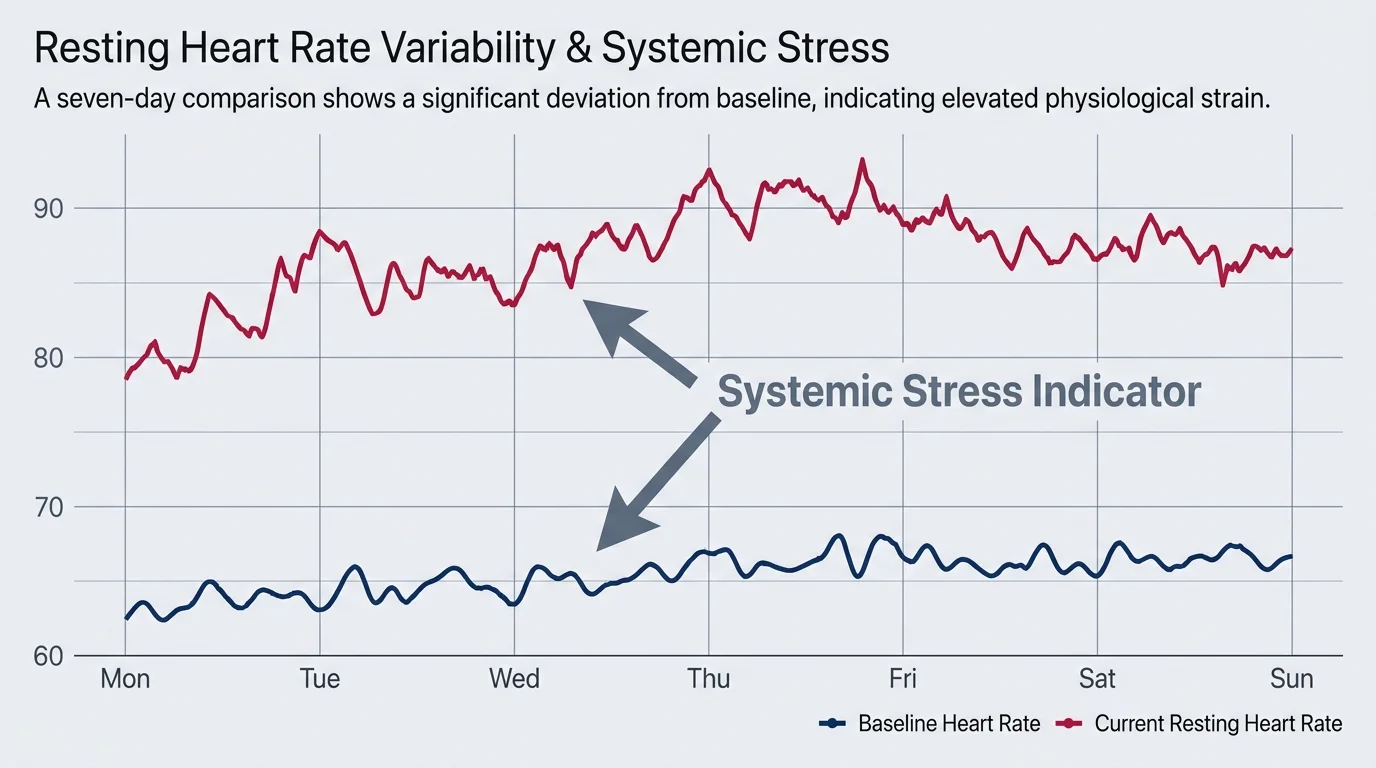
Tracking your morning cardiovascular metrics provides immediate, objective insight into your current physiological recovery status. An unexplained increase in your resting heart rate of five to ten beats per minute over several consecutive mornings vividly demonstrates internal strain. This cardiovascular elevation signifies that your heart must work significantly harder to pump oxygen and critical nutrients to tissues that are struggling to repair themselves. Furthermore, a consistently elevated resting pulse often points to sympathetic nervous system dominance, meaning your body is currently prioritizing stress responses over deeply restorative parasympathetic functions.

5. Slower Wound Healing and Frequent Minor Infections
Minor cuts, everyday scrapes, and superficial bruises serve as highly visible indicators of your internal immune capacity and cellular turnover rate. If simple abrasions take weeks to fully close or if they frequently become visibly inflamed, your immune system likely faces compromises from unmanaged chronic stress, persistent sleep deprivation, or underlying metabolic deficits. Maintaining a robust immune response requires vast amounts of circulating micronutrients and highly stable glycemic control. When your system continuously diverts these resources to manage chronic internal stress, the visible healing of your external skin slows down dramatically.
6. Digestive Sluggishness and Unpredictable Sensitivities
Your gastrointestinal tract houses a massive proportion of your immune system and operates symbiotically with your brain through the complex enteric nervous system. During periods of incomplete recovery and elevated systemic stress, your body shunts blood flow and energetic resources directly away from your digestive organs to supply your major muscle groups and vital organs. This vascular redirection frequently manifests as sudden bloating, unpredictable sluggishness, or the abrupt development of mild food sensitivities. Recognizing these gastrointestinal disruptions helps you identify when your systemic stress load has exceeded your body’s current capacity to digest and assimilate vital nutrients.
7. Plateauing or Decreasing Physical Performance
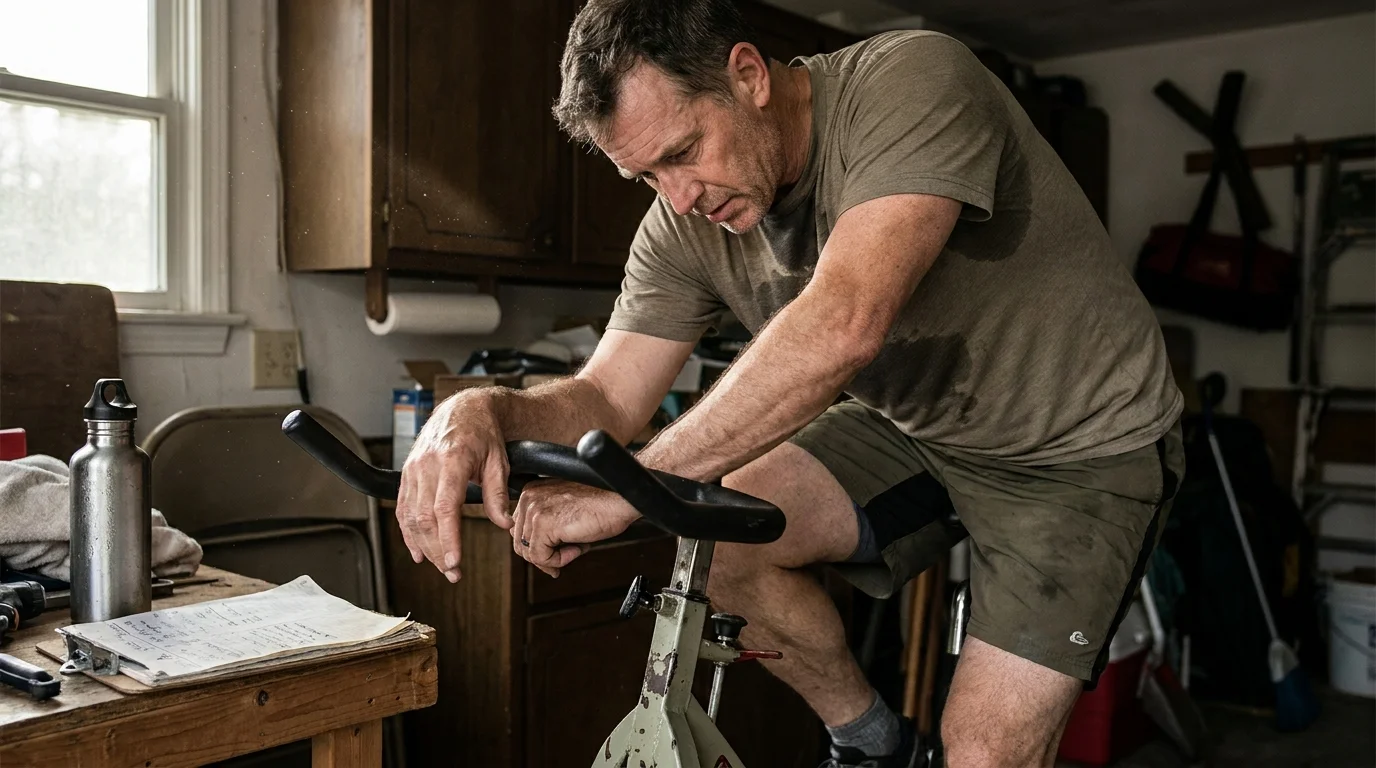
Your physical performance metrics provide a highly accurate reflection of your internal readiness to handle new physiological demands. If your cardiovascular endurance steadily declines, or if the weights you usually lift suddenly feel unsafely heavy, your central nervous system is directly intervening to prevent overexertion. A noticeable reduction in your baseline grip strength serves as a particularly reliable, medically recognized indicator of profound systemic fatigue. Continuing to force high-intensity efforts during a performance plateau directly accelerates physical exhaustion and sets the stage for severe metabolic burnout.
8. Emotional Volatility and Lower Stress Tolerance
Effective emotional regulation depends entirely on having sufficient internal energetic reserves to process psychological stimuli. When your physical body remains depleted and your recovery pathways lag behind your daily demands, your threshold for handling everyday frustrations drops significantly. You might find yourself uncharacteristically irritable, highly anxious, or deeply overwhelmed by routine tasks that you normally manage with ease. This profound emotional volatility acts as a critical warning system, indicating that your biological battery requires immediate, deliberate recharging before you confront additional lifestyle stressors.
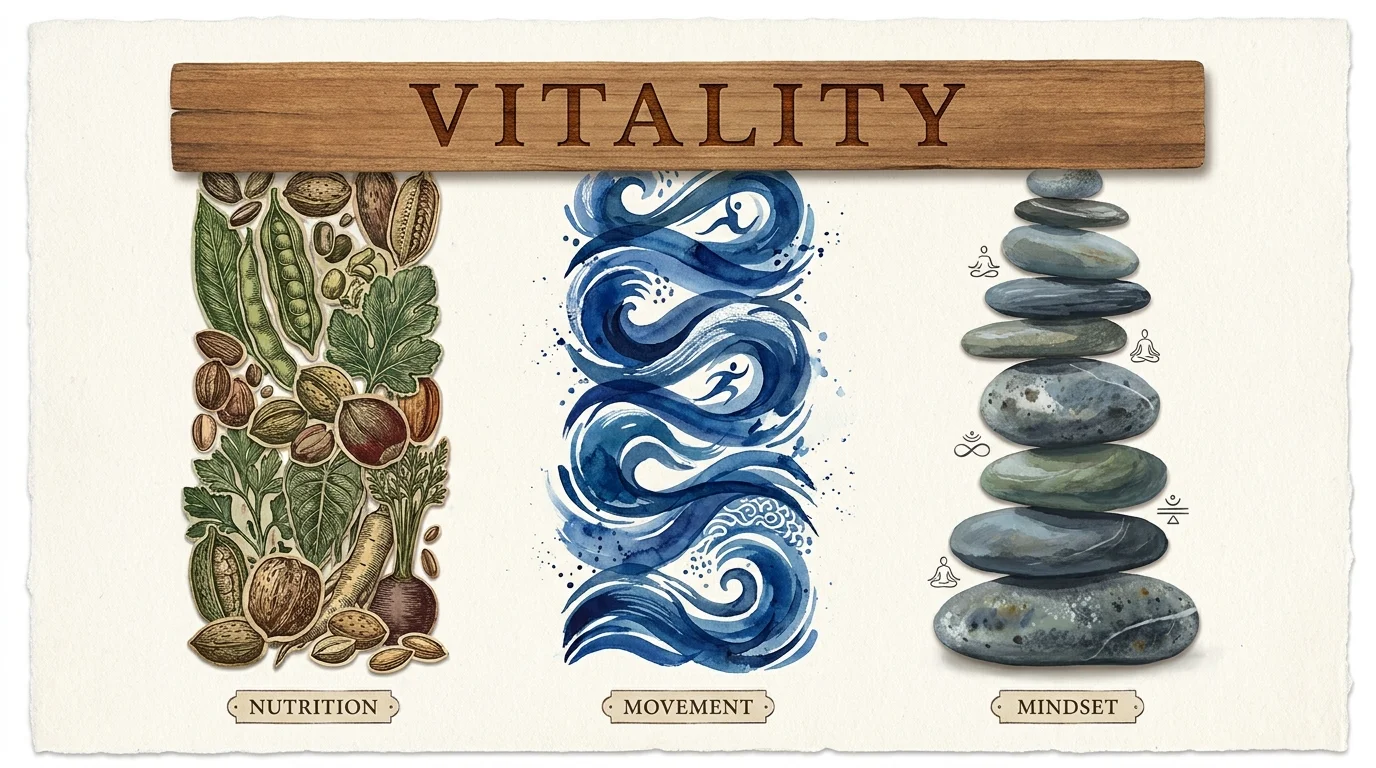
Strategic Pillars to Support Your Aging Body

Nutritional Interventions for Tissue Repair
Deliberate nutrition provides the foundational building blocks your cells require to regenerate damaged tissues and modulate systemic inflammation. Prioritizing high-quality, bioavailable proteins helps you maintain healthy muscle mass and fuels critical enzymatic reactions across your entire body. We recognize that accessing fresh, organic produce often depends on neighborhood infrastructure and varying household budgets. Fortunately, deeply nourishing your body does not require expensive supplements; prioritizing accessible, affordable staples like frozen mixed vegetables, canned wild-caught salmon, and dried legumes delivers immense anti-inflammatory benefits. Staying adequately hydrated with mineral-rich fluids further ensures that your circulatory system can efficiently transport these essential nutrients directly into your recovering muscle fibers and organs. Reviewing evidence-based nutritional interventions allows you to tailor your dietary habits to perfectly match your current biological demands.

Movement Modifications and Active Recovery
Counterintuitive as it may seem, complete bed rest rarely accelerates the healing process for everyday fatigue or routine soreness. Strategic active recovery gently stimulates blood flow, delivering oxygen directly to stiff tissues while flushing out accumulated cellular waste products. Replacing high-intensity interval training with low-impact alternatives—such as swimming, restorative yoga, or brisk nature walks—keeps your joints properly lubricated without overtaxing your central nervous system. Emphasizing mobility exercises allows you to maintain functional movement patterns while respecting your body’s clear request for reduced physical intensity. Exploring official guidelines for balanced physical activity helps you discover the optimal ratio of strenuous exertion to restorative movement for your unique lifestyle.
Mindset Shifts and Nervous System Regulation
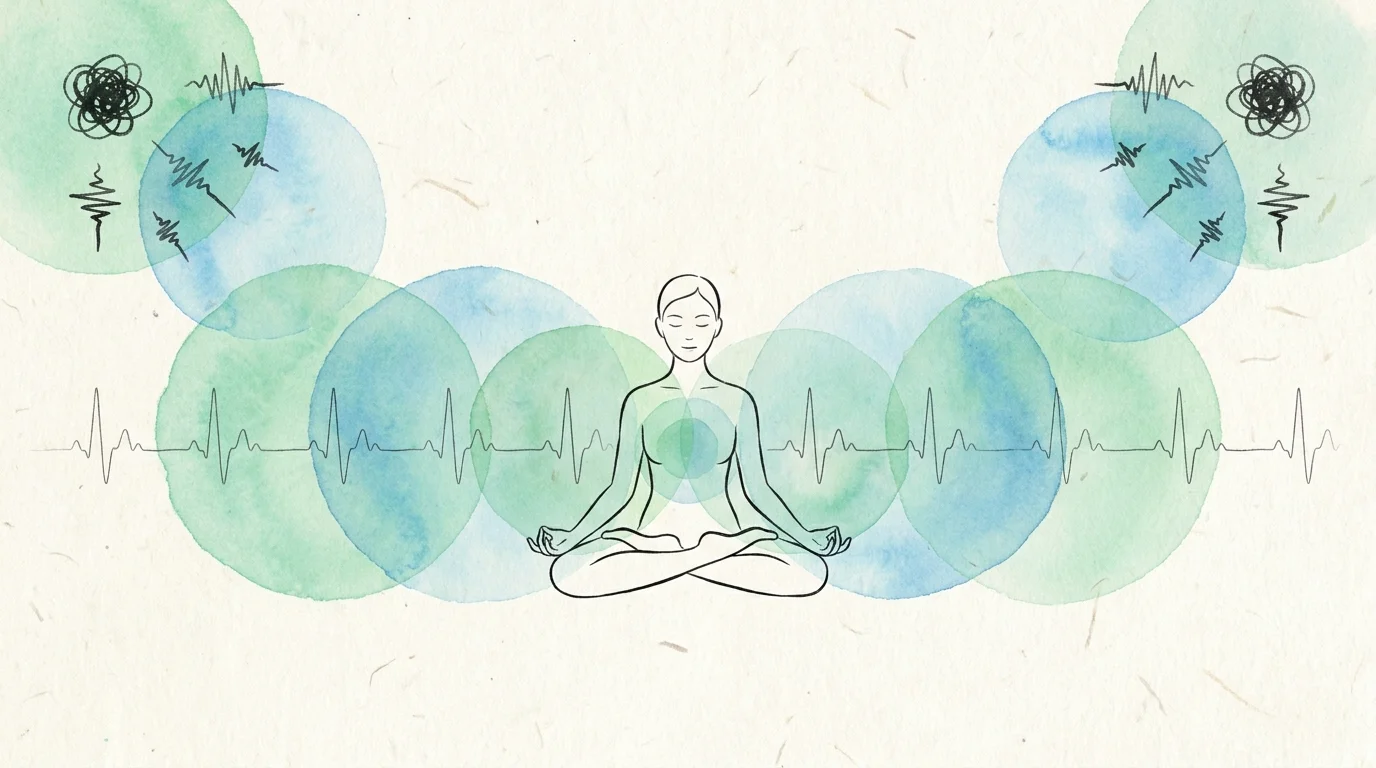
Because chronic psychological tension actively suppresses your cellular repair pathways, intentionally regulating your nervous system becomes a non-negotiable component of recovery health. Incorporating structured breathwork, such as box breathing or prolonged exhales, immediately signals to your brain that you are safe, manually shifting your physiology into a deeply restorative parasympathetic state. Setting firm emotional boundaries around your professional obligations and limiting your evening exposure to digital screens drastically reduces your daily cognitive load. Integrating these accessible, free mindfulness practices transforms your biological environment, cultivating an internal landscape where deep physiological healing can naturally unfold without biochemical interruption.

Real Voices: Insights from Healthcare Providers
Clinical experts continuously emphasize that long-term vitality relies on viewing rest as a productive biological necessity rather than a moral failure. Registered dietitians frequently remind their patients that attempting to restrict caloric intake while simultaneously recovering from heavy physical exertion or acute illness severely deprives the body of the necessary fuel for structural repair. They advocate for matching your energy intake precisely to your systemic demands. Similarly, physical therapists observe that pushing through sharp pain or ignoring chronic stiffness inevitably transforms minor physical irritations into severe, debilitating orthopedic injuries. They consistently advise patients to respect the difference between the manageable discomfort of physical growth and the sharp warning signs of tissue damage. Seeking personalized guidance and consulting a licensed physical therapist empowers you to safely navigate your unique physical limitations while steadily building resilient, sustainable strength.
Frequently Asked Questions About Recovery Symptoms
How long should normal muscle soreness last?
Typical delayed onset muscle soreness develops within twenty-four hours of strenuous activity and naturally dissipates after forty-eight to seventy-two hours. When you fuel your body adequately and engage in gentle movement, your tissues efficiently clear metabolic byproducts. However, if your muscles remain acutely tender to the touch or if your range of motion remains restricted beyond five days, your localized tissue repair pathways are clearly struggling to keep pace with the physical damage. This prolonged timeline frequently indicates that you need to dramatically lower your exercise intensity, increase your daily protein consumption, and prioritize dedicated rest days.
Can daily stress really slow down physical healing?
Psychological stress exerts a profound, scientifically documented impact on your cellular biology. When you experience chronic mental pressure, your adrenal glands continuously pump cortisol and adrenaline into your bloodstream. This sustained biochemical response aggressively suppresses your immune function and diverts critical resources away from tissue repair to manage perceived immediate threats. Consequently, highly stressed individuals consistently demonstrate significantly slower wound healing rates, prolonged muscle soreness, and heightened susceptibility to opportunistic infections compared to their relaxed counterparts.
At what point should I consult a doctor about fatigue?
You should immediately schedule an evaluation with a healthcare professional if profound fatigue drastically impacts your daily functioning for more than two consecutive weeks despite adequate sleep. Furthermore, you must seek prompt medical care if your sluggish recovery occurs alongside red-flag symptoms such as unexplained weight loss, persistent night sweats, localized joint swelling, or sudden shortness of breath. While optimizing your daily wellness habits provides an excellent baseline, diagnosing potential underlying conditions—such as thyroid dysfunction, autoimmune disorders, or clinical nutrient deficiencies—requires specialized medical testing and personalized clinical oversight.
Does age automatically mean slower recovery?
While natural aging undeniably introduces specific metabolic shifts that alter how rapidly your cells regenerate, age alone does not guarantee a permanent state of physical exhaustion. As you grow older, maintaining optimal recovery health simply requires greater intention and biological precision. Adjusting your nutritional density, prioritizing joint-friendly mobility work, and strictly enforcing healthy sleep hygiene can effectively offset many age-related biological declines. Implementing recognized strategies for healthy physical aging ensures you remain vibrant, active, and physically resilient throughout every decade of your life.
Take Your First Step Toward Better Healing
Reclaiming your physical vitality begins with a single, deeply intentional shift in your daily routine. Tonight, try setting an alarm for thirty minutes before your intended bedtime to explicitly signal the start of your evening wind-down process; use this quiet window to disconnect from digital devices, practice gentle stretching, or engage in deep breathing. As you implement these manageable changes, pay close attention to how your body responds to increased rest and targeted nourishment. Reflect on the physical demands you place on yourself each week: are you providing your aging body with the exact level of care and biological resources it needs to thrive?









Leave a Reply