

Waking up with discomfort offers vital clues about your underlying health, giving you the power to catch potential medical conditions before they escalate. Paying attention to how your body feels during those first few hours of the day serves as a highly effective method to intercept issues ranging from sleep apnea to autoimmune disorders. While temporary grogginess perfectly aligns with a normal sleep cycle transition, chronic pain, sudden dizziness, or lingering fatigue act as definite warning signs requiring professional evaluation. Recognizing these early morning red flags allows you to take proactive steps toward healing, modify your daily lifestyle choices, and seek targeted medical care when it matters most.
The Science Behind Your Morning Physiology
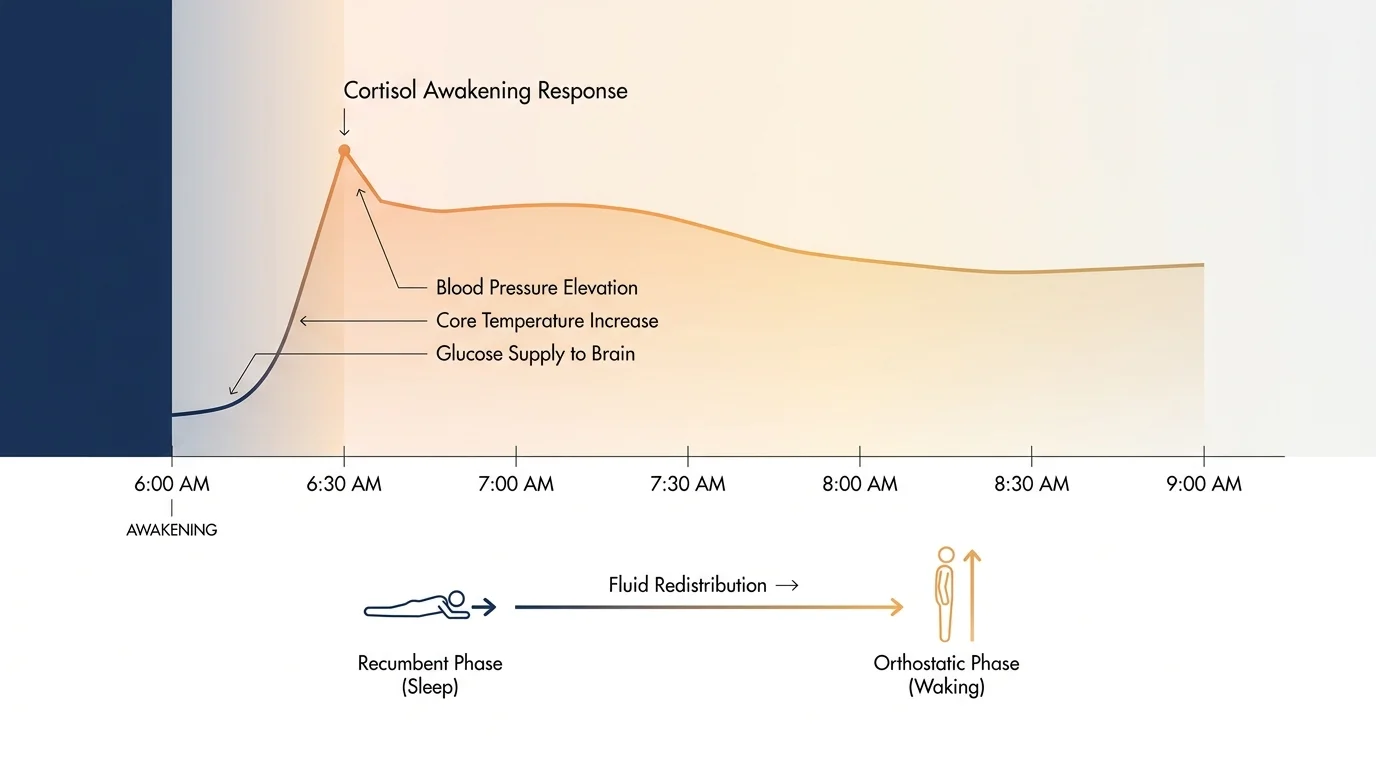
Your body undergoes a profound chemical and physical transformation during the transition from sleep to wakefulness. As morning approaches, your endocrine system releases a surge of cortisol—often referred to as the cortisol awakening response—to elevate your blood pressure, increase your core temperature, and supply your brain with the glucose needed for daytime cognition. Simultaneously, fluid that settled in your tissues overnight begins to redistribute as you shift from a horizontal to a vertical position. When your internal systems function harmoniously, this transition feels seamless. However, underlying pathology often disrupts these delicate physiological changes.
Because your body operates at a resting baseline overnight, morning time unmasks vulnerabilities that daytime activity typically obscures. Movement and gravity usually help lubricate joints, clear airway secretions, and regulate cardiovascular tone. Before these compensatory mechanisms activate, symptoms of inflammation, neurological compression, or metabolic dysfunction become glaringly apparent. Geriatric and preventive medicine specialists frequently utilize this morning window as a diagnostic tool, knowing that the severity of your early symptoms often correlates directly with the progression of chronic diseases.
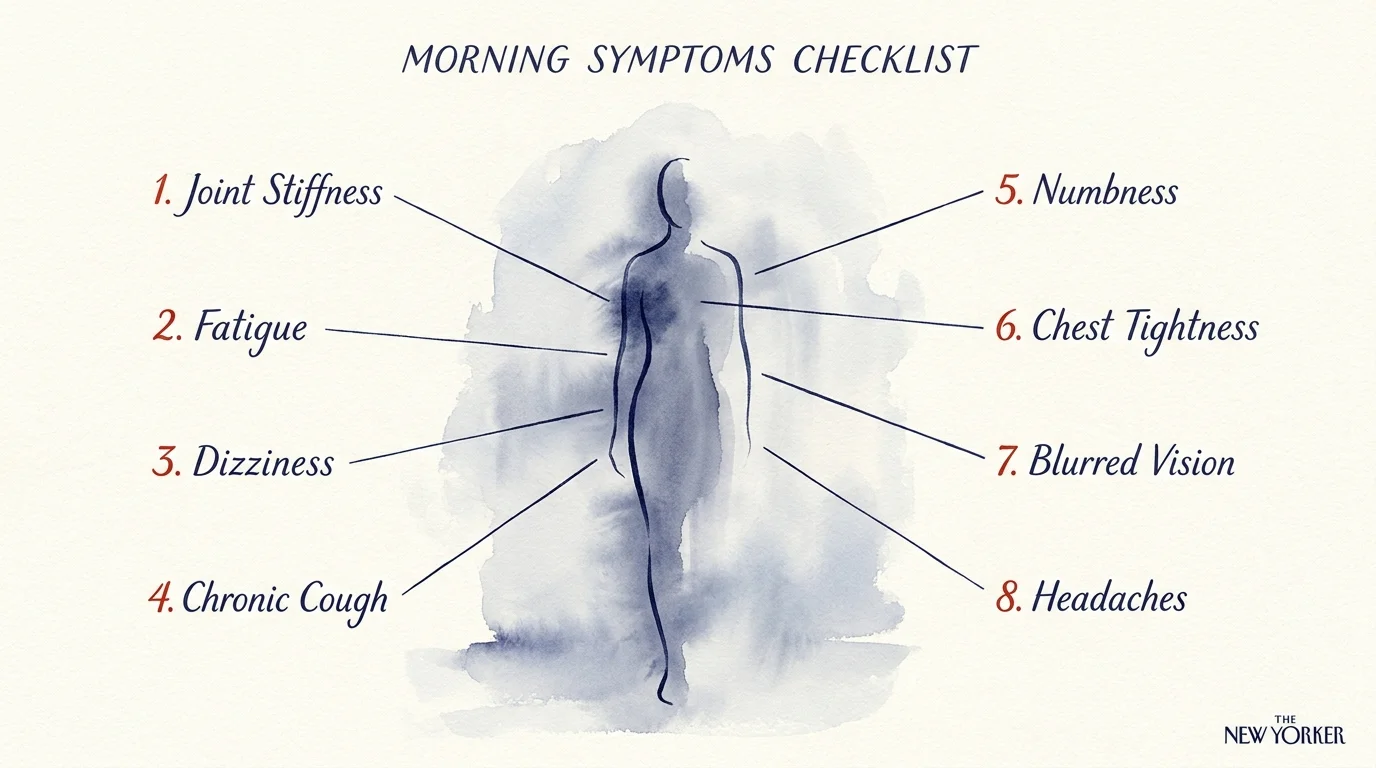
8 Morning Symptoms You Should Never Ignore

1. Unexplained Joint Stiffness That Lasts Over an Hour
Many adults experience mild creakiness when stepping out of bed, a common byproduct of the natural aging process and minor cartilage wear. However, there is a distinct clinical difference between standard morning stiffness that resolves after a few minutes of movement and severe immobility that traps you in pain for over an hour. Prolonged joint stiffness—especially when it affects both sides of your body symmetrically, such as both wrists or both knees—strongly indicates systemic inflammation rather than simple mechanical wear and tear.
Rheumatologists identify this extended duration of morning stiffness as a hallmark symptom of rheumatoid arthritis, psoriatic arthritis, and other autoimmune conditions. While your immune system rests at night, inflammatory cytokines pool in your joint capsules; it takes substantial time and movement to flush these chemicals out of your tissues. If you regularly struggle to clench your hands, hold your toothbrush, or walk down the stairs during the first hour of your day, you require a thorough physical examination and specific blood panels to measure your inflammatory markers.

2. Crushing Fatigue Despite a Full Night of Sleep
Waking up feeling as though you never slept at all represents a significant biological red flag. While an occasional restless night leaves anyone feeling drained, chronic, unrefreshing sleep points toward an interruption in your deep sleep architecture. When you spend eight hours in bed but still struggle to keep your eyes open during breakfast, your brain likely failed to reach the restorative phases of the sleep cycle required for cellular repair and cognitive maintenance.
This specific type of profound morning exhaustion frequently stems from obstructive sleep apnea, a condition where your airway collapses repeatedly throughout the night, depriving your brain of oxygen and forcing micro-awakenings. Beyond sleep-disordered breathing, systemic issues like clinical depression, severe anemia, or an underactive thyroid gland also manifest as morning lethargy. Since chronic sleep deprivation accelerates cardiovascular disease and metabolic dysfunction, securing an evaluation—often beginning with a simple home sleep study or routine blood work—provides the foundation for recovering your daily vitality.

3. Sudden Dizziness or Vertigo Upon Standing
Swinging your legs over the edge of the mattress should not cause the room to spin or your vision to tunnel. Morning dizziness typically falls into two distinct medical categories: orthostatic hypotension and benign paroxysmal positional vertigo. Orthostatic hypotension occurs when your blood pressure drops precipitously upon standing; your cardiovascular system fails to pump blood against gravity fast enough, temporarily depriving your brain of oxygen. This often results from severe dehydration, autonomic nervous system dysfunction, or side effects from blood pressure medications.
Conversely, if you experience a violent spinning sensation simply by rolling over in bed or tilting your head, you may be suffering from an inner ear issue. Microscopic calcium crystals in your inner ear can become dislodged overnight, sending chaotic balance signals to your brain. While navigating morning dizziness feels terrifying and significantly increases your risk of dangerous falls, both cardiovascular and vestibular causes are highly treatable once properly diagnosed by a specialist.
4. A Chronic, Nagging Morning Cough
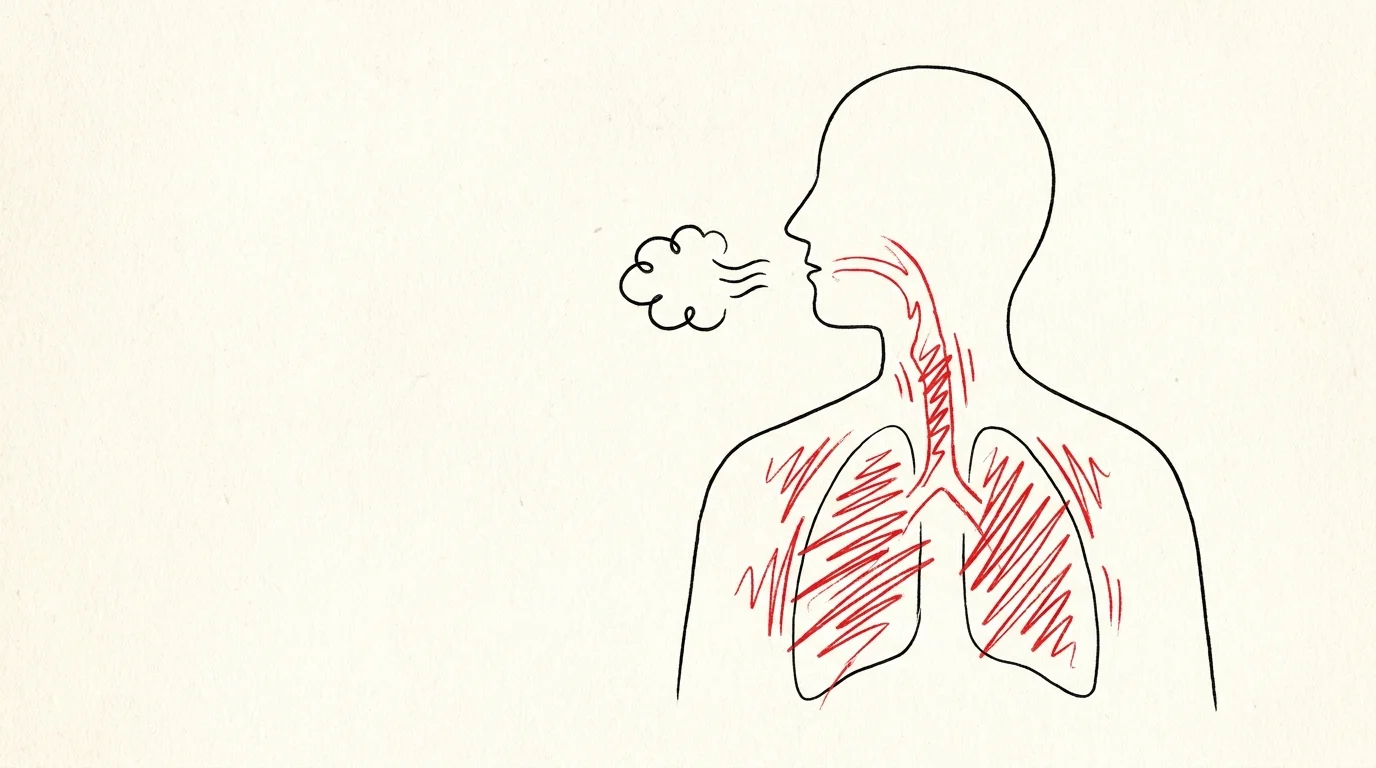
Clearing your throat once or twice upon waking is standard behavior, but a persistent, hacking cough that plagues your morning routine warrants immediate investigation. When you lie flat for seven or eight hours, gravity no longer assists in keeping stomach acid in your stomach or post-nasal drip out of your airway. Gastroesophageal reflux disease serves as a primary culprit for morning coughing; corrosive stomach acid washes backward into your esophagus and micro-aspirates into your lungs, causing intense irritation and vocal cord inflammation.
Beyond digestive issues, a productive morning cough can signal undetected respiratory illnesses. Chronic obstructive pulmonary disease, asthma, and even early-stage heart failure—where fluid backs up into the lungs while lying flat—frequently present as morning respiratory distress. Documenting the nature of your cough—whether it is dry, wet, or accompanied by wheezing—provides your doctor with invaluable diagnostic clues that expedite effective treatment.

5. Numbness or Tingling in Your Extremities
Waking up with a “dead” arm because you slept on it awkwardly is a universal human experience that resolves within minutes of shifting positions. However, persistent numbness, burning, or a “pins and needles” sensation in your hands, feet, or legs that lingers throughout the morning indicates potential nerve compression or damage. This specific neurological symptom demands proactive attention to prevent permanent sensory loss.
Symmetrical tingling in your feet often acts as the earliest warning sign of peripheral neuropathy, a nerve damage condition heavily linked to undetected fluctuations in blood sugar or severe vitamin B12 deficiency. Alternatively, numbness radiating down one arm or one leg typically points to spinal issues, such as a herniated disc compressing a nerve root in your neck or lower back. Early intervention with physical therapy, nutritional supplementation, or metabolic control dramatically improves nerve healing outcomes.

6. Unexplained Chest Tightness or Shortness of Breath
Mornings represent a biologically vulnerable period for your cardiovascular system. The sudden spike in cortisol and adrenaline required to wake you up simultaneously increases your heart rate and constricts your blood vessels, which places maximum demand on your heart muscle. Consequently, a disproportionate number of cardiovascular events occur during the early morning hours.
Waking up with a sensation of heaviness in your chest, difficulty taking a deep breath, or a dull ache radiating to your jaw or left shoulder should never be dismissed as mere anxiety or indigestion. Even if the sensation feels mild or temporary, morning chest tightness requires urgent medical evaluation to rule out coronary artery disease or cardiac ischemia. Catching cardiovascular strain early empowers you to implement life-saving interventions before a critical emergency develops.

7. Blurred or Distorted Vision
Opening your eyes to a cloudy, blurry, or distorted bedroom environment indicates much more than simple grogginess. While mild dry eyes commonly cause temporary blurriness that resolves after a few blinks, persistent visual distortion serves as a window into your vascular and neurological health. Elevated overnight blood sugar levels can actually cause the lenses inside your eyes to swell, resulting in significant refractive changes by the time you wake up.
Furthermore, waking up with partial vision loss, an influx of dark floaters, or a sensation of pressure behind your eyes may signal dangerous spikes in intraocular pressure associated with glaucoma, or vascular issues affecting the optic nerve. Because visual damage often progresses irreversibly, securing an immediate consultation with an ophthalmologist ensures your sight remains protected for the long term.
8. Persistent Morning Headaches
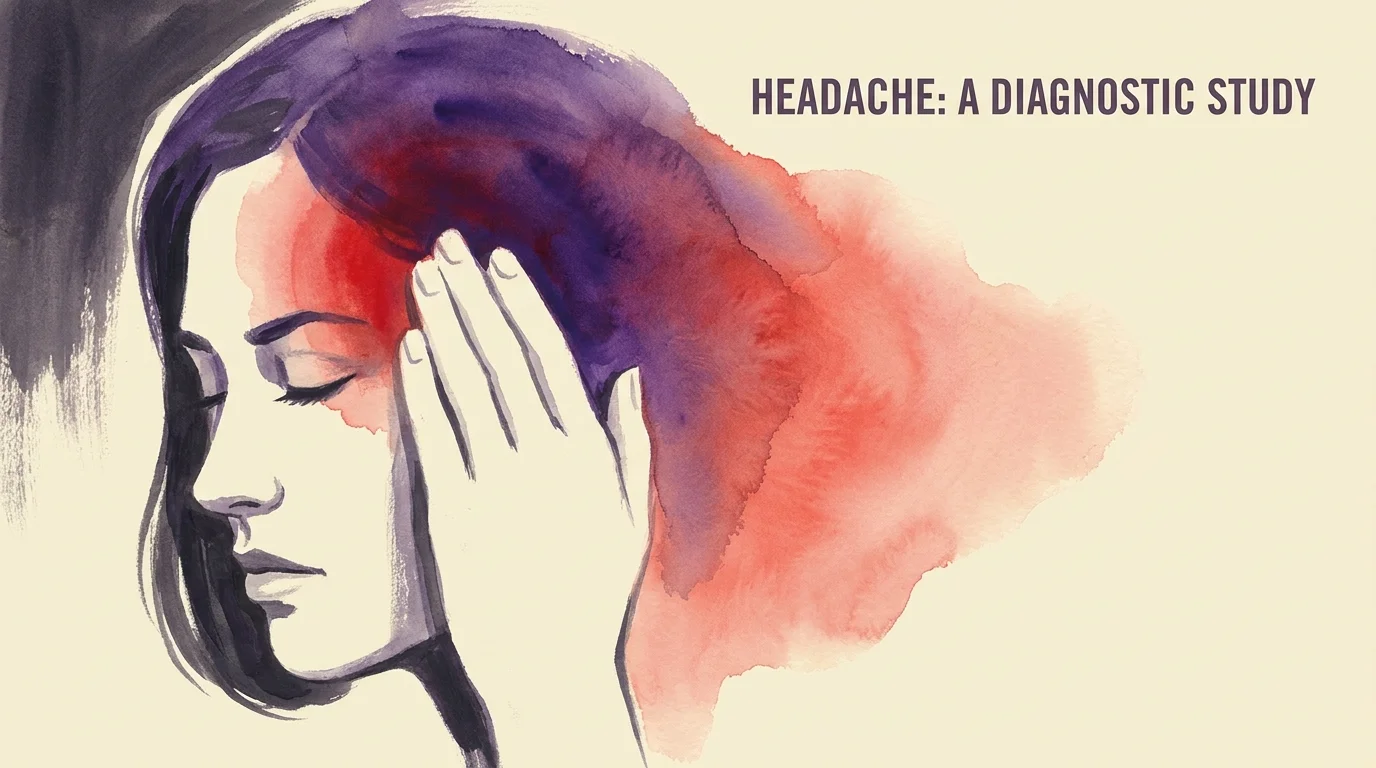
Starting your day with a throbbing headache sets a miserable tone for the hours ahead and points toward several distinct physiological struggles. Frequent morning headaches often originate from chronic teeth grinding or jaw clenching throughout the night. This involuntary muscle tension radiates through your facial fascia, leaving you with intense pain in your temples and jaw joints.
Additionally, sleep apnea frequently triggers morning headaches due to the dangerous buildup of carbon dioxide in your bloodstream overnight. High blood pressure also peaks in the early morning; uncontrolled hypertension can stretch the pain-sensitive linings of your blood vessels, leading to a pounding sensation at the base of your skull. Identifying the root cause requires a collaborative approach involving your primary care provider and potentially a dental professional.

Strategy Pillars for Morning Health Management

Foundational Nutrition for Sustained Energy
Your nutritional approach immediately upon waking heavily influences how severely you experience morning symptoms. Dehydration exacerbates joint stiffness, intensifies dizziness, and thickens respiratory secretions. Drinking a large glass of room-temperature water before consuming coffee rehydrates your cellular environment and improves blood volume. Furthermore, focusing on accessible, blood-sugar-stabilizing breakfasts—such as oatmeal, eggs, or legumes—prevents the metabolic crashes that amplify fatigue and nerve tingling. We must acknowledge that accessing fresh foods remains a systemic challenge for many communities; however, leaning on affordable, shelf-stable proteins and complex carbohydrates provides a protective buffer against morning metabolic stress.
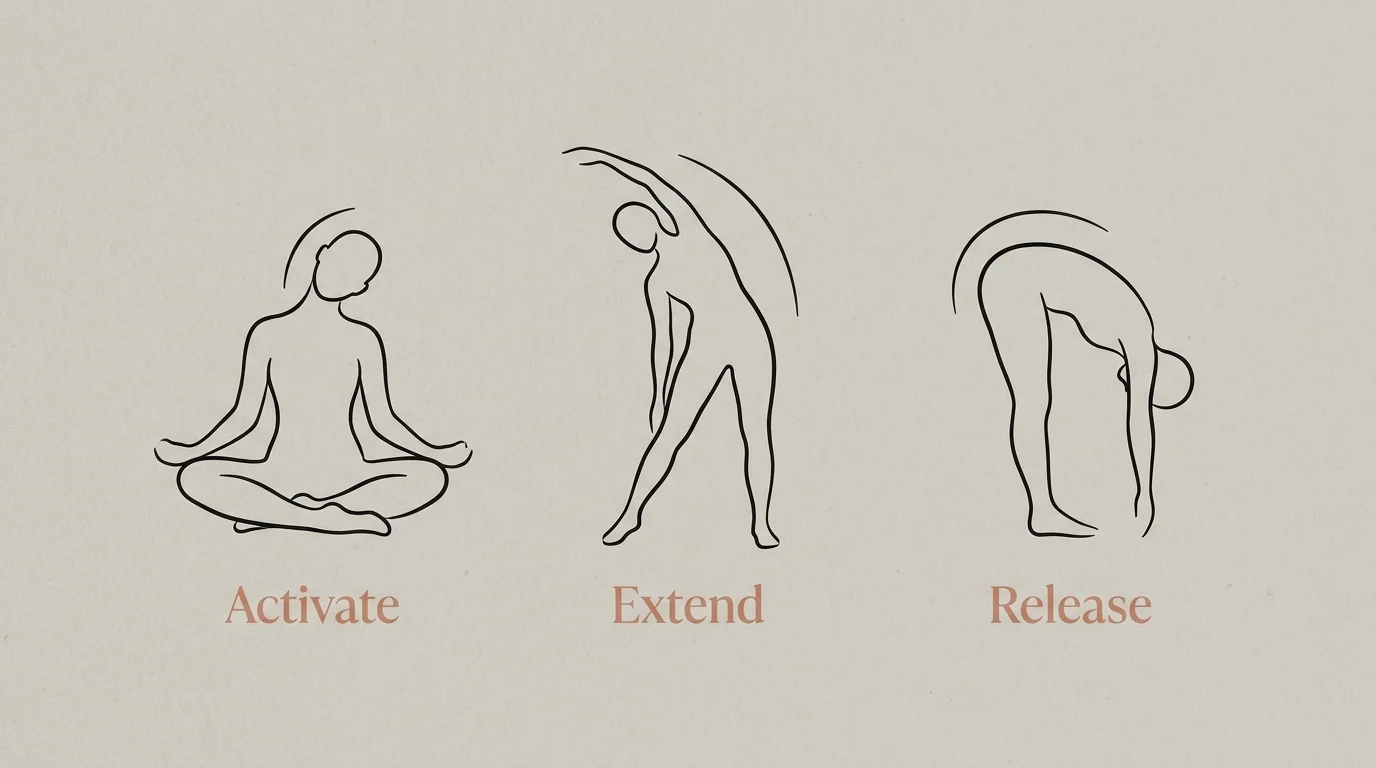
Movement Medicine to Awaken Your Body
Strategic, gentle movement acts as a powerful therapeutic tool for morning symptom management. You should never push through sharp, acute pain, but engaging in controlled mobility exercises in bed can safely stimulate circulation and lubricate stiff joints. Simple ankle pumps, gentle knee-to-chest hugs, and slow spinal twists encourage the clearance of inflammatory fluid and signal your nervous system to prepare for the day. Physical therapists advocate for a gradual transition from horizontal resting to vertical standing; sitting on the edge of the bed for two full minutes before standing gives your cardiovascular system ample time to adjust your blood pressure, significantly reducing the risk of morning falls.

Mindset and Medical Care Integration
Managing chronic symptoms requires a proactive, organized mindset. Human memory notoriously fails when attempting to recall the exact frequency and intensity of health issues during a fast-paced doctor’s appointment. Keep a dedicated notebook on your nightstand to record your symptoms the moment you wake up. Note the severity on a scale of one to ten, the exact duration of the discomfort, and what specific actions provided relief. This objective data transforms a vague complaint into a precise clinical picture, empowering your healthcare team to make accurate diagnostic decisions. Always advocate for yourself, and remember that seeking second opinions remains a vital part of protecting your health.

Real Voices in Clinical Practice
Clinical specialists consistently emphasize the diagnostic value of the morning window. Internal medicine physicians and holistic health practitioners observe that patients who actively monitor their morning transitions achieve faster, more accurate diagnoses. Specialists note that conditions like rheumatoid arthritis and sleep apnea frequently go undetected for years simply because patients normalize their morning suffering, assuming severe pain and exhaustion are unavoidable aspects of aging.
Healthcare providers strongly encourage patients to discard the narrative that growing older necessitates waking up in misery. By tracking specific data points—such as exactly how many minutes joint stiffness lasts or how many times a morning headache occurs in a month—patients transition from passive sufferers to active participants in their healing journey. Collaborative care, which bridges the gap between your daily observations and medical expertise, serves as the ultimate catalyst for long-term vitality.
Frequently Asked Questions About Morning Wellness
How do I know if my morning fatigue requires a doctor visit?
You should consult a physician if your fatigue consistently impairs your ability to function, lasts for more than two weeks, or occurs despite securing seven to eight hours of sleep. If you find yourself falling asleep during the day, struggling to concentrate on basic tasks, or relying heavily on caffeine to function, your fatigue has crossed the threshold from normal tiredness into a clinical symptom. A primary care provider can run essential blood tests to check for vitamin deficiencies, thyroid dysfunction, and anemia before exploring sleep disorders.
Can simple dehydration cause severe morning dizziness?
Yes, dehydration significantly impacts your cardiovascular stability. During sleep, you lose fluid through respiration and mild perspiration without taking any water in. This fluid deficit lowers your overall blood volume. When you stand up quickly, your reduced blood volume struggles to maintain adequate pressure, leading to a temporary drop in oxygen to the brain. Drinking sixteen ounces of water before standing and transitioning slowly from lying down to sitting can dramatically reduce dehydration-induced morning vertigo.
What is the most effective way to track my morning symptoms?
The most effective tracking method involves consistency and simplicity. Keep a dedicated notebook and pen exactly where you sleep. Each morning, record four specific data points: the specific symptom you feel, the intensity on a scale of one to ten, the time the symptom started, and the time the symptom resolved. Bring this log to every medical appointment. Concrete data allows your physician to recognize patterns, link symptoms to specific biological cycles, and monitor whether prescribed treatments are genuinely working.
Should I change my daily diet before consulting a healthcare provider?
While implementing basic hydration and choosing whole foods are generally safe steps, you should always consult a healthcare professional before making drastic dietary overhauls, especially if you experience symptoms like chest pain, severe dizziness, or neuropathy. Certain extreme diets can inadvertently exacerbate hidden metabolic issues or interact negatively with your current medications. Focus on foundational habits—like drinking water and eating balanced, accessible meals—while you await your clinical evaluation.
Your Next Steps
Transforming your morning routine from a period of discomfort into a foundation of wellness begins with radical awareness. Your body communicates its needs clearly during the quiet hours of early morning; your only job is to listen. Start by placing a simple notebook and a glass of water on your nightstand tonight. Tomorrow morning, before you check your phone or rush out of bed, take three deep breaths and quickly scan your body from head to toe. Documenting what you feel provides the ultimate starting point for a healthier future. You possess the agency to improve your daily reality, and taking that first small step of observation sets you firmly on the path to sustained health.









Leave a Reply