

Balancing your blood sugar starts with identifying the hidden dietary culprits that cause erratic glucose spikes. You might be following a diabetes diet and still struggling to maintain steady energy levels because certain widely accepted staples actually disrupt glycemic control. Processed carbohydrates, artificially sweetened treats, and deceptively marketed health foods rapidly enter your bloodstream, placing intense stress on insulin production. Understanding how these specific foods interact with your metabolism gives you the power to make sustainable adjustments. By pinpointing what drives your highs and lows, you can protect your long-term wellbeing, improve your daily energy, and reduce your risk of metabolic complications through practical, informed choices.
The Science Behind Blood Sugar Spikes and Insulin Resistance
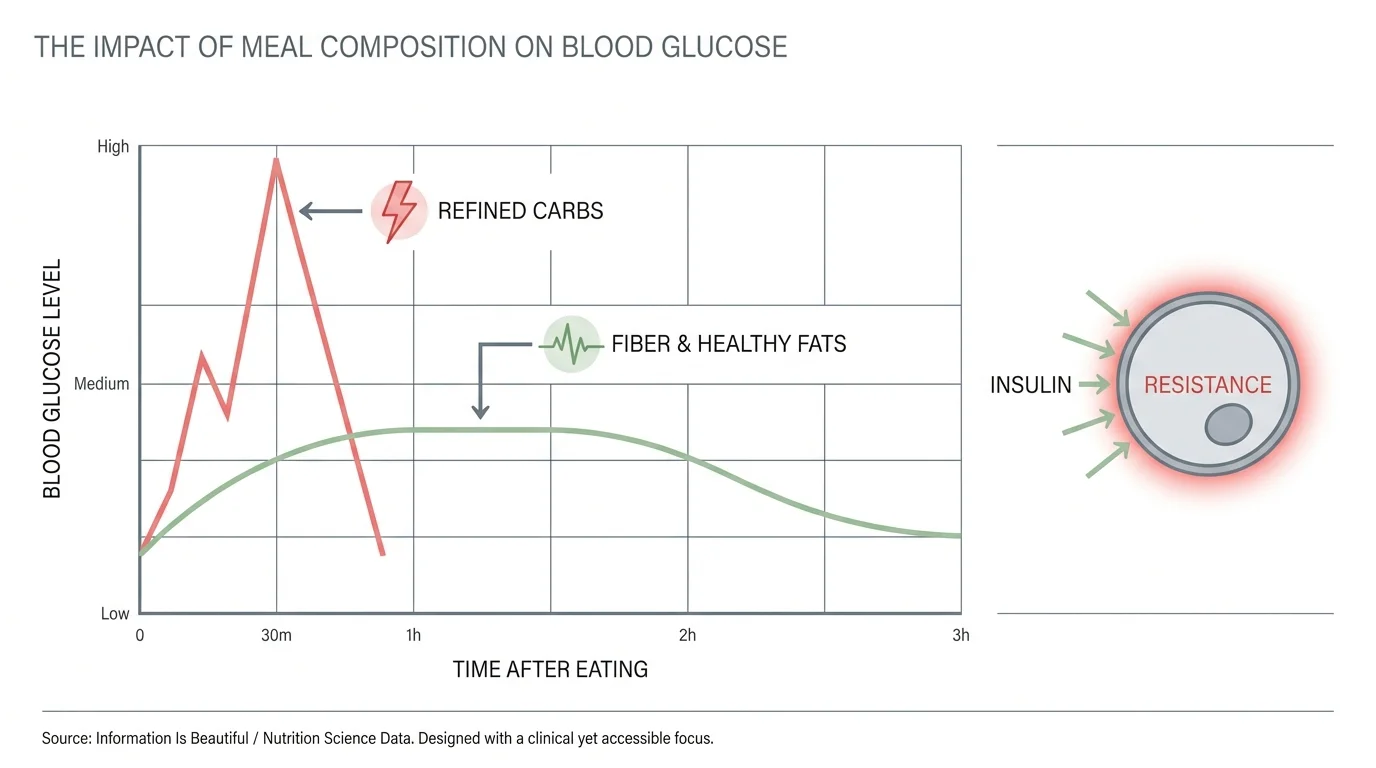
When you consume carbohydrates, your digestive system rapidly breaks them down into glucose, sending it directly into your bloodstream. Your pancreas immediately responds by releasing insulin—a critical hormone that allows your cells to absorb and utilize that glucose for energy. However, eating rapidly digesting foods routinely overwhelms this delicate physiological system. Over time, your cells physically resist the insulin, leaving harmful amounts of sugar trapped circulating in your blood. This cascading metabolic failure dramatically increases your risk for type 2 diabetes and chronic cardiovascular complications.
Medical researchers track this metabolic impact using the glycemic index, a comprehensive system ranking how quickly specific foods elevate your blood sugar. You can review the evidence-based Centers for Disease Control and Prevention guidelines to see exactly how proper macronutrient balance actively prevents these dangerous spikes. Integrating dietary fiber and healthy dietary fats fundamentally slows down your digestive process. This intentional pacing gives your pancreas adequate time to produce the exact right amount of insulin, keeping your internal energy stable throughout the entire day.

10 Deceptive Foods That Complicate Blood Sugar Management
You probably already know to avoid traditional donuts, regular sodas, and heavy pastries when monitoring your daily glucose levels. Yet, the standard grocery store remains heavily filled with brightly packaged items disguised as highly nutritious choices that silently sabotage your best efforts. The World Health Organization firmly recommends strictly limiting free sugars to protect against chronic metabolic diseases, but achieving this requires looking beyond obvious junk food. Identifying these ten specific culinary culprits empowers you to seamlessly swap them for targeted, whole-food alternatives that actively support your metabolic health.

1. Flavored and Fruit-on-the-Bottom Yogurts
Dairy provides excellent natural protein and bone-building calcium, but commercial manufacturers routinely load flavored yogurts with added cane sugar to aggressively mask the natural tartness of the milk. One single small cup of fruit-on-the-bottom yogurt can effortlessly contain as much added sugar as a commercial candy bar, causing an incredibly swift glycemic reaction. You will consistently experience far better glucose control by choosing plain, unsweetened Greek yogurt. Simply add a handful of fresh berries or a heavy sprinkle of ground cinnamon for robust natural flavor and vital extra fiber without the dangerous glycemic shock.

2. Instant Flavored Oatmeal
Whole oats rightfully enjoy a well-deserved reputation for actively supporting heart health, but modern manufacturing methods matter significantly. Instant oatmeal undergoes extreme mechanical processing where manufacturers roll the oats paper-thin so they cook fast in your microwave. This extreme processing means your digestive enzymes also break them down into simple sugar instantly. Pre-packaged flavored packets compound the damage by including heavy doses of brown sugar and sweet dehydrated fruit. Switch to thick rolled or traditional steel-cut oats for a incredibly robust, slow-digesting source of vital soluble fiber.

3. Sweetened Non-Dairy Milks
Plant-based beverage alternatives like almond, oat, or soy milk work perfectly for those navigating strictly dairy-free diets, yet the flavored commercial versions constantly hide massive sugar loads. Oat milk naturally carries a heavily carbohydrate-dense profile because it derives directly from starchy grains rather than fat-rich nuts. Pouring sweetened vanilla almond milk over your morning bowl of cereal needlessly stacks your daily carbohydrate intake before you even leave the house. Always meticulously check the nutrition label and purchase strictly unsweetened varieties to actively prevent an immediate morning insulin spike.

4. Dried Fruit and Commercial Fruit Snacks
Removing the natural water content from fresh fruit strongly concentrates the inherent fructose into a tiny, easily over-consumed package. Casually eating a small handful of dried raisins or sweet apricots delivers an enormous, highly concentrated sugar dose without the naturally hydrating physical volume of whole, intact fruit. Furthermore, commercial fruit snacks or chewy gummies often utilize highly processed corn syrup instead of actual whole fruit ingredients. Stick strictly to whole, fresh fruit—like a crisp apple or a cup of fresh strawberries—for optimal metabolic balance and necessary hydration.

5. Agave Nectar and Alternative Syrups
Many health-conscious individuals mistakenly substitute refined white sugar with agave nectar, genuinely believing it actively improves their daily glycemic control. Unfortunately, agave features an exceptionally high natural fructose concentration that processes directly through your liver, contributing heavily to long-term insulin resistance when consumed in high volume. Treat natural caloric sweeteners like organic maple syrup and raw, unfiltered honey with the exact same dietary caution as regular table sugar. Using these alternatives highly sparingly allows you to successfully maintain a truly balanced, sustainable diabetes diet.

6. Pre-Bottled Smoothies and Cold-Pressed Juices
A beautifully packaged green smoothie sitting in the refrigerated section looks incredibly healthy, but the intensive commercial juicing process completely strips away the crucial structural fiber originally found in the whole vegetables and fruits. Without that necessary dietary fiber to physically slow your digestion, the liquid sugar hits your bloodstream immediately. Some commercial smoothies also heavily blend in concentrated fruit juices or sweet sherbet to artificially enhance the taste. Making fresh smoothies directly at home lets you completely control the carbohydrate load by heavily prioritizing dark leafy greens, high-quality protein powder, and healthy fats.

7. Low-Fat Salad Dressings
During the intense dietary crazes of previous decades, food manufacturers aggressively replaced the natural fat in commercial dressings with heavy added sugar to keep the products highly palatable. Creamy low-fat dressings and sweet vinaigrettes routinely list high-fructose corn syrup as a primary foundational ingredient. Drowning your beautiful, nutrient-dense leafy greens in a sugary liquid severely undermines your disciplined dietary efforts. Craft a wonderfully simple homemade dressing using rich extra virgin olive oil, raw apple cider vinegar, and fresh savory herbs to perfectly complement your healthy meal.

8. Granola and Commercial Protein Bars
Granola continuously masquerades as the ultimate outdoor health food, though traditional baked recipes rely heavily on sticky honey, dark brown sugar, and sweet dried fruits firmly baked into oat clusters. Most commercially available protein bars similarly utilize heavy sugary syrups as chemical binders to hold their processed ingredients together. Check the net carbohydrates explicitly listed on your nutrition labels before making a purchase. Eating a small handful of raw, unsalted almonds alongside a simple piece of string cheese routinely provides much steadier, highly sustained daily energy.

9. White Rice and Refined Grains
Commercial mechanical milling forcibly removes the protective bran and the nutrient-dense germ from natural brown rice, completely stripping away the essential dietary fiber. Your incredibly efficient digestive enzymes quickly and easily convert the remaining simple white carbohydrates into freely circulating glucose. This exact same biological principle heavily applies to traditional white pasta and commercially baked white bread. Swap these highly refined daily staples for robust quinoa, hearty farro, or intact brown rice to slowly and steadily introduce complex, slow-digesting carbohydrates into your balanced meals.

10. Starchy Root Vegetables Eaten in Isolation
Potatoes, sweet potatoes, and heavy winter squashes deliver fantastic essential vitamins and crucial dietary minerals, but they also firmly carry a substantial daily glycemic load. Consuming these dense starchy foods entirely alone causes incredibly rapid blood sugar elevation. You absolutely never need to completely banish sweet potatoes from your dinner plate; simply eat them thoughtfully alongside a highly robust serving of lean protein and healthy fat. Pairing heavy starches with grilled chicken breast and roasted broccoli instantly transforms a highly glycemic meal into a perfectly balanced, stabilizing plate.
Comprehensive Strategies for Better Blood Sugar Control
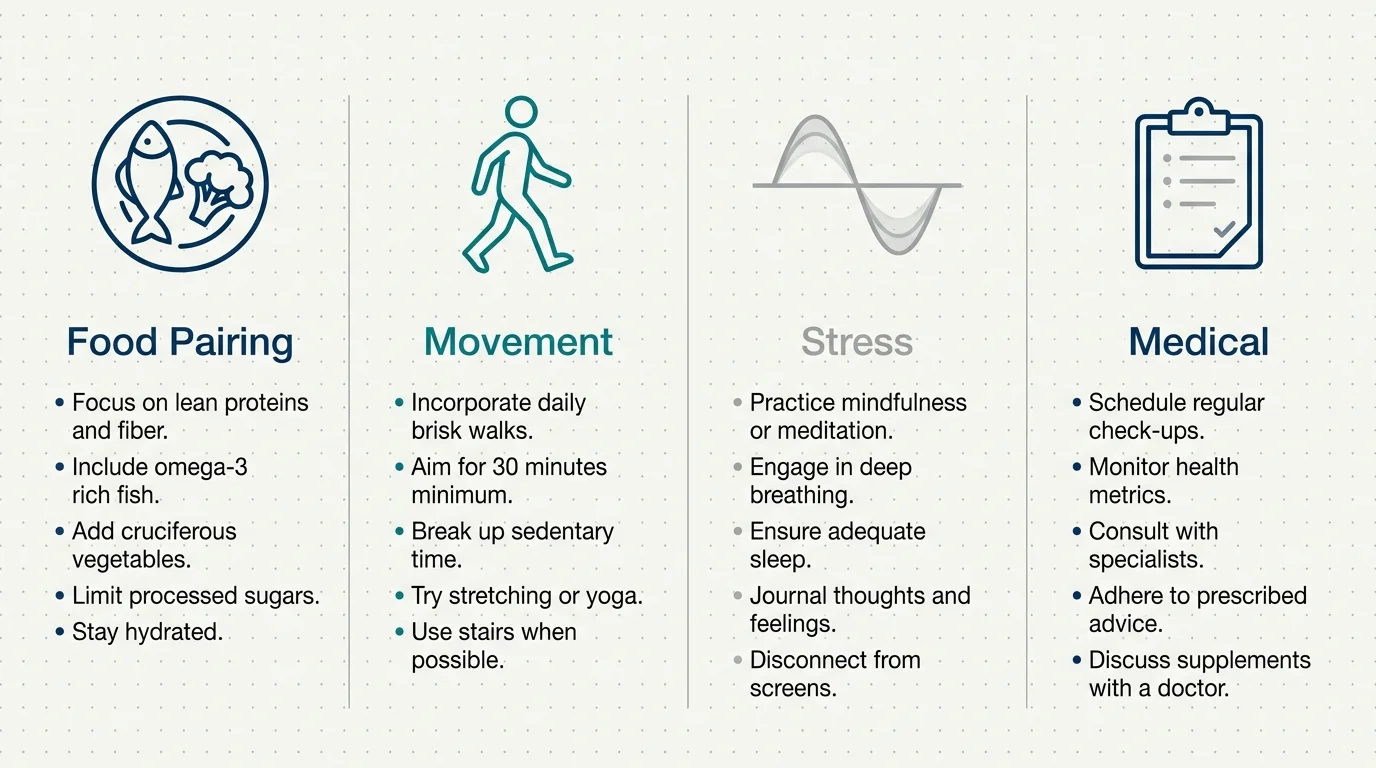
Dietary adjustments serve as the absolutely essential foundation of your ongoing metabolic health, but the food you consume does not operate in a physiological vacuum. Your daily lifestyle habits, your overall physical activity levels, and your baseline mental state deeply influence exactly how your body naturally handles circulating glucose. Taking a fully holistic, highly comprehensive approach ensures that you strongly build a truly resilient metabolic system fully capable of seamlessly navigating everyday physiological challenges.

Strategic Nutrition and Intelligent Food Pairing
Instead of completely eliminating your favorite foods, focus heavily on intelligent food pairing to actively alter your physiological metabolic response. Lean protein, healthy dietary fat, and structural fiber act as highly effective biological buffers directly inside your digestive tract. Pairing a fresh apple with a heavy spoonful of unsweetened almond butter physically prevents the natural fructose from immediately spiking your circulating blood sugar. Prioritize colorful non-starchy vegetables at every single meal, intentionally filling half your dinner plate with dark leafy greens before carefully adding your complex carbohydrates.

Intentional Daily Movement
Consistent physical activity serves as an incredibly powerful biological mechanism for routine blood sugar control because your actively working muscles rapidly burn circulating glucose for immediate fuel. Engaging in even mild daily exercise actively encourages your cellular network to effectively draw sugar out of your bloodstream completely independent of traditional insulin production. A brisk, intentional ten-minute walk immediately following a heavy meal drastically and measurably blunts your inevitable post-meal glucose spike. Incorporate regular, progressive resistance training to actively build lean muscle mass and permanently enhance your long-term baseline insulin sensitivity.

Mindset and Psychological Stress Management
Unmanaged psychological stress continuously and severely disrupts your delicate metabolic health. When you constantly feel emotionally overwhelmed, your adrenal glands flood your physical system with highly potent cortisol, explicitly prompting your liver to rapidly dump safely stored glucose directly into your bloodstream. This biological survival mechanism triggers a profound glycemic spike even if you haven’t eaten a single bite of food. Incorporate daily deep breathing routines or gentle restorative yoga to properly regulate your central nervous system. The American Psychological Association explicitly details exactly how chronic mental stress directly damages physical wellness, emphasizing the absolute medical need for sustained mental peace.

Collaborative and Proactive Medical Care
Never attempt to completely navigate a highly complex metabolic disorder entirely alone. Partnering directly with a board-certified endocrinologist or a licensed registered dietitian provides a highly tailored, deeply specific roadmap that totally respects your completely unique personal physiology. Many proactive, highly motivated patients now routinely utilize modern continuous glucose monitors to seamlessly gather accurate real-time data, entirely removing the frustrating daily guesswork from their routine dietary planning. The American Diabetes Association heavily stresses the absolute clinical necessity of aggressively pursuing personalized, highly culturally appropriate medical nutrition therapy.

Real Voices in Modern Diabetes Management
Hearing directly from the dedicated professionals and motivated patients actively working on the front lines of routine metabolic health powerfully illuminates the highly practical path forward. Licensed registered dietitians frequently observe that newly diagnosed patients feel profound emotional relief once they clearly understand they absolutely do not have to literally starve themselves to successfully achieve steady daily glycemic control. True clinical success consistently happens when you completely shift your daily mindset from rigid dietary restriction to highly strategic nutritional inclusion—thoughtfully and proactively adding healthy structural fiber and lean, high-quality protein rather than obsessively and fearfully subtracting every single carbohydrate.
Motivated patients actively managing early type 2 diabetes similarly report that finally discovering the highly deceptive, cleverly hidden sugars in their daily routine changes absolutely everything about their ongoing health journey. Replacing a heavily sweetened morning oat milk latte with standard black coffee and a highly protein-rich breakfast routinely entirely eliminates their chronic, incredibly frustrating mid-morning brain fog. These powerful real-world clinical experiences firmly and consistently reinforce that highly informed, deeply practical lifestyle adjustments consistently yield truly tangible, highly measurable improvements in exactly how you physically feel every single waking day.
Frequently Asked Questions
Can I ever eat my favorite sweets again if I have high blood sugar?
Yes, you can absolutely continue to safely enjoy your absolute favorite personal treats on special celebratory occasions without completely destroying your hard-won metabolic health. The ultimate biological key lies entirely in executing strict dietary portion control and utilizing highly strategic nutritional timing. Eating a small, deeply satisfying dessert immediately after finishing a hearty meal incredibly rich in lean protein and heavy structural fiber results in a drastically lower physiological glucose spike than eating that exact same sugary sweet on a completely empty, highly acidic stomach.
Are artificial sweeteners a completely safe substitute for natural sugar?
Artificial chemical sweeteners absolutely do not raise your circulating blood sugar directly in the immediate short term, but their precise long-term physiological impact remains a highly critical subject of massive ongoing scientific clinical study. Emerging global clinical research strongly suggests that consistently consuming intensely sweet artificial laboratory compounds might significantly alter your delicate intestinal gut microbiome and heavily reinforce deep psychological sugar cravings. Consider highly gradually reducing your overall daily dietary dependence on intensely sweet artificial flavors entirely to perfectly reset your natural palate.
Why is my fasting blood sugar incredibly high in the morning before I even eat?
Waking up with highly elevated morning fasting blood sugar is actually incredibly common and typically results directly from the biological dawn effect. In the early morning hours before waking, your resting physical body naturally releases waking hormones like highly active cortisol to physically and mentally prepare you for the busy day. This biological action firmly signals your resting liver to rapidly release safely stored internal glucose. Discuss your highly specific fasting diagnostic levels with a qualified, licensed healthcare provider to properly determine your best immediate medical action plan.
Do I absolutely need to routinely check my blood sugar after every single daily meal?
Your exact daily diagnostic testing frequency firmly depends entirely on your highly specific personal medical diagnosis and the explicit clinical guidance of your dedicated primary medical team. Individuals actively taking prescribed medical insulin generally need to continuously and rigorously monitor their heavily fluctuating levels much more frequently than those proactively managing early prediabetes through basic lifestyle adjustments alone. Work highly collaboratively with your primary doctor to firmly establish a completely sustainable, highly practical daily monitoring schedule that perfectly serves your physical health without directly causing unnecessary psychological anxiety.
Your Next Small Step Forward
Completely transforming your entire daily nutritional diet can easily feel incredibly mentally daunting, but you absolutely do not need to radically completely overhaul your entire household kitchen pantry in a single chaotic afternoon. True, genuinely lasting physical metabolic health is always built steadily through highly gradual, incredibly consistent daily nutritional adjustments that seamlessly fit your truly unique personal daily lifestyle. You might begin tomorrow morning by simply replacing your heavily artificially flavored morning yogurt with a rich plain variety heavily topped with completely fresh seasonal berries. Notice exactly how your physical body responds and precisely how your mental energy beautifully sustains itself throughout the long morning. By calmly focusing your direct efforts on executing merely one highly practical lifestyle change at a time, you empower yourself to confidently take permanent control of your long-term wellbeing.









Leave a Reply