

Getting older reshapes your physical reality in subtle ways that demand proactive adaptation rather than passive acceptance. You can maintain vibrant energy and independence by understanding how your internal systems quietly evolve across the decades. Most aging conversations focus on joint pain or gray hair, completely ignoring the complex physiological shifts happening beneath the surface. Your body alters how it absorbs nutrients, regulates temperature, and processes sleep, often leaving you confused by sudden changes in your daily comfort. When you recognize these hidden biological transitions, you can adjust your nutrition, movement routines, and medical care to support your changing needs. Taking control of these eight essential functions empowers you to age with resilience and profound self-awareness.
The Science of Subtle Physiological Shifts
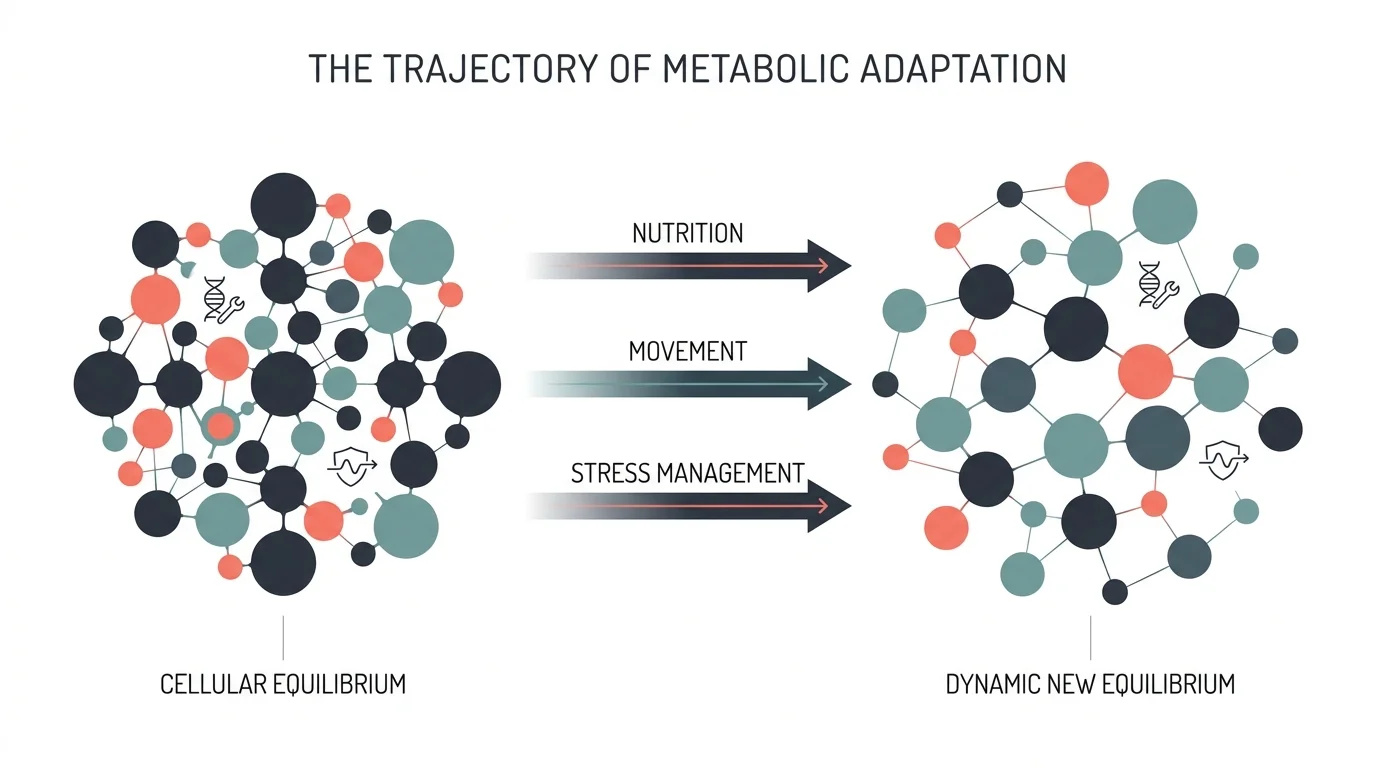
Biomedical researchers study aging through a lens of cellular senescence and metabolic adaptation. Rather than viewing an aging body as a failing machine, geriatric medicine recognizes it as a dynamic system seeking a new equilibrium. Your cells gradually alter how they replicate, repair DNA, and manage oxidative stress. These microscopic changes create sweeping effects across your organs and tissues. The National Institute on Aging emphasizes that lifestyle interventions significantly influence how these biological mechanisms play out in your daily life. Nutrition, routine movement, and stress management directly communicate with your genes, turning certain age-related expressions on or off. Acknowledging these physiological realities allows you to transition from reacting to discomfort to proactively designing a lifestyle that fits your current biology. Environmental factors, income, and geographical access to healthcare do play substantial roles in how individuals experience these shifts; however, understanding the mechanics of your changing body allows you to maximize the resources available to you.
Function One: Your Internal Hydration Gauge
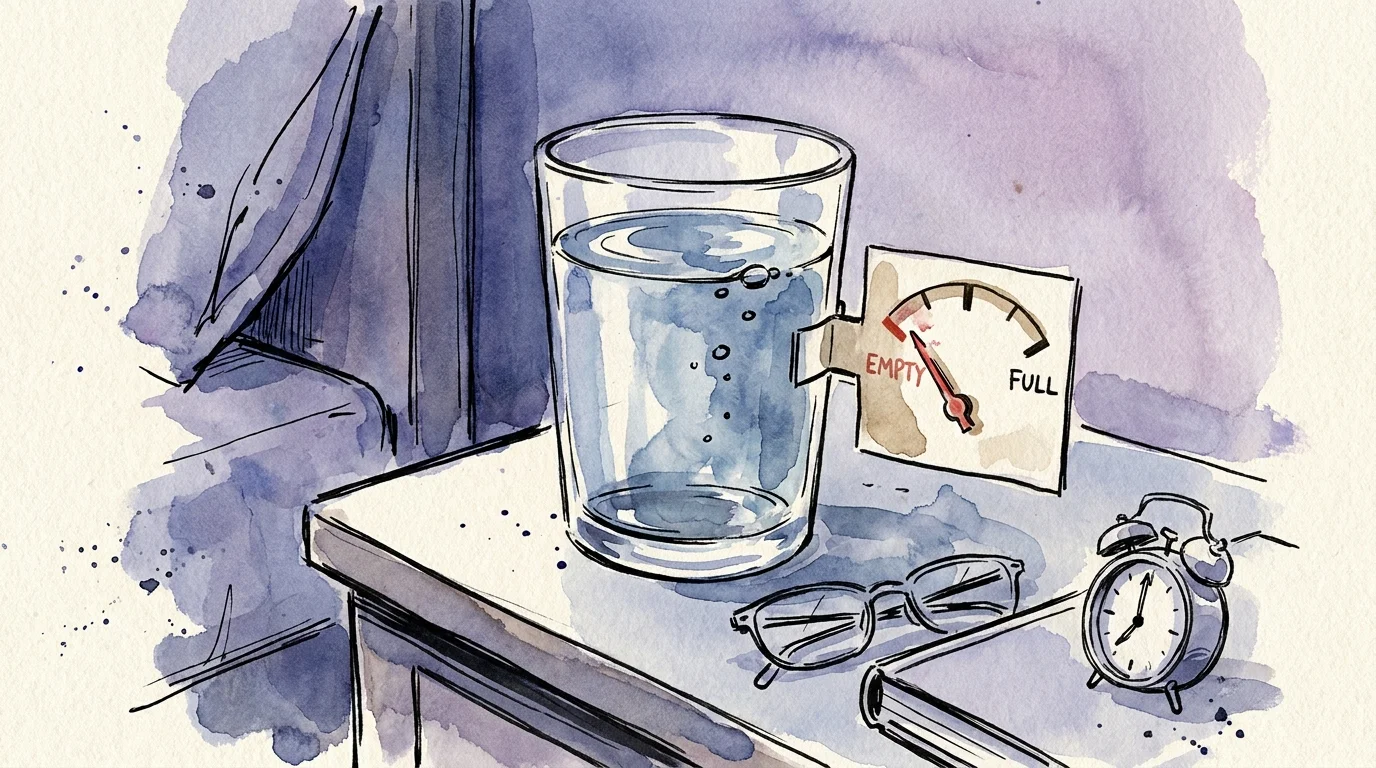
Your hypothalamus serves as your body’s master control center for thirst, utilizing complex osmoreceptors to detect when your blood becomes too concentrated. As decades pass, this neurological alarm system becomes significantly less sensitive. You lose the sharp, undeniable urge to drink water, even when your cells desperately need fluid to function. This blunted thirst mechanism drastically increases your risk of chronic dehydration, which mimics symptoms of cognitive decline, causes severe fatigue, and stresses your kidneys.
You must shift from drinking intuitively to drinking strategically. Establish a concrete hydration schedule that operates independently of your physical thirst. Drink a full glass of water immediately upon waking to replenish fluids lost during respiration at night. Keep a visual tracking bottle on your desk or kitchen counter. You can also bypass the need for plain water by consuming hydration-rich foods. Watermelon, cucumbers, broths, and citrus fruits deliver fluid alongside essential electrolytes. Proactive hydration maintains your blood volume, supports healthy blood pressure, and keeps your joint cartilage properly lubricated.
Function Two: Gastric Acid Production And Digestion
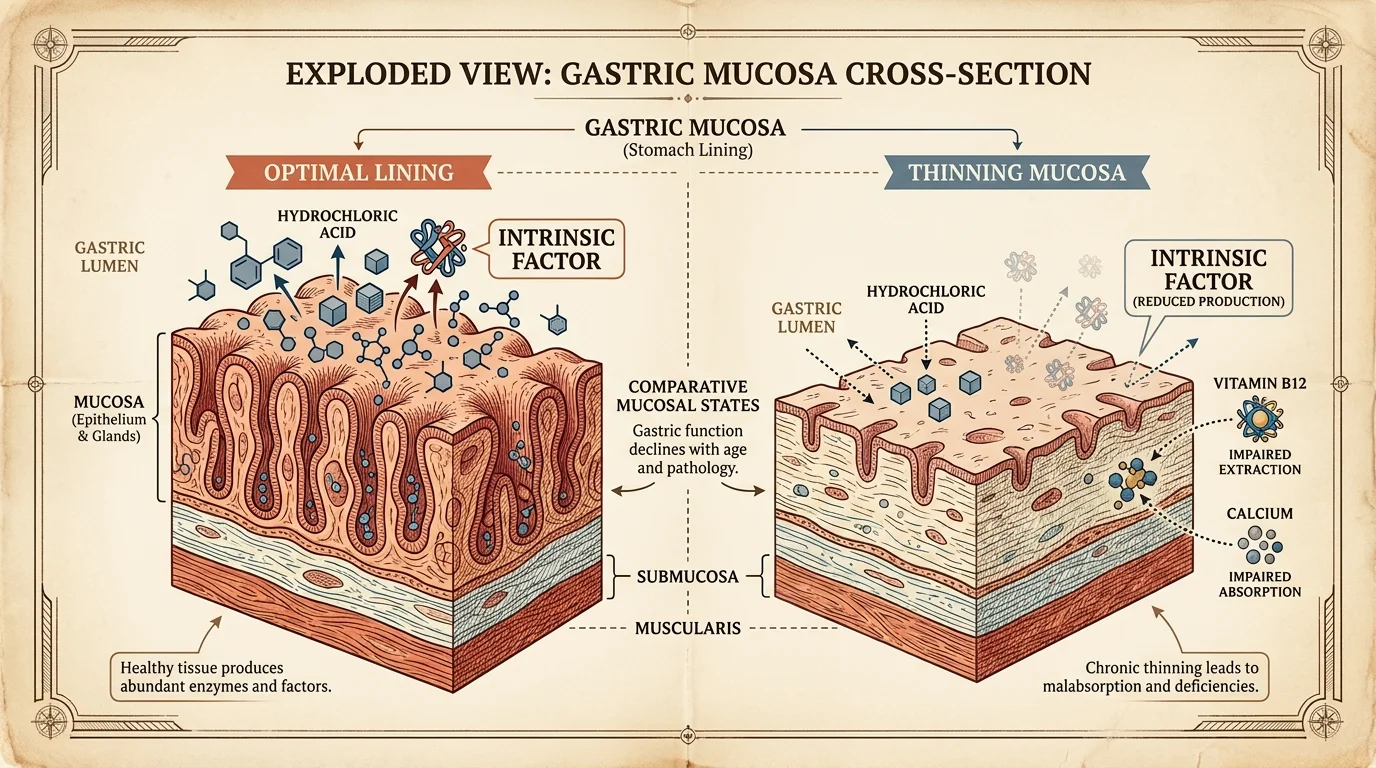
Your stomach lining continuously produces hydrochloric acid and a crucial protein called intrinsic factor. Together, these substances break down dietary proteins and extract essential nutrients. Over time, your gastric mucosa may thin, producing significantly less acid and intrinsic factor. This physiological reduction directly impairs your ability to extract Vitamin B12, calcium, and iron from whole foods. A deficiency in Vitamin B12 disrupts nerve function and red blood cell production, creating overwhelming lethargy and tingling sensations in your extremities.
Adapt your nutrition strategy by incorporating highly bioavailable nutrient sources into your daily meals. We acknowledge that accessing fresh, nutrient-dense foods requires time and financial resources, but you can find affordable solutions through fortified staples. Nutritional yeast, fortified plant milks, and fortified cereals offer easily absorbed B12 that bypasses the need for robust stomach acid. Work directly with a healthcare provider to test your baseline nutrient levels. They may recommend sublingual supplements that absorb directly into your bloodstream under your tongue, completely bypassing your digestive tract and guaranteeing proper cellular nourishment.

Function Three: Thermoregulation And Sweat Response
Your skin houses millions of eccrine sweat glands and a protective layer of subcutaneous fat that historically kept your core temperature stable. These tissues change dramatically as your metabolism evolves. Your sweat glands become less responsive to internal heat spikes, making you more vulnerable to heat exhaustion during summer months. Conversely, the gradual thinning of your subcutaneous fat layer diminishes your natural insulation, causing you to feel profoundly chilled in environments that previously felt comfortable.
You must actively manage your micro-environment. Dress in easily adjustable layers made from breathable, natural fibers like merino wool or cotton, allowing you to regulate your comfort continuously throughout the day. Keep your living space at a moderate, consistent temperature rather than relying on extreme heating or cooling. If you exercise outdoors, shift your movement routines to the early morning or late evening to avoid peak heat, since your delayed sweat response limits your body’s ability to cool itself safely. Taking warm baths before bed can also help artificially raise your core temperature, promoting better comfort and signaling your brain that it is time to sleep.
Function Four: Sleep Architecture And Circadian Timing
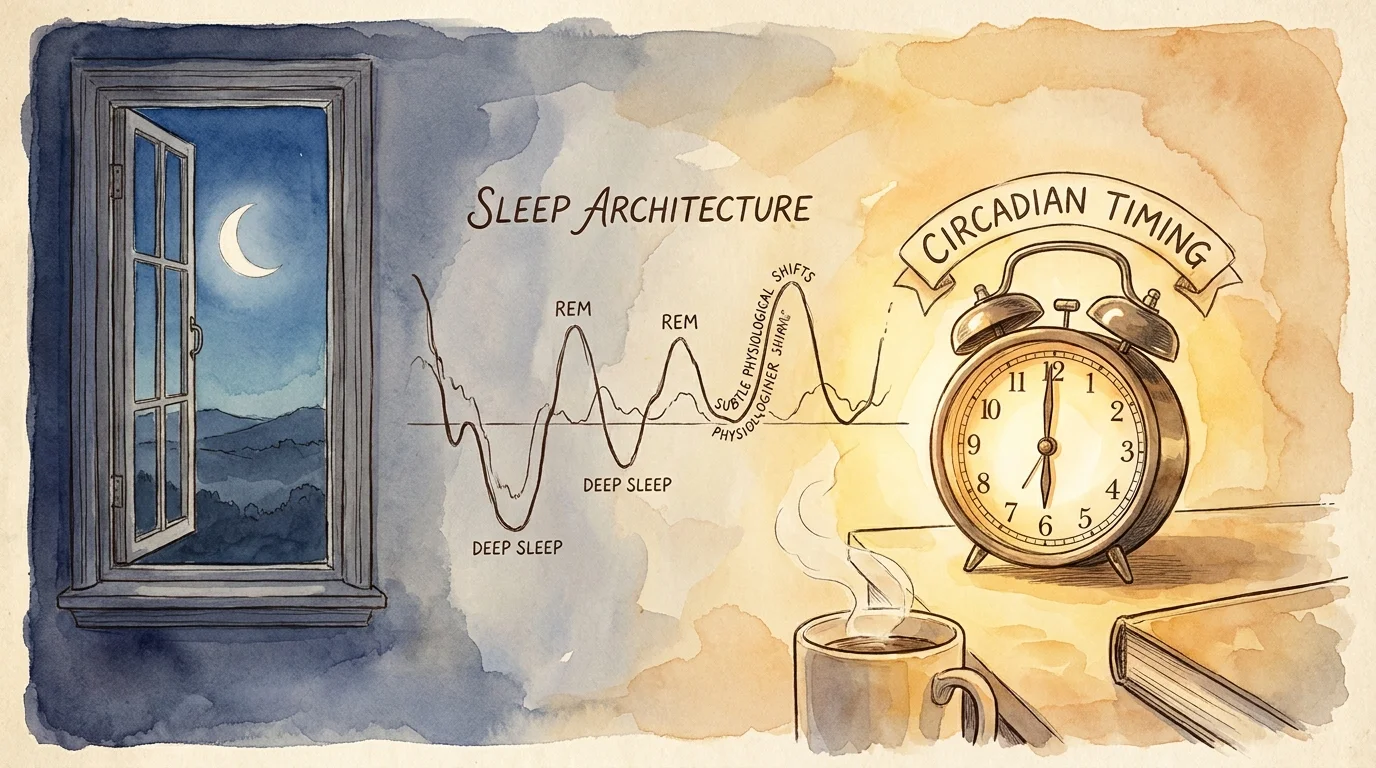
Your brain cycles through multiple phases of sleep each night, relying heavily on slow-wave deep sleep to repair muscle tissue and consolidate memories. Neurological changes naturally reduce the amount of time you spend in this restorative deep sleep phase. Furthermore, your suprachiasmatic nucleus—the brain region governing your circadian rhythm—often shifts its timing earlier. You suddenly find yourself exhausted by early evening and wide awake hours before dawn.
Instead of fighting this natural phase advance, adjust your lifestyle to harmonize with it. Control your light exposure strategically. Expose your eyes to bright, natural sunlight immediately after waking; this locks in your circadian rhythm and suppresses daytime melatonin. To prevent falling asleep too early in the evening, keep your living spaces brightly lit until an hour before your desired bedtime. Cultivate a mindset that accepts lighter sleep patterns as a normal physiological shift rather than a medical failure. If frequent awakenings disrupt your daytime energy, consult the guidelines from the World Health Organization regarding sleep hygiene, which emphasize the importance of consistent waking times over spending excessive hours lying awake in bed.

Function Five: Proprioception And Spatial Awareness
Proprioception acts as your body’s internal GPS, relying on sensory receptors embedded in your muscles, tendons, and joints to tell your brain exactly where your limbs are in space. The communication speed between these peripheral receptors and your central nervous system gradually slows down. Additionally, the microscopic hair cells in your inner ear vestibular system—which govern your physical balance—diminish in number. This subtle sensory degradation makes navigating uneven sidewalks or walking down stairs in the dark surprisingly treacherous.
Counteract these changes through deliberate movement practices that challenge your spatial awareness. The American Physical Therapy Association champions dynamic balance training as a critical intervention for maintaining physical independence. Integrate single-leg stands into your daily routine, perhaps while brushing your teeth or washing dishes. Engage in practices like Tai Chi or gentle yoga, which demand slow, controlled weight shifts and force your brain to actively recalibrate its spatial mapping. Strengthening the stabilizing muscles around your ankles and hips provides a vital physical safety net when your sensory receptors momentarily fail to detect a stumble.
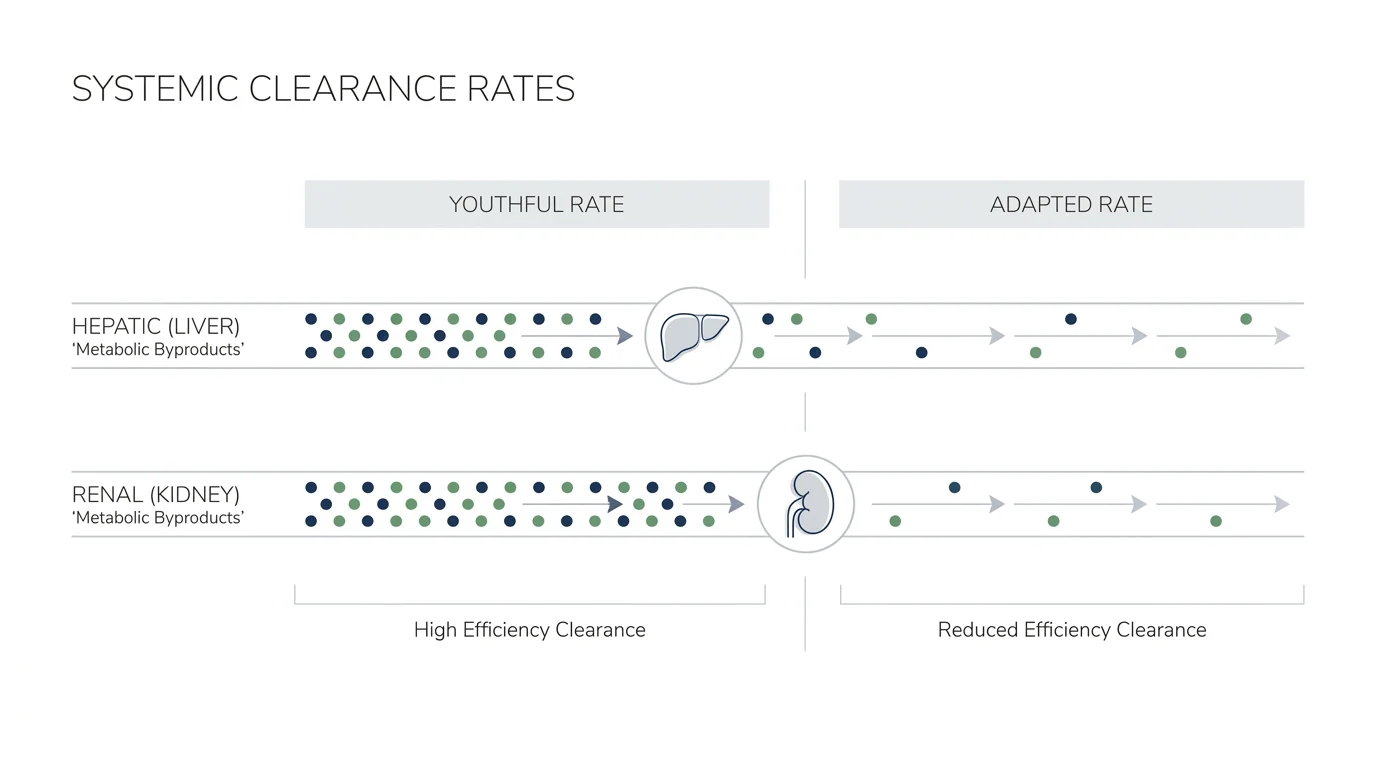
Function Six: Hepatic And Renal Clearance Rates
Your liver and kidneys act as your body’s primary filtration plants, breaking down everything from a morning cup of coffee to prescription blood pressure medications. Hepatic blood flow decreases naturally, and your kidneys gradually lose filtering units called nephrons. Consequently, drugs stay in your bloodstream much longer and at higher concentrations than they did in your younger years. A dose of medication that perfectly managed your symptoms a decade ago might suddenly cause toxicity, dizziness, or profound fatigue today.
You must take an aggressive, educated approach to your medical care. Schedule a comprehensive medication review with your primary care physician and a clinical pharmacist annually. Bring every prescription pill, over-the-counter painkiller, herbal supplement, and vitamin to this appointment. Ask explicitly if any dosages require adjustment due to your changing metabolic clearance rates. Never introduce a new supplement without verifying potential interactions with your current medications, as your liver simply cannot process overlapping compounds with the efficiency it once possessed.
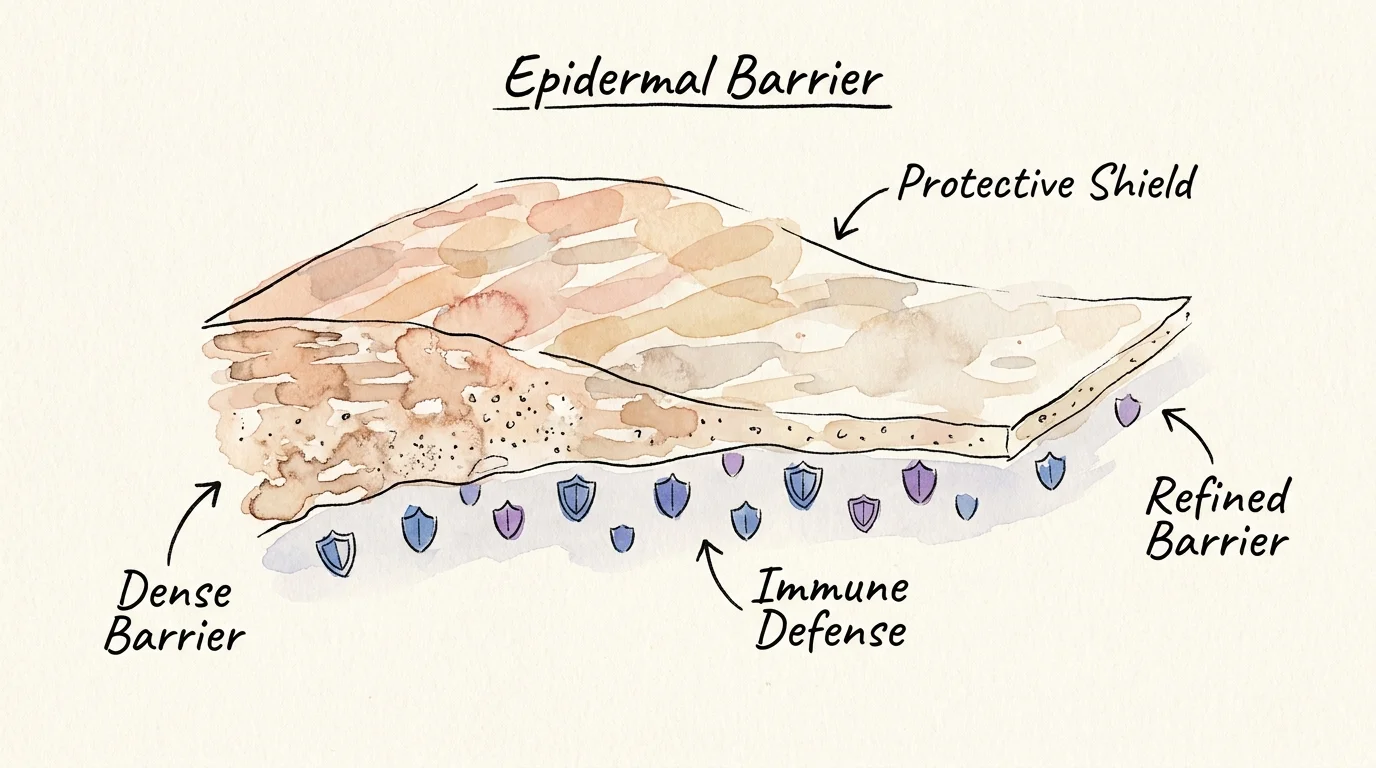
Function Seven: The Epidermal Barrier And Immune Defense
Most aesthetic conversations treat skin changes as a cosmetic issue, focusing entirely on wrinkles or age spots. The actual functional change happens within the stratum corneum, the outermost layer of your skin that serves as a critical immune barrier. Your skin produces fewer essential lipids called ceramides, leading to severe transepidermal water loss. The tissue thins and loses its structural collagen, turning minor scrapes into significant wounds and creating pathways for bacterial infections.
Protect your epidermal barrier by completely overhauling your hygiene and skincare habits. Eliminate harsh, foaming soaps that strip your remaining natural oils; replace them with gentle, lipid-rich cleansing balms. Lower the temperature of your showers, as hot water rapidly accelerates skin dehydration. Apply a thick, ceramide-heavy moisturizer immediately after bathing while your skin remains damp to trap the moisture against your body. Supporting your skin structurally through adequate dietary protein and Vitamin C ensures you maintain a resilient physical boundary against environmental pathogens.
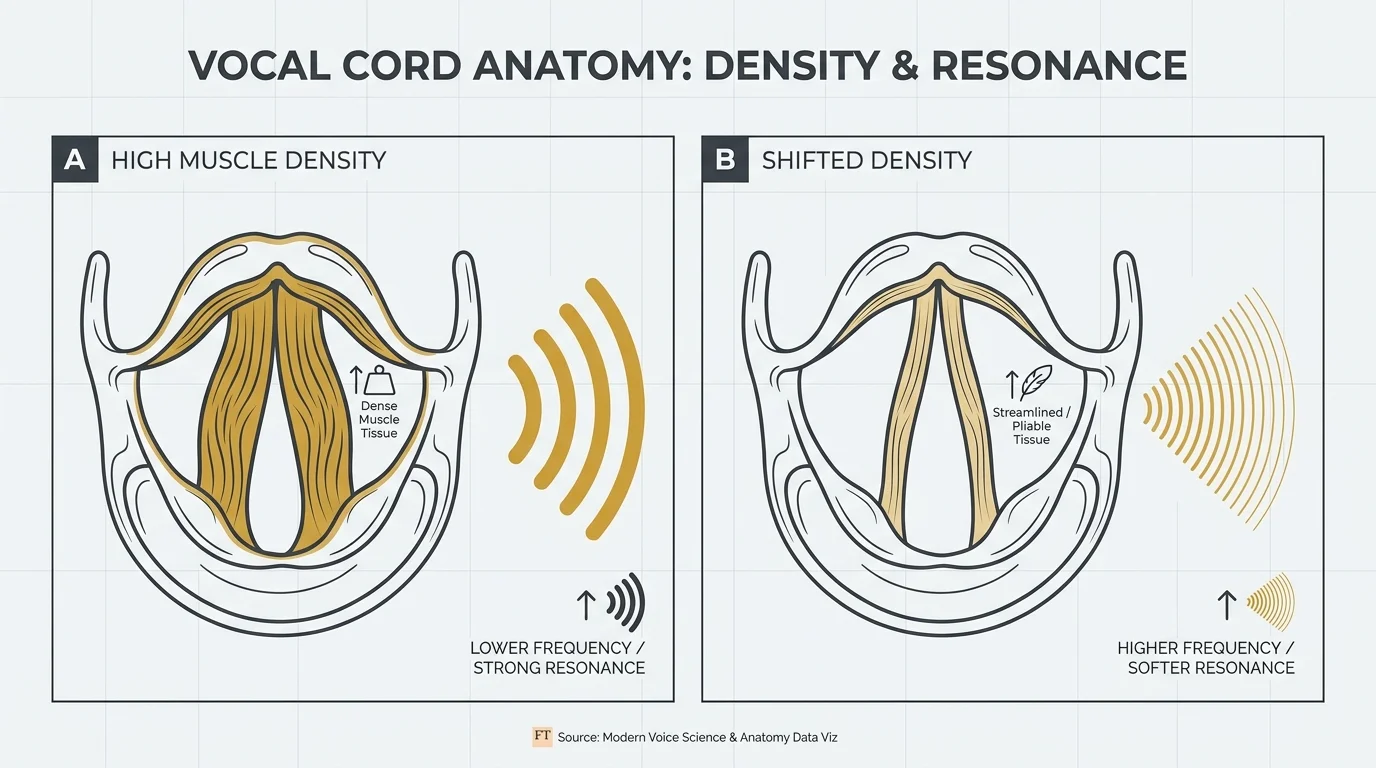
Function Eight: Vocal Cord Muscle Density
Your voice relies on the precise vibration of vocal folds driven by complex laryngeal muscles. Just like the muscles in your arms and legs, these internal vocal muscles experience a natural loss of mass known as presbyphonia. The vocal cords may bow slightly, failing to close completely when you speak. This anatomical change causes your voice to sound thinner, breathier, or lower in pitch. You might find that speaking loudly in noisy restaurants completely exhausts you, or you frequently need to clear your throat to project your words.
Treat your voice like any other muscle requiring regular conditioning. Read books or articles aloud for fifteen minutes every day to engage your laryngeal muscles and maintain their tone. Practice deep diaphragmatic breathing to ensure adequate airflow supports your vocal cords, reducing the strain on the throat tissue itself. If you notice a sudden, drastic change in your voice quality, seek a referral to a speech-language pathologist. These specialists can provide targeted vocal exercises that restore robust resonance and protect your airway during swallowing.

1. An
2. older
3. woman
4. and
5. a
6. younger
Insights From Geriatric Medicine Professionals
Clinical experts consistently stress that physiological aging requires strategy, not surrender. Geriatric specialists note that the patients who thrive in their later decades are those who listen to their bodies and adjust their habits accordingly. They advocate for a mindset shift from expecting the body to perform exactly as it did in early adulthood to supporting the body in its current metabolic state. Registered dietitians specializing in healthy aging echo this sentiment, pointing out that caloric needs decrease while micronutrient needs actually increase. They emphasize that every meal provides an opportunity to support cellular function. Physical therapists remind us that movement remains the most potent medicine available; deliberately challenging your balance and muscular endurance prevents the cascade of decline that follows a sedentary lifestyle. By embracing these expert perspectives, you construct a foundation of resilience that honors your evolving biology.
Frequently Asked Questions About Aging Bodies
Why do I suddenly feel colder in my own home?
Your body loses subcutaneous fat, which acts as your natural insulation, and your blood vessels respond more sluggishly to temperature changes. This combination decreases your ability to conserve core body heat. You can manage this by dressing in breathable layers and keeping your living environment consistently warm. Always consult a healthcare professional if the cold sensitivity occurs abruptly, as it could indicate a thyroid issue rather than normal aging.
Can I reverse changes to my sleep patterns?
You cannot fully reverse the natural shift in your circadian rhythm or the decrease in deep slow-wave sleep. You can, however, optimize the sleep you do get by controlling your exposure to light. Getting morning sunlight and limiting evening screen time helps anchor your biological clock. Focus on maintaining a consistent wake time, which regulates your internal sleep drive more effectively than trying to force early bedtimes.
Should I take supplements for changing digestion?
Many individuals benefit from targeted supplementation, particularly for Vitamin B12 and Vitamin D, due to decreased gastric acid and skin synthesis. However, generalized multivitamin use without clinical guidance often wastes money and risks overwhelming your liver’s clearance capacity. You should request a comprehensive blood panel from your primary care physician to identify specific deficiencies before beginning any daily supplement regimen.
How do I know if balance issues are normal or a medical problem?
Mild unsteadiness when walking on uneven ground or in the dark frequently results from normal sensory decline in your inner ear and proprioceptive nerves. However, frequent falls, sudden dizziness, or a sensation that the room is spinning violently represent medical red flags. You must seek immediate evaluation for these severe symptoms, as they often point to inner ear infections, medication toxicity, or cardiovascular issues requiring specialized care.
Taking Your First Step Forward
Navigating these biological transitions does not require a complete overnight overhaul of your lifestyle. Sustainable health relies on incremental, manageable adjustments that easily weave into your daily routine. Start by targeting just one physical system today. Place a full glass of water on your nightstand tonight so you can hydrate your body the moment you wake up tomorrow morning. This single, simple action honors your changing osmoregulation and supports your joint health instantly. As you implement this small habit, ask yourself: How will you tune into your body’s quiet signals today? By listening carefully to your internal shifts and responding with compassion and strategy, you actively construct a resilient, deeply fulfilling future.








Leave a Reply