

Recognizing the subtle warning signs of liver distress allows you to intervene before silent damage becomes a chronic disease. Your liver performs over five hundred vital functions, yet it rarely protests until it reaches a state of severe compromise. As you navigate aging wellness, paying attention to vague medical symptoms can mean the difference between lasting health and irreversible complications. Fatigue, subtle skin changes, and digestive irregularities often masquerade as normal signs of getting older. By understanding these quiet distress signals, you empower yourself to seek timely medical care and implement protective lifestyle adjustments. Protecting this vital organ ensures your body continues to filter toxins and maintain metabolic harmony for decades to come.

Uncovering the Quiet Warning Signs
Because your internal filtration system lacks pain receptors, it endures years of inflammation or fat accumulation without sounding an immediate alarm. When distress signals finally emerge, they frequently mimic common, everyday ailments that easily fly under the radar of routine checkups. Understanding these seven hidden indicators equips you with the knowledge to request targeted diagnostic tests and initiate early, protective health interventions.

Symptom 1: Unrelenting Fatigue and Cognitive Fog
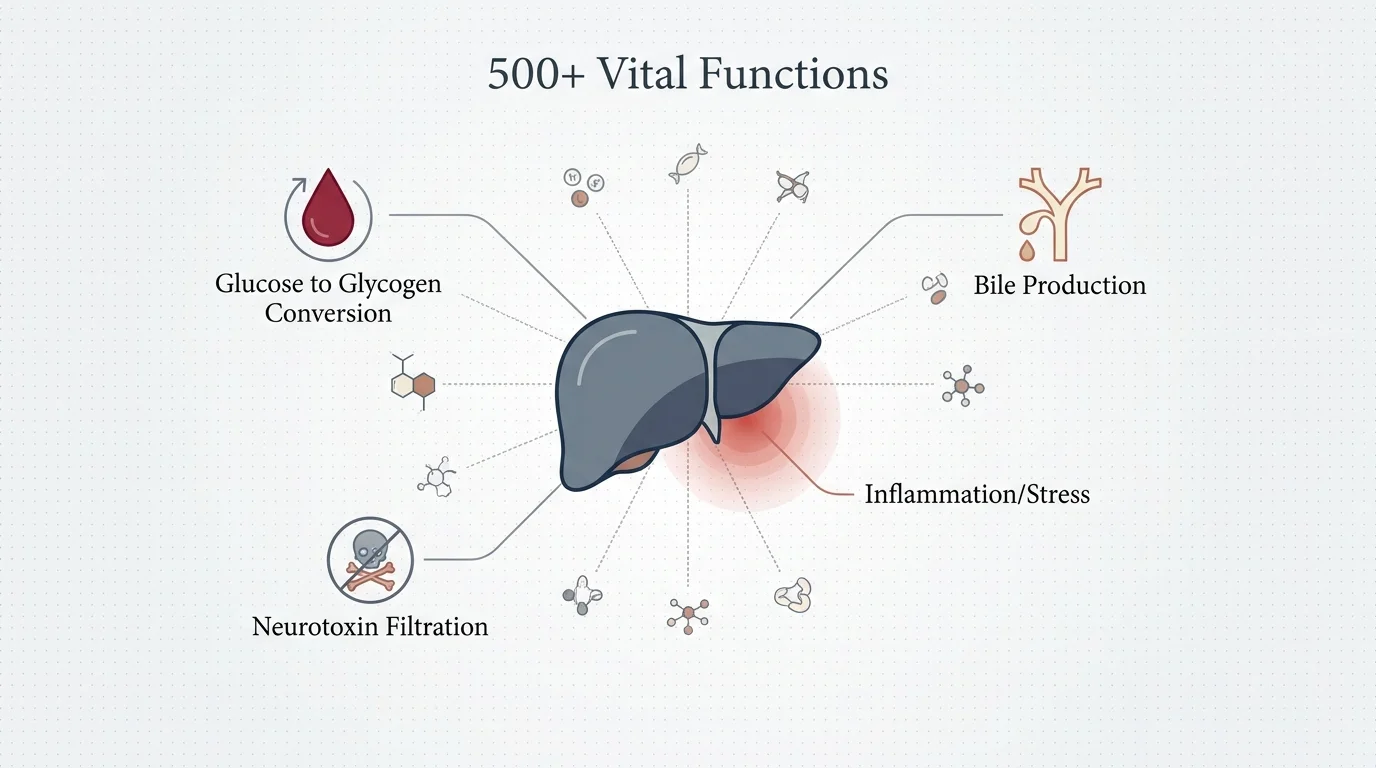
Experiencing occasional tiredness reflects a normal human response to a busy lifestyle; however, hepatic fatigue feels fundamentally different and far more debilitating. When your body struggles to convert glucose into glycogen, you lose your primary reserve of quick energy, leaving you physically drained. Furthermore, a compromised system fails to filter neurotoxins like ammonia from your bloodstream efficiently. As these toxic compounds cross the blood-brain barrier, they trigger cognitive sluggishness, poor concentration, and a profound sense of exhaustion that no amount of sleep can cure. You might brush this off as a natural component of senior health, but persistent, debilitating lethargy demands a thorough medical investigation.

Symptom 2: Chronically Itchy Skin
Dermatological irritations frequently point toward deeper internal imbalances rather than surface-level allergies. Pruritus, the clinical term for severe itching, often develops when a sluggish filtration process allows bile salts to accumulate in your bloodstream and deposit directly under your skin tissue. Unlike a localized rash or an acute reaction to a new laundry detergent, liver-related itching manifests as widespread, unrelenting irritation that remains completely invisible to the naked eye. You will not see hives, blisters, or raised bumps, yet the compulsion to scratch can become intense enough to disrupt your daily activities and ruin your nightly rest. This symptom frequently intensifies during the evening hours, specifically targeting the palms of your hands and the soles of your feet.
Symptom 3: Aching Discomfort in the Right Upper Quadrant
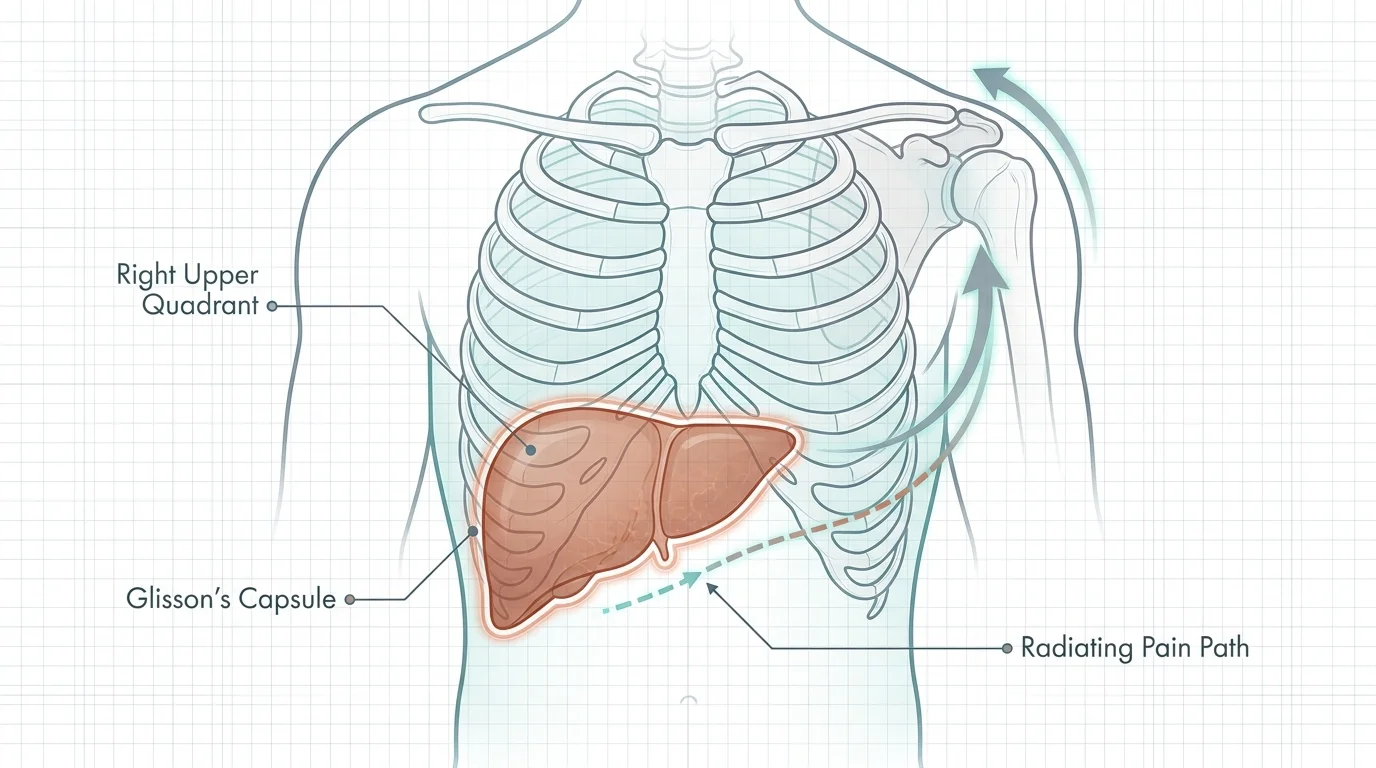
While the organ itself cannot feel pain, the thin protective membrane encasing it—known as Glisson’s capsule—contains a dense, sensitive network of nerve fibers. When persistent inflammation causes internal swelling, it stretches this delicate capsule, producing a dull, radiating ache in the upper right section of your abdomen. This discomfort often travels upward toward your right shoulder blade or radiates into your mid-back region. Patients routinely mistake this specific sensation for muscular strain, gallbladder dysfunction, or poor sitting posture. If you experience a lingering heaviness or a consistent throbbing ache just below your right ribcage, your body is actively asking for diagnostic attention.
Symptom 4: Unpredictable Digestive Changes
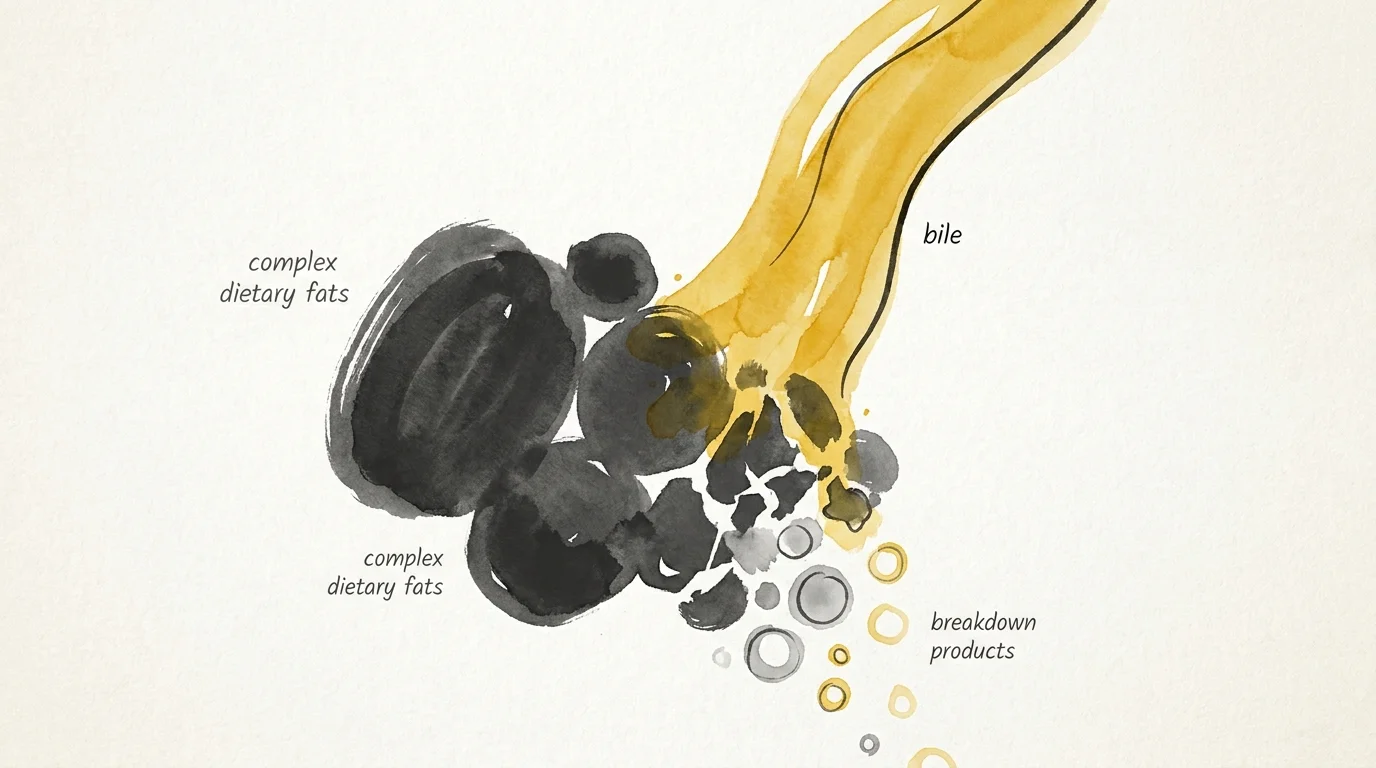
Your digestive tract relies heavily on bile, a specialized fluid essential for breaking down complex dietary fats and absorbing crucial fat-soluble vitamins. When internal function declines, bile production stalls, initiating a cascade of frustrating gastrointestinal disruptions. You might notice your stomach abruptly rejecting heavy or greasy meals, responding with severe bloating, lingering nausea, or sharp abdominal cramping. Furthermore, a severe lack of bile fundamentally alters your bowel habits; you may pass floating, unusually pale, or distinctly foul-smelling stools. Healthcare professionals occasionally misdiagnose these digestive symptoms as functional bowel disorders, unintentionally delaying the identification of the root hepatic distress.

Symptom 5: Fluid Retention in the Lower Extremities
A healthy system acts as a sophisticated internal manufacturing plant, producing albumin—a vital protein that keeps fluids tightly contained within your blood vessels. When production capacity drops due to cellular damage, albumin levels plummet, allowing fluid to leak directly into surrounding soft tissues. Gravity naturally pulls this escaped fluid downward, resulting in noticeable swelling, clinically known as edema, throughout your legs, ankles, and feet. You might notice your socks leaving deep, red indentations on your calves, or you might find your shoes feeling painfully tight by mid-afternoon. While cardiovascular and renal issues also cause lower extremity edema, compromised liver health remains a primary culprit requiring immediate evaluation.
Symptom 6: Easy Bruising and Prolonged Bleeding
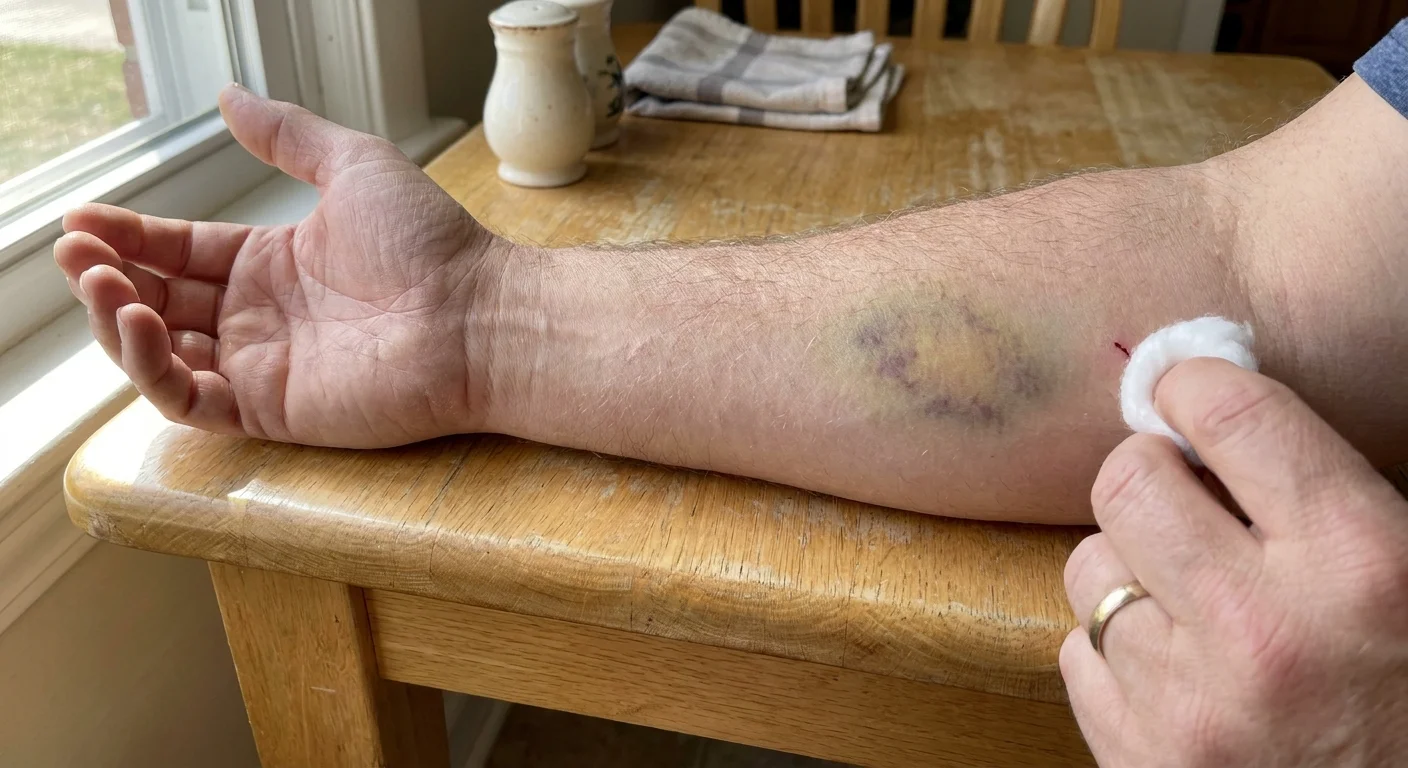
Blood clotting operates as a complex physiological sequence that relies almost entirely on specialized proteins synthesized exclusively in the liver. As cellular function deteriorates over time, your body gradually loses its ability to produce these essential clotting factors at an adequate volume. You might suddenly discover dark, mysterious bruises spreading across your arms and legs without holding any memory of a physical injury. Minor paper cuts may bleed significantly longer than you expect, and routine dental cleanings might provoke unusual, excessive gum bleeding. This subtle downward shift in your vascular response serves as a critical red flag indicating an urgent need for medical support.

Symptom 7: Subtle Sleep Architecture Disruptions
Your central filtration system plays an unexpectedly massive role in regulating your daily circadian rhythm and clearing sleep-inducing hormones from your bloodstream. Advanced systemic stress can completely invert your natural sleep-wake cycle, causing immense daily frustration. You may find yourself battling an overwhelming urge to sleep during the late afternoon, only to lie wide awake with a racing mind at three in the morning. Medical experts view this not merely as simple insomnia, but rather as a systemic disruption of your foundational biological clock. The steady accumulation of unfiltered internal toxins further agitates your central nervous system, actively preventing you from reaching the deep, restorative sleep phases required for total cellular repair.
Science Snapshot: The Physiology of Hepatic Stress
Recent clinical research highlights a significant shift in how we understand chronic internal damage. Medical professionals now emphasize the prevalence of metabolic dysfunction-associated steatotic liver disease, a condition where excess fat accumulates within cellular structures, triggering a slow-burning, systemic inflammatory response. When left unaddressed, this prolonged inflammation forces healthy tissues to undergo fibrogenesis, a process where scar tissue permanently replaces functioning cells. According to clinical guidelines published by the American Association for the Study of Liver Diseases, metabolic risk factors such as insulin resistance and chronic visceral adiposity accelerate this destructive scarring process. Detecting the warning signs early interrupts this precise chain of events, allowing your body to leverage its remarkable capacity for cellular regeneration before the scar tissue hardens into irreversible cirrhosis.

Strategy Pillars for Long-Term Liver Health
Implementing targeted lifestyle adjustments empowers you to halt internal damage and support active cellular regeneration. You can fundamentally change your health trajectory by focusing on four foundational pillars of daily wellness.

Nutrition: Fueling Cellular Repair
Your daily dietary choices dictate the workload placed upon your internal filtration system. Adopting a Mediterranean-style eating pattern actively reduces metabolic stress by prioritizing antioxidant-rich vegetables, lean proteins, and healthy fats derived from olive oil and avocados. Furthermore, current research highlights the protective benefits of plain, unfiltered black coffee, which contains specific compounds that actively suppress fibrotic scarring. Minimizing your intake of ultra-processed foods, high-fructose corn syrup, and refined carbohydrates significantly eases the metabolic burden. For personalized dietary strategies that account for your unique access to fresh foods and culinary preferences, consider reviewing resources from the Academy of Nutrition and Dietetics.

Movement: Enhancing Metabolic Clearance
Consistent physical activity does far more than build muscle; it directly enhances your body’s insulin sensitivity, thereby preventing excess glucose from converting into visceral fat. Engaging in a strategic combination of cardiovascular exercise and progressive resistance training helps mobilize existing fat stores trapped within your internal organs. You do not need to endure grueling marathon training to reap these benefits; integrating brisk daily walks, aquatic aerobics, or gentle cycling into your routine dramatically improves blood flow and supports natural detoxification pathways.

Mindset: Mitigating Stress and Systemic Inflammation
Chronic psychological stress forces your adrenal glands to pump out a constant stream of cortisol, a hormone that actively promotes fat storage around your midsection and vital organs. Developing a proactive mindset toward stress management directly protects your physical health. Incorporating mindfulness practices, deep diaphragmatic breathing, and dedicated restorative hobbies lowers your baseline cortisol levels, subsequently reducing systemic inflammation. Acknowledging the emotional toll of aging and seeking supportive community connections builds a resilient foundation for holistic longevity.
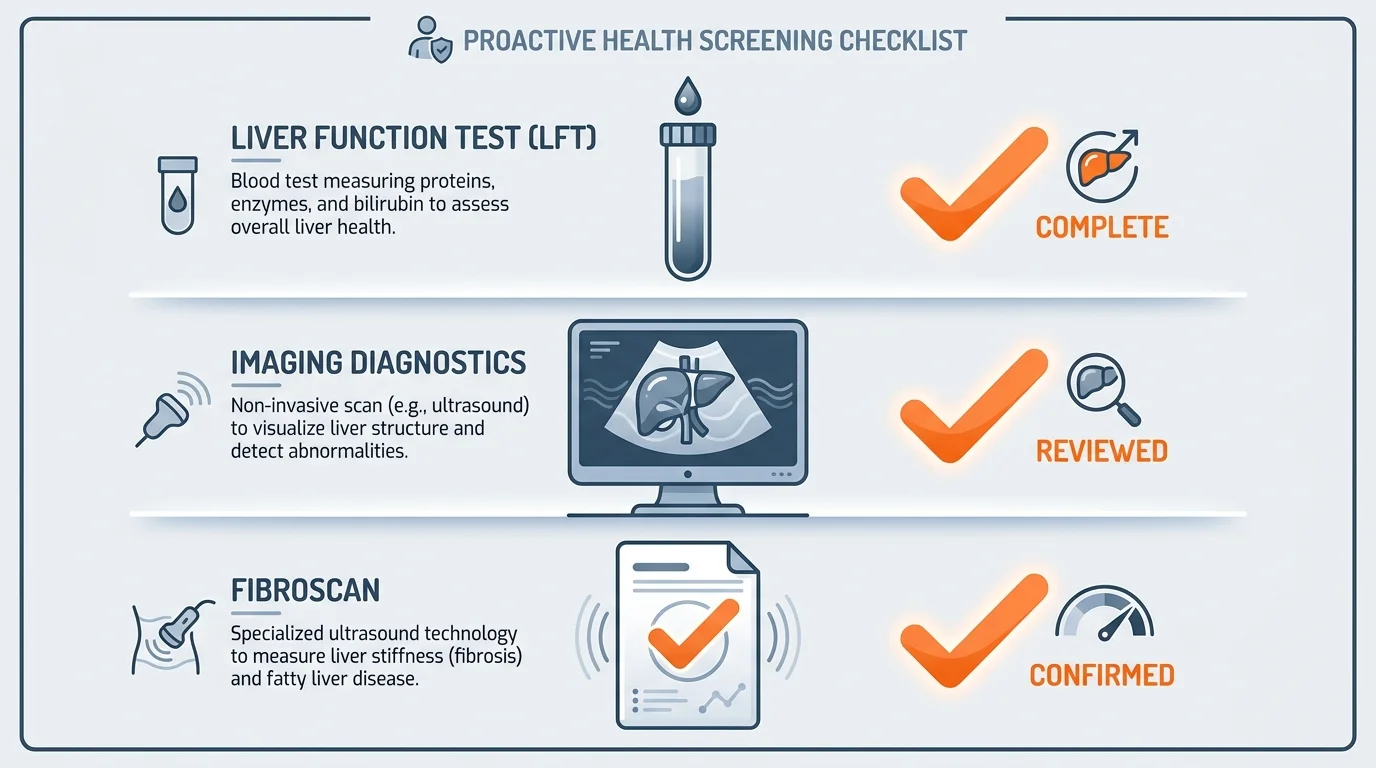
Medical Care: Proactive Screening and Diagnostics
Relying exclusively on how you feel often leaves silent internal damage undetected until it reaches an advanced stage. Requesting proactive diagnostic testing during your annual wellness visits provides an accurate window into your metabolic health. Ask your physician to evaluate your hepatic enzyme levels, specifically your AST and ALT ratios, and inquire about non-invasive imaging techniques like transient elastography to measure internal stiffness. Staying informed about routine screening recommendations provided by the Centers for Disease Control and Prevention ensures you catch potential vulnerabilities before they escalate into medical crises.

Real Voices from Clinical Practice
Clinical hepatologists frequently note that patients express profound surprise when diagnosed with advanced internal scarring, precisely because they felt entirely healthy for decades. Medical practitioners emphasize that fatigue and right-sided discomfort typically only prompt a doctor’s visit when the damage has already disrupted daily functioning. Patients managing metabolic wellness often report that simply replacing sugary beverages with green tea and committing to an evening walking routine dramatically resolved their lingering brain fog within a matter of months. These clinical observations reinforce the reality that small, consistent lifestyle modifications yield profound, life-saving outcomes when implemented proactively.
Frequently Asked Questions
Can damage to this organ be reversed once symptoms appear?
Yes, your body possesses an extraordinary, unparalleled capacity to regenerate damaged tissue, provided you remove the underlying stressor. If you intervene during the early stages of fat accumulation or mild inflammation, implementing aggressive lifestyle modifications can entirely reverse the damage. However, once chronic inflammation converts healthy tissue into hardened fibrotic scars—a state known as cirrhosis—the structural changes become permanent. Early detection and immediate action remain the absolute keys to preserving your metabolic longevity.
Are routine comprehensive blood panels enough to detect these issues?
Standard blood tests measure specific enzyme levels, yet they occasionally present a misleading picture of your internal health. It is entirely possible to possess normal enzyme counts while harboring significant internal fat accumulation or early-stage scarring. If you carry risk factors such as type 2 diabetes, central obesity, or a family history of metabolic disorders, you must advocate for comprehensive evaluations. Specialized ultrasound imaging and specific fibrosis blood markers offer a much more accurate assessment of your current structural health.
How does alcohol consumption uniquely impact aging wellness?
As you grow older, your natural metabolic clearance rate inevitably slows down, meaning your body takes significantly longer to process and eliminate alcoholic toxins. A volume of alcohol that your body effortlessly managed in your thirties can easily overwhelm your system in your sixties, causing acute oxidative stress and rapid cellular death. Because aging tissues already face increased metabolic burdens, eliminating or drastically reducing alcohol consumption offers one of the most powerful protective measures you can take for your long-term vitality.
Should I purchase over-the-counter supplements to detoxify my system?
Healthcare professionals strongly advise against using commercial detoxification teas, unregulated cleanses, or unverified herbal supplements. Your body already operates the most sophisticated detoxification system on the planet; it does not require an external cleanse. In fact, many unregulated botanical supplements introduce foreign compounds that force your system to work harder, occasionally triggering acute, life-threatening internal failure. Always consult trusted resources, such as the National Institute of Diabetes and Digestive and Kidney Diseases, and speak directly with your physician before introducing any new supplement into your regimen.
Moving Forward With Confidence
Protecting your internal health does not require overwhelming, drastic overhauls to your daily routine. True, lasting wellness stems from small, deliberate choices repeated consistently over time. Begin by choosing one actionable step today, whether that means drinking an extra glass of water, taking a brief walk after your evening meal, or scheduling a comprehensive health screening with your medical provider. As you reflect on your current daily habits, ask yourself how you can better support the remarkable internal system working tirelessly to keep you vibrant, energized, and healthy.







Leave a Reply