
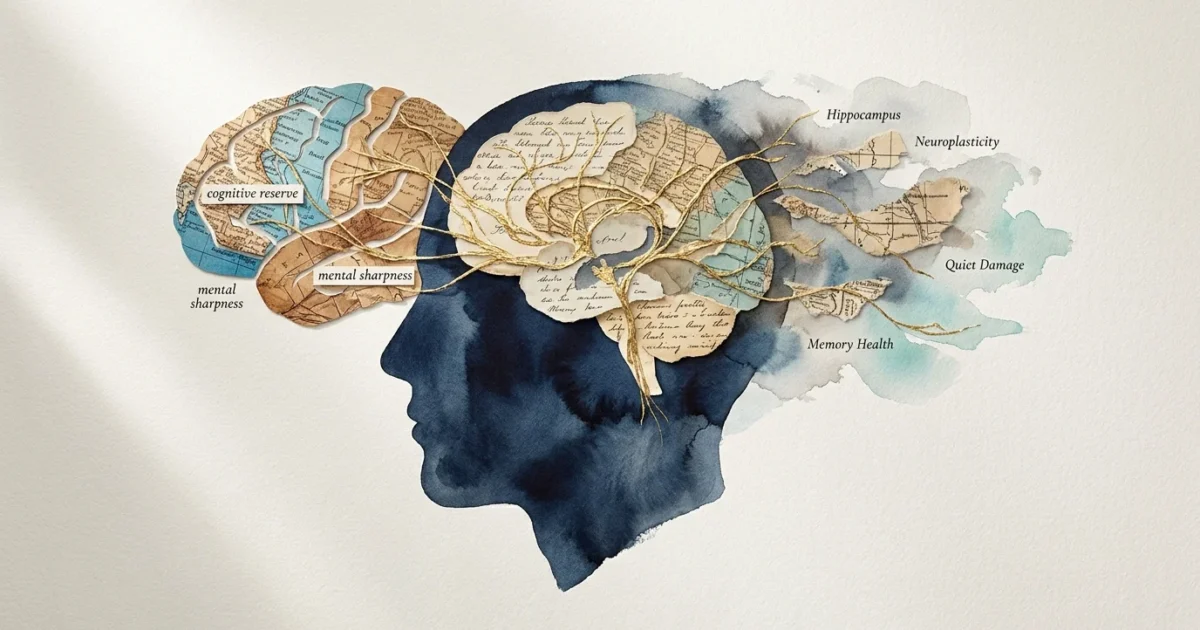
Protecting your cognitive function requires you to abandon everyday routines that silently erode your brain health long before noticeable decline begins. Replacing these subtle, destructive habits gives you the power to preserve your mental sharpness into later life. Most people focus on crossword puzzles or expensive supplements, yet they overlook how chronic sleep deprivation, a highly processed diet, and unchecked stress shrink vital brain regions over time. Scientific evidence demonstrates that modifying your daily environment profoundly influences neuroplasticity and memory retention. By addressing these hidden culprits now, you actively safeguard your cognitive reserve. This guide exposes the eight everyday practices harming your memory and offers realistic, evidence-based strategies to reverse the damage today.
The Science of Memory Degradation
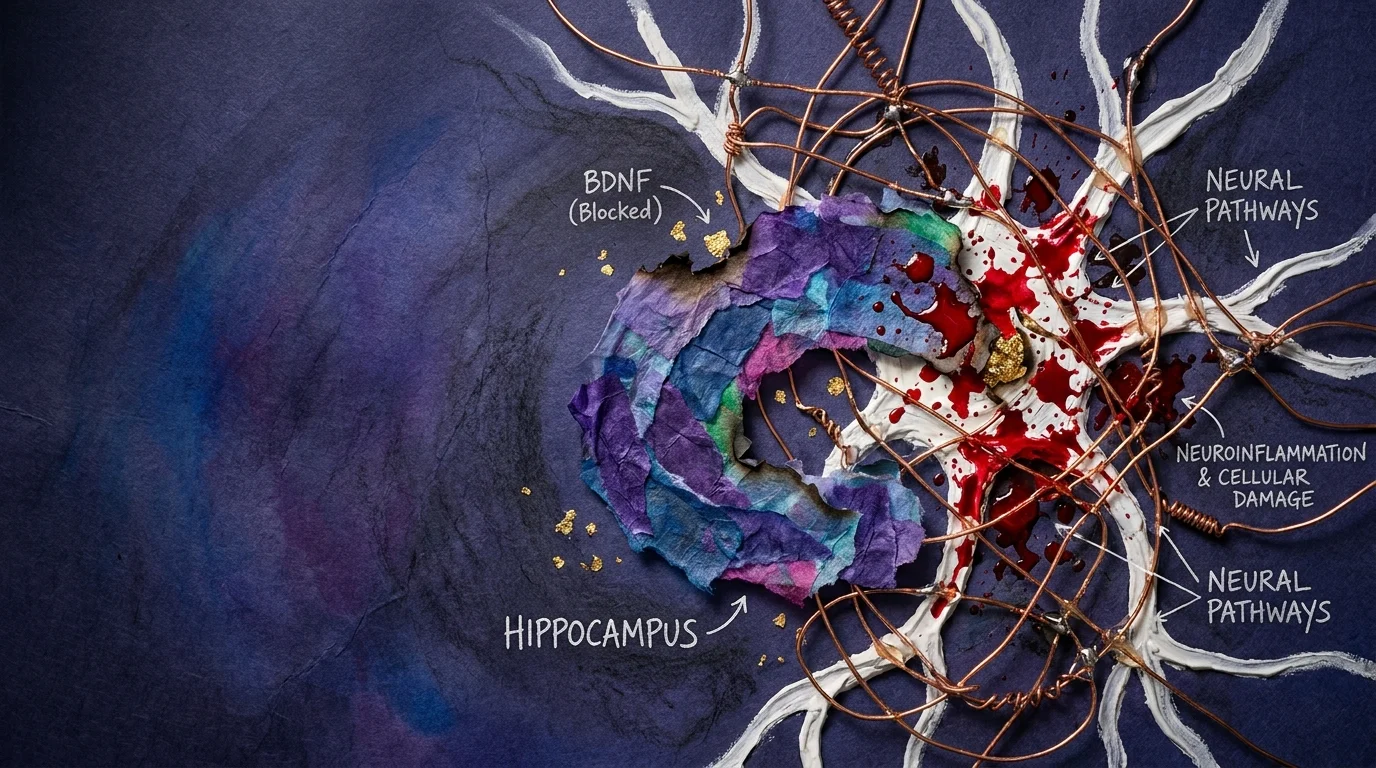
Memory relies on a complex, dynamic web of neural connections rather than a static biological filing cabinet. When you learn something new, your brain forms fresh pathways—a process known as neuroplasticity. However, maintaining these pathways requires a delicate balance of biological resources, including steady blood flow, balanced hormones, and minimal cellular inflammation. Chronic exposure to harmful environmental factors and daily behaviors disrupts this balance, specifically targeting the hippocampus, the brain region responsible for encoding new memories.
Every time you engage in detrimental routines, you trigger a cascade of neuroinflammation. This low-grade inflammatory response impairs your brain cells’ ability to communicate effectively and halts the production of brain-derived neurotrophic factor, a crucial protein that acts like fertilizer for your neurons. Understanding the biological mechanics behind cognitive decline empowers you to make targeted lifestyle adjustments. You possess a remarkable ability to influence your neurological destiny simply by changing how you eat, move, and manage daily stressors.

Strategy Pillars: Uncovering the 8 Damaging Habits

Habit 1: Sacrificing Deep Sleep for Productivity
Many individuals routinely trade essential rest for extra hours of work or entertainment, viewing sleep as a luxury rather than a biological necessity. When you cut your sleep short, you interrupt the vital functions of the glymphatic system. This highly specialized waste clearance system activates primarily during deep, slow-wave sleep to flush out toxic metabolic byproducts—including amyloid-beta proteins, which researchers heavily link to Alzheimer’s disease. Without adequate time to wash away these cellular debris, toxins accumulate and physically hinder neural communication.
You can protect your cognitive function by treating your bedtime with the same respect you give important professional appointments. Establish a consistent sleep schedule and create a cool, dark environment to facilitate deep rest. If you struggle with sleep consistency, reviewing public health guidelines regarding sleep hygiene can provide an excellent foundation for rebuilding your natural circadian rhythm.

Habit 2: Consuming a Diet High in Ultra-Processed Foods
Relying on convenience foods packed with refined sugars, trans fats, and artificial preservatives wreaks havoc on your gut-brain axis. Ultra-processed diets cause rapid blood sugar spikes followed by steep crashes, starving your brain of the steady glucose supply it needs to form and retrieve memories. Furthermore, high consumption of artificial additives drives systemic inflammation that breaches the blood-brain barrier, accelerating cellular aging in the brain.
You can combat dietary cognitive decline by shifting toward a whole-foods approach rich in antioxidants and healthy fats. Focus on incorporating leafy greens, berries, fatty fish, and walnuts into your daily meals. Acknowledge that food deserts and economic constraints make nutrition challenging for many; however, even choosing frozen vegetables over pre-packaged pastries offers a significant protective benefit. Consulting evidence-based dietary frameworks helps you make practical, brain-nourishing choices at the grocery store.

Habit 3: Normalizing Chronic, Unmanaged Stress
Modern society often celebrates perpetual busyness, inadvertently normalizing chronic psychological stress. When you constantly operate in a fight-or-flight state, your adrenal glands flood your system with cortisol. While cortisol serves a vital purpose in short-term emergency situations, prolonged exposure becomes highly neurotoxic. High cortisol levels physically shrink the hippocampus and impair your prefrontal cortex, making it difficult to concentrate, learn, and remember new information.
You must actively carve out periods of psychological recovery to mitigate this damage. Incorporating daily mindfulness practices—such as deep box breathing, progressive muscle relaxation, or simply spending ten unplugged minutes in nature—signals to your nervous system that you are safe. These small, intentional pauses drastically reduce your circulating stress hormones, allowing your memory centers to recover and regenerate.

Habit 4: Living a Sedentary Lifestyle
Sitting for prolonged periods fundamentally limits the amount of oxygen and nutrients reaching your brain. Physical movement acts as a powerful trigger for neurogenesis, the creation of new brain cells. When you remain inactive, your body drastically reduces its output of beneficial myokines—proteins released by contracting muscles that travel directly to the brain to support memory consolidation.
You do not need to run marathons to reap cognitive benefits; consistency matters far more than intensity. Brisk walking, gardening, or even engaging in daily stretching routines stimulates blood flow and supports neural health. For comprehensive guidance on integrating movement into a busy life, aligning your routine with global health recommendations for physical activity ensures you provide your brain with the metabolic support it craves.

Habit 5: Engaging in Endless Digital Multitasking
Juggling emails, text messages, and social media feeds simultaneously creates a state of continuous partial attention. The human brain cannot genuinely process multiple complex streams of information at once; instead, it rapidly switches focus back and forth. This mental friction exhausts your cognitive resources and creates a bottleneck in your memory encoding process. Information simply never makes it from your short-term working memory into long-term storage.
To preserve your attention span and enhance memory formation, practice single-tasking. Dedicate specific blocks of time to individual tasks and physically separate yourself from your smartphone when engaging in deep work or meaningful conversations. Training your brain to sustain focus on one objective at a time dramatically improves your ability to recall details later.

Habit 6: Neglecting Meaningful Social Connections
Chronic loneliness acts as a severe physiological stressor, closely linked to accelerated cognitive decline. Engaging in dynamic, face-to-face conversations demands complex cognitive processing—you must interpret body language, formulate responses, and recall shared history. When you isolate yourself, you deprive your brain of this highly stimulating intellectual exercise, leading to a loss of cognitive reserve.
Actively prioritizing your social well-being requires intention, especially in a digital-first world. Make time for regular phone calls, join local community groups, or volunteer for causes you care about. Building and maintaining a supportive social network provides both emotional fulfillment and critical neurological stimulation that keeps your mind agile.

Habit 7: Ignoring Routine Cardiovascular Health
Your brain houses miles of microscopic blood vessels that depend on healthy cardiovascular function to deliver oxygen. Ignoring metrics like blood pressure and cholesterol allows vascular damage to accumulate silently over the years. High blood pressure acts like a forceful river eroding its banks; it stiffens and narrows the tiny arteries in your brain, leading to microvascular damage and white matter lesions that severely impede memory retrieval.
You must advocate for your cardiovascular health by scheduling regular check-ups with your primary care provider. Monitoring your numbers and making necessary lifestyle or medical adjustments protects the physical infrastructure of your brain. Exploring clinical resources on managing high blood pressure provides valuable insights into the profound connection between a healthy heart and a sharp mind.

Habit 8: Drinking Alcohol Beyond Moderate Limits
Regularly consuming alcohol beyond recommended limits directly harms your brain tissue. Alcohol acts as a potent neurotoxin that accelerates brain volume shrinkage, particularly in the frontal lobe and hippocampus. Furthermore, alcohol severely disrupts your rapid eye movement sleep cycles, preventing your brain from properly organizing and storing the memories you formed throughout the day.
Reevaluating your relationship with alcohol offers profound cognitive benefits. Consider participating in dry months or swapping alcoholic beverages for sophisticated, alcohol-free alternatives. If you choose to drink, strict moderation remains essential for preserving your neurological health over the decades.

Real Voices: Insights from the Clinic
Clinical neurologists and registered dietitians frequently observe the transformative power of lifestyle interventions in their patients. Medical professionals note that patients who proactively address their sleep hygiene and dietary habits often report a noticeable clearing of brain fog within just a few months. Experts emphasize that cognitive decline rarely occurs overnight; it manifests as the cumulative result of thousands of daily choices. Clinicians routinely remind their patients that genetics only load the gun, while lifestyle pulls the trigger. By adopting a holistic approach that honors the interconnectedness of physical and mental health, you build a resilient neurological foundation capable of withstanding the natural aging process.
Frequently Asked Questions About Memory and Aging
Is it normal to forget names or misplace items as I get older?
Occasional memory lapses happen to everyone and generally represent a normal part of the aging process. Forgetting the name of an acquaintance or misplacing your car keys occasionally usually indicates simple distraction or a temporary breakdown in focus rather than pathological decline. However, if these lapses become frequent enough to disrupt your daily functioning or cause you significant anxiety, you should seek a professional medical evaluation to rule out underlying conditions.
Can I reverse memory damage once it starts?
The human brain retains an extraordinary capacity for healing and adaptation throughout your lifespan. While you cannot cure progressive neurodegenerative diseases like Alzheimer’s, you can absolutely reverse cognitive sluggishness caused by poor lifestyle habits. By optimizing your sleep, nutrition, and stress management, you encourage neuroplasticity and can significantly improve your memory recall and processing speed.
Are digital brain-training apps effective for preventing dementia?
While brain-training games improve your ability to play those specific games, scientific research shows limited evidence that these skills transfer to broad cognitive protection. Instead of relying on digital puzzles, experts recommend engaging in real-world novel activities. Learning a new language, taking up a complex musical instrument, or engaging in physical dance classes forces your brain to build entirely new neural networks, offering far superior protection for your memory.
When should I see a doctor about memory lapses?
You should immediately consult a healthcare professional if memory issues begin compromising your personal safety, such as leaving the stove on or getting lost in familiar neighborhoods. Additionally, if family members express serious concern about your cognitive changes, or if memory loss accompanies sudden confusion, extreme mood swings, or physical symptoms like chronic dizziness, prioritize a comprehensive medical assessment. Always work closely with a licensed professional before making drastic changes to your healthcare routine.
Taking Your Next Step Toward Cognitive Wellness
Transforming your long-term brain health does not require executing a flawless routine overnight. Overhauling all your daily habits simultaneously often leads to burnout and frustration. Instead, focus on building sustainable momentum through tiny, deliberate changes. Choose just one of the eight damaging habits detailed above and commit to modifying it this week. Perhaps you decide to implement a strict digital curfew to improve your sleep, or maybe you resolve to take a brisk ten-minute walk after lunch to boost your blood flow. Ask yourself today: which single habit adjustment feels most manageable for my current lifestyle? Taking that first realistic step initiates a powerful biological ripple effect, actively securing your cognitive vitality for the years ahead.









Leave a Reply