

Finding the hidden culprits behind your chronic head pain empowers you to reclaim your daily comfort and focus. Your routine environment is likely packed with common items—from the scented lotion on your desk to the diet soda in your fridge—that quietly overstimulate your nervous system and trigger painful episodes. While stress and genetics play significant roles in migraine and tension headache frequency, everyday chemical and sensory exposures are frequently overlooked. By identifying and swapping out these household triggers, you can drastically reduce your symptom days without relying solely on medication. Taking control of your surroundings offers a practical, immediate path to relief, helping you build a lifestyle that supports long-term neurological stability and overall wellbeing.
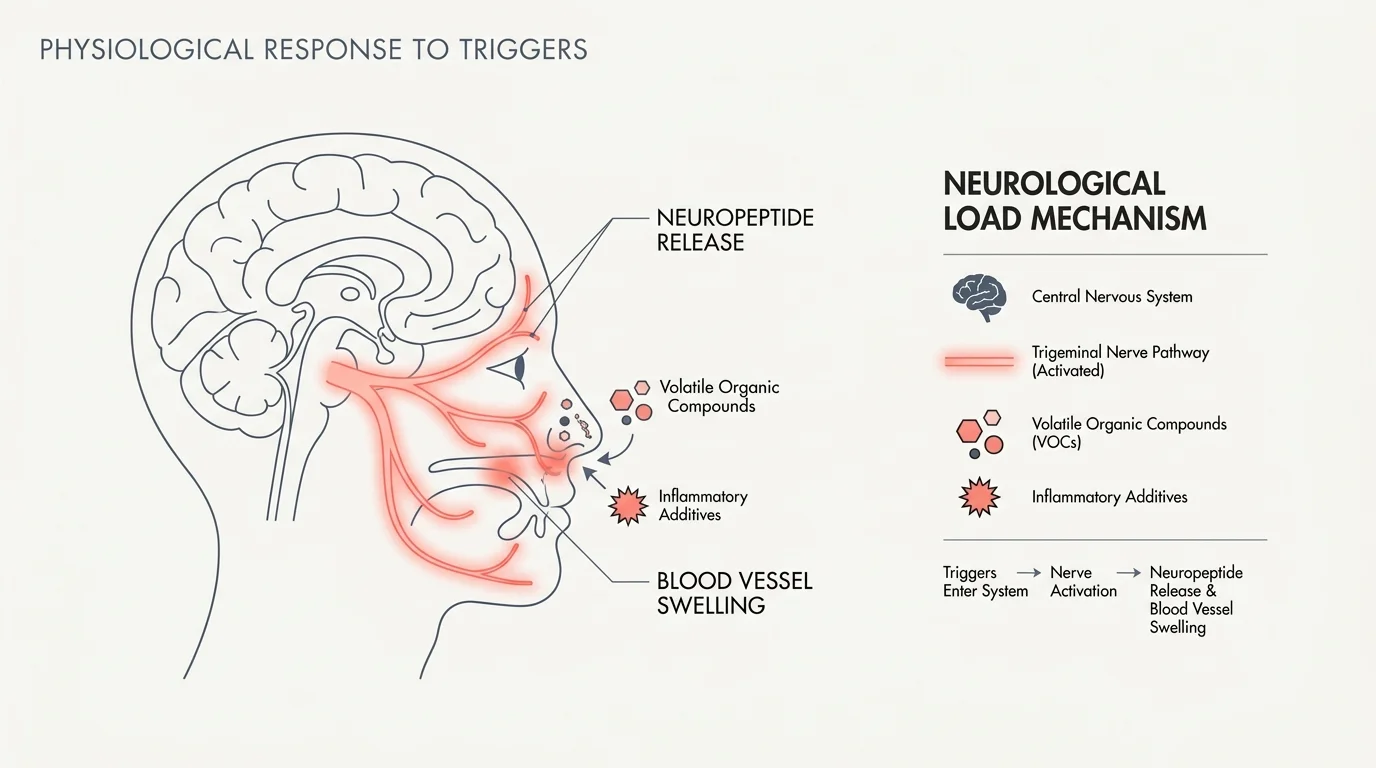
The Science Snapshot: How Everyday Exposures Cause Headaches
Headaches rarely manifest without an underlying physiological catalyst. Your brain itself does not feel pain, but the intricate network of blood vessels, muscles, and nerves surrounding your skull is incredibly sensitive to environmental changes. The trigeminal nerve, which serves as the primary sensory pathway for your face and head, acts as an alarm system. When exposed to harsh chemicals, volatile organic compounds, or inflammatory food additives, this nerve becomes hyperactive. It releases neuropeptides that cause surrounding blood vessels to swell and inflame, resulting in the familiar throbbing or pressing sensations you recognize as a headache.
Understanding this biological mechanism is the first step toward lasting relief. According to neurological guidelines regarding headache disorders, managing environmental and dietary factors is a cornerstone of preventative care. By reducing your total neurological load—the cumulative stress placed on your nervous system by sensory input—you increase your threshold for pain. This means you can handle occasional stress or poor sleep without immediately spiraling into a debilitating headache.
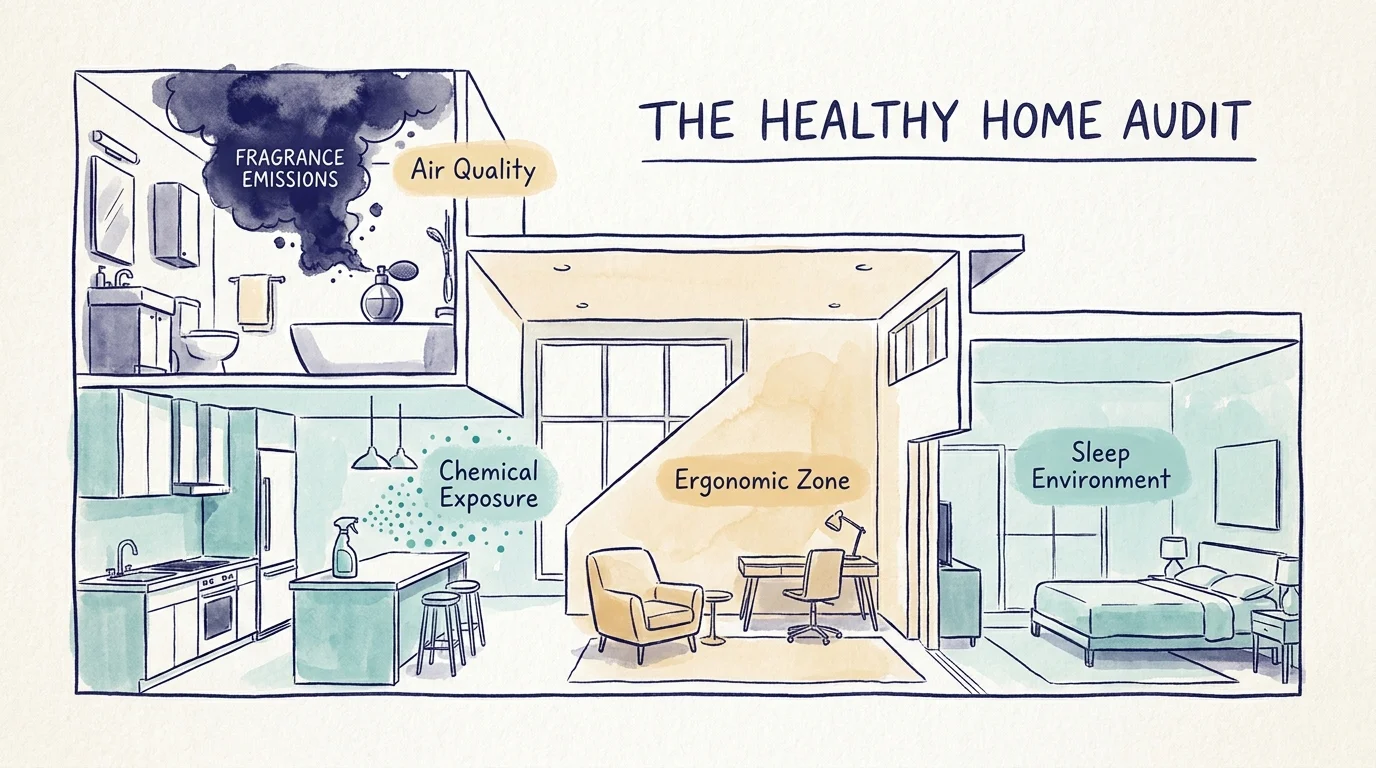
Strategy Pillar 1: Reassessing Your Environment and Movement
Your physical environment profoundly impacts your neurological health. The air you breathe and the way you interact with modern technology dictate the daily strain placed on your sensory pathways and musculoskeletal system. Addressing these four environmental products can drastically reduce your baseline headache frequency.
1. Synthetic Fragrances and Perfumes
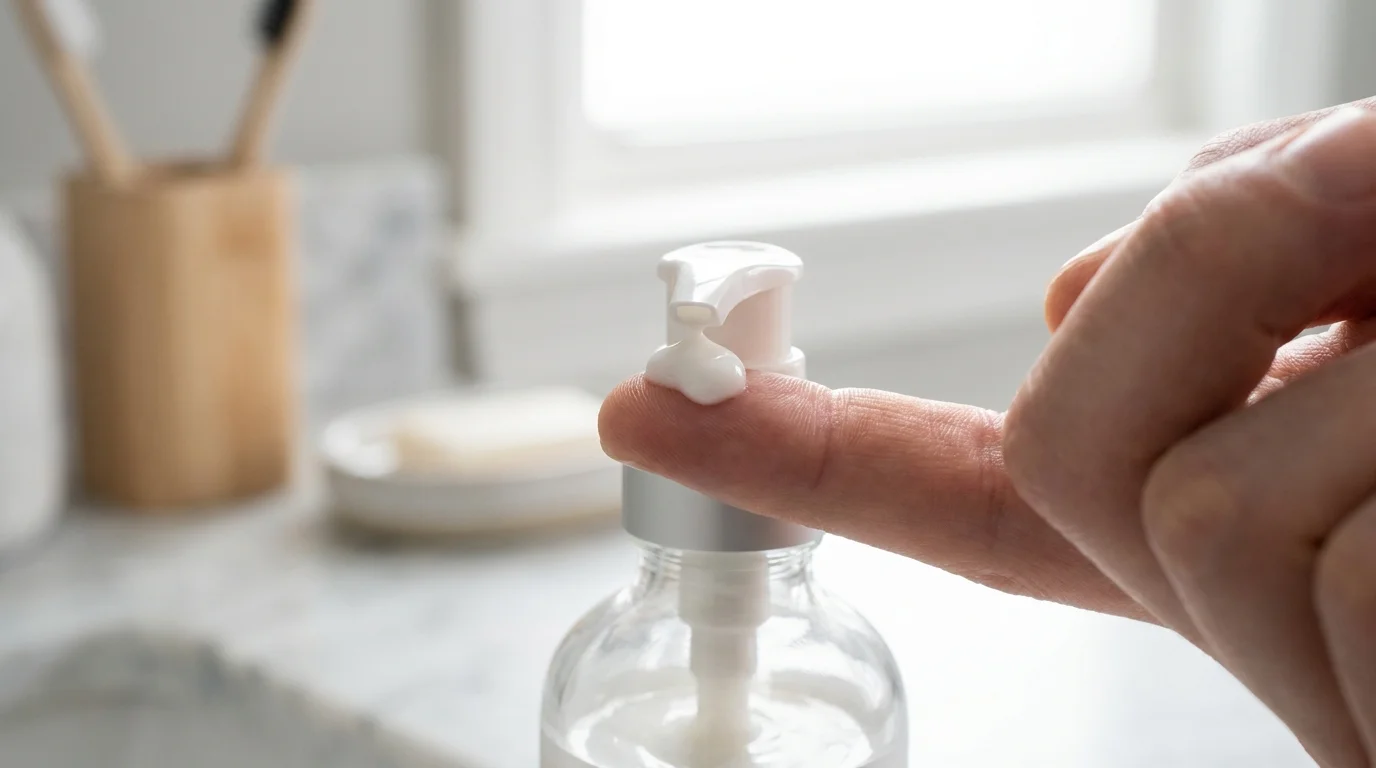
The signature scent you wear or the perfumed lotion you apply after a shower might be an invisible trigger. Synthetic fragrances are formulated with complex chemical mixtures designed to linger in the air and adhere to surfaces. For individuals prone to headaches, these compounds bypass the typical sensory filters and directly stimulate the olfactory bulb. Because the olfactory system has a direct anatomical link to the brain’s emotional and sensory processing centers, strong scents can immediately activate the trigeminal nerve. This sensitivity to smell, known clinically as osmophobia, is a highly prevalent trigger for migraine attacks.
You can protect your nervous system by auditing your personal care products. Transitioning to truly fragrance-free alternatives—rather than unscented products, which often contain masking chemicals to hide raw ingredient odors—removes this unnecessary neurological burden. Look for transparent labeling on shampoos, deodorants, and moisturizers, and advocate for fragrance-free policies in your shared workspaces.

2. Heavy-Duty Household Cleaners
Keeping a sanitary home is important for your health, but the aggressive chemicals found in traditional cleaning supplies often compromise your indoor air quality. Products containing ammonia, bleach, and synthetic pine or citrus scents release volatile organic compounds into your immediate breathing zone. When inhaled, these compounds irritate the delicate mucosal linings of your respiratory tract and enter your bloodstream, prompting a systemic inflammatory response that frequently culminates in a tension headache or migraine.
Improving your home environment requires a shift in how you view cleanliness. The guidelines on indoor air quality emphasize the importance of robust ventilation during and after cleaning chores. You can drastically reduce your chemical exposure by swapping harsh industrial cleaners for straightforward solutions of white vinegar, baking soda, and diluted castile soap. When you must use stronger products for deep cleaning, ensure your windows are fully open and run exhaust fans to clear the volatile compounds from your living space.

3. Plug-In Air Fresheners and Scented Candles
Many people use scented candles and plug-in air fresheners to create a relaxing atmosphere, completely unaware that these products are steadily dosing their environment with aerosolized headache triggers. Beyond the synthetic fragrances they emit, many conventional candles are manufactured with paraffin wax. When burned, paraffin releases soot and harmful compounds like toluene and benzene, which are notorious respiratory irritants and headache catalysts.
Creating a fresh-smelling home does not require chemical masking agents. You can achieve a naturally clean scent by addressing the root causes of household odors through proper hygiene, adequate ventilation, and the use of high-efficiency particulate air purifiers. If you miss the ambiance of a candle, opt for those made entirely from naturally derived beeswax or soy wax with cotton wicks, ensuring they remain uncolored and unfragranced.
4. Screens and Unsupportive Ergonomic Devices
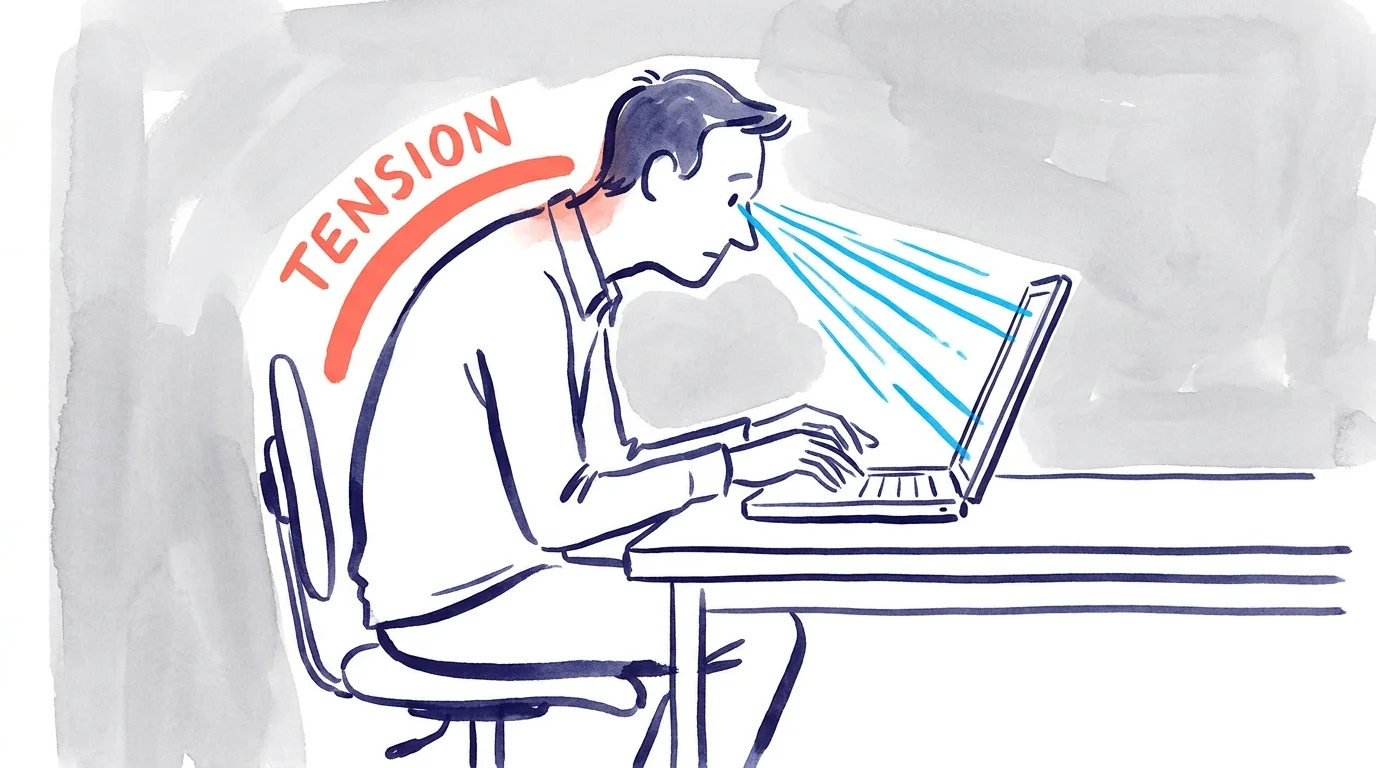
Your digital devices are indispensable tools, but laptops, smartphones, and improperly fitted workstation chairs exact a heavy toll on your upper body and eyes. Staring at bright screens emits blue light that can strain the optic nerve and disrupt your circadian rhythm, while the glare forces you to squint, tightening the intricate muscles around your temples. Furthermore, looking down at a mobile device causes your head to drift forward, multiplying the functional weight of your skull. This sustained posture compresses the suboccipital muscles at the base of your neck, strangling the greater occipital nerve and referring severe pain directly over the top of your head.
Mitigating technology-induced headaches requires integrating purposeful movement and ergonomic support into your daily routine. Adopting the twenty-twenty-twenty rule—looking at an object twenty feet away for twenty seconds every twenty minutes—allows your ciliary eye muscles to relax. You should also elevate your primary monitors to eye level and invest in a chair that actively supports the natural curvature of your lumbar spine, preventing the forward head slouch that drives tension headaches.

Strategy Pillar 2: Dietary Triggers in Your Pantry
What you consume dictates the chemical messengers flowing through your bloodstream. Certain food additives and naturally occurring compounds in preserved foods have profound vascular effects, expanding or contracting the blood vessels in your brain and initiating painful throbbing sensations.

5. Artificial Sweeteners
Diet sodas and zero-calorie snack foods often rely on artificial sweeteners like aspartame and sucralose to deliver flavor without caloric density. However, for a significant subset of the population, these synthetic sweeteners disrupt normal neurotransmitter function. Aspartame, in particular, is broken down into phenylalanine, aspartic acid, and methanol within the digestive tract. In sensitive individuals, this metabolic process alters serotonin and dopamine levels in the brain, lowering the pain threshold and triggering sudden, severe headaches.
Identifying a sweetener sensitivity requires vigilant label reading, as these compounds are hidden in everything from chewing gum to protein powders. You can test your sensitivity by replacing artificially sweetened beverages with sparkling water infused with fresh citrus or cucumber. Maintaining adequate cellular hydration with plain water also helps your kidneys efficiently flush out metabolic waste, further protecting against head pain.

6. Cured and Processed Meats
Deli meats, hot dogs, bacon, and cured sausages are frequently preserved using sodium nitrate and sodium nitrite. These chemical salts prevent bacterial growth and give processed meats their appealing pink color. Unfortunately, once digested, nitrates release nitric oxide into your bloodstream. Nitric oxide is a potent vasodilator; it causes your blood vessels to rapidly expand. When the blood vessels surrounding your brain dilate aggressively, the resulting surge in blood flow stretches the sensitive nerve fibers wrapped around the vessel walls, resulting in a pulsing, throbbing headache.
You can protect your vascular system by prioritizing fresh, unprocessed proteins. When planning your meals, swap cured meats for freshly roasted poultry, wild-caught fish, or plant-based proteins like lentils and beans. If you occasionally consume preserved meats, look for options labeled as nitrate-free, though be aware that these often use celery powder—which naturally contains high levels of nitrates—as a substitute.

7. Aged Cheeses
Aged cheeses like parmesan, blue cheese, cheddar, and swiss are culinary staples, but their prolonged fermentation process yields high concentrations of tyramine. Tyramine is an amino acid derivative that naturally accumulates as proteins break down over time. For individuals who lack adequate amounts of the enzyme monoamine oxidase, tyramine enters the bloodstream and displaces norepinephrine, causing erratic fluctuations in blood vessel constriction and dilation. This vascular rollercoaster is a heavily documented trigger for intense migraines.
Modifying your diet does not mean you have to abandon cheese entirely. Reviewing dietary strategies for headache management reveals that fresh, unfermented dairy products pose very little risk. You can safely enjoy fresh mozzarella, ricotta, cream cheese, and cottage cheese without introducing heavy tyramine loads into your digestive system.
Strategy Pillar 3: Over-the-Counter Paradoxes and Mindset
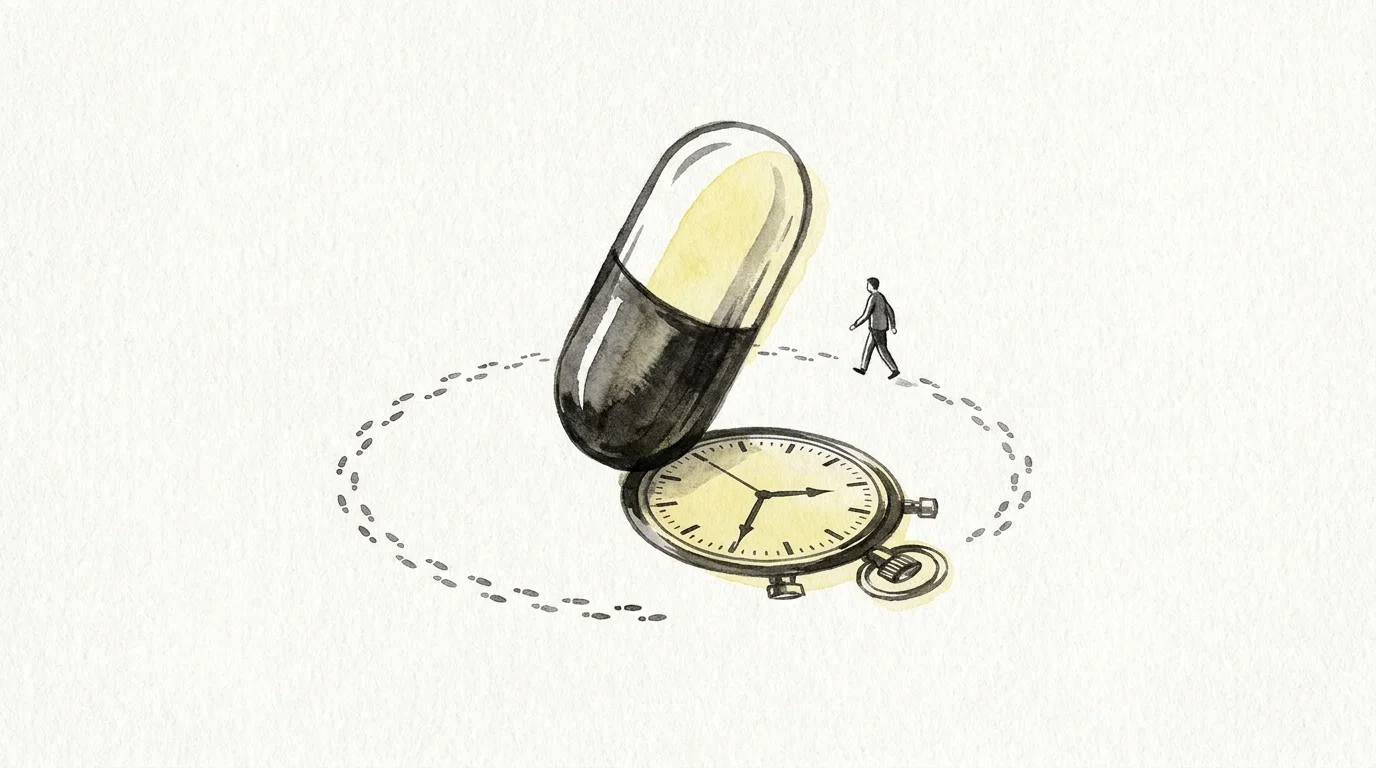
How you respond to a headache often dictates whether it resolves quickly or returns with greater ferocity the next day. The very products you purchase to eliminate pain can sometimes become the primary reason you remain trapped in a cycle of chronic discomfort.
8. Overused Pain Relief Medications
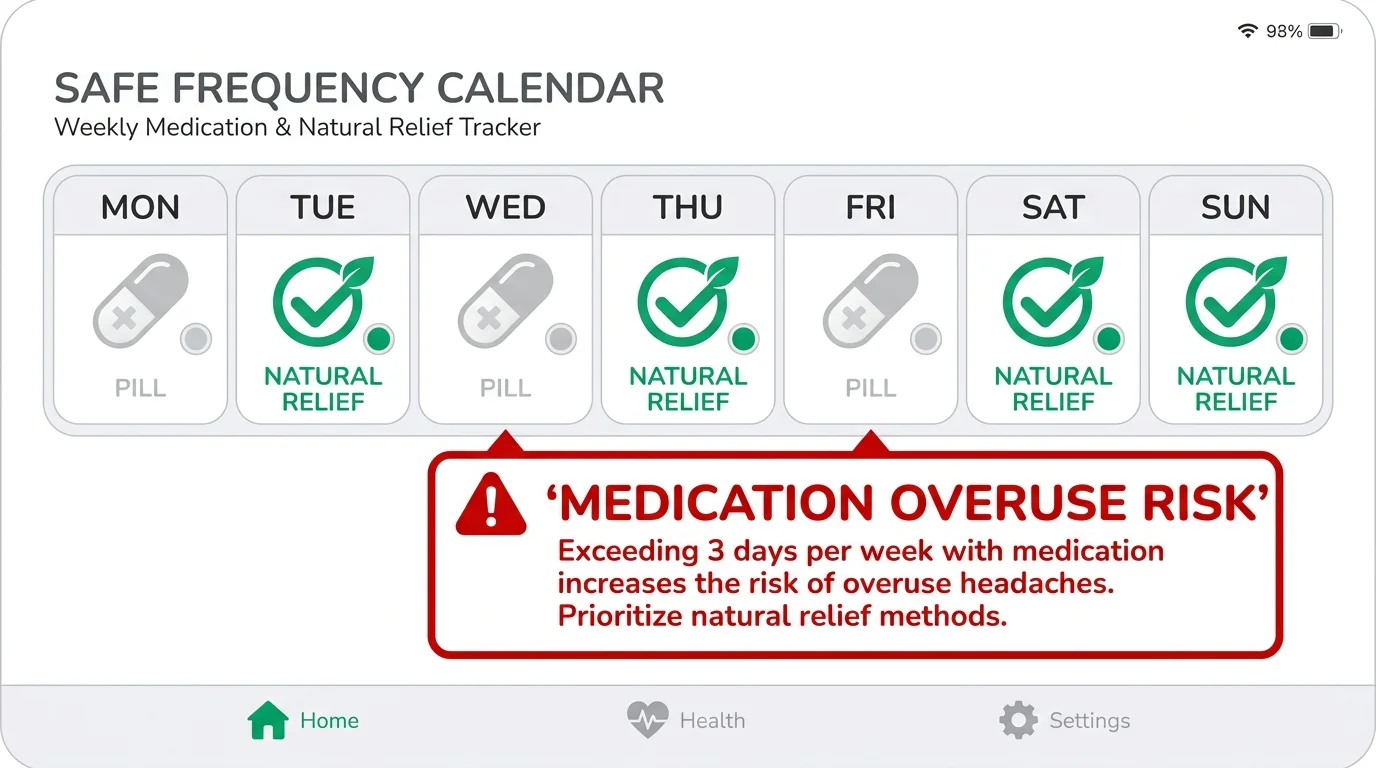
It seems deeply counterintuitive, but reaching for over-the-counter analgesics like ibuprofen, acetaminophen, or naproxen sodium too frequently can actually manufacture more headaches. When you take acute pain medication more than ten to fifteen days per month, your brain adapts to the constant presence of the drug. Your pain receptors downregulate, and as the medication wears off, your nervous system triggers a withdrawal response. This phenomenon, known as a medication overuse headache or rebound headache, forces you to take more medication just to maintain your baseline, creating a vicious, self-perpetuating cycle of daily pain.
Breaking this cycle requires a strategic shift from reactive treatment to proactive prevention. Global health reports on medication overuse stress the importance of working with a physician to carefully detox from daily analgesics. By establishing a preventative care plan—which might include stress management techniques, physical therapy, or targeted prescription preventative medications—you can restore your brain’s natural pain modulation pathways.

Real Voices: Clinical Perspectives on Headache Management
Healthcare professionals consistently emphasize that chronic headaches are multifaceted, requiring holistic, personalized approaches rather than quick fixes. Neurologists frequently note that patients often endure years of unnecessary pain simply because they view their headaches as random events rather than responses to specific environmental or dietary stimuli. By shifting your mindset from passive endurance to active investigation, you take back your agency.
Registered dietitians advocate for meticulous food journaling as an investigative tool. They point out that food triggers can take up to twenty-four hours to manifest as head pain, making it nearly impossible to identify the culprit through memory alone. Keeping a detailed log of your meals, stress levels, and weather changes allows you to spot undeniable patterns over time. Similarly, physical therapists specializing in head and neck pain remind patients that modern life forces us into prolonged, unnatural postures. They stress that consistent, gentle movement breaks and targeted strengthening of the deep cervical flexors are just as critical to headache prevention as avoiding chemical triggers. You can learn more about these physical interventions by reviewing clinical perspectives on digital eye strain and postural alignment.
Frequently Asked Questions About Headache Triggers
Can dehydration amplify the effects of these everyday products?
Absolutely; chronic low-level dehydration acts as a significant threat multiplier for head pain. When your body lacks adequate fluids, your blood volume drops, reducing oxygen delivery to your brain and making your nervous system highly reactive to secondary triggers like artificial sweeteners or harsh lighting. Furthermore, proper hydration is essential for your liver and kidneys to efficiently process and excrete volatile organic compounds and dietary additives. Drinking sufficient water throughout the day establishes a robust biological foundation, making you far more resilient when you inevitably encounter environmental triggers.
How do I identify which specific product is causing my pain?
Pinpointing your unique triggers requires systematic isolation rather than attempting to overhaul your entire life overnight. Begin by keeping a comprehensive headache diary for at least one month, tracking your symptom severity, daily meals, physical environments, and sleep quality. Once you establish a baseline, eliminate one suspected product category—such as all synthetic fragrances—for two weeks while keeping everything else constant. Observe any changes in your headache frequency or intensity. This methodical approach prevents overwhelming lifestyle changes and provides clear, actionable data about your specific neurological sensitivities.
Are natural essential oils a safe alternative to synthetic fragrances?
Essential oils are naturally derived, but they are incredibly potent, highly concentrated volatile plant compounds that can still provoke strong reactions in the nervous system. While they lack the toxic phthalates found in synthetic perfumes, the intense olfactory stimulation provided by eucalyptus, peppermint, or lavender can easily trigger osmophobia in sensitive individuals. If you choose to use essential oils, you must dilute them heavily with a carrier oil and ensure your environment remains well-ventilated. Always listen to your body; if a natural scent causes pressure or throbbing, it is still a trigger for you, regardless of its organic origins.
When should I see a doctor about frequent headaches?
You should consult a healthcare professional whenever your headaches begin to interfere with your daily functionality, work, or social relationships. Furthermore, immediate medical attention is necessary if you experience a sudden, severe headache that peaks within seconds, a headache accompanied by fever, a stiff neck, neurological deficits like vision loss or weakness, or if the pattern of your headaches changes drastically. A qualified neurologist or primary care physician can rule out dangerous underlying conditions and help you transition away from over-the-counter dependencies toward a sustainable, scientifically backed preventative regimen.
A Manageable First Step for Lasting Relief
Transforming your daily routine to eliminate headache triggers is a powerful act of self-care, but you do not need to discard every product in your home today. Start by auditing just one specific area of your life, such as your workspace or your primary bathroom. Replace a single synthetic air freshener with a cracked window, or swap out a heavily perfumed daily moisturizer for a strictly fragrance-free alternative. As you implement these small, manageable adjustments, take a moment to reflect on your physical comfort. Notice how your body responds to cleaner air and unadulterated foods, and use that growing sense of clarity to fuel your continued journey toward a pain-free, sustainable lifestyle.









Leave a Reply