

Your body relies on an uninterrupted highway of blood vessels to deliver oxygen to every organ and tissue. When this complex network struggles, you might write off the subtle symptoms as normal aging, putting your heart health at significant risk. Recognizing poor circulation symptoms early allows you to address underlying vascular issues before they escalate into serious cardiovascular conditions like peripheral artery disease. Paying attention to your extremities, energy levels, and skin health offers vital clues about the state of your circulatory system. By identifying these critical circulation warning signs today, you can proactively collaborate with your medical team to protect your heart and preserve your mobility.
The Science Snapshot Behind Blood Flow Problems
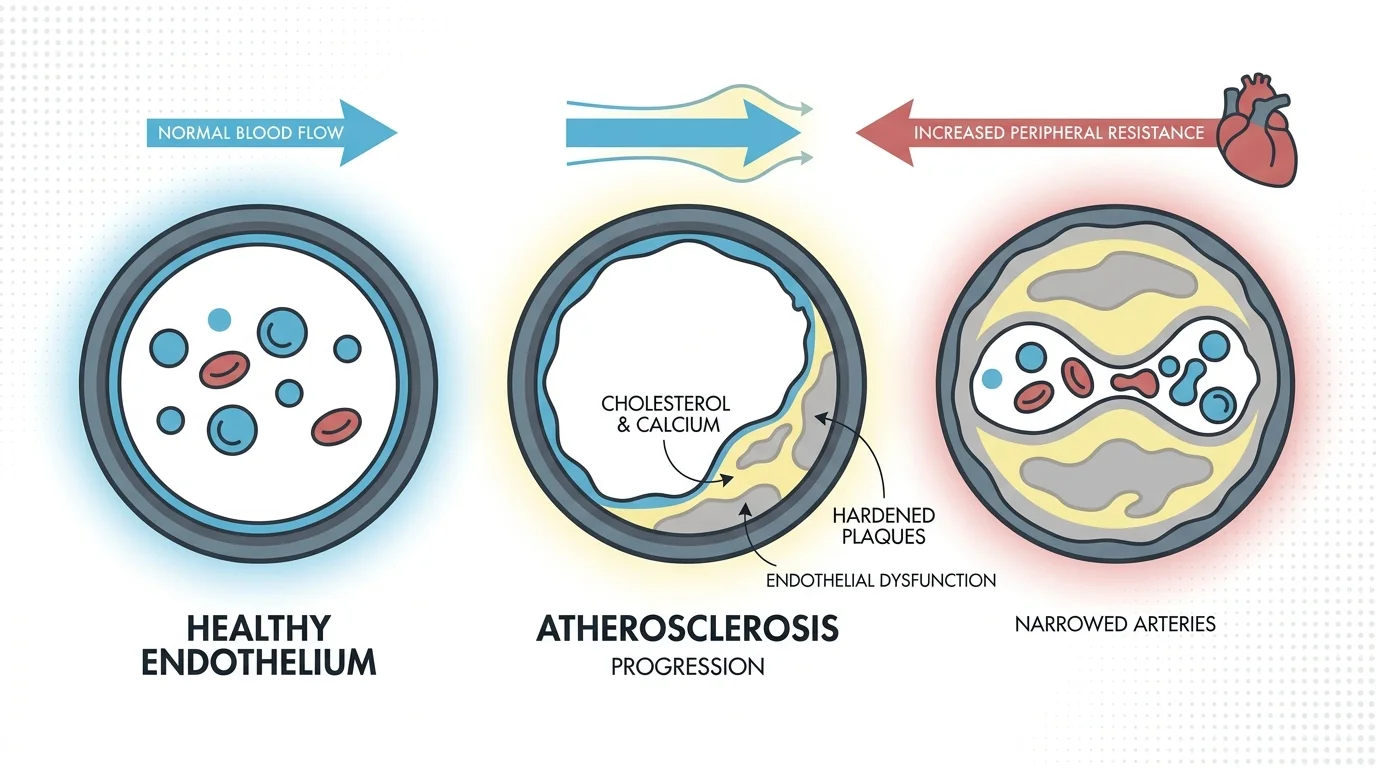
Circulatory issues rarely exist in isolation; they serve as a window into your entire cardiovascular system. Your blood vessels comprise a dynamic, living system lined with a delicate layer of cells called the endothelium. Endothelial dysfunction—the inability of your blood vessels to relax and dilate properly—often precedes significant arterial blockages. When cholesterol, calcium, and inflammatory cells build up along these walls, they form hardened plaques that narrow the passage for blood. Medical professionals refer to this condition as atherosclerosis. If atherosclerosis restricts blood flow in your legs, the same process is highly likely occurring in the coronary arteries feeding your heart and the carotid arteries supplying your brain.
Because your vascular system is entirely interconnected, localized blood flow problems indicate systemic vulnerability. When peripheral resistance increases due to narrowed arteries, your heart must pump harder to push blood through smaller spaces. This chronic overexertion can lead to elevated blood pressure, thickening of the heart muscle, and eventually heart failure. The Centers for Disease Control and Prevention resources on peripheral artery disease note that millions of adults live with compromised circulation, yet many remain undiagnosed because they mistake their physiological warning signs for routine joint pain or general fatigue. Catching these functional changes early shifts the trajectory of your health from reactive treatment to proactive prevention.
9 Signs of Poor Circulation You Shouldn’t Ignore

1. Unexplained Coldness in Your Hands and Feet
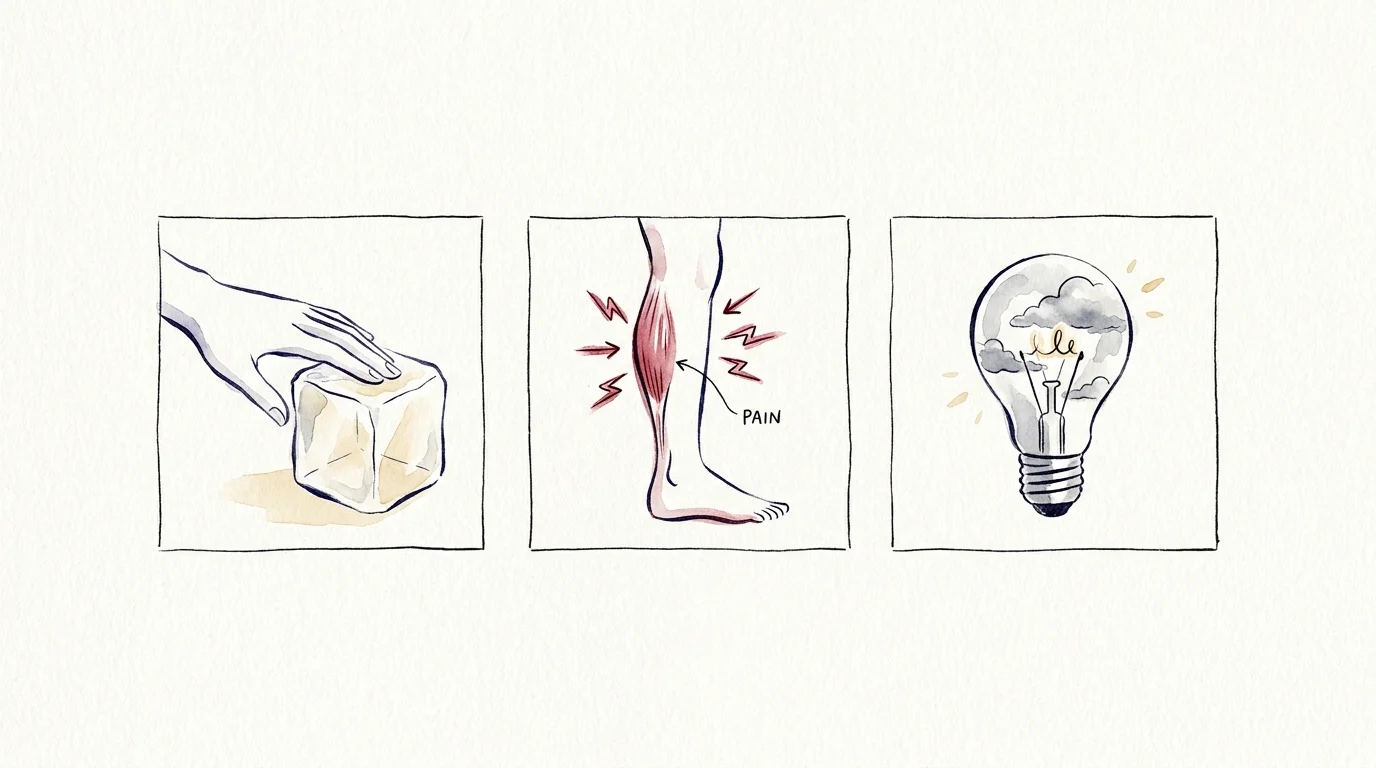
Thermoregulation heavily depends on efficient circulation; your blood carries core body heat to your outermost extremities. When blood flow drops due to narrowed arteries or excessive vasoconstriction, your body instinctively prioritizes keeping vital organs warm, leaving your hands and feet feeling unnaturally cold even in moderate environments. While anyone can experience cold fingers on a winter day, chronic and severe coldness that persists indoors requires medical evaluation. This symptom frequently serves as one of the earliest poor circulation symptoms, signaling that your microvascular system struggles to maintain adequate tissue perfusion at the edges of your circulatory network.
2. Muscular Cramping and Pain During Physical Activity
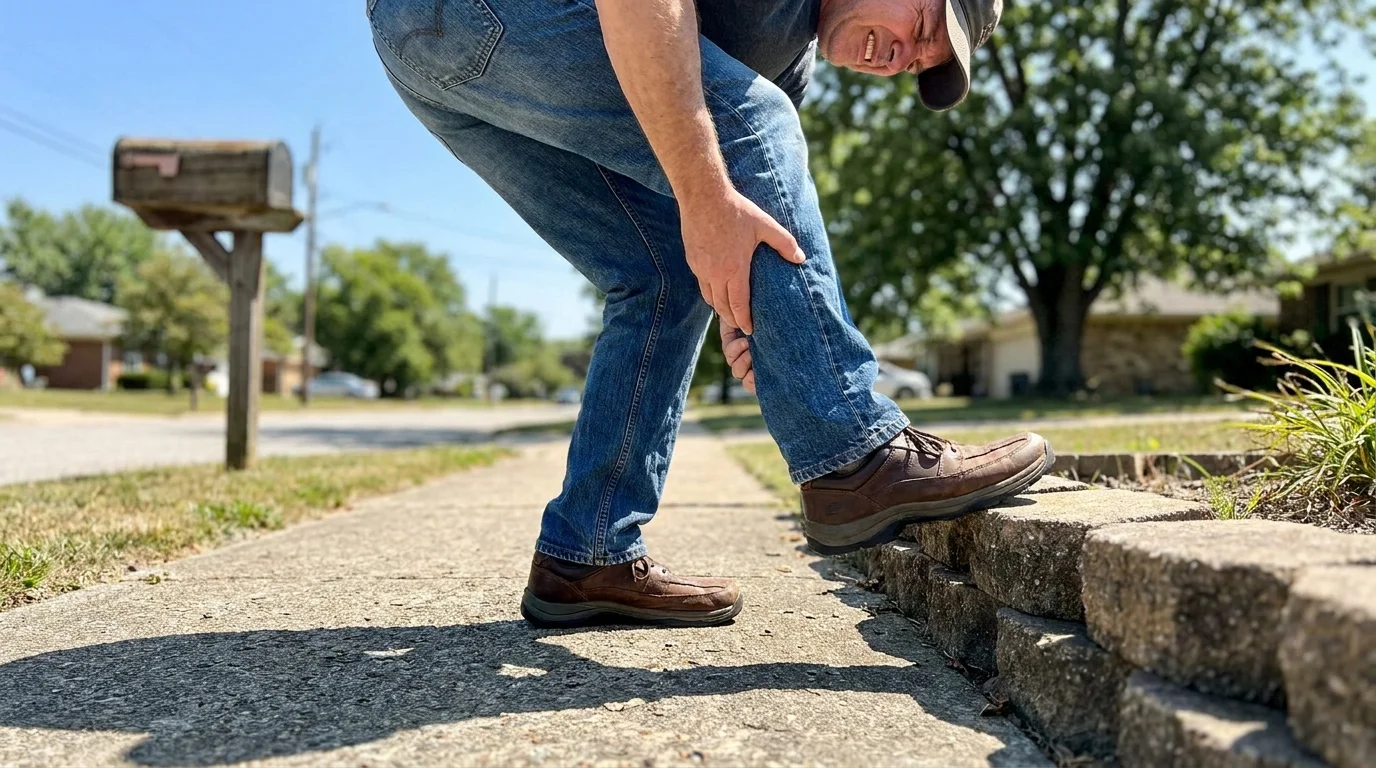
Experiencing sharp, cramping pain in your calves, thighs, or buttocks while walking strongly suggests an oxygen supply and demand mismatch. Known clinically as intermittent claudication, this pain occurs because your working muscles demand more oxygen-rich blood, but narrowed arteries cannot deliver an adequate supply. The muscle tissue essentially begins to suffocate, producing lactic acid and triggering severe pain signals that force you to stop moving. Once you rest, the demand drops, and the pain subsides. Ignoring this classic sign of peripheral artery disease allows arterial blockages to worsen, eventually threatening your overall mobility and cardiovascular stability.
3. Persistent Numbness and Tingling Sensations
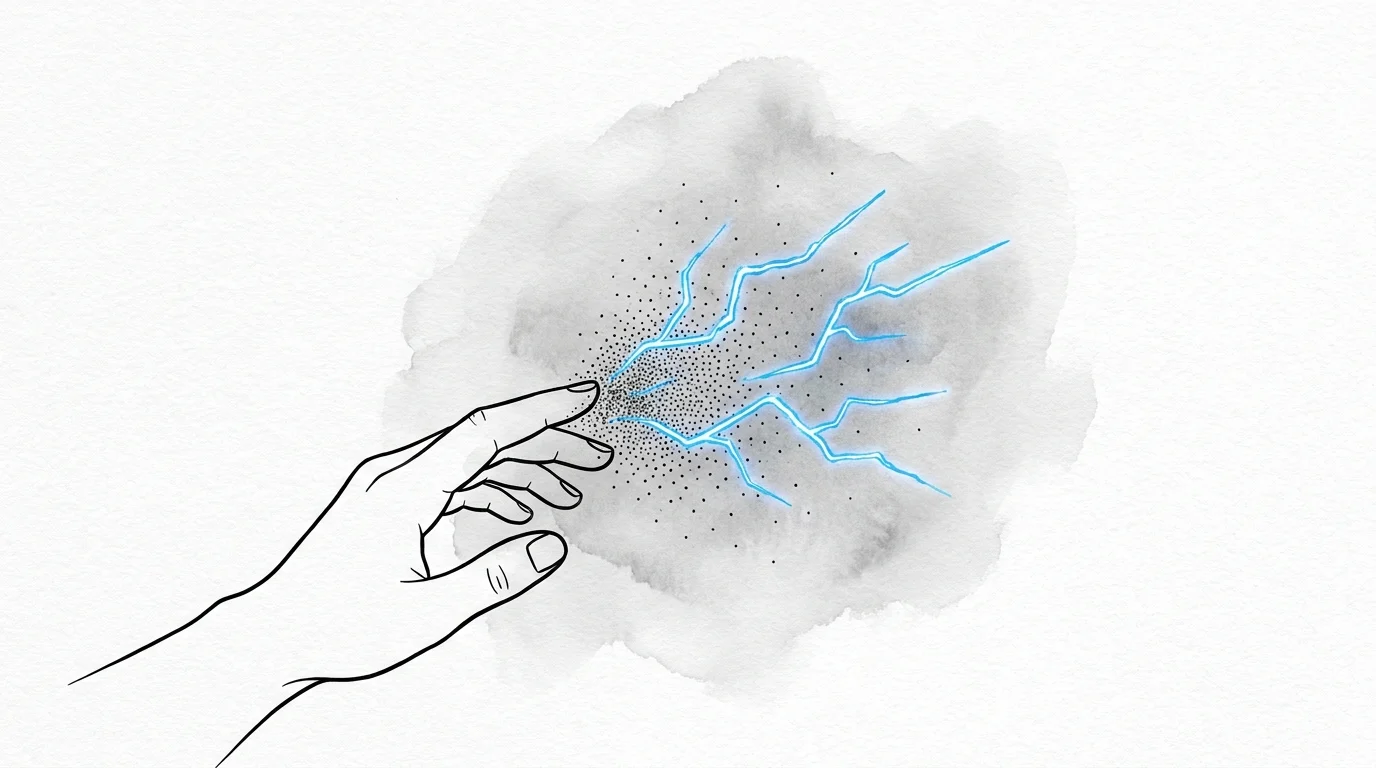
Your peripheral nerves require a constant, robust blood supply to transmit sensory information accurately. When blood flow to these nerves diminishes, they misfire, creating sensations of numbness, tingling, or a feeling of “pins and needles” in your fingers and toes. Prolonged ischemia—a severe lack of oxygenated blood—can cause permanent nerve damage, creating a dangerous overlap between vascular disease and peripheral neuropathy. If you frequently lose sensation in your extremities or feel buzzing sensations without a clear mechanical cause, your circulatory system is likely struggling to nourish your nervous system effectively.
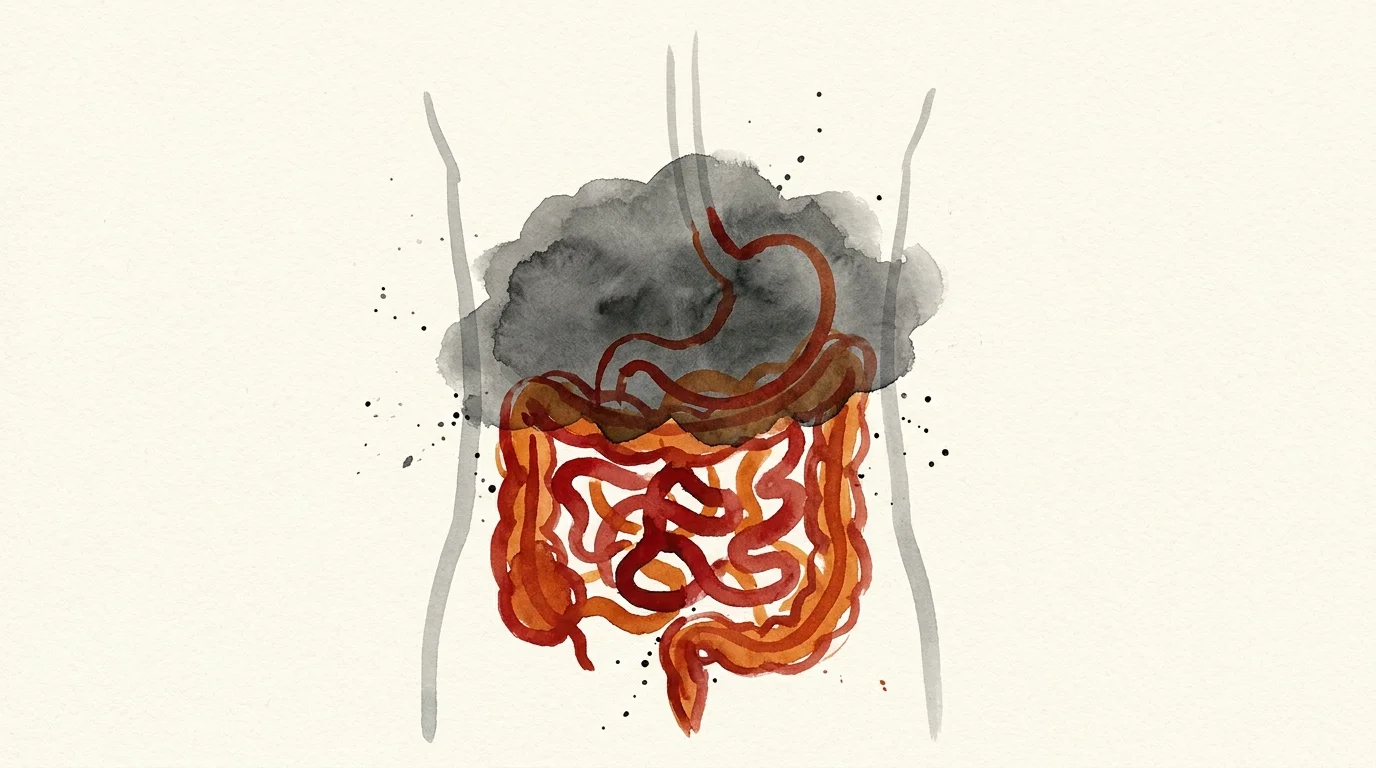
4. Unexpected Digestive Distress and Abdominal Pain
Digestion demands an enormous surge of blood to process nutrients and fuel intestinal motility. When the arteries supplying your gastrointestinal tract become narrowed with plaque, a condition known as mesenteric ischemia can develop. You might experience severe abdominal pain roughly thirty minutes to an hour after eating large meals, as the stomach and intestines plead for blood flow that the compromised arteries cannot provide. Because this pain makes eating deeply uncomfortable, individuals often begin eating smaller portions and experience unexplained weight loss. Gastrointestinal distress linked to eating is a crucial, frequently overlooked warning sign of extensive vascular disease.
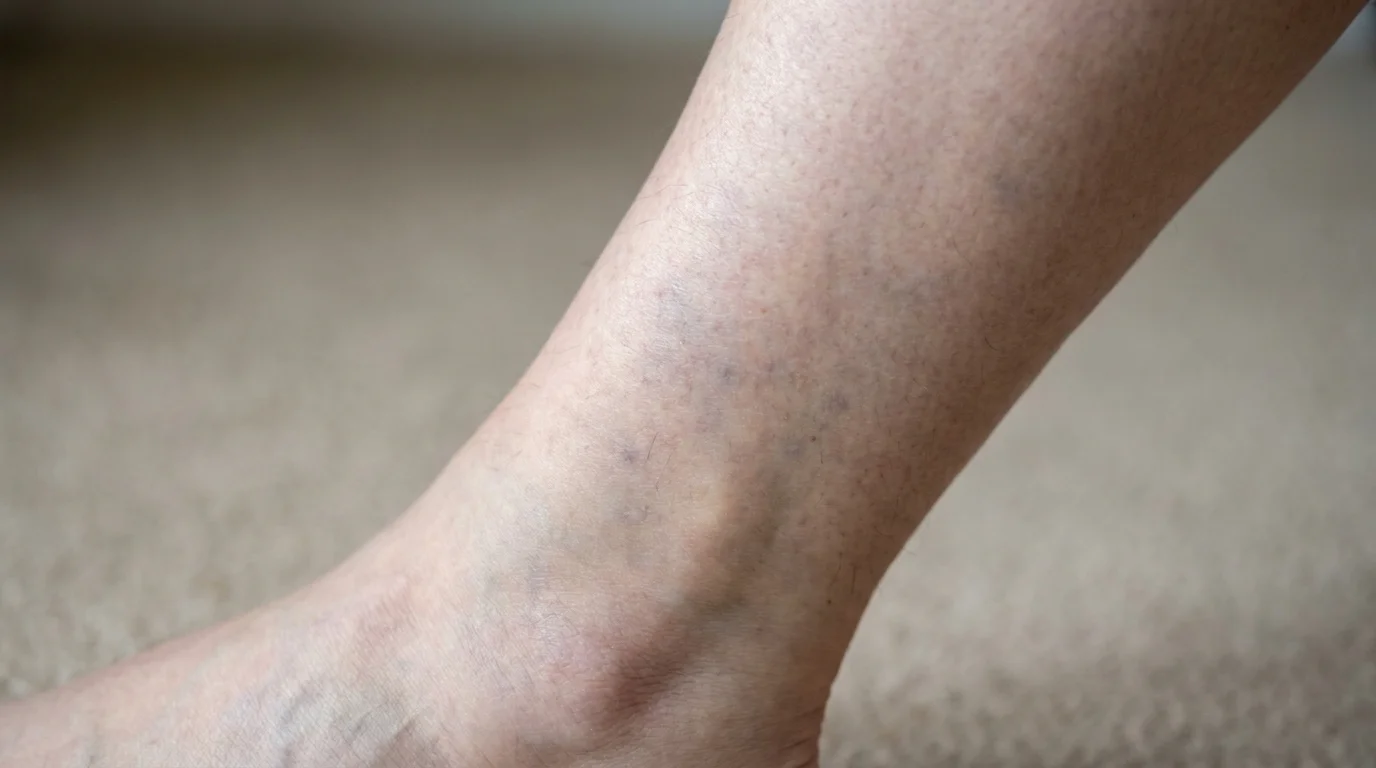
5. Noticeable Changes in Skin Temperature and Color
Your skin health provides a visible, external monitor for your internal vascular function. When arterial blood flow declines, the skin on your lower legs and feet may appear unnaturally pale or take on a bluish tint, known as cyanosis, indicating a severe lack of oxygen. Conversely, venous insufficiency—where blood struggles to travel back up to the heart—can cause the skin around your ankles to look red, purple, or brown due to iron deposits leaking from pooled blood. Additionally, poor circulation often stunts hair growth on the lower legs and leaves the skin looking thin, tight, and unusually shiny.
6. Slow Healing Wounds on Your Extremities
Tissue repair demands a massive influx of oxygen, specialized immune cells, and building blocks to rebuild damaged skin. When blood flow problems restrict this delivery system, even minor scrapes, blistered heels, or ingrown toenails can devolve into chronic, non-healing wounds called vascular ulcers. Arterial ulcers typically form on the tips of toes or the outside of the ankles and appear dry and deeply punched out. Without immediate medical intervention to restore blood flow, these stubborn wounds invite severe infections that can penetrate deep into the bone and ultimately necessitate surgical amputation.
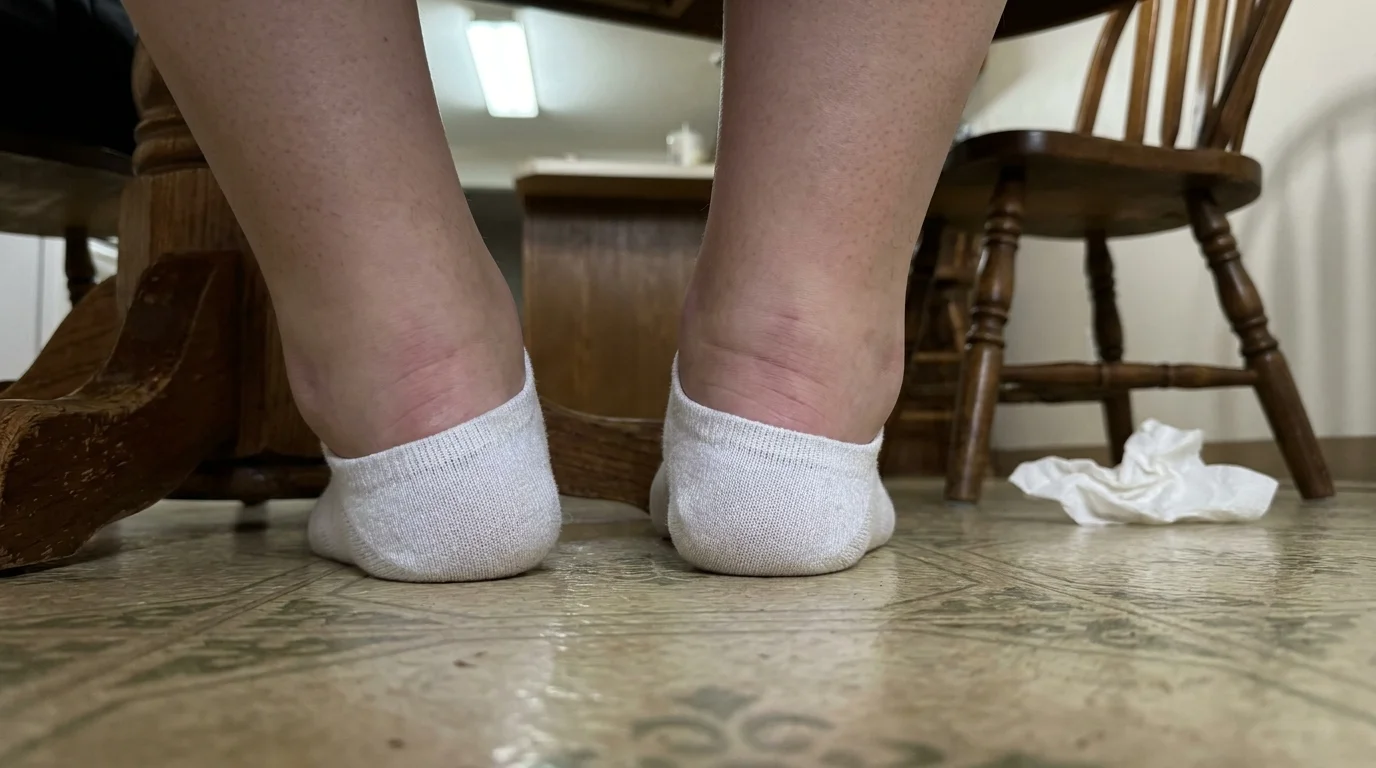
7. Chronic Swelling in the Lower Legs and Ankles
Gravity constantly challenges your circulatory system, forcing your veins to push blood upward against an invisible downward pull. Your veins rely on a series of tiny, one-way valves to prevent blood from flowing backward; when these valves weaken or fail, fluid pools in the lower extremities. This venous hypertension forces plasma out of the blood vessels and into the surrounding tissues, causing noticeable swelling known as edema. Furthermore, if your heart muscle weakens and fails to pump efficiently, blood backs up into the venous system, making severe ankle swelling a primary red flag for an overworked, failing heart.

8. Sudden Cognitive Fog and Memory Challenges
Your brain consumes roughly twenty percent of your body’s total blood and oxygen supply despite making up a tiny fraction of your overall weight. Microvascular disease and narrowed carotid arteries severely limit cerebral perfusion, leading to noticeable cognitive changes. You might experience difficulty concentrating, sudden memory lapses, or an overarching feeling of mental sluggishness. Because optimal neurological function relies entirely on uninterrupted blood flow, persistent cognitive fog can indicate that your brain operates under constant, low-level oxygen deprivation, increasing your risk for vascular dementia and future stroke events.

9. Overwhelming Fatigue and Depleted Energy Levels
Systemic circulation warning signs often manifest as profound, unrelenting exhaustion. When your vascular network is compromised by widespread narrowing, your heart must work significantly harder every single minute to maintain basic life functions. This continuous cardiovascular strain drains your total energy reserves, leaving you feeling exhausted even after a full night of sleep. Furthermore, when your skeletal muscles receive suboptimal blood flow throughout the day, routine tasks like climbing a flight of stairs or carrying groceries require monumental effort, severely diminishing your quality of life.
Strategy Pillars to Improve Your Circulatory Health
Optimizing Nutrition for Endothelial Function
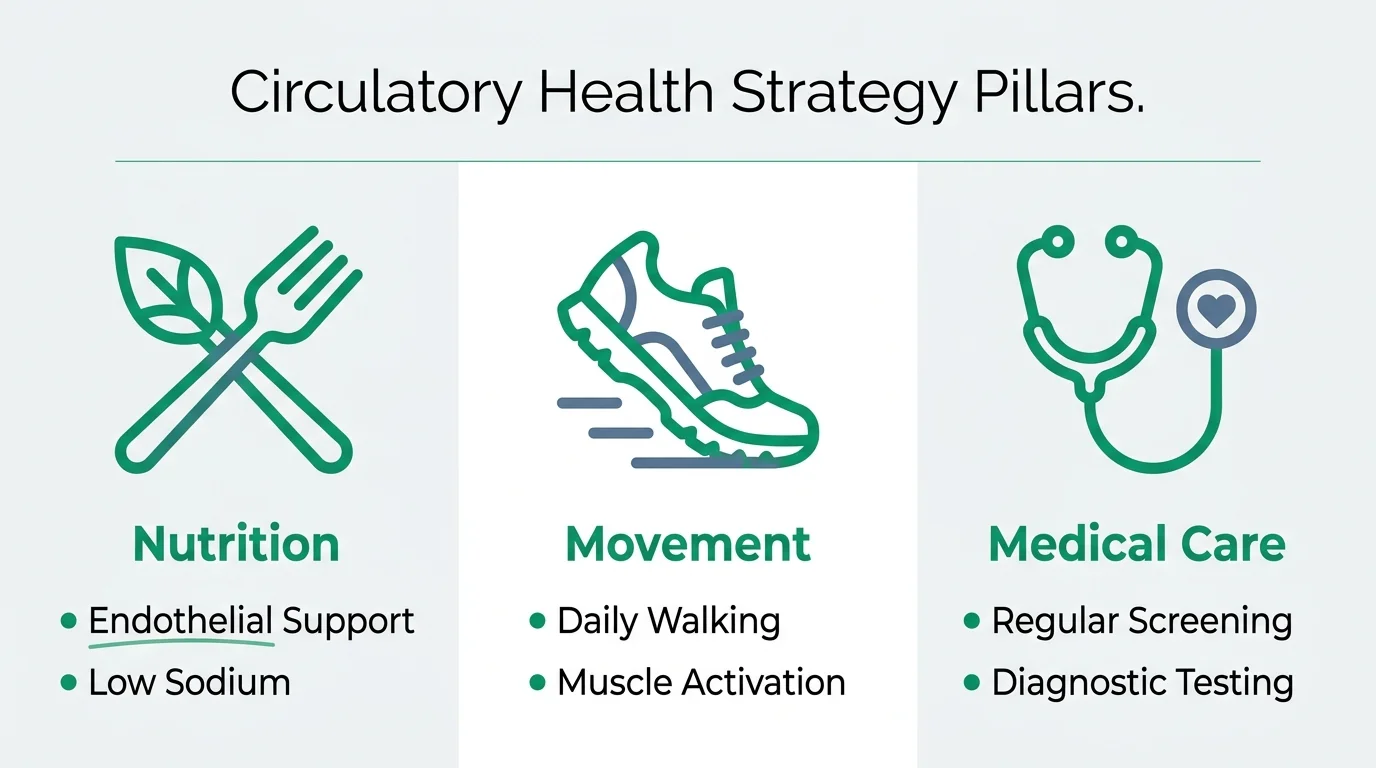
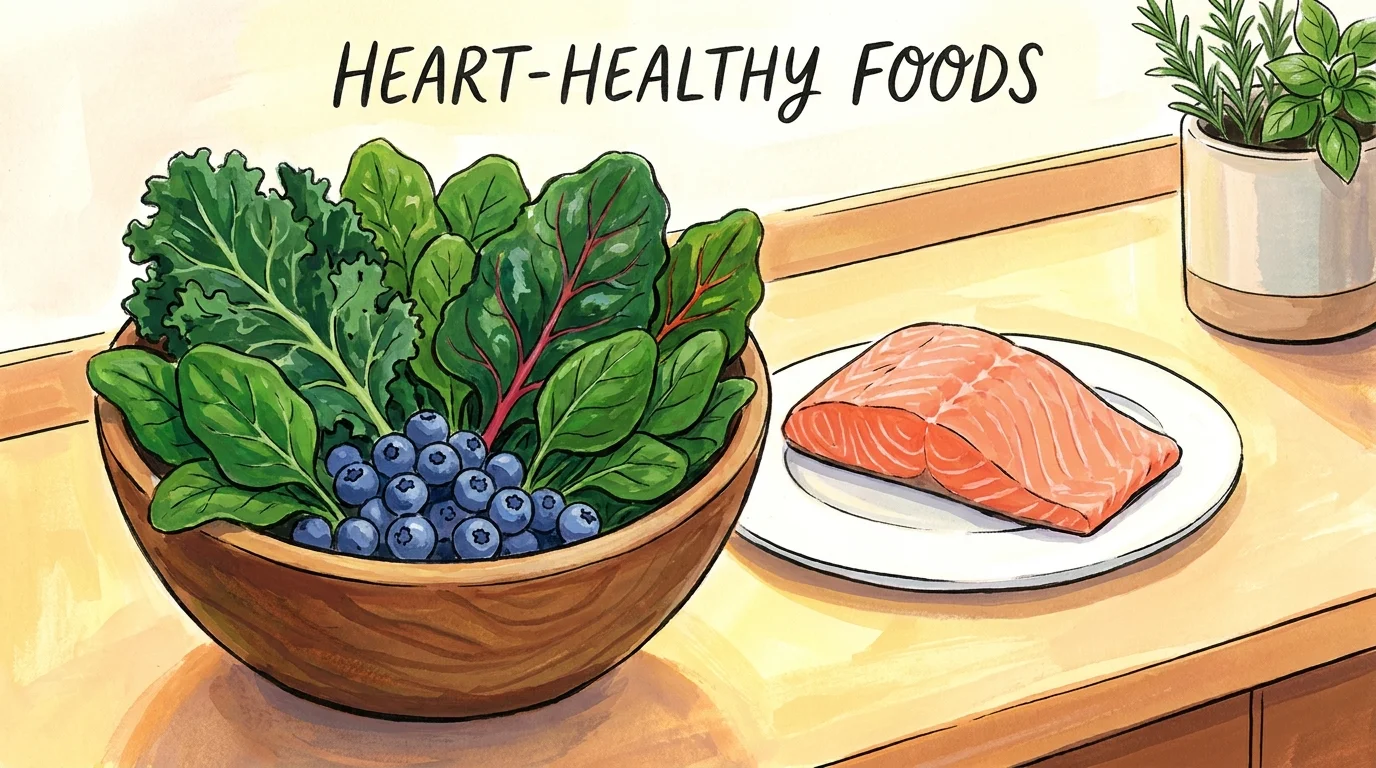
Food choices directly influence the physical structure and flexibility of your blood vessels. Prioritizing foods rich in dietary nitrates, such as beets, spinach, and arugula, enables your body to produce more nitric oxide—a powerful molecule that signals your blood vessels to relax and widen. Reducing your intake of trans fats and highly refined sugars minimizes the chronic inflammation that damages the delicate endothelial lining. Access to fresh produce remains a challenge in many communities; fortunately, frozen or canned vegetables without added sodium offer identical cardiovascular benefits. The Academy of Nutrition and Dietetics cardiovascular nutrition guidelines encourage replacing saturated animal fats with the omega-3 fatty acids found in walnuts, flaxseeds, and fatty fish to help stabilize existing arterial plaques and improve the viscosity of your blood.

Movement as Cardiovascular Medicine
Strategic physical activity acts as the most potent non-pharmaceutical intervention for poor circulation. Engaging in regular aerobic exercise actually forces your body to grow entirely new, smaller blood vessels—a process known as angiogenesis—which creates alternative biological detours around blockages. If you experience muscle cramping during walks, structured walking programs can train your muscles to utilize oxygen more efficiently. Walk until the pain reaches a moderate level, rest until it subsides, and then resume walking. For individuals dealing with mobility restrictions or living in areas without safe pedestrian infrastructure, indoor cycling, seated resistance training, or water aerobics provide incredible cardiovascular stimulation without requiring high-impact joint stress. The American Heart Association guidelines for peripheral vascular conditions highlight that consistent, supervised exercise regimens often deliver results comparable to invasive vascular procedures.

Seeking Proactive Medical Care and Diagnostics
Lifestyle adjustments provide a vital foundation, but professional medical evaluation remains critical for diagnosing the exact nature of your blood flow problems. Physicians employ non-invasive tools like the Ankle-Brachial Index, which compares the blood pressure in your arm to the pressure in your ankle, to detect silent arterial disease. Doppler ultrasound imaging allows vascular specialists to visualize the exact speed and direction of blood moving through your arteries and veins, identifying precise areas of turbulent flow or blockage. Partnering with a healthcare provider allows you to access medications that prevent blood clots, lower cholesterol, and manage blood pressure, forming a comprehensive defense strategy against cardiovascular decline.

Real Voices from Clinical Practice
Cardiologists and vascular specialists frequently observe that patients endure poor circulation symptoms for years before seeking help. Physicians emphasize that accepting foot pain or profound fatigue as an inevitable part of getting older represents a dangerous misconception. Clinical experts routinely highlight the profound relief patients feel when they finally receive a diagnosis and realize their physical decline is treatable. When patients undergo vascular rehabilitation or necessary surgical interventions, they often report a dramatic return of energy and cognitive clarity, proving that restoring robust blood flow breathes new life into the entire body. The National Heart, Lung, and Blood Institute research on atherosclerosis confirms that early identification paired with aggressive lifestyle and medical management dramatically reduces the incidence of heart attacks and limb loss, validating the importance of listening to your body’s early distress signals.
Frequently Asked Questions About Circulation Warning Signs
Can stress and anxiety create symptoms that mimic poor circulation?
Yes; acute psychological stress and anxiety trigger your body’s sympathetic nervous system, releasing a flood of adrenaline. This hormone naturally constricts the blood vessels in your hands and feet to redirect blood toward your major muscle groups for a fight-or-flight response. While this temporary phenomenon causes cold, tingling hands, chronic anxiety keeps your vascular system in a perpetual state of tension. Differentiating between stress-induced constriction and structural vascular disease usually requires medical observation, as structural blockages will persist even when you feel completely relaxed.
Are compression socks and garments safe for all types of blood flow problems?
Compression garments provide excellent therapeutic benefits for individuals suffering from venous insufficiency by squeezing the lower legs and helping sluggish veins push blood back toward the heart. However, if your circulation warning signs stem from severe peripheral artery disease, applying tight compression socks can dangerously restrict whatever little arterial blood flow remains, potentially accelerating tissue death. You must secure a proper vascular diagnosis from a physician before utilizing compression therapy to ensure you are treating the correct underlying physiological issue.
How quickly can lifestyle interventions improve heart health symptoms?
The timeline for vascular improvement depends entirely on the specific intervention. Consuming nitrate-rich foods can enhance endothelial function and temporarily improve blood flow within mere hours of digestion. Conversely, growing new collateral blood vessels through a dedicated walking program requires consistent effort over three to six months. Stabilizing existing arterial plaques and lowering systemic inflammation demands a long-term commitment to dietary changes and prescribed medications. While you may notice subtle improvements in energy quickly, true structural healing requires patience and unyielding consistency.
When do poor circulation symptoms require emergency medical attention?
While most circulatory issues develop gradually over decades, acute arterial occlusion constitutes a severe medical emergency. If an extremity suddenly becomes entirely numb, dramatically pale or blue, extremely cold to the touch, and intensely painful, a blood clot may have completely blocked a major artery. This condition, known as acute limb ischemia, demands immediate emergency room intervention; failure to restore blood flow within a few hours frequently results in irreversible muscle and nerve death, leading to immediate surgical amputation.
Taking Your First Step Toward Better Blood Flow
Navigating the complexities of your cardiovascular system does not require you to overhaul your entire life overnight. Acknowledging that your physical symptoms communicate vital information about your vascular health empowers you to take decisive, measured action. Begin by simply tracking your poor circulation symptoms for a week; note when your legs ache, how often your feet turn pale, and precisely when your energy crashes. Bring this detailed observation log to your primary care physician to initiate a structured evaluation of your vascular health. By prioritizing your circulatory system today, you invest in the oxygen-rich vitality your heart and body need to thrive for the rest of your life.



Leave a Reply