

Chronic stress manifests in bizarre physical ways that go far beyond standard tension headaches and occasional insomnia, offering you a vital roadmap to better health if you know what to look for. Recognizing these subtle, unusual signs allows you to intervene early and protect your long-term wellbeing before serious medical conditions develop. Your central nervous system continuously communicates distress through your skin, digestion, and even your teeth, turning emotional burdens into tangible physiological symptoms. When you finally decode these perplexing body signals, you gain the power to implement targeted lifestyle changes that effectively lower cortisol levels and restore balance. Understanding the peculiar ways anxiety reshapes your biology transforms confusion into an actionable strategy for profound holistic healing.
The Hidden Language of Chronic Stress
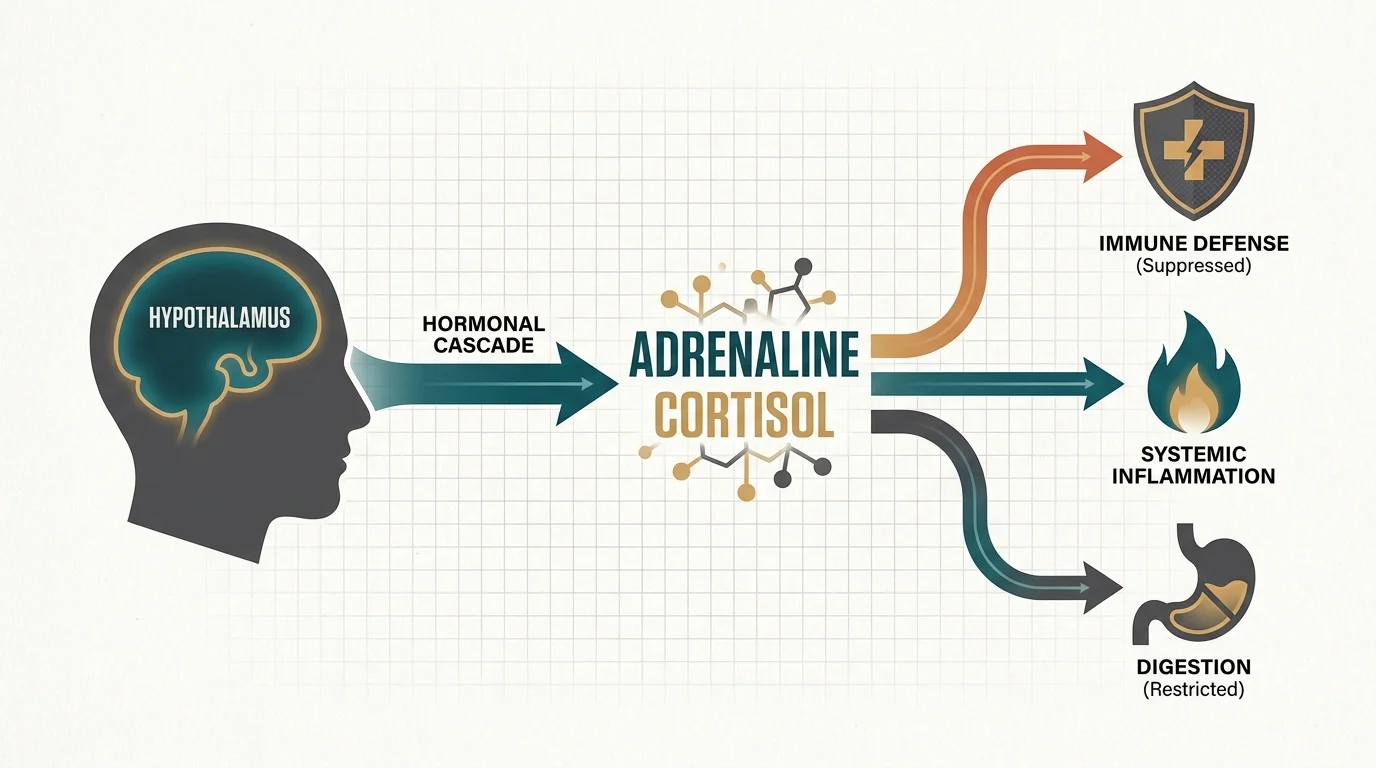
When your brain perceives a threat, your hypothalamus triggers a sudden, powerful cascade of hormones—chiefly adrenaline and cortisol—designed to keep you safe from immediate physical danger. This biological reaction serves you beautifully during acute, short-term emergencies, giving you the burst of energy needed to flee from harm. However, modern lifestyles frequently leave your sympathetic nervous system stuck in an active state, exposing your delicate tissues to prolonged hormonal flooding that completely disrupts normal cellular function. Scientists and medical researchers now understand that chronic emotional distress fundamentally alters your immune response and baseline systemic inflammation levels.
Elevated cortisol suppresses your primary immune defenses while simultaneously promoting dangerous, low-grade inflammation throughout your entire body. This creates a highly paradoxical physical state where you become remarkably susceptible to catching common infections, yet you also remain prone to severe autoimmune-like overreactions. The constant systemic disruption severely slows your digestion, alters the critical permeability of your intestinal barrier, restricts essential blood flow to your extremities, and severely heightens the sensitivity of your nerve endings. These cascading physiological shifts explain perfectly why psychological distress rarely stays confined to your mind; it actively transforms the chemical environment of your cells. Learning to accurately translate this physical language empowers you to seek proper holistic support before temporary, annoying symptoms evolve into permanent, debilitating chronic conditions. Ignoring these early warning signs merely forces your nervous system to speak louder, eventually manifesting in the weird, deeply uncomfortable symptoms that drive many patients to seek medical care.
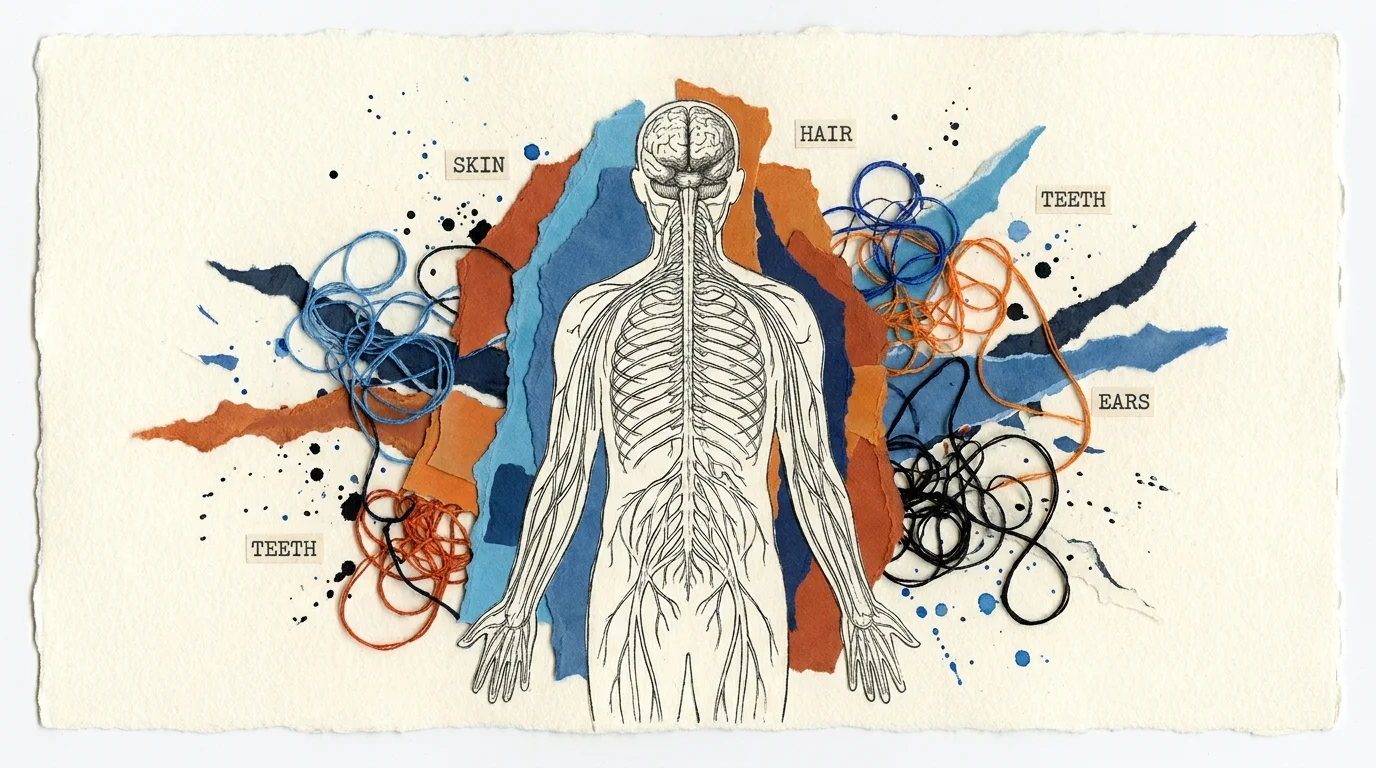
8 Weird Symptoms Linked to Nervous System Overload

1. Unexplained Skin Rashes and Hives
You might wake up to find patchy red rashes or intensely itchy hives spreading across your chest, arms, or face without any apparent exposure to new allergens, harsh soaps, or unfamiliar environments. High levels of persistent anxiety prompt your immune system to release excessive amounts of histamine, the specific chemical responsible for triggering aggressive allergic reactions. Because your body operates under the false, stress-induced assumption that it must vigorously fight off an immediate physical invader, it creates a powerful inflammatory skin response out of thin air. These bizarre stress rashes often flare up significantly during periods of intense emotional pressure at work or home, and they typically fade away once your nervous system finally regulates itself. Managing this frustrating symptom requires cooling the irritated skin with damp compresses and actively addressing the underlying emotional tension, rather than simply relying on over-the-counter topical antihistamines that only mask the superficial reaction.

2. Sudden Hair Loss Long After a Difficult Event
Finding sudden, massive clumps of hair in your shower drain frequently sends people into a state of sheer panic, which ironically generates even more anxiety for an already fragile nervous system. This specific type of non-scarring hair loss, clinically known by dermatologists as telogen effluvium, occurs when a severe emotional shock, profound grief, or prolonged workplace pressure aggressively forces active hair follicles into a premature resting phase. The bizarre aspect of this physiological symptom is the deeply confusing delayed timeline. The actual visible shedding usually happens three to six months after the intensely stressful event originally occurred, making it incredibly difficult for patients to connect the two seemingly unrelated experiences. Fortunately, once the primary emotional stressor resolves and your systemic cortisol levels normalize, the dormant hair follicles eventually return to their active growth phase, though restoring full thickness requires significant patience and excellent nutritional support.
3. Bleeding Gums and Deteriorating Oral Health
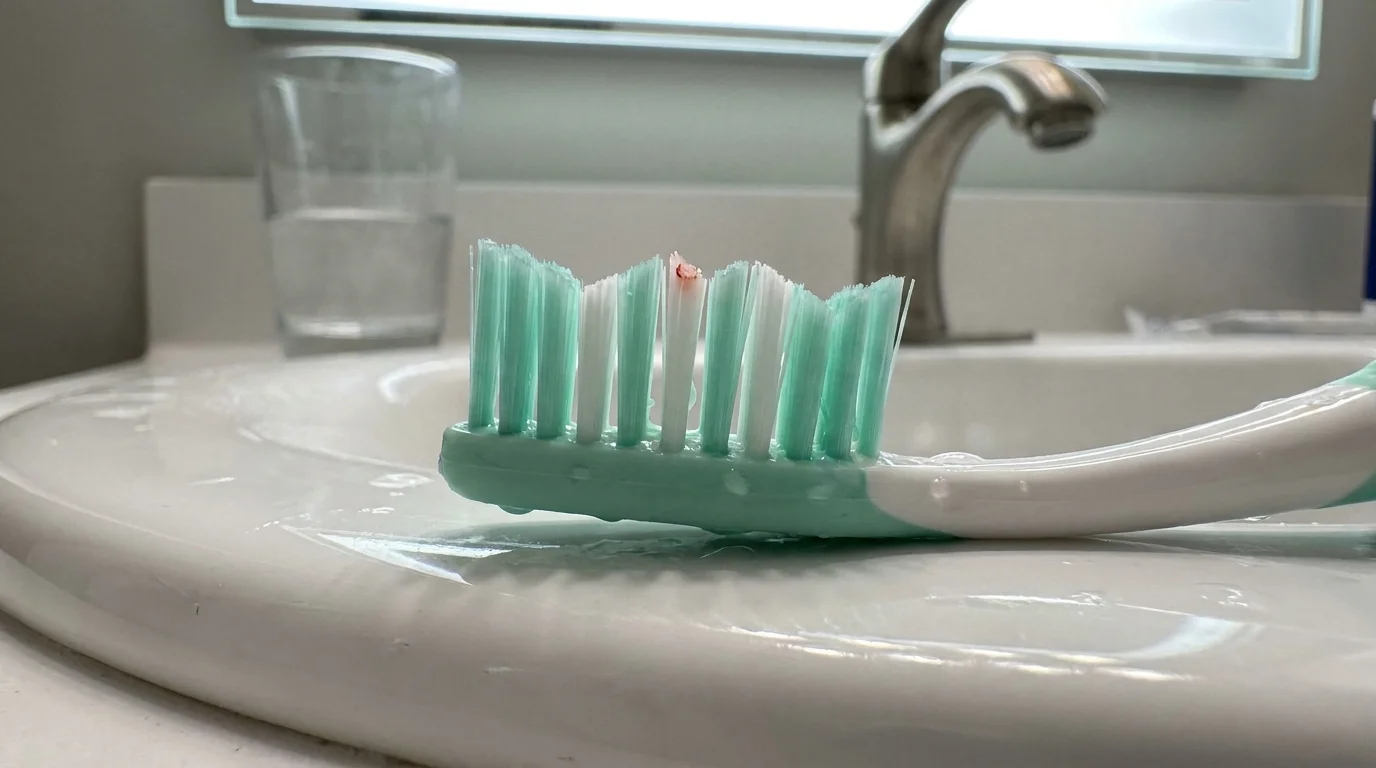
Your oral health serves as a highly accurate, yet often ignored, barometer for your overall systemic stress levels. Prolonged cortisol exposure severely compromises your delicate immune system, making it incredibly difficult for your body to fight off the naturally occurring, opportunistic bacteria residing in your mouth. This immune vulnerability directly leads to painfully inflamed, easily bleeding gums and an exponentially increased risk of developing advanced periodontal disease. Additionally, emotional tension frequently triggers subconscious teeth grinding and aggressive jaw clenching, particularly while you sleep through the night. Over time, this repetitive mechanical trauma chips away at your hard tooth enamel, causes receding gums, and creates chronic, debilitating pain in your temporomandibular joints. Dentists frequently spot these stress markers long before patients consciously realize the heavy psychological burden they carry.
4. Persistent Ringing or Buzzing in Your Ears
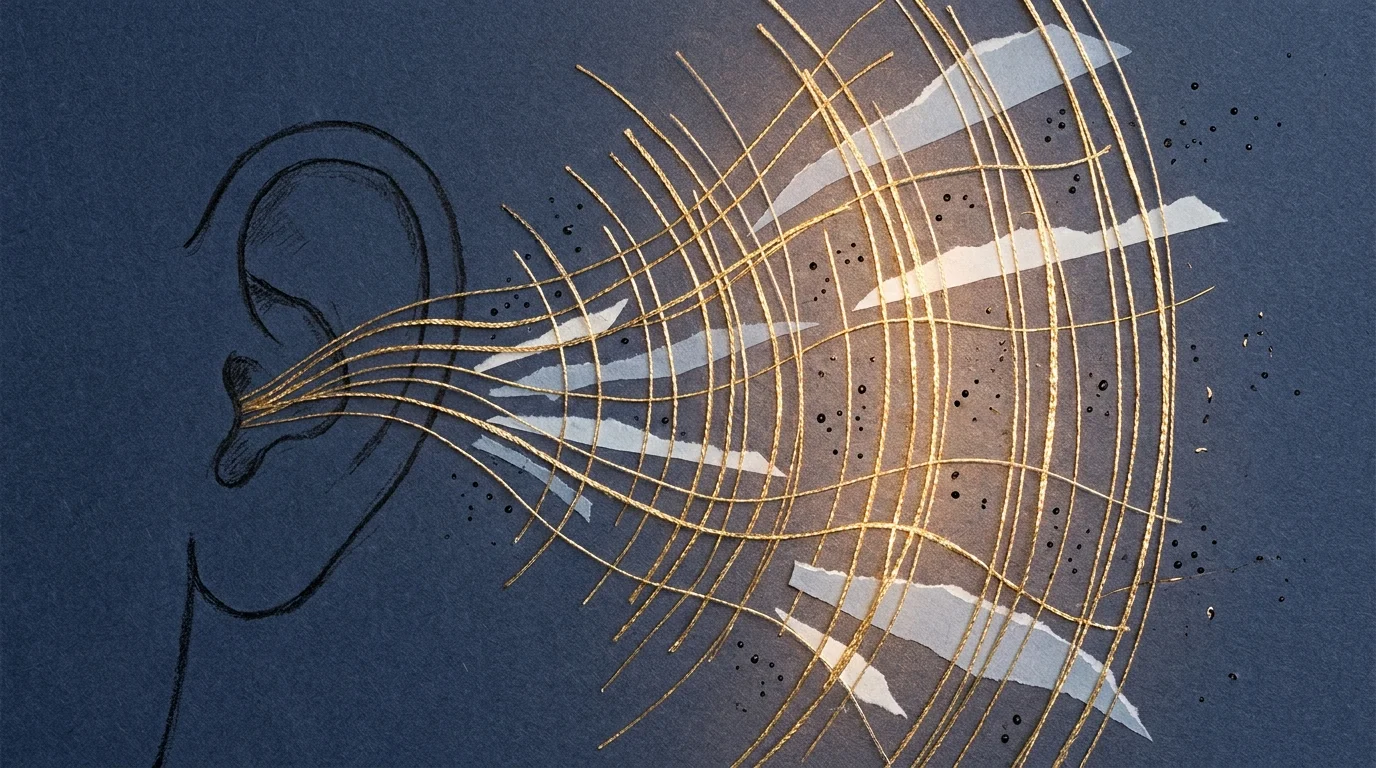
Experiencing a sudden, high-pitched ringing, buzzing, or hissing sound in your ears without any identifiable external source indicates a condition called tinnitus, which modern doctors increasingly link to severe emotional overload. The complex, highly sensitive network of cranial nerves connecting your auditory cortex directly to your brain’s emotional processing centers becomes deeply hyperactive when you feel constantly overwhelmed by daily life. The continuous, exhausting flood of adrenaline makes your delicate auditory pathways painfully hypersensitive, causing them to generate phantom sounds that no one else can hear. Attempting to force the ringing to stop often creates a vicious cycle of frustration and louder perceived noise. Addressing the underlying psychological strain through proven relaxation techniques often dramatically decreases the perceived volume and intensity of the ringing, bringing you much-needed neurological quiet.
5. Night Sweats and Intensely Vivid Dreams
Waking up completely drenched in sweat despite sleeping comfortably in a cool, well-ventilated room often points directly to severe autonomic nervous system dysregulation. While night sweats can indicate various serious medical conditions that absolutely require thorough professional evaluation, they frequently result from stress-induced adrenaline spikes completely disrupting your body’s internal temperature regulation during the deepest phases of sleep. Furthermore, chronic anxiety actively fragments your crucial sleep architecture, keeping you trapped in lighter, less restorative stages of sleep and abnormally increasing the frequency of rapid eye movement cycles. This neurological disruption leads directly to intensely vivid, emotionally charged, and often bizarre dreams that you remember with striking clarity upon waking, leaving you feeling entirely unrefreshed and deeply exhausted the following morning.
6. Eyelid Spasms and Random Muscle Twitches
A persistently twitching lower eyelid or a random, fluttering muscle spasm in your arm serves as one of the most common, yet deeply annoying, physical manifestations of a heavily taxed nervous system. This peculiar phenomenon, clinically known as myokymia, frequently strikes with full force when you combine prolonged emotional strain with chronic sleep deprivation and excessive daily caffeine intake. The continuous presence of circulating stress hormones rapidly depletes your body’s cellular stores of vital minerals, particularly magnesium, which your muscle fibers desperately need in order to smoothly contract and relax. Replenishing these crucial nutrients through diet and finding actionable ways to signal physical safety to your anxious brain can quickly calm these erratic, highly distracting muscular misfires before they spread to other muscle groups.

7. Nausea and Sudden Food Sensitivities
The powerful gut-brain connection dictates that whatever your conscious mind experiences, your sensitive stomach feels just as intensely. An overloaded, highly stimulated nervous system quickly draws vital, oxygen-rich blood flow away from your digestive tract, severely slowing down normal gastric motility and halting the production of essential digestive enzymes. You might suddenly develop intense, unexplained nausea, painful abdominal bloating, or highly unpredictable physical sensitivities to healthy foods you have eaten comfortably for years. This severe physical distress occurs precisely because chronic stress actively alters the delicate bacterial composition of your gut microbiome and dangerously increases the permeability of your intestinal lining, causing widespread systemic inflammation that cleverly masquerades as an acute, isolated digestive disorder.
8. Psychogenic Fever and Temperature Spikes
Perhaps the absolute most peculiar physical symptom of all involves experiencing a literal, objectively measurable increase in your core body temperature directly linked to intense emotional distress. Known widely in medical literature as psychogenic fever, this bizarre condition occurs when acute emotional trauma or chronic, unyielding anxiety severely overstimulates the hypothalamus, the specific brain region that acts as the primary internal thermostat for your entire body. Unlike a standard infectious fever caused by a circulating virus, this stress-induced temperature spike does not respond effectively to normal over-the-counter fever-reducing medications. It only successfully subsides when you actively utilize targeted relaxation techniques, practice deep somatic breathing, or permanently remove yourself from the highly toxic, stressful environment directly triggering the dramatic physiological response.
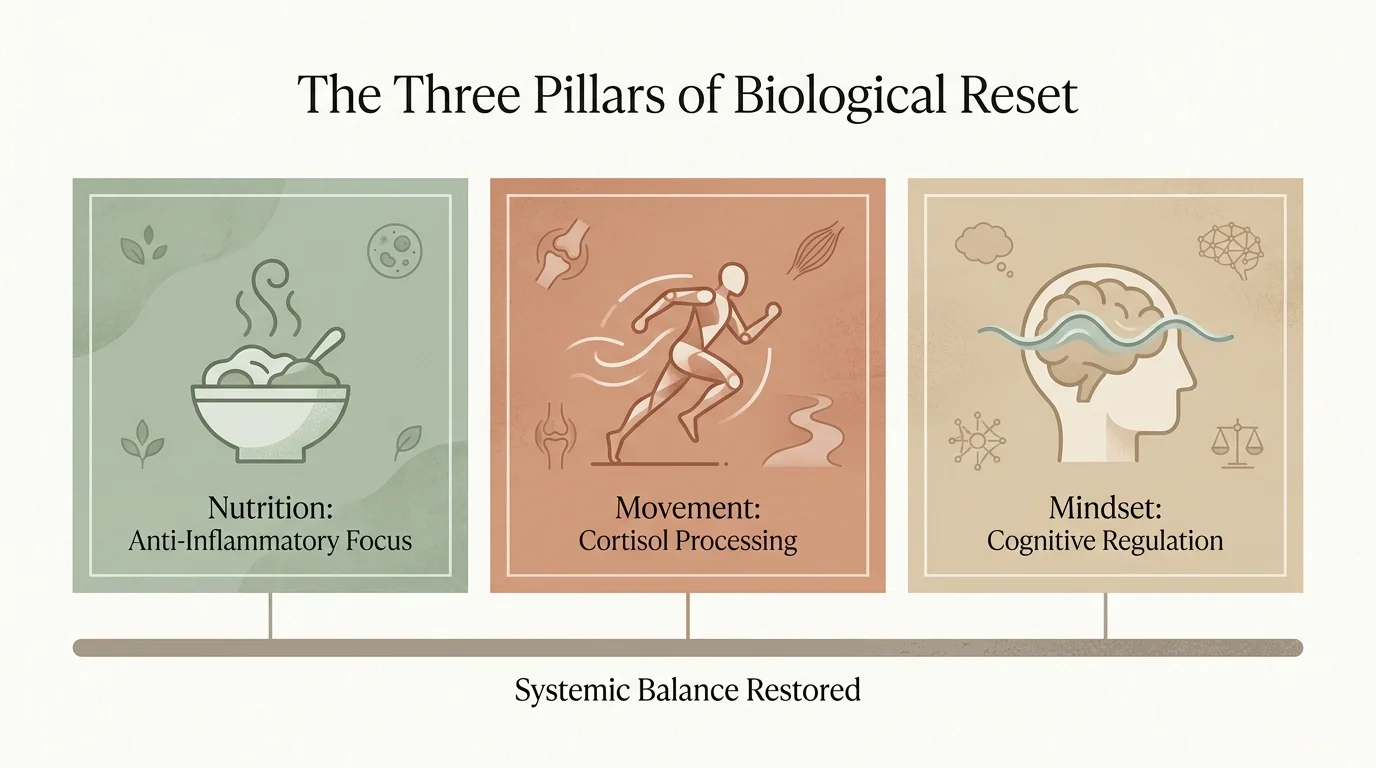
Actionable Strategies to Reset Your Biology

Nutrition: Fueling Physical Resilience
Supporting your nervous system begins with providing your body the exact raw materials it needs to process stress hormones efficiently. Focus on incorporating magnesium-rich foods like dark leafy greens, almonds, and pumpkin seeds into your daily meals, as your body rapidly burns through this mineral during times of anxiety. Consuming adequate omega-3 fatty acids from wild-caught fish, walnuts, and chia seeds helps reduce the systemic inflammation triggered by elevated cortisol. You must also prioritize stabilizing your blood sugar by pairing complex carbohydrates with high-quality protein and healthy fats at every meal. Drastic blood sugar fluctuations mimic the physical sensation of a panic attack, further confusing your already sensitive nervous system. For detailed, medically backed guidance on vital mineral requirements, you can consult the extensive resources provided by the National Institutes of Health Office of Dietary Supplements.

Movement: Processing Trapped Stress Hormones
When adrenaline floods your system, your body prepares to physically fight or run away. If you sit entirely still while experiencing severe emotional distress, those potent stress hormones remain trapped in your tissues, directly leading to the bizarre physical symptoms described earlier. You must complete the biological stress cycle through intentional movement. Engaging in bilateral stimulation—such as brisk walking, jogging, or cycling—forces the left and right hemispheres of your brain to communicate effectively, naturally regulating emotional intensity. Gentle yoga and somatic stretching also release the deep muscular tension that inevitably accumulates in your jaw, neck, and pelvic floor. The goal is not exhausting cardiovascular exercise, but rather consistent, mindful movement that signals physical safety to your highly anxious brain.
Mindset: Cognitive Shifts for Healing
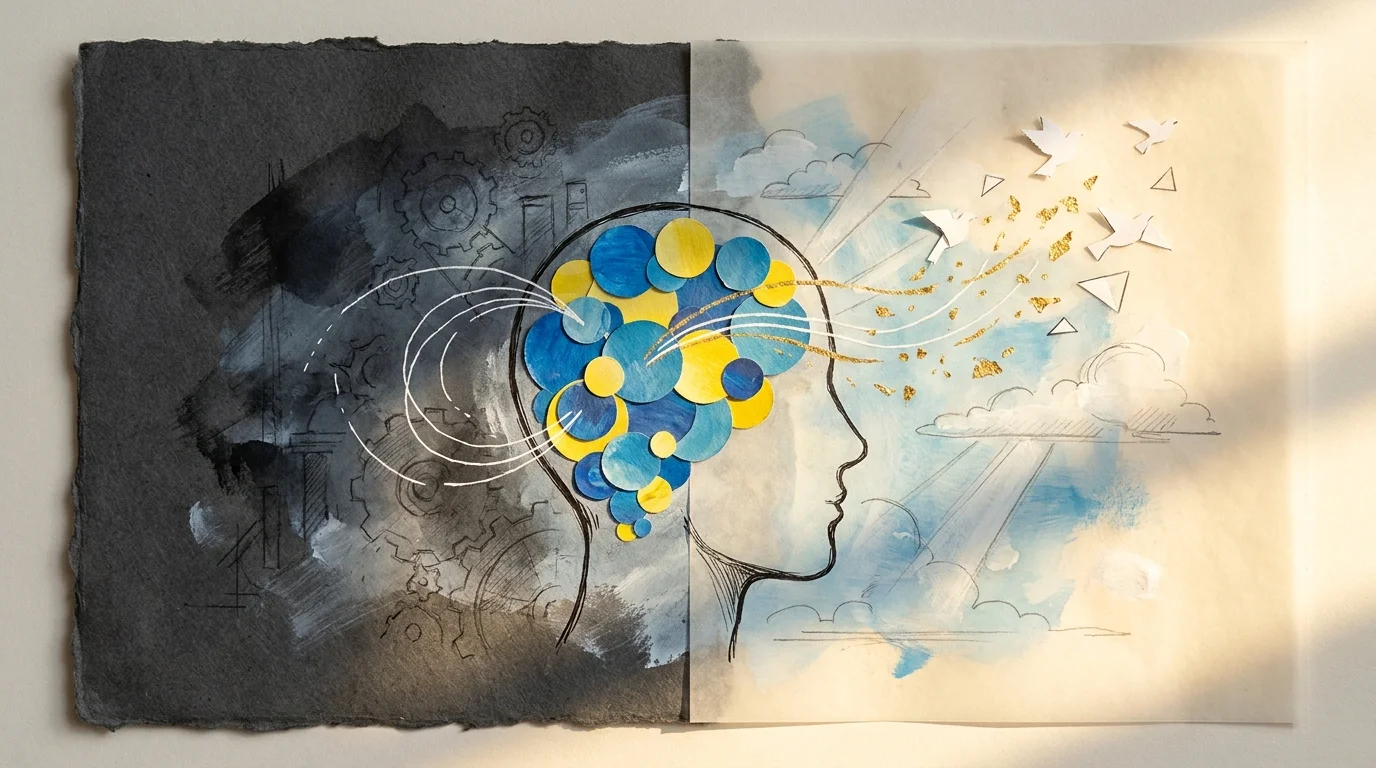
Breaking the destructive fear-symptom loop requires a fundamental shift in how you mentally interpret your bodily sensations. When you experience a strange symptom like a twitching eyelid or a sudden rash, panicking about the symptom only triggers a secondary release of adrenaline, making the physical issue significantly worse. Practice proactive cognitive reframing by gently acknowledging the physical sensation without immediate judgment. Journaling your physical symptoms alongside your emotional state can help you identify clear, actionable patterns between your anxiety levels and your bodily distress. By viewing these bodily signals as helpful warning lights rather than dangerous threats, you dramatically reduce the psychological weight of the experience. Connecting with behavioral health experts through organizations like the American Psychological Association offers excellent frameworks for successfully managing this crucial mental transition.
Expert Voices: What Clinical Professionals Want You to Know
Healthcare professionals increasingly recognize the profound physical toll of psychological burdens on the human body. Integrative medicine physicians frequently note that patients undergo extensive, highly expensive diagnostic testing for mysterious, painful symptoms, only to discover that their nervous system is simply crying out for a profound break. Acknowledging stress as a legitimate physiological driver of disease does not diminish the reality of your pain; rather, it empowers you to treat the true root cause. In recent years, global health authorities, including the World Health Organization, have officially recognized burnout as a major occupational phenomenon, validating the severe physical deterioration that occurs when chronic workplace stress goes unmanaged. Medical experts urge you to honor your physical limitations and strongly advocate for comprehensive care that actively addresses both your mind and your body.
Frequently Asked Questions
How long does it take for physical symptoms to disappear once I relax?
The timeline for symptom resolution depends heavily on the specific bodily system affected and how long you have endured the chronic stress. Nervous system responses like eyelid twitches or superficial stress rashes can dissipate within a few days of aggressive rest and nervous system regulation. However, symptoms tied to longer biological cycles, such as massive hair loss or severe digestive disruptions, often take a full three to six months to fully resolve. Patience and highly consistent lifestyle interventions remain absolutely essential for long-term recovery.
Can stress cause symptoms that mimic serious diseases?
Absolutely. Severe anxiety and chronic distress can generate powerful physical symptoms that closely mimic serious cardiovascular, neurological, or autoimmune diseases. Chest pain, severe numbness, chronic fatigue, and heavy cognitive fog frequently stem directly from an overwhelmed nervous system. However, you must never assume a new, frightening symptom is entirely stress-related without professional confirmation. Always consult a licensed medical professional to thoroughly rule out underlying organic pathology before treating the issue solely through lifestyle modifications. Guidance directly from the Centers for Disease Control and Prevention strongly recommends this balanced, cautious approach.
Why do my weird symptoms seem to get significantly worse at night?
Throughout the busy day, work demands, social interactions, and daily chores provide a constant stream of external distractions that aggressively pull your focus away from your physical body. When you finally lie down in a quiet, dark room, these distractions completely vanish, making you hyper-aware of every minor twitch, ringing ear, or racing heartbeat. Furthermore, a dysregulated nervous system frequently disrupts your natural cortisol curve, causing a bizarre, highly inappropriate spike in stress hormones late in the evening when your body should naturally be winding down for restorative sleep.
Are certain people more prone to experiencing physical manifestations of stress?
Yes, significant biological and environmental vulnerability factors exist. Individuals with a complex history of trauma frequently demonstrate heightened somatic responses to emotional distress because their nervous systems are naturally wired for chronic hyper-vigilance. Genetics also heavily influence exactly how your unique body metabolizes powerful stress hormones. Furthermore, severe social determinants of health—such as ongoing housing insecurity, lack of access to nutritious foods, and systemic discrimination—create a compounding, toxic stress load that makes physical manifestations much more likely and significantly harder to resolve without comprehensive societal support.
Your Next Best Step Forward
Decoding the complex, often bizarre signals your body sends during times of chronic tension offers you a powerful opportunity to finally reclaim your holistic health. Your physical symptoms are not betraying you; they are actively trying to save you from long-term burnout and systemic failure. Choose just one highly manageable area to focus on first, whether that means scheduling a thorough checkup with your primary care physician, committing to a gentle ten-minute daily walk, or simply increasing your consumption of magnesium-rich foods. What is one small, incredibly simple boundary you can confidently establish today to protect your daily peace and begin signaling profound safety to your hardworking nervous system?








The articles are helpful.