

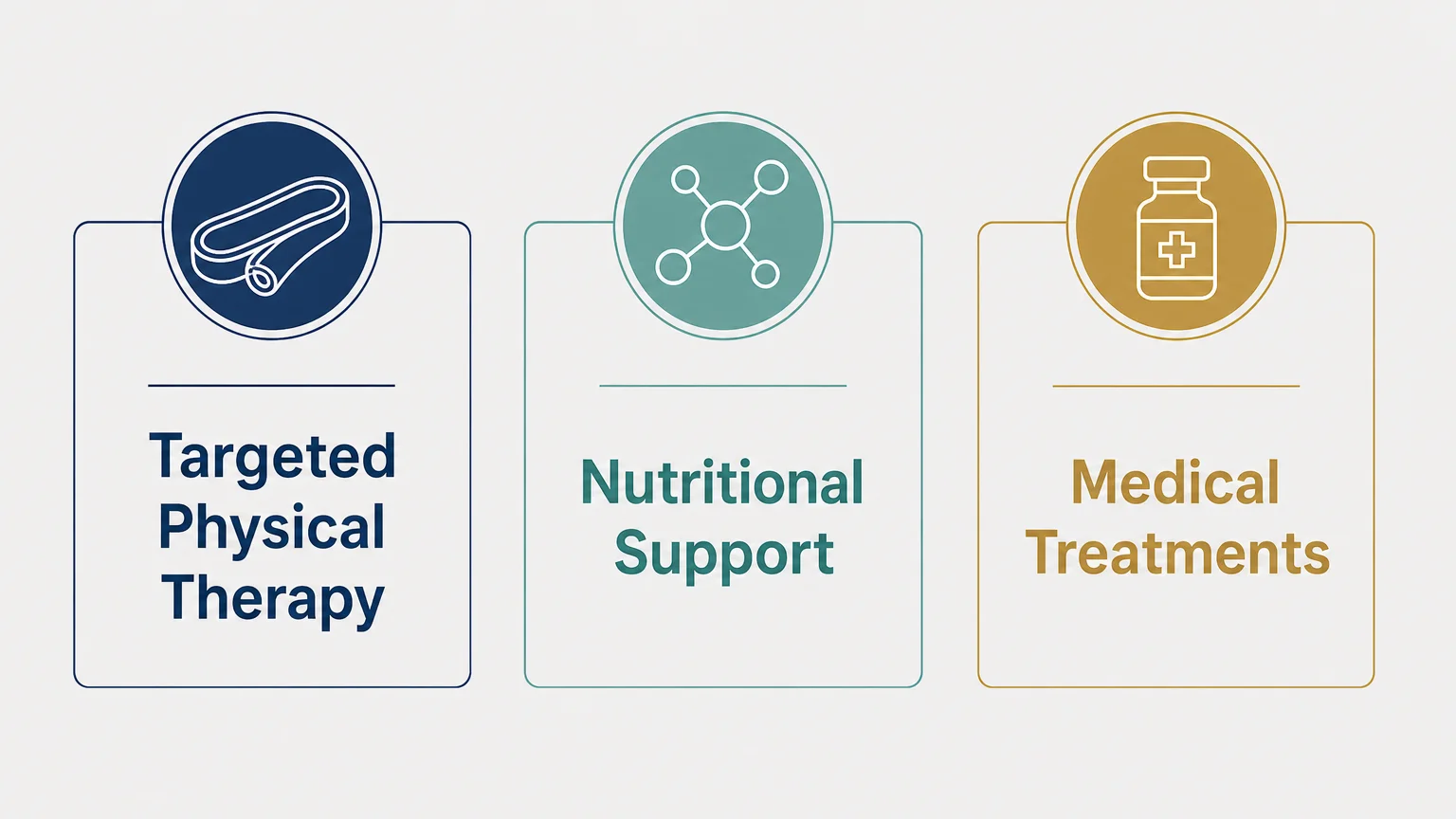
Identifying subtle joint changes early allows you to preserve your mobility and independence for decades to come. While occasional stiffness after a long walk is normal, specific joint health symptoms signal underlying conditions that require medical evaluation. Ignoring these aging joint changes often accelerates cartilage degradation and limits your daily activities. Recognizing the difference between normal wear and tear and joint pain warning signs empowers you to seek timely, effective interventions. By addressing these eight critical shifts with your healthcare provider, you can explore targeted physical therapy, nutritional support, and medical treatments before minor discomfort becomes severe arthritis. Protect your future mobility by learning exactly which joint symptoms demand professional attention today.
The Science of Aging Joints and Inflammation
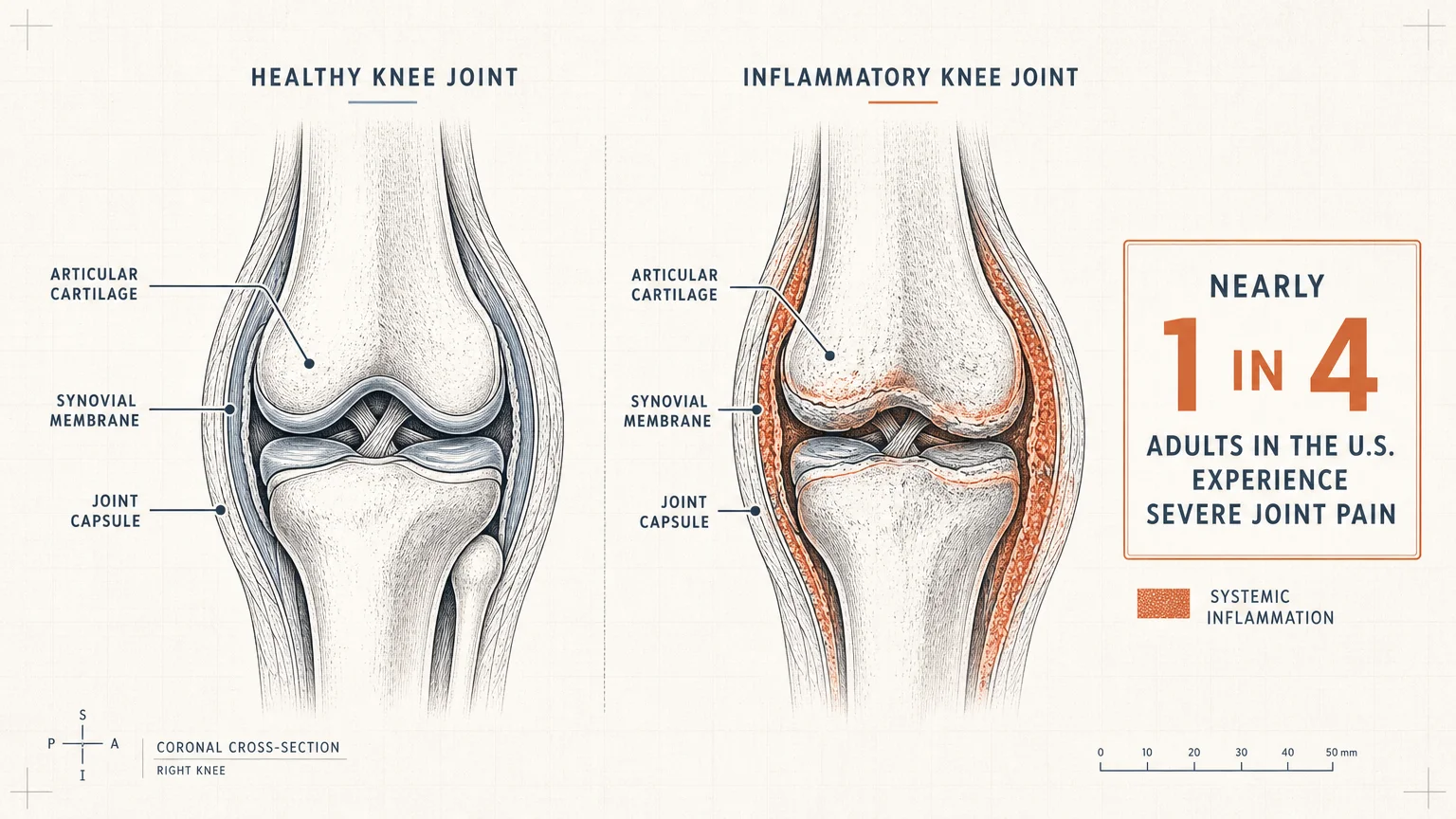
Your joints undergo profound biological shifts as you age; cartilage loses water content, making it less resilient to shock, while the synovial membrane produces less lubricating fluid. The Centers for Disease Control and Prevention reports that nearly one in four adults in the United States experiences severe joint pain, often driven by osteoarthritis or systemic inflammation. Researchers emphasize that chronic inflammation actively accelerates structural damage inside the joint capsule. When you understand these microscopic mechanisms, you realize that your symptoms represent active biological processes that you can often modify. Medical interventions, combined with targeted lifestyle changes, interrupt this inflammatory cascade and preserve the integrity of your articular cartilage.
8 Joint Changes Worth Discussing With Your Doctor
1. Persistent Morning Stiffness
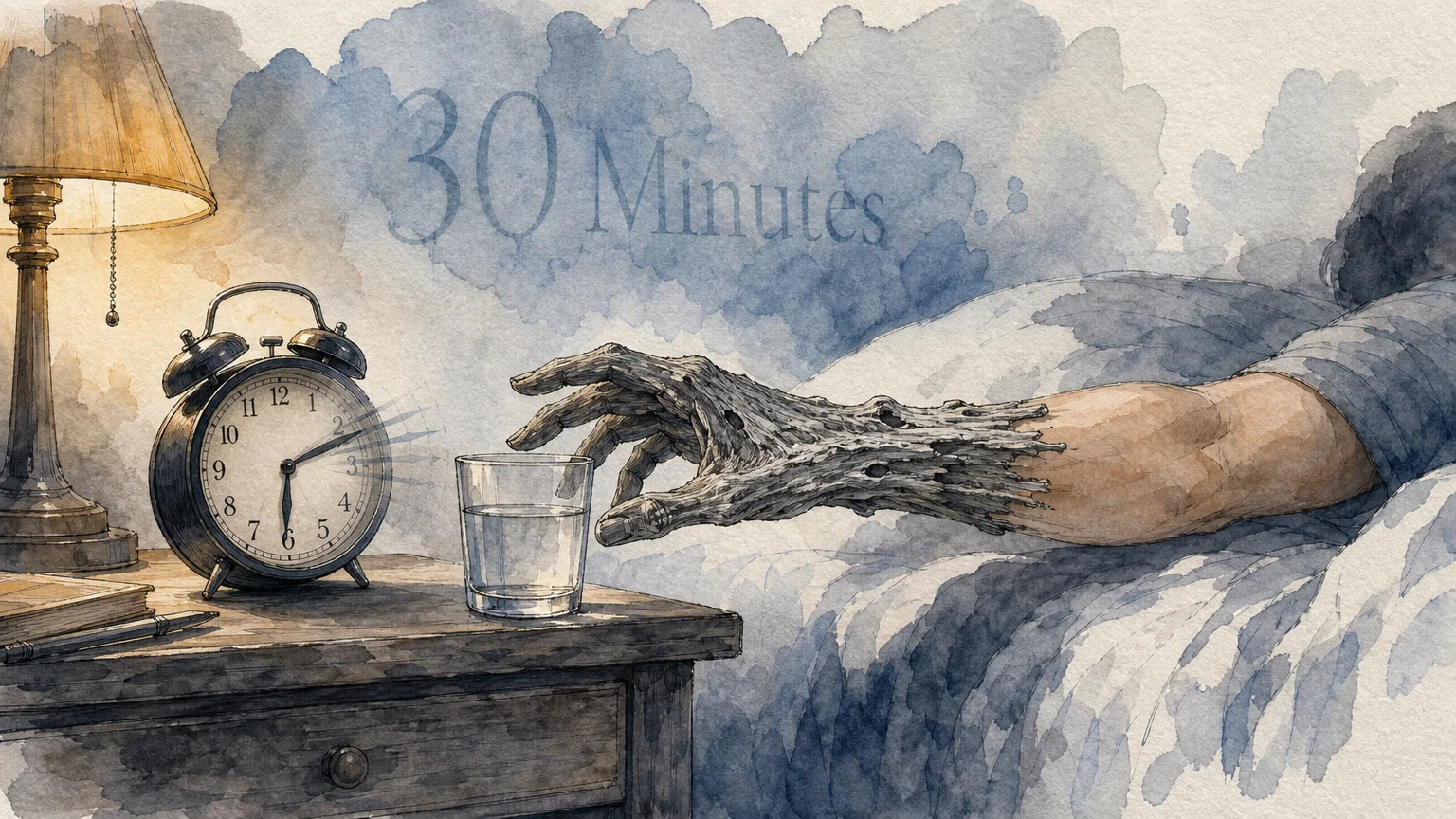
Experiencing brief stiffness when you first get out of bed is a common hallmark of aging. However, when this stiffness lasts longer than thirty minutes, it often indicates an underlying inflammatory condition like rheumatoid arthritis rather than standard mechanical wear. This prolonged rigidity occurs because inflammatory fluid accumulates in your joints overnight while you remain inactive. Discussing this specific timeframe with your doctor helps them differentiate between osteoarthritis and autoimmune issues, ensuring you receive the correct diagnostic blood panels. If left unchecked, chronic morning stiffness can slowly erode your joint margins, making early detection a powerful tool for preserving your mobility.
2. Joint Swelling and Warmth
A joint that suddenly becomes swollen, red, or warm to the touch requires immediate medical evaluation. These symptoms suggest active, acute inflammation that could stem from a localized infection, a gout flare, or an acute autoimmune response. Ignoring a hot, swollen joint risks permanent damage to the surrounding cartilage and bone structures within a remarkably short period. Your physician can aspirate and analyze the joint fluid to identify the exact cause, providing rapid relief through targeted treatments like corticosteroid injections or specific antibiotics designed to halt the localized attack.
3. Unexplained Locking or Catching
If your knee or shoulder suddenly freezes or catches during routine movements, you might be dealing with a mechanical obstruction. Loose bodies—tiny fragments of bone or torn cartilage—can break off and float within the synovial fluid, wedging themselves between the moving parts of your joint. This catching sensation not only exacerbates senior mobility issues but also drastically increases your risk of falling during daily tasks. A healthcare professional can utilize advanced imaging studies like MRIs to locate these fragments accurately and determine if minimally invasive arthroscopic removal is necessary to restore smooth, unhindered movement.
4. New Sounds Accompanied by Pain
Crepitus refers to the grinding, popping, or cracking sounds your joints make during movement. While painless popping is usually harmless gas bubbles escaping the joint fluid, sounds accompanied by sharp pain or a grinding sensation warrant immediate clinical investigation. This painful grinding often signifies that your protective cartilage has worn away completely, leaving raw bone to rub directly against bone. Reporting this specific symptom allows your doctor to evaluate the full extent of your cartilage loss and recommend supportive bracing, structured physical therapy, or viscosupplementation to improve joint lubrication and reduce friction.
5. Visible Joint Deformity or Enlargement
Take note if your joints begin to look asymmetrical, permanently swollen, or visibly misaligned. Osteoarthritis frequently causes hard, bony nodules to form on the middle and end joints of your fingers, while rheumatoid arthritis can cause your fingers to drift outward toward the wrist. These visible structural changes severely alter the natural biomechanics of your hands or legs, transferring abnormal stress to adjacent muscles and ligaments. Early medical intervention, including custom splinting, occupational therapy, and disease-modifying therapies, can actively halt this progression and help you maintain the functional dexterity required for independent living.
6. Pain That Wakes You Up at Night
Discomfort that disrupts your sleep is a significant red flag in orthopedic health that you should never ignore. Unlike mechanical pain that typically subsides when you rest your body, nocturnal joint pain suggests severe joint degeneration, nerve impingement, or aggressive systemic inflammation. Chronic sleep deprivation also systematically lowers your pain threshold, creating a vicious cycle of relentless fatigue and heightened physical sensitivity. Addressing nighttime pain with your physician often involves strategically adjusting your medication timing, exploring supportive sleep positioning, or ordering specific imaging to rule out more serious bone-related pathologies affecting your deep tissues.
7. Sensation of Instability or Giving Way
Feeling like your knee or ankle might buckle beneath your weight points to compromised structural integrity and demands clinical attention. This sudden instability usually arises from weakened surrounding musculature, stretched supporting ligaments, or advanced joint degeneration that fundamentally alters your body’s ability to sense its exact position in space. Because this sensation dramatically elevates your fall risk and threatens your independence, bringing it to your doctor’s attention is absolutely critical. They can prescribe targeted vestibular training and specialized physical therapy designed to rebuild your joint stability and restore your confidence while walking.
8. Joint Discomfort Paired with Systemic Symptoms
Joint pain does not always originate from a localized musculoskeletal issue; sometimes it serves as an early warning symptom of a broader systemic problem. If your joint aches are consistently accompanied by unexplained weight loss, chronic fatigue, low-grade fevers, or unusual skin rashes, you must alert your medical provider immediately. These specific symptom combinations frequently point to systemic autoimmune diseases, tick-borne illnesses like Lyme disease, or underlying metabolic disorders. Identifying these critical connections early ensures you treat the actual root cause of your condition rather than merely masking the localized joint discomfort with over-the-counter painkillers.
Strategy Pillars: Protecting Your Mobility
Proactive Medical Assessment
You should never assume that arthritis symptoms seniors experience are inevitable burdens you must silently endure. Proactive medical care involves establishing a clear, diagnostic baseline with your primary care physician or a specialized rheumatologist. They utilize advanced imaging and specific biomarker tests to track joint changes accurately over time. By building a collaborative relationship with your medical team early on, you gain access to evidence-based interventions that directly address the specific chemical and mechanical mechanisms driving your joint deterioration.
Targeted Movement and Physical Therapy
Regular, purposeful movement acts as a direct lubricant for your joints, stimulating the ongoing production of healthy synovial fluid. Collaborating with a physical therapist allows you to design a highly specific exercise regimen that strengthens the key muscles supporting your vulnerable joints. Emphasize low-impact activities like aquatic therapy, stationary cycling, or tai chi to improve your functional range of motion without subjecting your fragile cartilage to excessive impact forces. As you intentionally build muscular strength, you effectively offload the mechanical stress from the joint surface, drastically reducing your daily pain levels.
Anti-Inflammatory Nutrition
Your daily dietary choices significantly influence the levels of systemic inflammation circulating through your bloodstream. Incorporating whole foods rich in omega-3 fatty acids—such as wild-caught salmon, chia seeds, and walnuts—helps actively suppress the inflammatory pathways that degrade delicate joint tissue. Conversely, reducing your intake of ultra-processed foods, refined sugars, and excessive saturated fats minimizes damaging oxidative stress. Working alongside a registered dietitian ensures your meals provide adequate vitamin D and calcium to support bone density while maintaining a healthy weight that minimizes gravitational pressure on your hips and knees.
Mindset and Adaptive Living
Living with changing joint health requires profound psychological resilience and a willingness to adapt. Acknowledge that modifying your home environment is a clear sign of practical intelligence, not physical weakness. Installing bathroom grab bars, utilizing ergonomic kitchen tools, and choosing supportive footwear with robust arch support can preserve your daily energy and protect your joints from unnecessary strain. Cultivating a proactive mindset involves focusing intently on the physical activities you can still enjoy safely and creatively modifying those that cause pain, ensuring you maintain a vibrant, engaged lifestyle despite physiological shifts.
Real Voices: Insights from the Clinic
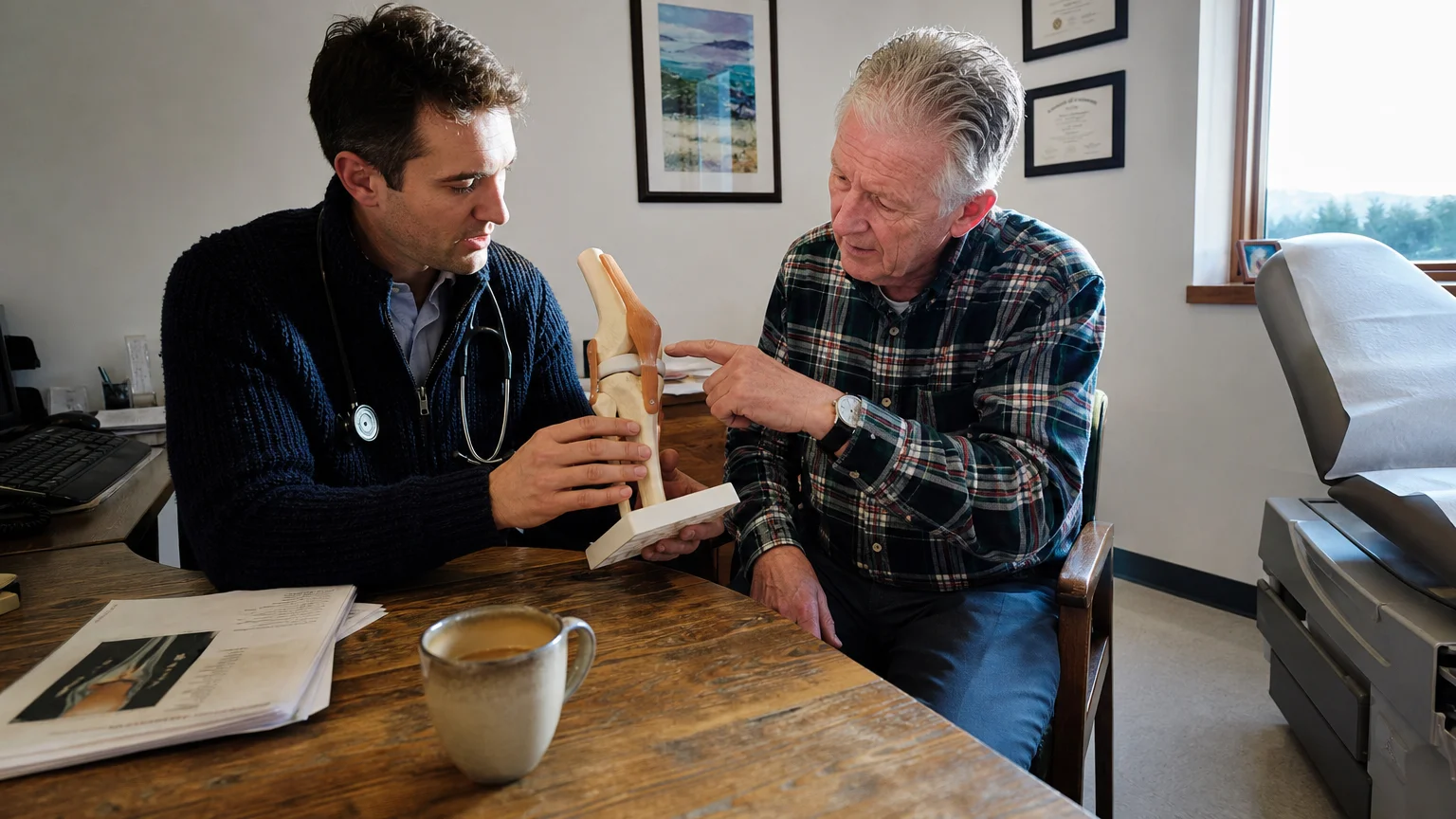
Conversations with experienced rheumatologists and orthopedic physical therapists consistently highlight the critical importance of early, decisive intervention. Clinical specialists repeatedly observe that patients who report subtle shifts in their joint function experience far better long-term outcomes than those who wait until their mobility is severely compromised. Pain acts as your body’s sophisticated communication system, signaling that a mechanical or chemical imbalance requires your immediate attention. Patients who actively engage in rehabilitation programs often share how modifying their daily routines and advocating for thorough medical evaluations completely returned their sense of personal agency. They describe the immense psychological relief that comes from obtaining an accurate, timely diagnosis, shifting their daily experience from passive suffering to active, strategic management.
Frequently Asked Questions
Is it safe to exercise when my joints are hurting?
Exercising through acute, sharp pain or during an active inflammatory flare is generally not recommended, as it can severely exacerbate delicate tissue damage. However, remaining entirely sedentary often increases joint stiffness and rapidly weakens your supporting muscles. You should focus on gentle range-of-motion exercises and consult a clinical professional who can guide you safely, ensuring you distinguish between the normal, productive discomfort of muscle fatigue and the harmful, destructive pain of joint strain.
How do I know if my joint pain requires an urgent doctor visit?
You should seek prompt medical care if your joint pain is sudden, severely intense, or accompanied by visible swelling, vibrant redness, and a high fever. Furthermore, if you completely lose the physical ability to bear weight or articulate the joint, this constitutes a true medical emergency. For chronic, low-level aches and stiffness, scheduling a routine consultation allows for proper, thorough evaluation without the heightened urgency of an emergency room visit.
Can dietary supplements rebuild lost joint cartilage?
Current medical literature clearly suggests that while dietary supplements like glucosamine and chondroitin may offer mild, subjective pain relief for some individuals, they simply cannot regenerate lost cartilage. Your articular cartilage fundamentally lacks a direct blood supply, making substantial tissue regrowth exceptionally difficult once it wears away. You should discuss all supplement usage with your doctor or rheumatologist to avoid dangerous potential interactions with your prescription medications and focus your energy instead on preserving your remaining cartilage.
Will losing weight really impact my knee and hip pain?
Weight management profoundly and directly impacts load-bearing joints like your hips, knees, and ankles. Biomechanical studies conclusively indicate that every single pound of excess body weight places approximately four pounds of extra pressure on your knees with every physical step you take. Achieving even a modest, sustainable reduction in body weight significantly decreases this heavy mechanical burden, frequently leading to a dramatic reduction in daily pain and a highly notable improvement in your overall physical function.
Take Your First Step Toward Better Joint Health
Your joint health forms the physical foundation of your independence, directly dictating how freely and comfortably you navigate your daily life. Do not dismiss persistent physical discomfort or subtle mechanical changes as mere consequences of growing older that you must simply tolerate. Your first step toward better joint health today is straightforward: choose one specific joint symptom you have been actively ignoring and write it down in precise detail. Schedule a dedicated appointment with your primary healthcare provider and use your detailed notes to guide a highly productive, targeted medical conversation. By addressing these critical physical changes proactively, you empower yourself to embrace a future defined by vibrant energy, comfortable movement, and enduring physical strength.









Leave a Reply