

Reaching your sixtieth birthday brings shifts in your physical health that often catch you off guard, yet understanding these changes empowers you to maintain an active, fulfilling lifestyle. You might notice a sudden shift in your sleep patterns or realize your skin feels entirely different, signaling an evolution in your biology rather than a decline. Preparing for these specific physical adaptations allows you to pivot your daily habits effectively. When you know exactly what to expect from your cardiovascular system, bone density, and metabolism, you can partner with your healthcare team to address them proactively. Adjusting your nutrition, movement, and mindset ensures you spend your sixties and beyond enjoying your life with strength and resilience.
The Science Behind Your Maturing Physiology
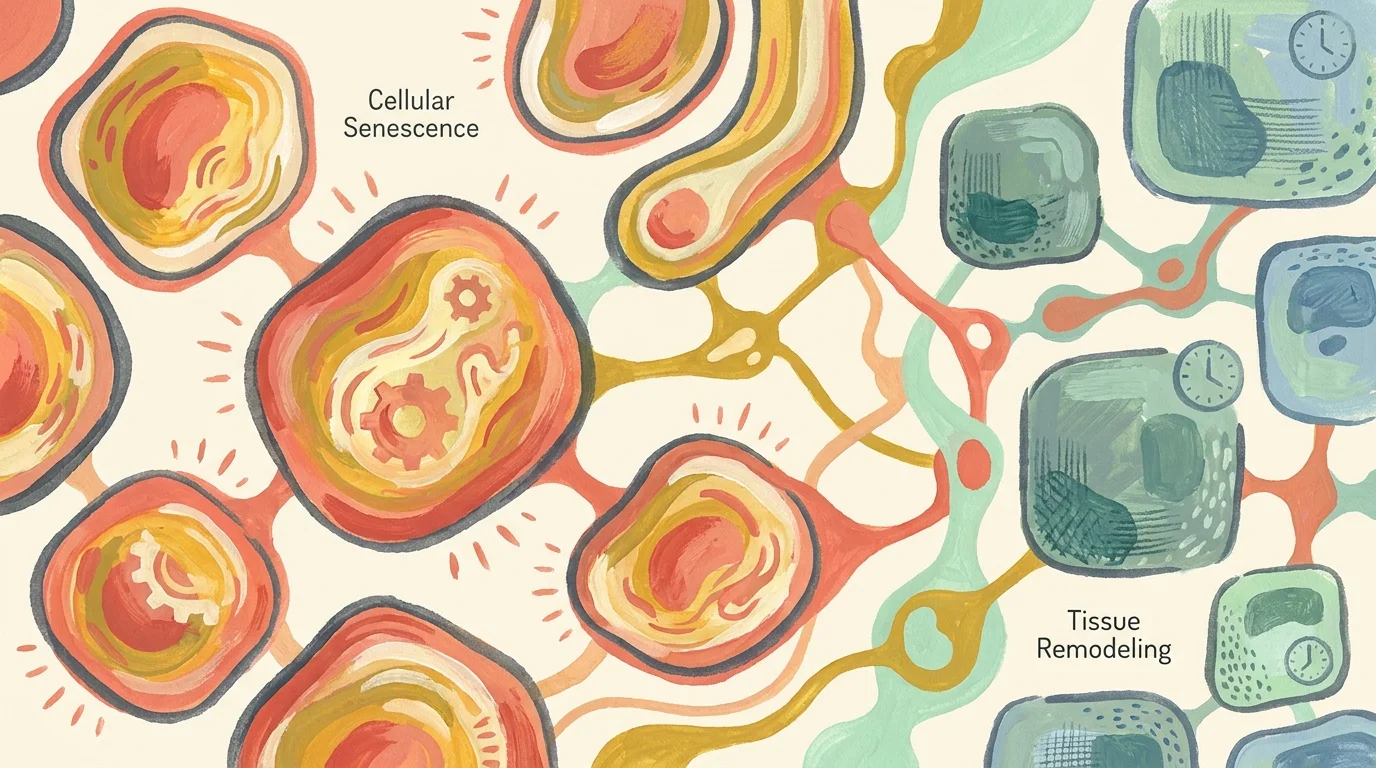
The human body undergoes continuous cellular turnover throughout your lifespan; however, crossing into your seventh decade introduces specific biological milestones that alter how your systems function. Researchers describe aging not as a steep cliff, but as a dynamic remodeling process driven by cellular senescence—a state where older cells stop dividing but remain metabolically active. These senescent cells release inflammatory compounds that subtly shift how your tissues repair themselves. Simultaneously, your endocrine system reduces its output of key hormones, including estrogen, testosterone, and growth hormone, which directly influences your tissue elasticity and muscle mass.
Access to fresh foods, safe environments for movement, and consistent healthcare significantly influence how gracefully your body adapts to these shifts. Evidence from the National Institute on Aging demonstrates that proactive lifestyle interventions significantly mitigate the impact of these cellular changes, regardless of your starting point. When you understand that these shifts represent a natural adaptation rather than a disease state, you can effectively adjust your environment and habits to support your evolving physiology. Incorporating targeted physical movement, nutrient-dense foods, and precise medical care allows you to optimize your genetic potential for longevity. Your daily choices dictate how efficiently your body manages this cellular transition, proving that you hold immense power over your aging trajectory.

8 Unexpected Physical Changes and How to Navigate Them

1. Your Metabolic Engine Requires Different Fuel
Reaching your sixties often brings a noticeable drop in how efficiently your body burns energy, a change primarily driven by a natural loss of muscle mass known as sarcopenia. Because muscle tissue requires more calories to maintain than fat tissue, losing muscle steadily lowers your resting metabolic rate. You might find that eating the exact same diet and maintaining the same exercise routine suddenly results in gradual weight gain around your midsection. Combating this shift requires a strategic pivot in both your kitchen and your daily movement. Prioritizing high-quality protein at every meal becomes essential to preserve your existing muscle and stimulate new growth. Clinical dietitians from professional organizations like the Academy of Nutrition and Dietetics emphasize spreading protein intake evenly throughout the day rather than consuming it all at dinner to maximize muscle protein synthesis. You must also incorporate progressive resistance training into your weekly routine to signal your body to retain muscle. Lifting weights, using resistance bands, or engaging in bodyweight exercises twice a week can effectively offset this metabolic slowdown. Before beginning a new strength program, consider consulting a physical therapist to ensure your movements are safe and tailored to your current fitness level.
2. Your Sleep Architecture Undergoes a Remodel
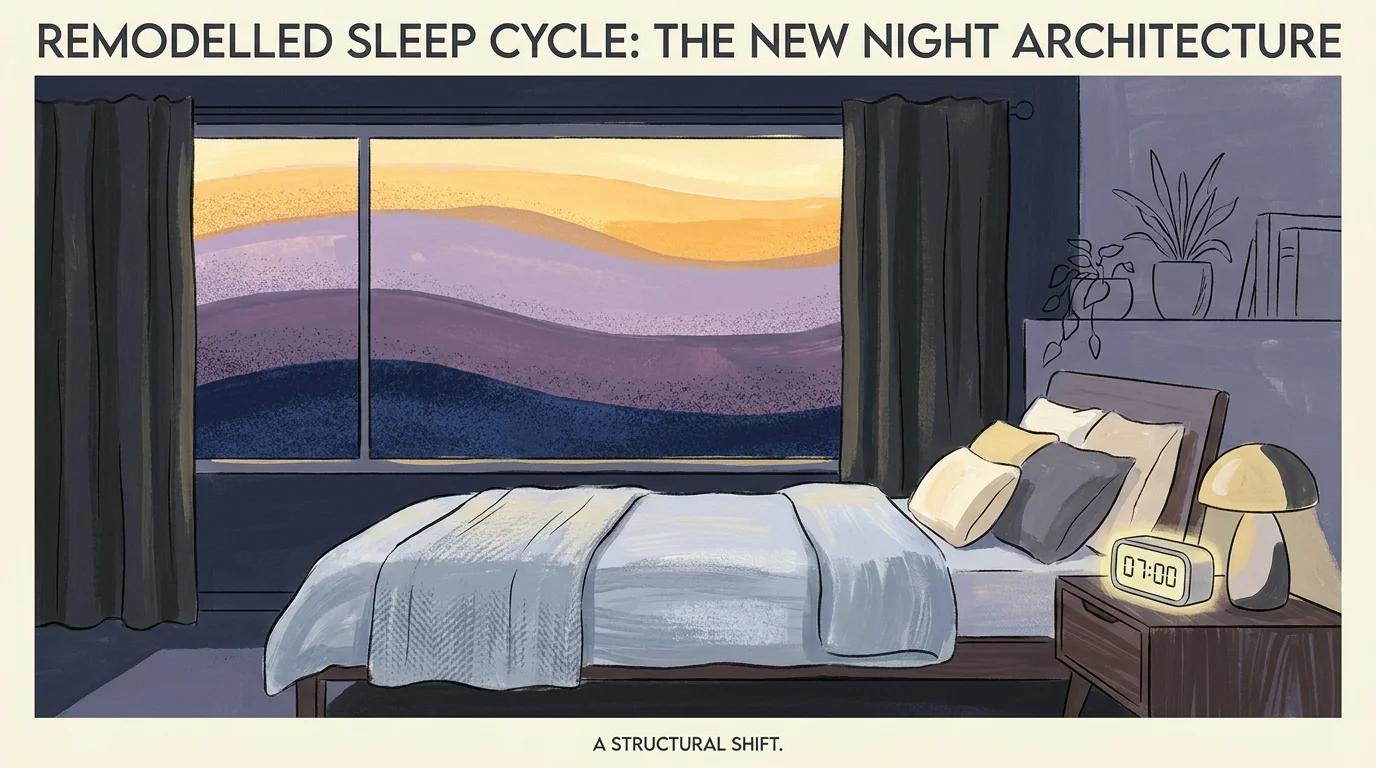
Many people assume they need less sleep as they age, but your body actually requires the same seven to eight hours; your ability to achieve deep, uninterrupted rest is what truly changes. As you enter your sixties, your sleep architecture shifts, leading to less time spent in the deepest, most restorative stages of sleep and more time in lighter sleep stages. This biological adjustment makes you highly susceptible to waking up from minor noises, temperature changes, or brief physical discomfort. Furthermore, your internal circadian rhythm tends to shift earlier, causing you to feel drowsy earlier in the evening and wake up before dawn. To manage this evolution, you need to ruthlessly protect your sleep hygiene. Getting bright, natural sunlight in your eyes within an hour of waking helps anchor your circadian rhythm and supports natural melatonin production later in the evening. Keeping your bedroom exceptionally cool and dark minimizes the environmental disruptions that easily pull you out of light sleep. If chronic insomnia or frequent nighttime awakenings disrupt your daytime energy, speaking with your doctor is crucial to rule out sleep apnea or medication side effects.

3. Skin Loses Volume and Demands Deep Hydration
Your skin serves as the most visible indicator of your chronological age, and after sixty, its structural integrity changes significantly. The dermis layer thins out as collagen and elastin production slow down, resulting in a loss of plumpness and an increased tendency to bruise easily from minor bumps. Simultaneously, your sebaceous glands produce less oil, transforming a once-oily or combination complexion into dry, fragile skin that easily cracks or itches. Hydration must become your primary focus, addressing the issue from both the inside and the outside. Drinking adequate water provides the baseline moisture your cells need, while applying thick, ceramide-rich creams traps that moisture against your skin barrier. Adding a topical vitamin C serum provides powerful antioxidants that defend your remaining collagen from environmental pollutants. Hot showers aggressively strip away your remaining natural oils; transition to brief, lukewarm showers using gentle, fragrance-free cleansers to protect your skin barrier. Because your skin also becomes more vulnerable to ultraviolet damage over time, applying a broad-spectrum sunscreen daily remains critical to prevent severe sun damage and potential skin cancers. Schedule an annual comprehensive skin check with a dermatologist to monitor any new or changing lesions.

4. Digestion Slows Down and Taste Buds Fade
Enjoying a meal changes as you mature, largely because your gastrointestinal system and sensory organs function differently. You naturally produce less stomach acid and digestive enzymes, which can slow down the absorption of critical nutrients like vitamin B12 and calcium. The muscular contractions that move food through your digestive tract—a process called peristalsis—also become more sluggish, frequently leading to unexpected bouts of constipation. Additionally, your taste buds decline in both number and sensitivity, which often diminishes the intensity of sweet and salty flavors. You might find yourself reaching for the salt shaker more often just to make food taste appealing, which poses risks for your blood pressure. Instead of relying on sodium, experiment with robust herbs, sharp spices, and acidic additions like lemon juice or vinegar to wake up your palate. Supporting your slower digestion requires a steady intake of dietary fiber from vegetables, legumes, and whole grains, paired with abundant water intake. Incorporating soluble fiber from oats and flaxseeds not only supports your sluggish digestion but also helps regulate your blood sugar and cholesterol levels. If you experience persistent bloating, unexpected weight loss, or severe digestive discomfort, you must consult your primary care physician to investigate potential underlying conditions.
5. Joint Lubrication Decreases as Bones Thin
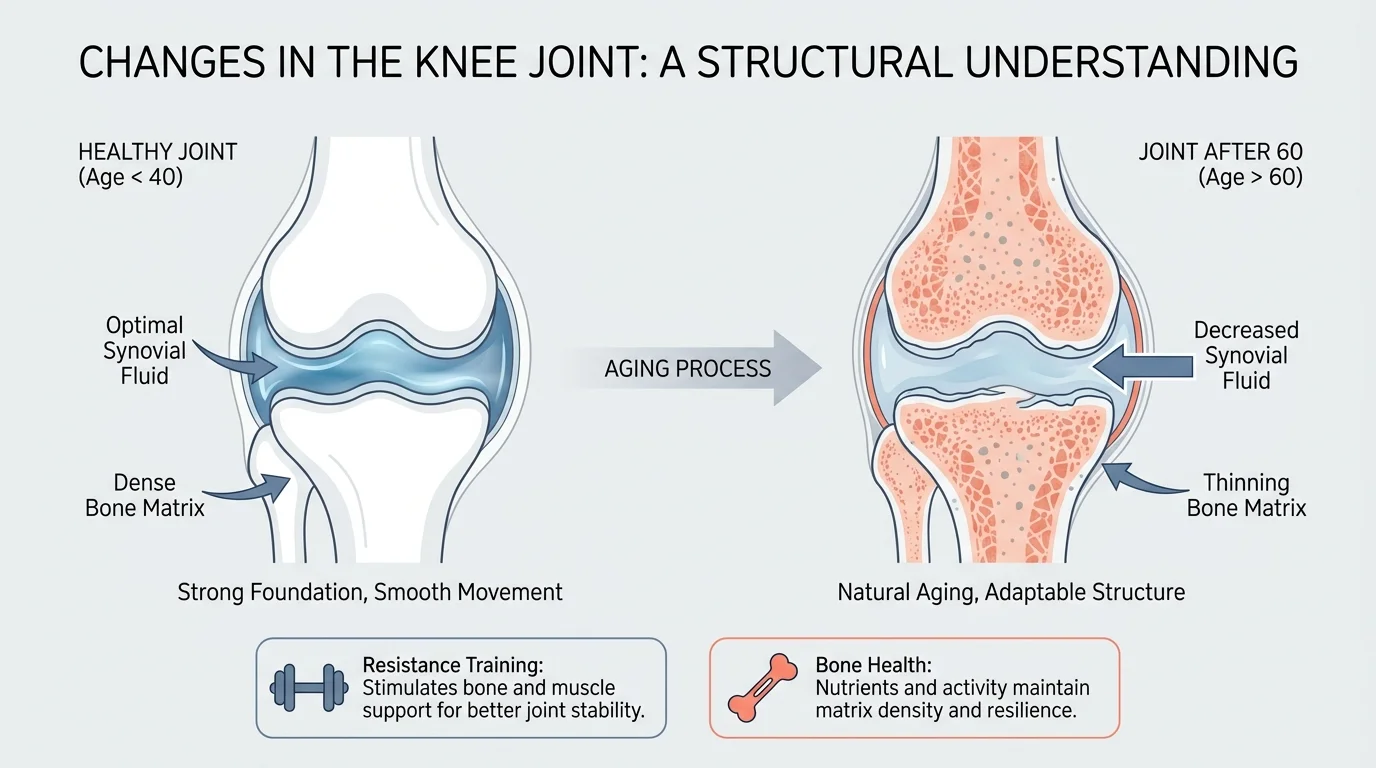
Waking up with stiff knees or aching shoulders becomes a common narrative after sixty, primarily due to structural changes inside your joints. The synovial fluid that lubricates your joints naturally decreases, and the protective cartilage cushioning your bones gradually thins from decades of use. Concurrently, your bones undergo a hidden transformation; the rate of bone breakdown outpaces bone formation, heightening your risk for osteopenia or osteoporosis. Protecting your skeletal health demands a proactive, multifaceted approach focusing on targeted movement. Weight-bearing cardiovascular exercises like brisk walking or dancing directly stimulate your bones to retain their density. Furthermore, dedicating time to mobility work and gentle stretching helps circulate the remaining synovial fluid, easing morning stiffness and expanding your range of motion. Organizations like the American Physical Therapy Association advocate for structured balance training—such as tai chi or single-leg exercises—to enhance your joint stability and drastically reduce your risk of debilitating falls. You should also discuss a bone density scan with your doctor to establish a baseline and determine if you require specific calcium or vitamin D supplementation to support your skeletal framework.
6. Blood Vessels Stiffen and Shift Your Circulation
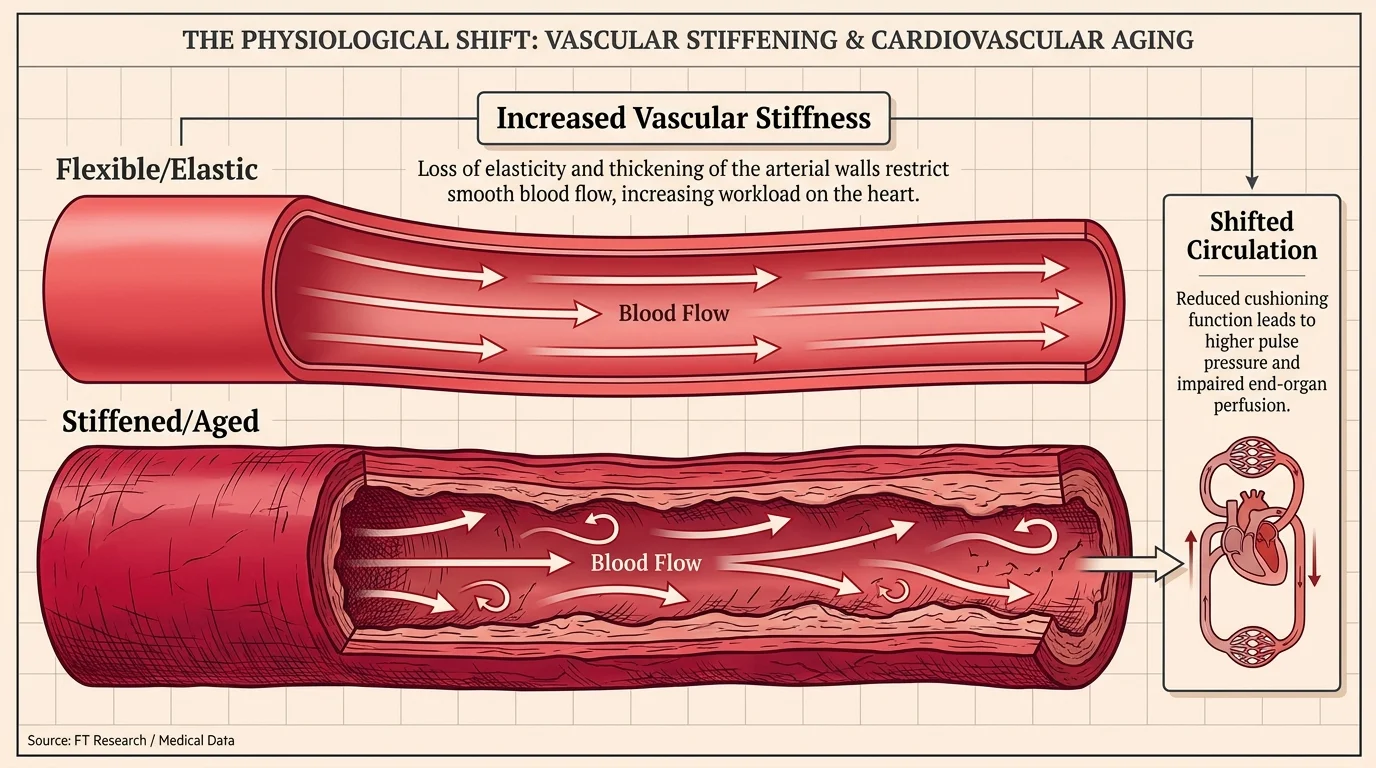
Your cardiovascular system handles millions of heartbeats over sixty years, and this relentless work prompts structural changes within your blood vessels. The arteries slowly lose their youthful elasticity, becoming stiffer and less accommodating to the surge of blood pumped by your heart. This arterial stiffening forces your heart to work significantly harder, frequently resulting in a natural elevation of your resting blood pressure. You might also notice that your hands and feet feel colder than they used to, signaling slight changes in your peripheral circulation. Monitoring your cardiovascular health requires vigilance and a commitment to heart-strengthening habits. Engaging in regular, moderate-intensity aerobic exercise trains your heart muscle to pump more efficiently and encourages your blood vessels to remain as pliable as possible. Maintaining adequate hydration also supports your cardiovascular system by preserving your total blood volume, which prevents sudden drops in blood pressure when you stand up quickly. The American Heart Association strongly recommends routine blood pressure monitoring at home to catch dangerous spikes before they cause irreversible damage. Adopting an anti-inflammatory diet rich in omega-3 fatty acids, leafy greens, and deeply colored berries provides the nutritional support your vascular system needs to manage this natural stiffening gracefully.

7. Dental Vulnerabilities Emerge from Dry Mouth
Oral health heavily influences your overall systemic health, and your mouth undergoes a distinct transition as you pass sixty. Decades of chewing and brushing often lead to natural gum recession, exposing the sensitive roots of your teeth to bacteria and decay. Furthermore, saliva production typically decreases, a problem frequently exacerbated by common medications prescribed for blood pressure, allergies, or depression. Saliva serves as your mouth’s primary defense mechanism, constantly washing away food particles and neutralizing acids that destroy tooth enamel. Without sufficient saliva, your risk for rapid tooth decay, gum inflammation, and fungal infections escalates dramatically. Combatting dry mouth requires you to sip water continuously throughout the day and consider using over-the-counter saliva substitutes if the dryness becomes unbearable. Chewing sugar-free gum containing xylitol effectively stimulates your salivary glands while simultaneously inhibiting the growth of cavity-causing bacteria. You should also incorporate daily flossing and gentle tongue brushing into your routine, as these practices eliminate the hidden bacteria that thrive in a dry oral environment. You must prioritize professional dental cleanings every six months, as your dentist can identify microscopic decay along your receding gum lines long before it causes debilitating pain or tooth loss.

8. Sensory Receptors Require More Time to Adapt
Navigating your environment relies entirely on your senses, and both your vision and hearing gradually refine their capabilities after your sixtieth birthday. The lenses inside your eyes become denser and less flexible, making it increasingly difficult to focus on close objects—a condition known as presbyopia. Your eyes also require more time to adjust when moving between brightly lit spaces and dark rooms. Simultaneously, the microscopic hair cells deep inside your inner ear slowly degrade, primarily impacting your ability to hear high-pitched sounds and decipher conversations in crowded, noisy restaurants. Ignoring these sensory declines isolates you from your community and increases your cognitive load, as your brain strains to fill in the missing information. The Centers for Disease Control and Prevention highlights that untreated hearing loss links directly to faster rates of cognitive decline and social withdrawal. Schedule comprehensive eye exams annually to update your corrective lenses and screen for glaucoma or macular degeneration. Acknowledge your changing hearing by scheduling an audiologist evaluation; modern hearing aids are remarkably discreet and can instantly restore your connection to the vibrant world around you.
Frequently Asked Questions About Aging After 60
Is it normal to feel out of breath faster than I used to?
Experiencing mild breathlessness during intense exertion is a normal part of lung tissue losing some elasticity over time. As your ribcage stiffens slightly with age, your lungs cannot expand quite as fully as they once did. However, sudden or severe shortness of breath during routine activities—like walking to your mailbox or climbing a single flight of stairs—signals a potential issue with your cardiovascular or respiratory system. You must report any abrupt changes in your breathing capacity to your primary care physician immediately to ensure you receive the personalized medical care required to rule out dangerous conditions.
How can I stop the loss of muscle mass without injuring myself?
Preserving muscle mass safely requires you to start slowly and prioritize proper technique over heavy weights. Begin your strength journey utilizing your own body weight, focusing on fundamental movements like chair squats and wall push-ups. Working directly with a certified personal trainer or physical therapist who specializes in older adults guarantees that your exercise program strengthens your muscles while actively protecting your vulnerable joints from overuse injuries. If professional training falls outside your budget, numerous community centers and local libraries offer free or low-cost senior fitness programs designed explicitly for joint protection.
Are memory blips a normal part of crossing into my sixties?
Occasionally misplacing your keys or struggling to recall an acquaintance’s name represents a standard, benign change in how your brain processes and retrieves information. Your brain’s processing speed naturally slows down, meaning it simply takes a moment longer to access the data you stored. Maintaining strong social connections, learning new skills, and engaging in regular cardiovascular exercise all support robust cognitive function. Conversely, if memory lapses disrupt your daily life, cause you to get lost in familiar neighborhoods, or interfere with managing your finances, you should seek a comprehensive neurological evaluation.
Can I really improve my bone density at this stage of life?
While you cannot completely reverse decades of bone mineral loss, you absolutely hold the power to halt further deterioration and rebuild structural strength. Engaging in consistent weight-bearing exercises and consuming adequate amounts of calcium and vitamin D directly support bone remodeling. Strength training places healthy stress on your bones, forcing them to adapt and grow denser. Because skeletal health varies drastically from person to person, collaborate with your healthcare provider to secure a bone density scan and develop a customized intervention plan tailored to your specific physiological needs.
Your Next Steps Toward Lasting Vitality
Reading about the biological realities of aging might feel overwhelming initially, but understanding your body’s specific mechanisms provides you with a clear roadmap for your future. Rather than attempting to overhaul your entire lifestyle overnight, choose one specific area from this guide to focus on this week. You might decide to add a high-quality protein source to your morning meal or commit to a ten-minute brisk walk after dinner to support your digestion and cardiovascular health. Small, deliberate adjustments compound over time, yielding profound improvements in your daily energy and mobility. As you reflect on your current habits, ask yourself which single change feels the most accessible and exciting to tackle today. Embrace this chapter of your life with curiosity and self-compassion, knowing that you possess the exact tools required to support your body’s remarkable evolution. Your proactive choices today lay the unbreakable foundation for decades of strength, resilience, and joyful living.









Leave a Reply