

As you age, your digestive system undergoes significant changes that make choosing the right first meal of the day absolutely critical for your long-term comfort and nutrient absorption. Protecting your delicate stomach lining from harsh acids and sudden blood sugar spikes prevents chronic indigestion, reflux, and midday fatigue. Many popular breakfast choices—from citrus fruits to certain types of coffee—can trigger severe gastrointestinal distress when consumed before eating anything else. By understanding how an empty stomach reacts to specific compounds, you can easily adjust your morning routine to support robust digestion and sustained energy. Modifying your early eating habits sets a positive tone for your entire day, ensuring your metabolism functions efficiently while safeguarding your overall gut health.
The Science Snapshot: How Your Digestive System Ages
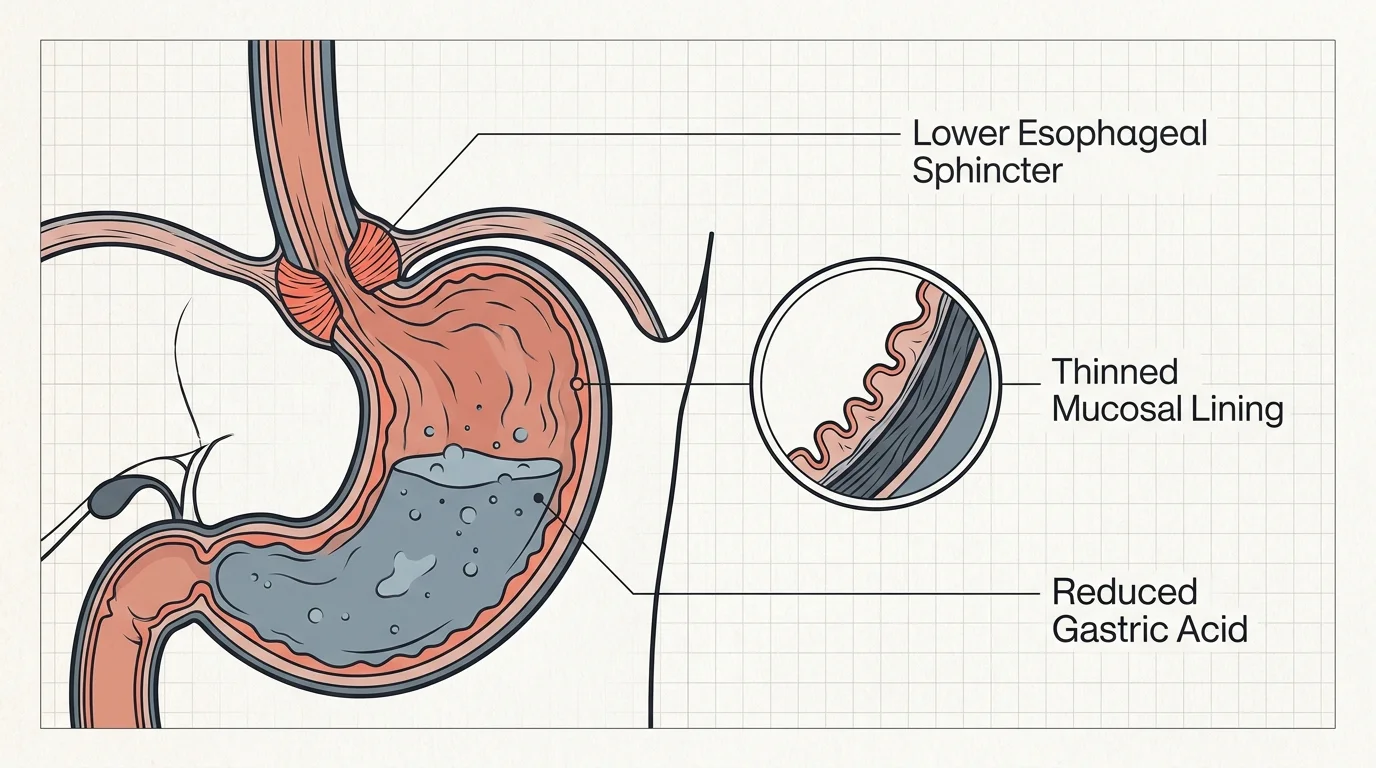
Your digestive tract changes mechanically and chemically over the decades. The mucosal lining that protects your stomach wall naturally thins, leaving you more vulnerable to irritation from highly acidic or spicy foods. At the same time, your body often decreases its production of gastric acid and digestive enzymes. This reduction means your stomach works harder and slower to break down complex fibers and heavy fats, a condition often compounded by a naturally slowing metabolic rate.
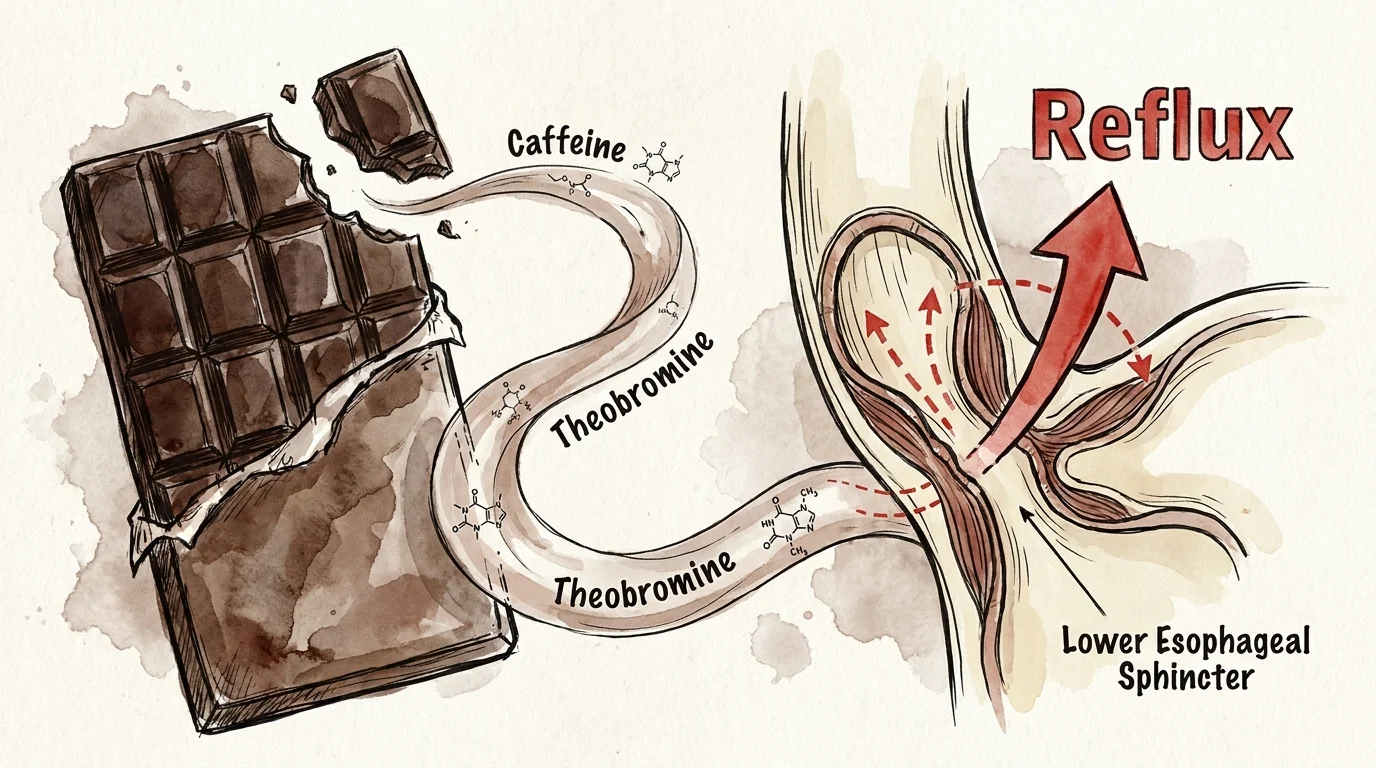
Furthermore, the lower esophageal sphincter—the muscular valve connecting your esophagus to your stomach—tends to weaken as you get older. When this valve fails to close tightly, stomach contents splash upward, causing heartburn and gastroesophageal reflux disease. Eating irritating foods on an entirely empty stomach dramatically amplifies these risks because there is no other food present to buffer the harsh chemicals, acids, or volatile compounds. Reviewing clinical research on digestive aging reveals that timing your meals and carefully selecting your morning foods play a larger role in gastrointestinal comfort than previously understood.
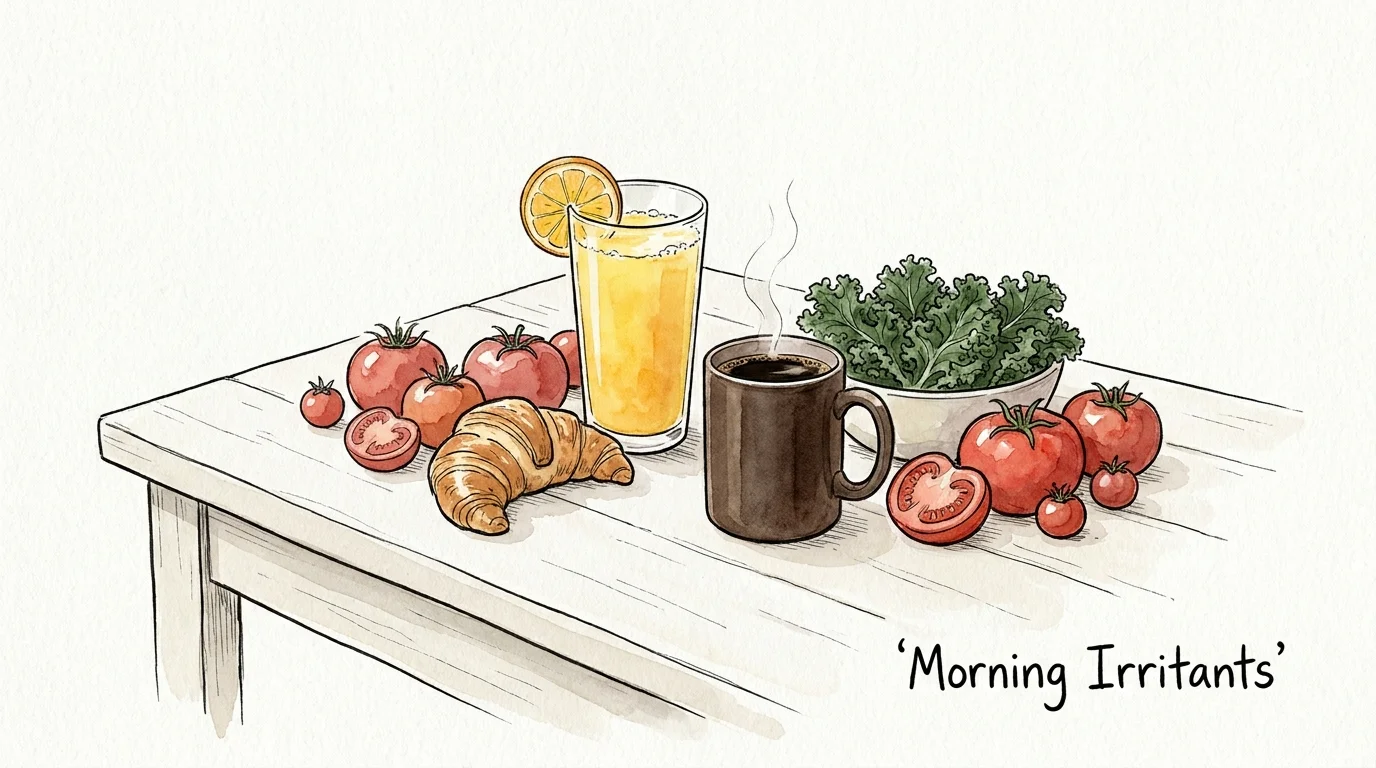
10 Foods to Avoid on an Empty Stomach
1. Black Coffee and Caffeinated Beverages
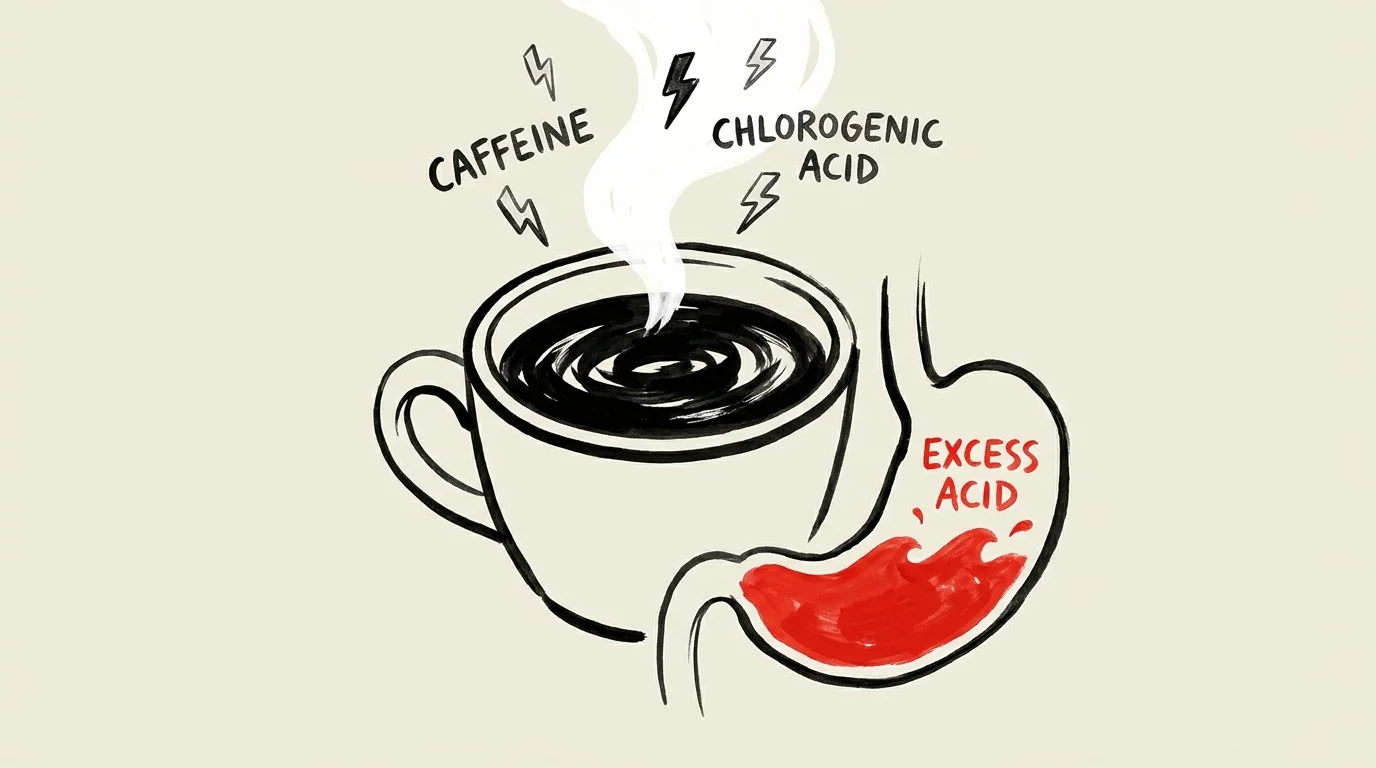
Reaching for a cup of black coffee immediately after waking up stands as one of the most common dietary mistakes. Coffee contains high levels of chlorogenic acid and caffeine, both of which aggressively stimulate the production of stomach acid. When you drink coffee without any food in your stomach, this excess acid has nothing to digest, leading it to attack your thinned stomach lining. This dynamic frequently results in heartburn, indigestion, and even contributes to the development of gastric ulcers over time. If you love your morning brew, always pair it with a solid, gentle food like oatmeal or whole-grain toast.
2. Citrus Fruits and Juices
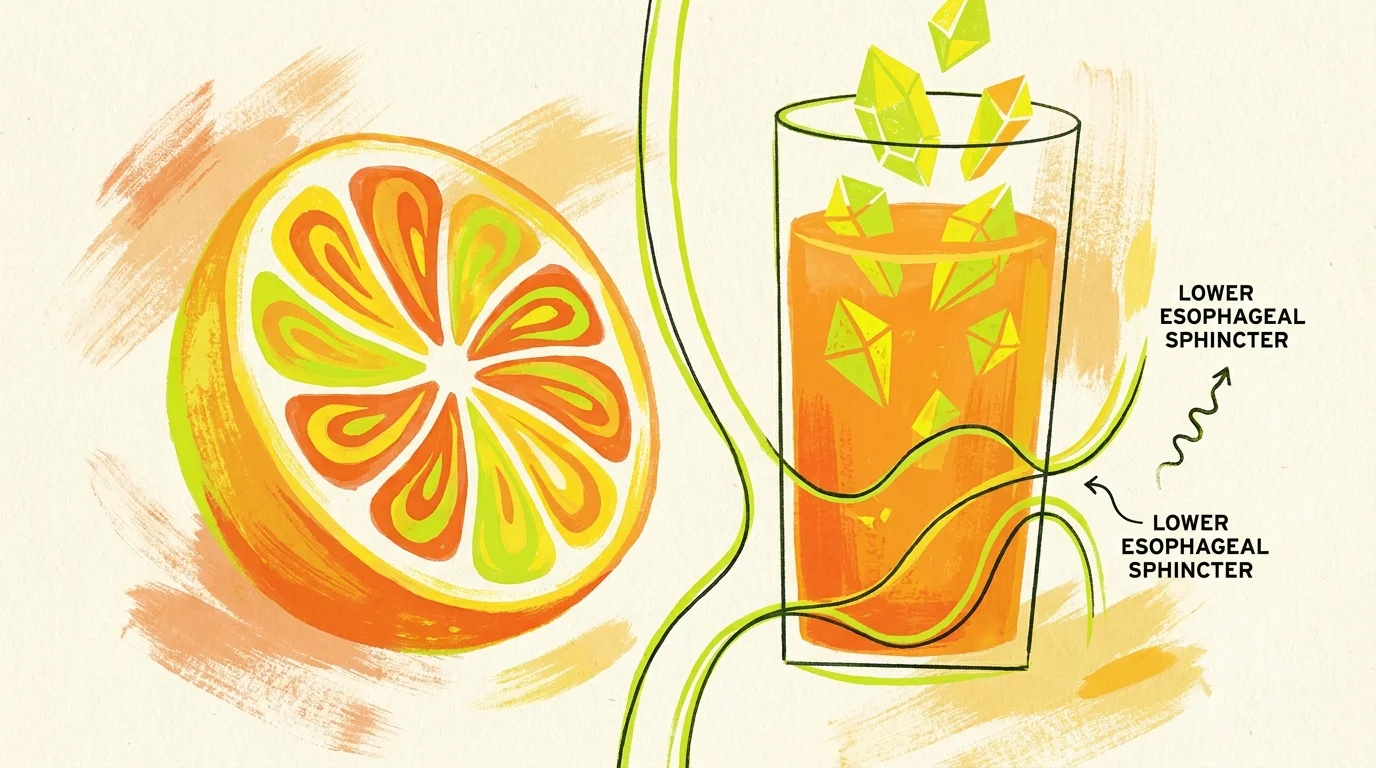
Oranges, grapefruits, lemons, and tangerines pack massive doses of vitamin C, but they also contain exceptionally high amounts of citric acid. Downing a glass of orange juice or eating half a grapefruit on an empty stomach dumps this acid directly into your sensitive gastric environment. The sheer volume of acid irritates the mucous membranes and relaxes the lower esophageal sphincter, almost guaranteeing a bout of morning acid reflux. You can still enjoy citrus fruits, but you should eat them after you have consumed a soothing base layer of food.
3. Raw Tomatoes
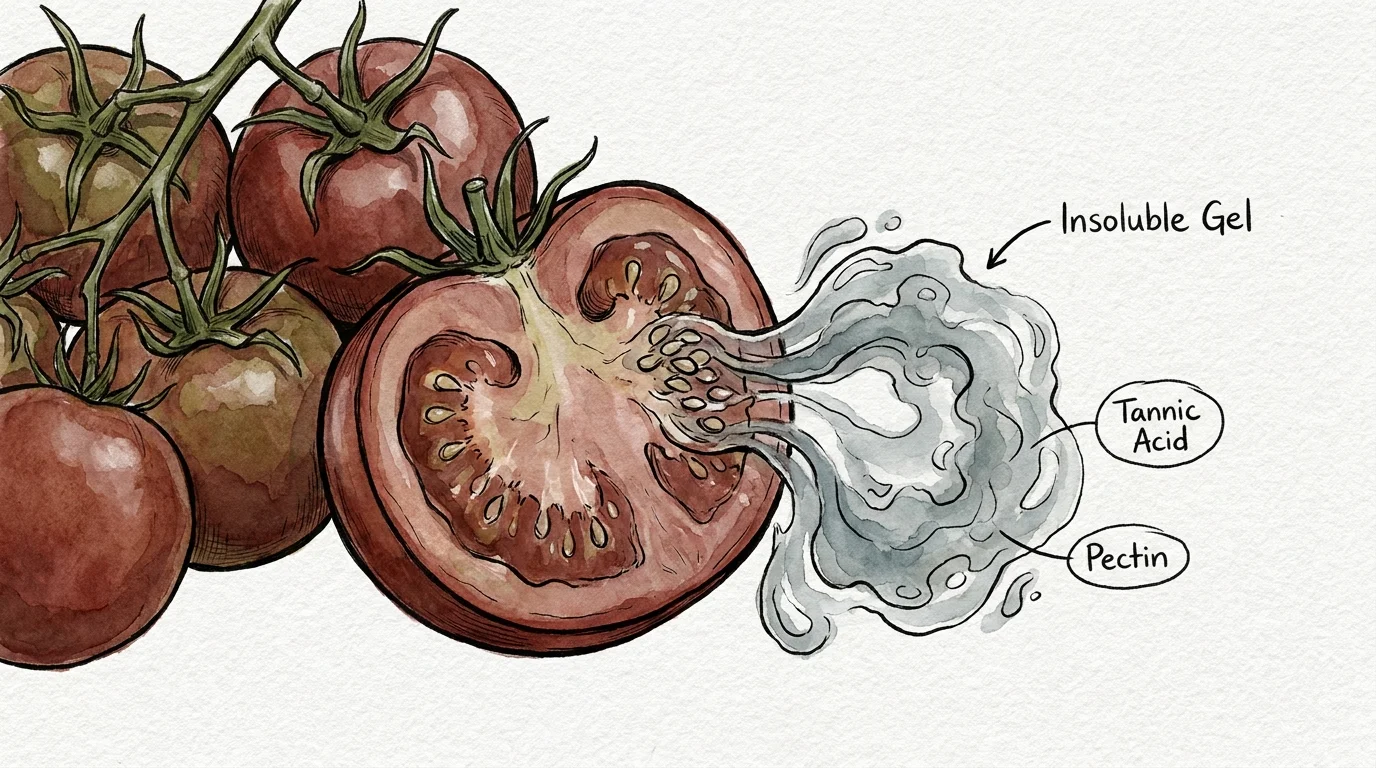
Tomatoes seem like a healthy addition to a morning omelet or a fresh breakfast salad, but eating them raw on an empty stomach invites trouble. Tomatoes contain high concentrations of tannic acid and pectin. When these compounds interact with your fasting stomach acid, they bind together to form tough, insoluble gels. These gels create painful pressure, block the normal digestive flow, and severely aggravate existing reflux conditions. Cooking tomatoes breaks down some of these compounds, but you should still avoid making them the very first thing you eat.
4. Sugary Pastries and Processed Sweets
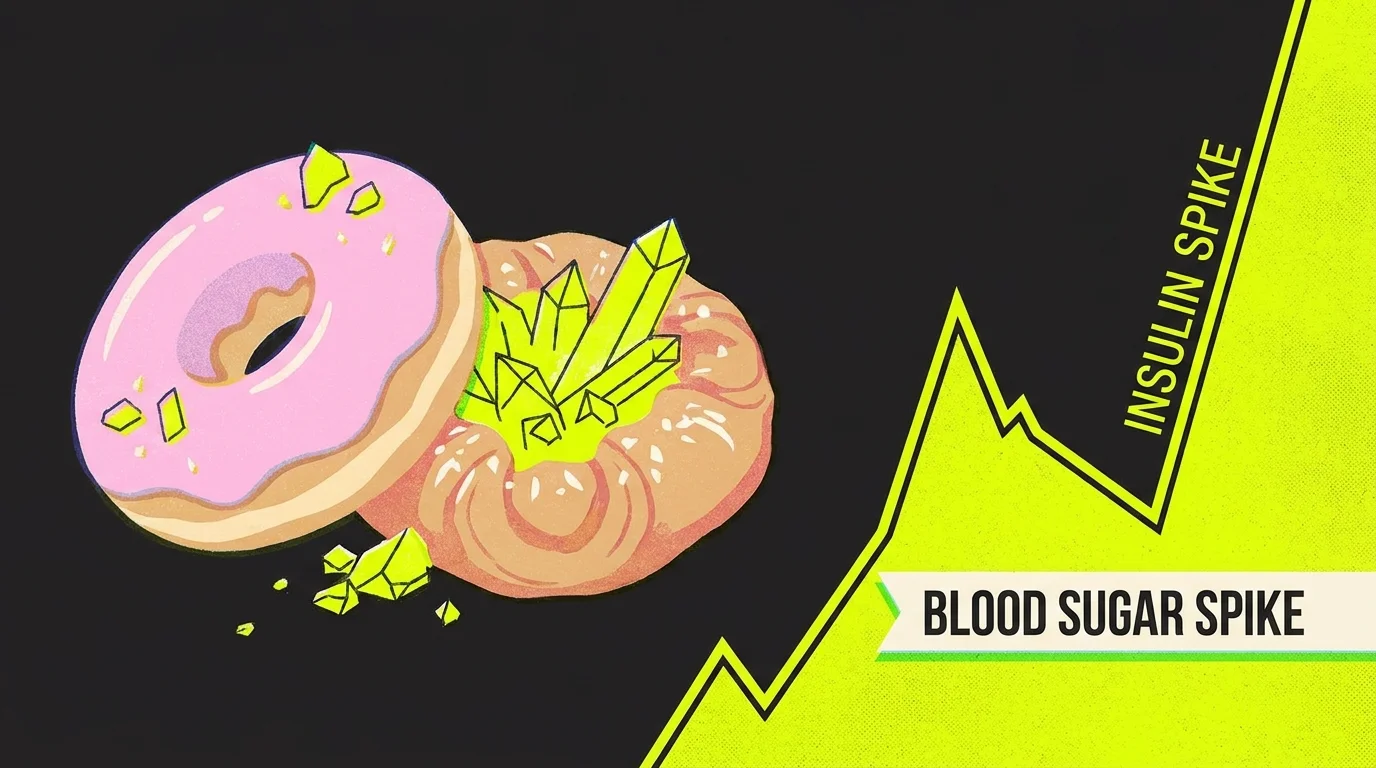
Doughnuts, sweet rolls, and heavily processed muffins deliver a rapid dose of refined carbohydrates and sugars to a completely empty digestive tract. Without fiber or protein to slow absorption, these sugars enter your bloodstream instantly, causing a massive spike in your insulin levels. Because older adults often experience changes in insulin sensitivity, this sudden spike leads directly to a sharp mid-morning crash. This reactive hypoglycemia leaves you feeling shaky, fatigued, and intensely hungry just hours later. Following blood sugar management protocols ensures you maintain steady energy by choosing complex carbohydrates over processed sugars.
5. Spicy Foods
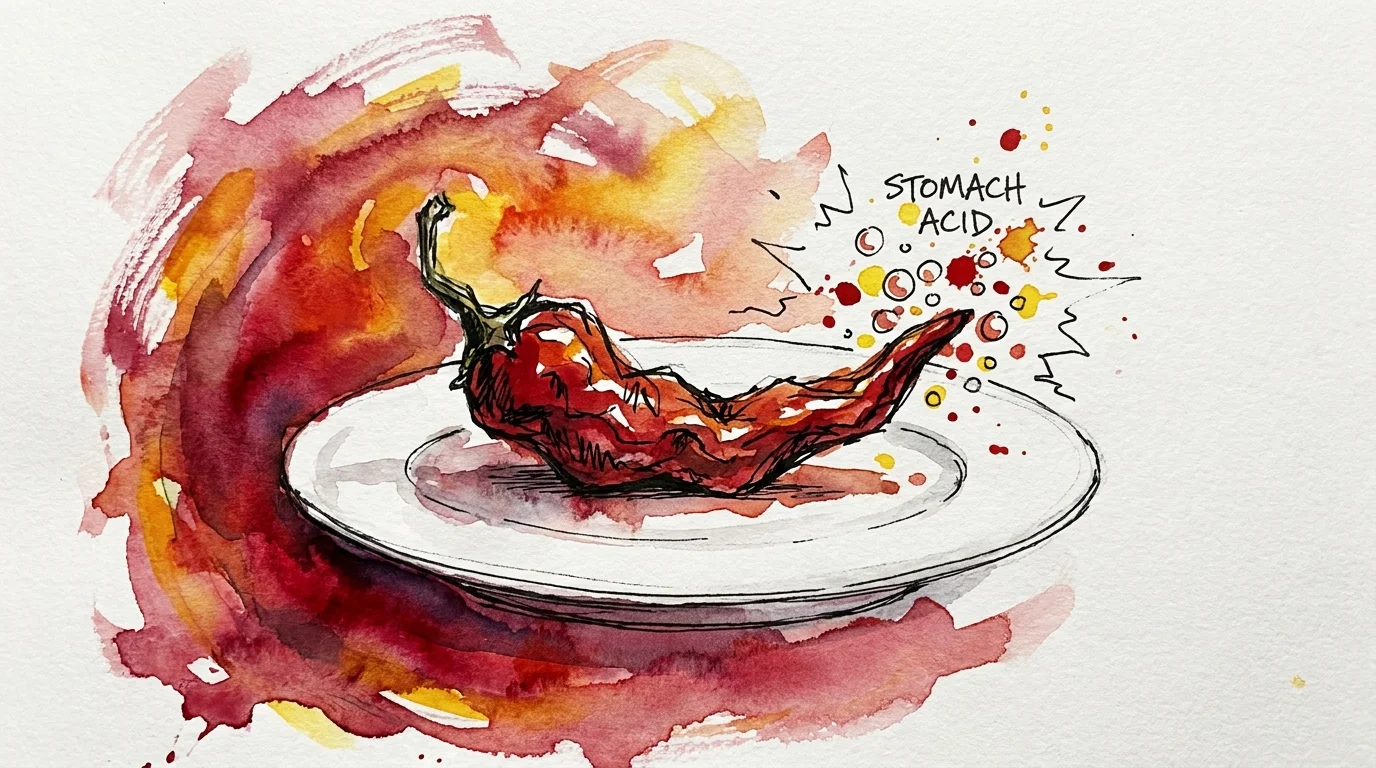
Adding hot sauce to your early morning eggs or eating leftover spicy foods for breakfast shocks your sleeping digestive system. Capsaicin, the chemical responsible for the heat in chili peppers, severely irritates the sensitive, unbuffered gastric mucosa of an empty stomach. For older adults with a thinned stomach lining, capsaicin triggers sudden cramping, intense burning sensations, and rapid, uncomfortable bowel movements. Save your spices for lunch or dinner, when your stomach has established a protective layer of digesting food.
6. Carbonated Beverages
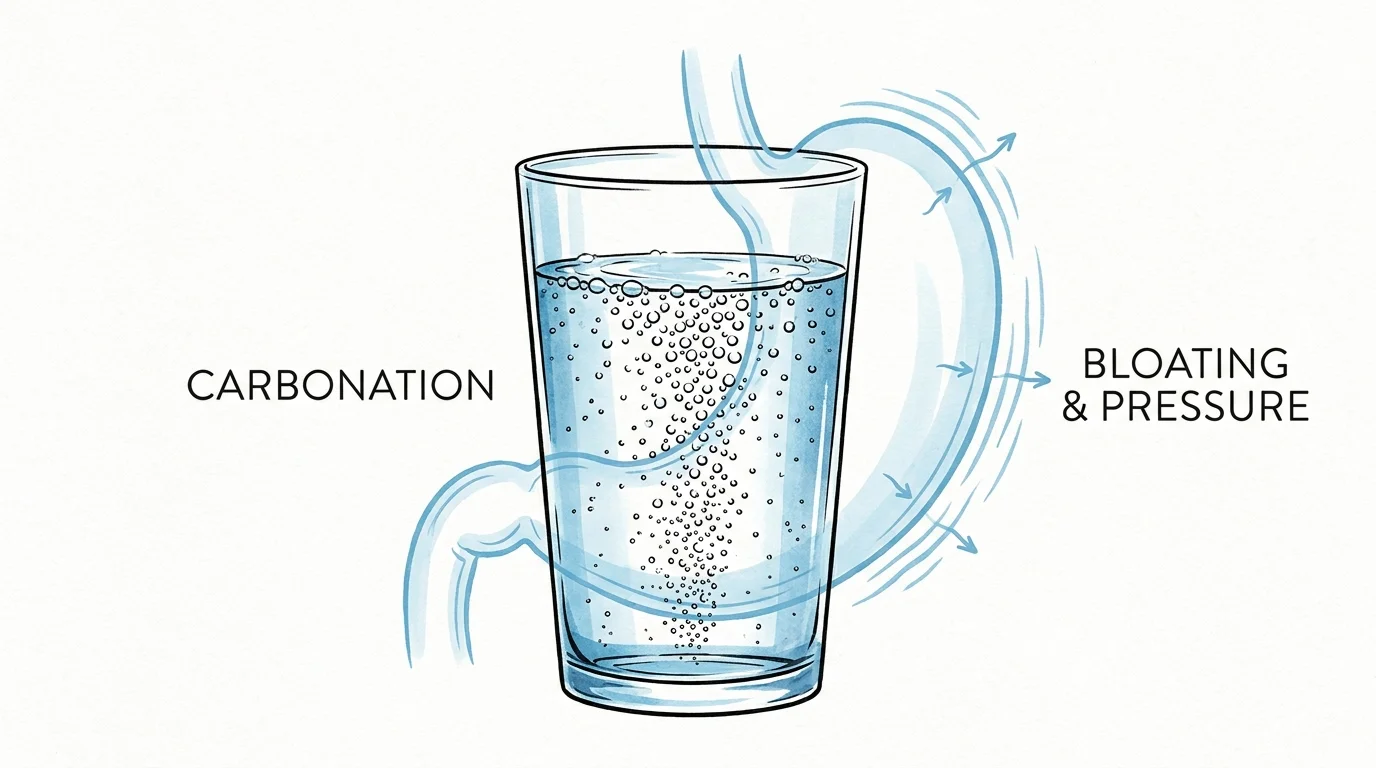
Drinking sparkling water or soda on an empty stomach introduces pressurized carbon dioxide gas directly into your gut. This gas rapidly expands, distending the stomach wall and creating intense bloating and discomfort. The physical stretching of the stomach also forces the esophageal sphincter open, pushing any resting stomach acid up into the throat. Carbonation acts as a mechanical stressor, so you should always hydrate with still, room-temperature water during the first hour of your day.
7. Raw Green Vegetables
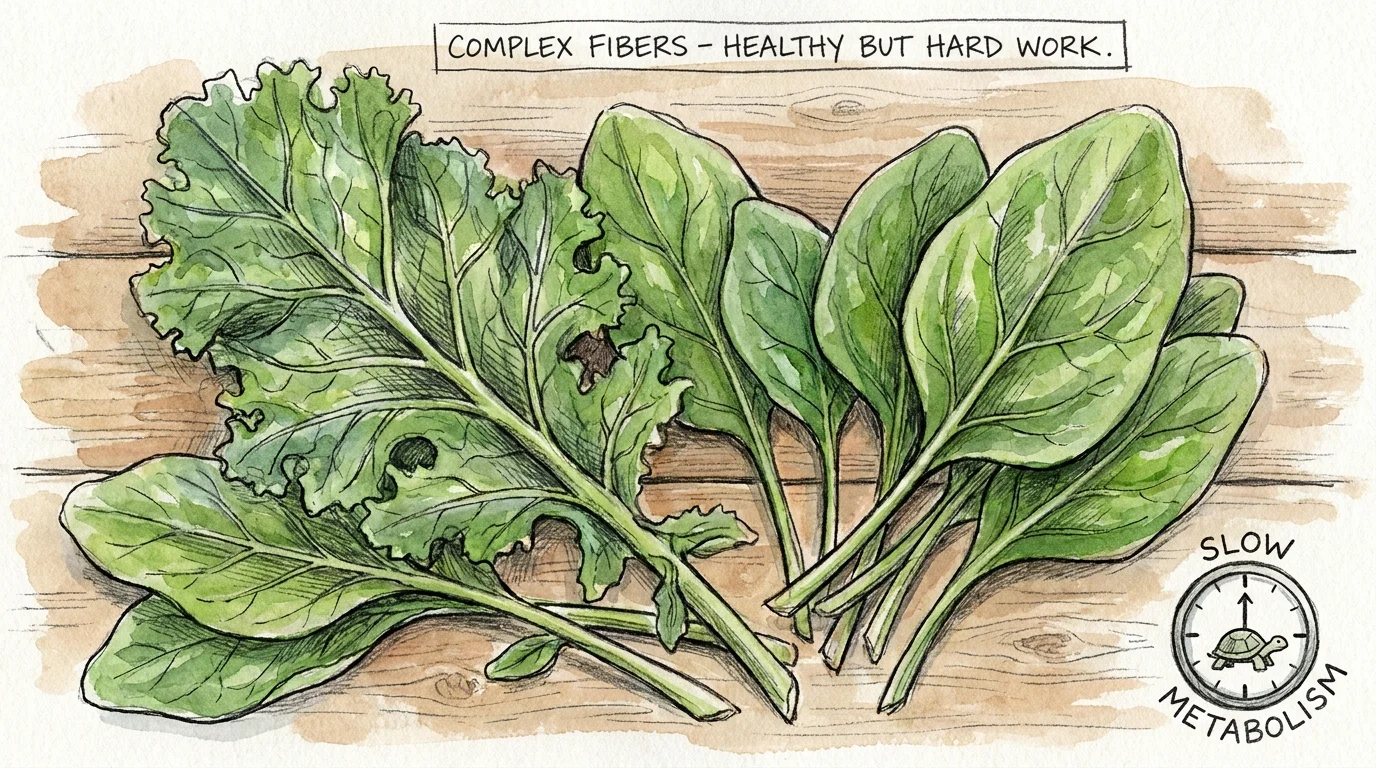
While vegetables represent the cornerstone of a healthy diet, eating raw, tough greens like kale, broccoli, or cabbage on an empty stomach creates painful bloating. These vegetables contain large amounts of crude, insoluble fiber and complex sugars called raffinose. A fasting stomach lacks the immediate enzymatic power to break these tough fibers down quickly, leaving them to ferment in your digestive tract. This fermentation produces excess gas and abdominal cramping. Gently steaming your vegetables breaks down the cellulose structure, making them much easier for an older digestive system to process.
8. Bananas
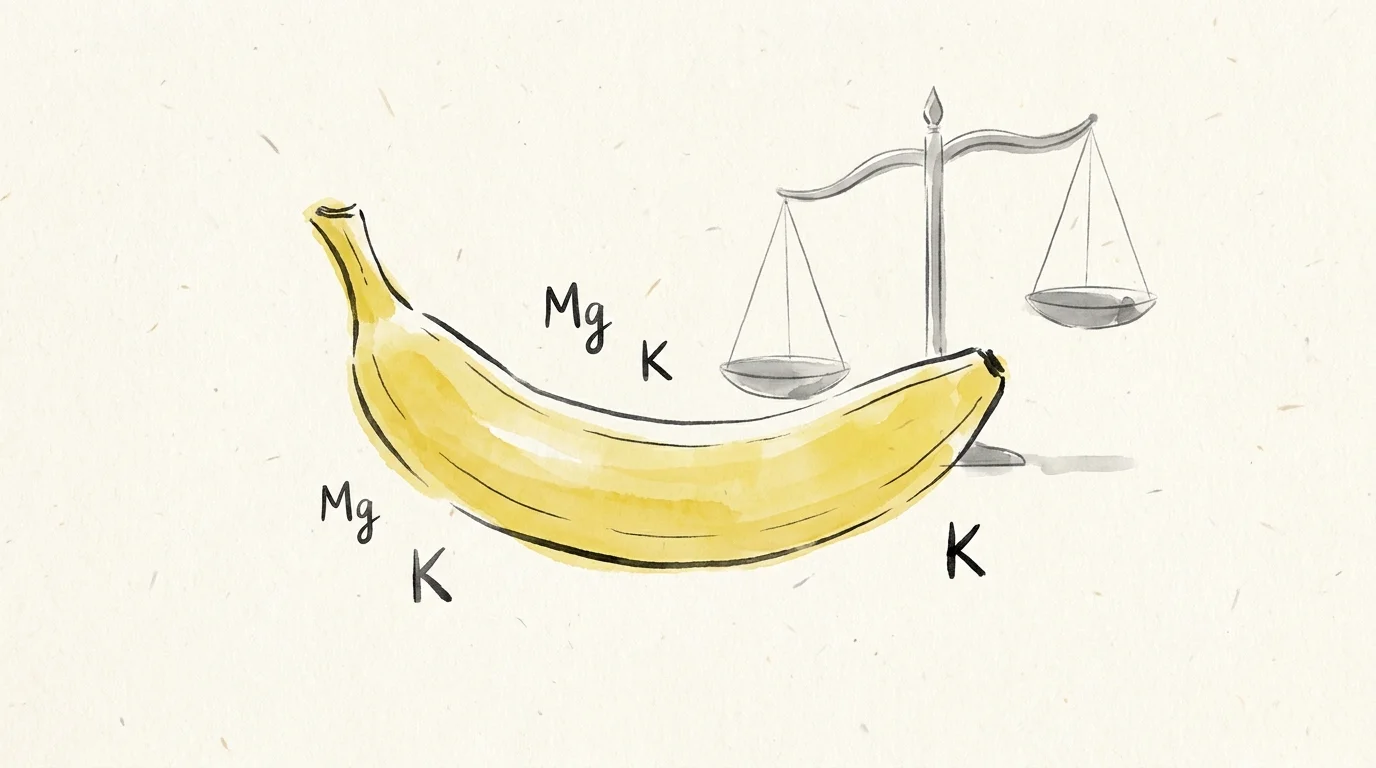
Bananas hold a reputation as the ultimate convenient breakfast food, but eating them alone on an empty stomach disrupts your internal balance. Bananas contain very high levels of magnesium and potassium. While these minerals are essential for heart health, flooding an empty stomach with them causes a sudden spike in your blood mineral levels, which places unnecessary stress on your cardiovascular system. Additionally, their high natural sugar content can trigger an energy crash. Pair your banana with a handful of nuts or mix it into yogurt to slow the absorption of these nutrients.
9. Pears
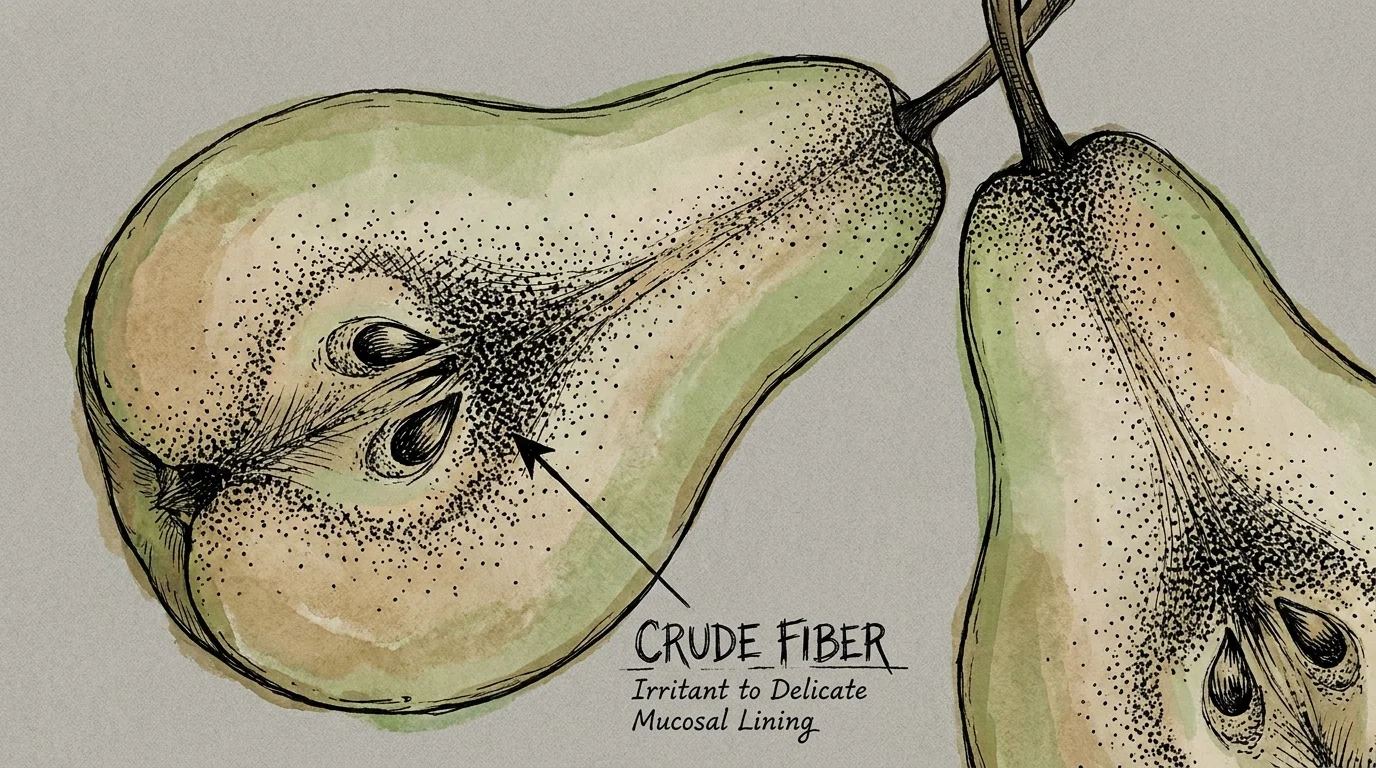
Pears provide excellent hydration and vitamins, but they contain crude fiber that acts aggressively against an empty stomach. The specific type of insoluble fiber found in raw pears can scratch and injure the delicate mucous membranes lining your stomach and intestines when eaten without other foods present. This abrasive action frequently leads to a dull, lingering stomach ache throughout the morning. Blending pears into a smoothie with protein or baking them softens the fiber, neutralizing this threat completely.
10. Chocolate
Grabbing a piece of chocolate or consuming a heavy chocolate-flavored breakfast drink first thing in the morning relaxes the vital valve between your stomach and esophagus. Chocolate contains a compound called theobromine, alongside varying amounts of caffeine and fat. Together, these elements act as highly effective triggers for gastroesophageal reflux. The rich fats in chocolate also dramatically slow down the emptying of the stomach, leaving you feeling uncomfortably full and sluggish before your day has even begun.
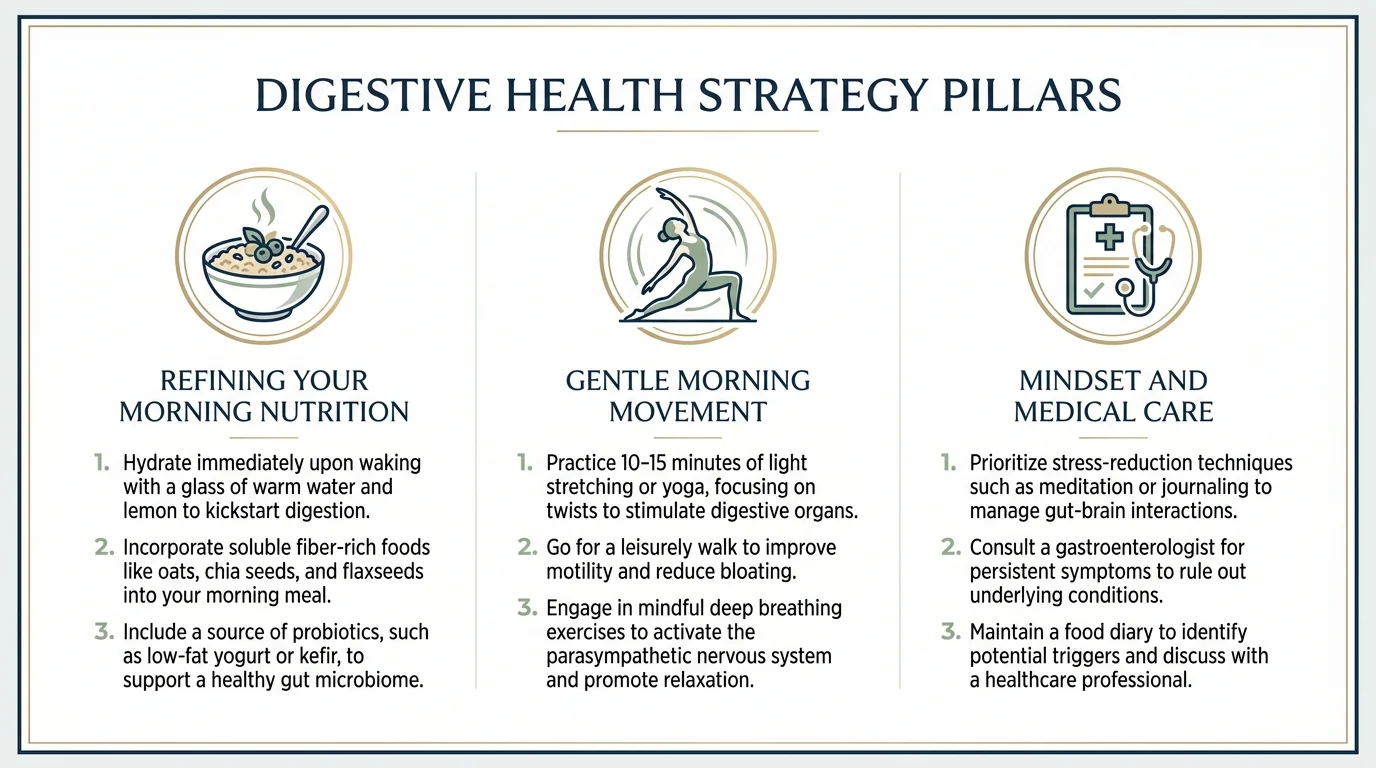
Strategy Pillars for Morning Wellbeing
Refining Your Morning Nutrition
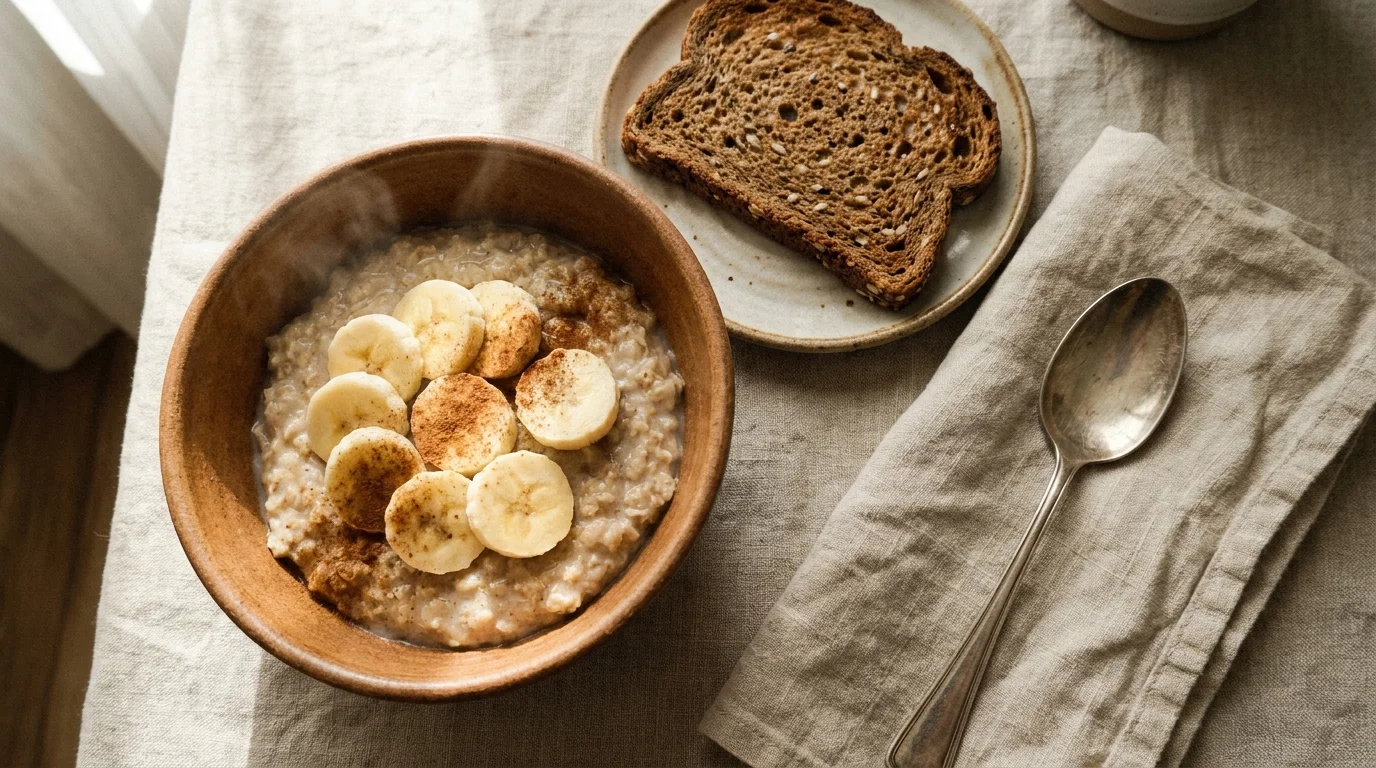
Building a stomach-friendly morning routine begins with choosing foods that actively soothe your digestive tract. Start your day with a warm bowl of oatmeal, which coats the stomach lining and provides soluble fiber to stabilize your blood sugar. Eggs offer a gentle, highly digestible source of protein that keeps you full without provoking acid production. Papaya features natural digestive enzymes that aid your stomach’s workload. Focus on warm, soft, and nutrient-dense foods to wake up your digestive system gently.

Gentle Morning Movement
Physical activity significantly influences your digestive efficiency. Instead of lying down after your morning meal, engage in fifteen minutes of light movement. Taking a gentle walk around your neighborhood or practicing basic stretching encourages healthy gastric motility—the natural muscle contractions that move food through your system. Movement prevents food from lingering too long in the stomach, reducing the likelihood of bloating and acid reflux. Keep the exercise low-impact to avoid diverting too much blood away from your digesting stomach.

Mindset and Medical Care
How you eat matters just as much as what you eat. Older adults should practice mindful eating by chewing food slowly and thoroughly, taking the burden off the stomach by breaking food down mechanically in the mouth. Sit upright while eating and remain upright for at least an hour afterward to let gravity assist your digestion. If you consistently experience morning digestive pain, you must consult a medical professional. Utilizing resources to find credentialed nutrition professionals or working alongside a gastroenterologist provides you with customized strategies tailored to your unique medical history.

Real Voices from the Clinic
Geriatric dietitians consistently observe that minor tweaks to morning routines yield dramatic improvements in patient comfort. Clinical experts emphasize that the morning fasting state leaves the gut in its most vulnerable condition of the day. Dietitians frequently report that older patients who suffer from chronic morning nausea or unexplained heartburn find almost immediate relief simply by swapping their first cup of black coffee for a glass of warm water and a slice of whole-grain toast. Gastroenterologists also warn that many patients misinterpret morning acid reflux as a heart issue, highlighting the critical importance of reviewing your morning dietary triggers with your doctor. Reviewing guidelines for managing acid reflux often serves as an eye-opening experience for seniors who have unknowingly tortured their stomachs for years.
Frequently Asked Questions
How long should I wait after waking up before I eat?
You should generally aim to eat within the first hour of waking up. Waiting too long allows stomach acid to accumulate, which causes nausea and damages the stomach lining. Eating a small, gentle meal promptly helps neutralize overnight acid buildup and kickstarts your metabolism for the day.
Can I drink water on an empty stomach?
Yes, drinking water on an empty stomach is highly beneficial. Consuming a glass of room-temperature or slightly warm water immediately upon waking rehydrates your body and flushes out the digestive tract. Avoid ice-cold water, as extreme cold causes the blood vessels in your stomach to constrict, slowing down the digestive process.
Is decaffeinated coffee safe to drink before breakfast?
While decaf removes the caffeine, it still contains high levels of chlorogenic acid, which stimulates the production of gastric acid. Therefore, decaffeinated coffee can still trigger heartburn and irritate the stomach lining if consumed before eating. Always pair your morning coffee, decaf or regular, with solid food.
What should I do if I already experience morning heartburn?
If you regularly wake up with heartburn, you should evaluate your late-night eating habits alongside your morning routine. Avoid eating heavy or acidic foods within three hours of bedtime. Elevate the head of your bed slightly, and drink warm water when you wake up to dilute resting stomach acid. If symptoms persist, contact your healthcare provider for a thorough evaluation.
Your Next Steps
Taking control of your morning digestion does not require an overwhelming overhaul of your lifestyle. You can start tomorrow by making one simple adjustment: drink a glass of warm water before reaching for your coffee or fruit juice, and pair that beverage with a gentle, stomach-friendly food like oatmeal or toast. Notice how your body responds to this small change. Does your energy last longer? Does your stomach feel more settled? Pay attention to these signals, and use them to build a morning routine that treats your digestive system with the respect and care it deserves.









Leave a Reply