

Ignoring digestive distress can lead to chronic fatigue, systemic inflammation, and severe medical complications that compromise your quality of life. Recognizing the early warning signals your body sends allows you to take immediate, proactive steps toward sustainable healing. The large intestine plays a critical role in nutrient absorption, waste elimination, and immune regulation, making it a foundational pillar of your wellbeing. Unfortunately, modern environmental stressors, ultra-processed diets, and sedentary habits actively disrupt this delicate ecosystem. When your lower digestive tract struggles, it broadcasts specific distress signals you must not ignore. Understanding these physical cues empowers you to seek appropriate medical care and adjust your habits before minor irritation escalates into serious disease.
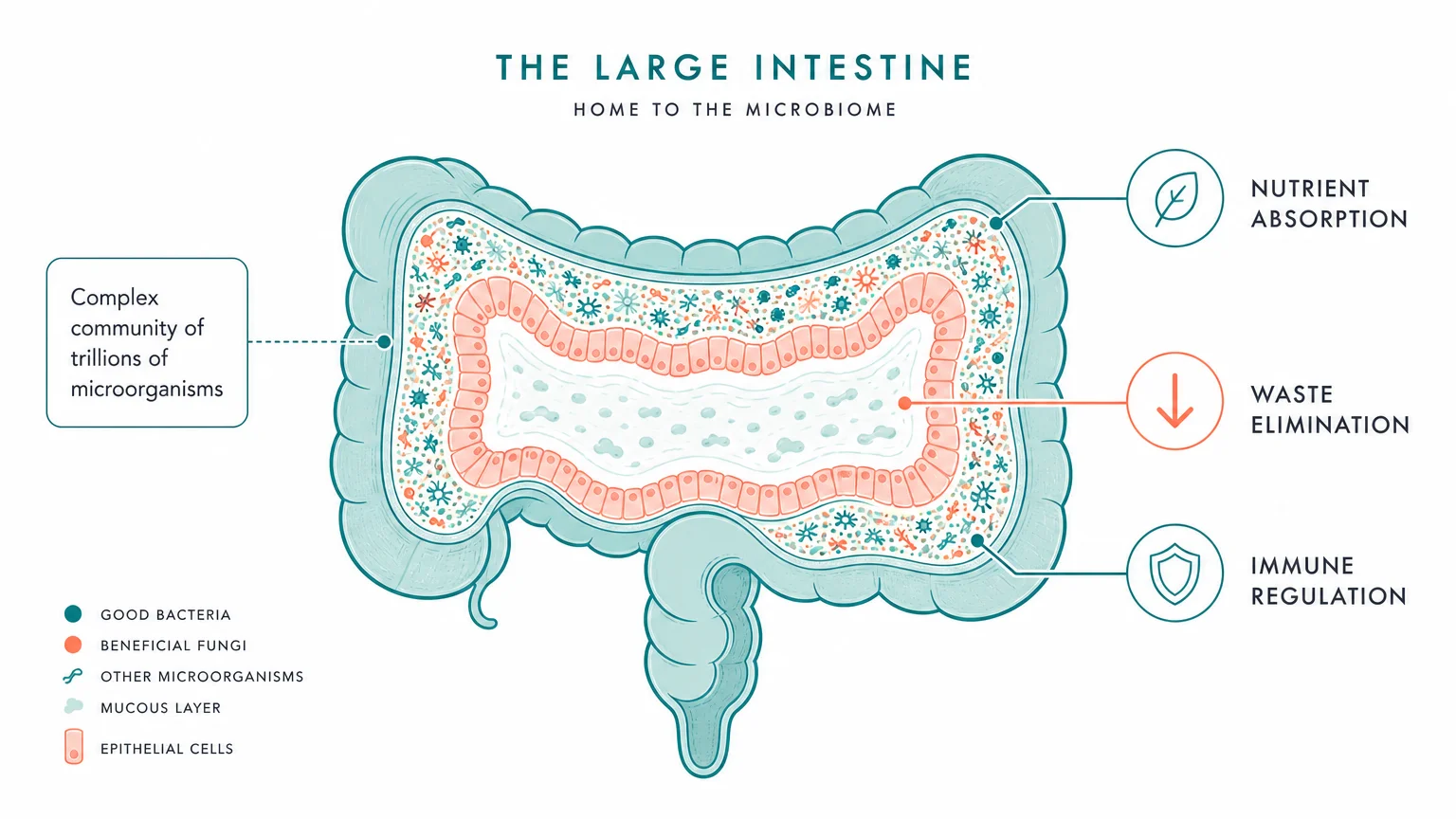
The Science Snapshot: Understanding Your Gut
Clinical research increasingly demonstrates that your gut health dictates your systemic health. Your lower digestive tract relies on a complex community of trillions of microorganisms, alongside coordinated muscle contractions and thick mucosal barriers, to function correctly day after day. When dangerous pathogens, chronic inflammation, or cellular abnormalities disrupt this delicate environment, your body manifests highly specific symptoms. Monitoring these physiological changes helps you intercept potential threats—ranging from localized infections to advanced structural issues—before they require emergency surgical interventions. By paying close attention to your daily bathroom habits, you take direct control over your long-term physical vitality.
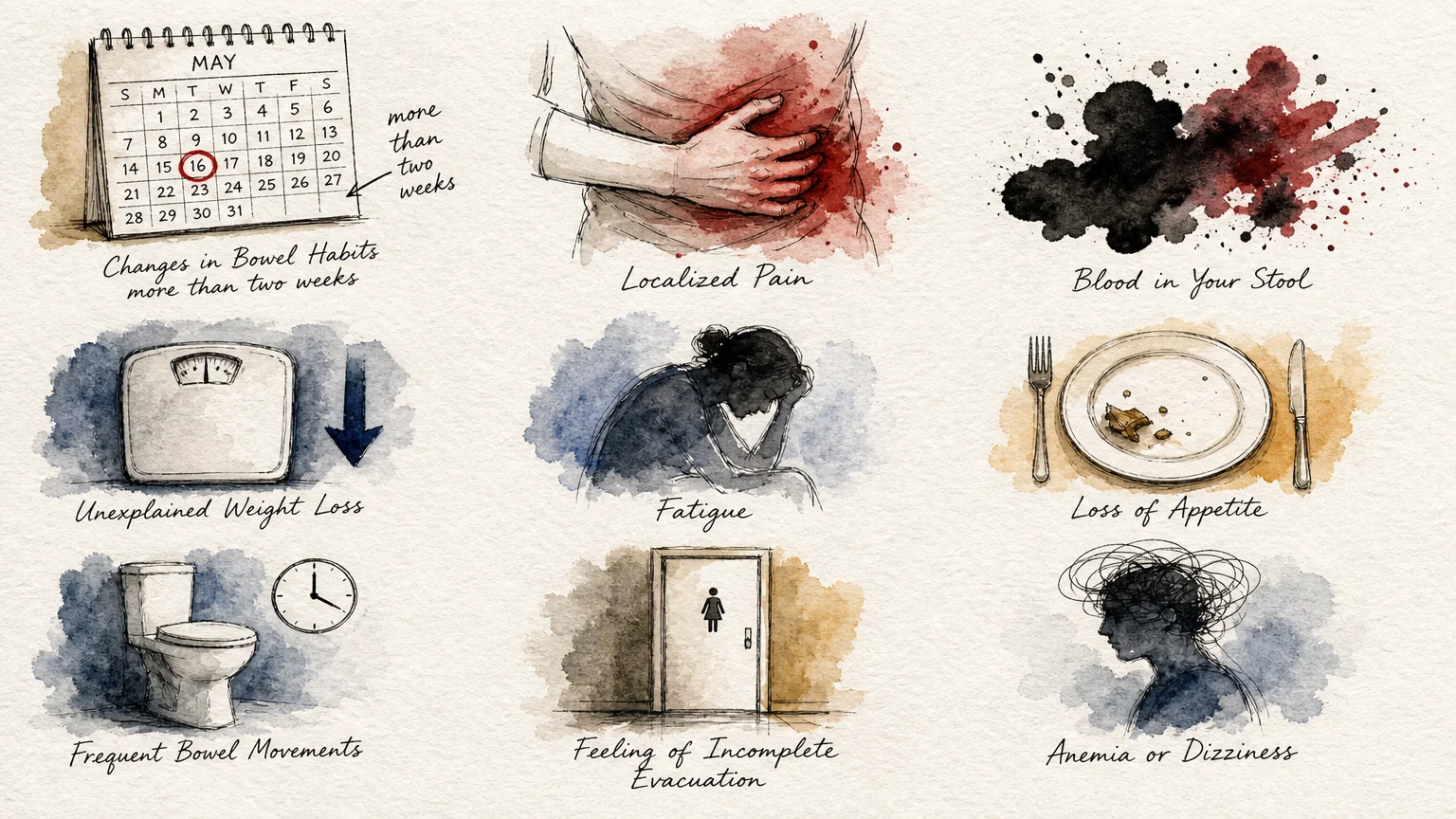
The 9 Warning Signs of Colon Distress
1. Persistent Changes in Bowel Habits
Occasional irregularity happens to everyone, but persistent shifts in your bathroom routine demand your full attention. If you experience ongoing diarrhea, chronic constipation, or a prolonged alternation between the two lasting more than a few days, your digestive system is signaling a severe disruption. Healthy bowel movements should pass easily, form a solid shape, and occur at regular intervals. Chronic constipation allows dangerous toxins to linger against the intestinal lining, while persistent diarrhea prevents proper water and nutrient absorption. Furthermore, chronic dehydration frequently exacerbates these symptoms, creating a vicious cycle of discomfort. Medical professionals consider a significant change lasting longer than two weeks a primary indicator of bowel health distress that warrants immediate clinical evaluation.
2. Unexplained Abdominal Pain and Cramping
While a mild stomach ache after eating an unusually rich meal is completely normal, sharp, localized, or recurring lower abdominal pain is not. The smooth muscles of your large intestine contract naturally to move waste along the digestive tract; however, heavy inflammation, internal polyps, or structural blockages cause these sensitive muscles to spasm violently. If you experience intense cramping that does not resolve after a bowel movement, or pain that consistently wakes you up in the middle of the night, you must consult a physician. This specific type of discomfort often indicates underlying inflammatory bowel disease requiring urgent medical care. Enduring this pain silently also spikes your stress hormones, which further damages your intestinal lining.
3. Blood in Your Stool
Finding blood in the toilet bowl or on the toilet tissue is a terrifying experience, and you should never dismiss it as a mere hemorrhoid without clinical verification. Bright red blood typically indicates acute bleeding near the lower end of the digestive tract, whereas dark, tarry stools suggest heavy bleeding further up in the gastrointestinal system. Both scenarios represent critical colon warning signs that require swift action rather than panic. While minor anal fissures can cause minimal bleeding, persistent or voluminous blood loss points toward advanced inflammation, bleeding ulcers, or rapidly growing tumors. Contact a healthcare provider immediately to schedule a visual examination and secure an accurate, life-saving diagnosis.
4. Unintended Weight Loss
Shedding pounds rapidly without altering your daily diet or exercise regimen often points directly to gastrointestinal failure. When your lower intestine becomes severely inflamed or cellularly compromised, it loses the physiological ability to absorb essential macronutrients and fat-soluble vitamins from your food. Additionally, chronic digestive diseases elevate your resting metabolic rate as your overworked immune system fights off systemic inflammation. If you drop more than five percent of your overall body weight within a six-month period without trying, you must seek a professional assessment. Your physician will run targeted diagnostics to rule out dangerous malabsorption disorders or internal malignancies draining your caloric reserves.
5. Chronic Fatigue and Weakness
Feeling continuously drained despite getting adequate, restful sleep highlights a hidden, internal struggle within your body. Your large intestine remains intimately connected to energy regulation and the synthesis of crucial B vitamins. When chronic inflammation ravages your digestive tract, your immune system redirects massive amounts of metabolic energy to fight the perceived threat. Furthermore, poor gut health actively disrupts your sleep architecture, preventing you from reaching restorative deep sleep phases. If a profound, heavy exhaustion prevents you from completing standard daily tasks or severely limits your social life, your compromised digestive system may be quietly draining your physical and mental energy reserves.
6. Severe Bloating and Trapped Gas
Everyone experiences occasional gas, but severe, painful bloating that heavily distends your abdomen reveals trapped air or dangerously slow motility within your digestive tract. When the beneficial bacteria in your microbiome become unbalanced, they ferment undigested carbohydrates at an accelerated rate, producing excess gas. Structural blockages can also trap this gas, causing significant physical pain and visible swelling that differs entirely from normal post-meal fullness. If your clothes suddenly fit tightly by the late afternoon or you experience painful pressure in your abdomen that standard antacids cannot resolve, your internal microbial ecosystem desperately needs professional, targeted attention.
7. A Feeling of Incomplete Emptying
The persistent sensation that you need to pass a bowel movement even after you just had one is known clinically as tenesmus. This highly uncomfortable feeling occurs when inflamed tissues or internal masses in the rectum mimic the physical presence of stool. It forces your pelvic muscles to contract repeatedly in a futile, exhausting effort to empty an already vacant bowel. This constant muscular strain leaves you feeling physically depleted and emotionally frustrated. Tenesmus serves as a hallmark symptom of severe inflammatory bowel disease and requires swift evaluation by a specialist to identify the underlying structural or inflammatory cause.
8. Iron Deficiency Anemia
Anemia often develops completely silently, masking itself as general daytime fatigue, dizziness, or shortness of breath during light exercise. A routine blood test revealing low iron levels in the absence of heavy menstruation frequently points directly to occult bleeding in the gastrointestinal tract. Microscopic amounts of blood lost continuously through ulcerated tissues slowly but surely deplete your vital iron stores, preventing your red blood cells from transporting oxygen efficiently throughout your body. Medical professionals universally view unexplained iron deficiency anemia as a glaring red flag for colon health issues, necessitating immediate, targeted screenings to locate and seal the internal source of the bleeding.
9. Sudden Food Intolerances
If you suddenly cannot tolerate dairy, gluten, or complex carbohydrates that you previously enjoyed for years without issue, your intestinal lining has likely sustained significant damage. Chronic inflammation heavily compromises the delicate mucosal barrier, preventing the secretion of essential digestive enzymes like lactase. This sudden inability to break down specific foods triggers violent cramping, excess gas, and rapid diarrhea shortly after eating. This phenomenon differs entirely from lifelong, systemic allergies. Developing new, aggressive food sensitivities in adulthood strongly suggests that your gastrointestinal tract requires immediate healing interventions and careful dietary modifications under strict clinical guidance.
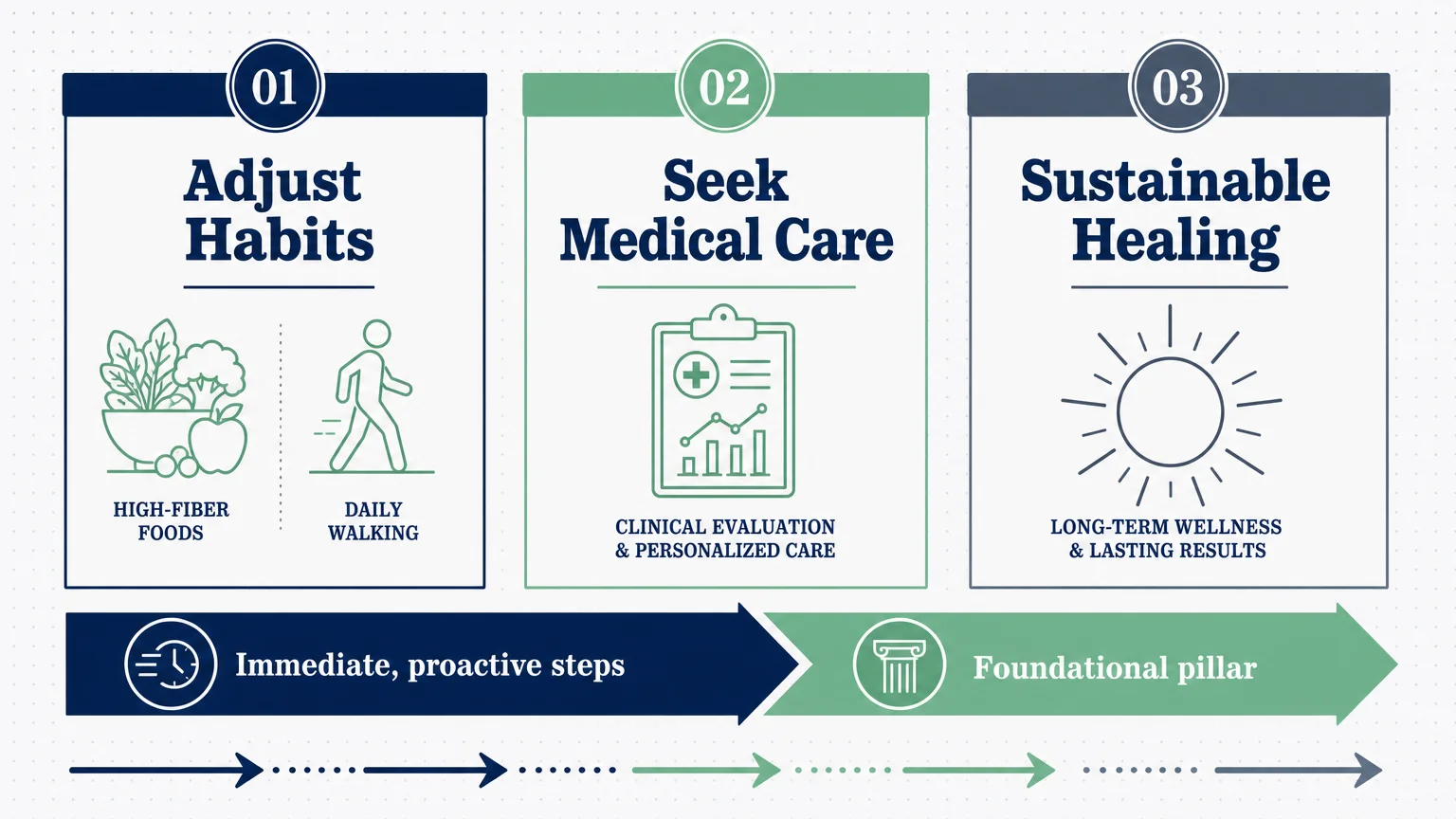
Strategy Pillars for Restoring Digestive Health
Nutrition for a Thriving Microbiome
Prioritizing whole, unprocessed foods builds the absolute foundation of lasting digestive health. Your microbiome thrives heavily on dietary fiber, which acts as a powerful prebiotic to feed your beneficial gut bacteria. Focus on incorporating diverse plant materials into your daily meals, including leafy greens, fibrous legumes, and fortified whole grains. If fresh produce is difficult to access or prohibitively expensive in your community, frozen vegetables offer identical nutritional profiles and support bowel regularity just as effectively. Alongside fiber, you must dramatically increase your daily water intake. Soluble fiber naturally absorbs water to create a soft, easily passable gel in your digestive tract; without adequate hydration, increasing your fiber intake will only exacerbate severe cramping and constipation. Always consult a dietary expert before radically altering your nutritional intake.
Movement to Stimulate Digestion
Physical activity directly and positively influences the motility of your gastrointestinal tract. Sedentary lifestyles drastically slow down the natural peristaltic contractions that move physical waste through your system, leading to dangerous stagnation and toxin buildup. You do not need to endure punishing, high-intensity workouts to reap the digestive benefits of daily movement. Brisk walking for thirty minutes a day efficiently stimulates blood flow to your abdominal organs and naturally encourages regular bowel movements. Gentle yoga poses that involve twisting motions also help massage your internal organs, releasing trapped gas and easing physical tension in the lower abdomen. Find a sustainable, highly enjoyable form of movement that fits your physical abilities to keep your digestive system active.
Mindset and the Gut-Brain Axis
The gut-brain axis forms a complex, bidirectional communication highway between your central nervous system and your highly sensitive enteric nervous system. Chronic psychological stress actively degrades your gut health by triggering the continuous release of cortisol, which drastically alters gut motility and decreases protective mucus production. This stress-induced vulnerability directly allows harmful bacteria to flourish and triggers painful abdominal spasms. Implementing daily stress-reduction techniques—such as deep breathing exercises, progressive muscle relaxation, or mindfulness meditation—rapidly calms your central nervous system and subsequently soothes your irritated digestive tract. Recognizing the intimate connection between your emotional wellbeing and your physical digestion allows you to adopt a truly holistic healing approach.
Accessible and Proactive Medical Care
Navigating modern healthcare systems can feel entirely overwhelming, yet securing professional medical guidance remains absolutely non-negotiable when dealing with persistent digestive distress. Do not rely solely on late-night internet research to diagnose complex gastrointestinal symptoms. Reach out directly to a primary care physician or a board-certified gastroenterologist for targeted, evidence-based evaluations. Advanced screenings detect dangerous cellular changes years before they develop into life-threatening malignancies. If you lack comprehensive insurance coverage, look for federally funded health centers or local community clinics that offer sliding-scale fees for crucial diagnostic services. Early clinical detection significantly improves all treatment outcomes, making it imperative to advocate fiercely for your own health and demand thorough investigations into your ongoing symptoms.

Real Voices: Insights from the Clinic
Clinical practitioners consistently emphasize the critical importance of early intervention when treating gastrointestinal conditions. Leading gastroenterologists routinely observe that terrified patients often endure severe abdominal pain and highly erratic bowel habits for years out of profound embarrassment. Medical experts urge you to push firmly past the societal stigma surrounding bathroom habits and communicate openly and honestly with your physician. Specialists note that the mucosal tissues of the lower digestive tract possess a remarkable capacity for rapid cellular repair when provided with the correct healing environment. By combining evidence-based medical treatments with targeted lifestyle modifications, patients frequently achieve complete, lasting symptom remission. Listening closely to your body transforms a daunting diagnostic process into an empowering, life-changing journey toward optimal health.
Frequently Asked Questions
How do I know if my bloating is normal or a sign of a larger issue?
Normal bloating usually resolves within a few short hours and directly correlates to eating high-fiber or gas-producing foods like beans and cruciferous vegetables. You should become highly concerned when your bloating becomes severely painful, distends your abdomen to the point where your clothes do not fit, or persists for consecutive days regardless of your dietary choices. Chronic swelling warrants a prompt clinical evaluation to check for bacterial overgrowth or blockages.
Can daily psychological stress actually cause physical damage to my colon?
Yes; chronic psychological stress induces tangible, destructive physical changes within your digestive tract. Sustained high levels of cortisol and adrenaline actively slow down digestion, decrease vital blood flow to your stomach, and alter the fragile composition of your gut microbiome. Over time, this constant state of fight-or-flight rapidly degrades the mucosal lining of your intestines, increasing systemic inflammation and exacerbating conditions like irritable bowel syndrome.
When exactly should I schedule a preventative colonoscopy?
Current medical consensus strongly dictates that individuals at average risk should begin preventative colorectal cancer screenings at age forty-five. However, if you possess a known family history of colon cancer, inflammatory bowel disease, or genetic syndromes linked to gastrointestinal cancers, your physician will likely recommend starting these screenings much earlier in life. Always discuss your comprehensive personal medical history with your doctor to determine your safest screening timeline.
Do over-the-counter probiotic supplements actually heal the gut?
While high-quality probiotic supplements certainly help replenish beneficial bacteria after a harsh course of antibiotics, they cannot independently heal severe structural damage or cure chronic intestinal inflammation. Probiotics work best as a helpful supplementary measure alongside a diverse fiber-rich diet, adequate daily hydration, and properly prescribed medical therapies. You must consult a trusted physician to ensure you select a bacterial strain that targets your specific digestive symptoms safely and effectively.
Taking Your Next Step
Healing your complex digestive system requires daily patience, unwavering consistency, and a brave willingness to confront uncomfortable physical symptoms head-on. Rather than attempting to overhaul your entire lifestyle overnight, focus your energy on making a single, manageable change today. Start by diligently tracking your daily meals, hydration levels, and physical symptoms in a private journal to identify hidden patterns and potential dietary triggers. This highly tangible data will prove absolutely invaluable when you consult a medical professional about your ongoing condition. As you move forward on your healing journey, ask yourself: What is one supportive, non-negotiable boundary I can set today to protect my long-term physical and emotional wellbeing?








Leave a Reply