

Your body constantly communicates its needs through subtle physical changes, meaning those persistent cracks at the corners of your mouth or your sudden onset of muscle weakness might be more than simple annoyances. Recognizing these eight specific physical signals can help you identify potential vitamin shortcomings before they cascade into more severe health complications. While aging and modern dietary habits often compromise our ability to absorb essential vitamins and minerals, addressing these early warning signs empowers you to optimize your long-term vitality. Understanding the exact language of your body allows you to make targeted, effective adjustments to your diet and lifestyle to support sustainable wellness.
The Science Snapshot: Why Nutrient Deficiencies Matter Today
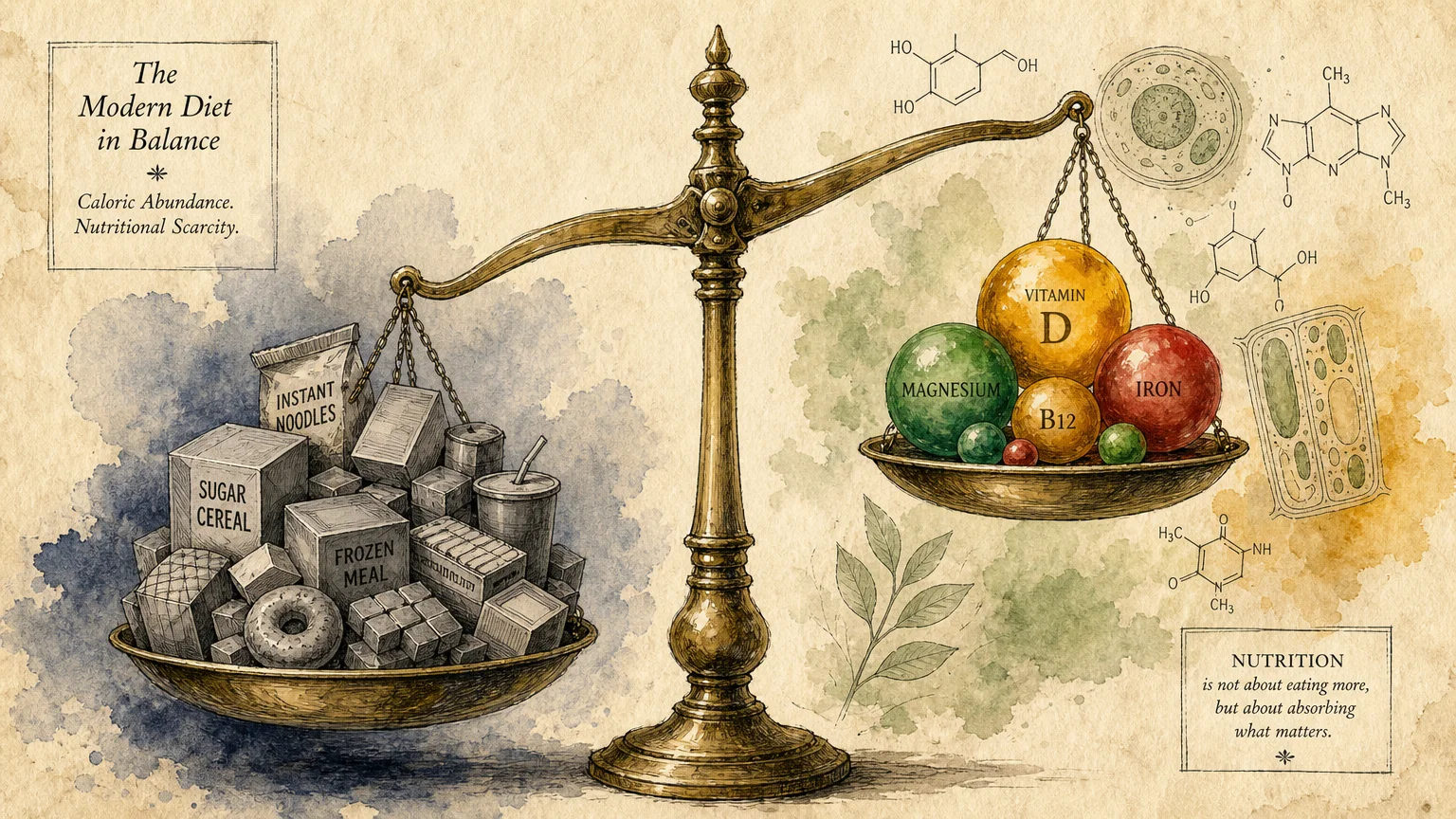
Modern conveniences often obscure the reality of our foundational nutrition health. You might eat plenty of calories every day while still starving your cells of the micronutrients they require to function. Researchers at the National Institutes of Health consistently highlight that widespread shifts toward heavily processed convenience foods have created measurable gaps in essential vitamins and minerals across the general population. These gaps do not simply vanish; they manifest as physical symptoms that diminish your daily quality of life.
Age also changes the way your body processes food. As you grow older, your stomach produces less acid, which directly impairs your ability to extract crucial nutrients like vitamin B12, calcium, and iron from your meals. Furthermore, social determinants of health—such as living in areas with limited access to fresh, affordable produce—play a massive role in creating systemic nutrient deficiencies. Recognizing that these physical signs are biological distress signals rather than inevitable parts of aging allows you to take decisive, empowering action toward maintaining your physiological resilience.
8 Symptoms That Could Point to a Vitamin Deficiency
1. Unexplained Fatigue and Muscle Weakness
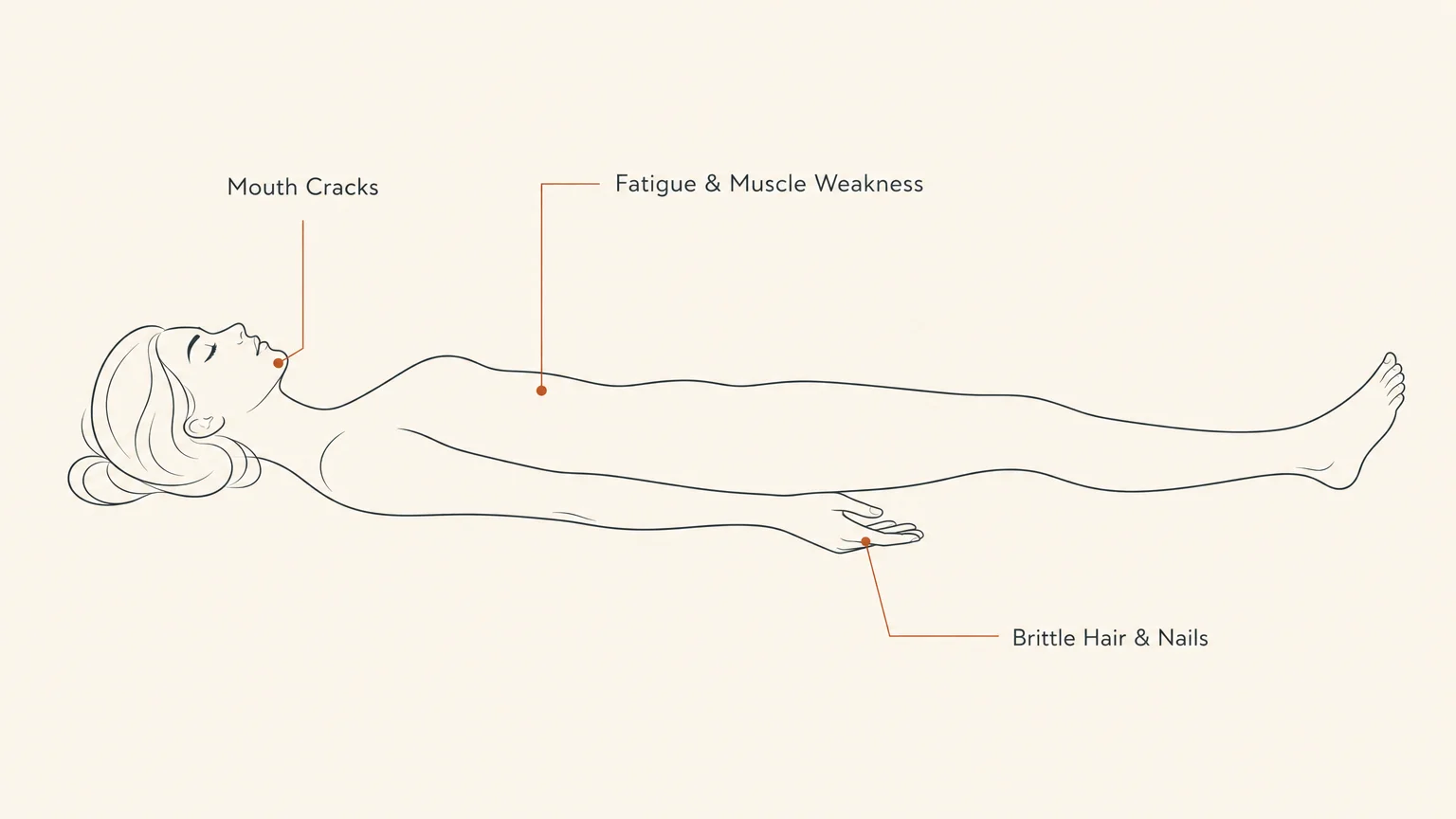
Waking up exhausted even after a full night of sleep strongly indicates that your cells lack the basic materials needed to produce energy. Severe, unexplained fatigue often ties directly to depleted levels of vitamin D, iron, or vitamin B12. Vitamin B12 plays a mandatory role in the formation of red blood cells, which transport oxygen throughout your body. Without sufficient oxygen reaching your tissues, your muscles feel heavy and your stamina plummets. This symptom frequently impacts older adults because the natural aging process reduces the stomach’s production of intrinsic factor, a protein strictly required for B12 absorption. You can actively combat this by integrating fortified cereals, nutritional yeast, or high-quality animal proteins into your meals, though you should always verify severe fatigue with a medical professional.
2. Brittle Hair and Nails
When your hair breaks easily and your fingernails split or peel, your body is actively rationing nutrients. Hair and nails consist of rapidly dividing cells that require a constant supply of vitamins to maintain structural integrity. Biotin, also known as vitamin B7, plays a structural role in building keratin, the protein that makes up your hair and nails. While true biotin deficiency remains relatively rare in the general population, prolonged use of certain medications or chronic digestive issues can deplete your reserves. Chronic fatigue combined with brittle nails also strongly suggests iron depletion. Incorporating egg yolks, organ meats, seeds, and sweet potatoes provides a robust, food-based approach to restoring the strength of your hair and nails.
3. Mouth Ulcers and Cracks at the Corners
Painful lesions inside your cheeks or deep cracks at the corners of your lips—a condition clinically known as angular cheilitis—frequently point to a shortage of B vitamins or iron. Specifically, deficiencies in riboflavin, niacin, and pyridoxine directly compromise the delicate mucosal tissues of your mouth. Your mouth acts as a highly visible indicator of your gastrointestinal health and your overall nutritional status. If you frequently develop these painful cracks, your body demands an intervention. You can supply these missing building blocks by consuming more dark leafy greens, poultry, and legumes. Addressing this symptom promptly not only relieves the immediate discomfort but also protects your broader digestive tract from similar tissue degradation.
4. Bleeding Gums
Brushing your teeth should never result in a sink full of blood. While poor dental hygiene causes gingivitis, persistently bleeding gums despite excellent flossing habits serve as a classic warning sign of a vitamin C deficiency. Vitamin C acts as an essential cofactor in collagen synthesis. Collagen functions as the literal glue that holds your tissues, including your gums, together. Because your body cannot synthesize or store vitamin C, you must consume it continuously. The Centers for Disease Control and Prevention notes that severe vitamin C deficiency, historically known as scurvy, still appears in populations with highly restrictive diets. Eating a daily variety of bell peppers, citrus fruits, strawberries, and broccoli ensures your gums retain their structural integrity.
5. Poor Night Vision and Dry Eyes
Struggling to navigate a dimly lit room or experiencing chronically dry, irritated eyes frequently points to a lack of vitamin A. This crucial nutrient synthesizes rhodopsin, the pigment in your eyes that allows you to see in low-light conditions. When vitamin A drops too low, your eyes lose the ability to produce adequate moisture, leading to a condition called xerophthalmia. If left untreated, this can progress to permanent corneal damage. The World Health Organization identifies vitamin A deficiency as a leading cause of preventable blindness worldwide. You can proactively protect your vision by regularly eating orange and yellow vegetables like carrots, sweet potatoes, and butternut squash, which provide beta-carotene that your body converts into active vitamin A.
6. Scaly Patches and Dandruff
Seborrheic dermatitis manifests as itchy, flaking skin, typically forming on the scalp, eyebrows, and around the nose. While environmental factors play a role, stubborn scaly patches often arise from insufficient levels of zinc, niacin, riboflavin, or vitamin B6. These nutrients manage oil production and regulate the turnover of skin cells. When these vitamins drop, skin cells multiply erratically and shed in large, visible flakes. This localized inflammation signals systemic nutrient shortages. You can nourish your skin from the inside out by increasing your intake of whole grains, nuts, seeds, and responsibly sourced seafood. Consistently providing your body with these minerals helps soothe the inflammation and restore a healthy, resilient skin barrier.
7. Hair Loss
Losing more than the standard hundred hairs a day can trigger immense anxiety, but it also serves as a critical diagnostic clue. Significant hair thinning frequently correlates with low levels of iron, zinc, or essential fatty acids. Iron deficiency impairs the production of hemoglobin, reducing the oxygen supply delivered to your hair follicles. Without adequate oxygen, the follicles shift from the active growth phase into a resting phase, causing your hair to shed prematurely. Furthermore, restrictive diets that eliminate healthy fats deprive your scalp of linoleic acid, leading to dull, thinning hair. Reversing this trend involves a comprehensive dietary approach that includes dark leafy greens, beans, lean meats, and omega-rich foods like walnuts and flaxseeds.
8. Restless Leg Syndrome
The overwhelming urge to move your legs, especially when lying down to sleep, severely disrupts your rest and recovery. Restless leg syndrome frequently connects to iron deficiency, even if your standard blood tests do not yet show full-blown anemia. Iron plays a necessary role in the production of dopamine, a neurotransmitter that regulates muscle movement. When iron stores in your brain drop, dopamine signaling falters, leading to involuntary twitches and deep, uncomfortable sensations in your calves and thighs. You can combat this disruptive symptom by pairing iron-rich foods, such as lentils and spinach, with vitamin C sources to maximize your body’s absorption rates.

Strategy Pillars: Bridging the Gap in Your Nutrition Health
Prioritize Food-First Nutrition
Supplements have their place, but your body evolved to extract synergistic nutrients from whole foods. A robust strategy for healthy aging begins with dietary diversity. You achieve the most reliable absorption when you consume vitamins alongside the natural fibers and fats present in whole foods. For example, the fat-soluble vitamins A, D, E, and K require dietary fat to move from your digestive tract into your bloodstream. Drizzling olive oil over your spinach salad ensures you actually absorb the vitamin K present in the greens. Emphasize colorful, minimally processed foods, and view your meals as daily opportunities to restock your body’s vital inventory.
Incorporate Mindful Movement and Sunshine
Physical activity directly impacts how efficiently your body utilizes the nutrients you consume. Exercise improves blood circulation, ensuring that vitamins and minerals travel efficiently to your peripheral tissues, muscles, and skin. Additionally, spending mindful time outdoors provides a dual benefit: it lowers stress hormones that interfere with digestion, and it exposes your skin to ultraviolet B rays. This sun exposure allows your body to synthesize its own vitamin D, a hormone essential for bone density and immune function. Even twenty minutes of daily outdoor walking dramatically enhances both your metabolic efficiency and your overall senior wellness.
Partner with Healthcare Professionals for Medical Care
You cannot manage what you do not measure. Guessing which vitamins you lack often leads to expensive and potentially dangerous over-supplementation. Excessive intake of certain vitamins, like vitamin A or iron, causes severe toxicity. Therefore, engaging with proactive medical care remains a non-negotiable pillar of your wellness journey. Request comprehensive blood panels during your annual physicals to establish a baseline. By tracking these metrics over time, you catch downward trends long before they manifest as the severe symptoms outlined above. True healing requires data-driven interventions tailored specifically to your unique physiology.

Real Voices: Insights from Clinical Practice
Registered dietitians and physicians consistently warn against the dangers of self-prescribing high-dose supplements based solely on internet searches. Clinical professionals from organizations like the Academy of Nutrition and Dietetics stress that treating the root cause of a symptom must take precedence over masking it. Practitioners frequently note that a patient complaining of chronic fatigue might assume they need a B12 shot, only to discover through laboratory testing that they actually suffer from severe vitamin D deficiency. Clinicians urge patients to view physical symptoms as conversation starters with their medical team. Collaborative, evidence-based care ensures that any dietary interventions you undertake are both safe and highly effective for your specific circumstances.
Frequently Asked Questions
Can I self-diagnose vitamin deficiency symptoms?
You should never rely entirely on self-diagnosis. While symptoms like bleeding gums or brittle hair provide excellent clues, they overlap heavily with other medical conditions, including thyroid disorders and autoimmune diseases. You must consult a healthcare provider for proper laboratory testing. Blood tests provide the exact concentrations of nutrients in your system, allowing your doctor to recommend a precise, safe dosage for correction rather than relying on guesswork that could lead to dangerous toxicities.
Do older adults face different risks for nutrient deficiencies?
Yes, older adults face substantially higher risks due to several biological and lifestyle shifts. The National Institute on Aging emphasizes that stomach acid decreases with age, drastically limiting the extraction of B12 and iron from food. Furthermore, changes in appetite, dental issues that make chewing difficult, and the interactions of multiple prescription medications all conspire to drain nutritional reserves. Addressing these age-specific hurdles forms the absolute foundation of any effective senior wellness protocol.
Should I take a daily multivitamin just in case?
Taking a daily multivitamin serves as a reasonable insurance policy for many people, particularly those with restrictive diets, food allergies, or inconsistent eating habits. However, a pill cannot replicate the complex fiber, antioxidants, and phytochemicals found in whole foods. Furthermore, standard multivitamins often contain inadequate doses to correct a pre-existing clinical deficiency. You should discuss your specific dietary habits with a registered dietitian or doctor to determine if a targeted supplement serves you better than a generic daily multivitamin.
How long does it take to correct a deficiency?
The timeline for correcting a nutrient shortfall depends entirely on the specific vitamin, the severity of the depletion, and your method of intervention. Water-soluble vitamins like vitamin C and the B-complex group generally replenish within a few days to weeks of consistent dietary changes or oral supplementation. Conversely, rebuilding depleted iron stores or raising deep cellular vitamin D levels often requires several months of strict, monitored intervention. You must remain patient and consistent with your prescribed protocols to see sustainable results.
Your Next Manageable Step Toward Healthy Aging
Transforming your nutritional health does not require an overnight overhaul of your entire lifestyle. Start by selecting one meal tomorrow and intentionally adding a single, nutrient-dense whole food that you do not normally consume—perhaps a handful of pumpkin seeds for zinc or a serving of dark leafy greens for B vitamins. Small, consistent additions compound over time to build robust physiological resilience. Take a moment tonight to reflect on the subtle signals your body has been sending you lately. Are you listening to what it truly needs?









Leave a Reply