

Protecting your heart requires more than a balanced morning routine; it demands intentional choices as the sun goes down. What you consume, how you move, and how you manage stress after 7 p.m. directly dictate your cardiovascular recovery during sleep. Cardiologists understand that evening habits either compound inflammation or facilitate cellular repair. When you optimize your nighttime behaviors, you reduce the workload on your cardiovascular system, ensuring your heart rests deeply. You can adopt specific, evidence-based boundaries that medical professionals use to guard their own longevity. By shifting a few evening routines, you actively support your cardiovascular health while preparing your body for a restorative night.
The Science of Chronocardiology and Evening Recovery
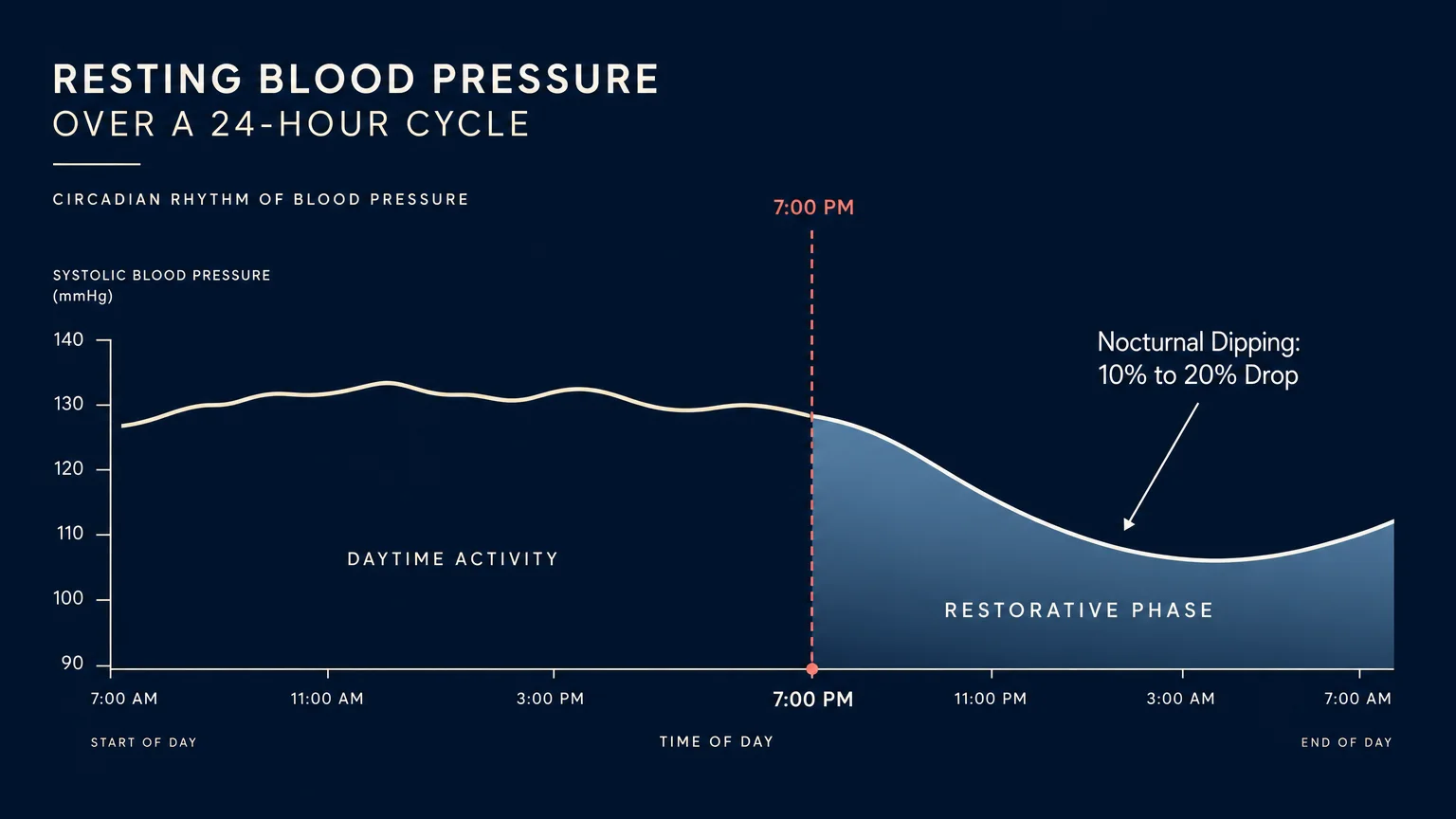
Our cardiovascular system operates on a highly sophisticated internal clock known as a circadian rhythm. Throughout the daylight hours, your heart pumps vigorously to meet the intense demands of physical activity, mental exertion, and digestion. However, as daylight fades, your body naturally anticipates a critical biological transition into a restorative phase. Medical professionals and researchers refer to this necessary nighttime recovery period as nocturnal dipping—a physiological phenomenon where healthy individuals experience a ten to twenty percent drop in their resting blood pressure during sleep.
When your blood pressure dips appropriately, your blood vessels dilate and relax; your heart muscle requires significantly less oxygen, and vital cellular repair processes activate throughout your entire circulatory system. Failing to achieve this nightly dip places excessive mechanical stress on your delicate arterial walls, significantly increasing your long-term risk of hypertension, structural heart disease, and vascular damage. You can read more about the importance of this circadian rhythm through resources provided by the National Heart, Lung, and Blood Institute, which highlights how sleep directly impacts heart health.
Unfortunately, many modern evening habits actively disrupt this biological expectation, tricking your central nervous system into maintaining daytime levels of alertness and cardiovascular output. Understanding the underlying science empowers you to make strategic, protective modifications to your twilight routine. You can intentionally design an evening environment that signals profound safety and rest to your cardiovascular system, ensuring you wake up with a heart that is truly recovered and ready for the day ahead.
4 Things a Cardiologist Avoids After 7 p.m.
1. Heavy, High-Sodium Meals
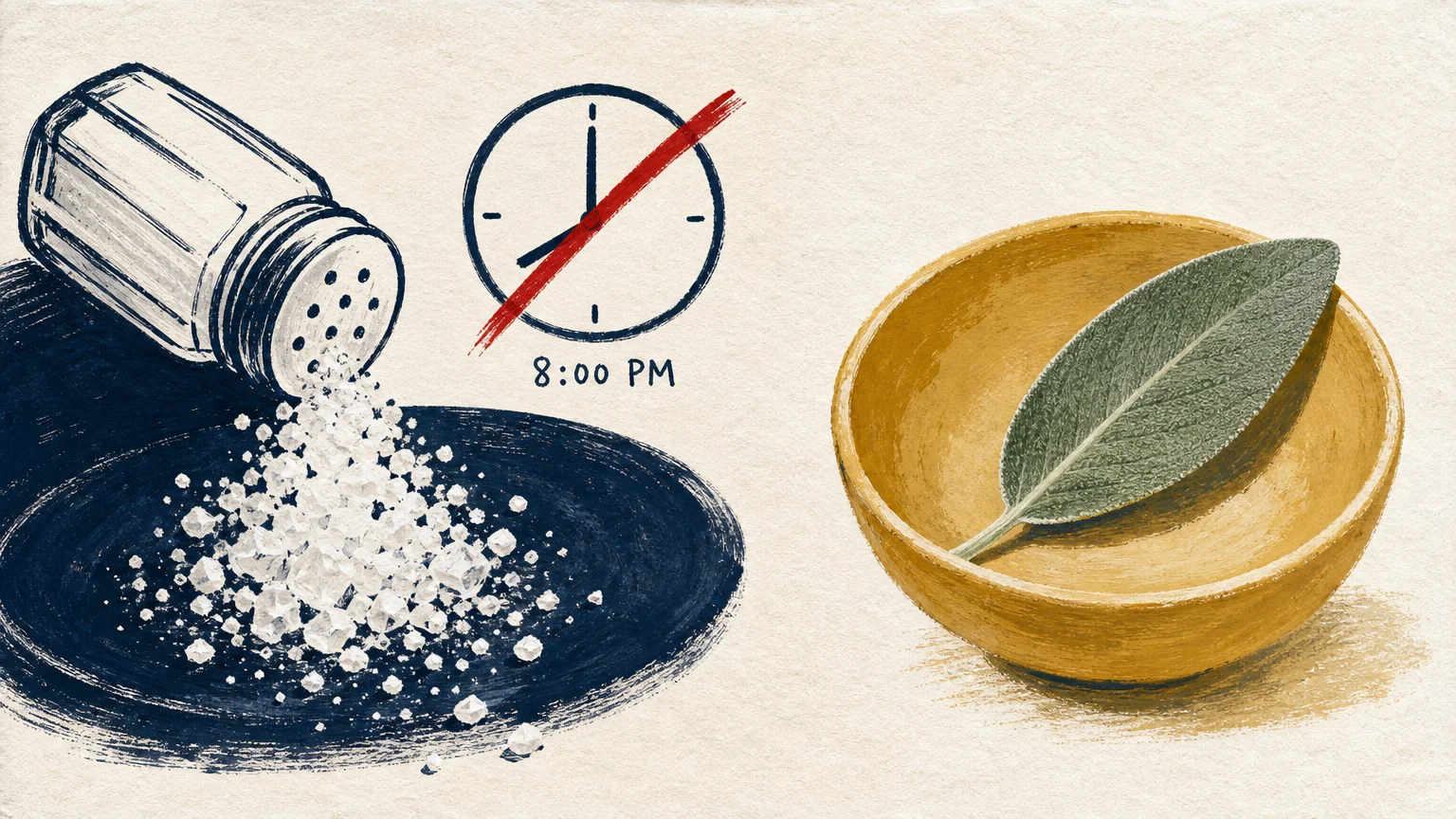
Consuming large portions of calorie-dense or heavily salted foods late in the evening forces your gastrointestinal tract into overdrive just as it should be naturally powering down. Digestion requires a massive redirection of your blood flow toward the stomach and intestines; this intense physiological demand forces your heart to pump much harder and faster to maintain adequate circulation everywhere else in your body. Furthermore, high-sodium evening meals prompt your body to retain excessive fluid overnight. This sudden increase in water volume directly escalates the physical pressure against your blood vessel walls, effectively neutralizing the nocturnal blood pressure dip your heart desperately relies on for its daily recovery.
Cardiologists frequently advise shifting your largest, most nutrient-dense meal to the middle of your day whenever possible. If your demanding work schedule, shift-work requirements, or daily commute necessitates eating dinner late in the evening, you can still protect your heart by making tactical nutritional choices. Opt for lean proteins, easily digestible cooked vegetables, and foods naturally rich in potassium—which actively helps your body excrete excess sodium. Recognizing that many people face systemic barriers regarding optimal meal timing, the clinical focus should remain on making simple, manageable dietary swaps rather than striving for unattainable perfection. You can find excellent guidelines for managing daily sodium intake through the Centers for Disease Control and Prevention. Eating a lighter, balanced meal closer to bedtime significantly reduces your nocturnal cardiovascular workload.
2. Intense Cardiovascular Exercise
While regular, challenging physical activity stands as a foundational pillar of lifelong cardiovascular health, the specific timing of that exertion matters profoundly. Engaging in high-intensity interval training, heavy weightlifting, or vigorous running after 7 p.m. floods your bloodstream with potent stress hormones like adrenaline and cortisol. These naturally occurring chemicals serve an absolutely essential purpose during a morning or afternoon workout, but late at night, they aggressively stimulate your sympathetic nervous system. This powerful “fight or flight” activation keeps your resting heart rate artificially elevated for hours, severely delaying your body’s necessary transition into the parasympathetic “rest and digest” state required for deep, restorative sleep.
You certainly do not have to remain entirely sedentary in the evening to protect your heart; in fact, integrating gentle, restorative movement provides excellent cardiovascular benefits without triggering a harmful hormonal stress response. Practices like leisurely neighborhood walking, restorative yoga, or light stretching encourage healthy blood flow and aid evening digestion without unnecessarily spiking your heart rate. Medical experts and physical therapists frequently emphasize the importance of listening to your body’s feedback loop. As detailed by organizations like the American College of Sports Medicine, physical activity should ultimately support your circadian rhythm. If a late evening workout consistently leaves you feeling wired rather than pleasantly fatigued, you are likely missing out on critical hours of cardiovascular recovery.
3. Doomscrolling and High-Stress Media
The specific types of media you consume in the hours leading up to sleep exert a surprisingly powerful physiological influence on your entire cardiovascular system. Scrolling endlessly through negative news headlines, engaging in heated social media debates, or watching highly anxiety-inducing television shows triggers a subtle but persistent psychological stress response. Your primitive brain processes these digital threats as genuine physical emergencies, prompting your amygdala to signal the immediate release of stress hormones into your bloodstream. As a direct result, your blood vessels constrict and your resting heart rate accelerates—the exact opposite of the relaxed physiological state that should occur right before you go to bed.
Establishing a firm digital sunset is a highly practical, incredibly effective strategy to safeguard your heart against chronic evening stress. Cardiologists often recommend intentionally disconnecting from high-stress media at least one to two hours before you intend to sleep. You can comfortably replace this anxious digital consumption with engaging activities that actively lower your heart rate, such as reading fiction, practicing guided breathing exercises, or simply having a quiet conversation with your family. By managing your psychological environment, you actively mitigate cardiovascular strain. Resources from the World Health Organization emphasize the profound connection between psychological stress and physical health outcomes. Over time, training your brain to associate the evening hours with psychological safety directly translates to a calmer, much more resilient cardiovascular system.
4. Evening Alcohol Consumption
The cultural concept of an evening nightcap has long been romanticized as a reliable way to unwind after a difficult day, but clinical cardiology paints a vastly different picture of alcohol’s true impact on your resting heart. While a glass of wine or spirits might initially act as a mild central nervous system depressant, seemingly helping you fall asleep quickly, the subsequent metabolic aftermath is highly disruptive to your cardiac rhythm. As your liver diligently works to process the alcohol throughout the night, your body experiences a severe sympathetic nervous system rebound. This chemical reaction causes sudden, erratic spikes in your heart rate and directly interferes with rapid eye movement sleep, leaving your cardiovascular system thoroughly exhausted by the time your morning alarm rings.
Eliminating or significantly reducing your alcohol consumption after 7 p.m. provides immediate, measurable benefits for your heart rhythm and your overnight resting pulse. Regular late-night drinking is strongly associated with a markedly increased risk of developing dangerous arrhythmias, particularly the condition known as atrial fibrillation. The American Heart Association provides extensive clinical documentation on how lifestyle factors like alcohol intake influence your risk of developing such arrhythmias. If you genuinely enjoy the comforting ritual of an evening beverage, you can easily substitute alcohol with heart-healthy alternatives like warm herbal tea, tart cherry juice, or sparkling water infused with fresh citrus. These simple options support your cellular hydration and physical recovery without subjecting your heart muscle to unnecessary metabolic stress.

Real Voices: Insights from Clinical Practice
The transition from daytime physical exertion to nighttime cellular recovery does not happen by accident; it requires a deliberate, mindful shift in your daily behavior. Preventive cardiologists frequently emphasize that genuinely protecting your cardiovascular health is rarely about grand, sweeping dietary restrictions or punishing exercise regimens. Instead, meaningful heart health involves the quiet, daily accumulation of marginal lifestyle gains. Clinicians consistently observe that patients who establish firm, respectable evening boundaries experience profound improvements in their overnight resting heart rates, blood pressure stability, and overall daytime energy levels.
The ultimate goal is never to create lingering anxiety around your nighttime routine, as chronic stress itself is a well-documented cardiovascular risk factor. Medical professionals strongly advocate for a highly flexible, forgiving approach to your evening habits. If you occasionally attend a late celebratory dinner, stay up late working on a project, or enjoy a holiday party, your heart is generally resilient enough to handle the temporary disruption. The clinical focus remains entirely on your default habits—the standard, repetitive choices you make on an average Tuesday night. By prioritizing steady consistency over rigid perfection, you successfully build a highly sustainable foundation for long-term cardiovascular longevity.
Frequently Asked Questions About Evening Heart Health
Is it safe to eat a late dinner if my work schedule demands it?
Your work hours may dictate a late evening meal, and you can still protect your heart by focusing heavily on portion control and macronutrient quality. When dining late, prioritize easily digestible foods like lean proteins and cooked vegetables, avoiding heavy saturated fats and excessive sodium that force your heart to work harder during digestion. Eating at least two hours before lying down gives your stomach adequate time to empty, preventing acid reflux and minimizing the cardiovascular strain associated with nighttime digestion.
Can I take a walk after dinner, or does that count as intense exercise?
A gentle, leisurely walk after your evening meal is actually one of the absolute best habits you can adopt for your cardiovascular system. Unlike high-intensity interval training or heavy weightlifting, a relaxed walk does not trigger a massive release of stress hormones; instead, it actively aids digestion, gently lowers post-meal blood sugar spikes, and promotes the parasympathetic nervous system activity needed for restful sleep. Keep the pace comfortable enough that you can easily maintain a normal conversation.
Does drinking a glass of red wine at night actually protect my heart?
The popular narrative surrounding the cardiovascular benefits of red wine has been significantly overstated in recent years. While red wine does contain trace amounts of antioxidants like resveratrol, the actual volume required to yield a clinical benefit is impractically high, and the alcohol itself acts as a cardiac toxin that disrupts your sleep architecture and elevates your nocturnal heart rate. Cardiologists widely agree that the physiological harms of evening alcohol consumption vastly outweigh any minor antioxidant benefits you might receive from the beverage.
What should I do if anxiety keeps my heart racing at bedtime?
Experiencing a racing heart at bedtime due to psychological stress is incredibly common, but it is important to address the root cause to protect your vascular health. Engaging in deep, diaphragmatic breathing exercises or progressive muscle relaxation can effectively signal your vagus nerve to slow your heart rate and lower your blood pressure. However, if you frequently experience unexplained palpitations, chest tightness, or a racing heart that does not respond to calming techniques, you should promptly schedule an evaluation with your physician to rule out underlying arrhythmias.
Your Next Step Toward Better Cardiovascular Health
Optimizing your evening routine is one of the most practical, empowering ways you can take immediate control of your cardiovascular longevity. You do not need to overhaul your entire lifestyle overnight to see meaningful improvements in your resting heart rate and sleep quality. Instead, review the four areas discussed above and identify the single habit that feels the most approachable for your current situation. Small, consistent changes frequently yield the most dramatic long-term medical benefits.
As you prepare for bed tonight, ask yourself how you can create a calmer, more supportive environment for your heart. Whether you choose to swap your evening glass of wine for herbal tea, push your heavy workout to the morning, or log off social media an hour earlier, your cardiovascular system will immediately benefit from the relief. Always remember to discuss significant lifestyle or dietary modifications with your primary care physician or cardiologist to ensure your new routines align perfectly with your unique medical needs.








Leave a Reply