

Choosing where you spend your retirement heavily dictates your long-term vitality, making proximity to elite medical care and wellness infrastructure your most valuable asset. Relocating to a city that integrates world-class hospitals with accessible paths for daily movement, fresh nutrition, and community engagement fundamentally transforms your health trajectory. When you optimize your environment for well-being, managing chronic conditions and preventing physical decline becomes seamlessly woven into your everyday routine. Your environment shapes everything from your mobility to your mental acuity. By prioritizing locations celebrated for their comprehensive healthcare systems and holistic living amenities, you build a robust foundation for your future. This guide outlines premier destinations that empower you to thrive physically and socially during your golden years.
The Science of Locational Health in Retirement
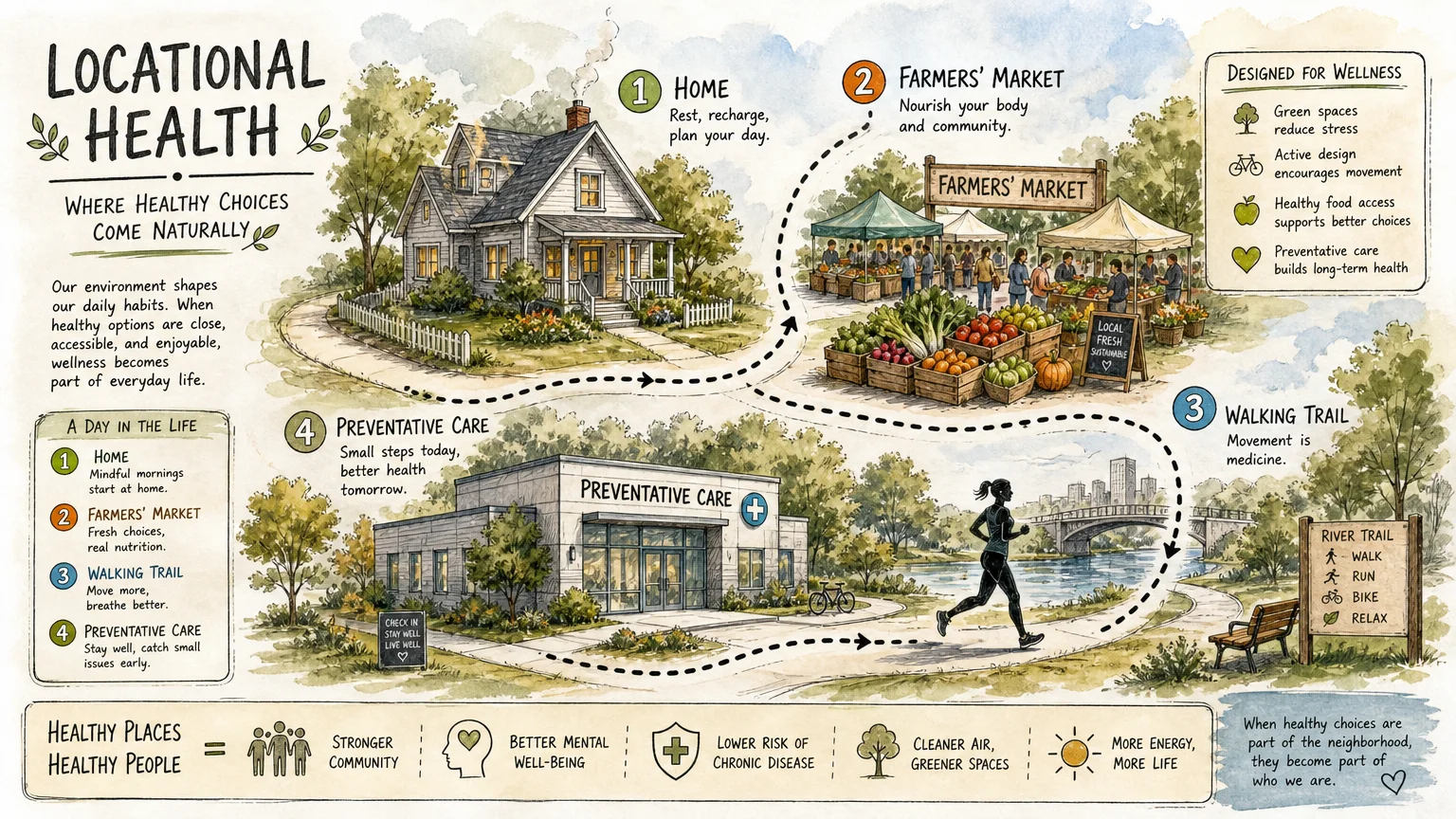
Substantial clinical evidence demonstrates that geographic location functions as a primary determinant of health outcomes for older adults. The National Institute on Aging highlights that individuals residing in communities with dense healthcare infrastructure experience lower mortality rates and significantly delayed cognitive decline. When you live near preventative care specialists, you naturally attend more routine screenings and address acute symptoms before they escalate.
Furthermore, researchers investigating blue zones—regions with high concentrations of centenarians—note that physical environment dictates daily habits. Safe, walkable sidewalks encourage cardiovascular exercise without conscious planning; similarly, direct access to local farmers’ markets increases your intake of antioxidant-rich produce. By selecting a location that inherently supports positive behaviors and offers an immediate safety net, you actively mitigate risks associated with chronic disease and frailty.
Evaluating Cities: The Holistic Health Pillars
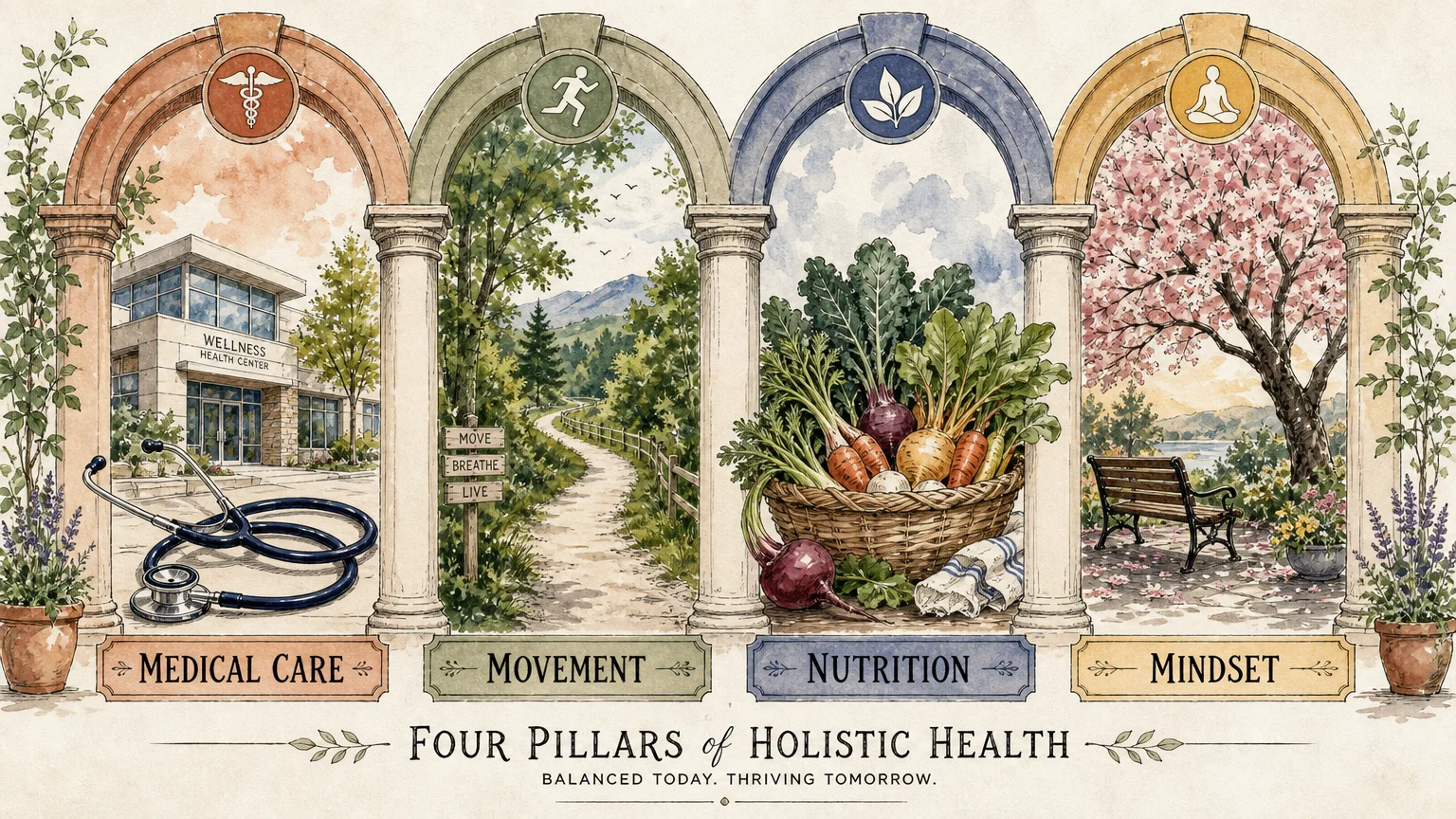
Before diving into specific destinations, you must understand the core metrics defining a truly retirement-friendly city. True wellbeing relies on a synergistic approach encompassing medical care, movement, nutrition, and mindset. Evaluating a prospective hometown through these four distinct lenses ensures you establish a sustainable, thriving lifestyle.
Robust Medical Care and Specialty Access
Proximity to a high-performing hospital network serves as your ultimate health insurance. As you age, you may require interdisciplinary care involving cardiologists, rheumatologists, and neurologists. Cities anchored by academic medical centers provide access to clinical trials that regional clinics cannot match. You should verify that a target city features specialists who accept Medicare and possess geriatrics expertise, ensuring your providers understand the specific physiological nuances of aging bodies.
Built Environments That Encourage Movement
Your chosen city must make physical activity the path of least resistance. Look for municipalities boasting extensive greenway systems, flat terrain, and high walkability scores. Regular cardiovascular movement maintains joint lubrication and preserves bone density. When your neighborhood incorporates accessible trails, you naturally integrate vital physical therapy into your routine without needing an expensive gym membership or enduring a long commute to exercise facilities.
Local Agriculture and Nutrition Access
Access to nutrient-dense foods forms the foundation of metabolic health and inflammation control. The ideal retirement destination supports year-round farmers’ markets and grocers emphasizing whole, unprocessed ingredients. Following a Mediterranean-style diet rich in leafy greens and omega-3 fatty acids becomes infinitely easier when your local economy prioritizes fresh, regional agriculture over highly processed, packaged convenience options.
Mindset, Culture, and Social Connectivity
Social isolation drastically accelerates cognitive decline, a phenomenon heavily studied by the World Health Organization. You need a vibrant community environment that stimulates your intellect and provides meaningful social interaction. University towns excel here, offering continuing education programs and cultural events. Engaging consistently with peers and diverse age groups fosters a resilient mindset, which serves as a powerful buffer against depression and anxiety.
10 Cities Where Retirement and Exceptional Healthcare Meet
1. Rochester, Minnesota
Home to the legendary Mayo Clinic, Rochester grants you unparalleled access to advanced diagnostic and therapeutic care. Beyond its clinical prestige, the city invests heavily in public infrastructure to support an active lifestyle. You can easily maintain your cardiovascular health on over a hundred miles of paved trails. Furthermore, an extensive network of indoor, climate-controlled skyways keeps your mind and body engaged throughout the harsh midwestern winters, allowing you to walk comfortably year-round.
2. Boston, Massachusetts
Boston offers a historical backdrop paired with staggering medical density. Hosting institutions like Massachusetts General Hospital, this city ensures you never travel far for elite specialists. Boston excels in movement infrastructure due to its exceptional walkability and a robust public transit system, preserving your independence without requiring a personal vehicle. Additionally, historic public markets supply fresh seafood and produce, while immense university concentrations provide endless lifelong learning opportunities that stimulate your cognitive health.
3. Ann Arbor, Michigan
Anchored by the University of Michigan’s highly ranked health system, Ann Arbor provides leading gerontological research and comprehensive preventative care. The city champions outdoor movement through meticulously preserved parks and the scenic Huron River, which offers gentle kayaking and accessible walking paths. Ann Arbor fosters a strong culture of community agriculture, making it exceptionally easy to source organic, nutrient-dense vegetables. A diverse local population ensures you remain socially connected and intellectually vibrant.
4. Cleveland, Ohio
The Cleveland Clinic routinely ranks among top global hospitals, highly renowned for its innovative cardiovascular care. Residing minutes away from leading heart health specialists provides profound peace of mind. Complementing this medical prowess, Cleveland features the Emerald Necklace—an expansive network of accessible nature reservations inviting daily low-impact exercise. World-class orchestras and expansive art museums further fulfill your need for continuous cultural enrichment and mindful, community-based engagement.
5. Durham, North Carolina
Known as the City of Medicine, Durham provides a temperate climate and sophisticated healthcare infrastructure anchored by Duke Health. This region allows you to enjoy outdoor physical activities virtually year-round, eliminating the risk of seasonal isolation. You can explore the meticulously maintained Sarah P. Duke Gardens or walk the extensive American Tobacco Trail. Furthermore, Durham sits at the heart of an agricultural renaissance, granting direct access to robust community farmers’ markets that support your metabolic health.
6. Madison, Wisconsin
UW Health provides comprehensive, specialized care right in your backyard, emphasizing preventative medicine and active aging. Uniquely situated between two pristine lakes, Madison offers incredible water-based recreation and miles of flat, paved biking paths. The city boasts one of the largest producer-only farmers’ markets nationwide, guaranteeing your access to nutrient-dense, locally grown foods. Strong civic engagement and a friendly, inclusive culture create an instant community support network for incoming retirees.
7. Denver, Colorado
Supported by UCHealth, Denver ensures you have excellent medical backing for an active, wellness-focused lifestyle. The local culture intrinsically motivates daily movement; proximity to the Rocky Mountains encourages hiking and altitude-adapted cardiovascular conditioning. Featuring over three hundred days of sunshine annually, the city naturally boosts your vitamin D levels and mood. While the altitude requires a physician consultation before relocating, Denver remains a vibrant, health-conscious choice for energetic older adults.
8. Salt Lake City, Utah
The University of Utah Health system leads the region in specialized care, particularly in orthopedics and neurology. Salt Lake City provides seamless access to mountain trails and municipal parks, ensuring daily opportunities to strengthen your musculoskeletal system. The city benefits from a highly navigable urban grid and a burgeoning culinary scene emphasizing whole, unprocessed foods. Numerous volunteer groups and community centers keep your mental health resilient and your spirit fully engaged.
9. Charlottesville, Virginia
UVA Health serves as a major academic medical center, offering top-tier specialized treatments in a picturesque, slower-paced setting. This city encourages a highly walkable lifestyle, particularly around its vibrant historic downtown mall. You can effortlessly integrate gentle movement by strolling through the scenic university grounds. Famous for local orchards, the region allows you to easily source antioxidant-rich produce, while continuous educational offerings provide a deeply fulfilling and stimulating intellectual landscape.
10. Sarasota, Florida
Sarasota Memorial Health Care System routinely earns top safety ratings, providing comprehensive care tailored specifically to older demographics. The warm, tropical climate eradicates the joint stiffness often exacerbated by cold weather, while pristine beaches offer perfect terrain for low-impact walking. You benefit from a vibrant arts community that fosters rich social connections and emotional wellbeing. Year-round access to fresh citrus and local seafood makes adherence to a heart-healthy diet incredibly simple.

Real Voices: Guidance From Healthcare Professionals
Conversations with gerontologists and holistic health practitioners consistently highlight the profound impact of geography on aging. Public health experts frequently emphasize that society must design communities making healthy choices the default option for older adults. Clinicians note that patients who relocate to cities with integrated health networks and walkable neighborhoods demonstrate improved blood pressure control and significantly lower rates of clinical depression.
Registered dietitians working in preventative cardiology strongly advocate for regions with robust local agriculture. They observe that clients living near year-round farmers’ markets consume higher quantities of dietary fiber and micronutrients, which naturally stabilizes metabolic markers. Similarly, physical therapists stress the importance of environment on daily mobility. They report that individuals living in areas with accessible parks and smooth, paved pathways suffer fewer fall-related injuries and maintain independent mobility significantly longer than those confined to car-dependent suburbs. Your environment acts as an invisible prescription; choosing wisely heavily dictates the joy and independence of your longevity.
Frequently Asked Questions About Retiring With Healthcare Access
How do I evaluate a city’s healthcare system before moving?
Begin by researching the presence of academic medical centers, as these institutions attract elite specialists and offer clinical trials. You should look up hospital safety grades through independent safety organizations and verify that local clinics broadly accept your current insurance. Always consult your existing healthcare professionals before relocating to ensure your specific medical needs can be seamlessly transitioned to new providers.
Does a lower cost of living mean lower quality healthcare?
Not necessarily. Several midwestern and southern cities offer outstanding medical care alongside a very reasonable cost of living. Cities anchored by major universities often provide excellent regional hospitals without the inflated housing markets of coastal hubs. However, you must carefully research physician-to-patient ratios in highly rural areas, as specialist shortages remain a significant challenge outside of metropolitan centers.
How important is public transportation if I currently drive?
Public transportation acts as a vital safety net for your future independence. While you comfortably drive today, vision changes or delayed reaction times may eventually prompt you to stop. Retiring in a city with reliable public transit, robust ride-sharing infrastructure, or high walkability ensures you can still attend medical appointments, purchase fresh groceries, and maintain your social life without relying on a personal vehicle.
Can weather really impact my long-term health in retirement?
Yes, climate significantly influences both physical and mental well-being. Cold, icy winters heighten the risk of dangerous falls and exacerbate joint pain in individuals with osteoarthritis. Conversely, extreme heat limits outdoor movement and poses acute dehydration risks. You must evaluate how a city’s climate aligns with your personal health profile to ensure it supports consistent, year-round physical activity.
Taking the Next Step Toward Your Healthy Retirement
Choosing your retirement destination represents a profound opportunity to actively architect your future health. You do not have to settle for a location forcing you to compromise between lifestyle amenities and medical security. By prioritizing cities excelling in nutritional access, movement infrastructure, social engagement, and clinical excellence, you set the stage for a vibrant, resilient, and joyful next chapter.
Your first manageable step is to identify the two health pillars most vital to your current needs—whether that is proximity to a top-tier cardiology center or access to year-round outdoor trails. Spend time this week making a list of three cities from this guide aligning with those specific priorities. Take a moment to reflect: what daily habits bring you the most vitality, and which environment will best support them? You hold the power to shape your environment, allowing it to seamlessly support your long-term health journey.









Leave a Reply