

Protecting your cardiovascular health begins by recognizing subtle bodily shifts long before a severe medical event occurs. Recognizing the quiet, atypical symptoms of heart disease allows you to intervene early and secure your long-term wellbeing. While classic signs like sudden, crushing chest pain dominate medical dramas, the reality often involves vague discomforts that easily disguise themselves as ordinary aging or stress. You might chalk up lingering fatigue or unusual indigestion to a busy lifestyle, missing crucial windows for early intervention. By paying attention to these hidden warning signs, you can actively advocate for yourself in clinical settings, access necessary preventive care, and preserve your overall vitality for years to come.
The Hidden Nature of Cardiovascular Disease
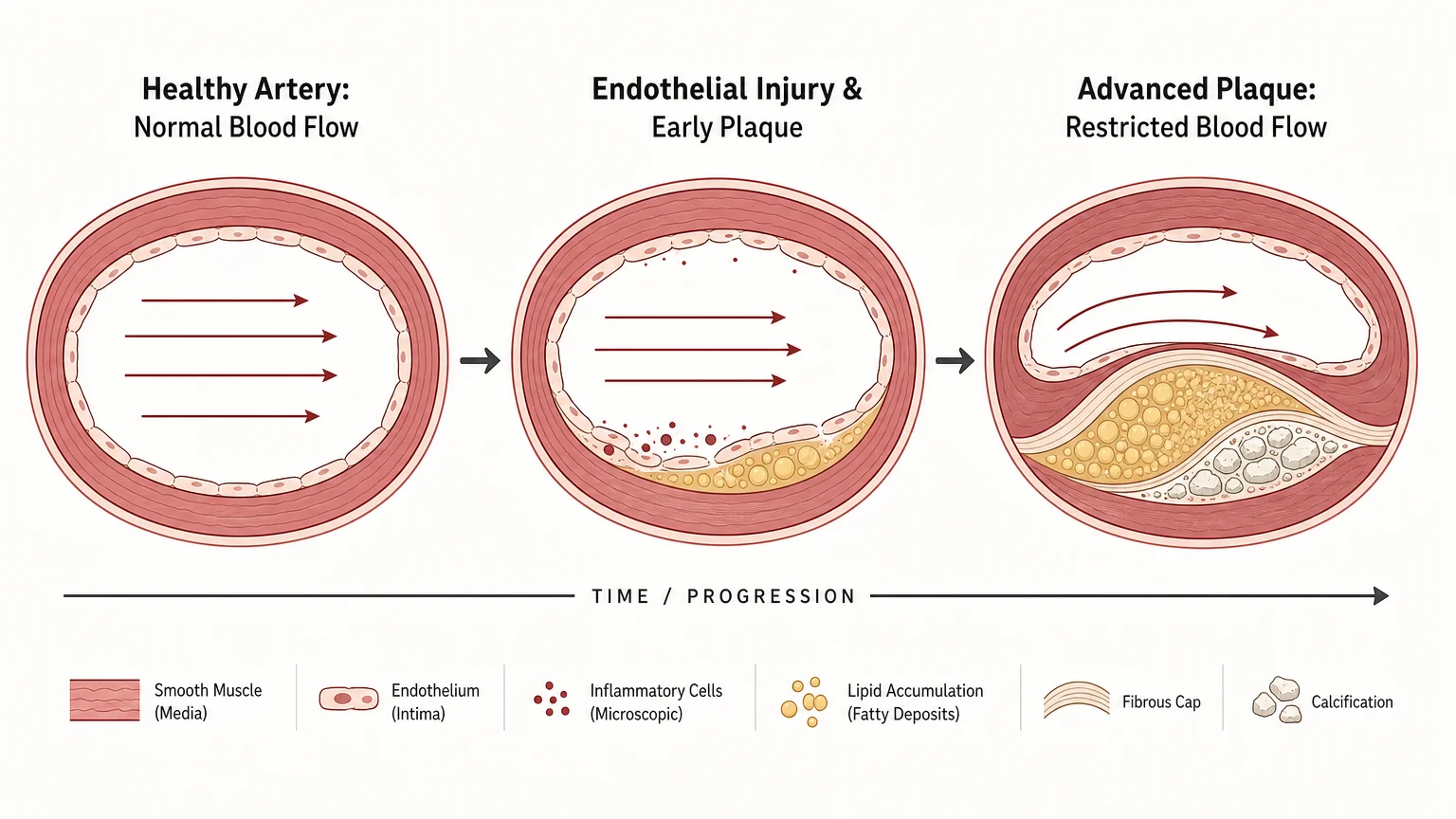
Cardiovascular disease rarely announces itself overnight; instead, it develops over decades through a silent, progressive cascade of inflammation and vascular damage. Before you ever experience noticeable symptoms, the inner lining of your blood vessels—the endothelium—sustains gradual injury from oxidative stress, elevated blood sugar, and circulating lipids. This micro-trauma prompts your immune system to launch an inflammatory response, eventually leading to the formation of arterial plaque. As this plaque hardens and narrows the arteries, your heart muscle must work increasingly hard to pump oxygenated blood throughout your body. Because this process happens so gradually, human physiology adapts, masking the mounting strain on your cardiovascular system.
You must look beyond the obvious to identify this systemic decline. Clinical guidelines provided by the Centers for Disease Control and Prevention emphasize that early detection remains the most critical factor in preventing severe cardiac events. However, diagnosing early-stage heart disease requires nuance and a deep understanding of your own physiological baseline. Furthermore, systemic social determinants—such as access to equitable healthcare, availability of nutrient-dense foods, and safe environments for physical activity—heavily influence your cardiovascular risk profile. Navigating these challenges demands proactive self-advocacy and a willingness to investigate symptoms that might otherwise seem entirely disconnected from your heart.

The 5 Early Warning Signs You Should Never Ignore
Unexplained Fatigue and Profound Exhaustion
You might easily dismiss a drop in energy as the natural consequence of a demanding career, poor sleep, or simply growing older. However, profound, unexplained fatigue often serves as one of the very first indicators of a struggling cardiovascular system. When plaque buildup restricts blood flow to your heart, the left ventricle cannot pump oxygenated blood efficiently to your peripheral muscles and organs. Your body compensates by shunting available blood away from less vital areas—like your skeletal muscles—and redirecting it to the brain and lungs. This physiological triage leaves you feeling utterly depleted even after completing minor physical tasks, such as carrying groceries or climbing a single flight of stairs.
This particular brand of exhaustion feels distinctly different from standard tiredness; it is a heavy, systemic fatigue that a good night of sleep fails to resolve. You might notice that your stamina has decreased significantly over the course of a few months, forcing you to sit down frequently during activities you previously handled with ease. Senior health evaluations frequently miss this symptom, attributing the lethargy to advanced age rather than diminished cardiac output. If you find yourself repeatedly drained by your baseline daily routine, you must bring this observation to your healthcare provider for a thorough cardiovascular evaluation.
Subtle Jaw, Neck, or Upper Back Pain
The human nervous system possesses a complex, interwoven architecture that sometimes causes your brain to misinterpret the origin of pain—a phenomenon known as referred pain. Because the vagus nerve and spinal nerves that serve your heart share pathways with nerves connecting to your jaw, neck, and upper back, cardiac distress frequently manifests in these unlikely regions. You might experience a dull ache along your lower jawbone, a persistent tightness between your shoulder blades, or a generalized discomfort radiating up your neck.
These symptoms are notoriously deceptive. Countless individuals visit dentists for unexplained jaw pain or seek out chiropractors for tight upper back muscles, completely unaware that their heart is crying out for oxygen. According to the American Heart Association, women in particular report these atypical pain patterns far more often than the classic Hollywood symptom of a clutching chest pain. If you experience upper body discomfort that worsens with physical exertion and subsides when you rest, you should treat it as a potential cardiovascular warning sign rather than a simple musculoskeletal issue.
Digestive Distress and Unexplained Nausea
Your cardiovascular and gastrointestinal systems share a much closer physiological relationship than you might suspect. When your heart pumps inefficiently, blood can back up into the venous system, leading to venous congestion in the liver and the digestive tract. This subtle swelling in your abdominal organs impairs normal digestion, leaving you feeling prematurely full, deeply nauseated, or unusually bloated after eating small meals. Furthermore, ischemia—a restriction in blood supply to the heart muscle—can stimulate the vagus nerve, directly triggering intense bouts of nausea or vomiting.
Many patients mistakenly treat these cardiac symptoms with over-the-counter antacids, assuming they have developed gastroesophageal reflux disease or a sudden food intolerance. You must pay close attention to the context of your digestive distress. If your indigestion pairs with a cold sweat, shortness of breath, or a feeling of lightheadedness, you are likely experiencing a cardiac event rather than a localized stomach issue. Recognizing this gut-heart connection empowers you to bypass the gastroenterologist and seek immediate cardiovascular assessment when it matters most.
Swelling in Your Lower Extremities
If you notice your socks leaving deep, persistent indentations around your ankles at the end of the day, or if your shoes suddenly feel painfully tight, you might be observing a classic sign of reduced heart function. Edema—the medical term for fluid retention and swelling—frequently targets the lower extremities due to the inescapable force of gravity. As your heart’s pumping efficiency declines, blood begins to pool in the veins of your legs, forcing fluid out of the blood vessels and into the surrounding tissues.
Simultaneously, a weakened heart reduces blood flow to your kidneys. Your kidneys misinterpret this low flow as a sign of dehydration and respond by releasing hormones that force your body to hoard sodium and water, exacerbating the swelling across your entire body. While mild edema can result from eating a highly processed, salty meal or sitting on a long-haul flight, persistent and worsening swelling in your feet, ankles, and calves demands medical scrutiny. Tracking this swelling over several days provides your physician with invaluable data regarding your right-sided heart function.
Disrupted Sleep Patterns and Sleep Apnea
The quality of your sleep dictates the health of your heart. Obstructive sleep apnea—a condition where your airway repeatedly collapses during sleep, causing you to stop breathing for brief moments—places an astonishing amount of stress on your cardiovascular system. Every time your oxygen levels plummet, your brain triggers a panic response, flooding your bloodstream with adrenaline and cortisol. These violent physiological spikes cause your blood pressure to surge dramatically, damaging your endothelial lining and increasing your risk for arrhythmias like atrial fibrillation.
If you wake up gasping for air, suffer from loud chronic snoring, or wake up with terrible morning headaches, you are likely experiencing these dangerous hypoxic events. The National Institutes of Health strictly links untreated sleep apnea to the accelerated progression of heart disease. Addressing disrupted sleep does not merely improve your daily energy levels; it actively protects your heart muscle from nightly, repetitive trauma. You must prioritize a sleep study if your partner reports that you stop breathing during the night.
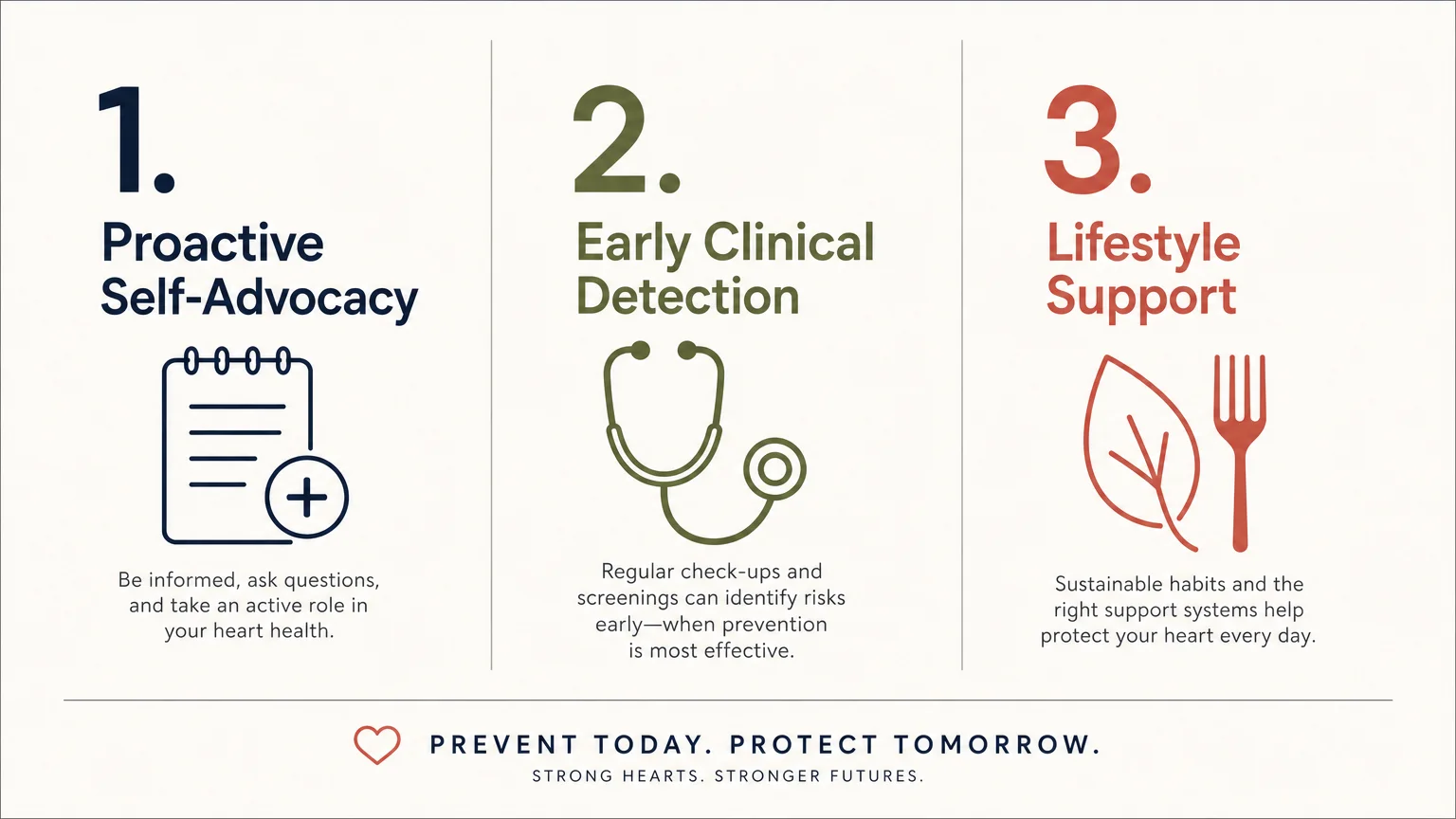
Three Actionable Strategy Pillars for Heart Health
Therapeutic and Protective Nutrition
You wield tremendous power over your cardiovascular destiny through the dietary choices you make every single day. Shifting your nutritional paradigm toward a plant-forward, anti-inflammatory dietary pattern provides your body with the exact compounds required to heal your endothelium and manage your lipid profile. You should focus on aggressively increasing your intake of soluble dietary fiber—found abundantly in oats, legumes, apples, and flaxseeds—which binds to excess cholesterol in your digestive tract and carries it safely out of your body.
Equally important is the incorporation of omega-3 fatty acids, which actively reduce systemic inflammation and stabilize the electrical activity of your heart. You can easily obtain these healthy fats by consuming wild-caught salmon, chia seeds, and walnuts. The Academy of Nutrition and Dietetics supports adopting a Mediterranean-style eating framework, but you must adapt these principles to fit your cultural preferences, budget, and geographic access. Even simple adjustments, like rinsing canned beans to remove excess sodium or choosing frozen vegetables over highly processed convenience foods, yield measurable improvements in your long-term heart health.
Purposeful and Accessible Movement
Physical inactivity fundamentally starves your cardiovascular system of the conditioning it requires to remain resilient. However, you do not need to endure grueling, high-intensity workouts to reap profound cardiac benefits. The secret lies in consistent, moderate-intensity movement—often referred to as Zone 2 cardio—where your heart rate elevates, but you can still comfortably maintain a conversation. This specific intensity trains your mitochondria to utilize oxygen more efficiently, lowers your resting heart rate, and improves your blood pressure.
You must approach exercise with a mindset of sustainability and accessibility rather than punishment. If joint pain or mobility issues prevent you from jogging, you can achieve identical cardiovascular conditioning through brisk walking, stationary cycling, or water aerobics. The buoyancy of water relieves joint stress while providing excellent resistance for your skeletal muscles and heart. Strive for at least 150 minutes of this purposeful movement each week; dividing this goal into manageable twenty-minute daily sessions ensures that exercise becomes an ingrained, non-negotiable habit rather than a daunting chore.
Proactive Medical Care and Mindset Management
To truly safeguard your heart, you must combine lifestyle interventions with rigorous, proactive medical care and conscious stress management. You cannot simply guess your cardiovascular risk; you must measure it. Work collaboratively with your primary care physician to run comprehensive blood panels that look beyond basic cholesterol numbers. Request tests for ApoB, highly sensitive C-reactive protein (hs-CRP), and Lipoprotein(a), which provide a much deeper, more accurate picture of your true atherosclerotic risk.
Simultaneously, you must address the psychological burdens that quietly erode your vascular health. Chronic psychological stress continuously bathes your heart in cortisol and adrenaline, promoting widespread inflammation and hypertension. The World Health Organization identifies chronic stress as a massive global contributor to cardiovascular morbidity. You must actively implement daily decompression strategies—whether through mindfulness meditation, deep diaphragmatic breathing protocols, or engaging in restorative hobbies—to signal to your nervous system that you are safe, thereby allowing your blood vessels to dilate and your heart rate to normalize.

Real Voices from Cardiovascular Experts
When you speak to medical professionals who spend their lives studying the human heart, a unified message emerges: patients consistently experience retrospective clarity only after surviving a cardiac event. Preventive cardiologists frequently observe that their patients recall vague, lingering symptoms months before a major blockage was formally diagnosed. Clinical experts urge you to listen to your body’s whispers before they escalate into screams.
Physicians emphasize that true heart health does not begin in the emergency room; it begins in the quiet moments of your daily routine when you notice a slight dip in your stamina or a peculiar ache in your shoulder. Medical practitioners passionately advocate for self-reporting. They want you to bring your messy, confusing symptoms to the examination room without the fear of appearing overly anxious. By embracing the mindset of an empowered patient, you provide your medical team with the vital puzzle pieces they need to implement life-saving preventive protocols.
Frequently Asked Questions
How do I distinguish normal aging from heart disease symptoms?
Normal aging certainly involves a gradual decline in maximum physical capacity, but it rarely causes sudden, profound shifts in your daily functional baseline. If you could easily walk your dog around the block last month but now must stop twice to catch your breath, you are not experiencing normal aging; you are experiencing a pathological shift. You should always treat abrupt changes in your energy levels, digestion, or physical comfort as medical red flags rather than inevitable milestones of getting older.
Can chronic stress alone cause these cardiovascular warning signs?
Yes; chronic stress profoundly alters your physiology and can mimic—or eventually cause—genuine cardiovascular disease. High-stress environments induce persistent muscle tension, resulting in back and neck pain, while chronic cortisol elevation severely disrupts your digestion and sleep architecture. However, because the symptoms of severe anxiety and early-stage heart disease overlap so extensively, you must never assume stress is the sole culprit. You must allow a medical professional to rule out a structural heart issue before attributing your symptoms exclusively to psychological distress.
Are heart disease symptoms inherently different for women?
Women frequently experience cardiovascular disease entirely differently than men, largely due to differences in microvascular anatomy and hormonal fluctuations. While men often suffer from blockages in the major coronary arteries resulting in localized chest pain, women frequently develop microvascular disease, which affects the tiny blood vessels branching off into the heart muscle. This microvascular dysfunction routinely produces atypical symptoms like profound fatigue, nausea, jaw pain, and a feeling of overwhelming dread, making heart disease in women dangerously easy to misdiagnose.
What exact steps should I take if I notice these subtle changes?
If you identify with any of these hidden warning signs, you must immediately prioritize a comprehensive medical evaluation. You should document your symptoms in a dedicated journal, noting precisely when the fatigue, pain, or swelling occurs and what activities seem to trigger or relieve the discomfort. Bring this detailed log to your physician and explicitly state that you want to evaluate your cardiovascular health. Do not attempt to self-diagnose or implement aggressive exercise regimens without clearance, as pushing a struggling heart can trigger a severe medical event.
Taking Your First Heart-Healthy Step
Protecting your heart requires ongoing vigilance, profound self-compassion, and a commitment to understanding your unique physiological signals. You possess the agency to rewrite your health trajectory, provided you remain attuned to the subtle messages your body sends you daily. Focus on progress rather than perfection; massive lifestyle overhauls rarely stick, but tiny, consistent adjustments compound over time to create a formidable defense against cardiovascular disease. As your next actionable step, take five minutes today to schedule a routine blood pressure check and lipid panel with your healthcare provider. Reflect deeply on your daily energy patterns—are you truly thriving, or simply surviving your routine?








Leave a Reply