

Your liver works tirelessly to filter toxins, process nutrients, and regulate metabolism, but subtle warning signs often emerge when this vital organ struggles. Recognizing the early symptoms of liver dysfunction allows you to intervene before irreversible damage occurs, safeguarding your long-term health and vitality. Because liver disease frequently develops quietly over many years, symptoms like unexplained fatigue, itchy skin, or mild abdominal swelling easily disguise themselves as everyday ailments. Paying close attention to these thirteen physical cues provides a crucial window into your metabolic wellbeing and empowers you to seek timely medical evaluation. Protecting your liver means listening to your body when it whispers, rather than waiting for it to shout.
The Science Behind Liver Health and Cellular Regeneration
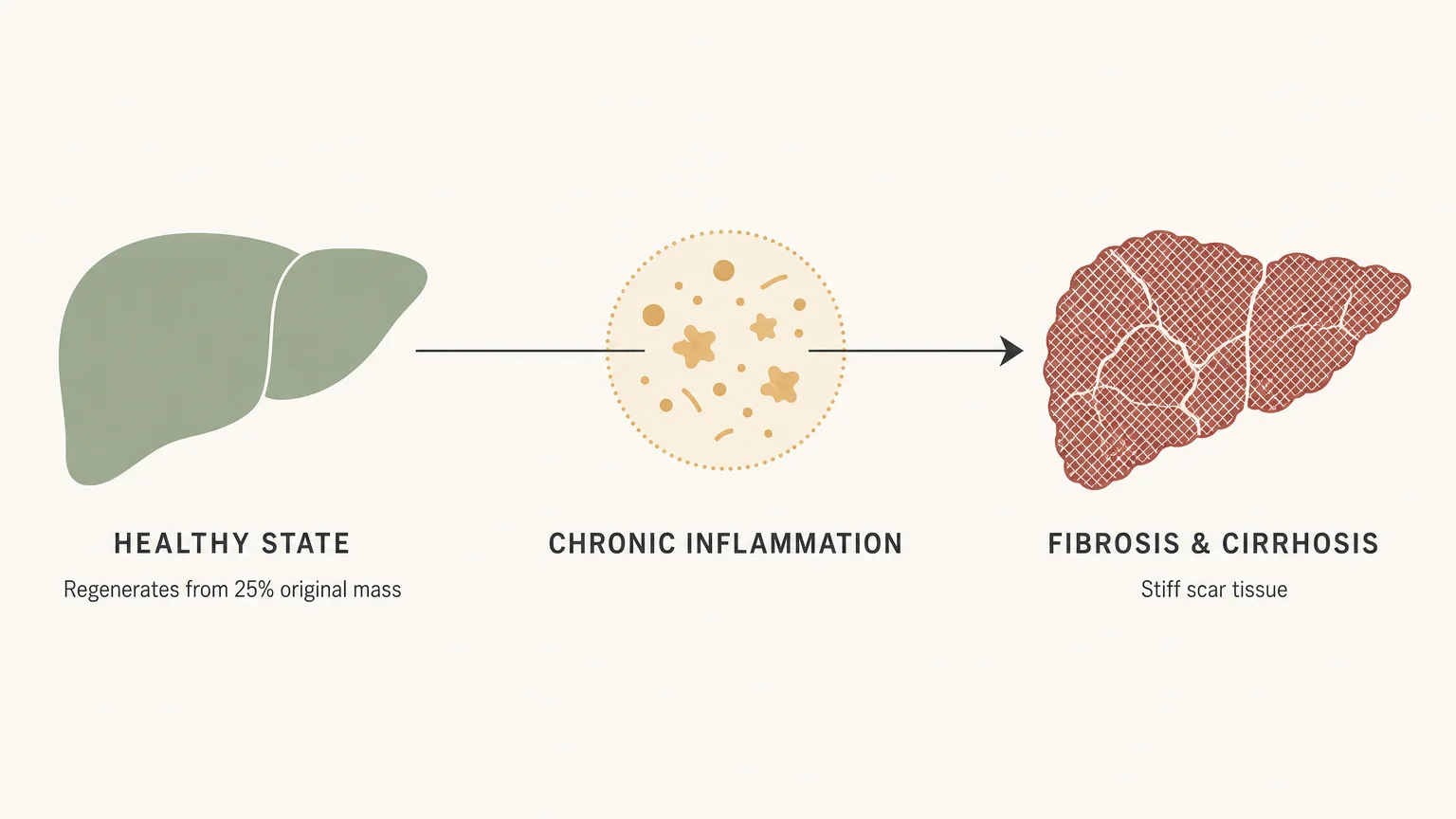
The liver stands alone as the only internal human organ capable of complete regeneration; as little as twenty-five percent of the original mass can regenerate back to its full size under the right conditions. However, this miraculous healing capacity faces strict limits when subjected to chronic inflammation. Conditions like metabolic dysfunction-associated steatotic liver disease—formerly known as fatty liver disease—viral hepatitis, and chronic alcohol exposure create continuous cellular stress. Over time, healthy liver cells are replaced by stiff scar tissue in a pathological process known as fibrosis. When fibrosis progresses to severe cirrhosis, the structural damage permanently impairs blood flow and organ function. Data from the World Health Organization and the National Institute of Diabetes and Digestive and Kidney Diseases indicates that millions of adults live with some form of liver disease, often remaining entirely unaware until the condition reaches an advanced stage. Understanding the precise biomarkers and clinical manifestations of hepatic stress allows you to protect your cellular health and maintain robust metabolic function well into the future.
13 Key Indicators of Liver Distress
1. Persistent Fatigue and Exhaustion
Unexplained, draining fatigue stands as the most common and often the earliest symptom of liver disease. Unlike typical tiredness after a long day at work, hepatic fatigue feels profound and unrelenting, interfering with your daily obligations and diminishing your overall quality of life. Medical researchers believe this exhaustion stems from changes in central neurotransmission, where the diseased liver fails to clear toxins that subsequently alter your brain chemistry. If you notice a sudden, dramatic drop in your energy levels that a full night of sleep cannot resolve, your liver may be struggling to maintain its metabolic output.
2. Yellowing of the Skin and Eyes
Jaundice provides a classic, highly visible warning that your liver function has dramatically slowed. This yellowing occurs when bilirubin—a yellowish pigment produced during the normal breakdown of old red blood cells—builds up in your bloodstream. A healthy liver efficiently extracts bilirubin from the blood, modifies it chemically, and secretes it into bile. When the liver becomes heavily scarred or inflamed, it loses this vital extraction capacity. You might first notice a slight yellow tint in the whites of your eyes before the discoloration spreads to your skin.
3. Unexplained, Relentless Itching
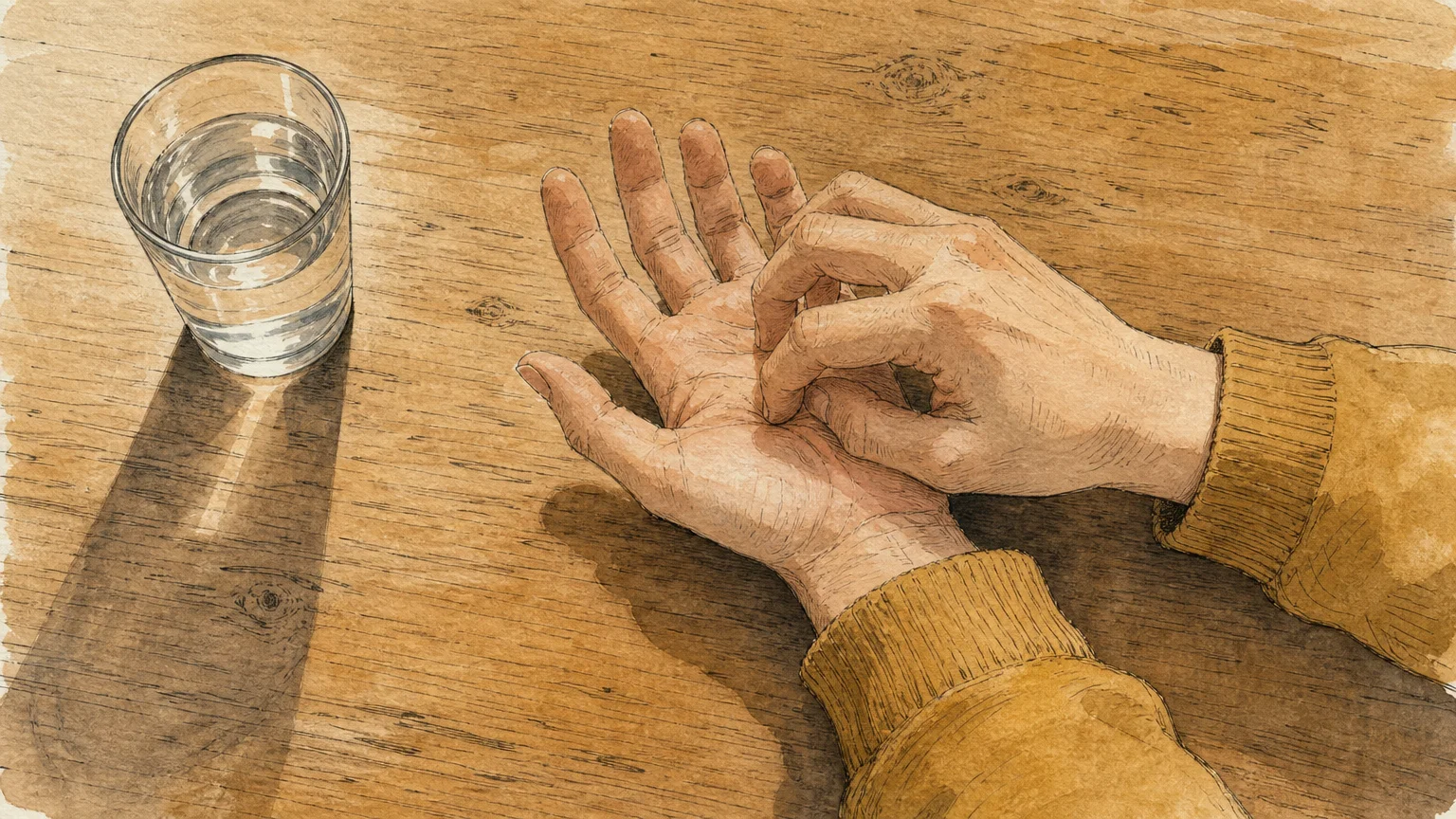
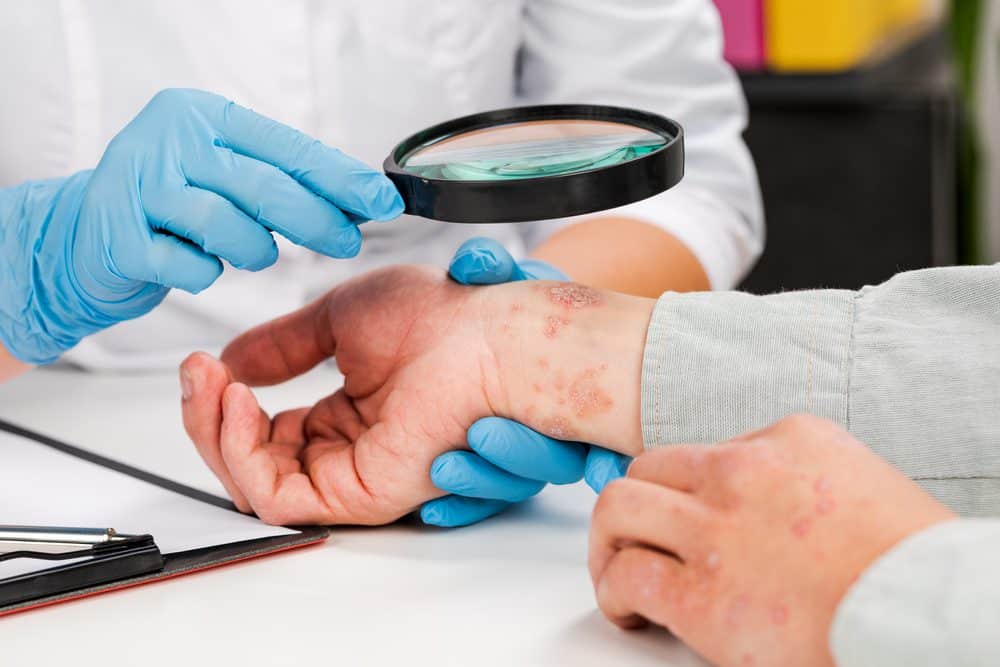
Pruritus, or severely itchy skin, frequently accompanies liver and bile duct disorders. While everyday itching usually points to dry skin or environmental allergies, liver-related itching feels deep and persistent; it often worsens late at night and heavily targets the palms of your hands and the soles of your feet. Clinicians link this frustrating symptom to the internal accumulation of bile salts and other unfiltered compounds just beneath the skin’s surface. When topical lotions and antihistamines provide absolutely zero relief, you must consider an internal source for your discomfort.
4. Noticeable Abdominal Swelling
Ascites develops when fluid accumulates in the peritoneal cavity, creating a distended, painfully swollen belly. This serious condition usually points to portal hypertension—high blood pressure in the primary vein that supplies the liver. As scar tissue blocks normal blood flow through the hepatic system, increased pressure forces fluid out of the blood vessels and directly into the abdominal cavity. You may find your pants suddenly feel extremely tight or notice your weight creeping up rapidly despite eating very little throughout the day.
5. Swelling in the Lower Extremities
Similar to abdominal fluid retention, edema causes noticeable swelling in your legs, ankles, and feet. Your liver manufactures albumin, a critical circulating protein that acts like a sponge to keep fluid within your blood vessels. When liver disease severely impairs protein synthesis, albumin levels plummet; gravity then pulls the escaped fluid down into your lower extremities. Pressing your finger firmly into your swollen ankle might leave an indentation that lingers for several moments—a classic sign of pitting edema requiring immediate medical evaluation.
6. Unusually Dark Urine
Changes in your bathroom habits often reveal hidden truths about your metabolic health. Dark urine—ranging in color from deep amber to a shade resembling cola—frequently indicates elevated levels of conjugated bilirubin spilling through the kidneys. While dehydration certainly darkens urine to a concentrated yellow, liver-induced discoloration appears distinctly darker and persists regardless of how much water you drink throughout the day. Monitoring your urine color provides a simple, actionable way to track your daily hydration and baseline hepatic function.
7. Pale or Clay-Colored Stools
Bile salts normally give human stool its characteristic brown color. If your liver stops producing adequate bile, or if a structural blockage in the bile ducts prevents the digestive fluid from reaching your intestines, your stool may become remarkably pale, taking on a gray or clay-like appearance. This physical change clearly signals a major disruption in your biliary system. Healthy digestion relies entirely on bile to break down dietary fats, so noticing this pigment change warrants an immediate conversation with your primary care provider.
8. Chronic Nausea and Vomiting
Your liver acts as the ultimate bodily filtration system, neutralizing environmental toxins and complex metabolic waste products. When liver function declines, these toxic compounds circulate longer in the bloodstream, eventually crossing the blood-brain barrier and triggering the nausea centers in your brain. You might feel a persistent, low-grade queasiness that mimics motion sickness. Over time, this unresolved nausea can escalate into violent episodes of vomiting, particularly after consuming heavy, high-fat meals that heavily tax a weakened digestive system.
9. Sudden Loss of Appetite and Weight
A malfunctioning liver drastically alters your metabolic signaling, frequently suppressing your natural desire to eat. The potent combination of chronic nausea, abdominal discomfort from fluid retention, and altered inflammatory cytokine production effectively destroys your appetite. As a direct consequence, you might experience rapid, unintended weight loss and severe muscle wasting. Preserving lean muscle mass remains vital for overall longevity and mobility, making unexplained weight loss a massive red flag that demands comprehensive clinical investigation.
10. Easy Bruising and Prolonged Bleeding
Beyond clearing toxins, your liver manufactures the specific proteins—known clinically as clotting factors—required to stop bleeding after a physical injury. A damaged liver produces far fewer of these essential proteins, leaving your blood dangerously thin. You may notice large, colorful bruises appearing on your arms and legs without any memory of bumping into furniture. Minor cuts might bleed much longer than usual, and you might experience frequent nosebleeds or heavy bleeding gums when gently brushing your teeth.
11. Spider Angiomas on the Skin
Spider angiomas are small, distinctive blood vessels that branch out from a central red spot, strongly resembling a spider’s web. These specific vascular lesions typically appear on the face, neck, and upper chest. Your liver plays a major role in metabolizing circulating hormones, including estrogen; when the liver falters, chronically elevated estrogen levels cause small blood vessels to dilate and become highly visible beneath the skin. Identifying a sudden cluster of these marks provides a visual clue regarding your internal hormone balance.
12. Confusion and Cognitive Difficulties
Hepatic encephalopathy represents a severe, frightening complication of advanced liver disease, characterized by cognitive decline, acute memory issues, and profound confusion. As the failing liver loses its ability to filter ammonia and other neurotoxins from the blood, these harmful substances flood the brain and impair neurological function. You might experience intense difficulty concentrating on basic tasks, reversed sleep-wake cycles, or noticeable personality changes. Close family members often notice these subtle cognitive shifts well before the patient does.
13. Aching Discomfort in the Upper Right Abdomen
While the internal liver tissue lacks pain receptors, the thin protective membrane surrounding it—called Glisson’s capsule—contains a dense, highly sensitive network of nerves. When systemic inflammation, fatty deposits, or growing tumors cause the liver to rapidly enlarge, this outer capsule stretches tightly, sending dull, throbbing pain signals directly to your brain. You might feel this aching discomfort localized in the upper right side of your abdomen, occasionally radiating toward your right shoulder blade. Persistent anatomical pain always requires a professional diagnostic workup.
Strategic Pillars for Proactive Liver Care
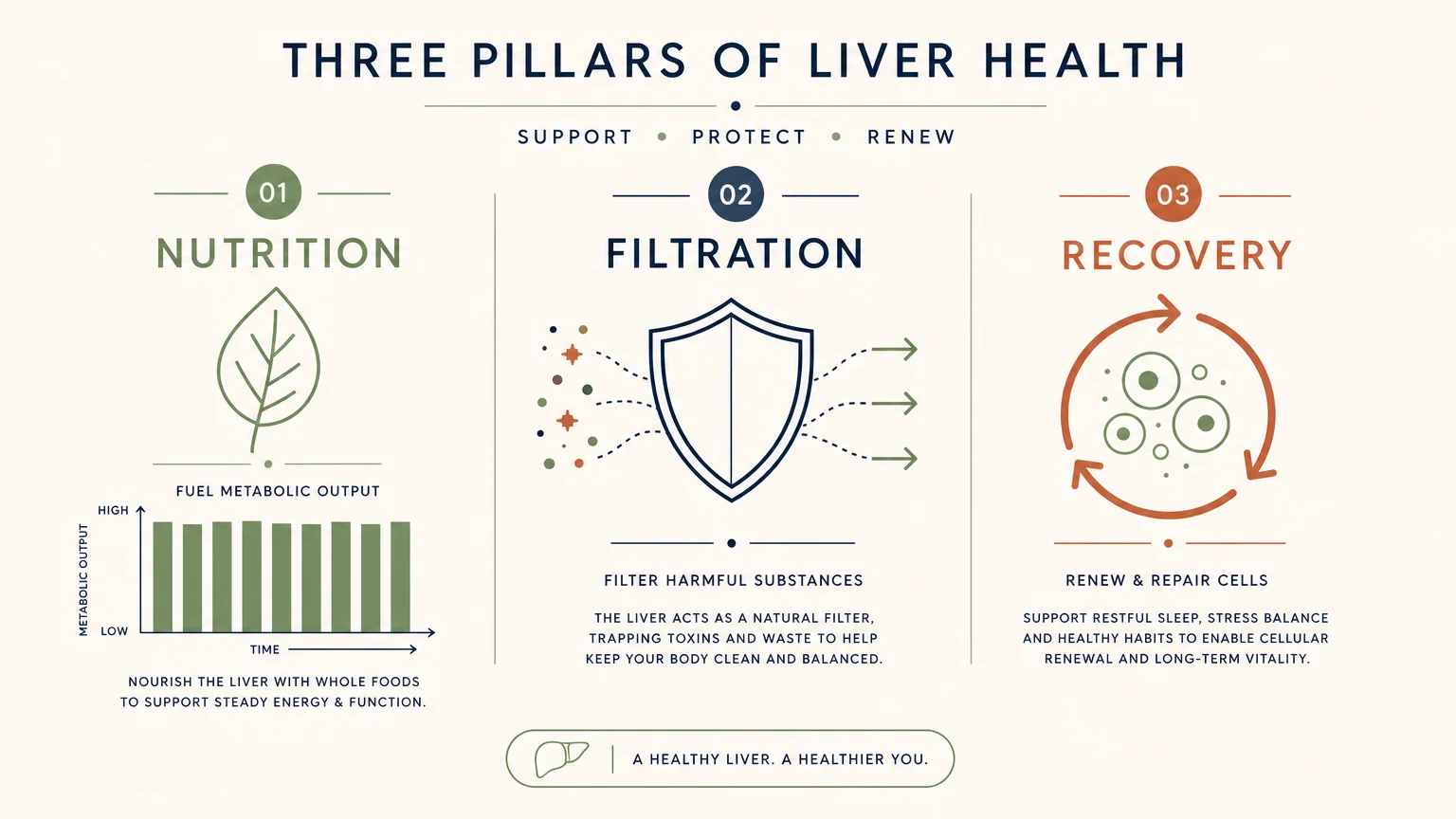
Addressing liver health requires a comprehensive, highly sustainable approach to your daily routine. These actionable strategies empower you to support your hepatic system, reduce systemic inflammation, and promote long-term metabolic resilience.
Nourishing Your Hepatic System Through Diet
Targeted nutrition serves as your most powerful daily tool for defending against liver inflammation and cellular stress. Emphasize a plant-forward dietary pattern rich in leafy greens, crunchy cruciferous vegetables, and antioxidant-dense berries. The Centers for Disease Control and Prevention highlights how dietary fiber tightly binds to bile acids in the gut, promoting healthy cholesterol clearance. Actively reduce your intake of ultra-processed foods, refined sugars, and high-fructose corn syrup, as these specific ingredients drive the rapid accumulation of fat within liver cells. Recognize that access to fresh, whole foods heavily depends on your local environment and grocery budget; if fresh produce remains too expensive or difficult to find locally, frozen vegetables offer the exact same nutritional benefits without the premium price tag.
Moving Your Body to Support Metabolic Function
Consistent physical activity directly combats insulin resistance and helps mobilize stored, toxic fat out of the liver. Aerobic exercise—such as brisk walking, swimming laps, or cycling—increases cellular oxygenation and heavily supports cardiovascular health, while dedicated resistance training builds the lean muscle mass necessary for optimal glucose disposal. Aim for at least one hundred and fifty minutes of moderate-intensity movement each week. You absolutely do not need an expensive gym membership to achieve these metabolic benefits; utilizing community parks, walking trails, or free bodyweight routines at home provides excellent, accessible stimulation.
Managing Stress and Cultivating Mindset
Chronic psychological stress dramatically elevates cortisol levels, which in turn promotes systemic inflammation and deeply exacerbates metabolic dysfunction. Protecting your liver involves actively managing your mental and emotional wellbeing on a daily basis. Incorporate simple grounding practices like deep diaphragmatic breathing, mindfulness meditation, or restorative yoga into your morning or evening routine. Adequate, high-quality sleep also plays an essential, non-negotiable role in liver regeneration. Prioritize seven to nine hours of uninterrupted rest each night, allowing your physical body the necessary downtime to repair damaged tissues and flush accumulated cellular waste.
Partnering with Healthcare Professionals
Because liver disease frequently progresses silently over decades, regular medical screenings remain absolutely vital for early detection and intervention. Partner closely with your primary care provider to monitor standard liver enzyme panels—such as ALT and AST—during your routine annual physical examinations. If you consistently notice any of the thirteen warning signs detailed above, urgently schedule an appointment to discuss comprehensive diagnostic imaging, such as a targeted hepatic ultrasound or transient elastography. Working collaboratively with medical experts ensures you receive evidence-based guidance perfectly tailored to your unique physiological needs.

Real Voices: Clinical Perspectives on Liver Disease
Understanding the clinical reality of liver disease helps demystify the condition and strongly encourages proactive intervention. Leading hepatologists consistently emphasize that metabolic liver disease functions as a systemic issue driven by modern environmental factors, rather than a profound personal failure. Medical experts frequently note that patients often feel deep shame upon receiving a liver diagnosis, mistakenly assuming the organ damage stems solely from heavy alcohol consumption. In reality, modern dietary patterns, sedentary lifestyles, and genetic predispositions heavily influence overall hepatic health.
Registered dietitians specializing in severe gastrointestinal disorders routinely remind their clients that the human liver possesses an astonishing, almost magical capacity to heal itself. By implementing gradual, highly sustainable lifestyle modifications rather than crash diets, patients frequently reverse early-stage fibrosis and beautifully restore healthy organ function. This pervasive clinical optimism underscores the importance of seeking professional help early and maintaining a highly compassionate relationship with your body. For authoritative resources and community guidance on navigating liver diagnoses, organizations like the American Liver Foundation offer extensive patient support networks and easily digestible educational materials.
Frequently Asked Questions About Liver Function
Can a damaged liver truly repair itself?
Yes; the liver demonstrates a truly remarkable ability to regenerate damaged tissue and seamlessly replace old cells with new, fully functional ones. However, this miraculous regeneration depends entirely on removing the underlying source of injury, whether that involves completely eliminating alcohol, significantly improving metabolic parameters, or medically treating a viral infection. Once severe, extensive scarring—known clinically as cirrhosis—develops, the structural architectural damage typically becomes permanent, making early lifestyle intervention absolutely critical.
How does alcohol consumption specifically harm the liver?
When you eagerly consume alcohol, your liver immediately prioritizes metabolizing the ethanol over all other biological functions, breaking it down into a highly toxic compound called acetaldehyde. This aggressive chemical causes intense oxidative stress and directly damages delicate liver cells. Chronic, heavy alcohol consumption forces the liver to constantly battle this toxicity, leading directly to fat accumulation, widespread systemic inflammation, and eventually, irreversible fibrotic scarring.
Are detox diets or commercial liver cleanses actually effective?
Robust medical evidence does not support the use of commercial detox diets, restrictive juice fasts, or expensive liver cleanse supplements. Your liver already functions as an incredibly efficient, strictly self-cleaning filtration system. Many commercial cleanse products completely lack regulatory oversight and can actually cause dangerous drug-induced liver injury. You support your liver best by drinking plenty of fresh water, eating a highly nutrient-dense diet, and avoiding known environmental toxins. Always consult your trusted physician before starting any new herbal supplement regimen.
What role do genetics play in liver disease development?
While daily lifestyle factors heavily influence liver health, your baseline genetics play a very significant role in your overall risk profile. Specific inherited conditions like hemochromatosis, Wilson’s disease, and Alpha-1 antitrypsin deficiency directly impair hepatic function regardless of your incredibly healthy daily habits. Additionally, certain genetic variants can massively increase your personal susceptibility to developing fatty liver disease when exposed to modern environmental stressors. A thorough family medical history helps your doctor perfectly contextualize your personal risk profile. You can learn more about genetic testing and ongoing medical research through the National Institutes of Health.
Moving Forward with Confidence
Safeguarding your liver health requires keen awareness, daily intention, and a strong willingness to listen closely to the subtle physical signals your body constantly sends. Recognizing these thirteen key warning signs empowers you to passionately advocate for your metabolic wellbeing and seek professional medical guidance before minor imbalances rapidly escalate into severe chronic conditions. You hold the profound power to shape your cellular health through the small, daily choices you make regarding holistic nourishment, joyful movement, and proactive stress management. As a highly manageable first step, simply evaluate your current daily hydration habits and consider gradually replacing sugary beverages with clear, refreshing water or soothing herbal tea. Ask yourself today: what small, deeply compassionate change can you implement this week to effectively ease the heavy burden on your body’s hardest-working organ?






Leave a Reply