

Protecting your vision as you grow older directly determines your ability to maintain independence, drive safely, and read your favorite books without constant strain. You can actively preserve your eyesight by integrating specific, science-backed daily habits rather than accepting vision decline as an inevitable part of healthy aging. While genetic factors play a role in how your eyes change over time, environmental and lifestyle choices hold immense power over your long-term macular health. By prioritizing targeted nutrition, protective physical environments, and proactive medical guidance, you create a robust defense against common age-related conditions like glaucoma and cataracts. Implementing these expert-recommended strategies ensures your eyes remain resilient, allowing you to engage fully with the world around you for years.
Understanding the Science of Aging Eyes
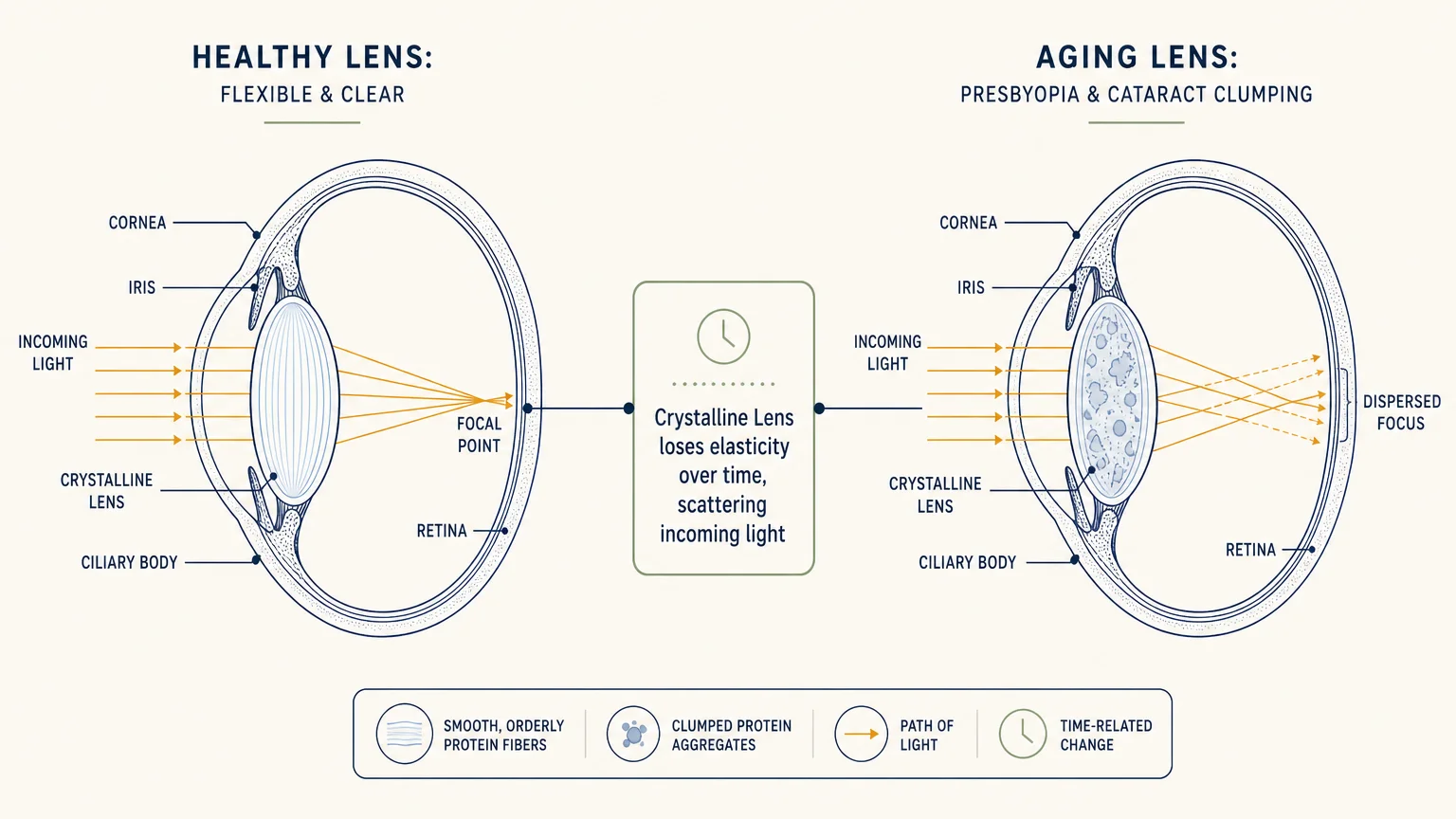
As you age, your eyes undergo profound biological transformations that go far beyond needing a stronger prescription for your reading glasses. The crystalline lens inside your eye gradually loses its elasticity—a condition known as presbyopia—which makes focusing on close objects increasingly difficult. Simultaneously, the structural proteins within the lens can begin to clump together, forming opaque areas known as cataracts that scatter incoming light and reduce overall visual clarity. Beyond the lens, the retina and the macula face cumulative oxidative stress from decades of light exposure and cellular metabolism. The macula requires immense amounts of oxygen to process central, high-resolution vision, making it uniquely vulnerable to free radical damage over time.
When cellular debris accumulates beneath the retina, it can trigger age-related macular degeneration, a leading cause of vision loss in older adults. Public health data from organizations like the National Eye Institute emphasizes that addressing these physiological changes requires a comprehensive, proactive approach rather than passive acceptance. Understanding this underlying science empowers you to take decisive action, shifting your focus from merely treating symptoms to actively preserving the cellular health of your visual system. Furthermore, recognizing that socioeconomic factors often dictate access to preventative care helps highlight the importance of community health resources and targeted nutritional interventions in maintaining clear sight.
Strategic Nutrition for Sustained Vision Care
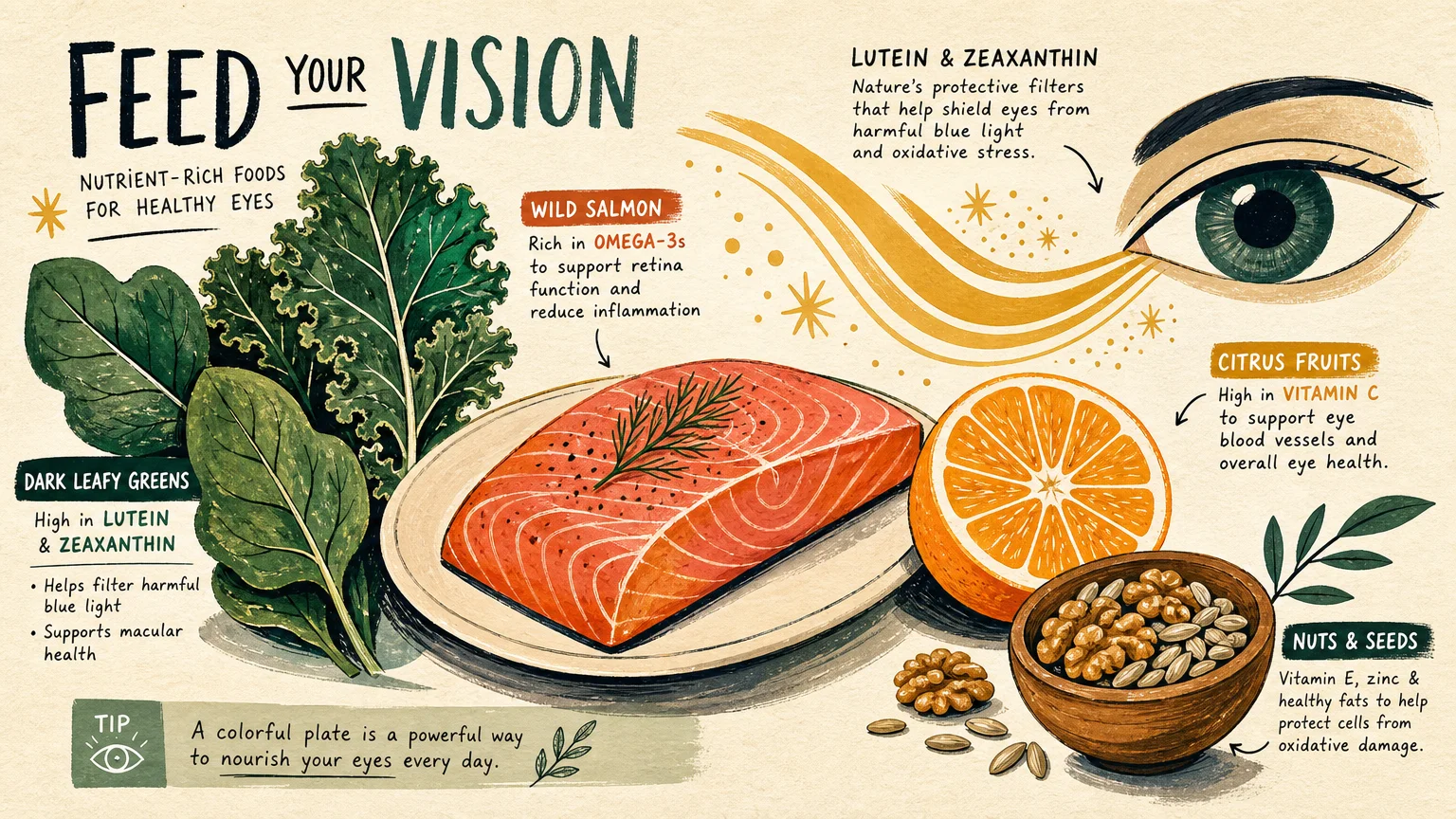
Your dietary choices serve as the foundational building blocks for long-term macular resilience. Decades of clinical research, particularly the landmark Age-Related Eye Disease Studies, demonstrate that specific micronutrients can significantly slow the progression of advanced visual decline. You can fortify your retinal defenses by prioritizing foods rich in lutein and zeaxanthin, two potent antioxidants naturally found in the macula. These essential compounds function as internal sunglasses; they filter out harmful high-energy blue light and neutralize free radicals before those unstable molecules can damage delicate photoreceptor cells. To harness these protective benefits, incorporate substantial portions of dark leafy greens like spinach, kale, and Swiss chard into your daily meals.
Alongside these structural antioxidants, omega-3 fatty acids play a vital role in maintaining the complex tear film that coats the surface of your eye. As you age, the meibomian glands located in your eyelids frequently produce less oil, leading to rapid tear evaporation and chronic dry eye syndrome. Consuming fatty fish such as salmon, mackerel, and sardines provides the specific fatty acids necessary to stabilize the lipid layer of your tears, enhancing both physical comfort and optical clarity. Additionally, vitamins C and E, paired with zinc and copper, support the intricate vascular network that supplies blood to the optic nerve. Citrus fruits, almonds, sunflower seeds, and legumes offer excellent natural sources of these essential nutrients.
Before integrating high-dose ocular supplements into your routine, always consult with a registered dietitian or your primary physician. Excessive zinc or fat-soluble vitamins can occasionally interact with prescription medications or underlying systemic conditions. For comprehensive guidance on nutrient safety and interactions, reviewing resources from the Office of Dietary Supplements provides an excellent, science-backed starting point for informed dietary decision-making.

Protective Lifestyle Habits for Healthy Aging
Beyond the dinner table, your daily physical habits and environmental modifications exert a powerful influence over your long-term eye health. Protecting your eyes from ultraviolet radiation stands out as one of the most critical preventative measures you can take. Prolonged exposure to invisible UVA and UVB rays accelerates cataract formation and increases the risk of developing abnormal tissue growths on the surface of the eye. You should consistently wear sunglasses labeled with UV400 protection, which block one hundred percent of harmful ultraviolet light, even on completely overcast days. Pairing these protective lenses with a wide-brimmed hat provides a comprehensive physical shield against environmental damage.
Inside your home, modern technology presents a different set of challenges for aging eyes. Extended periods of reading on tablets, smartphones, or computer monitors dramatically reduce your natural blink rate, exacerbating dry eye symptoms and causing significant accommodative muscle strain. You can easily mitigate this modern digital fatigue by rigorously applying the twenty-twenty-twenty rule: every twenty minutes, look at an object at least twenty feet away for twenty seconds to allow your focusing muscles to fully relax.
Physical movement also plays a surprisingly direct role in vision preservation. Engaging in regular cardiovascular exercise, such as brisk walking, swimming, or cycling, enhances blood circulation throughout your entire body, including the microscopic blood vessels nourishing the optic nerve. Improved systemic circulation helps regulate intraocular pressure, thereby reducing your risk of developing glaucoma—a silent condition that gradually compromises peripheral vision. Maintaining cardiovascular fitness also assists in managing systemic conditions like hypertension and diabetes, which are intimately linked to severe visual complications. You can explore safe, senior-appropriate movement routines through the Centers for Disease Control and Prevention physical activity guidelines to support both your heart and your eyes.
Medical Care and Mindset Shifts
Routine medical surveillance forms the ultimate safety net for your vision care strategy. Many sight-threatening conditions progress silently during their early stages, presenting absolutely no noticeable symptoms until irreversible nerve damage has already occurred. You cannot rely solely on changes in your visual acuity to prompt a visit to the clinic. Comprehensive dilated eye exams allow your optometrist or ophthalmologist to look past the surface of the eye and closely examine the intricate vascular and neurological structures at the back of the retina. During a dilated exam, specialized drops widen your pupil, providing the physician with a clear window to assess the health of the optic disc, evaluate the integrity of your blood vessels, and screen for early signs of macular degeneration.
Maintaining strict control over systemic health parameters directly influences these ocular outcomes. Chronic high blood sugar damages the fragile capillaries within the retina, causing them to leak fluid or bleed, which drastically impairs central vision. If you manage metabolic conditions, establishing a collaborative relationship between your primary care physician, your endocrinologist, and your eye care specialist ensures that no subtle changes slip through the cracks. Organizations like the American Academy of Ophthalmology stress that prioritizing preventative medical assessments drastically reduces the incidence of severe vision loss among older demographics, empowering you to tackle potential issues long before they threaten your lifestyle.

Insights from the Field: Real Voices in Eye Care
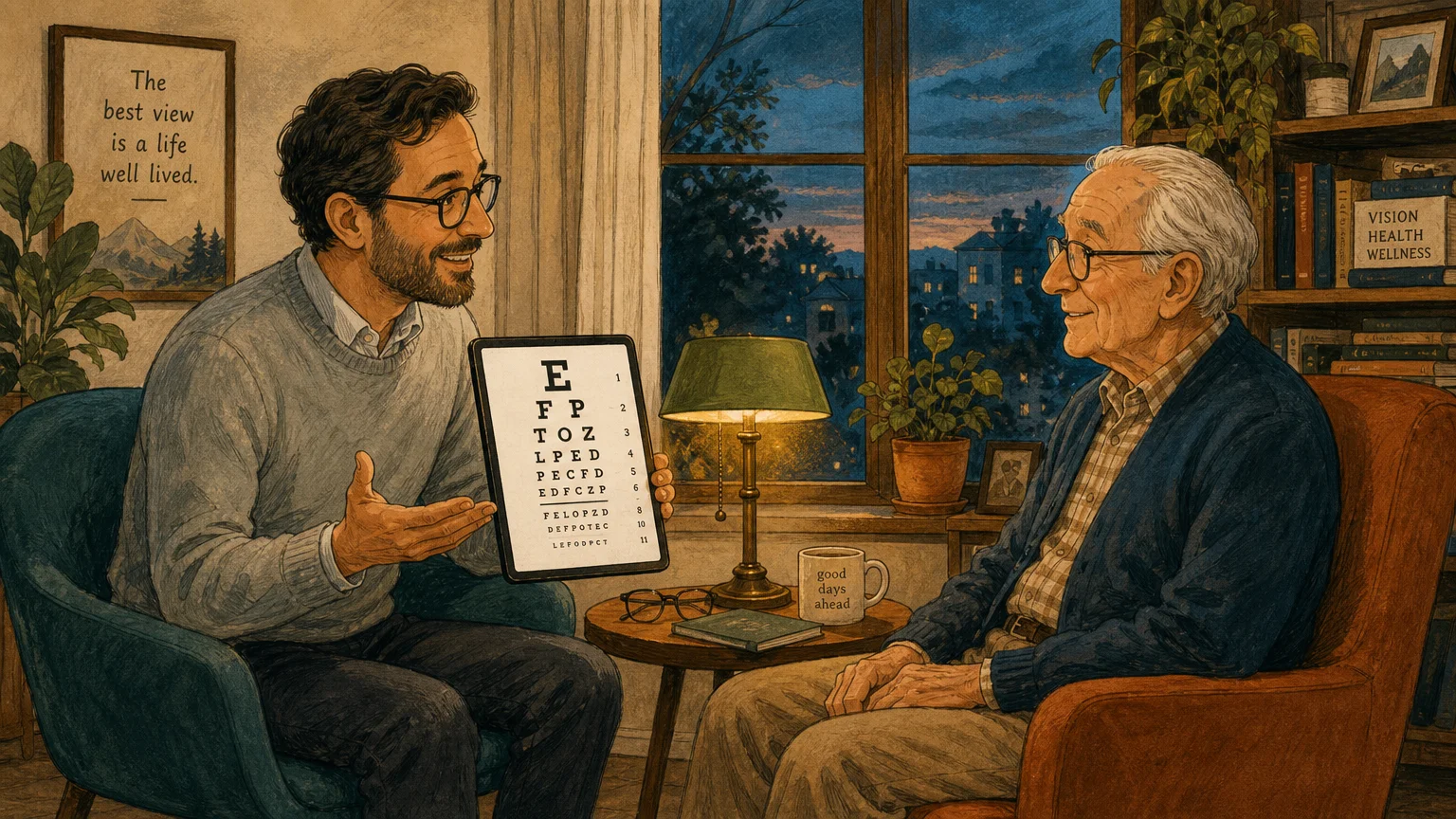
Listening to the perspectives of dedicated clinical professionals and proactive patients illuminates the deeply personal impact of sustained vision care. Geriatric optometrists frequently observe a common, yet dangerous, misconception among older adults: the lingering belief that fading vision represents an unavoidable consequence of aging that one must simply endure. Specialists emphasize that when you proactively report subtle changes—such as a newfound difficulty driving at night, colors appearing unusually washed out, or straight lines taking on a subtle wave—you provide them with the vital early diagnostic clues necessary to intervene effectively.
Clinicians consistently note that modern ophthalmology offers remarkable restorative procedures, with cataract surgery standing as one of the most refined and successful medical interventions available today. Patients who undergo these preventative and restorative treatments frequently report a profound revitalization in their overall quality of life. Regaining sharp, vibrant vision allows them to confidently navigate their communities, resume cherished hobbies like woodworking or reading, and maintain the social connections that are vital for cognitive and emotional wellbeing. By actively communicating with your healthcare providers, you transition from a passive observer of your health to an empowered advocate for your own longevity.
Frequently Asked Questions About Senior Eye Health
How frequently should seniors schedule comprehensive eye exams?
Clinical experts universally recommend that adults over the age of sixty-five undergo a comprehensive, dilated eye examination at least once every one to two years. However, if you manage systemic health conditions such as diabetes or hypertension, or if you have a documented family history of glaucoma or macular degeneration, your eye care professional will likely recommend annual or even bi-annual visits. These frequent check-ups allow your doctor to track microscopic changes in your optic nerve and retinal blood vessels over time, ensuring that any developing conditions receive immediate medical intervention before they impact your daily life.
Can systemic hydration levels affect age-related dry eye syndrome?
Yes, your overall systemic hydration plays a direct and crucial role in managing dry eye symptoms. The human tear film consists of three distinct layers: a mucous layer that binds the tear to the eye, an aqueous water layer that provides moisture, and a lipid oil layer that prevents evaporation. When you fail to consume adequate amounts of water throughout the day, your body struggles to produce a sufficient aqueous layer, leading to gritty, burning, or persistently irritated eyes. You can support your ocular surface health by consistently drinking water, utilizing a humidifier in dry indoor environments, and discussing specialized lubricating drops with your optometrist.
Are over-the-counter reading glasses a safe alternative to prescription lenses?
Over-the-counter reading glasses—often referred to as readers or cheaters—provide a perfectly safe, temporary solution for quick tasks like reading a menu or glancing at a pill bottle. They work by simply magnifying the image in front of you. However, these generic glasses feature the exact same prescription strength in both lenses and do not account for astigmatism or differences in visual acuity between your left and right eyes. Furthermore, the optical center of over-the-counter lenses rarely aligns perfectly with your specific pupillary distance. Relying on them for prolonged periods of reading or computer work often induces significant eye strain, tension headaches, and fatigue. Securing a custom prescription ensures your eyes remain relaxed and correctly aligned during extended focus sessions.
What immediate visual symptoms warrant an emergency trip to the eye doctor?
Certain visual disturbances require immediate, emergency medical attention to prevent permanent blindness. If you suddenly experience a dramatic increase in dark, floating spots, notice vivid flashes of light in your peripheral vision, or feel as though a dark curtain is falling over a portion of your sight, you must contact an ophthalmologist or visit an emergency room immediately. These exact symptoms strongly indicate a retinal tear or detachment. Additionally, if you experience sudden, severe eye pain accompanied by a red eye, blurred vision, colored halos around lights, and nausea, you may be experiencing acute angle-closure glaucoma, which demands urgent intervention to rapidly lower the pressure inside your eye.
Taking the Next Step for Your Vision
Protecting your vision requires consistent, deliberate choices rather than sweeping overhauls of your daily routine. You hold the power to safeguard your sight by making small adjustments, whether that means adding an extra serving of dark leafy greens to your dinner, keeping a pair of UV-blocking sunglasses by the front door, or practicing the twenty-twenty-twenty rule during your screen time. Your most critical and immediate action step involves picking up the phone and scheduling your next comprehensive dilated eye exam. Take a moment today to reflect on how clear, vibrant vision supports your favorite daily activities, and let that realization drive your commitment to proactive, lifelong eye care.









Leave a Reply