
The Lasting Health

Unlock the healthiest version of you.

  • Home
  • Healthy Choices
  • Medical Conditions
  • Overall Well-Being

5 Mini Stroke Symptoms Doctors Say People Often Overlook

June 16, 2026 · Medical Conditions
An ink and watercolor illustration of a hand momentarily dropping a set of keys, symbolizing a subtle, easily overlooked mini stroke symptom

A transient ischemic attack—often called a mini stroke—serves as a critical, time-sensitive warning that a major neurological event could be imminent. You can protect your long-term cognitive and physical health by learning to spot the subtle, fleeting symptoms that many people incorrectly dismiss as mere fatigue or stress. Although these episodes typically resolve within minutes or hours without causing permanent damage, they demand immediate emergency medical evaluation rather than a wait-and-see approach. Recognizing the early signs allows healthcare professionals to intervene rapidly with life-saving preventative treatments. By understanding what these transient episodes look and feel like, you gain a powerful advantage in safeguarding your independence and securing a healthier, stroke-free future.


A minimalist medical diagram showing a temporary arterial blockage resolving, alongside statistics on stroke prevention rates.
This infographic illustrates a temporary blood clot clearing in an artery alongside critical mini stroke statistics.

The Science Snapshot Behind a Transient Ischemic Attack

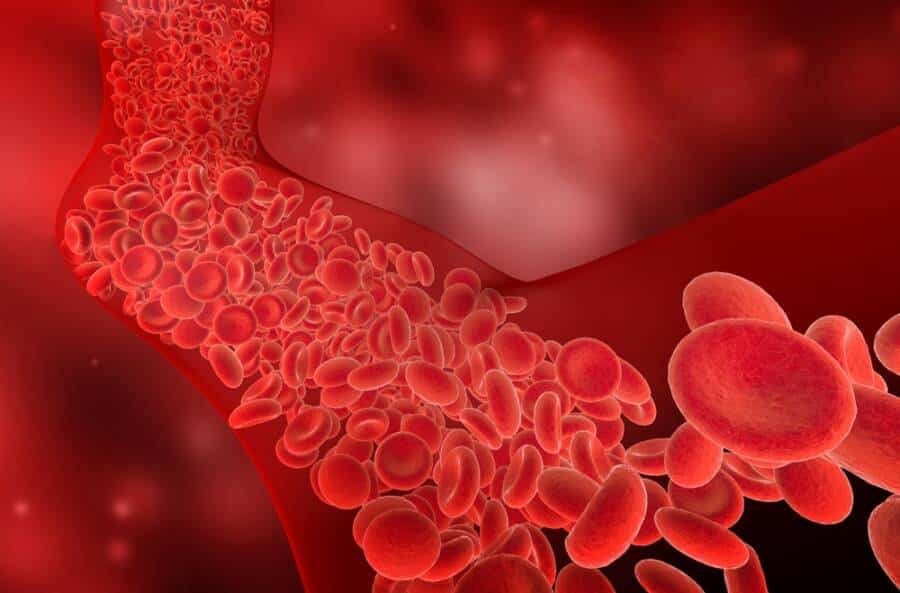
To fully grasp the danger of a transient ischemic attack, you must understand the underlying mechanics of your vascular system. Your brain relies on a constant, uninterrupted flow of oxygen-rich blood to maintain its complex functions. During a mini stroke, a small blood clot or a fragment of plaque temporarily obstructs a vital artery supplying the brain. Unlike a standard ischemic stroke, this blockage naturally dislodges or dissolves relatively quickly, restoring blood flow before permanent tissue death can occur. Because the brain cells survive the temporary oxygen deprivation, your physical and cognitive symptoms vanish entirely, often leaving you feeling perfectly normal again.

However, this temporary reprieve masks a severe underlying threat to your cardiovascular system. Data provided by the National Institute of Neurological Disorders and Stroke reveals that approximately one-third of individuals who experience a transient ischemic attack will suffer a severe stroke later in life. Furthermore, your risk of a catastrophic event peaks dramatically within the first forty-eight hours following the initial episode. Medical researchers confirm that up to eighty percent of subsequent strokes are preventable if doctors can evaluate the patient immediately and initiate aggressive treatments—such as targeted antiplatelet therapies or strict blood pressure management. Acknowledging social determinants of health, it is vital to recognize that systemic barriers sometimes delay access to rapid diagnostics. Advocating fiercely for yourself in an emergency setting ensures you receive the time-sensitive neuroimaging required to identify your risk level and secure protective care.

A five-panel gouache illustration depicting subtle mini stroke symptoms: vision changes, weakness, speech issues, leg dragging, and numbness
Five illustrated panels detail subtle mini stroke symptoms, from vision changes to coordination loss and facial numbness.

The 5 Overlooked Mini Stroke Symptoms

Because the human brain controls an incredibly diverse array of bodily functions, a disruption in blood flow can manifest in several surprisingly subtle ways. Recognizing these specific warning signs empowers you to bypass dangerous delays and seek immediate help.

Sudden, Subtle Weakness or Heaviness in One Limb

Many individuals expect a stroke to cause dramatic, unmistakable paralysis that completely immobilizes half of their body. In reality, a transient ischemic attack frequently presents as a subtle weakness or an unusual heaviness isolated to a single limb. You might find yourself suddenly unable to grasp your keys tightly, or you might notice your arm drifting downward uncontrollably when you attempt to raise both hands in front of you. Some people experience a strange dragging sensation in one leg while walking, as though their foot suddenly refuses to clear the floor. Because these sensations often vanish as quickly as they appear, people routinely blame them on a pinched nerve, sleeping in an awkward position, or general muscle fatigue. Ignoring this localized weakness deprives you of a critical window for intervention. Healthcare professionals rely on these specific motor deficits to trace exactly which part of your brain experienced a temporary interruption in blood flow. Paying close attention to any sudden loss of mechanical function allows you to seek help before a more devastating blockage occurs.

Brief Episodes of Speech Difficulty or Confusion

Experiencing a sudden disruption in your ability to communicate acts as an alarming indicator of a neurological event. During a mini stroke, you might experience expressive aphasia, where you know exactly what you want to say, but the words come out jumbled, incorrect, or completely unrecognizable. Alternatively, you might develop a sudden slur in your speech, sounding as though you have consumed alcohol when you are entirely sober. This cognitive impairment can also affect your receptive language skills, leaving you suddenly confused and unable to comprehend the normal conversations happening around you. Family members often notice this symptom before the patient does, observing a blank stare or bizarre responses to simple questions. Unfortunately, older adults sometimes brush off these frightening communication lapses as a harmless “senior moment” or simply being overtired. You must treat any abrupt change in your ability to speak, read, write, or understand language as an absolute medical emergency. This fleeting confusion points directly to severe oxygen deprivation in the brain’s language centers.

Temporary Vision Changes in One or Both Eyes

Visual disturbances stand out as one of the most frequently misunderstood signs of a transient ischemic attack. A classic manifestation is amaurosis fugax, a condition where patients describe a dark shade or opaque curtain descending over one eye. This painless, temporary blindness typically lasts only a few seconds or minutes, prompting many to wrongly attribute it to staring at a computer screen for too long, experiencing a migraine aura, or needing an updated eyewear prescription. Other individuals might experience a sudden onset of double vision—known medically as diplopia—or lose the peripheral vision in both eyes simultaneously. These ocular symptoms occur because the blood vessels supplying your eyes and the optical processing centers in your brain are incredibly delicate and highly susceptible to micro-clots. When an embolus temporarily blocks the ophthalmic artery, your vision flickers or fails entirely. Scheduling an appointment with an optometrist a week later misses the point; you require immediate assessment in an emergency department to evaluate your imminent stroke risk.

Unexplained Dizziness and Loss of Balance

A sudden, intense bout of dizziness or an unexplained loss of balance requires urgent attention, yet many dismiss it as mild dehydration or a harmless inner ear issue. Unlike the brief lightheadedness you might feel after standing up too quickly, the vertigo associated with a mini stroke strikes with aggressive, disorienting force. You may feel as though the room is violently spinning, or you might find yourself completely unable to walk in a straight line without stumbling into walls. This severe lack of coordination, often accompanied by sudden nausea or vomiting, indicates that the temporary blockage may have occurred in the back of your brain, specifically affecting the cerebellum or brainstem. If this dizziness arrives alongside any other subtle neurological signs, the probability of a transient ischemic attack rises dramatically. Maintaining your physical equilibrium requires complex, uninterrupted signaling between your brain and your muscular system. When that connection falters unexpectedly, treating the symptom as an acute vascular warning rather than a simple dizzy spell could quite literally save your life.

Transient Numbness or Tingling on One Side

Sudden numbness or a strange tingling sensation, specifically when isolated to one side of your face or body, demands an immediate clinical evaluation. You might feel a profound lack of sensation in your cheek, causing your smile to droop unevenly on one side. The tingling can radiate down your arm or leg, mimicking the familiar pins-and-needles feeling of a limb “falling asleep.” The crucial difference lies in the suddenness of the onset and the specific unilateral pattern; a vascular blockage in the brain usually affects only the left or right hemisphere, which subsequently controls the opposite side of the body. Far too often, individuals attempt to rub the sensation back into their arm or assume they simply sat in a bad posture for too long. A stroke specialist will quickly assess your facial symmetry and sensory responses to determine the severity of the episode. The guidelines provided by the Centers for Disease Control and Prevention emphasize that recognizing localized, sudden numbness as a neurological distress signal allows you to bypass dangerous delays and alert emergency services instantly.

A warm photograph of an adult preparing a healthy meal next to a daily wellness checklist, representing a proactive stroke prevention routin
A man prepares a healthy meal alongside his daily checklist, key pillars for stroke prevention.

Strategy Pillars for Stroke Prevention and Holistic Health

Protecting your brain requires a comprehensive approach that extends far beyond the emergency room. By integrating supportive habits into your daily life, you actively build robust resilience against cardiovascular and neurological events.

Nutrition as Your First Line of Defense

What you put on your plate directly influences your vascular health and resting blood pressure. Embracing an anti-inflammatory dietary pattern, such as the Mediterranean or DASH diet, helps maintain the natural elasticity of your blood vessels. Focus on incorporating colorful vegetables, fibrous whole grains, and omega-3 fatty acids from fish or flaxseeds into your daily meals. While minimizing your sodium intake remains crucial for long-term blood pressure management, you can easily maintain vibrant culinary flavors by experimenting with fresh herbs, citrus zest, and robust spices. If you find dietary transitions overwhelming or confusing, partnering with a credentialed professional through the Academy of Nutrition and Dietetics provides personalized, evidence-based guidance tailored to your cultural preferences and household budget.

Movement and Cardiovascular Resilience

Physical activity acts as a potent, natural medication for your circulatory system. When you engage in regular movement, you encourage your heart to pump more efficiently and help prevent the arterial plaque buildup that directly leads to ischemic events. You do not need to become an elite athlete to reap these profound benefits; consistency matters far more than intensity. Aiming for one hundred and fifty minutes of moderate activity each week—whether that involves brisk walking, water aerobics, or adaptive seated exercises—significantly reduces your baseline stroke risk. If mobility challenges present a barrier to traditional exercise, working with a specialist through the American Physical Therapy Association can help you design a safe, effective routine that accommodates your current physical capabilities while gradually building your endurance.

Mindset and Stress Management

Your mental and emotional well-being plays an undeniable, scientifically validated role in your physical health. Chronic, unmanaged stress maintains your body in a persistent state of high alert, driving up cortisol levels and placing continuous, damaging strain on your cardiovascular system. Integrating practical stress reduction techniques into your daily schedule provides vital protection for your delicate blood vessels. Practices like deep diaphragmatic breathing, progressive muscle relaxation, or simply spending quiet time in nature help reset your overwhelmed nervous system. Prioritizing seven to eight hours of high-quality sleep each night also allows your brain to perform essential restorative functions, clearing away metabolic waste. Recognizing that mental health deeply influences physical outcomes empowers you to seek psychological support when you face persistent anxiety, trauma, or depression.

Routine Medical Care and Diagnostics

Preventative medicine serves as the absolute cornerstone of stroke avoidance. Regularly monitoring critical health metrics—specifically your blood pressure, serum cholesterol levels, and fasting blood glucose—allows you to catch potential systemic issues long before they trigger a medical emergency. Certain silent conditions, such as atrial fibrillation, dramatically increase your risk of dangerous blood clots but remain highly manageable with appropriate medical intervention. Take an active role in your healthcare by attending routine checkups and adhering strictly to your prescribed medication regimens. The American Heart Association strongly advocates for knowing your baseline numbers, empowering you to make informed, collaborative decisions alongside your medical team to mitigate your personal risk factors.

A candid, documentary-style photograph of a doctor listening empathetically to an older patient during a warm, supportive consultation.
A clinician listens closely as an older survivor shares her experience with overlooked warning signs.

Real Voices From Clinicians and Survivors

Neurologists continually emphasize a universal mantra in acute stroke care: “time is brain.” Emergency medicine physicians strongly warn patients against the dangerous temptation to lie down and attempt to sleep off their unusual symptoms. One prominent clinical warning advises that hoping a symptom will simply pass naturally allows precious, highly treatable minutes to slip away. By the time you wake up from a nap, a transient neurological event could easily have evolved into a catastrophic, irreversible stroke.

Patient experiences frequently mirror these urgent clinical warnings. Many survivors share startlingly similar narratives, describing moments when their arm felt inexplicably heavy or their words suddenly became tangled in their throat. Often, they rationalized the event in the moment, blaming stress from a long workday, dehydration, or simply poor sleep. It is only in retrospect, after consulting a physician or tragically surviving a subsequent major stroke, that they recognize the transient ischemic attack for what it truly was—a final, glaring warning from their body. Healthcare advocates consistently urge individuals to listen closely to their physical form and trust their deepest instincts. When something feels fundamentally wrong with your nervous system, prioritizing an immediate emergency room visit over your daily convenience always stands as the correct, life-affirming choice.

Frequently Asked Questions About Mini Stroke Symptoms

How long do the symptoms of a transient ischemic attack last?

By medical definition, the symptoms of a mini stroke completely resolve within twenty-four hours, though the vast majority of real-world episodes only last for a few minutes to an hour. However, you should never wait to see if the symptoms will disappear on their own. The moment you notice sudden weakness, vision changes, or speech difficulties, you must call emergency services. Even if your symptoms vanish completely while the ambulance is on its way to your home, you still require immediate medical evaluation to uncover the underlying cause and prevent a major stroke.

Can severe anxiety or a panic attack mimic a mini stroke?

Yes, acute anxiety and panic attacks can produce highly alarming physical symptoms, including severe dizziness, shortness of breath, and tingling in the extremities. However, anxiety typically causes bilateral symptoms—meaning you feel the tingling in both hands simultaneously or around your entire mouth. A transient ischemic attack usually causes unilateral symptoms, affecting only one side of your face or body. Because the overlapping symptoms can feel incredibly confusing and terrifying, emergency medical personnel must rule out a true neurological event before attributing your distress to a psychological cause.

What should you do if the symptoms disappear before you reach the hospital?

If your physical and cognitive functions magically return to normal on your way to the emergency room, you must continue to the hospital without hesitation. Do not turn your car around or dismiss the paramedics. The rapid disappearance of symptoms confirms that you likely experienced a transient ischemic attack, which means your statistical stroke risk is currently at its absolute highest peak. Doctors need to perform critical imaging, such as a magnetic resonance imaging scan or a targeted carotid ultrasound, to locate the source of the temporary blockage and administer preventative medication.

Are there specific lifestyle factors that increase your risk?

Your risk of experiencing a severe cardiovascular event increases significantly if you live with unmanaged high blood pressure, elevated LDL cholesterol levels, or uncontrolled diabetes. Smoking damages your blood vessels and aggressively accelerates plaque buildup, while conditions like atrial fibrillation dramatically increase the likelihood of blood clots forming in your heart. While you cannot control static risk factors like your age or your family’s medical history, adopting a nutrient-dense diet, engaging in consistent physical activity, and strictly managing your chronic conditions offer powerful, evidence-based protection against future neurological emergencies.

Taking Your Next Step Toward Lasting Health

Safeguarding your brain health begins with active awareness and moves forward through proactive, intentional choices. You now possess the critical knowledge required to identify the fleeting, often misunderstood signs of a transient ischemic attack. Rather than living in constant fear of a sudden medical emergency, use this information to empower yourself and proactively protect the people you love. If you ever witness these sudden, localized symptoms in yourself or a family member, you will know exactly how to respond with necessary urgency and confidence.

Your most manageable first step today requires no major lifestyle overhaul or exhausting commitment. Simply schedule a brief appointment with your primary care physician to check your current blood pressure and review your unique cardiovascular risk factors. Reflect on your daily routine: what is one small, joyful way you can incorporate more movement into your afternoon? By making incremental, consistent investments in your vascular health today, you build a resilient, unshakable foundation for a vibrant, independent future.

Share this article

Facebook Twitter Pinterest LinkedIn Email

Leave a Reply Cancel reply

Your email address will not be published. Required fields are marked *

Search

Latest Posts

  • An ink and watercolor illustration of a hand momentarily dropping a set of keys, symbolizing a subtle, easily overlooked mini stroke symptom 5 Mini Stroke Symptoms Doctors Say People Often Overlook
  • Ink and watercolor illustration of a person practicing self-care by a window with a clean dark sweater nearby, symbolizing scalp health. Doctors Reveal the Best Ways to Get Rid of Dandruff
  • A woman in her late 30s mindfully inspects a small mole on her upper arm in a softly lit bedroom mirror. Could That Raised Mole Be Skin Cancer? Experts Explain the Warning Signs
  • A man in his late 30s sitting thoughtfully at a kitchen table holding a coffee mug, illuminated by soft morning light. 8 Subtle Signs Your Testosterone Levels May Be Too Low
  • Close-up photograph of golden olive oil being drizzled over a fresh spinach and tomato salad, catching warm morning sunlight. Adding This One Ingredient Helps Your Body Absorb More Nutrients
  • A close-up photograph of a hand placing a smartphone face-down on a wooden nightstand next to a steaming mug of tea at twilight. 4 Things a Cardiologist Avoids After 7 p.m. to Protect Heart Health
  • A textured paper collage showing an amber prescription bottle split by a bold, rising crimson-red block representing tariffs. Trump's Pharmaceutical Tariffs Could Drive Up Drug Prices—Here's What to Know
  • A kitchen counter with a glass of water, an apple with almonds, and a laptop in morning light, symbolizing healthy daily choices. 15 Health Mistakes Doctors See Every Day
  • Close-up of hands inspecting a dusty bottle of cooking oil in a cluttered, realistic kitchen pantry with various jars and bags. Check Your Pantry: 9 Items You Should Throw Away Today
  • A mixed-media collage featuring a human silhouette with clockwork gears and organic textures representing metabolic health. Most Common Side Effects of Ozempic

Newsletter

Get the latest posts delivered to your inbox.

Related Articles

An exhausted senior man sitting on the edge of his bed in a dark room at night, illustrating the struggle with chronic sleep disruptions.

The Hidden Link Between Sleep Problems and Heart Disease in Seniors

Discover the hidden link between sleep problems and heart disease in seniors. Learn about symptoms,…

Read More →
psoriasis

11 Natural Remedies for Psoriasis

Are You Dealing with Psoriasis? If you’re struggling with psoriasis, then you’re probably at the…

Read More →
feet

Seeing This on Your Feet? Here’s What It Really Means

…Believe it or not, your feet can tell a lot about your health! If you’ve…

Read More →
hearing

Hearing Loss: 6 Signs You Should Go Get Your Ears Checked

Are you wondering if your hearing has gotten worse? Hearing loss is a very serious…

Read More →
liver failure

6 Scary Things Most People Experience Before Liver Failure

What is liver failure? Acute liver failure is mainly defined as a sudden loss of…

Read More →
Throat

Feeling Tightness in Your Throat? 5 Alarming Symptoms and How You Can Manage Them

Have you ever wondered about that tightness in your throat? If you start feeling like…

Read More →
tick bite

Why Are Doctors So Worried About Tick Bites? (+ Symptoms)

Why are ticks so dangerous? It’s not a huge issue if you get a lot…

Read More →
Shoulder Pain

8 Reasons Why You Have Excruciating Shoulder Pain

Here’s Why You Might Suffer From Shoulder Pain: Shoulder pain is an extremely common ache…

Read More →
asthma

5 Everyday Things That Could Trigger Your Asthma

Never trigger your asthma ever again! Asthma is one of the most common chronic diseases…

Read More →

The Lasting Health

Unlock the healthiest version of you.

Inedit Agency S.R.L.
Bucharest, Romania

contact@thelastinghealth.com

Explore

Do not sell my personal information

Privacy Policy

Terms and Conditions

Contact

Request to know

Request to delete

CA Private policy

Categories

  • Healthy Choices
  • Medical Conditions
  • Overall Well-Being

© 2026 The Lasting Health. All rights reserved.