

Summer heat poses an invisible threat to older adults when interacting with everyday prescriptions. Understanding exactly which medications alter your body’s temperature regulation helps you avoid life-threatening emergencies during heatwaves. As temperatures climb, drugs managing blood pressure, allergies, and mental health silently disable your natural cooling systems. You might not feel thirsty, or you could stop sweating entirely while your core temperature spikes to dangerous levels. Recognizing these hidden pharmacological risks empowers you to stay safely active and independent throughout the warmer months. By actively managing your medication strategy with your healthcare team before extreme weather hits, you gain complete control over your summer wellbeing while preventing sudden trips to the hospital.
The Science of Thermoregulation and Medications
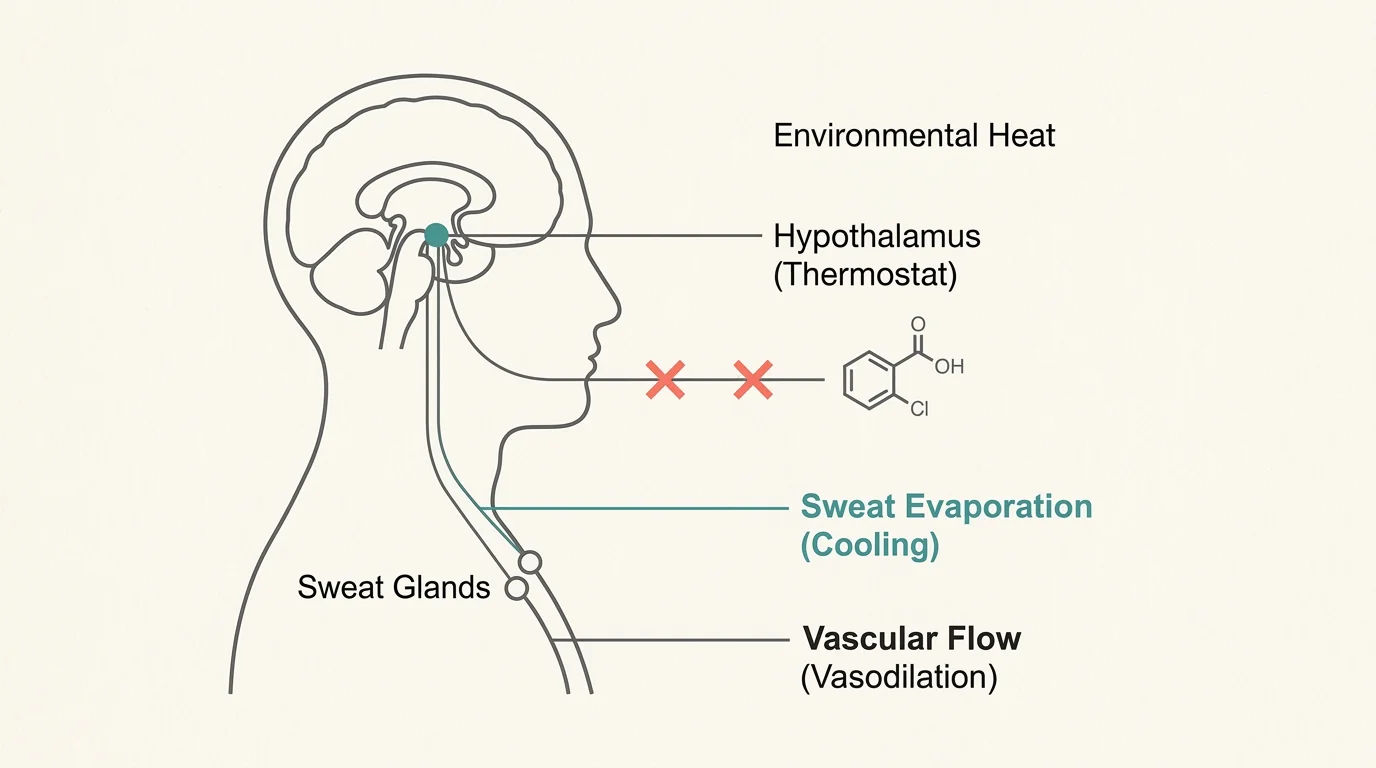
When your body encounters severe environmental heat, your brain acts as a complex biological thermostat. The hypothalamus detects rising internal temperatures and initiates two primary defense mechanisms: increasing blood flow to the skin and triggering your sweat glands. As sweat evaporates, it pulls heat away from your skin—a highly efficient cooling system honed by human evolution. However, aging naturally diminishes your sweat production and vascular flexibility, creating a baseline vulnerability to heat stress.
When you introduce pharmaceutical agents into this delicate biological environment, the risk multiplies. Various classes of drugs interfere with specific pathways in your thermoregulatory network; some medications deplete your body of the essential fluids needed for sweat, while others physically block the neurotransmitters that tell your sweat glands to activate. Still others mask the vital warning signs of dehydration and overheating. Research confirms that heat-related emergencies among older adults surge dramatically during summer months, heavily driven by adverse drug events. Understanding these specific mechanisms allows you to proactively adjust your lifestyle rather than reacting to a medical crisis.
5 Medication Classes That Interfere With Cooling
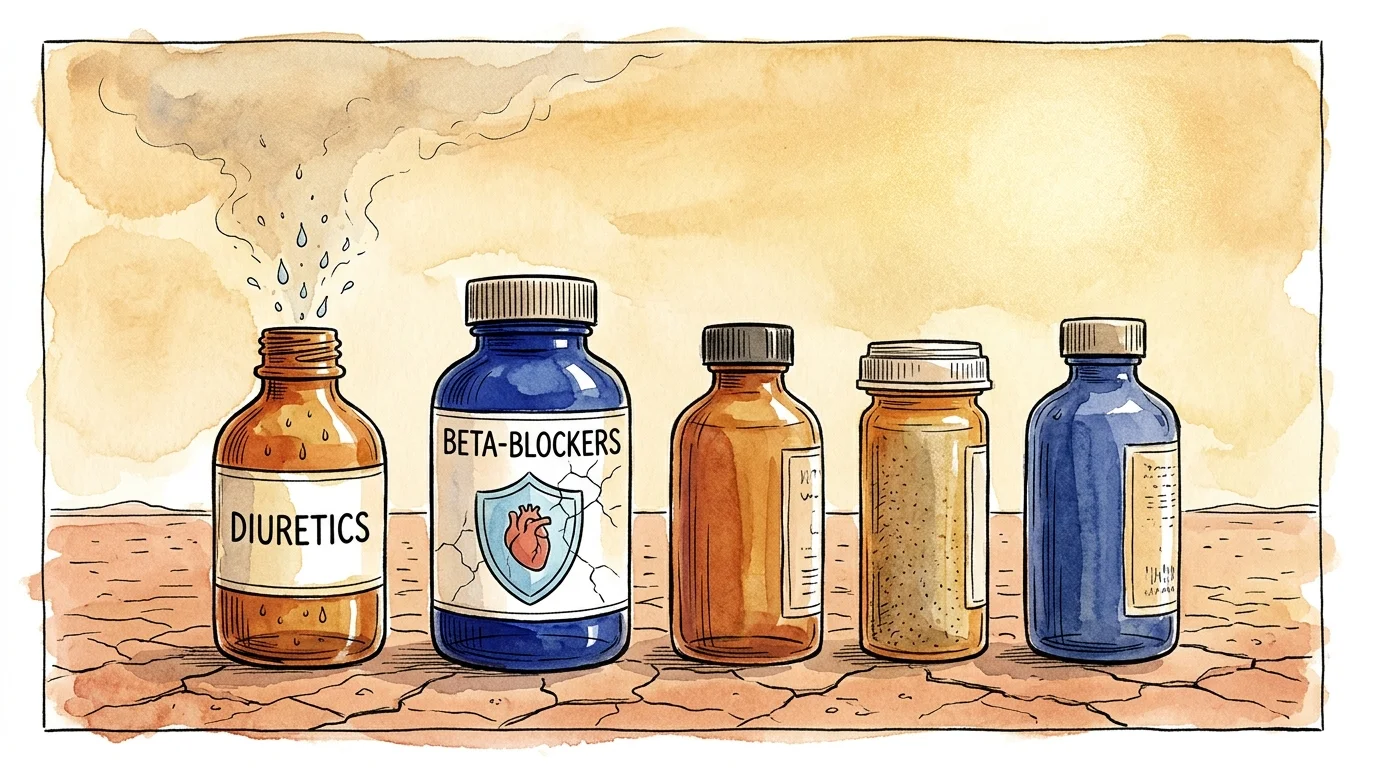
1. Diuretics (Water Pills)
Many seniors rely on diuretics to manage heart failure, liver conditions, or high blood pressure. These medications work by forcing your kidneys to flush excess water and sodium from your body through increased urination. While this mechanism expertly reduces the strain on your cardiovascular system, it simultaneously drains the precise fluid reserves your body requires to produce sweat. Dehydration occurs rapidly when the environmental heat demands high sweat production but your medication continually depletes your internal water tank.
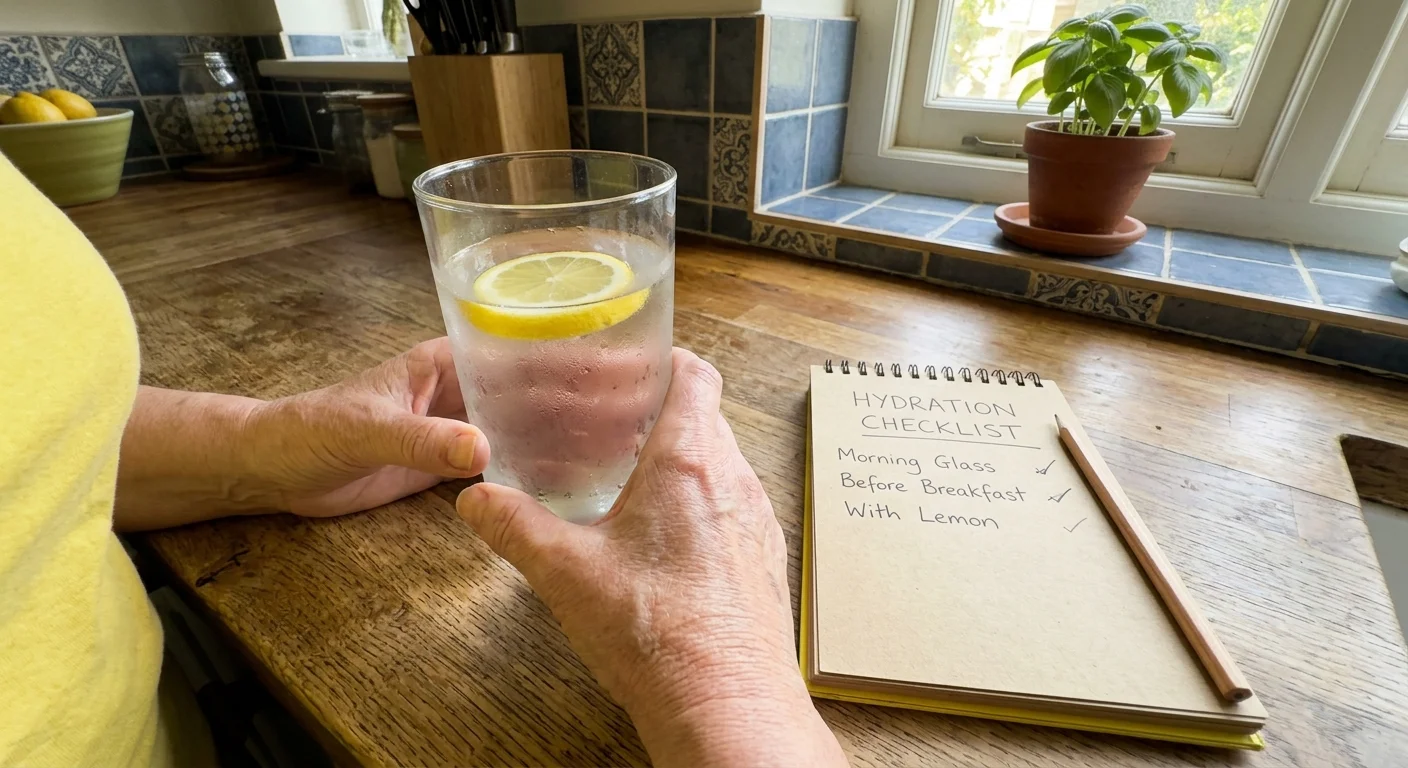
You might experience severe dizziness, muscle cramps, or a sudden drop in blood pressure when you stand up. To protect yourself, you must move beyond simply drinking plain water. Because diuretics also flush essential electrolytes, replenishing with fluids that contain balanced sodium and potassium becomes crucial during extreme heat. Work alongside your physician or a registered dietitian to establish a summer hydration baseline, ensuring you replace the fluids you lose without compromising your cardiovascular treatment plan. Keep a close watch on the color of your urine; pale yellow indicates adequate hydration, whereas dark amber signals an urgent need for fluids.
2. Beta-Blockers and Blood Pressure Medications
Physicians frequently prescribe beta-blockers to prevent heart attacks, manage arrhythmias, and lower blood pressure by slowing your heart rate and reducing the force of your heart’s contractions. During a heatwave, your body desperately needs to pump large volumes of blood away from your core and out to your skin, where the ambient air can cool it. This vital cooling mechanism requires a significant increase in cardiac output, which beta-blockers chemically limit.
Because your heart cannot beat fast enough to circulate that warm blood to the surface, heat remains trapped in your core, escalating your internal temperature dangerously close to heatstroke territory. Furthermore, this restricted blood flow diminishes the volume of sweat your body can produce. You must recognize that your physical limits shrink significantly under the influence of these drugs during July and August. Instead of relying on your heart to cool you naturally, you need to implement external cooling strategies. Shift your outdoor movement routines to the early morning hours before the sun heats the pavement, or transition to air-conditioned community centers for your daily walks.
3. Anticholinergics and Antihistamines
You will find anticholinergic properties hidden across a surprisingly broad spectrum of everyday drugs, ranging from over-the-counter allergy antihistamines and motion sickness patches to prescription medications for overactive bladder and Parkinson’s disease. These chemical agents function by blocking acetylcholine, a crucial neurotransmitter that sends messages throughout your nervous system. Unfortunately, acetylcholine is the exact messenger responsible for instructing your sweat glands to release moisture.
By severing this communication pathway, anticholinergic medications effectively shut down your ability to sweat, leaving you highly susceptible to rapid overheating. You might feel perfectly dry while sitting in a hot room, mistakenly believing that you are comfortable, when your internal temperature is actually climbing steadily. Because your internal cooling mechanism is fundamentally disabled, you must engineer external methods to pull heat away from your body. Apply cold, damp cloths to your pulse points—specifically your neck, wrists, and the back of your knees—to manually cool your circulating blood. Keep a spray bottle of refrigerated water nearby to mimic the evaporative cooling effects of sweat when you spend time outdoors.
4. Antidepressants and Antipsychotics
Medications prescribed for depression, anxiety, and severe mental health conditions frequently interfere with your central nervous system’s ability to interpret thermal signals. Certain classes of antidepressants, specifically selective serotonin reuptake inhibitors and tricyclic antidepressants, can directly alter the functioning of your hypothalamus. When this happens, your brain fails to recognize that your body is dangerously hot, delaying or entirely preventing the necessary physiological responses.
Additionally, antipsychotic medications often impair your body’s ability to dissipate heat while simultaneously blunting your cognitive awareness of thirst. You might spend hours in a sweltering garden without ever feeling the urge to grab a glass of water or seek shade. This neurological disconnect demands an intentional, scheduled approach to summer safety rather than relying on your body’s natural cues. Set recurring alarms on your phone or use a dedicated clock to remind yourself to drink water every hour, regardless of whether you feel thirsty. Cultivate a safety network by asking friends or family members to check in on you during designated heat advisories, ensuring someone external is monitoring your environment when your internal sensors fail.
5. Thyroid Hormones and Stimulants
While the previous categories focus on medications that inhibit your body’s cooling mechanisms, thyroid hormone replacements create danger through an entirely different pathway: they generate excess internal heat. Physicians prescribe synthetic thyroid hormones to correct an underactive thyroid gland, effectively boosting your baseline metabolism to a healthy level. However, a higher metabolic rate naturally produces more internal body heat as your cells burn energy.
If your dosage drifts slightly too high during the summer months, you might find yourself constantly feeling flushed, sweaty, and deeply uncomfortable even in air-conditioned spaces. Stimulant medications produce a similar heat-generating effect by accelerating your cardiovascular and metabolic systems. When the blazing summer environment limits your ability to shed heat, adding pharmaceutical fuel to your internal fire dramatically narrows your safety margin. Pay close attention to unexplained weight loss, racing heartbeats, or severe heat intolerance, as these symptoms often indicate a need for a seasonal dosage adjustment. Schedule a routine blood test with your healthcare provider as summer begins to verify that your current dosage perfectly matches your metabolic needs.
Comprehensive Summer Defense Strategies
Protecting yourself from pharmacological heat dangers requires a multifaceted lifestyle approach that combines proactive medical care, mindful nutrition, calculated movement, and practical environmental awareness. First, you must prioritize a comprehensive medication reconciliation with your pharmacist or primary care physician long before the first heatwave strikes. Bring every pill bottle, including over-the-counter supplements, to your appointment and explicitly ask how this specific combination affects your heat tolerance. Never stop taking a prescribed medication independently, as the rebound effects of suddenly discontinuing blood pressure or psychiatric drugs pose a far greater immediate threat to your life than the heat itself.
From a nutritional perspective, you can vastly improve your cellular hydration by consuming water-rich foods throughout the day. Melons, cucumbers, celery, and berries provide structured water bound with essential fiber and trace minerals, allowing your body to absorb the moisture slowly and steadily rather than flushing it straight through your kidneys. This nutritional strategy proves particularly beneficial if you take diuretics, as you receive hydration alongside vital potassium and magnesium. When managing your daily movement, shift your mindset from continuous endurance to strategic pacing. Break your exercise into shorter, ten-minute increments spread across the coolest parts of the day. If you live in an area lacking safe outdoor spaces or reliable air conditioning, consult the CDC heat safety guidelines to locate local cooling centers designed specifically to protect vulnerable populations during dangerous weather patterns.

Voices from the Field: Clinical Perspectives
Hearing directly from healthcare professionals and fellow patients illuminates the practical reality of managing medication risks during the summer. Geriatric specialists who frequently treat heat-related emergencies emphasize that prevention must begin in the spring. Many older adults end up in the emergency room simply because they applied their winter hydration habits to a July heatwave while taking powerful fluid-depleting drugs. Clinicians advise their patients to view their medication list as a dynamic document that requires seasonal context rather than a fixed lifelong protocol.
Similarly, patient advocates stress the importance of community awareness. Many seniors managing hypertension with beta-blockers learn through frightening experiences that gardening at noon is no longer a safe option. By coordinating outdoor activities with neighbors and ensuring mutual check-ins when temperatures rise, communities create a powerful safety net. Normalizing conversations about how our bodies change in response to both age and medication breaks down the stigma of asking for help. You can learn more about building these supportive community structures through resources provided by the National Institute on Aging, which champions proactive environmental adaptations for older adults.
Frequently Asked Questions About Senior Medications and Heat Safety
Can I temporarily stop taking my water pills during a severe heatwave?
You must never stop taking diuretics or any other prescribed medication without direct authorization from your healthcare provider. Abruptly discontinuing fluid-management drugs can trigger sudden, life-threatening complications, including acute heart failure or extreme spikes in blood pressure. Instead of stopping the medication, call your doctor’s office to discuss safely managing your fluid intake or potentially adjusting the dosage temporarily under strict medical supervision.
How do I know if I am drinking enough water while taking medications that mask thirst?
When medications disable your natural thirst mechanisms, you must transition to visual and scheduled hydration markers. Check the color of your urine consistently; a pale, straw-like color generally indicates healthy hydration, while dark or strong-smelling urine demands immediate fluid intake. Additionally, pinch the skin on the back of your hand; if it takes more than a second to snap back into place, you are likely experiencing early dehydration and need to consume electrolyte-balanced fluids immediately.
Are over-the-counter allergy pills truly dangerous in the summer heat?
Yes, common over-the-counter antihistamines significantly reduce your body’s ability to sweat by blocking specific neurotransmitters. Many seniors use these drugs daily for seasonal allergies or as mild sleep aids without realizing they are actively disabling their primary cooling system. If you require allergy management during peak summer heat, consult an allergist or pharmacist about newer generation antihistamines that cross the blood-brain barrier less frequently, potentially minimizing the dangerous anti-sweating side effects. For global perspectives on how environmental heat impacts health, review the insights provided by the World Health Organization.
What are the immediate warning signs of a dangerous drug-heat interaction?
The earliest warning signs often appear subtle, including an unexplained headache, mild nausea, extreme fatigue, or a sudden feeling of confusion. As the condition escalates, you might experience a rapid but weak pulse, severe muscle cramps, or skin that feels completely dry despite high temperatures. If you or a loved one experience sudden dizziness or a loss of coordination, you must immediately move to an air-conditioned environment, begin applying cold compresses, and contact emergency medical services without delay.
Your Next Step Toward a Safe Summer
Summer should remain a season of vibrant activity, joyful community connection, and safe outdoor enjoyment, regardless of your prescription list. You possess the power to neutralize the invisible threats posed by combining medications with extreme heat simply through proactive awareness and strategic planning. Your most manageable first step involves placing a call to your local pharmacist or primary care clinic today to schedule a seasonal medication review. Ask them specifically how your current regimen impacts your heat tolerance and fluid balance.
Write down their personalized guidance, share these insights with your support network, and keep the notes easily accessible on your refrigerator. As you navigate the warm months ahead, ask yourself regularly: am I adapting my environment to support my body, or am I forcing my body to fight the environment? By taking control of your health strategy today, you guarantee yourself a confident, resilient, and thriving summer season. Explore professional directories like the Academy of Nutrition and Dietetics to connect with experts who can tailor a summer hydration plan exactly to your medical needs.







Leave a Reply