The Lasting Health

Unlock the healthiest version of you.

  • Home
  • Healthy Choices
  • Medical Conditions
  • Overall Well-Being

5 Mini Stroke Symptoms Doctors Say People Often Overlook

June 16, 2026 · Medical Conditions
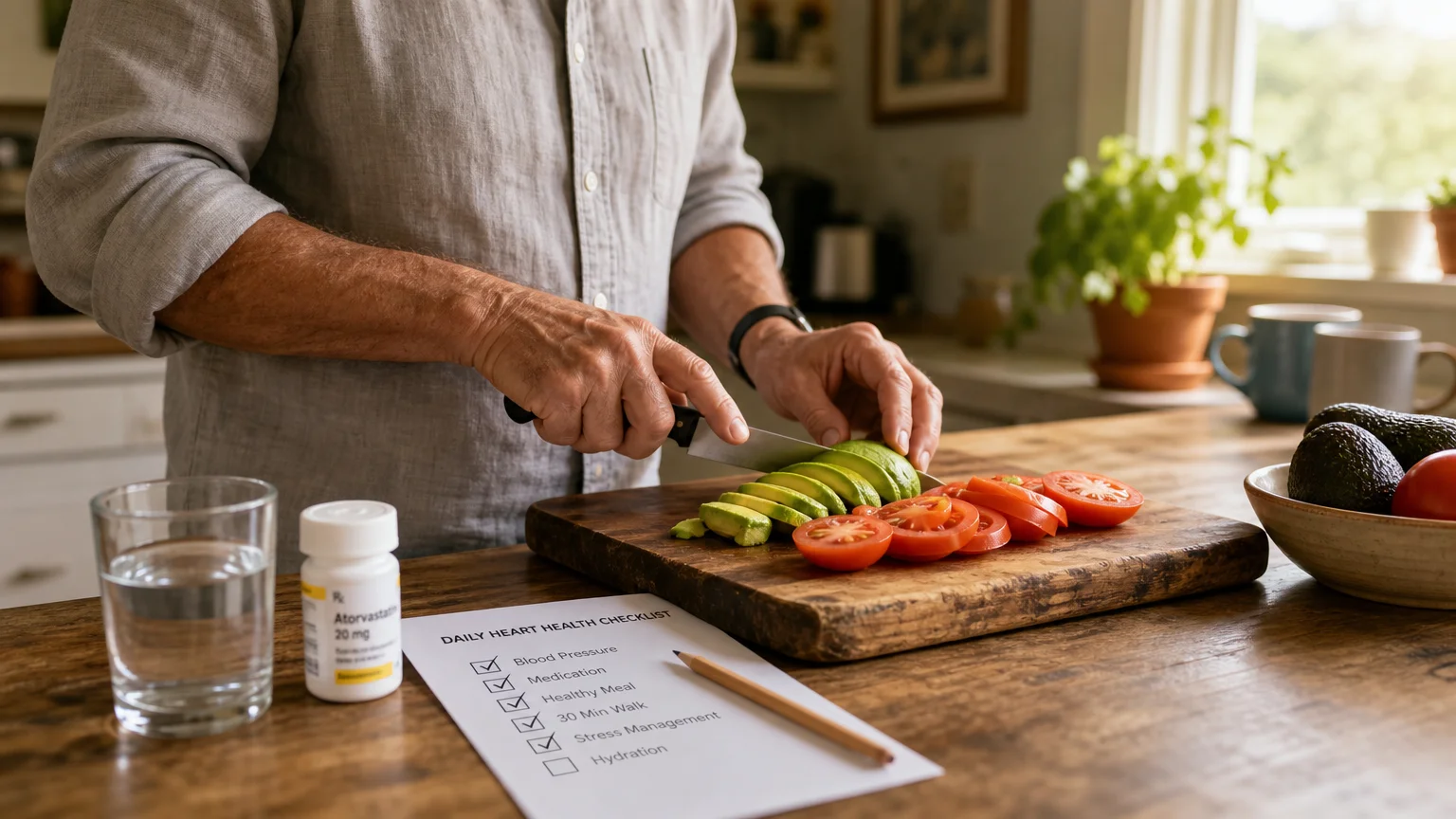
A warm photograph of an adult preparing a healthy meal next to a daily wellness checklist, representing a proactive stroke prevention routin
A man prepares a healthy meal alongside his daily checklist, key pillars for stroke prevention.

Strategy Pillars for Stroke Prevention and Holistic Health

Protecting your brain requires a comprehensive approach that extends far beyond the emergency room. By integrating supportive habits into your daily life, you actively build robust resilience against cardiovascular and neurological events.

Nutrition as Your First Line of Defense

What you put on your plate directly influences your vascular health and resting blood pressure. Embracing an anti-inflammatory dietary pattern, such as the Mediterranean or DASH diet, helps maintain the natural elasticity of your blood vessels. Focus on incorporating colorful vegetables, fibrous whole grains, and omega-3 fatty acids from fish or flaxseeds into your daily meals.

While minimizing your sodium intake remains crucial for long-term blood pressure management, you can easily maintain vibrant culinary flavors by experimenting with fresh herbs, citrus zest, and robust spices. If you find dietary transitions overwhelming or confusing, partnering with a credentialed professional through the Academy of Nutrition and Dietetics provides personalized, evidence-based guidance tailored to your cultural preferences and household budget.

Movement and Cardiovascular Resilience

Physical activity acts as a potent, natural medication for your circulatory system. When you engage in regular movement, you encourage your heart to pump more efficiently and help prevent the arterial plaque buildup that directly leads to ischemic events. You do not need to become an elite athlete to reap these profound benefits; consistency matters far more than intensity.

Aiming for one hundred and fifty minutes of moderate activity each week—whether that involves brisk walking, water aerobics, or adaptive seated exercises—significantly reduces your baseline stroke risk. If mobility challenges present a barrier to traditional exercise, working with a specialist through the American Physical Therapy Association can help you design a safe, effective routine that accommodates your current physical capabilities while gradually building your endurance.

Mindset and Stress Management

Your mental and emotional well-being plays an undeniable, scientifically validated role in your physical health. Chronic, unmanaged stress maintains your body in a persistent state of high alert, driving up cortisol levels and placing continuous, damaging strain on your cardiovascular system. Integrating practical stress reduction techniques into your daily schedule provides vital protection for your delicate blood vessels.

Practices like deep diaphragmatic breathing, progressive muscle relaxation, or simply spending quiet time in nature help reset your overwhelmed nervous system. Prioritizing seven to eight hours of high-quality sleep each night also allows your brain to perform essential restorative functions, clearing away metabolic waste.

Recognizing that mental health deeply influences physical outcomes empowers you to seek psychological support when you face persistent anxiety, trauma, or depression.

Routine Medical Care and Diagnostics

Preventative medicine serves as the absolute cornerstone of stroke avoidance. Regularly monitoring critical health metrics—specifically your blood pressure, serum cholesterol levels, and fasting blood glucose—allows you to catch potential systemic issues long before they trigger a medical emergency.

Certain silent conditions, such as atrial fibrillation, dramatically increase your risk of dangerous blood clots but remain highly manageable with appropriate medical intervention.

Take an active role in your healthcare by attending routine checkups and adhering strictly to your prescribed medication regimens. The American Heart Association strongly advocates for knowing your baseline numbers, empowering you to make informed, collaborative decisions alongside your medical team to mitigate your personal risk factors.

12345678

Share this article

Facebook Twitter Pinterest LinkedIn Email

Leave a Reply Cancel reply

Your email address will not be published. Required fields are marked *

Search

Latest Posts

  • An older woman with silver hair painting detailed patterns on a small ceramic bowl in her sunlit home studio. 12 Eye Doctor Secrets Retirees Need to Know
  • An older man sitting at a sunlit kitchen table next to a glass of water, thoughtfully examining a prescription medicine bottle. 5 Common Medications That Make Summer Heat Dangerous for Seniors
  • Fresh broccoli, halved Brussels sprouts, and spinach leaves arranged on a rustic wooden cutting board in natural morning light. 7 Vegetables to Eat Weekly for Better Liver Health
  • An older adult sits at a sunny kitchen table looking over Medicare documents next to a bowl of fresh fruit. It's Not Just Part B - Here's How Medicare Could Cost You Even More This Year
  • An older couple in their sunlit kitchen looking at a tablet and a calendar marked July 2026, discussing new Medicare changes. 82% of Seniors Don't Know Medicare Is Covering Obesity Drugs Starting July 2026 - Are You One of Them?
  • A conceptual illustration of a head profile containing a map with a small barrier and a hand holding a golden compass guiding the way. Common Types of Headaches and How To Treat Them
  • A small bowl of Greek yogurt with chia seeds and cinnamon on a wooden cutting board in a dimly lit kitchen at night. 12 Best Nighttime Food and Drinks to Avoid Weight Gain
  • An older woman sits at her kitchen table with a warm mug, looking thoughtful in soft morning light. 5 Warning Signs of Diverticulitis in Seniors That Are Easy to Confuse With IBS
  • Watercolor illustration of a senior looking out at a serene sunrise over a misty lake, symbolizing health, vitality, and mindfulness. 6 Warning Signs of Chronic Kidney Disease Stage 3 That Seniors Commonly Miss for Years
  • A split-focus photograph showing a rich morning espresso under sharp sunlight next to a soft, steaming cup of decaf under warm, diffused lig Decaf Coffee vs. Regular Coffee: Dietitians Reveal Which Is Healthier

Newsletter

Get the latest posts delivered to your inbox.

Related Articles

cancer

5 Shocking Cancers Most Likely to Spread to Your Bones

Bone metastasis happens when cancer cells from other organs spread to the bones. This can…

Read More →
bone cancer

4 Subtle Signs of Bone Cancer You Shouldn’t Ignore

Bone cancer is one of the many types of cancers that develop in the bones.…

Read More →
Covid-19

9 States with the Highest Number of New COVID Variant Cases

How to protect yourself The current COVID outlook and emerging data on seasonality would suggest…

Read More →
liver failure

6 Scary Things Most People Experience Before Liver Failure

What is liver failure? Acute liver failure is mainly defined as a sudden loss of…

Read More →
Watercolor illustration of a senior looking out at a serene sunrise over a misty lake, symbolizing health, vitality, and mindfulness.

6 Warning Signs of Chronic Kidney Disease Stage 3 That Seniors Commonly Miss for Years

Learn to identify the 6 covert warning signs of chronic kidney disease stage 3 that…

Read More →
A woman at a kitchen table looking in a small mirror to check her eyes, reflecting a moment of quiet self-health assessment.

8 Early Signs Your Body Isn’t Getting Enough Nutrients

Learn how to identify the 8 early health warning signs of nutrient deficiency. Discover practical…

Read More →
heart disease

The Link Between Your Heart and Skin

Did you know that your dermatologist might be the first to see early indicators of…

Read More →
diabetes

10 Diabetes Long-Term Effects Seniors May Get

6. Gastroparesis Diabetes increases your risk of gastroparesis. With gastroparesis, also called gastric stasis, the…

Read More →
Chest Pain vs. Blood Clots

Is That Chest Pain a Warning of a Blood Clot?

Are You Experiencing Chest Pain? Don’t Ignore These Signs! A Blood Clot May Be Hiding…

Read More →

The Lasting Health

Unlock the healthiest version of you.

Inedit Agency S.R.L.
Bucharest, Romania

contact@thelastinghealth.com

Explore

Do not sell my personal information

Privacy Policy

Terms and Conditions

Contact

Request to know

Request to delete

CA Private policy

Categories

  • Healthy Choices
  • Medical Conditions
  • Overall Well-Being

© 2026 The Lasting Health. All rights reserved.