

Protecting your vision after retirement directly impacts your independence and overall quality of life. As you age, your eyes undergo structural changes that heighten the risk of macular degeneration and glaucoma, often before symptoms appear. Catching these shifts early requires moving beyond basic vision tests and adopting a proactive strategy for ocular longevity. By integrating targeted nutrition, specific lifestyle adjustments, and advanced clinical screenings into your routine, you can preserve your sight well into your later years. Ophthalmology experts rely on evidence-based practices to maintain healthy eyesight in older adults. Applying these practical insights ensures you stay engaged with the activities you love while effectively mitigating the natural wear and tear on your aging eyes.
The Science Snapshot Behind Aging Eyes
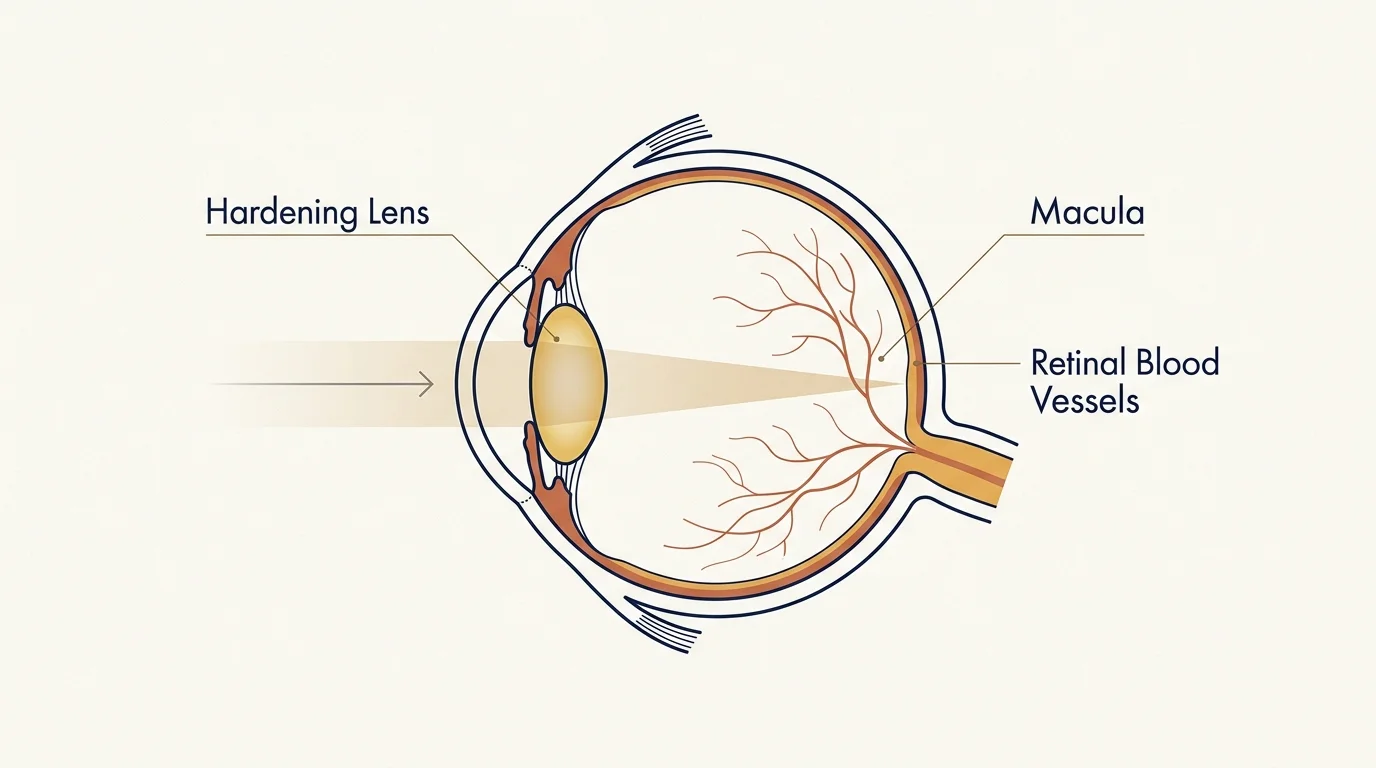
The human eye is a remarkably resilient organ; however, the tissues responsible for focusing light and transmitting images to the brain naturally degrade over decades of constant use. Oxidative stress accumulates in the macula, the central part of the retina responsible for detailed forward-facing vision. Simultaneously, the clear lens resting behind your pupil gradually hardens and yellows over time. These biological shifts diminish contrast sensitivity, reduce depth perception, and increase your sensitivity to harsh glare—all critical factors for safe driving and navigating uneven walkways.
Public health researchers monitoring the leading causes of vision impairment globally note that conditions like cataracts, glaucoma, and age-related macular degeneration disproportionately affect older demographics. Yet, severe vision loss is not an inevitable consequence of getting older. Advanced clinical research indicates that neuroprotective strategies, improved vascular health, and targeted nutritional interventions dramatically slow the progression of many ocular diseases.
Understanding the deep physiological connections between your eyes and your systemic health empowers you to make informed daily choices. The retina relies on a dense, delicate network of tiny blood vessels, making it highly susceptible to fluctuations in blood pressure, oxygenation, and blood sugar levels. By viewing eye care through a holistic lens, you quickly realize that every choice you make directly influences the long-term longevity of your sight.

Strategic Eye Care: 12 Secrets for Protecting Your Vision
Pillar 1: Medical Care and Clinical Screenings
Secret 1: Dilation is Completely Non-Negotiable
Many patients dread the stinging drops and temporary light sensitivity that accompany pupil dilation, frequently asking their doctors if they can skip this step. Optometrists and ophthalmologists strongly advise against skipping it. An undilated pupil acts like a keyhole; the doctor can only see a tiny fraction of the room inside. Dilating the pupil throws the door wide open, allowing the clinician to examine the peripheral retina for early signs of tears, detachments, or even ocular melanomas that would otherwise remain hidden until they cause catastrophic vision loss.
Secret 2: OCT Scans are the Modern Gold Standard
Optical Coherence Tomography, or OCT, functions like an ultrasound for your eye, but it uses light waves instead of sound waves to capture cross-sectional images of your retina. This technology allows your doctor to see beneath the retinal surface, analyzing the individual layers of tissue for microscopic fluid leaks or thinning. Eye care professionals rely on OCT scans to detect the earliest stages of glaucoma and wet macular degeneration years before you would ever notice a blind spot in your field of vision.
Secret 3: Your Primary Care Doctor is an Eye Saver
Your eye doctor can tell if you have high blood pressure or uncontrolled diabetes simply by looking at the blood vessels in the back of your eye. Chronic hypertension causes the tiny retinal arteries to stiffen and kink, while elevated blood sugar damages vessel walls, leading to small hemorrhages known as diabetic retinopathy. Keeping your systemic health markers in check through routine comprehensive eye exams and regular primary care visits is arguably the most effective way to prevent vascular-related blindness.
Pillar 2: Nutrition for the Retina
Secret 4: Lutein and Zeaxanthin Act as Internal Sunglasses
Lutein and zeaxanthin are powerful dietary carotenoids that deposit directly into the macula, forming a protective pigment layer that absorbs harmful blue light and neutralizes free radicals. You can find high concentrations of these nutrients in dark leafy greens like kale, spinach, and Swiss chard, as well as in the yolks of pasture-raised eggs. Because these compounds are fat-soluble, lightly sautéing your greens in olive oil ensures your body can actually absorb and utilize them to protect your photoreceptors.
Secret 5: Tear Quality Matters More Than Tear Quantity
Dry eye syndrome becomes increasingly common after retirement, particularly as hormonal changes alter tear composition. Many people produce plenty of watery tears, but those tears evaporate instantly because they lack a crucial lipid layer. Omega-3 fatty acids, found abundantly in wild-caught salmon, sardines, and flaxseeds, reduce systemic inflammation and support the meibomian glands along your eyelid margins. These glands secrete the essential oils needed to stabilize your tear film, keeping your eyes comfortably lubricated throughout the day.
Secret 6: Chronic Dehydration Silently Starves the Cornea
As you age, your natural thirst mechanism slowly diminishes, leaving many retirees mildly dehydrated without realizing it. The cornea relies on a robust tear film not just for comfort, but for precise optical clarity and immune defense against surface infections. When you fail to drink enough water, your tear volume drops, causing your vision to fluctuate and blur between blinks. Maintaining consistent fluid intake throughout the day provides the foundational hydration your eyes require to function smoothly.
Pillar 3: Lifestyle, Movement, and Daily Habits
Secret 7: Cardiovascular Exercise Protects the Optic Nerve
Engaging in regular aerobic movement does much more than strengthen your heart; it actively preserves your optic nerve. Moderate cardiovascular exercise, such as brisk walking, swimming, or cycling, improves blood flow to the ocular tissues and helps lower intraocular pressure. Elevated eye pressure is the primary risk factor for glaucoma, a disease that silently destroys peripheral vision. By maintaining a physically active routine, you naturally support the fluid drainage systems within your eyes.
Secret 8: The 20-20-20 Rule Applies to Books and Hobbies
Eye care professionals frequently recommend the 20-20-20 rule to office workers staring at computers, but it applies equally to retirees engaged in knitting, reading, or woodworking. When you focus on a near object for extended periods, the tiny ciliary muscles inside your eyes remain locked in a state of continuous contraction. Every twenty minutes, look at an object at least twenty feet away for twenty seconds. This brief pause forces the focusing muscles to relax, dramatically reducing late-afternoon eye fatigue and tension headaches.
Secret 9: UV Protection Requires Specific Labeling
Decades of accumulated exposure to ultraviolet radiation accelerate the formation of cataracts and increase the risk of macular degeneration. Wearing sunglasses is essential, but dark lenses without proper filtration actually cause more harm than good by dilating your pupils and letting in more UV rays. Always verify that your sunglasses explicitly claim 100 percent UV protection or UV400 on the label. Wraparound styles offer superior defense by blocking scattered light that sneaks in from the sides of the frames.
Pillar 4: Mindset and Environmental Adjustments
Secret 10: Contrast and Task Lighting Prevent Accidents
Aging pupils become smaller and less responsive to changes in ambient light, meaning a sixty-year-old retina receives significantly less light than a twenty-year-old retina in the exact same room. Relying solely on dim overhead lighting strains your eyes and severely increases your risk of tripping over unseen obstacles. Invest in bright, adjustable task lamps for your reading chairs and kitchen counters. Enhancing the contrast in your environment safely reduces visual fatigue and improves your functional independence.
Secret 11: Sleep Apnea is a Hidden Vision Thief
Obstructive sleep apnea causes repeated pauses in breathing throughout the night, leading to dangerous drops in blood oxygen levels. This intermittent hypoxia damages the sensitive tissues of the optic nerve and significantly increases the likelihood of developing normal-tension glaucoma or sudden ischemic optic neuropathy—a condition frequently described as a stroke of the eye. If you snore heavily or wake up unrefreshed, consulting a sleep specialist protects both your cardiovascular system and your sight.
Secret 12: Sudden Visual Changes are Always an Emergency
Many seniors mistakenly assume that a sudden influx of floating black spots, brief flashes of light, or a dark curtain creeping over their peripheral vision are just normal signs of getting older. Eye doctors stress that these are classic symptoms of a retinal tear or detachment. Time is highly critical in these scenarios; seeking immediate emergency ophthalmic care can mean the difference between a simple laser repair and permanent, irreversible blindness.
Real Voices from the Clinic
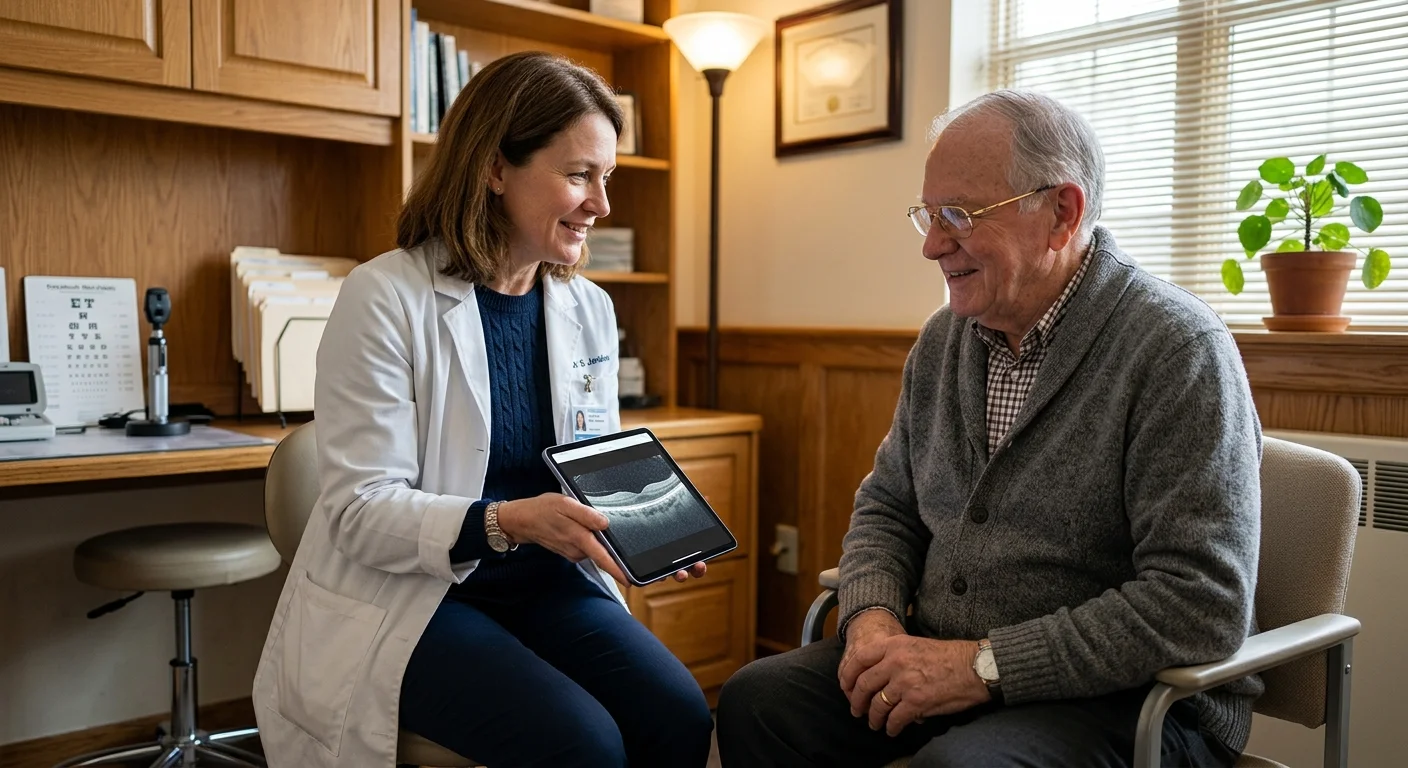
Discussions with clinical practitioners reveal a clear consensus: patients who actively advocate for their systemic health consistently experience better visual outcomes. A leading neuro-ophthalmologist recently noted that older adults who maintain diligent control over their blood pressure rarely face the severe vascular complications seen in less proactive patients. The clinic floor routinely demonstrates that prevention remains significantly more effective than treatment.
Patients themselves echo this sentiment. Many seniors report that prioritizing simple interventions, such as adding an omega-3 supplement to combat stubborn dry eye or using directed task lighting, profoundly improves their daily comfort. They learn through experience that accepting blurred vision as a standard part of aging is an outdated mindset. Working collaboratively with your medical team ensures that subtle symptoms are investigated thoroughly before they evolve into irreversible conditions.
Frequently Asked Questions
How often do I actually need a comprehensive eye exam after age 65?
Clinical guidelines for older adults dictate that anyone over the age of 65 should undergo a comprehensive, dilated eye examination every year. If you have been diagnosed with diabetes, hypertension, or a family history of glaucoma, your doctor will likely recommend bi-annual visits to monitor subtle structural changes more closely.
Should I take a daily vision supplement just in case?
While generic multivitamins are common, specific high-dose vision supplements are not necessary for everyone. The Age-Related Eye Disease Studies formulated a specific blend of vitamins known as AREDS2, which is highly effective at slowing the progression of intermediate and advanced macular degeneration. However, taking this formulation without a diagnosis provides no preventative benefit and can interfere with other medications. Always consult your ophthalmologist or a registered dietitian before starting targeted supplements.
Is it possible to reverse the development of cataracts naturally?
No natural remedy, eye drop, or dietary change can reverse a cataract once the lens proteins have begun to denature and turn cloudy. Lifestyle choices like wearing UV400 sunglasses and quitting smoking can significantly delay their progression. When cataracts eventually begin to interfere with your daily activities, modern surgical removal is incredibly safe, highly effective, and permanently restores optical clarity.
Why are my eyes suddenly watering all the time?
Paradoxically, excessive tearing is one of the most common signs of dry eye syndrome. When the surface of your eye becomes critically dry due to a lack of lubricating oils, the brain receives a distress signal and commands the lacrimal gland to flush the eye with watery reflex tears. These emergency tears lack the necessary lipid layer to stick to the cornea, causing them to constantly roll down your cheeks without providing real relief.
Your Next Step Toward Clearer Vision
Preserving your eyesight involves making small, deliberate choices that accumulate into profound health benefits over time. Reflect on your current daily routine and identify one simple area for improvement—whether that means placing a glass of water next to your reading chair or finally swapping out your old sunglasses for a verified UV-blocking pair.
Your most impactful action today is to call your local eye care clinic and schedule a comprehensive, dilated examination. Specifically request an OCT scan to establish a healthy baseline for your retinas. Taking ownership of your ocular health right now ensures you will continue to see the world clearly, safely, and vibrantly for decades to come.








Leave a Reply