
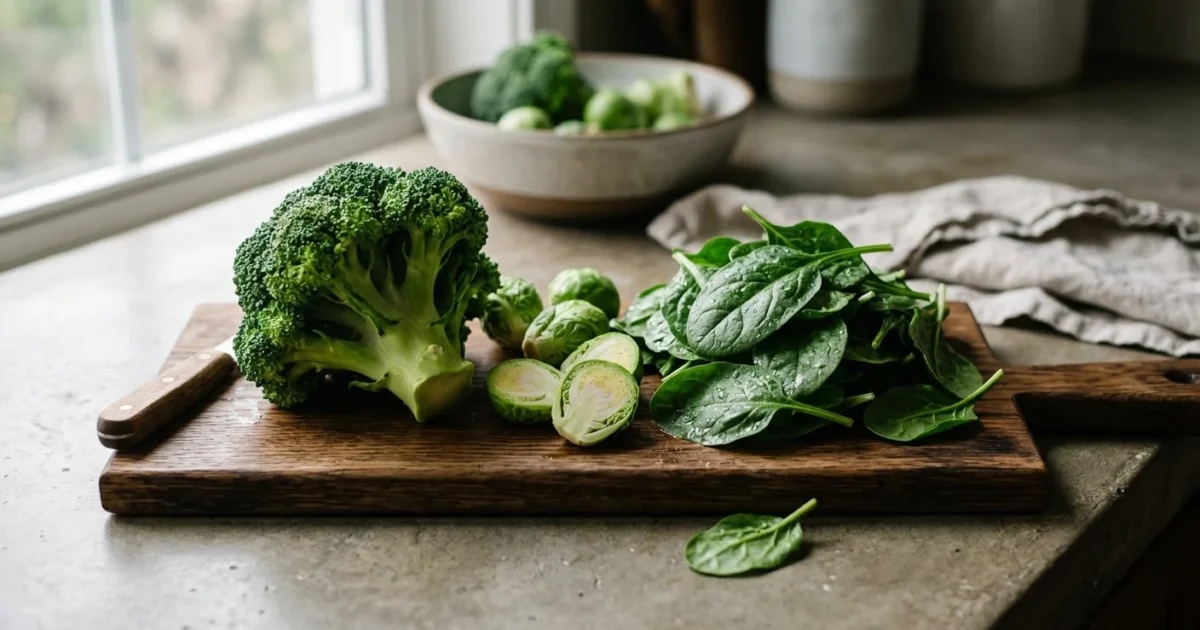
Your liver filters toxins, manages cholesterol, and metabolizes nutrients to keep your energy levels stable and your digestion smooth. You can directly enhance this vital organ’s performance by adding specific, nutrient-dense vegetables to your weekly meals. Environmental stressors, processed foods, and sedentary routines heavily burden hepatic function, making strategic dietary choices critical. Incorporating targeted plant foods provides the essential antioxidants necessary for optimal cellular repair and detoxification. When you understand exactly which vegetables deliver the highest therapeutic value, you can transform your everyday eating habits into a powerful protocol for metabolic resilience and long-term health.
The Science Behind Hepatic Healing and Plant Compounds
The liver performs over five hundred vital functions every single day; it metabolizes proteins, regulates blood clotting, and neutralizes harmful toxins before they enter your bloodstream. Contemporary diets filled with refined sugars and ultra-processed fats overwhelm this resilient organ, often leading to non-alcoholic fatty liver disease and systemic inflammation. However, clinical research demonstrates that specific phytochemicals found in plant foods actively stimulate hepatic regeneration.
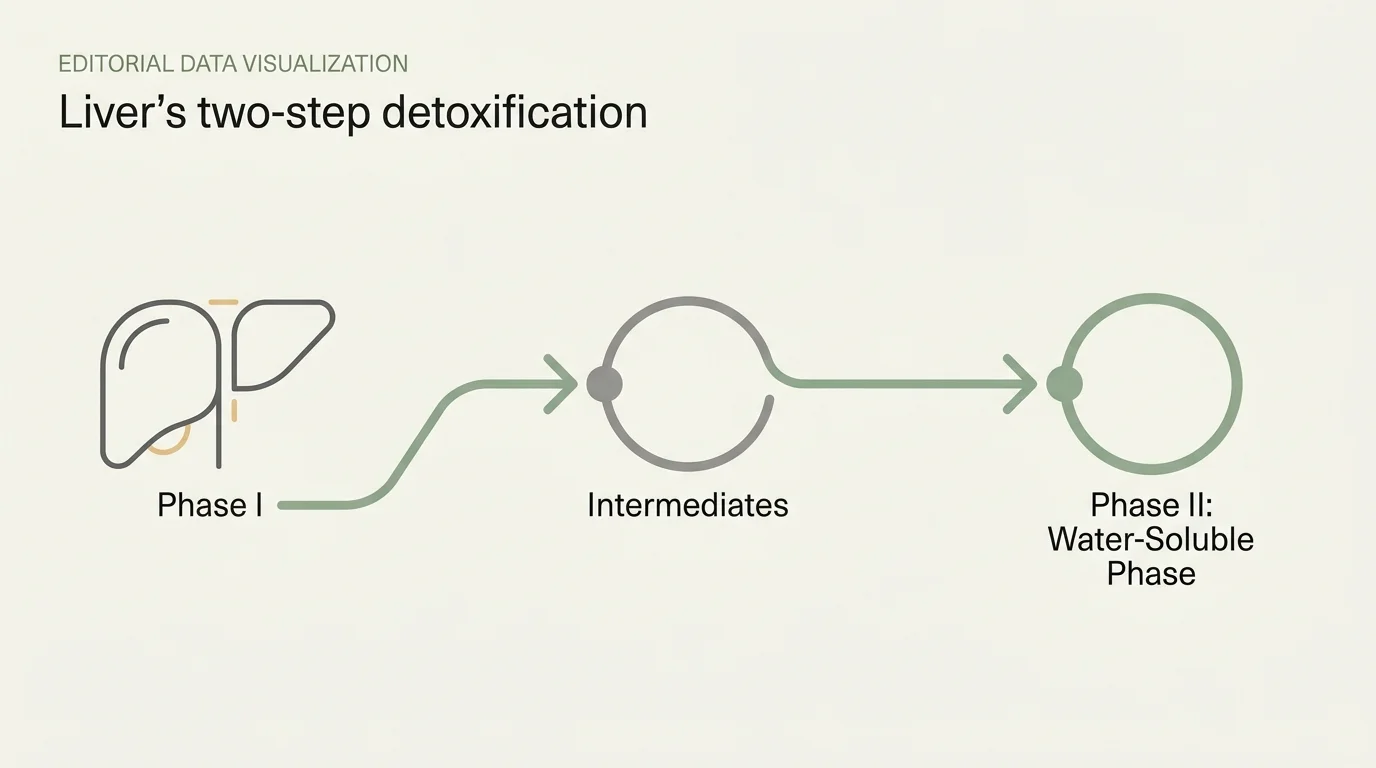
When you consume foods rich in antioxidants and sulfur-containing compounds, you trigger Phase I and Phase II detoxification pathways. Phase I enzymes break down toxins into intermediate substances, while Phase II enzymes attach molecules to these intermediates, rendering them water-soluble for safe excretion. Recent data from the National Institutes of Health confirms that dietary interventions remain the primary and most effective treatment for metabolic liver conditions. Plant-based nutrients not only reduce oxidative stress but also prevent the dangerous accumulation of lipids within liver cells. By prioritizing whole foods over synthetic supplements, you provide your body with the exact biological tools it needs to repair cellular damage and maintain metabolic harmony.
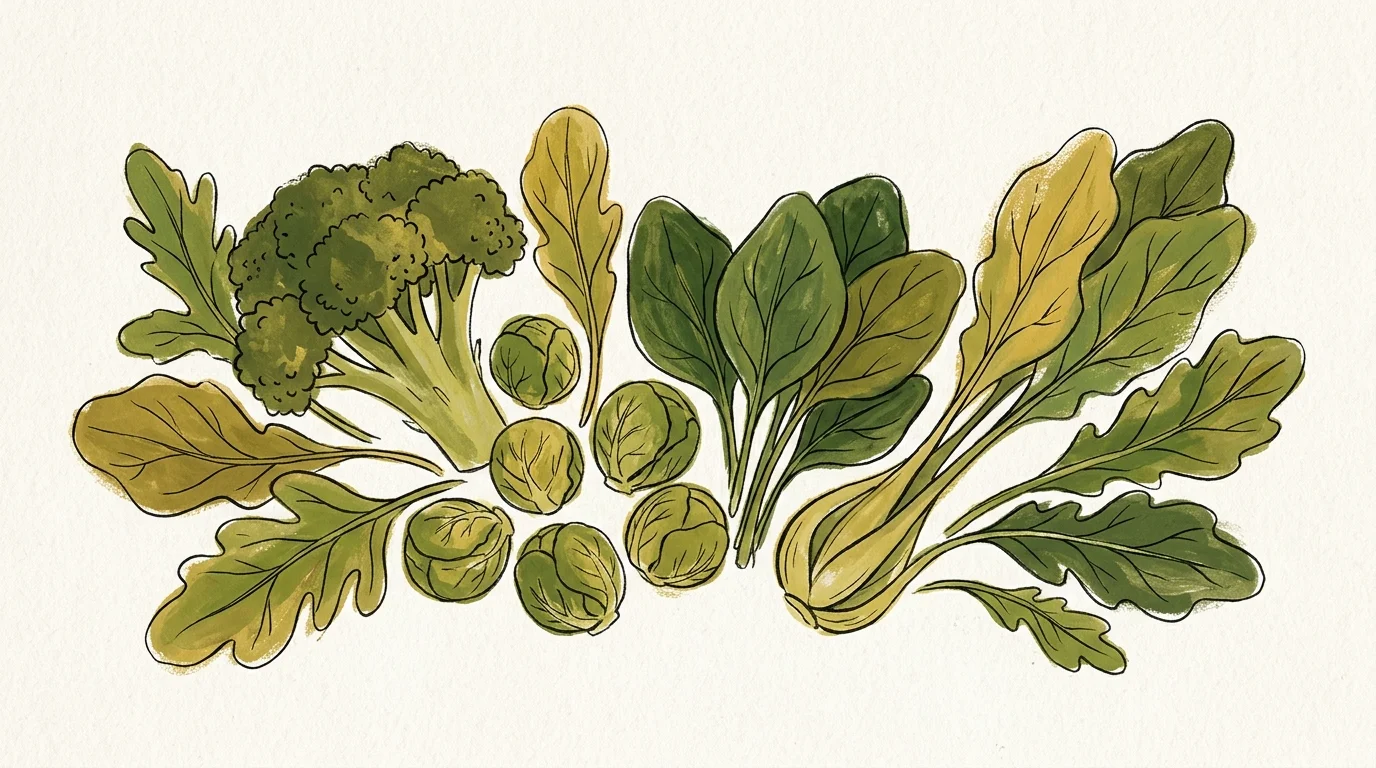
7 Essential Vegetables for Your Liver Diet
Broccoli
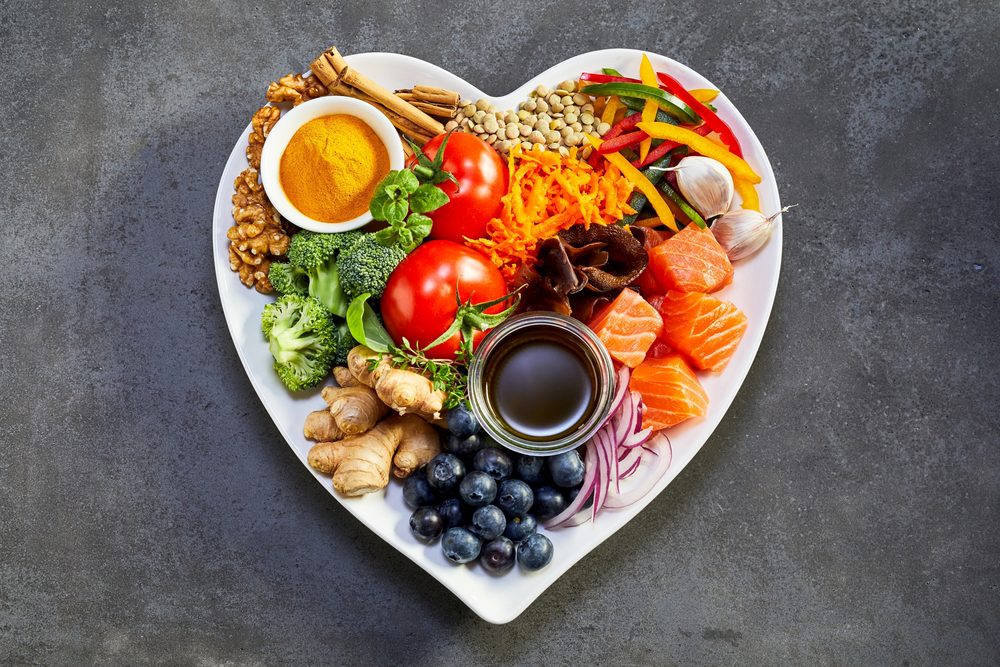
Broccoli reigns supreme as a functional food for your metabolic pathways. This cruciferous powerhouse contains high levels of glucosinolates, which your body converts into sulforaphane during digestion. Sulforaphane directly activates antioxidant genes and enhances the production of detoxifying enzymes within your liver. You maximize these benefits when you lightly steam broccoli rather than boiling it; excessive heat destroys the active compounds. Eating just one cup of broccoli two to three times a week provides a robust defense against fatty liver deposits and cellular damage, keeping your internal filtration system running smoothly.
Brussels Sprouts
Brussels sprouts deliver a dense concentration of sulfur compounds and indole-3-carbinol, a potent nutrient that supports cellular repair. These mini cabbages actively protect the liver from oxidative stress and help regulate fat metabolism. Roasting Brussels sprouts with a touch of cold-pressed olive oil not only elevates their natural sweetness but also increases the absorption of their fat-soluble vitamins. Incorporating this vegetable into your weekly routine supports your body in processing dietary fats efficiently. This targeted nutritional strategy directly reduces the overall workload on your digestive system.
Spinach
Spinach offers an exceptional source of glutathione, an antioxidant widely recognized as a primary defender of hepatic health. Glutathione actively neutralizes free radicals and binds to heavy metals, ensuring your body eliminates them safely. Furthermore, the high betaine content in spinach protects liver cells from damage and helps process homocysteine—an amino acid linked to cardiovascular and metabolic diseases. Adding a generous handful of raw or gently sautéed spinach to your daily meals delivers a steady supply of these protective nutrients without significantly altering your caloric intake.
Kale
Kale provides an abundance of vitamin C, flavonoids, and magnesium, all of which play critical roles in reducing systemic inflammation. The phytonutrients in kale stimulate the natural cleansing processes of the liver and support the production of bile, which you need for digesting dietary fats. You can massage raw kale with lemon juice and olive oil to break down its tough fibers, making the nutrients more bioavailable and easier to digest. Regular consumption of kale ensures your hepatic cells receive the structural support needed to regenerate and function efficiently.
Beetroot
Beetroot stands out for its high concentration of betalains, the unique pigments responsible for its deep red color. Betalains possess extraordinary anti-inflammatory properties and significantly improve enzyme activity in the liver. Research indicates that beetroot juice and cooked beets stimulate blood flow and increase the production of nitric oxide. This molecule dilates blood vessels and enhances oxygen delivery to hepatic tissues. You can roast beets, blend them into smoothies, or grate them raw over salads to capture their full therapeutic potential and protect your liver from inflammatory damage.
Garlic
Garlic functions as a potent catalyst for hepatic detoxification. It contains allicin and selenium, two natural compounds that activate specific enzymes responsible for flushing out toxins. Allicin provides strong antimicrobial and antioxidant properties, while selenium helps maintain adequate levels of glutathione. You unlock the maximum benefits of garlic by crushing or chopping the raw cloves and letting them sit for ten minutes before cooking—this simple step allows the allicin to fully develop. Using fresh garlic as a staple seasoning effortlessly elevates the medicinal value of your weekly meals.
Carrots
Carrots supply a massive dose of beta-carotene, a plant flavonoid that your body converts into vitamin A. Vitamin A plays a critical role in reducing liver inflammation and preventing the onset of cellular fibrosis. The soluble fiber in carrots also binds to toxins and excess cholesterol in the digestive tract, preventing them from re-entering the bloodstream and burdening the liver. Snacking on raw carrots or adding them to hearty soups ensures you maintain a steady intake of these essential vitamins and fibers to support long-term metabolic stability.

Movement as a Catalyst for Metabolic Health
Nutrition alone cannot completely reverse metabolic dysfunction; physical activity plays an equally important role in preserving hepatic health. When you engage in regular cardiovascular exercise and resistance training, you directly improve insulin sensitivity and reduce the accumulation of triglycerides in your liver cells. Active muscles consume glucose for energy, preventing excess sugar from converting into fat.
Following the physical activity guidelines published by the Centers for Disease Control and Prevention helps you establish a baseline for effective movement. Aim for at least 150 minutes of moderate-intensity exercise each week, paired with two days of strength training. You do not need to run marathons to see clinical benefits. Brisk walking, swimming, or cycling all effectively mobilize stored lipids and enhance systemic circulation, accelerating the healing effects of your vegetable-rich diet.

Mindset Adjustments to Lower Inflammatory Stress
Chronic psychological stress severely undermines your physical health by keeping your cortisol levels continuously elevated. High cortisol directly signals your liver to increase glucose production, which can lead to insulin resistance and fat accumulation over time. You can actively lower this stress burden by integrating mindfulness practices into your daily routine.
Deep diaphragmatic breathing, meditation, or simply spending time in nature helps shift your nervous system from a sympathetic fight-or-flight state to a parasympathetic rest-and-digest state. Managing your mental well-being directly protects your metabolic organs from the cascading effects of chronic inflammation. Building resilience against stress creates an internal environment where your liver can focus on regeneration rather than emergency response.
Integrating Routine Medical Care
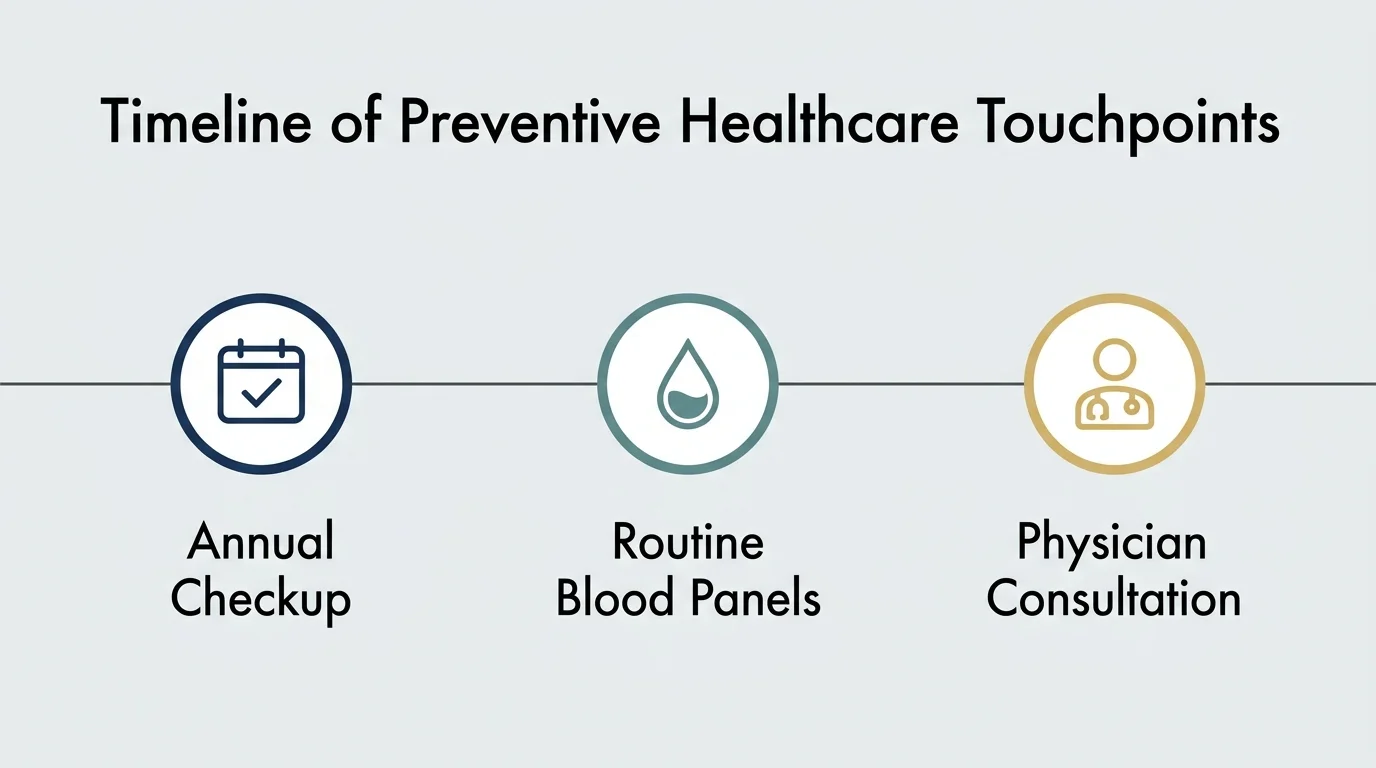
While lifestyle modifications provide the foundation for wellness, you must coordinate these efforts with professional medical supervision. Routine blood tests that measure liver enzymes—specifically ALT and AST—offer crucial insights into your internal health. If you notice signs of metabolic distress, such as chronic fatigue, abdominal swelling, or unexplained weight changes, you should consult a healthcare provider immediately.
Seeking guidance from registered dietitians or physical therapists ensures your approach remains safe and tailored to your specific physiological needs. Working with experts and utilizing resources from the Academy of Nutrition and Dietetics allows you to build a comprehensive, evidence-based plan rather than relying on guesswork. Personalized medical care ensures your dietary changes align perfectly with your broader health profile.

Real Voices in Liver Health
Clinical practitioners consistently emphasize the superiority of whole foods over heavily marketed detox supplements. Hepatologists point out that the liver requires a steady stream of amino acids, vitamins, and minerals to perform daily regenerative tasks—not extreme fasting regimens or unregulated cleanses. Many registered dietitians report that patients adding cruciferous and root vegetables to their diets experience measurable improvements in energy levels and blood panels within months.
Individuals recovering from fatty liver disease often share that shifting their focus from food restriction to food addition completely changed their relationship with nutrition. Accessing clinical insights from organizations like the American College of Gastroenterology reinforces that consistent, moderate dietary improvements yield the most dramatic long-term outcomes.
Frequently Asked Questions About Liver Nutrition
Can I reverse fatty liver disease with diet alone?
Diet plays the most significant role in managing non-alcoholic fatty liver disease, but it rarely works in isolation. You must combine a nutrient-dense diet with regular physical activity to achieve the best results. Always work with your healthcare provider to monitor your condition, as advanced liver disease requires specialized medical interventions beyond nutritional changes.
Are raw vegetables better than cooked for detoxification?
The optimal preparation method depends entirely on the specific vegetable. Eating spinach and carrots slightly cooked with a healthy fat actually increases the absorption of certain fat-soluble vitamins and antioxidants. Conversely, consuming garlic and beets raw or lightly processed preserves their heat-sensitive enzymes. You should incorporate a mix of both raw and cooked vegetables to maximize the diversity of nutrients you absorb and support comprehensive digestion.
How quickly does the liver regenerate when eating healthy vegetables?
The liver possesses an incredible capacity for regeneration, and cellular improvements can begin within just a few weeks of adopting a healthier lifestyle. However, measuring significant changes in liver enzymes or reducing fat deposits usually requires three to six months of consistent dietary and exercise habits. Sustainable healing takes time; you must remain patient and committed to your weekly vegetable intake to see lasting clinical improvements.
Do I need a detox supplement if I eat these vegetables?
You do not need commercial detox supplements when consuming a varied, vegetable-rich diet. The human liver already acts as a sophisticated detoxification system. Supplements often lack regulatory oversight and can sometimes cause drug-induced liver injury. Relying on whole plant foods provides your body with the exact compounds needed to support natural detoxification safely.
Your Next Step Toward Better Health
Transforming your metabolic health does not require an overnight overhaul of your entire pantry. You can build immediate momentum by choosing just one or two of these liver-supporting vegetables to add to your grocery list this week. Whether you decide to roast a tray of Brussels sprouts for dinner or blend a handful of spinach into your morning smoothie, every conscious choice strengthens your body from the inside out. Take a moment to consider which vegetable you enjoy the most, and plan one specific meal around it today. Small, consistent actions inevitably compound into lasting, vibrant health.







Leave a Reply