

Waking up exhausted after logging eight solid hours of sleep signals a deeper physiological mismatch that caffeine cannot fix. Resolving chronic daytime fatigue requires looking beyond your time spent in bed to evaluate your metabolic health, hormonal balance, and daily movement patterns. While hitting your sleep quota provides an essential foundation, hidden culprits frequently drain your energy reserves—ranging from unrecognized nutrient deficiencies and erratic blood sugar to undiagnosed breathing disorders. Identifying the root cause of your lethargy empowers you to implement targeted interventions that actually restore your vitality. By addressing these underlying biological and lifestyle factors, you can transition from surviving the afternoon slump to sustaining genuine energy all day.
The Science of Cellular Energy Generation
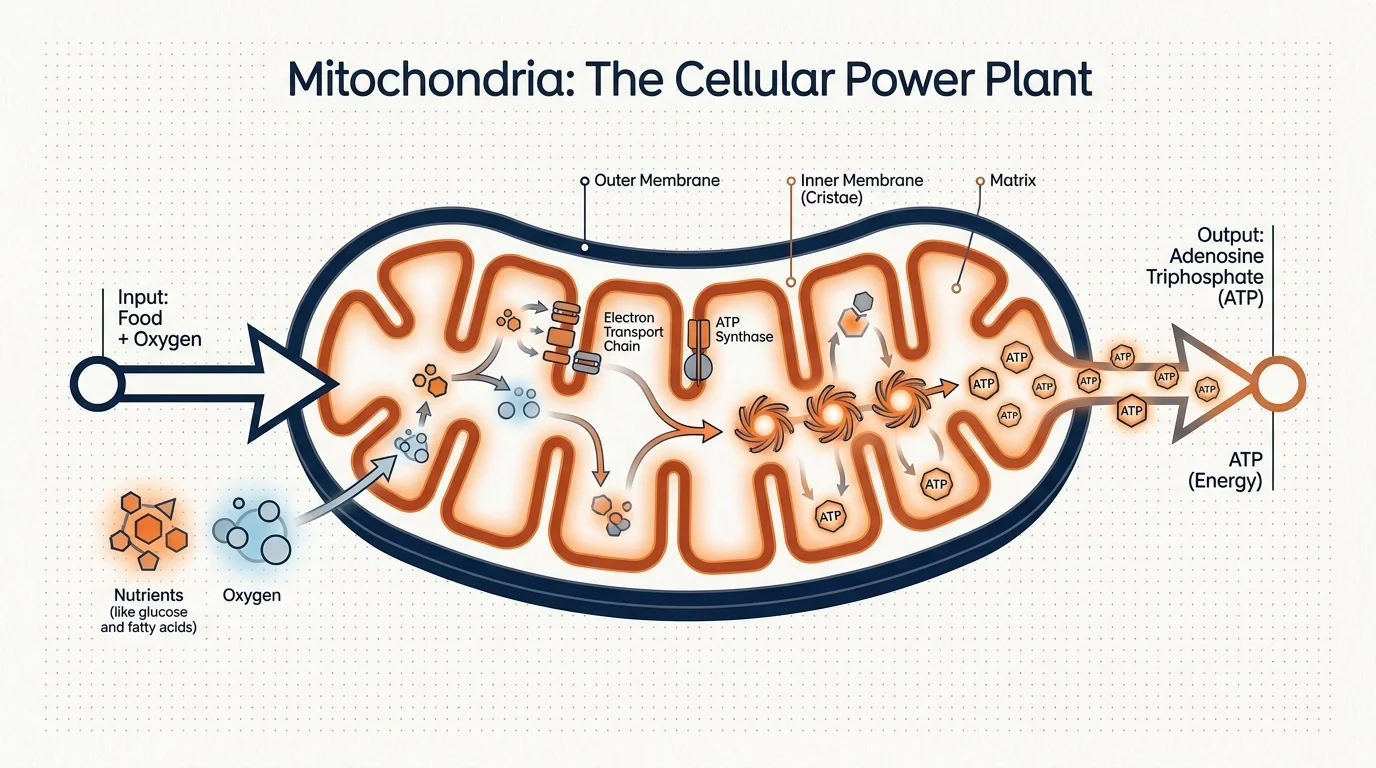
Sleeping provides the downtime your brain requires to clear out metabolic waste products, specifically a sleep-inducing chemical called adenosine. However, clearing the brain of sleep pressure does not automatically guarantee that your body efficiently produces physical energy. Human energy generation occurs on a microscopic level inside your cells; mitochondria act as microscopic power plants, converting the food you eat and the oxygen you breathe into adenosine triphosphate, or ATP. When you experience chronic low energy despite adequate rest, you are essentially dealing with an ATP production crisis.
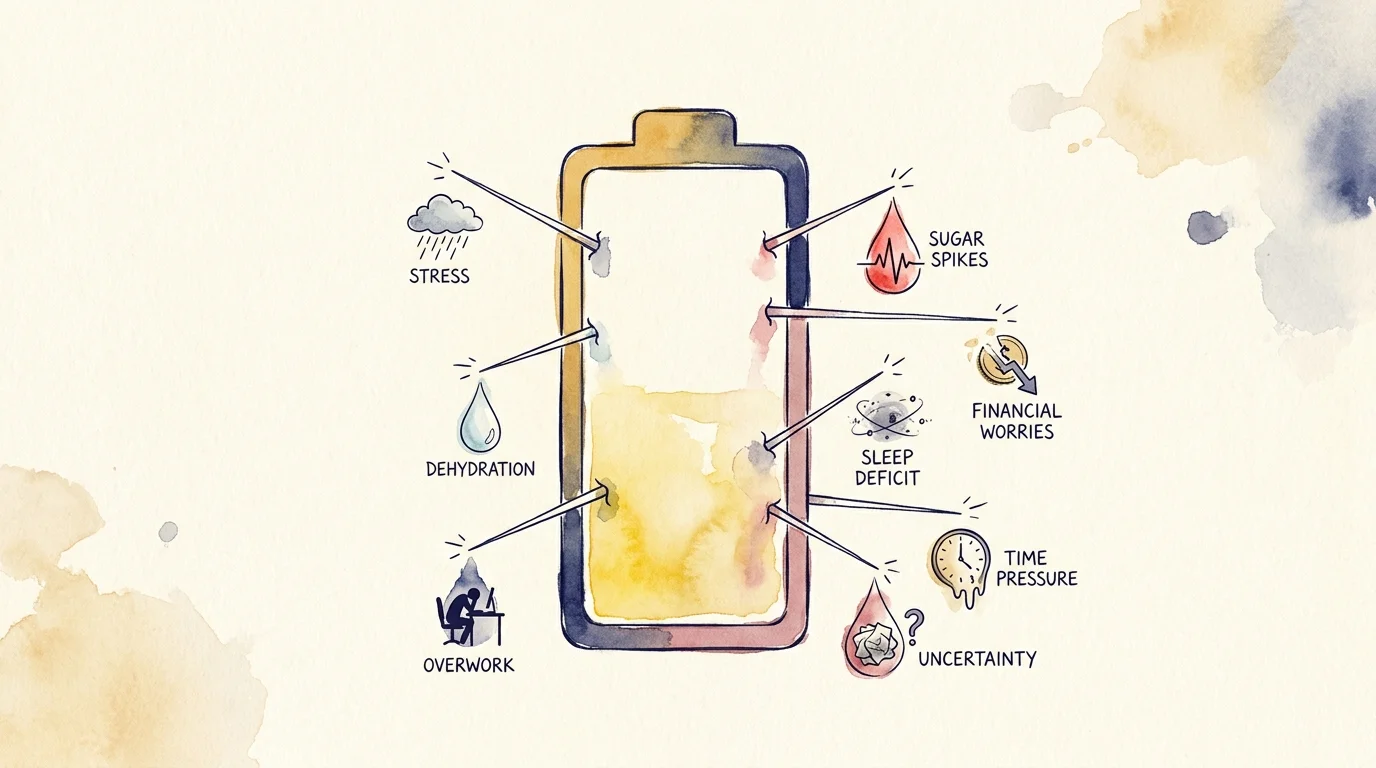
Numerous biological and lifestyle bottlenecks disrupt this delicate metabolic process. Your cells might lack the raw materials necessary to build energy molecules, your circulatory system might struggle to deliver adequate oxygen to your tissues, or your endocrine system might send sluggish signals that artificially depress your metabolic rate. True vitality requires a holistic synchronization of nutrition, movement, medical care, and stress management. Treating fatigue means acting as a detective to find exactly where your unique energy production line breaks down.
Eight Hidden Drains on Your Daily Energy
1. Unrecognized Breathing Disruptions During Sleep
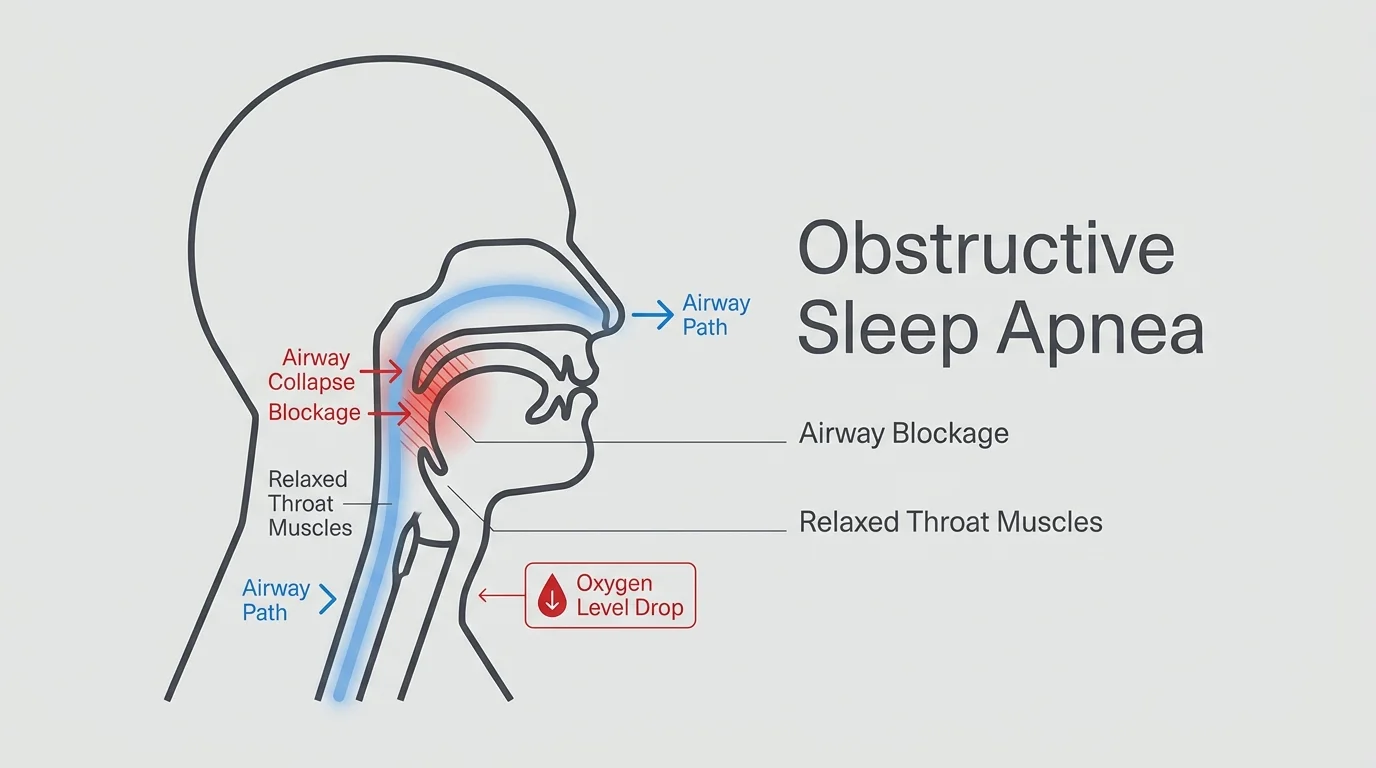
You might spend eight hours in bed, but if you stop breathing dozens of times per hour, your brain never enters the deep, restorative stages of sleep. Obstructive sleep apnea occurs when the muscles in the back of your throat relax too much, temporarily blocking your airway. Every time your airway collapses, your oxygen levels drop, prompting your brain to trigger a micro-arousal to force you to breathe. Because these awakenings last only fractions of a second, you rarely remember them in the morning; you only experience the crushing exhaustion they leave behind.
Sleep architecture dictates how refreshed you feel, and conditions like apnea completely demolish this architecture. If you frequently wake up with a dry mouth, suffer from morning headaches, or have a partner who notices you snoring loudly or gasping for air, you need a clinical evaluation. Medical professionals frequently use at-home or in-lab sleep studies to diagnose this condition. Treating sleep apnea with continuous positive airway pressure therapy or specialized dental appliances routinely produces life-changing improvements in daytime energy, according to data from the Centers for Disease Control and Prevention.
2. Covert Nutrient Deficiencies
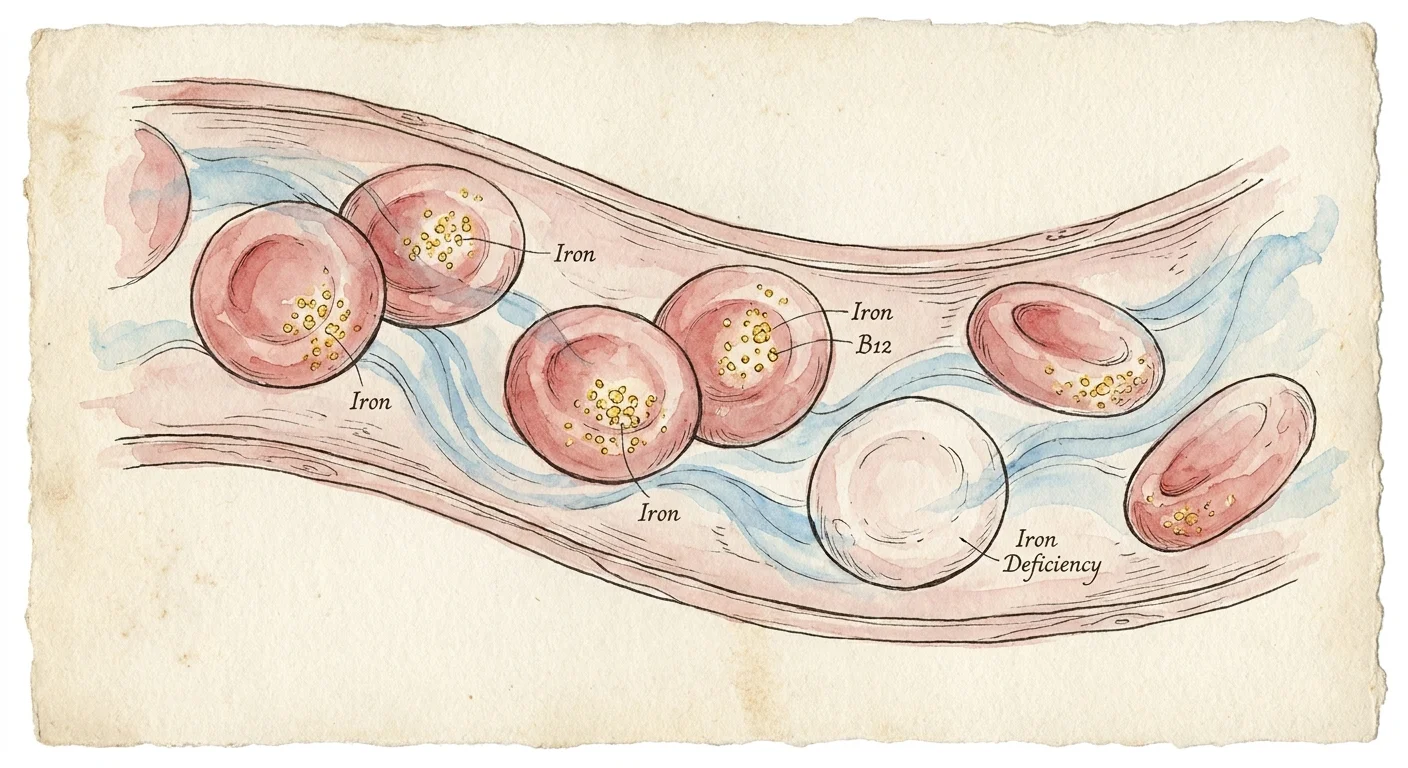
Your cells rely on a specific inventory of vitamins and minerals to manufacture energy, and running low on any of these critical ingredients grinds your metabolic machinery to a halt. Iron deficiency ranks among the most common culprits worldwide. Iron helps your body produce hemoglobin, the protein in red blood cells that ferries oxygen from your lungs to your tissues. Without sufficient oxygen delivery, your muscles and brain simply cannot generate enough ATP, leaving you profoundly weakened and out of breath after minor exertion.
Vitamin B12 and Vitamin D play equally critical roles in neurological function and muscle strength. Unfortunately, socio-economic factors, including living in areas with limited access to nutrient-dense fresh foods, significantly elevate your risk of developing these deficiencies. Relying solely on highly processed foods strips your diet of these vital co-factors. If you suspect your diet lacks essential vitamins, request a comprehensive blood panel from your healthcare provider. The National Institutes of Health maintains robust guidelines on proper supplementation; correcting a simple deficiency often restores energy levels within just a few weeks of targeted treatment.
3. The Exhaustion of Chronic Stress
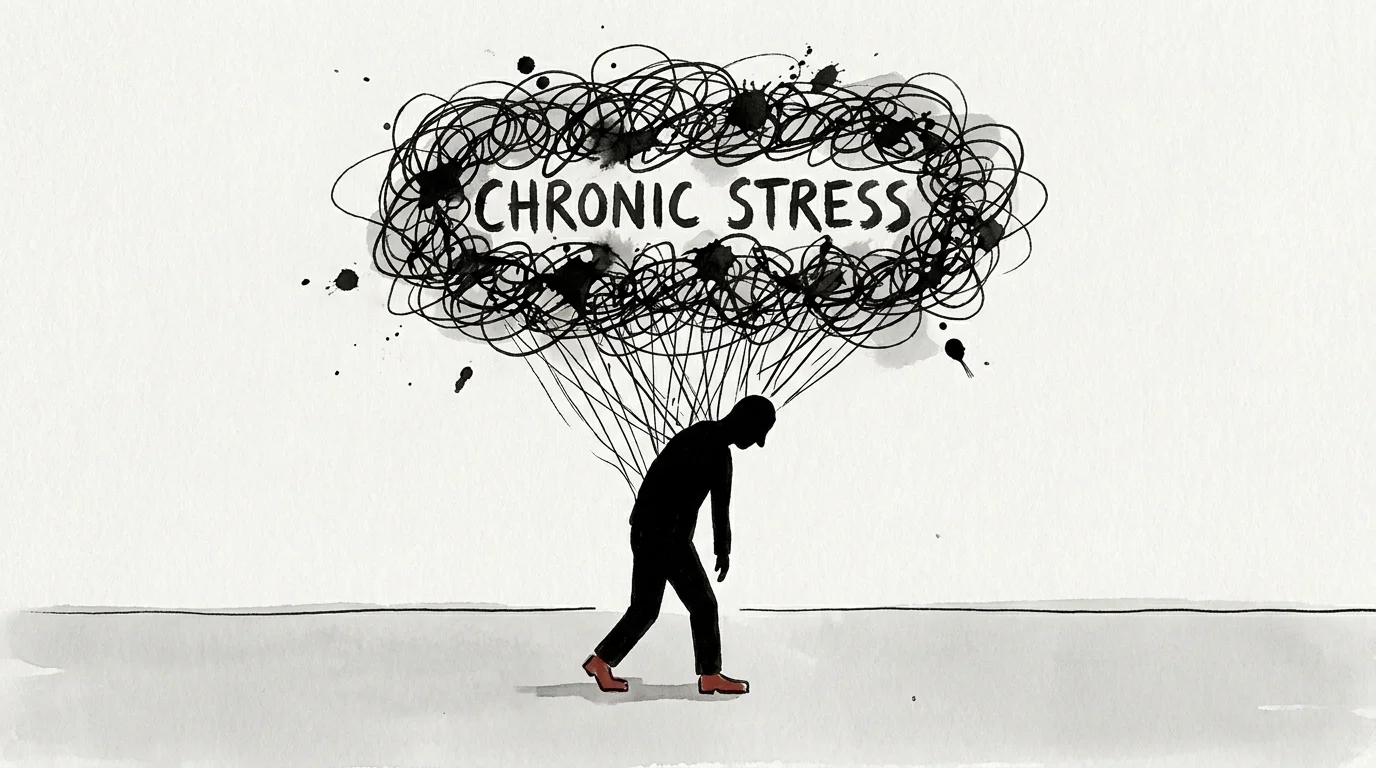
Your nervous system evolved to handle short, intense bursts of stress—like running from a predator—followed by extended periods of recovery. Modern life, however, traps many people in a state of perpetual hyper-arousal. Financial worries, demanding jobs, and caregiving responsibilities force your adrenal glands to continuously pump out cortisol and adrenaline. Your brain perceives a hostile work email the same way it perceives a physical threat; this chronic activation leaves your sympathetic nervous system perpetually drained.
Maintaining high vigilance requires massive amounts of metabolic fuel. The human brain consumes roughly twenty percent of your daily caloric intake under normal conditions, and chronic anxiety drives that energy demand even higher. Eventually, this relentless output leads to hypothalamic-pituitary-adrenal axis dysfunction. Reclaiming your energy requires implementing active relaxation techniques to signal safety to your nervous system. Deep diaphragmatic breathing, mindfulness meditation, and dedicated time spent in nature effectively lower circulating cortisol, allowing your body to redirect energy from panic mode back to daily functional vitality.

4. The Sedentary Fatigue Cycle
It sounds wildly counterintuitive, but sitting around to conserve your energy actually makes you more exhausted. The human body operates on a use-it-or-lose-it principle; when you spend most of your day sitting at a desk or lounging on a couch, your body interprets that inactivity as a signal to scale down energy production. In response to a sedentary lifestyle, your cells physically decrease their mitochondrial density, leaving you with a lower overall capacity to generate ATP.
Breaking this vicious cycle requires movement, even when you feel too tired to start. Engaging in regular, moderate-intensity exercise acts as a potent biological stressor that forces your body to build more mitochondria and improve cardiovascular efficiency. You do not need to run a marathon to see benefits. Following the physical activity recommendations outlined by the World Health Organization—which include brisk walking, cycling, or light resistance training—gradually conditions your body to produce more energy. Start with brief ten-minute walks after meals to gently stimulate your metabolism without overwhelming your system.
5. Erratic Blood Sugar Fluctuations
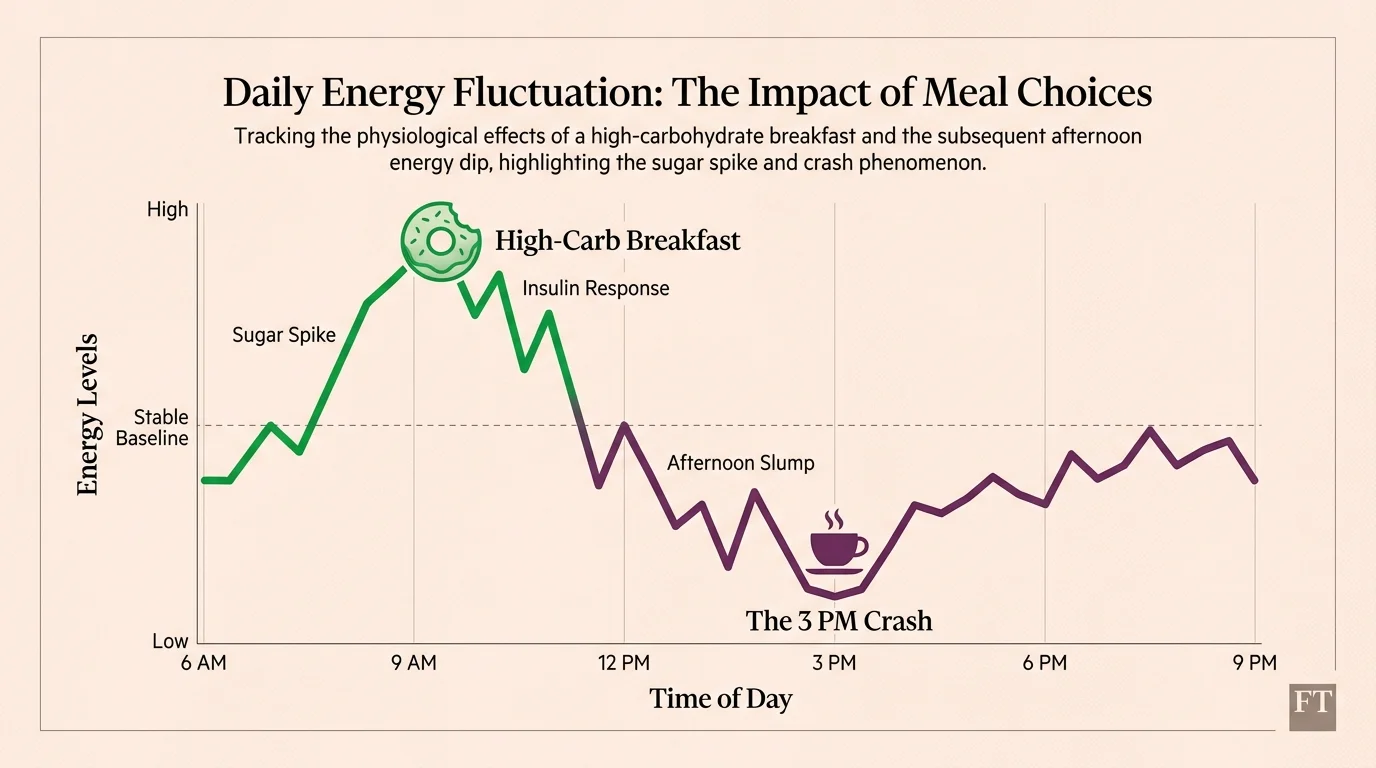
The quality of your nutrition directly dictates the stability of your energy levels throughout the day. Starting your morning with a highly refined carbohydrate source—like a sugary pastry, sweetened cereal, or a massive dose of flavored coffee syrup—sends your blood glucose levels soaring. Your pancreas scrambles to manage this spike by releasing a large surge of insulin to push the sugar into your cells. This aggressive insulin response frequently overshoots the mark, causing your blood sugar to plummet an hour or two later.
This rapid drop, known as reactive hypoglycemia, triggers sudden, intense exhaustion, brain fog, and sugar cravings, locking you into a rollercoaster of false energy and severe crashes. To stabilize your daily energy, focus on balancing your meals with macronutrients that digest slowly. Pairing complex carbohydrates with high-quality proteins, healthy fats, and abundant fiber creates a steady, sustained release of glucose into your bloodstream. Swapping a refined bagel for scrambled eggs with avocado and spinach completely changes the hormonal signals your gut sends to your brain, providing you with even-keeled stamina.

6. Underlying Thyroid Dysfunction
Your thyroid gland, a small, butterfly-shaped organ located at the base of your neck, acts as the master thermostat for your entire metabolism. When this gland fails to produce adequate amounts of thyroid hormone—a condition known as hypothyroidism—every system in your body slows down to conserve resources. Patients suffering from an underactive thyroid routinely report crushing fatigue that zero amount of sleep can cure, alongside symptoms like unexplainable weight gain, dry skin, brittle hair, and an unusual sensitivity to cold temperatures.
Thyroid disorders often go undiagnosed for years because the symptoms mimic general burnout. Diagnosing the issue requires specific blood tests that measure thyroid-stimulating hormone alongside free T3 and free T4 levels. Endocrine disorders require precise medical management; synthetic hormone replacement therapy routinely offers profound relief for those struggling with thyroid-induced fatigue. Organizations like the Endocrine Society emphasize that working closely with a specialized healthcare provider remains the safest way to balance your endocrine system and restore your natural metabolic pace.

7. Mild Yet Persistent Dehydration
Water facilitates virtually every metabolic reaction inside your body, and failing to consume enough fluids acts as a silent, continuous drain on your vitality. Even mild dehydration—losing just one or two percent of your body’s water content—provokes significant reductions in cognitive function, mood, and physical endurance. When you become dehydrated, your total blood volume decreases, causing your blood to become thicker. Your heart must then work significantly harder to pump oxygen and nutrients to your brain and muscles.
This increased cardiovascular strain leaves you feeling heavy, lethargic, and mentally sluggish. Many people mistake the fatigue of dehydration for hunger or a need for caffeine, reaching for a second cup of coffee instead of a glass of water. Because caffeine acts as a mild diuretic, this choice often exacerbates the underlying hydration deficit. Make a habit of consuming a large glass of water immediately upon waking, and keep a refillable bottle visible throughout your workday to ensure you maintain optimal fluid balance.

8. The Heavy Burden of Mental Health Challenges
Psychological distress carries an immense physical cost. Conditions like clinical depression and generalized anxiety disorder fundamentally alter brain chemistry and deplete central nervous system resources. Depression frequently manifests as psychomotor retardation, a clinical symptom where your physical movements, speech, and thought processes become noticeably slowed. This is not a lack of willpower; it is a severe neurobiological energy crisis.
Addressing fatigue linked to mental health requires deep empathy and professional support. Pushing yourself harder rarely works and often deepens feelings of inadequacy. Treating the underlying psychological condition through cognitive behavioral therapy, lifestyle adjustments, or medication provides the most effective path forward. Engaging with resources from respected mental health institutions, such as the American Psychiatric Association, can help you find qualified therapists who understand the profound intersection between emotional well-being and physical stamina.

Clinical Insights and Real Patient Experiences
When investigating chronic fatigue, medical professionals consistently urge patients to look at their lifestyle through a comprehensive lens. Registered dietitians frequently observe that clients who skip meals or rely on hyper-processed convenience foods dramatically underestimate how their dietary choices influence their afternoon exhaustion. By shifting toward whole, nutrient-dense foods, patients often report that their brain fog lifts long before they ever set foot in a sleep clinic.
Similarly, sleep medicine physicians routinely encounter patients who boast about spending nine hours in bed, yet their clinical sleep studies reveal dozens of respiratory interruptions an hour. Clinicians emphasize that focusing on the duration of rest while ignoring the quality of that rest completely misses the mark. True healing begins when you and your healthcare team collaboratively map out your daily habits, allowing you to identify the specific physiological barriers keeping you exhausted.
Frequently Asked Questions About Chronic Fatigue
When should I see a doctor for low energy?
You should schedule an appointment with your healthcare provider if your exhaustion persists for more than a few weeks despite prioritizing good sleep and hydration. Immediate medical attention is necessary if your fatigue presents alongside shortness of breath, sudden weight changes, chest pain, or severe depressive episodes. A physician can run essential lab work to rule out anemia, thyroid dysfunction, or autoimmune conditions.
Can too much caffeine actually make me more tired?
Yes; relying heavily on caffeine creates a volatile cycle of energy spikes and severe crashes. Caffeine works by blocking adenosine receptors in your brain, preventing you from feeling sleepy. However, your body continues to produce adenosine in the background. Once the caffeine wears off, a massive flood of accumulated adenosine binds to those receptors, hitting you with a wave of intense exhaustion that often prompts you to consume even more caffeine.
Is it possible to sleep too much?
Oversleeping frequently leaves you feeling groggy and lethargic, a phenomenon known as sleep drunkenness. Spending more than nine or ten hours in bed disrupts your natural circadian rhythm, confusing your brain’s internal clock. If you constantly feel the need to sleep for excessive durations, it typically indicates poor sleep quality or an underlying medical issue that requires clinical investigation.
How long does it take to restore energy levels after making lifestyle changes?
The timeline varies significantly depending on the root cause of your fatigue. Correcting mild dehydration stabilizes your energy within a single day, while balancing blood sugar through dietary changes often yields noticeable improvements within a week. However, resolving severe nutrient deficiencies or regulating thyroid hormones requires several weeks to months of consistent medical treatment before your cellular energy production fully normalizes.
Your Next Step Toward Revitalized Days
Reclaiming your energy from the grip of chronic fatigue does not require a complete overnight overhaul of your life. Instead, genuine transformation happens through incremental, highly targeted adjustments to your daily routine. Reflect on the eight hidden drains discussed above and identify the single area that resonates most deeply with your current lifestyle. You possess the agency to change how your body generates and sustains vitality.
Start by choosing one accessible action for tomorrow morning. Whether you decide to drink a large glass of water before your coffee, pair your breakfast toast with a handful of almonds to blunt a blood sugar spike, or finally call your doctor to schedule that long-overdue blood panel, forward momentum matters. By systematically removing the physical and mental barriers draining your stamina, you pave the way for a vibrant, deeply energized life.








Leave a Reply