
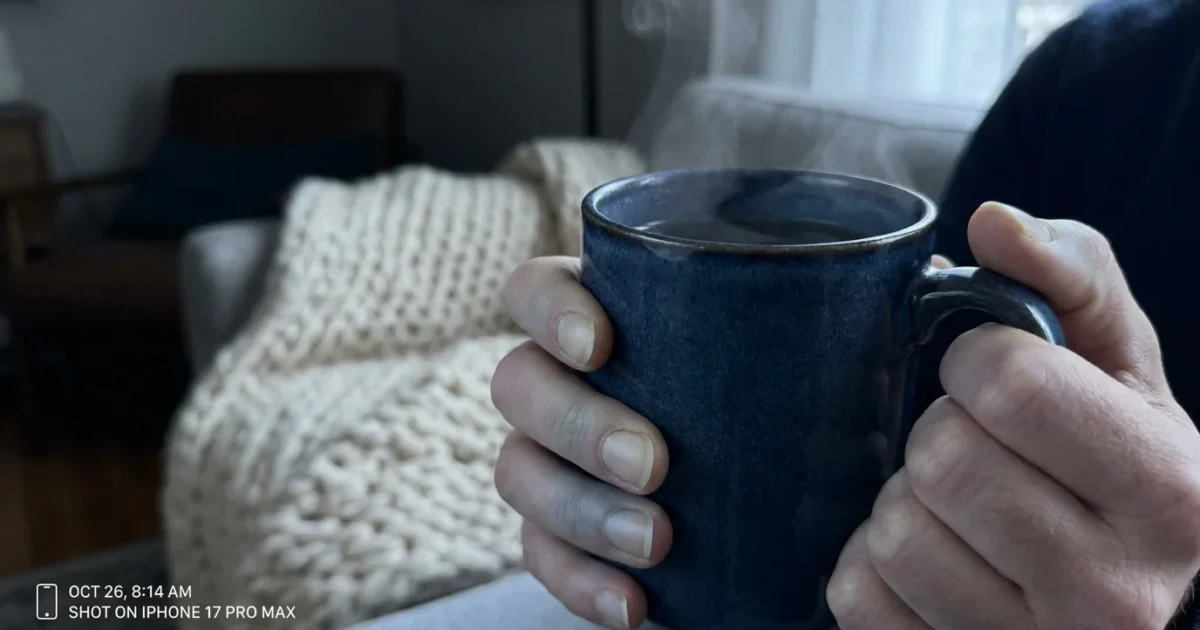
If your fingers constantly feel like ice even in warm rooms, your body might be signaling a deeper vascular or systemic issue requiring immediate attention. Chronic cold hands often point to underlying conditions rather than just a simple sensitivity to chilly weather, making it crucial to decode what your circulatory system is trying to tell you. While occasional temperature drops in your extremities are normal, persistent numbness, color changes, or joint pain demand closer medical evaluation. Addressing these subtle symptoms early can prevent permanent tissue damage and help uncover hidden autoimmune or metabolic disorders. By learning to recognize these eight critical warning signs, you empower yourself to seek timely interventions and protect your long-term cardiovascular health.
Decoding Your Body’s Temperature Signals
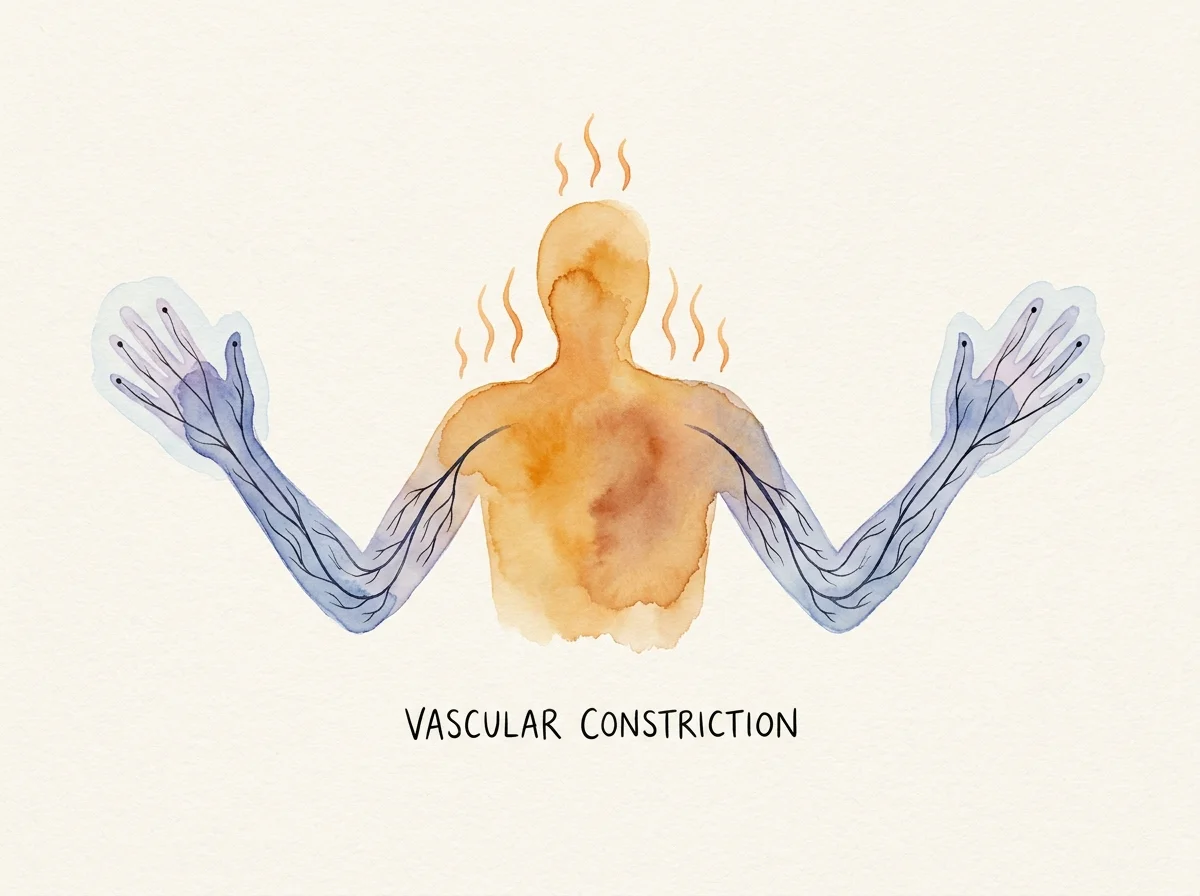
Our bodies operate as highly sophisticated communication networks; they constantly send feedback about our internal environment. When your hands remain unusually cold, your vascular system deliberately restricts blood flow to your extremities to preserve core body heat. This physiological response serves as a brilliant survival mechanism during genuine exposure to freezing temperatures. However, when this vascular constriction happens while you sit in a perfectly heated environment, your body raises a red flag. You must look beyond the immediate discomfort and investigate the physiological triggers driving this inappropriate circulatory behavior.
1. Dramatic Color Changes When Exposed to Minor Cold
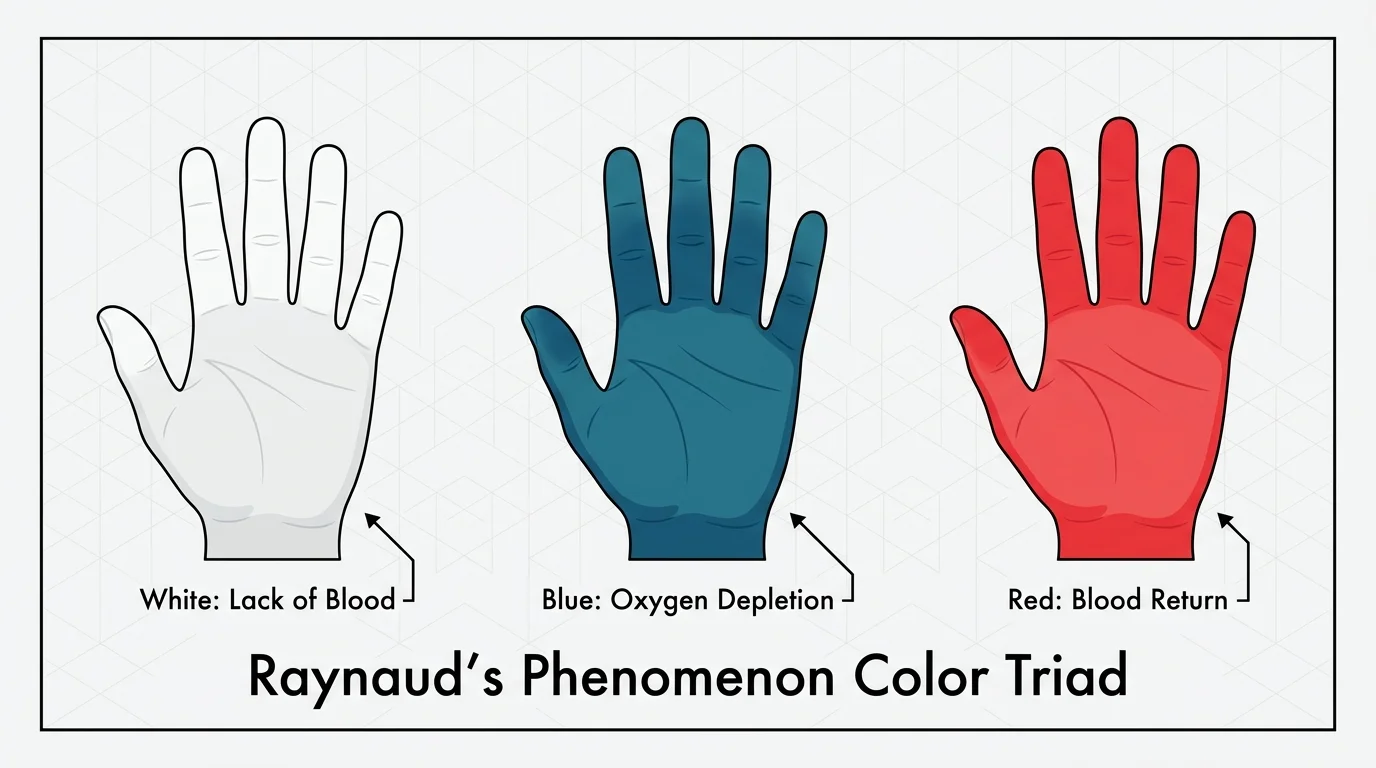
When your fingers rapidly shift from stark white to blue and finally to bright red upon exposure to minor temperature drops, you likely experience Raynaud’s phenomenon. This exaggerated vascular response causes the small arteries supplying blood to your skin to narrow excessively in brief spasms. The initial white phase indicates a complete, temporary lack of blood flow; the blue phase signals profound oxygen depletion in the lingering blood. Finally, the red flush happens when blood violently rushes back into the suddenly widened vessels, often bringing a painful, throbbing sensation. Identifying this specific color triad provides your physician with a critical diagnostic clue, separating simple cold sensitivity from a tangible vascular disorder.
2. Persistent Numbness or Tingling Sensation
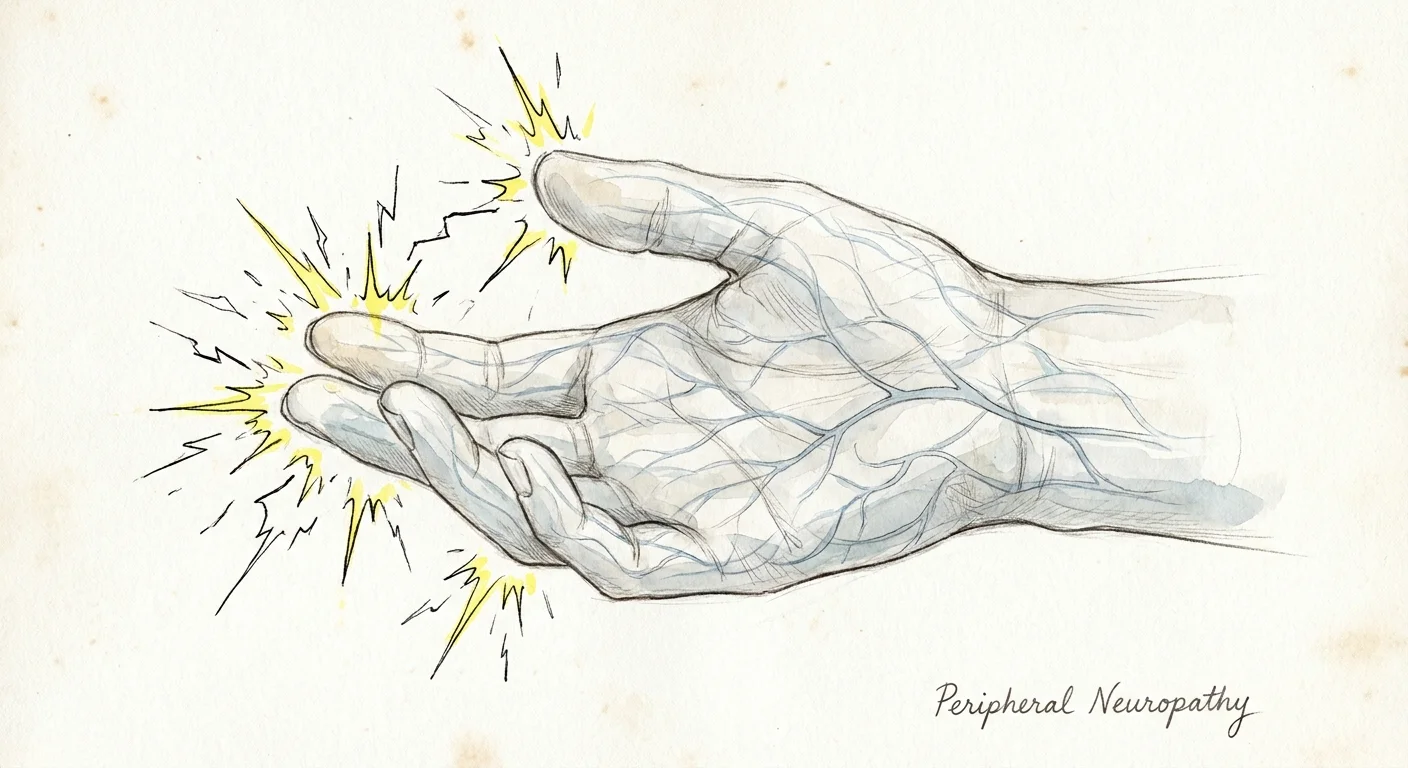
Experiencing a constant “pins and needles” sensation alongside chronic coldness suggests your peripheral nerves lack adequate blood supply or face direct cellular damage. High circulating blood sugar levels frequently compromise the delicate, microscopic capillary networks feeding these nerve endings, leading to peripheral neuropathy. If you manage metabolic conditions or have a family history of glucose impairment, you must monitor this symptom with intense scrutiny. Ignoring the progressive loss of sensation allows minor cuts or burns to go unnoticed, creating dangerous pathways for severe tissue infections. You protect your limbs and your mobility by addressing these tingling sensations before they evolve into a complete loss of tactile feeling.
3. Slow Healing of Small Cuts and Scrapes
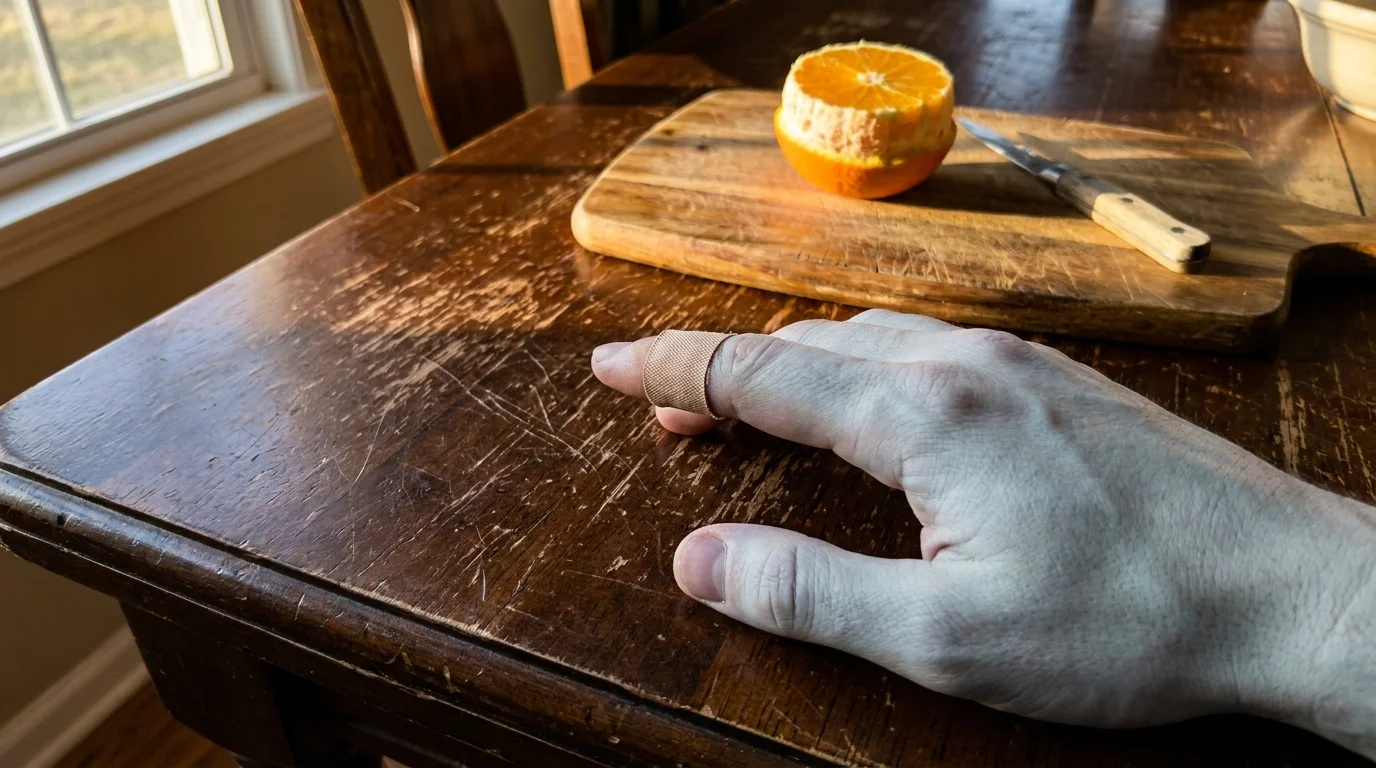
A minor paper cut on your finger should close and heal within a matter of days. When you notice tiny wounds lingering for weeks alongside persistently cold hands, your extremities are likely starving for essential cellular resources. Poor circulation prevents white blood cells, specialized tissue-repair proteins, and oxygen-rich red blood cells from reaching the injury site efficiently. This sluggish repair process frequently points toward peripheral artery disease or undiagnosed diabetes. By treating slow-healing wounds as a systemic warning rather than a localized inconvenience, you can collaborate with your healthcare team to restore adequate blood flow before tissue necrosis develops.
4. Unusual Thickening or Tightening of the Skin
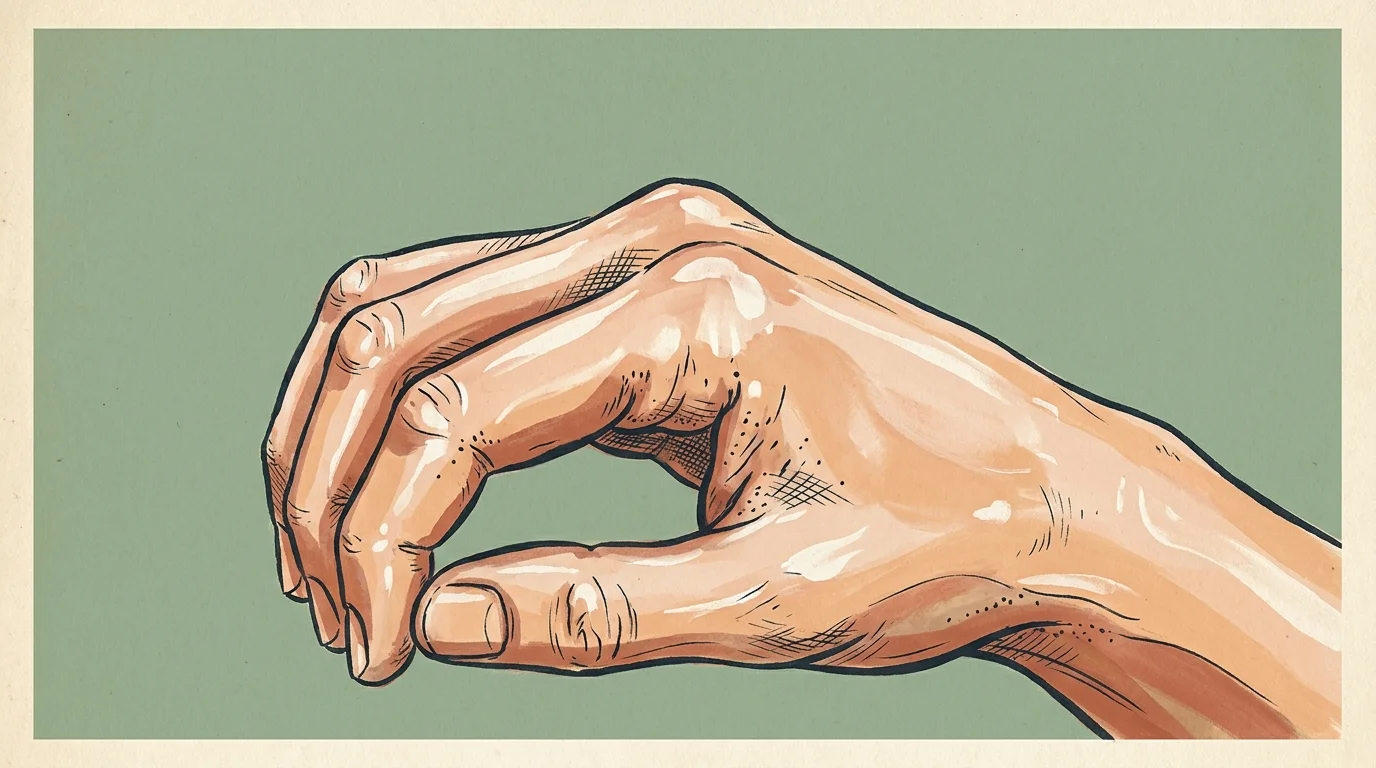
Pay close attention to the texture of the skin on your hands and fingers. If you develop unusually thick, tight, or shiny patches of skin alongside your cold extremities, your immune system might be producing excessive amounts of collagen. This overproduction serves as the hallmark of scleroderma, a rare but serious autoimmune connective tissue disease. As collagen builds up, it physically compresses the fragile blood vessels just beneath the surface of your skin, severely restricting peripheral circulation. Early detection of this specific skin change allows rheumatologists to deploy targeted therapies that slow down collagen deposition and preserve your joint mobility and vascular integrity.

5. Accompanied by Unexplained Joint Pain or Stiffness
When freezing fingers occur simultaneously with swollen, stiff, or agonizingly painful finger joints, chronic systemic inflammation is usually the culprit. Conditions like rheumatoid arthritis and lupus trick your immune system into attacking the delicate lining of your joints and the surrounding blood vessels. This dual assault creates a vicious cycle: inflammation causes vascular swelling and blockages, which in turn reduces blood flow and exacerbates joint stiffness due to a lack of warming circulation. Differentiating this inflammatory pain from simple osteoarthritis empowers you to seek systemic immunosuppressive treatments rather than relying solely on over-the-counter pain relievers.

6. Brittle Nails Combined with Hair Thinning
Your circulatory health and your endocrine system share a deeply intertwined relationship. If your cold hands present alongside brittle, splitting fingernails and noticeable hair shedding, your thyroid gland may be underperforming. Hypothyroidism drastically slows your entire basal metabolic rate, causing your body to generate significantly less core heat. Consequently, your brain directs what little heat you produce away from your extremities to protect your vital organs. Recognizing this cluster of symptoms allows you to request specific endocrine blood panels, paving the way for straightforward hormone replacement therapies that can rapidly restore both your core temperature and your tissue vitality.
7. Chronic Fatigue and Generalized Weakness
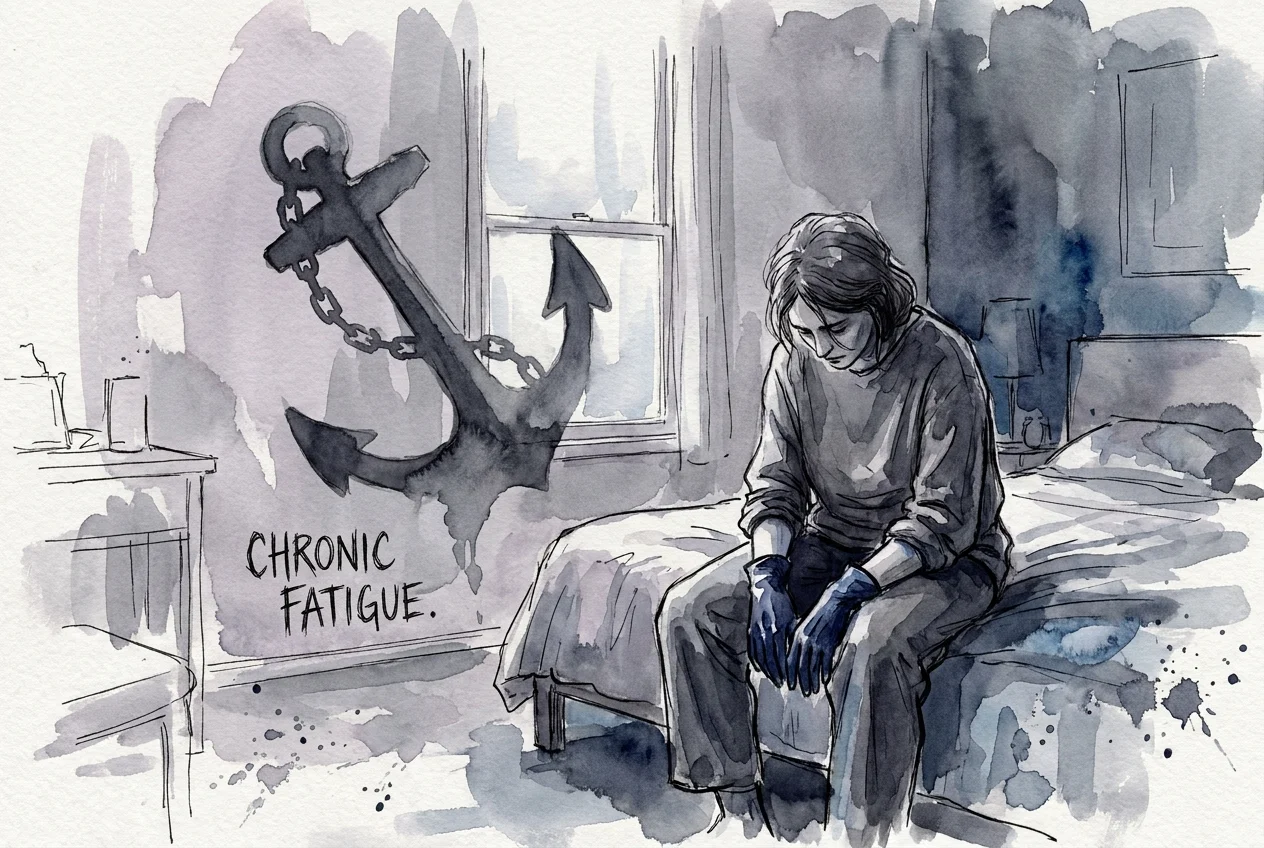
Feeling perpetually exhausted while struggling to keep your hands warm points directly toward an oxygen transportation deficit. Anemia occurs when your body lacks sufficient healthy red blood cells to carry adequate oxygen to your distant tissues. Without oxygen, your cellular mitochondria cannot generate the energy needed to keep your extremities warm or power your daily physical activities. Whether stemming from a lack of dietary iron, a vitamin B12 deficiency, or chronic gastrointestinal blood loss, identifying the root cause of your anemia is essential. Correcting this nutritional or physiological deficit frequently resolves both the debilitating fatigue and the icy fingers simultaneously.
8. Chest Pain, Dizziness, or Shortness of Breath
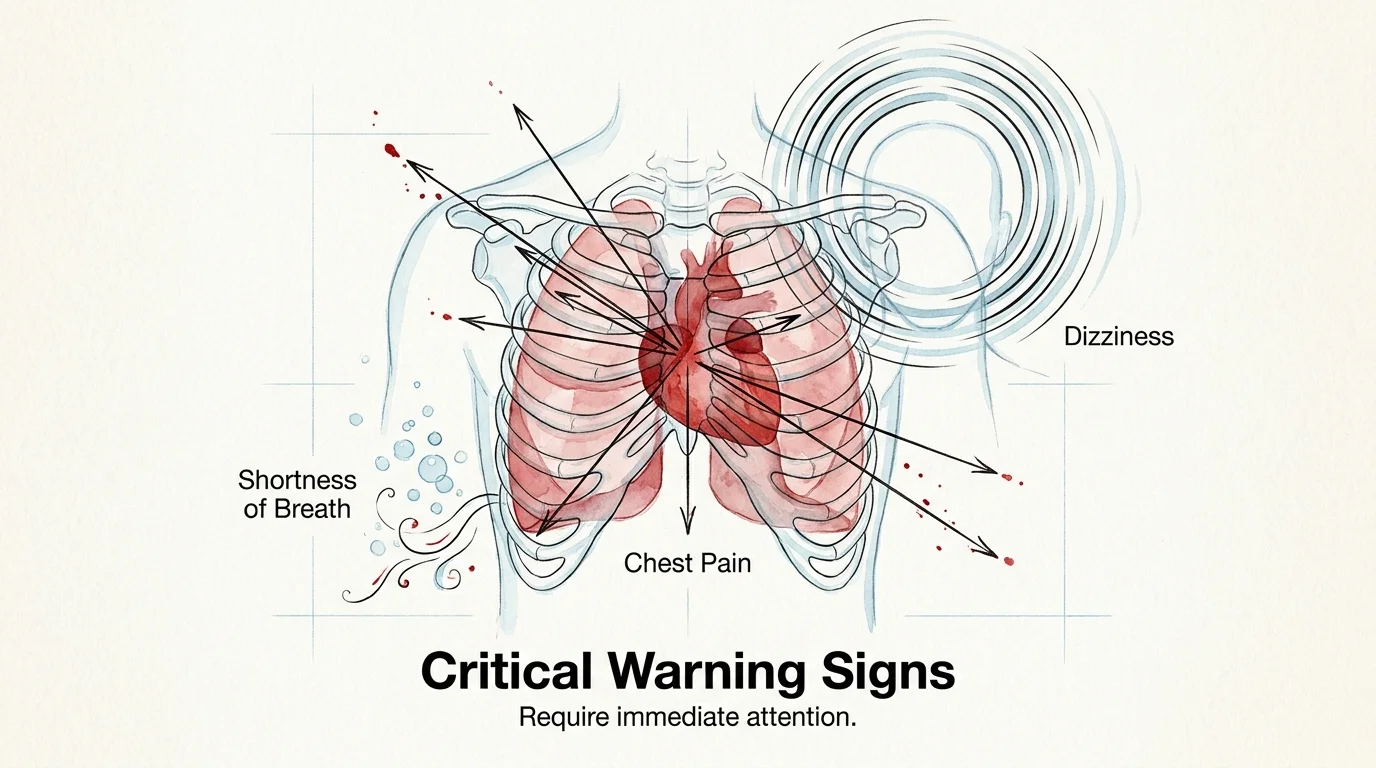
You must treat cold hands accompanied by chest tightness, dizzy spells, or sudden shortness of breath as an immediate medical emergency. These paired symptoms indicate that your central cardiovascular pump—your heart—is struggling to distribute blood effectively throughout your entire body. When cardiac output plummets due to blocked coronary arteries or heart failure, the body ruthlessly sacrifices peripheral circulation to keep the brain and lungs functioning. Never dismiss these compounding signs as a simple panic attack or fatigue; securing emergency medical evaluation can quite literally save your life and prevent catastrophic cardiac events.
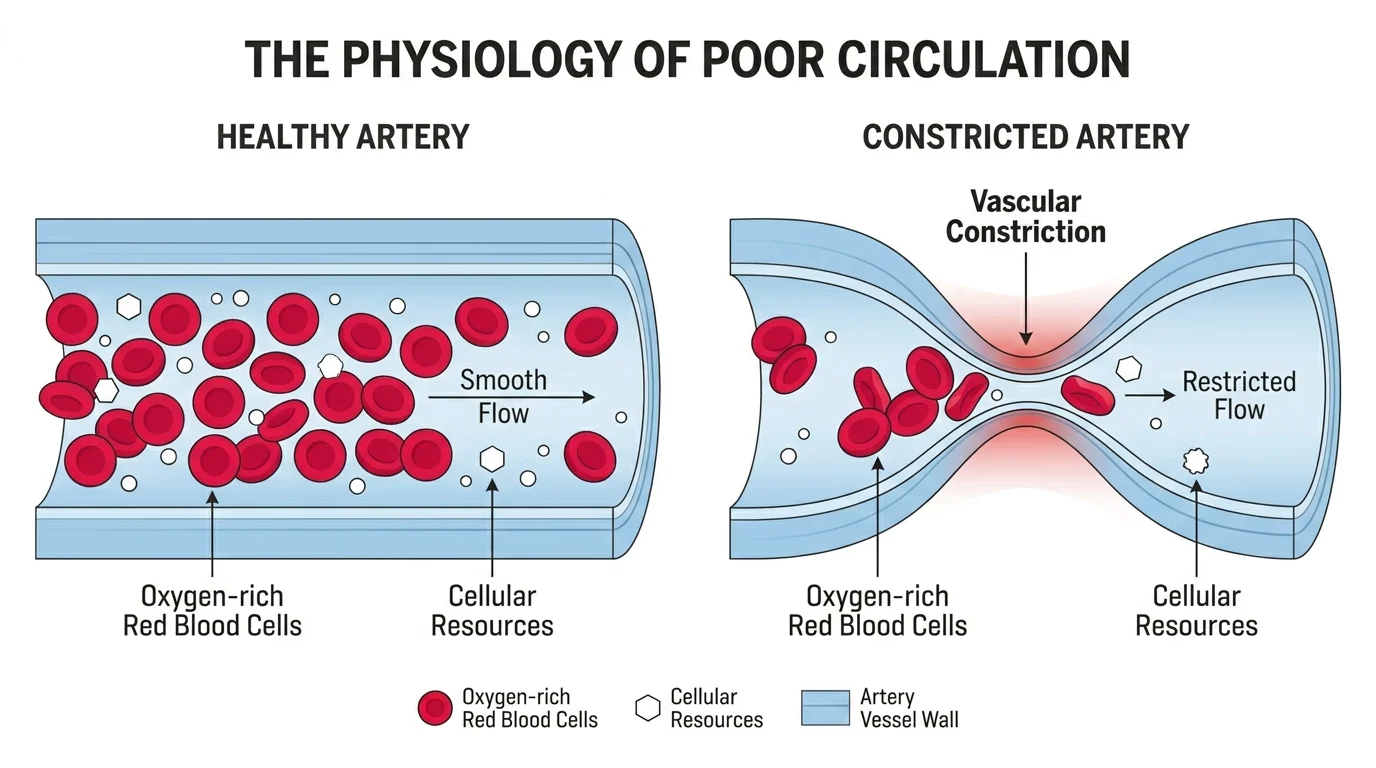
Science Snapshot: The Physiology of Poor Circulation Hands
Blood vessel constriction relies on a breathtakingly complex interplay of hormones, neurological signals, and cellular chemistry. When the sympathetic nervous system detects a perceived threat—whether a physical drop in environmental temperature or a massive spike in emotional stress—it instantly floods your bloodstream with adrenaline and noradrenaline. These potent stress hormones bind directly to specialized receptors on the smooth muscles surrounding your blood vessels, forcing them to clamp down and restrict flow.
Modern physiological research increasingly emphasizes the crucial role of the endothelium—the microscopic, single layer of cells lining the inside of your blood vessels. A robust, healthy endothelium continuously releases nitric oxide, a powerful signaling molecule that commands the surrounding smooth muscle to relax and remain wide open. Chronic inflammation, high blood sugar, and oxidative stress actively destroy this delicate inner lining, causing a condition known as endothelial dysfunction. When the endothelium fails to produce enough nitric oxide, your blood vessels remain in a state of chronic spasm, leaving your hands perpetually starved for warm blood. Medical literature and ongoing research from organizations like the National Institutes of Health continue to demonstrate that reversing endothelial damage through lifestyle and medical interventions holds the key to alleviating chronic circulatory distress.
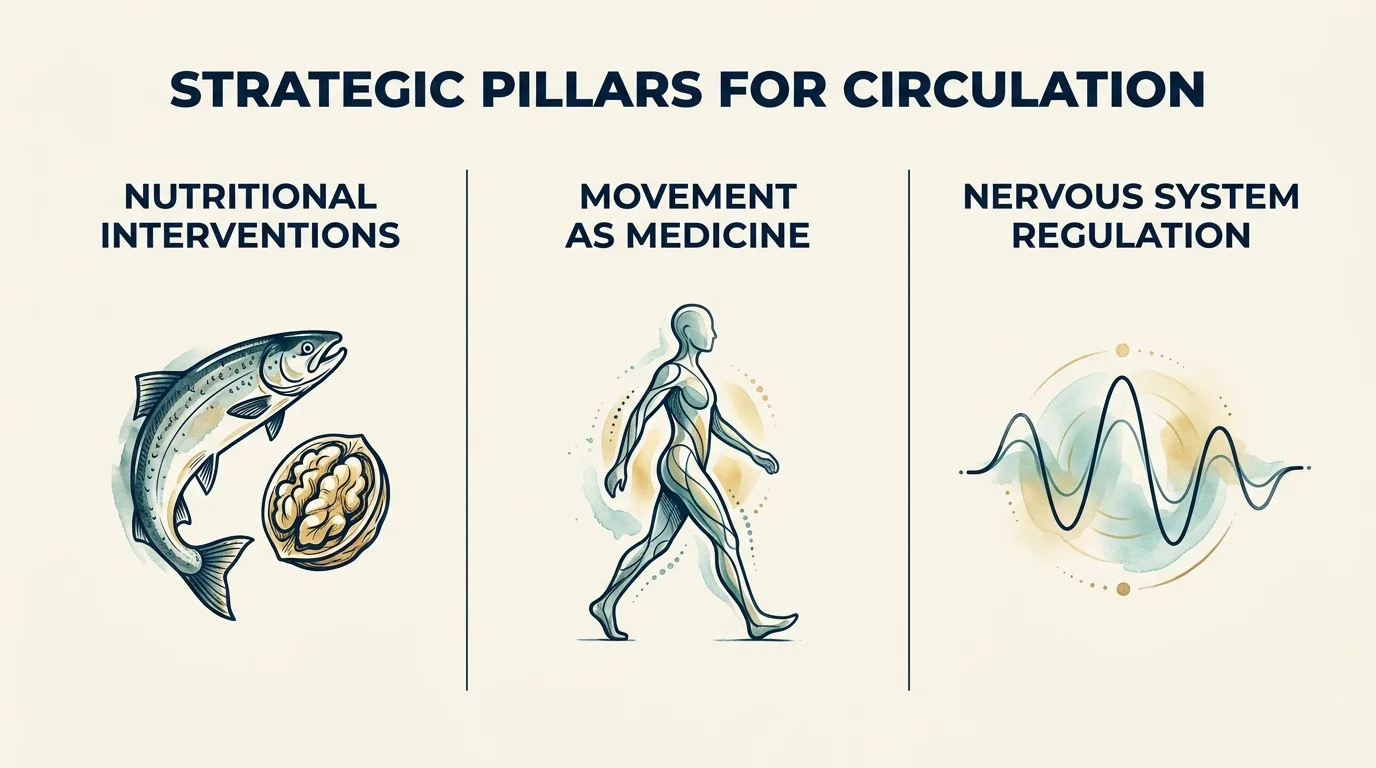
Strategic Pillars for Restoring Optimal Circulation
Transforming your circulatory health requires a comprehensive approach that addresses the root causes of vascular constriction. Implementing targeted lifestyle modifications can significantly improve your endothelial function and boost peripheral blood flow over time.

Targeted Nutritional Interventions
The foods you consume provide the exact chemical building blocks your body uses to construct and repair blood vessels. Prioritize powerful vasodilators like dietary nitrates, found abundantly in beets, spinach, and arugula, which your body efficiently converts directly into vessel-relaxing nitric oxide. You must also focus on incorporating high-quality omega-3 fatty acids from wild-caught salmon, chia seeds, and walnuts to combat the systemic inflammation that drives vascular spasms. Ensuring adequate intake of magnesium and iron further supports smooth muscle relaxation and red blood cell production. For evidence-based guidance on building a heart-healthy, vascular-supporting plate, consult the dietary frameworks established by the Centers for Disease Control and Prevention.
Movement as Circulatory Medicine
Physical activity acts as the most potent, natural catalyst for robust blood flow. Engaging in consistent aerobic exercise—such as brisk walking, cycling, or swimming—forces your heart to pump larger volumes of blood through your entire vascular network. This increased sheer stress against the vessel walls heavily stimulates nitric oxide production. Furthermore, regular cardiovascular training triggers angiogenesis, the remarkable biological process where your body literally sprouts new capillary networks to feed oxygen-hungry tissues. For optimal vascular benefits, the American Heart Association recommends aiming for at least one hundred and fifty minutes of moderate-intensity aerobic movement each week.

Mindset and Nervous System Regulation
Because your circulatory system responds instantly to psychological stress, managing your mental state becomes a highly practical vascular intervention. Chronic anxiety keeps your sympathetic nervous system locked in a perpetual “fight or flight” response, continuously bathing your blood vessels in constricting stress hormones. You can actively break this cycle by engaging the parasympathetic “rest and digest” nervous system through intentional breathwork. Practicing slow, diaphragmatic breathing for just five minutes a day can dramatically lower circulating cortisol levels, directly translating to warmer, more relaxed hands. Biofeedback therapy also offers a fascinating, clinically proven method for teaching patients how to consciously raise the temperature of their extremities through mental focus.
Navigating Professional Medical Care
While lifestyle adjustments carry tremendous power, persistent cold hands paired with warning signs demand specialized medical investigation. A physician can perform a nailfold capillaroscopy, a painless microscopic examination of the tiny blood vessels at the base of your fingernails, to detect early physical signs of connective tissue disease. Furthermore, comprehensive blood panels checking for antinuclear antibodies (ANA), thyroid function, and inflammatory markers provide a clear internal map of your systemic health. By partnering with experts guided by institutions like the American College of Rheumatology, you can secure accurate diagnoses and access targeted pharmacological treatments, such as calcium channel blockers, which physically prevent blood vessels from spasming.

Real Voices: Clinical Perspectives on Cold Extremities
Vascular specialists and rheumatologists frequently remind their patients that cold hands operate as a physical compass pointing toward deeper physiological truths. Rather than treating icy fingers as the primary disease, astute clinicians view them as an invaluable diagnostic window. According to patient advocacy and medical research organizations like the Arthritis Foundation, identifying Raynaud’s phenomenon early often allows doctors to catch underlying conditions like lupus or scleroderma years before more severe, irreversible organ damage occurs. Patients who successfully manage their symptoms frequently express deep relief once they stop ignoring their body’s signals; acknowledging the warning signs shifts their journey from enduring chronic discomfort to taking proactive control of their autoimmune and cardiovascular wellness.
Frequently Asked Questions About Circulation Warning Signs
Can anxiety or stress directly cause my hands to turn freezing cold?
Yes; acute psychological stress triggers an immediate survival reflex in your brain. Your body floods your system with adrenaline, preparing you to fight or flee by shunting blood away from your fingers and toward your major muscle groups. If you live in a state of chronic anxiety, this temporary survival mechanism becomes a permanent state of vascular constriction, leaving your extremities persistently cold even when you feel relatively calm.
Are cold hands always a sign of a serious medical condition?
Not always; many people naturally possess a highly reactive vascular system that responds aggressively to mild temperature changes without any underlying disease present. However, when cold hands represent a sudden change from your normal baseline, disrupt your daily physical activities, or present alongside pain, skin changes, or profound fatigue, they cross the line from a harmless quirk into a legitimate medical symptom requiring professional evaluation.
How does my daily caffeine intake affect the blood flow to my fingers?
Caffeine acts as a central nervous system stimulant and a known vasoconstrictor. When you consume large amounts of coffee, energy drinks, or strong teas, the caffeine forces the smooth muscles surrounding your peripheral arteries to contract. If you already struggle with cold hands or have a diagnosed circulatory issue, heavy caffeine consumption will almost certainly exacerbate your symptoms by physically narrowing the pathways blood uses to reach your fingers.
What specific blood tests should I request if my symptoms persist?
When you consult your physician, advocate for a comprehensive approach based on your specific symptom clusters. Generally, a complete blood count (CBC) to check for anemia, a comprehensive metabolic panel to assess blood sugar, and a full thyroid panel (TSH, Free T3, Free T4) provide an excellent baseline. If you suspect an autoimmune component due to joint pain or skin changes, requesting an Antinuclear Antibody (ANA) test helps rule out conditions like lupus and scleroderma.
Taking Your Next Steps Toward Better Health
Understanding the physiological language of your body represents the crucial first step toward long-term vitality. Rather than simply buying thicker gloves or avoiding the frozen aisle at the grocery store, you now possess the knowledge to address the root causes of your poor peripheral circulation. A highly manageable first step involves tracking your symptoms in a simple daily journal; record when your hands turn cold, the exact colors they turn, your emotional stress levels, and any accompanying pain. This written record transforms vague complaints into hard data, making your subsequent medical appointments dramatically more effective. Reflect on what your body might be asking for—whether it needs more nutrient-dense foods, consistent cardiovascular movement, or professional medical intervention. Always share these documented changes with your healthcare provider to ensure you navigate your vascular health safely and accurately.









Leave a Reply