Ignoring heavy, aching legs or sudden swelling might seem like a normal part of aging, but these changes often signal serious underlying vascular conditions that demand immediate medical evaluation. You can protect your mobility and prevent life-threatening complications like deep vein thrombosis by recognizing the early warning signs of poor circulation. As we age, our vein valves naturally lose elasticity, making it harder for blood to pump back to the heart. Catching these subtle shifts early empowers you to seek non-invasive treatments before permanent damage occurs. When you understand exactly which vascular symptoms require prompt attention, you gain the upper hand in managing your long-term cardiovascular health and maintaining your independence for years to come.
The Science Behind Aging Veins and Circulation
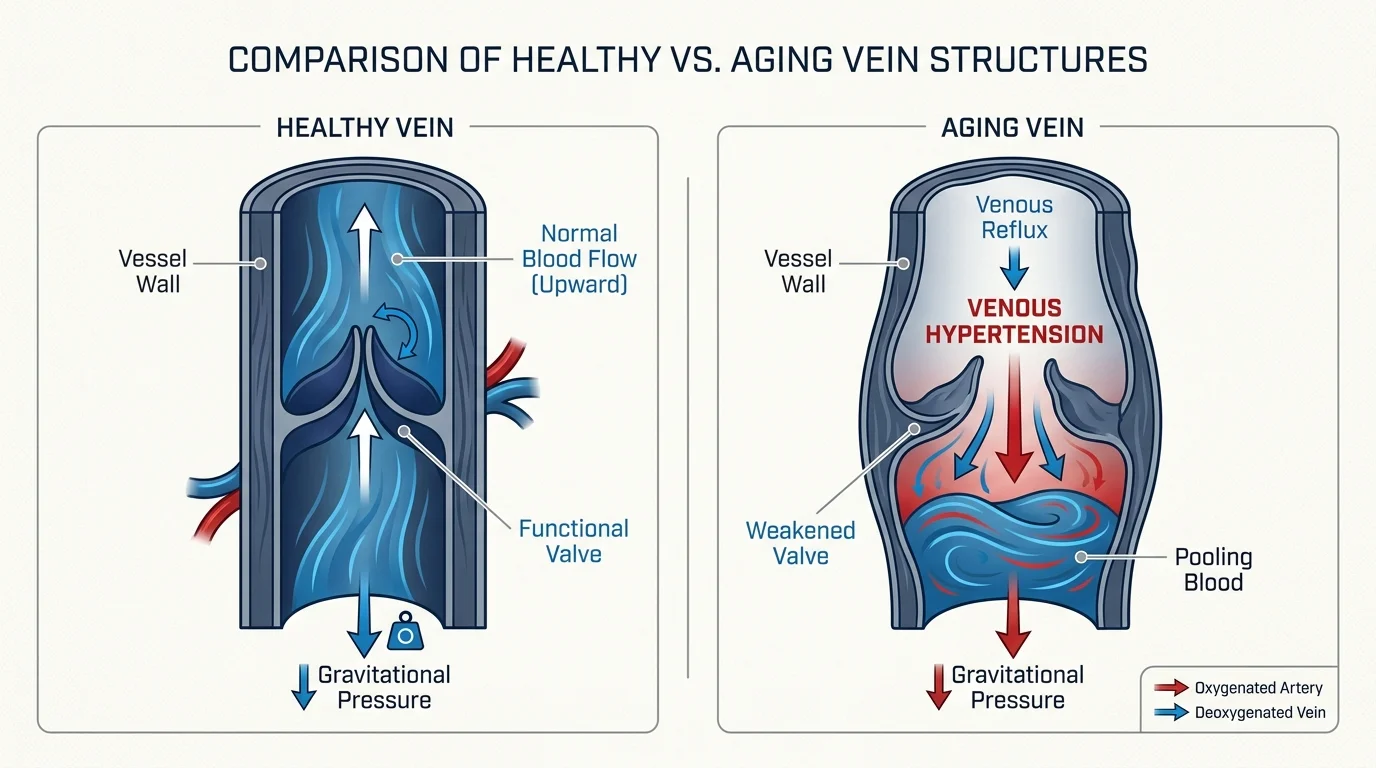
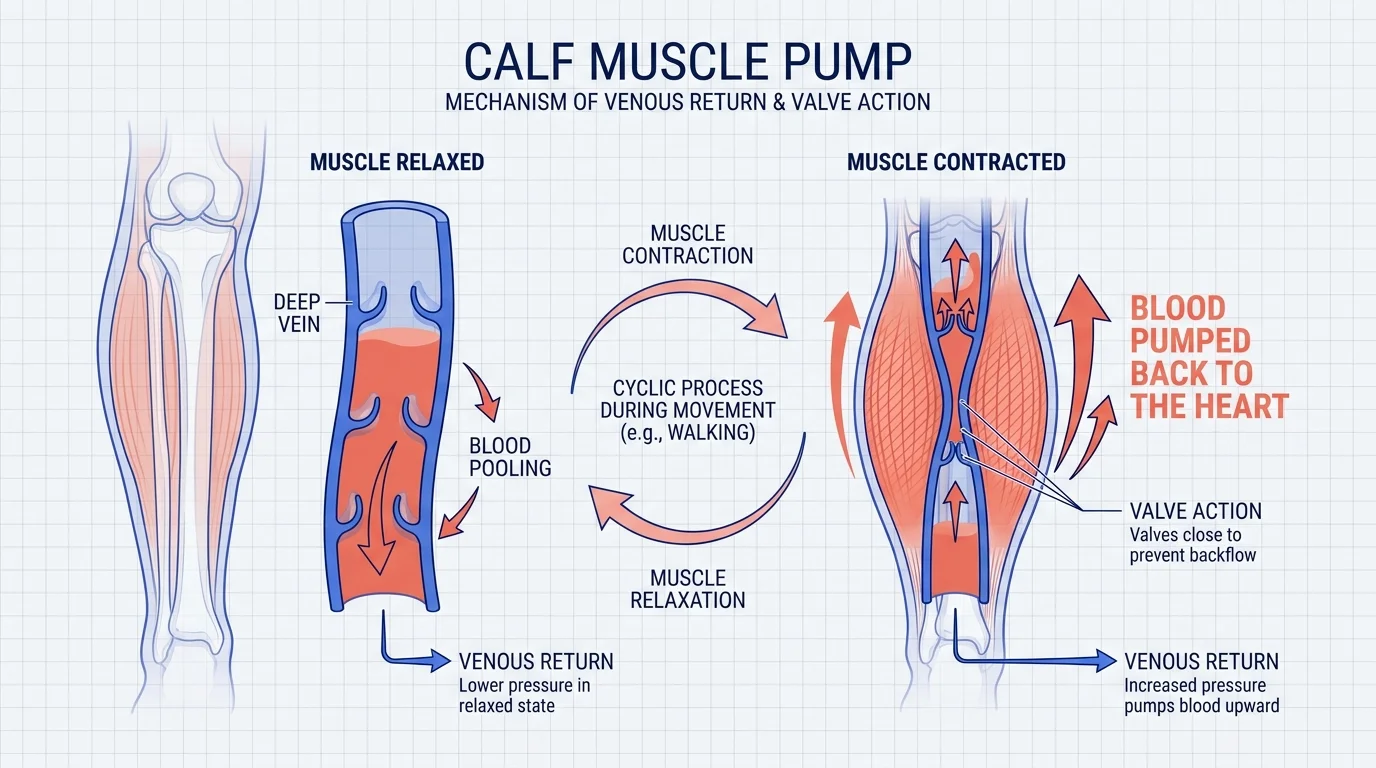
Your circulatory system functions as a complex highway network; arteries carry oxygen-rich blood away from the heart, while veins perform the demanding task of pushing deoxygenated blood back up against gravity. Inside your leg veins, tiny one-way valves open to let blood flow upward and snap shut to prevent it from pooling downward. Decades of gravitational pressure, prolonged sitting, and natural tissue degradation cause these delicate valves to stretch and weaken. Medical professionals refer to this mechanical failure as venous reflux or chronic venous insufficiency. When valves fail, blood pools in the lower extremities, increasing the pressure inside the vessel walls. This condition, known as venous hypertension, forces fluid into the surrounding tissues, triggering chronic inflammation and structural damage to your skin and muscles.
Understanding this physiological process helps clarify why proactive vascular care matters so deeply for older adults. You must also consider the social determinants of health that impact your vascular integrity. Many seniors experience reduced access to safe, walkable neighborhoods or face physical limitations that restrict movement, exacerbating venous pooling. Environmental factors, combined with genetic predispositions, create a perfect storm for vascular deterioration. By consulting clinical resources from organizations like the National Institutes of Health, you can educate yourself on how age-related vascular changes progress. Recognizing these physiological shifts early allows you to collaborate with your healthcare team to implement targeted lifestyle adjustments and medical interventions.
7 Critical Vein Symptoms You Must Monitor
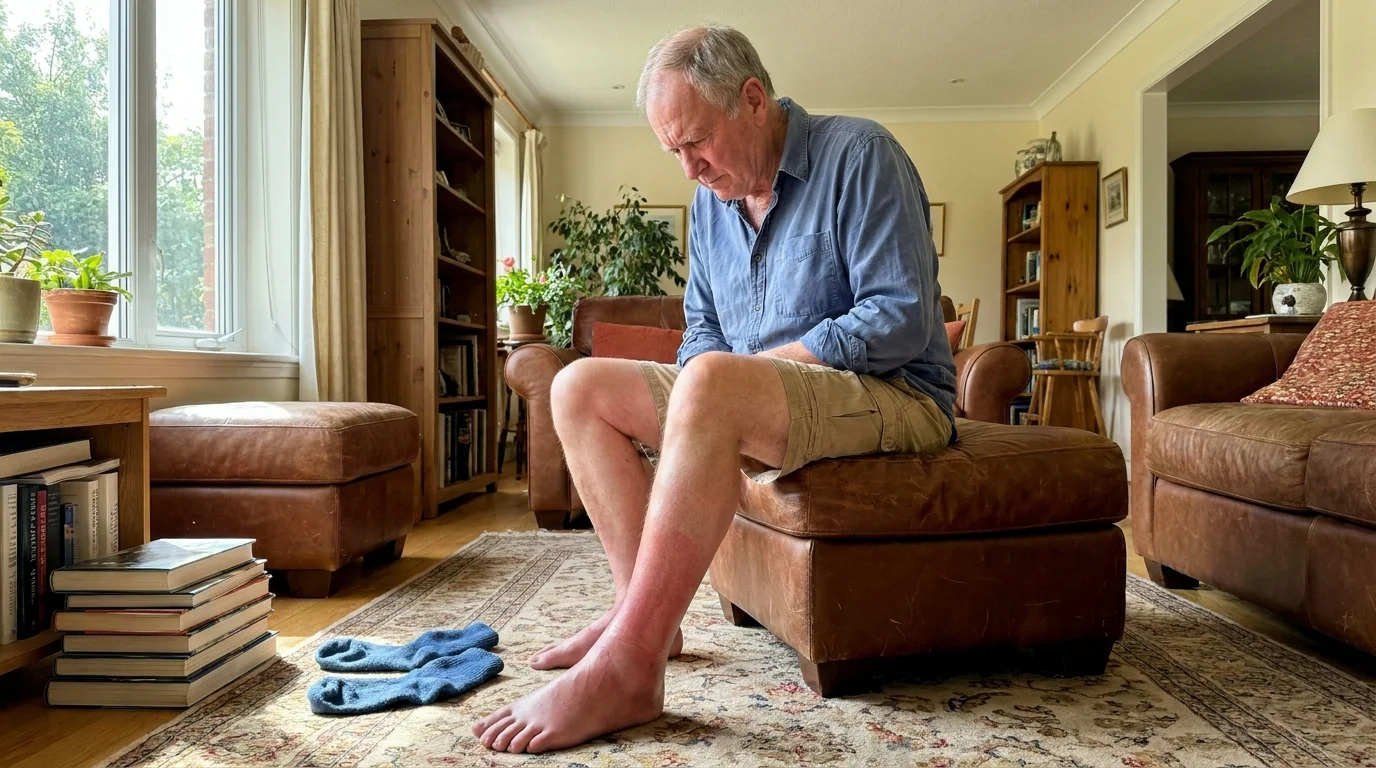
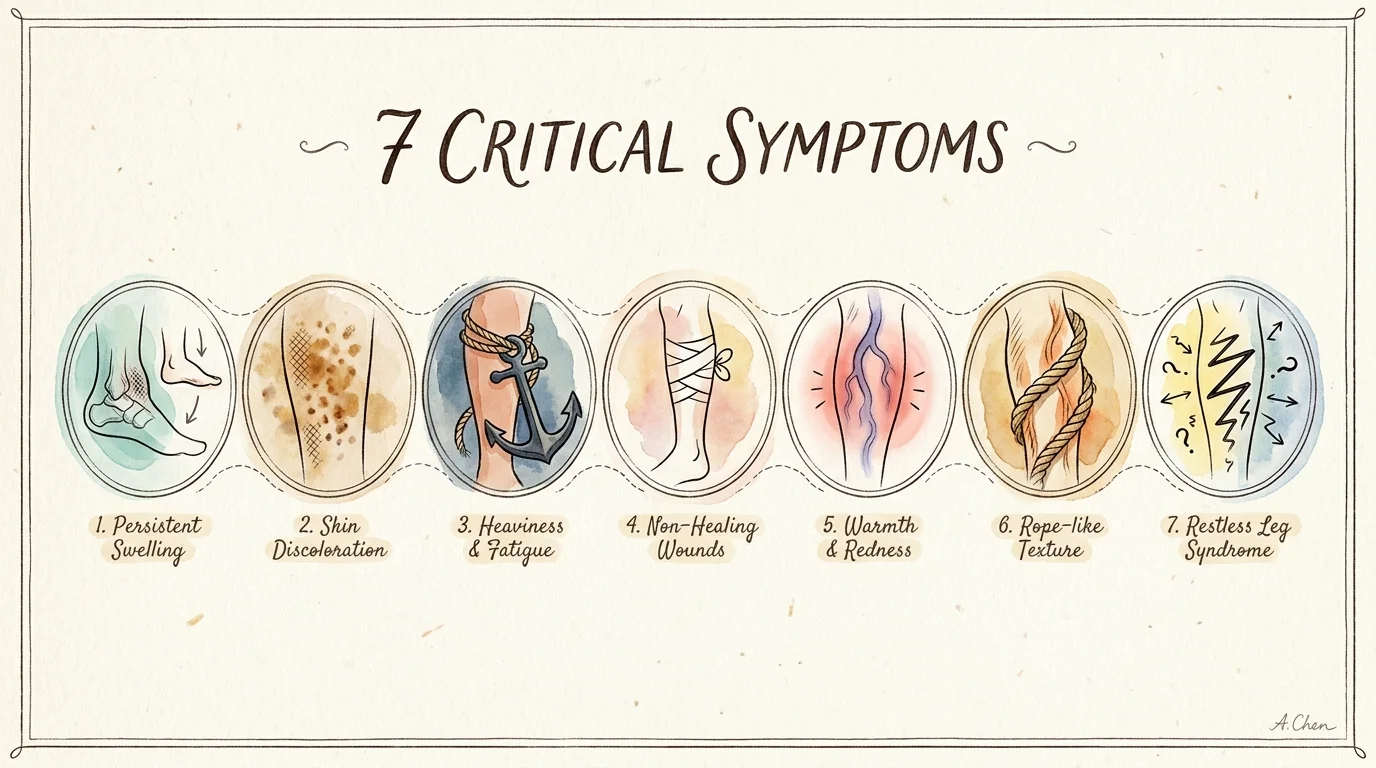
Symptom 1: Unexplained Swelling in One Leg
Experiencing sudden, noticeable swelling in just one leg represents a major red flag that requires immediate medical assessment. While mild, bilateral swelling at the end of a long day can stem from simple fluid retention or hot weather, unilateral edema often indicates a physical blockage in your venous system. The most severe cause of this symptom is deep vein thrombosis, a condition where a blood clot forms deep within your leg muscles. If left untreated, a portion of this clot can break free and travel to your lungs, causing a potentially fatal pulmonary embolism. You should look for associated signs like tightly stretched skin, a shiny appearance over the swollen area, and a feeling of intense pressure. Do not attempt to massage the swollen leg, as this physical manipulation could dislodge a blood clot. Instead, contact emergency medical services or visit an emergency room right away. The Centers for Disease Control and Prevention emphasizes that swift diagnosis through an ultrasound can save your life and prevent chronic post-thrombotic syndrome.
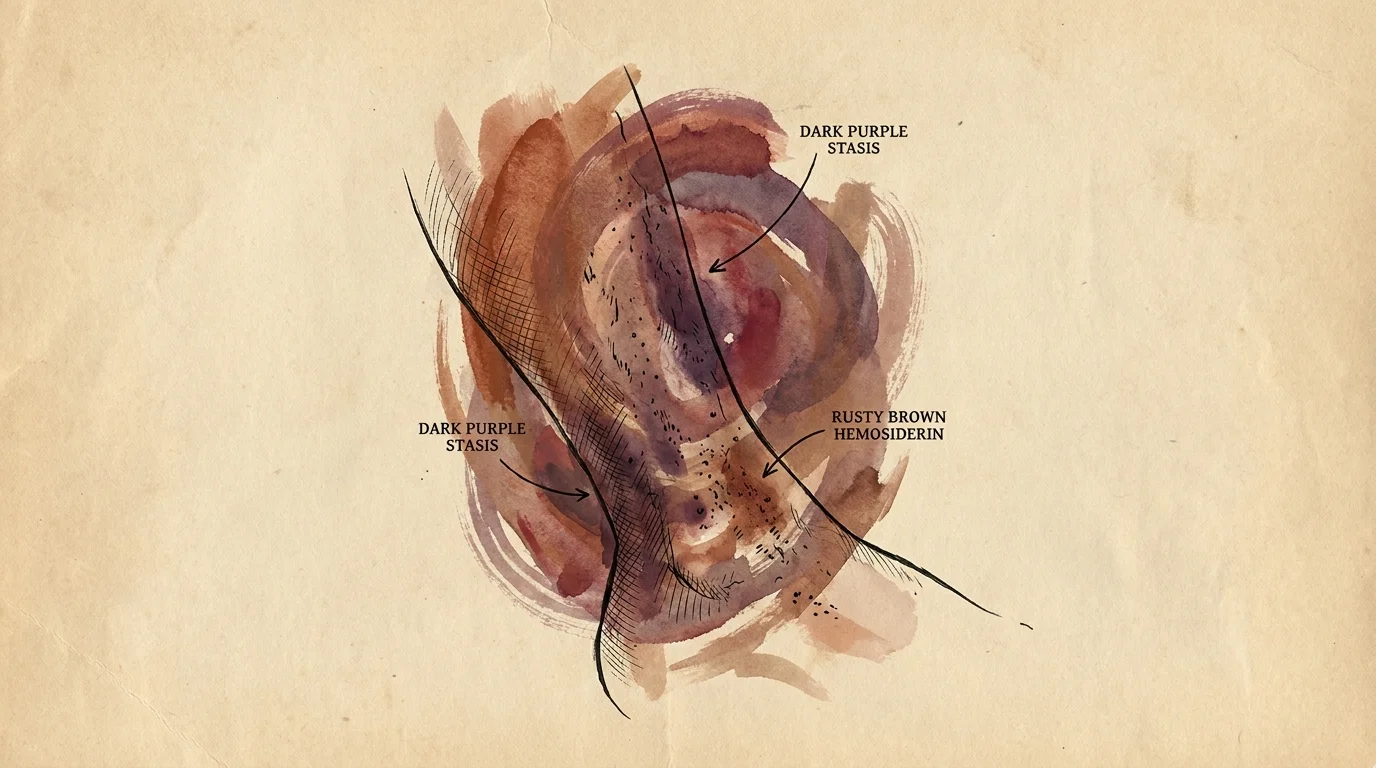
Symptom 2: Discoloration or Darkening of the Skin
If you notice patches of your lower legs turning a rusty brown, dark purple, or reddish hue, your veins are likely leaking red blood cells into the surrounding skin tissues. As these leaked blood cells break down, they release a form of iron called hemosiderin, which permanently stains your skin from the inside out. Healthcare providers refer to this condition as stasis dermatitis, and it serves as a glaring indicator of advanced chronic venous insufficiency. You might observe this discoloration beginning around your ankles and slowly creeping up your calves. The affected skin often feels leathery, thick, or unusually hard to the touch—a process known as lipodermatosclerosis. This hardening indicates that chronic inflammation is replacing healthy fat tissue with rigid scar tissue. Ignoring these pigment changes puts you at a high risk for developing serious skin breakdowns. Bring this symptom to your doctor’s attention promptly so they can recommend specialized compression therapies to reduce the localized hypertension causing the leakage.
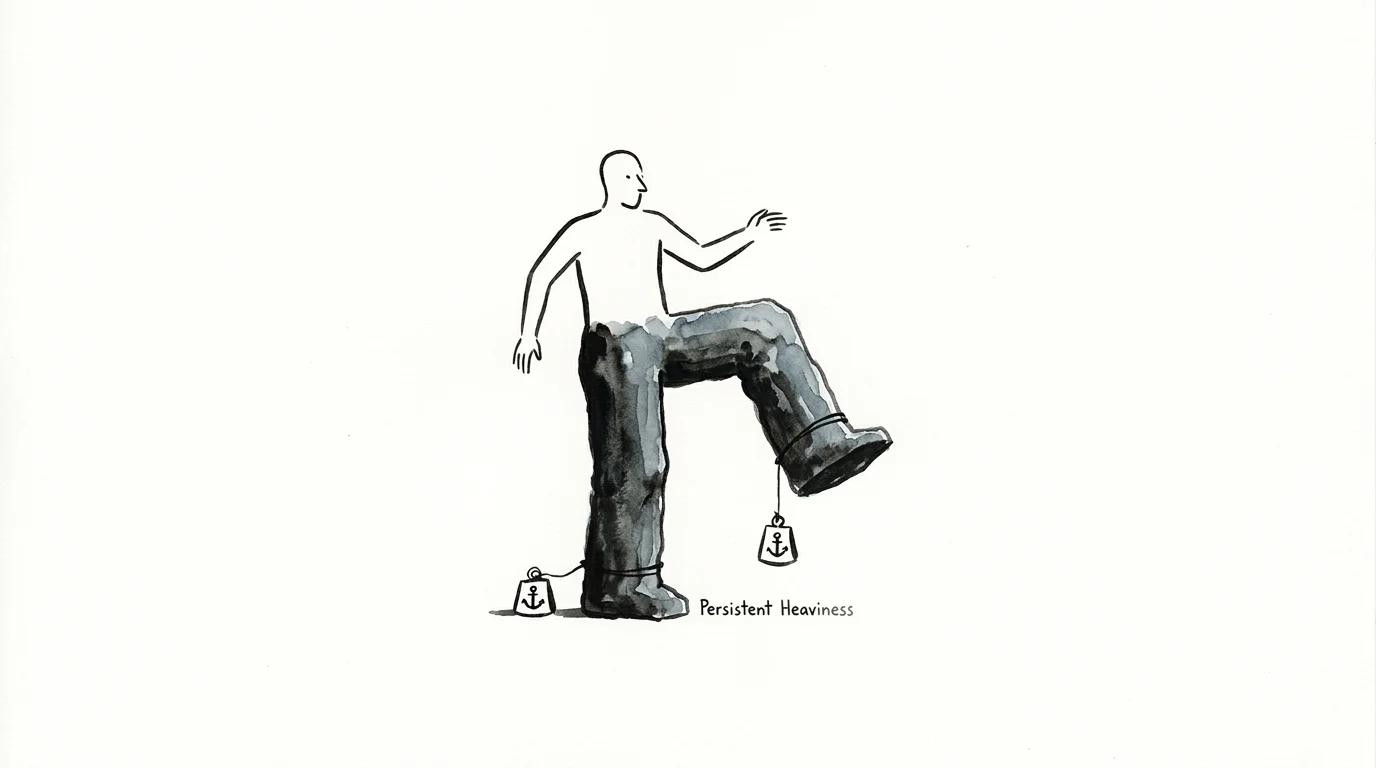
Symptom 3: Persistent Heaviness, Aching, and Fatigue
A constant sensation of heaviness or a dull, throbbing ache in your legs goes far beyond typical muscle tiredness. When venous blood pools in your lower extremities throughout the day, the excess fluid creates microscopic swelling inside the muscles, leading to profound physical fatigue. You will likely notice that this specific type of aching worsens after long periods of standing or sitting and temporarily improves when you elevate your legs above your heart. Many older adults mistakenly attribute this discomfort to joint arthritis or normal aging, delaying crucial vascular treatments. The constant pressure strains your entire leg structure, making everyday activities like climbing stairs or walking to the mailbox feel exhausting. Tracking when the pain peaks and subsides provides your physician with essential diagnostic clues. If elevating your legs brings immediate relief, your discomfort almost certainly stems from venous reflux rather than a musculoskeletal issue.
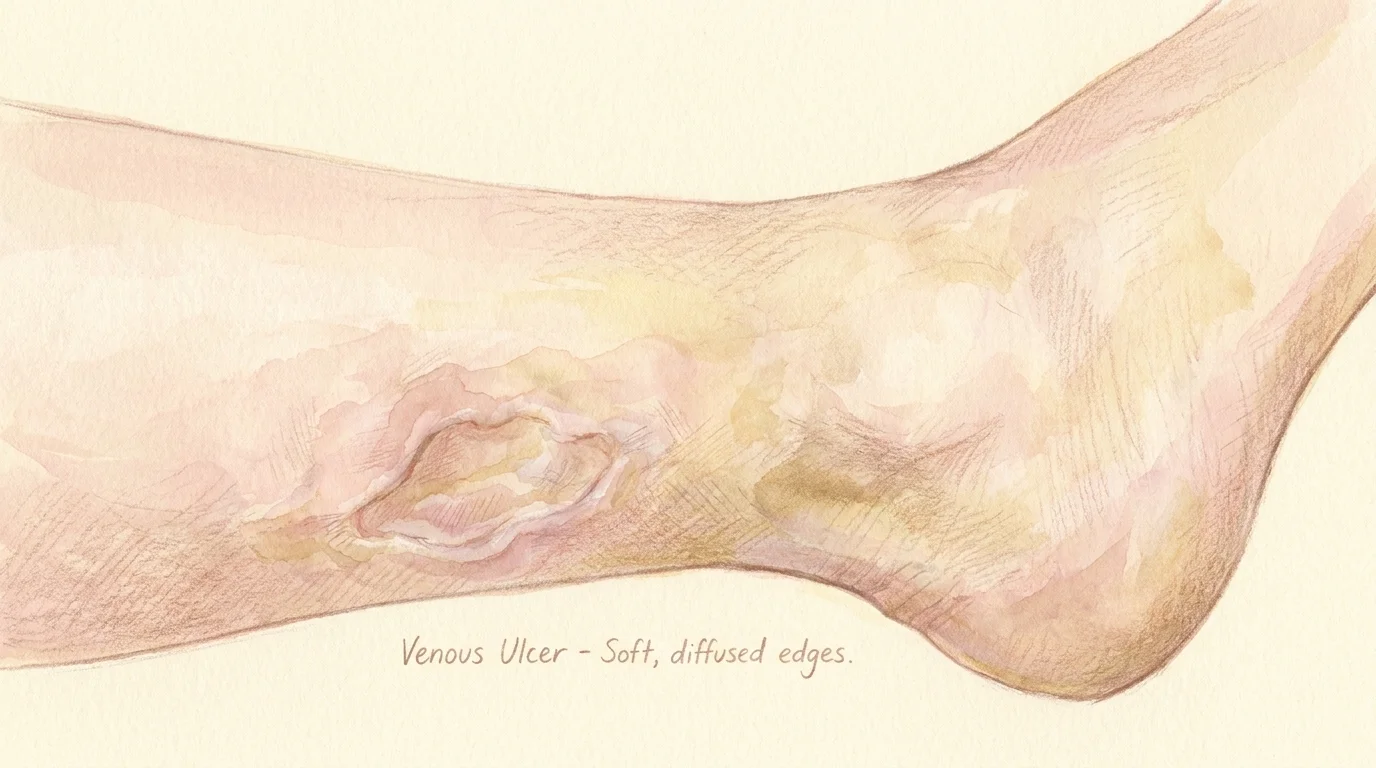
Symptom 4: Open Sores or Ulcers on the Lower Legs
Venous stasis ulcers represent one of the most severe consequences of neglected vein disease and require comprehensive wound care. These shallow, irregular sores typically erupt on the inner side of the ankle or lower leg when the skin, starved of proper oxygen and nutrients due to extreme venous congestion, simply breaks open. Before an ulcer forms, you might notice extreme itchiness, flaking skin, or a small scratch that refuses to scab over. Because the underlying circulation remains compromised, these wounds cannot heal on their own and become highly susceptible to dangerous bacterial infections. Attempting to treat a venous ulcer with basic over-the-counter bandages will not resolve the root cause. You need a specialized vascular assessment to map the broken veins feeding the ulcer. Wound care clinics and vascular surgeons utilize multi-layer compression wrapping and minimally invasive vein closures to heal the tissue and prevent future ulcerations.
Symptom 5: Sudden Warmth, Tenderness, and Redness Over a Vein
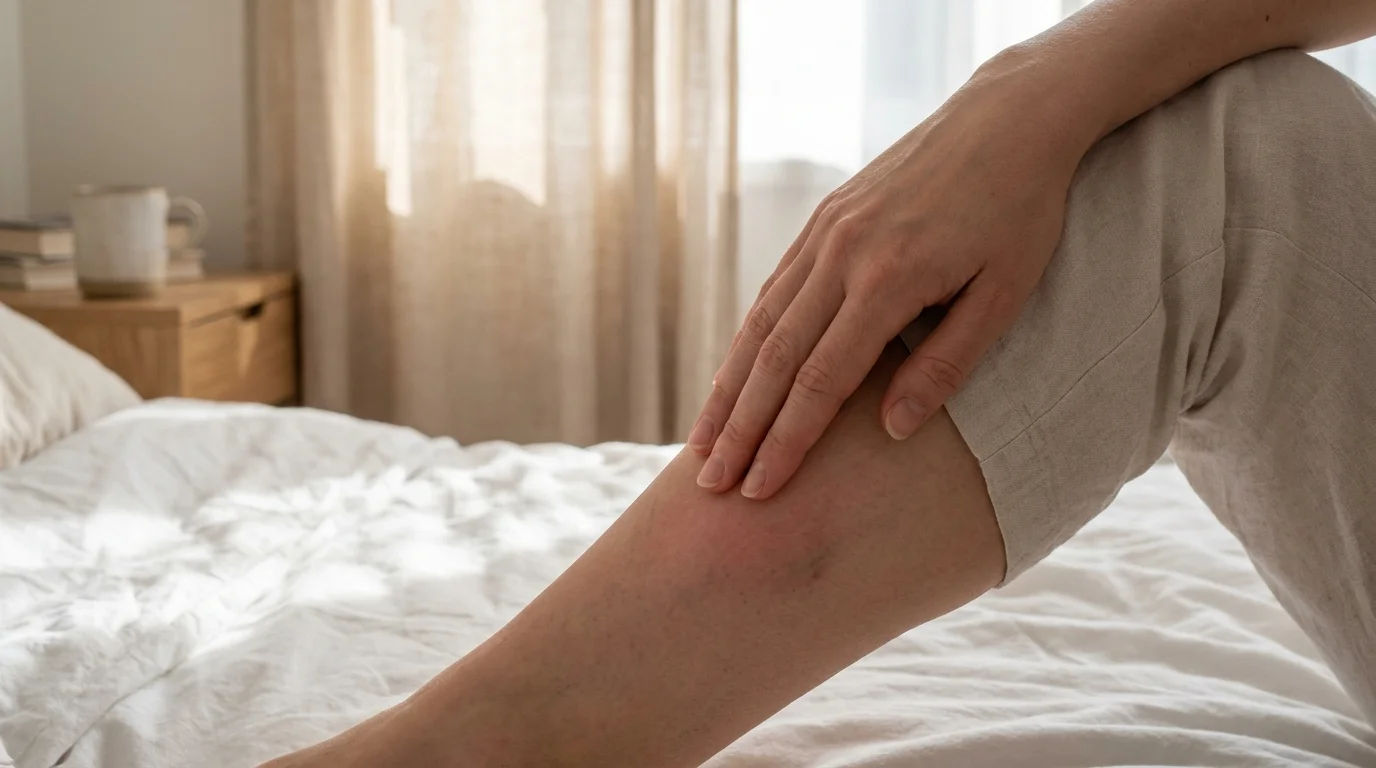
When a specific segment of a visible vein suddenly feels hot to the touch, tender, and visibly red, you are likely experiencing superficial thrombophlebitis. This condition occurs when a blood clot forms in a vein located just beneath the surface of your skin, triggering an intense localized inflammatory response. You might actually feel a hard, painful cord or knot right under the skin’s surface. While a superficial clot generally carries a lower risk of causing a pulmonary embolism compared to deep vein thrombosis, it still demands a professional medical evaluation. Sometimes, a superficial clot can propagate deeper into the venous system or signal an underlying coagulation disorder. Your physician may recommend warm compresses, anti-inflammatory medications, and targeted movement to resolve the phlebitis. Always let a medical professional rule out deeper involvement rather than assuming the inflammation will simply fade on its own.
Symptom 6: Bulging, Rope-Like Varicose Veins That Bleed
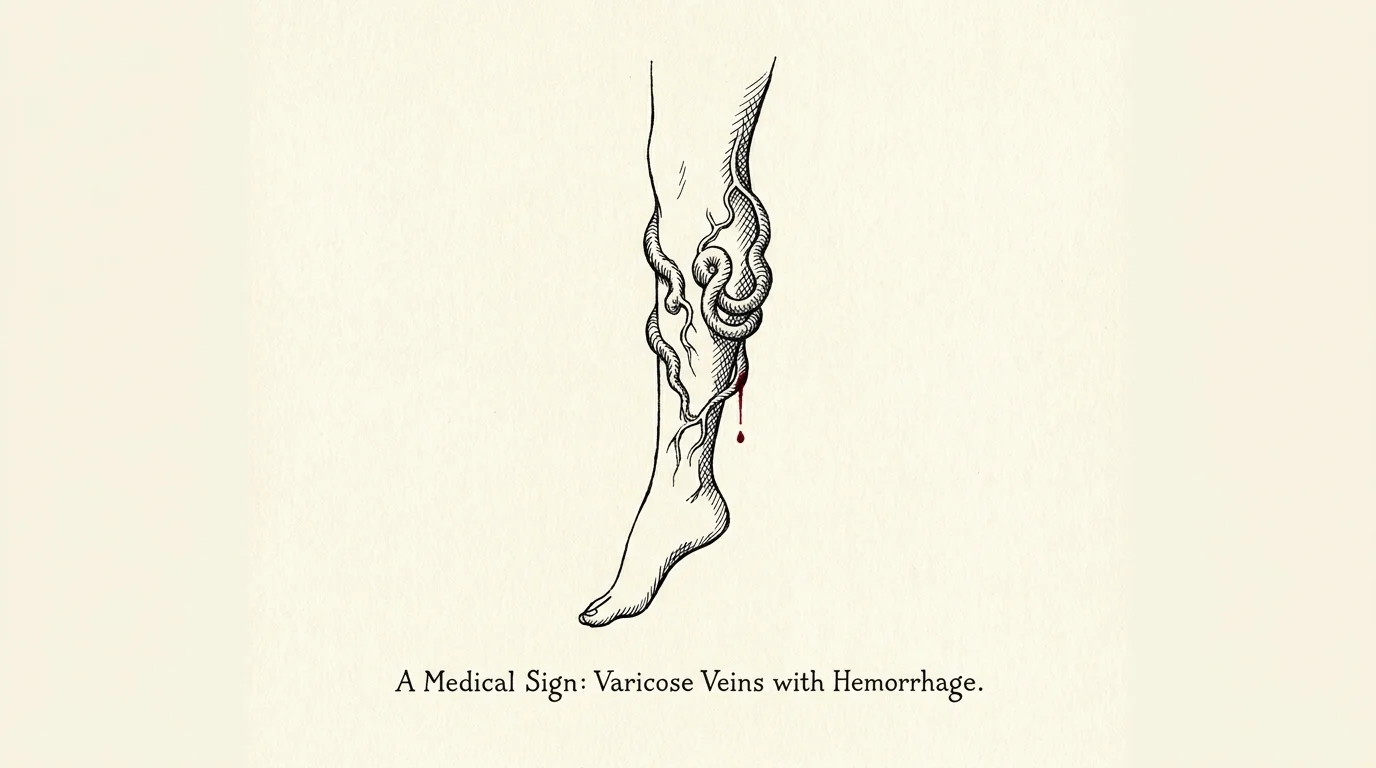
While many people view varicose veins as merely a cosmetic nuisance, these swollen, twisted vessels harbor high volumes of pressurized blood. The skin stretching directly over a large varicose vein often becomes incredibly thin and fragile over time. Even a minor bump against a coffee table, a light scratch while getting dressed, or vigorous towel-drying after a shower can cause the weakened vein wall to rupture. Bleeding from a varicose vein happens rapidly and can result in significant blood loss if not managed correctly. If a superficial vein ruptures, you must immediately elevate your leg and apply firm, continuous pressure directly to the bleeding site with a clean towel. Do not release the pressure to check the wound for at least fifteen minutes. Even if you manage to stop the bleeding at home, you must consult a vascular specialist. The Society for Vascular Surgery notes that bleeding varicosities almost always require clinical intervention, such as sclerotherapy or laser ablation, to eliminate the unstable vessel.

Symptom 7: Restless Legs Accompanying Visible Vein Changes
Many seniors suffer through sleepless nights due to an irresistible urge to move their legs, a condition known as Restless Legs Syndrome. While this syndrome has neurological roots, modern vascular research reveals a strong, frequently overlooked connection between restless legs and chronic venous insufficiency. If you experience an overwhelming creeping, crawling, or itching sensation deep inside your leg muscles the moment you lie down, pooled venous blood may be irritating your peripheral nerves. This irritation disrupts your sleep architecture, leading to chronic exhaustion and a diminished quality of life. Patients who present with both restless legs and visible varicose veins often find remarkable relief from their nighttime symptoms once a vascular surgeon corrects the underlying venous reflux. If standard treatments for restless legs fail to bring you peace, advocating for a comprehensive venous ultrasound might uncover the hidden circulatory issues driving your discomfort.
Holistic Strategies for Supporting Senior Vascular Health
Addressing venous disease requires a multifaceted approach that combines daily lifestyle habits with professional medical guidance. You hold immense power over your daily vascular health through mindful choices regarding movement, nutrition, and clinical partnerships.
Activating Your Calf Muscle Pump Through Movement
Your calf muscles serve as the secondary heart of your circulatory system. Every time you flex your ankle and squeeze your calf muscle, you physically pump trapped venous blood upward against gravity. Seniors must prioritize low-impact, consistent movement to keep this vital mechanism active. Walking remains one of the most effective and accessible therapies for venous health. According to guidelines supported by the American Heart Association, you should aim for thirty minutes of brisk walking most days of the week, breaking this time into shorter ten-minute segments if stamina presents a challenge. If arthritis or balance issues limit your ability to walk safely, water aerobics provides an exceptional alternative; the hydrostatic pressure of the pool water acts as natural compression, gently forcing fluid out of your lower legs while protecting your joints. Even while seated watching television, you can perform simple heel raises and ankle circles to maintain continuous blood flow. Never underestimate the profound vascular benefits of consistent, gentle muscle contraction.

Nutritional Support for Vascular Integrity
The foods you consume play a critical role in strengthening your blood vessel walls and managing the systemic inflammation associated with venous disease. High sodium intake directly causes fluid retention, which exponentially increases the hydrostatic pressure inside your already strained leg veins. You can protect your veins by drastically reducing processed foods, canned soups, and salty snacks, opting instead for fresh, whole ingredients. Focus heavily on incorporating foods rich in flavonoids—powerful plant compounds that have been clinically shown to reduce capillary leakage and strengthen vein walls. Citrus fruits, berries, onions, and dark leafy greens pack massive amounts of these vascular-protective antioxidants. Furthermore, staying adequately hydrated thins your blood, making it significantly easier for your cardiovascular system to circulate volume back to your heart. The Academy of Nutrition and Dietetics provides robust guidance on anti-inflammatory dietary patterns that simultaneously protect your heart and your peripheral veins.
The Role of Routine Medical Care
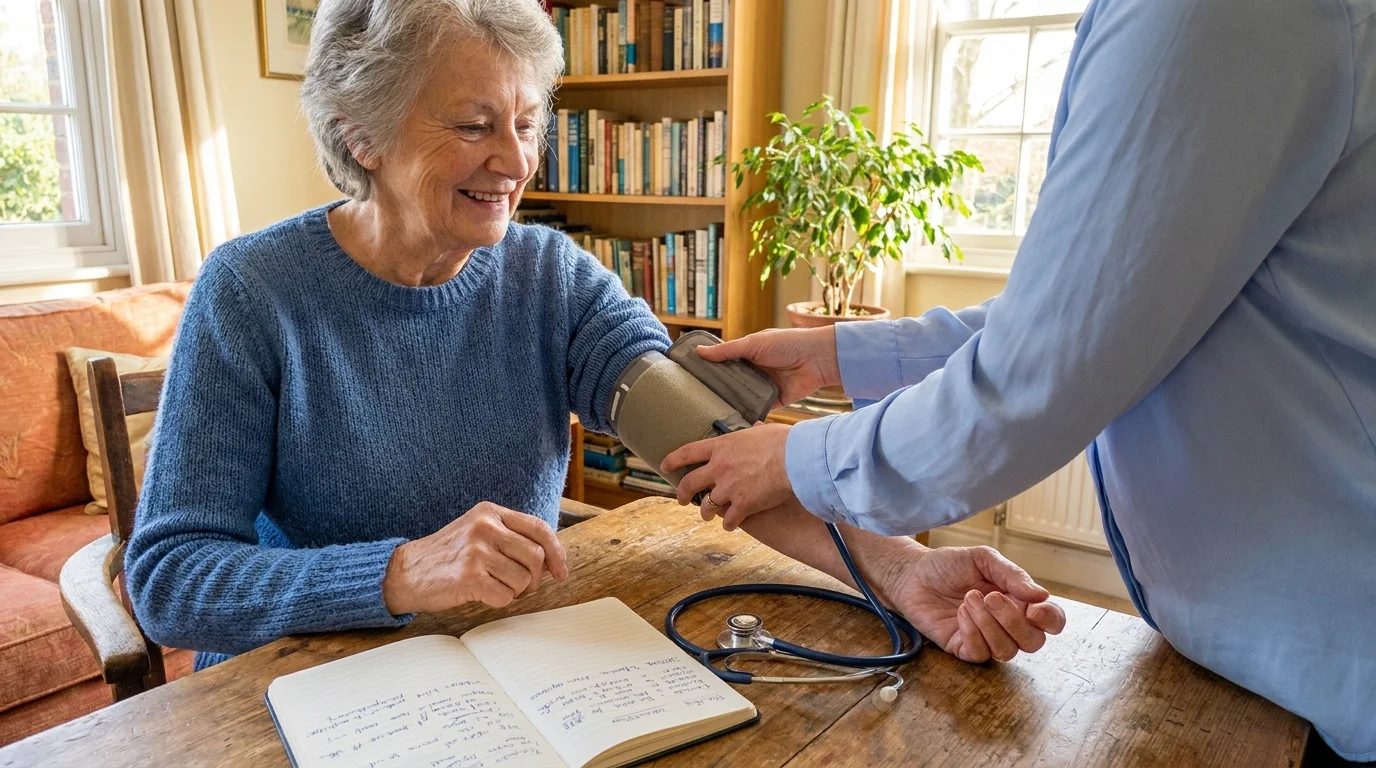
Holistic health encompasses knowing precisely when to leverage modern medical technology. You cannot out-walk or out-eat structurally destroyed vein valves; you must combine your healthy lifestyle with proper clinical interventions. Establish a relationship with a board-certified vascular specialist who can perform routine duplex ultrasounds. This painless imaging test maps the exact direction of blood flow in your legs and identifies the specific valves failing to close properly. Based on these findings, your provider might prescribe medical-grade graduated compression stockings, which provide firm pressure at the ankle that gradually decreases up the leg to encourage upward blood flow. For more advanced venous reflux, modern medicine offers incredible, minimally invasive outpatient procedures. Endovenous laser ablation and medical adhesive closures take mere minutes to perform and allow you to walk out of the clinic on your own two feet, permanently sealing shut the diseased veins and redirecting blood to healthy vessels.
Expert Voices in Vascular Care
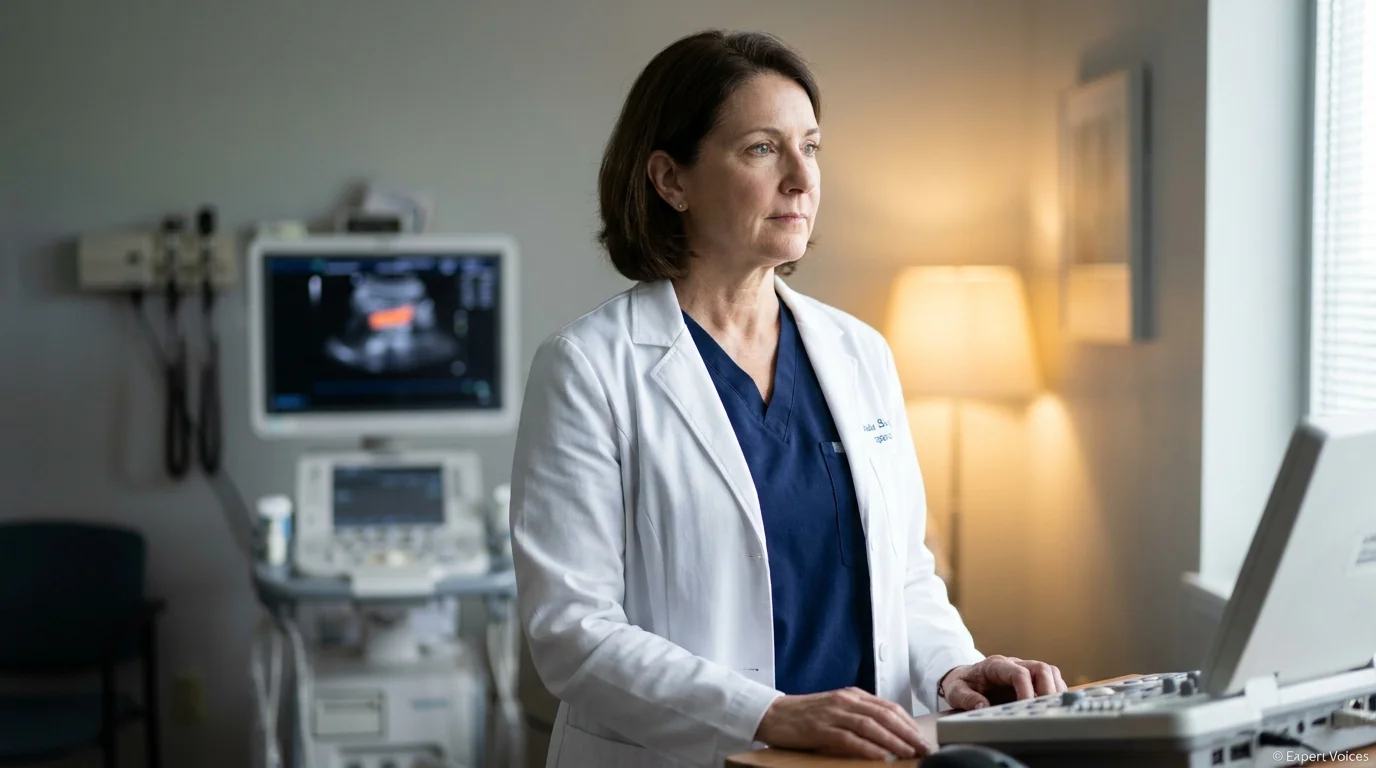
Listening to the insights of medical professionals and physical therapists sheds practical light on the realities of managing senior vein health. Vascular surgeons frequently emphasize that age alone should never disqualify you from seeking treatment for debilitating leg pain. Modern vein procedures require no general anesthesia and involve minimal recovery time, making them highly appropriate and safe for older adults. Clinical dietitians regularly remind patients that building strong vascular tissue requires a steady intake of vitamin C, which aids in collagen production for vessel elasticity. Physical therapists advocate for a concept called active resting; rather than sitting motionless in a recliner for hours, they encourage you to elevate your legs on a firm wedge pillow while systematically flexing your toes. These experts universally agree that the biggest mistake seniors make is accepting heavy, painful legs as a normal, unavoidable consequence of growing older. By actively collaborating with a diverse healthcare team, you build a comprehensive defense against vascular deterioration.
Frequently Asked Questions About Vein Health
Is walking safe if I currently have large varicose veins?
Walking is generally exceptionally safe and highly recommended for individuals with varicose veins. When you walk, you actively engage the calf muscle pump, which drastically reduces the pooling of blood and relieves the high pressure inside your damaged veins. This natural pumping action prevents further vein dilation and reduces the risk of dangerous blood clots forming in stagnant blood pools. However, you should wear your medically prescribed compression stockings during your walks to provide external support to the fragile vessel walls. If walking causes acute, sharp pain, or if you have an open venous ulcer, consult your physician to obtain specific clearance and modifications for your exercise routine.
Do compression stockings actually heal my broken vein valves?
Compression stockings serve as a highly effective symptom management tool, but they do not anatomically repair or reverse the damage to broken vein valves. The targeted squeeze from the elastic fibers mimics healthy vascular pressure, forcing fluid out of your lower tissues and helping prevent the progression of edema and skin discoloration. As soon as you remove the stockings, gravity takes over again, and venous pooling resumes. Therefore, you must view compression wear as a daily supportive therapy rather than a permanent cure. To achieve lasting anatomical correction of faulty valves, you must pursue medical procedures like thermal ablation or specialized vein injections.
At what point does leg swelling require a trip to the emergency room?
You must treat sudden, unexplained swelling as a medical emergency if it occurs exclusively in one leg, develops rapidly over a few hours, or is accompanied by severe calf pain, redness, and warmth. These exact symptoms strongly suggest the presence of a deep vein thrombosis. Furthermore, if you experience sudden leg swelling combined with shortness of breath, a rapid heart rate, chest pain, or a cough that brings up blood, you must call emergency services immediately. This combination of symptoms indicates that a blood clot may have traveled to your lungs. Never take a wait-and-see approach with acute, unilateral swelling.
Can I reverse chronic venous insufficiency through diet alone?
You cannot anatomically reverse the mechanical failure of vein valves through dietary changes alone. Once the delicate leaflets inside the vein lose their elasticity and fail to close, no amount of vitamin C, antioxidants, or hydration will physically reconstruct them. However, a nutrient-dense, anti-inflammatory diet plays an absolutely critical role in managing the side effects of venous insufficiency. By keeping sodium low and antioxidant intake high, you dramatically reduce fluid retention, protect your skin integrity, and lower your risk of secondary complications like stasis ulcers. Diet remains an essential pillar of vascular care, but it works best when combined with physical movement, compression therapy, and expert medical intervention.
Your Next Step Toward Better Circulation
Taking control of your vascular health begins with a simple commitment to heightened bodily awareness. Tonight, before you go to sleep, take five deliberate minutes to examine your lower legs, ankles, and feet. Look for subtle changes in skin texture, note any unusual heaviness, and actively search for the warning signs detailed throughout this guide. If you spot a concerning symptom, document it and schedule a vascular evaluation without delay. You hold the power to dictate the quality of your mobility and independence. By honoring the signals your body sends and partnering proactively with your medical team, you ensure your circulatory system remains robust, resilient, and ready to support your most active lifestyle.



Leave a Reply