
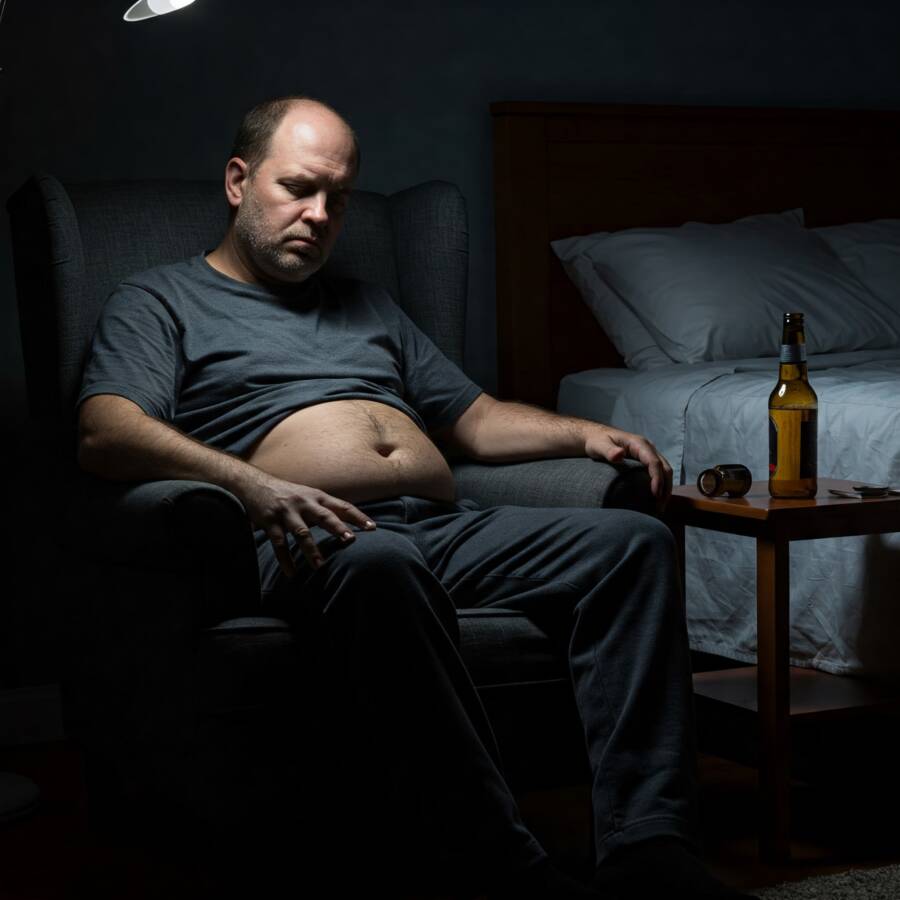
Both men and women may experience low testosterone levels with age or due to specific health conditions. How can one identify the subtle symptoms?
Testosterone, often referred to as the “male hormone,” is a steroid hormone primarily associated with male growth and reproductive functions. It plays a crucial role in developing male characteristics, such as greater muscle mass, improved bone density, and the emergence of facial and body hair. Notably, females also produce testosterone in smaller quantities, which contributes to several bodily processes.
Testosterone affects libido, energy, and mood in both men and women. For males, sufficient testosterone is crucial for sperm production and sexual health, while also aiding cognitive functions and overall well-being. In females, testosterone is important for regulating menstrual cycles, supporting bone health, and enhancing muscle strength, thereby contributing to sexual desire and energy.
As people age, testosterone production often declines. Imbalanced testosterone levels can cause several health problems in both men and women, emphasizing the hormone’s significance for overall health and functionality.
If your testosterone levels decline significantly, you may notice several symptoms. Signs of low testosterone are often subtle and may include the following:

1. Fatigue and Low Energy
Fatigue and reduced energy are prevalent signs of low testosterone in both men and women. People may feel constant exhaustion despite getting enough sleep, which can significantly affect their daily tasks and overall quality of life.
In men, low testosterone may result in reduced motivation and stamina, negatively impacting physical performance and exercise ability. Women can also experience a decline in vitality, making it more challenging to manage daily tasks and maintain emotional well-being. Often, this fatigue is accompanied by mood shifts, such as irritability or depression, which can exacerbate the feeling of exhaustion.
2. Reduced Muscle Mass
Testosterone is essential for muscle growth and maintenance in men. Low testosterone levels can significantly reduce strength and muscle mass, making physical activities more challenging. Women, despite having lower testosterone levels, also depend on this hormone for maintaining muscle health. A decline in muscle mass can lead to a less toned appearance and diminished strength, negatively affecting overall physical performance.
Moreover, reduced muscle mass can lead to an increase in body fat because a slower metabolism occurs when there is less muscle.
3. Increased Body Fat
In men, decreasing testosterone levels often lead to a reduction in muscle mass, which can contribute to increased fat buildup, especially around the abdomen. This leads to a softer body shape and higher health risks, including an increased risk of heart disease, hypertension, and stroke, due to its link with elevated cholesterol levels and inflammation. Visceral fat can lead to insulin resistance, raising the likelihood of developing type 2 diabetes.
Women may also experience weight gain due to insufficient testosterone, even with their naturally lower levels, complicating efforts to sustain a healthy body composition. These hormonal imbalances interfere with metabolism, reducing the body’s ability to burn fat and promoting more storage instead. This alteration in fat distribution can negatively impact both self-esteem and general health.
4. Mood Changes
Mood fluctuations are a significant indication of low testosterone in both men and women. For men, low testosterone can cause increased irritability, anxiety, and depression, affecting their overall emotional health. These mood swings may lead to reduced motivation and energy, which can worsen feelings of sadness or frustration.
In women, insufficient testosterone can lead to comparable emotional issues, often appearing as mood changes, elevated anxiety, or depressive symptoms. This hormonal imbalance disrupts neurotransmitter function, impacting mood regulation. Such emotional instability can disrupt personal relationships and everyday activities, highlighting the need to address low testosterone levels. Consulting a healthcare provider and making lifestyle adjustments can help restore hormonal balance and improve mood stability for both genders.

5. Decreased Libido
While some individuals might notice a decrease in their sex drive with age, those suffering from low testosterone often face a significantly sharper decline. In men, lower testosterone levels significantly diminish sexual desire, which can negatively affect intimate relationships and overall life quality. This decline in libido may be coupled with erectile dysfunction, complicating sexual well-being.
Although women naturally have lower testosterone, they too can experience a reduction in sexual interest due to hormonal imbalances. Low libido in women often results in feelings of frustration and dissatisfaction within their relationships. The influence of diminished testosterone on sexual desire underscores the necessity of addressing this concern. A medical evaluation and consideration of treatment options can assist in restoring hormonal balance, improving sexual health, and enhancing intimacy for both genders.
6. Erectile Dysfunction
Erectile dysfunction is frequently linked to low testosterone levels in men. Testosterone is essential for sexual arousal and the bodily functions necessary for both achieving and maintaining an erection. A decline in testosterone can make it challenging for men to either obtain or hold an erection, leading to feelings of frustration and diminished self-esteem. This issue can put a strain on intimate relationships and adversely affect the overall quality of life.
Low testosterone can diminish libido, further worsening sexual performance difficulties. Addressing the hormonal imbalance at its root is crucial for effectively managing erectile dysfunction. Studies indicate that as many as 35% of men with erectile dysfunction experience low testosterone levels. Nevertheless, findings are unclear regarding the effectiveness of testosterone replacement therapy in treating erectile dysfunction.
7. Cognitive Issues
Individuals with low testosterone levels may struggle with memory, concentration, and cognitive abilities. In men, this often manifests as difficulty focusing on tasks, making decisions, and solving problems, which can lead to frustration and reduced productivity. Women can also experience similar cognitive challenges, affecting their efficiency in daily tasks. Studies indicate that testosterone plays a crucial role in brain function and neurotransmitter activity, which is essential for cognitive health. Mental health issues related to low testosterone can further impact emotional well-being and self-esteem. Seeking medical evaluation and appropriate treatment for low testosterone can enhance cognitive function, thereby improving overall quality of life and mental clarity for both men and women.
8. Sleep Disturbances
Sleep disturbances are a significant indicator of low testosterone levels in both genders. In men, low testosterone often results in insomnia, trouble falling asleep, and frequent awakenings at night, which adds to overall fatigue and decreased alertness during the day. Women can also face sleep challenges such as insomnia and restless sleep, intensifying feelings of irritability and anxiety.
This hormonal imbalance disrupts the body’s circadian rhythms and sleep patterns, often resulting in poor sleep quality. Furthermore, sleep issues can negatively affect mood and cognitive abilities, creating a cycle of fatigue and hormonal dysregulation. Tackling low testosterone through lifestyle adjustments, therapy, or medical treatments can enhance sleep quality and improve overall well-being for everyone.
Have you tried melatonin gummies to help with your sleep? While they might not be a permanent solution, they can be a comforting option when you really need a little extra help. Remember to reach out to your healthcare provider to explore the best options tailored just for you!
9. Hot Flashes
Hot flashes prominently signal low testosterone levels, especially in women during menopause, but they can affect men as well. For women, a decrease in testosterone can disrupt hormonal balance, leading to sudden sensations of heat, flushing, and sweating, especially at night. These episodes can notably impair sleep quality and everyday comfort, frequently leading to anxiety and irritability. While men experience hot flashes less often, they can still face this symptom due to low testosterone, which may induce discomfort and emotional distress.
The physiological basis of hot flashes relates to hormonal changes that influence the hypothalamus’s temperature control. Treating low testosterone through medical assessment and intervention can ease these symptoms and enhance overall quality of life.
10. Hair Loss
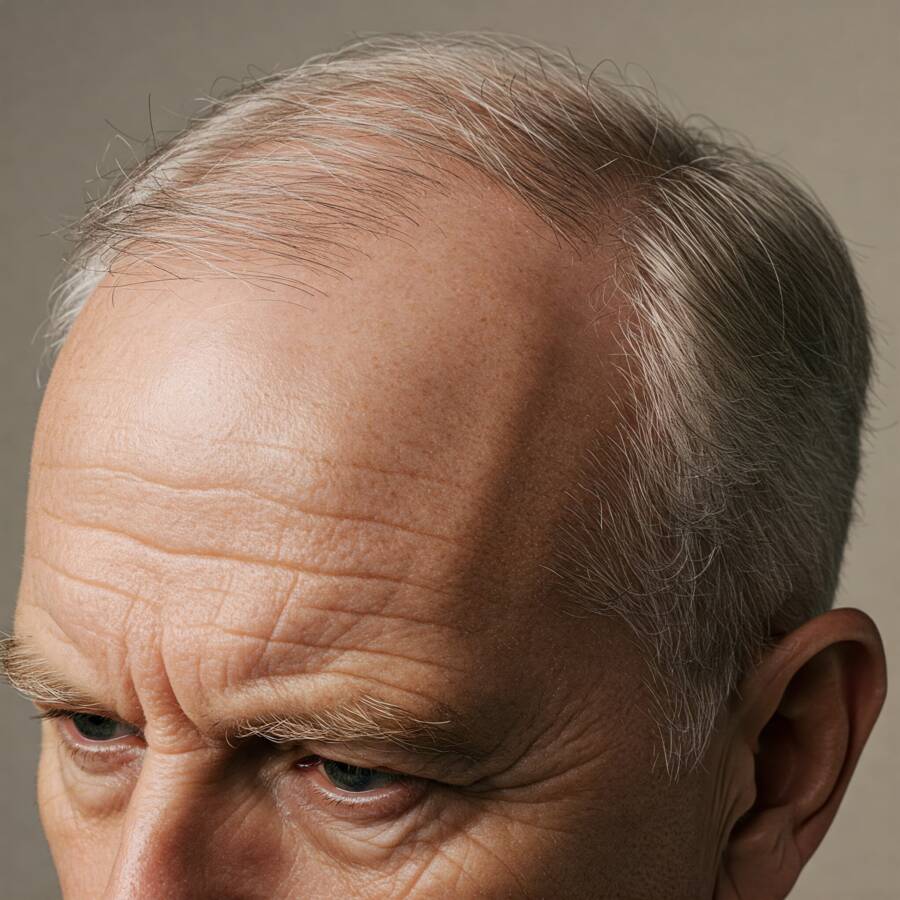
Hair loss often indicates low testosterone levels in both men and women. In men, insufficient testosterone can cause thinning hair on the scalp and body, leading to male-pattern baldness. This type of hair loss typically progresses gradually and can affect self-esteem and confidence.
Women may also face hair thinning or loss, especially on their scalps, due to hormonal changes. Unlike men, women generally preserve their hairlines, although overall hair volume may decrease. The connection between testosterone and hair follicles is intricate, as testosterone affects hair growth cycles.
Testosterone is an essential hormone that plays a crucial role in the health and well-being of both men and women. Its influence goes beyond reproduction, affecting key functions such as mood, cognitive performance, energy levels, and physical health. As testosterone naturally decreases with age or due to hormonal imbalances, various symptoms may arise. It is vital to identify these symptoms to address potential health problems. Consulting a healthcare professional and considering treatment options can help restore hormonal balance, thereby enhancing overall quality of life. Being aware of and actively managing testosterone levels can lead to improved health outcomes and greater well-being for individuals across all age groups.
If you want to read more about health and wellness, we recommend this article: 7 Uncommon Reasons You Can’t Shed Off the Pounds.







Leave a Reply