
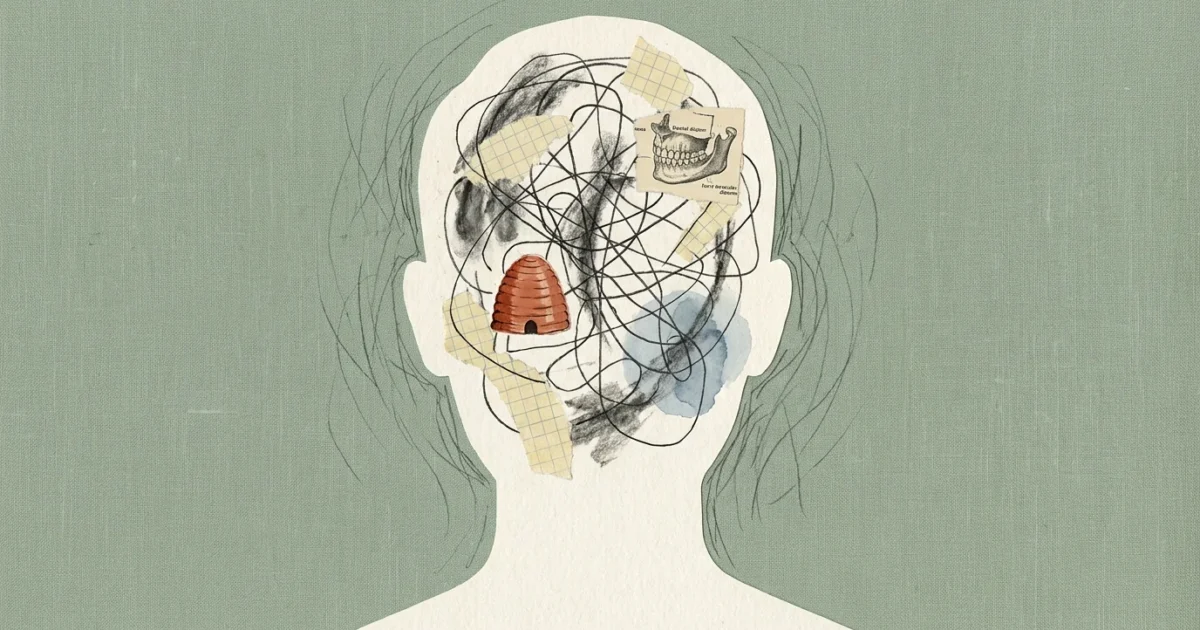
You likely recognize the classic signs of burnout—racing heartbeat, restless nights, and overwhelming fatigue—but chronic tension also triggers unexpected physical reactions you might never connect to your mental state. Uncovering these hidden stress symptoms gives you the power to address the root cause of seemingly random health issues before they escalate. While you might visit a dermatologist for sudden hives or a dentist for inexplicable tooth pain, your nervous system is often the true culprit orchestrating these bizarre biological changes. Learning to read your body’s subtle distress signals transforms how you approach your daily wellness routine. We explore the surprising ways your physical form demands attention when your mind carries too heavy a burden.
The Science Snapshot: How Tension Rewires Your Biology
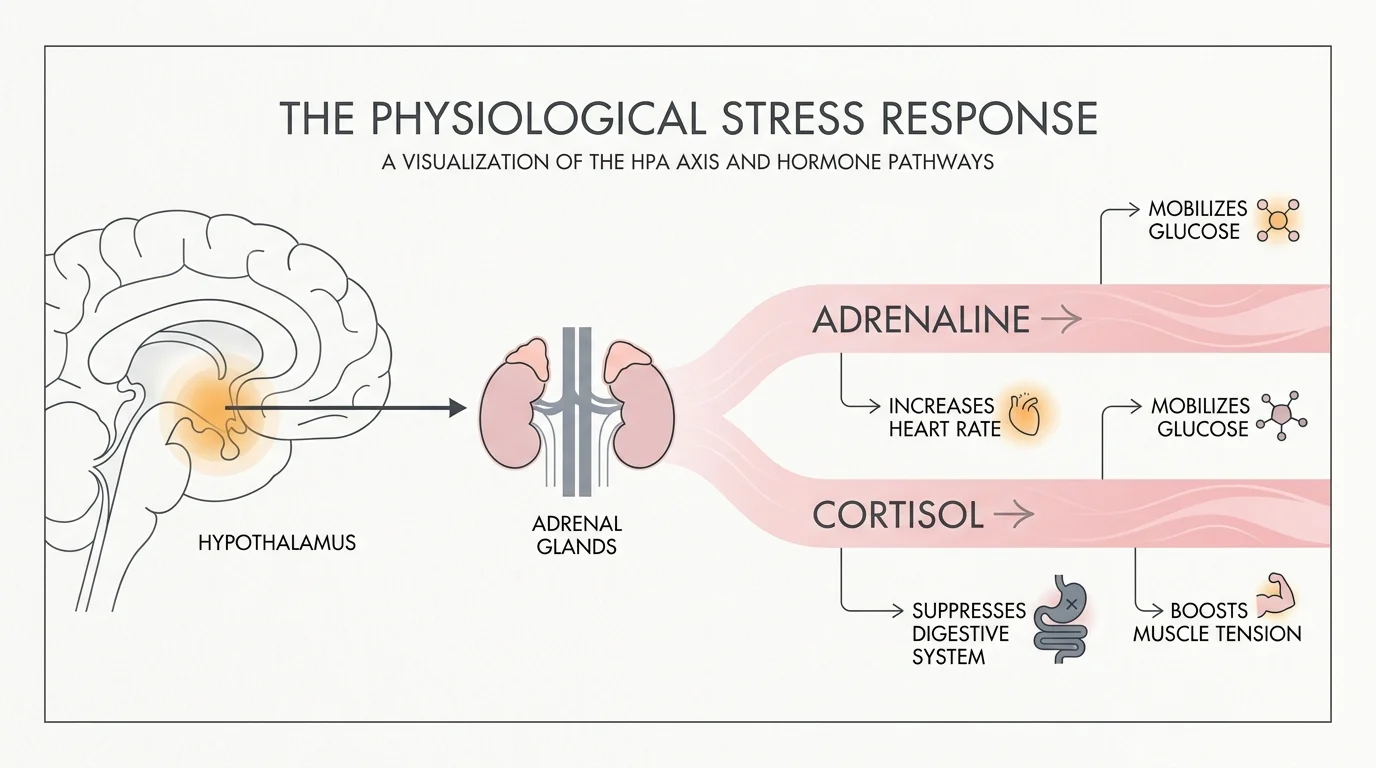
When you perceive a threat—whether it is a looming work deadline, financial instability, or a challenging personal relationship—your brain activates the hypothalamus. This tiny region at the base of your brain initiates an alarm system through your nerve and hormone signals. Your adrenal glands respond by releasing a surge of hormones, including adrenaline and cortisol. According to research published by the National Institute of Mental Health, this biological response evolved to protect you from immediate, life-threatening danger. Adrenaline increases your heart rate and elevates your blood pressure; cortisol alters your immune system responses and suppresses the digestive system, the reproductive system, and growth processes.
The problem arises when this fight-or-flight response stays turned on perpetually. The constant flood of stress hormones disrupts almost all your body’s processes. Over time, chronic activation of this survival mechanism forces your physiology to adapt in unusual ways. Your body attempts to find new pathways to release pent-up energy and signal distress, manifesting as strange physical ailments that baffle both you and sometimes your primary care provider. Understanding this physiological cascade helps you recognize that these symptoms are not random failures of your biology, but rather highly coordinated, albeit misguided, defense mechanisms.
Eight Unexpected Physical Health Signs of Emotional Strain

1. Bleeding Gums and Oral Health Decline
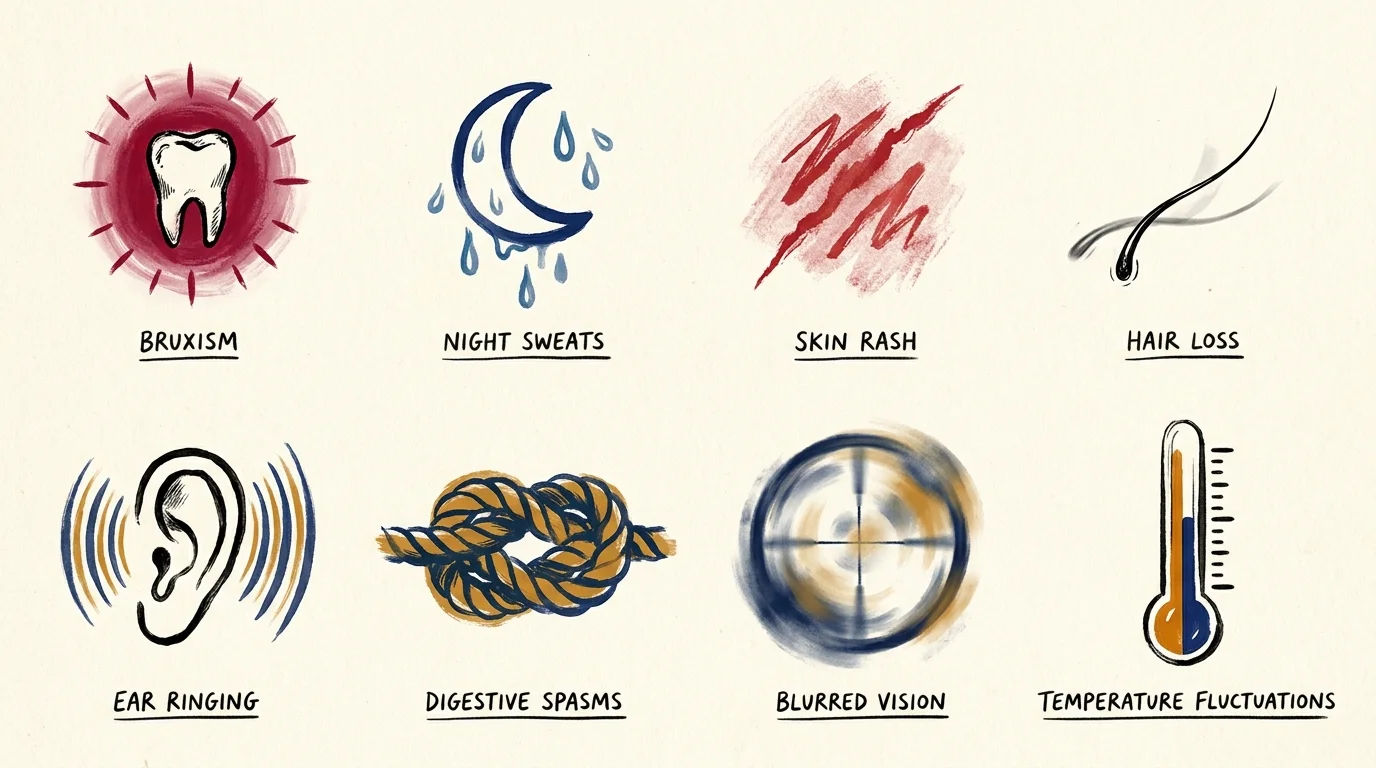
You might pride yourself on impeccable dental hygiene, yet still find your gums bleeding when you brush. Chronic emotional strain elevates your cortisol levels, which actively suppresses your immune system. This suppression reduces your body’s ability to fight off the naturally occurring bacteria in your mouth, making your gums highly susceptible to inflammation and infection. Furthermore, prolonged tension frequently leads to bruxism—the unconscious grinding and clenching of your teeth, particularly while you sleep. This immense pressure damages the periodontal ligaments supporting your teeth, leading to increased sensitivity, receding gums, and persistent jaw pain that migrates up to your temples.
2. Bizarre Dreams and Intense Night Sweats
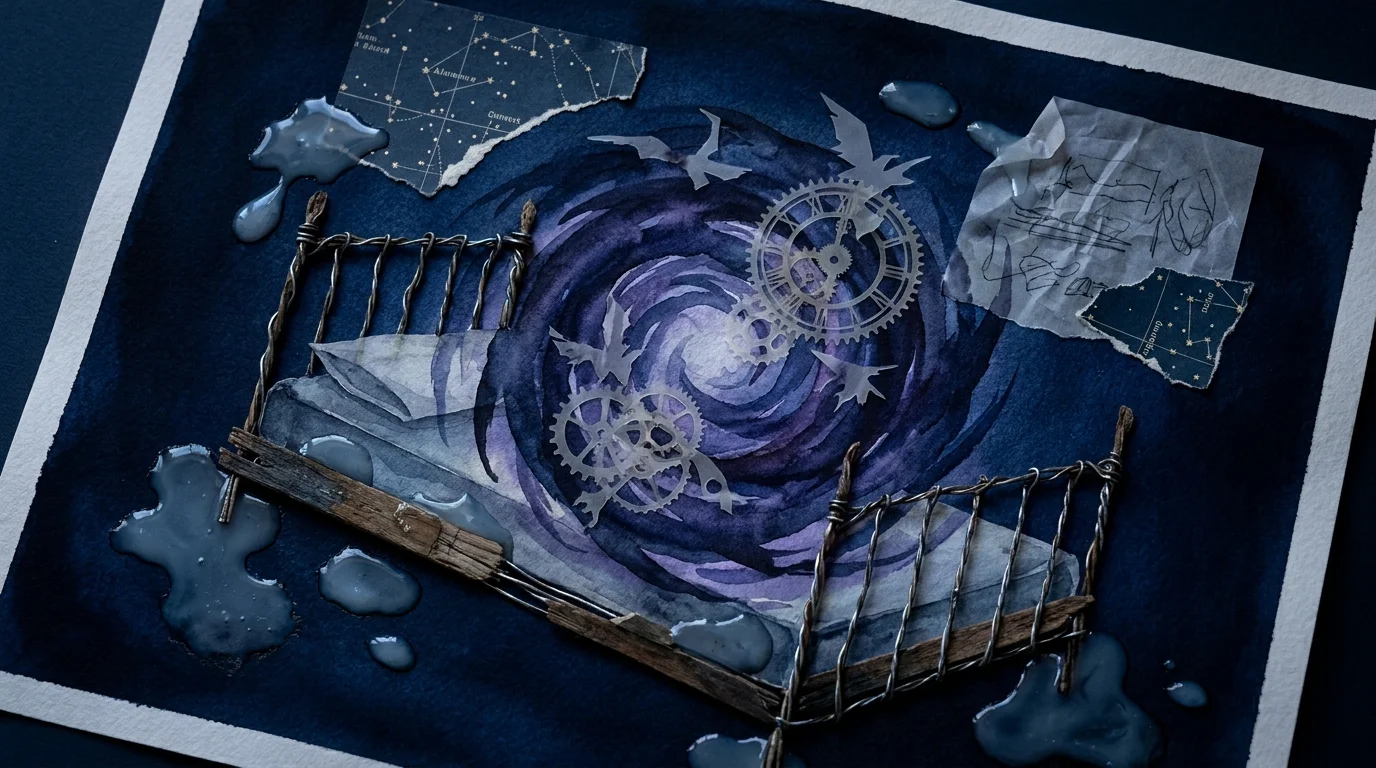
While you might expect anxiety to cause insomnia, it also dramatically alters the architecture of your sleep once you finally drift off. Your brain uses Rapid Eye Movement (REM) sleep to process emotional experiences. When you carry excessive emotional baggage into the night, your brain works overtime to categorize and store these intense feelings, resulting in vivid, bizarre, or terrifying dreams. Accompanying these cinematic nightmares, you might experience severe night sweats. Your autonomic nervous system regulates your core body temperature; when it remains hyperactive due to unresolved daily tension, it misfires during the night, causing inappropriate sweating as though you were running a marathon in your sleep.
3. Sudden Itchy Rashes and Unexplained Hives
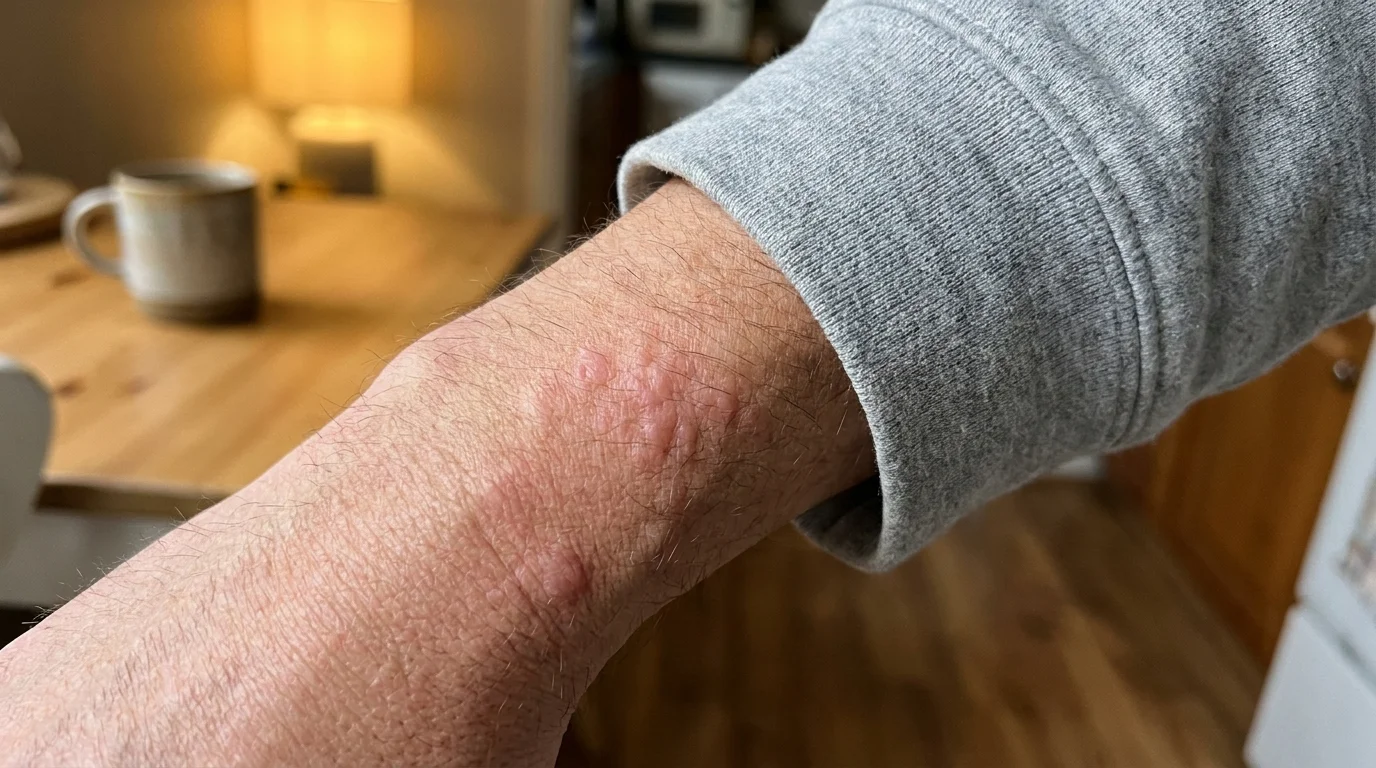
You might suddenly develop red, intensely itchy welts on your stomach, back, or arms without any change in your diet or laundry detergent. When your body operates under persistent strain, your immune system frequently becomes dysregulated. Your mast cells—the immune cells responsible for allergic reactions—become destabilized by the neuropeptides released during emotional distress. These cells unexpectedly dump histamine into your bloodstream, triggering severe hives and rashes. Stress also degrades the epidermal barrier of your skin, making you more vulnerable to environmental irritants and exacerbating pre-existing conditions like eczema and psoriasis.

4. Unexplained Hair Loss Months Later
Finding clumps of hair in your shower drain is alarming, but the root cause often traces back to an emotional event that occurred three to four months prior. This condition, known as telogen effluvium, happens when a significant psychological shock pushes a disproportionately large number of your hair follicles into a resting phase simultaneously. As detailed by the American Academy of Dermatology, these resting hairs eventually fall out en masse. Because of the delayed reaction, you might not connect your current hair loss to the intensive project you finished last quarter or the family crisis you navigated over the holidays.
5. Ringing Ears and Auditory Changes
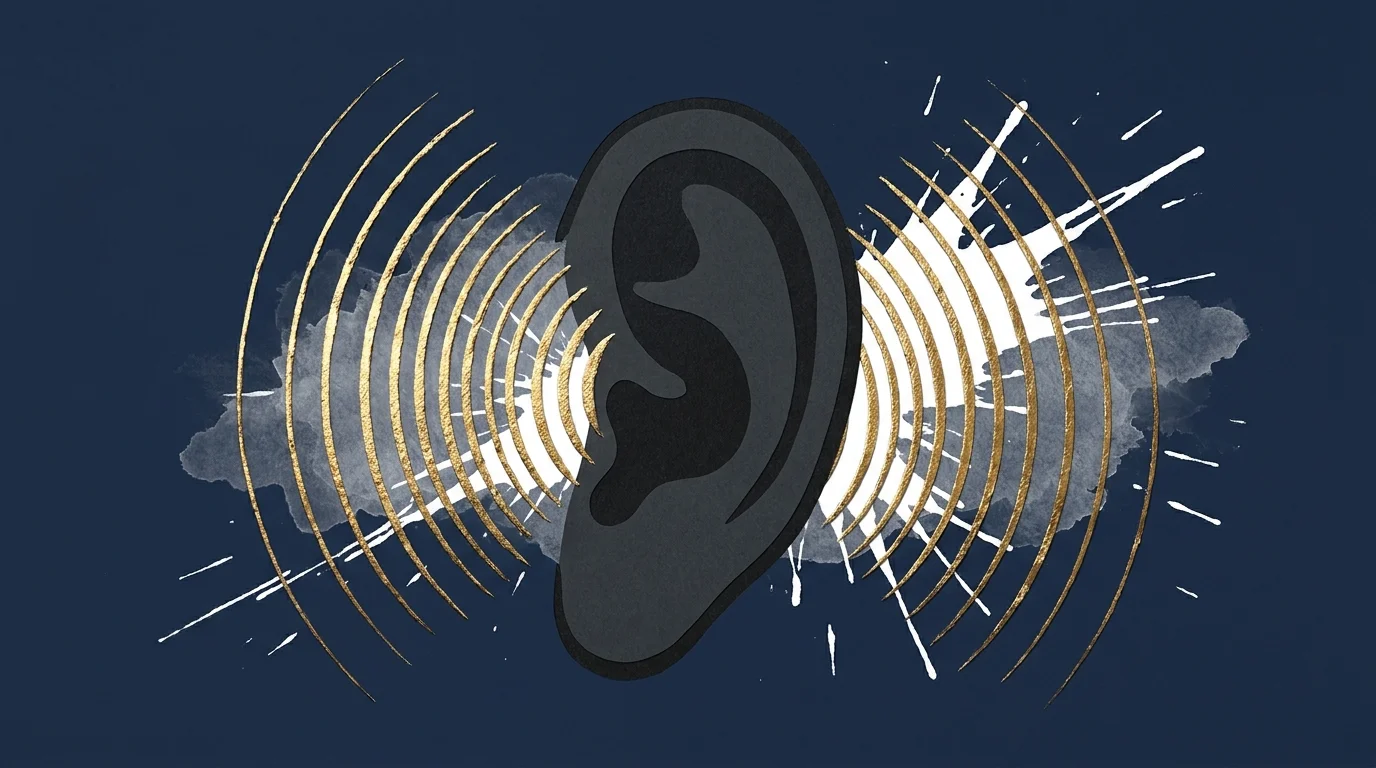
Tinnitus—a persistent ringing, buzzing, or hissing sound in your ears—often fluctuates with your emotional state. The delicate structures of your inner ear depend on a steady, robust supply of oxygen-rich blood. High levels of stress hormones cause systemic vasoconstriction, narrowing your blood vessels and reducing crucial blood flow to these auditory receptors. Additionally, a hyperactive nervous system heightens your sensory perception, making you acutely aware of phantom sounds that your brain normally filters out. If you notice a high-pitched ringing that intensifies after a difficult meeting, your nervous system is likely sounding a literal alarm.

6. Digestive Spasms and Phantom Nausea
Your gut and brain share a profound connection known as the gut-brain axis, communicating continuously via the vagus nerve. When your brain perceives a threat, it intentionally shunts blood away from your digestive tract to supply your skeletal muscles with the energy needed to run or fight. This biological shift halts digestion, leading to unexpected waves of phantom nausea, intense stomach cramps, or sudden bouts of diarrhea. Even if you eat a perfectly balanced diet, living in a state of high alert prevents your gastrointestinal system from functioning smoothly, transforming everyday meals into sources of severe discomfort.
7. Blurred Vision and Eyelid Twitching
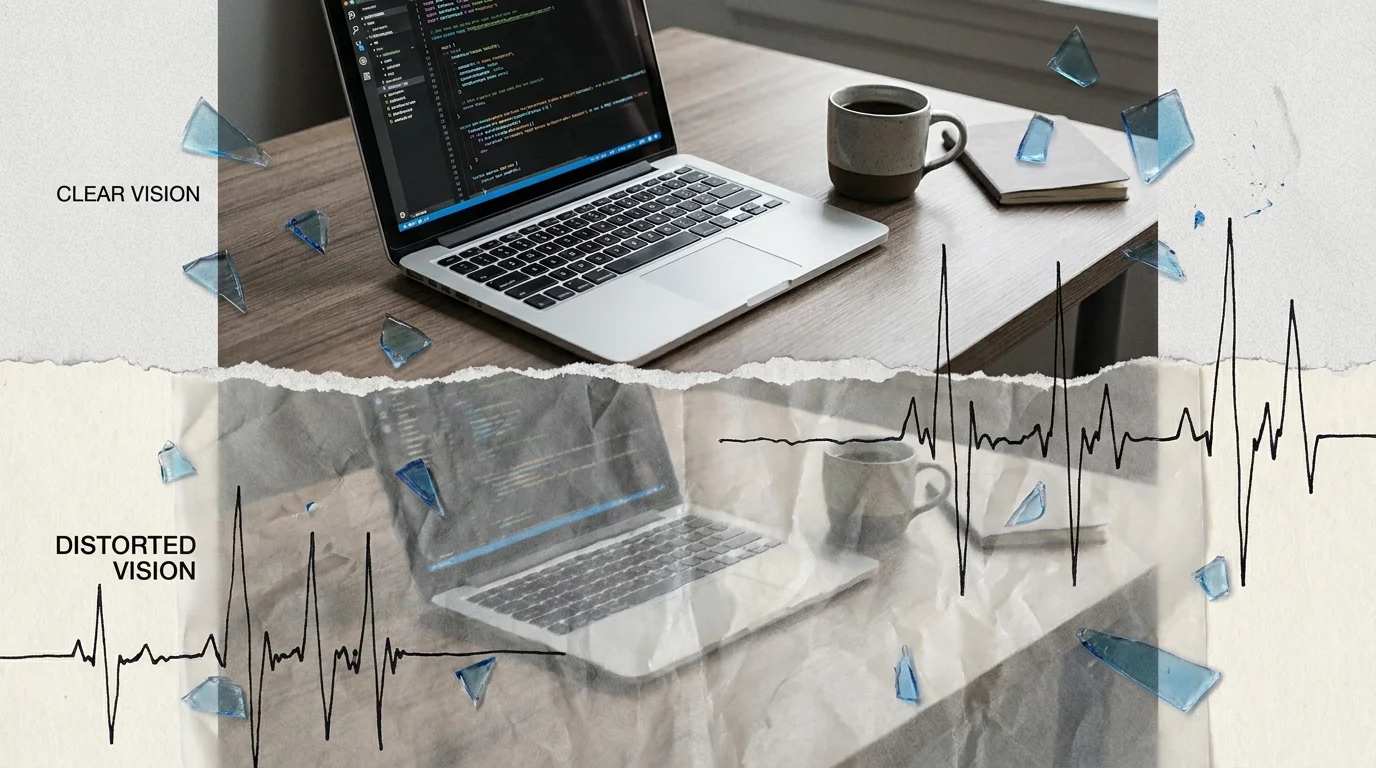
If you catch yourself repeatedly rubbing your eyes or waiting for a frustrating eyelid flutter to stop, you are experiencing common neurological manifestations of exhaustion. The biological imperative of the fight-or-flight response dilates your pupils, allowing more light in to help you spot potential threats. Constant dilation tires the tiny ciliary muscles in your eyes, causing difficulty focusing and intermittent blurred vision. Meanwhile, myokymia—the involuntary spasming of the eyelid muscles—is directly triggered by the excitatory neurotransmitters flooding your system. These spasms serve as an undeniable physical metric of your internal fatigue.
8. Temperature Fluctuations and Cold Sweats
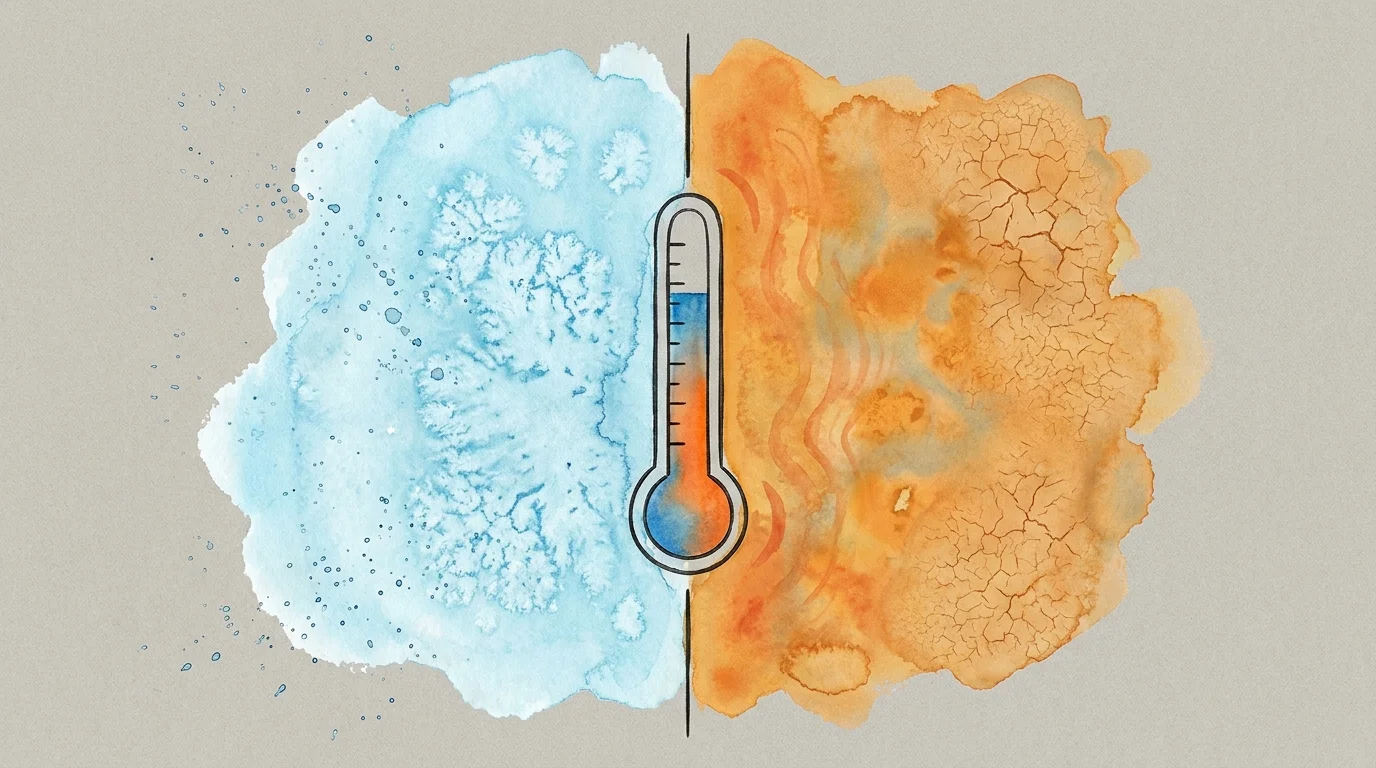
Feeling inexplicably chilled in a warm room or breaking into a cold sweat while sitting at your desk are powerful indicators of an overwhelmed sympathetic nervous system. Adrenaline dramatically alters your circulation, frequently pulling blood away from your extremities to protect your vital organs. This vascular shifting leaves your hands and feet feeling icy to the touch. Simultaneously, adrenaline activates your sweat glands, leading to the deeply uncomfortable sensation of sweating while shivering. Your body’s internal thermostat loses its calibration when forced to operate constantly under the influence of survival hormones.
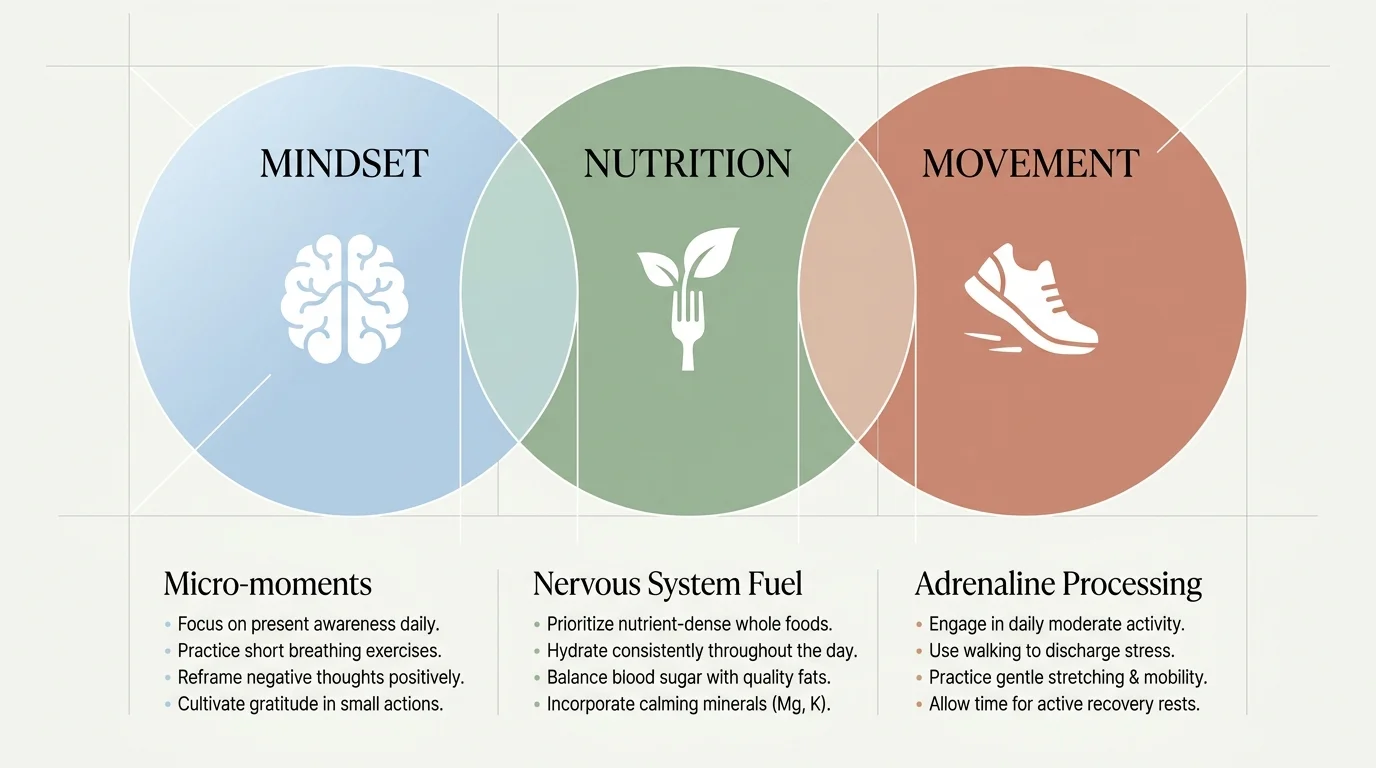
Strategy Pillars: Actionable Steps to Restore Balance

Reframe Your Mindset Through Micro-Moments
You do not need an hour of meditation to begin regulating your nervous system; micro-moments of intentional presence offer profound relief. Incorporate physiological sighs into your daily routine—take two quick inhales through your nose, followed by one long, slow exhale through your mouth. This specific breathing pattern rapidly offloads carbon dioxide and signals to your brain that the immediate threat has passed. Try setting a timer to practice this breathing technique for just two minutes every few hours. Reframing your mindset also involves acknowledging your emotional limits without judgment, giving yourself permission to step away from triggering environments when your biological alarms begin to sound.

Nourish the Nervous System with Strategic Nutrition
During periods of high tension, your body burns through essential vitamins and minerals at an accelerated rate. Focus on replenishing magnesium, a vital mineral rapidly depleted by cortisol that plays a critical role in muscle relaxation and neurological stability. Incorporate dark leafy greens, pumpkin seeds, and almonds into your daily meals. Prioritize complex carbohydrates and lean proteins to keep your blood sugar stable; drastic spikes and crashes in glucose mimic the physiological effects of panic, exacerbating feelings of anxiety. As noted in guidelines from the Centers for Disease Control and Prevention, limiting your caffeine and alcohol intake significantly improves your sleep architecture and overall emotional resilience.

1. Kicking
2. up
3. autumn
4. leaves
5. during
6. a
7. twiligh
Process Adrenaline Through Purposeful Movement
When your bloodstream is flooded with survival hormones, forcing yourself to sit still frequently worsens your physical discomfort. You must complete the biological stress cycle by allowing your body to move and process the adrenaline. However, punishing your already exhausted body with extreme high-intensity workouts often backfires, generating even more cortisol. Instead, engage in purposeful, rhythmic movement. Brisk walking, swimming, or somatic shaking—literally shaking your arms and legs to release muscular tension—helps metabolize lingering hormones. Aim for movement that leaves you feeling energized and centered, rather than depleted and sore.

Seek Professional Medical Care When Necessary
While lifestyle adjustments provide powerful relief, you must never dismiss persistent physical symptoms as merely psychological. Unexplained hair loss, severe digestive distress, and skin rashes share clinical presentations with autoimmune diseases, thyroid dysfunction, and other serious medical conditions. You should partner with your healthcare provider to run comprehensive blood panels, ruling out underlying physiological pathologies. A collaborative approach—combining the expertise of a primary care physician, a registered dietitian, and a mental health professional—ensures you address your symptoms holistically and safely.

Real Voices: Clinical Perspectives on Body Health
Integrative physicians and clinical psychologists routinely observe the profound disconnect between modern lifestyles and biological needs. Many specialists emphasize that physical symptoms act as the body’s final attempt to communicate boundaries that the mind has repeatedly ignored. Patients who successfully reverse chronic symptoms often share a similar breakthrough: they stopped treating their physical ailments as enemies to be silenced and started viewing them as messengers requiring a response. One clinical perspective frequently shared in trauma-informed therapy highlights that your body keeps a meticulous score of your emotional experiences. Healing requires you to rebuild trust with your physical form, listening to its subtle cues before it is forced to scream for your attention.
Frequently Asked Questions About Hidden Stress
How long does it take for physical symptoms to disappear once I manage my tension?
Your body operates on its own timeline, heavily influenced by how long you have been experiencing chronic activation. While nervous system regulation techniques like deep breathing lower your heart rate in minutes, systemic issues like hair loss or digestive spasms often take three to six months to fully resolve. Your biology requires consistent, prolonged safety signals to repair the cellular damage caused by long-term cortisol exposure. Patience and consistency in your wellness routine are essential.
Can hidden strain cause permanent physical damage?
If left completely unaddressed for years, an overactive autonomic nervous system contributes to severe, chronic health conditions. Prolonged high blood pressure damages blood vessels, raising your risk for cardiovascular disease; continuous digestive suppression leads to chronic gastrointestinal disorders; and relentless immune suppression leaves you vulnerable to frequent infections. However, the human body exhibits remarkable neuroplasticity and regenerative capabilities. By intervening early and implementing sustainable lifestyle changes, you dramatically reduce your risk of permanent harm and support profound physical healing.
How do I know if my skin rash is an allergy or a biological response to overwhelm?
Distinguishing between an environmental allergy and a stress-induced rash often requires careful observation and professional guidance. Allergic rashes typically appear shortly after exposure to a specific trigger—like a new cosmetic, a specific food, or pet dander—and respond quickly to antihistamines. Rashes driven by emotional strain often flare up during periods of high pressure, migrate across different parts of your body, and persist despite standard allergy treatments. Tracking your symptom flare-ups alongside your daily mood in a journal provides vital clues for you and your dermatologist.
Should I see a primary care doctor or a therapist for these physical ailments?
You should start by consulting a primary care physician to rule out acute medical emergencies or underlying physiological diseases. Once your doctor confirms that your blood work and organ functions are normal, bringing a licensed therapist into your care team provides the targeted emotional support necessary for holistic recovery. The World Health Organization advocates for integrated care models, recognizing that mental and physical health are inextricably linked. Working with both medical and psychological professionals ensures you attack the problem from every necessary angle.
Your First Step Toward Lasting Relief
Pick one small ritual today to begin rebuilding communication with your physical form. You do not need to overhaul your entire life by tomorrow morning. Start by setting a gentle alarm for midday to conduct a thirty-second body scan—noticing where you hold tension in your jaw, dropping your shoulders away from your ears, and taking a single, deliberate breath. Every time you consciously release physical bracing, you send a powerful message of safety to your nervous system. By honoring your body’s strange signals rather than fighting them, you pave the way for resilient, sustainable health and enduring peace of mind.









Leave a Reply