
Protecting your liver function translates directly to sustained daily energy, clearer skin, and better metabolic balance. Recognizing the subtle signs of liver problems allows you to make early, effective lifestyle adjustments before serious complications arise. Your liver acts as the ultimate filter, processing nutrients, clearing toxins, and managing complex metabolic pathways around the clock. When this vital organ becomes overburdened by environmental stressors, inadequate nutrition, or sedentary habits, it signals its distress through quiet but distinct physical changes. Understanding these liver warning signs gives you a clear roadmap to restore optimal hepatic function through targeted nutrition, strategic movement, and comprehensive medical care.
The Science Behind Hepatic Function and Regeneration
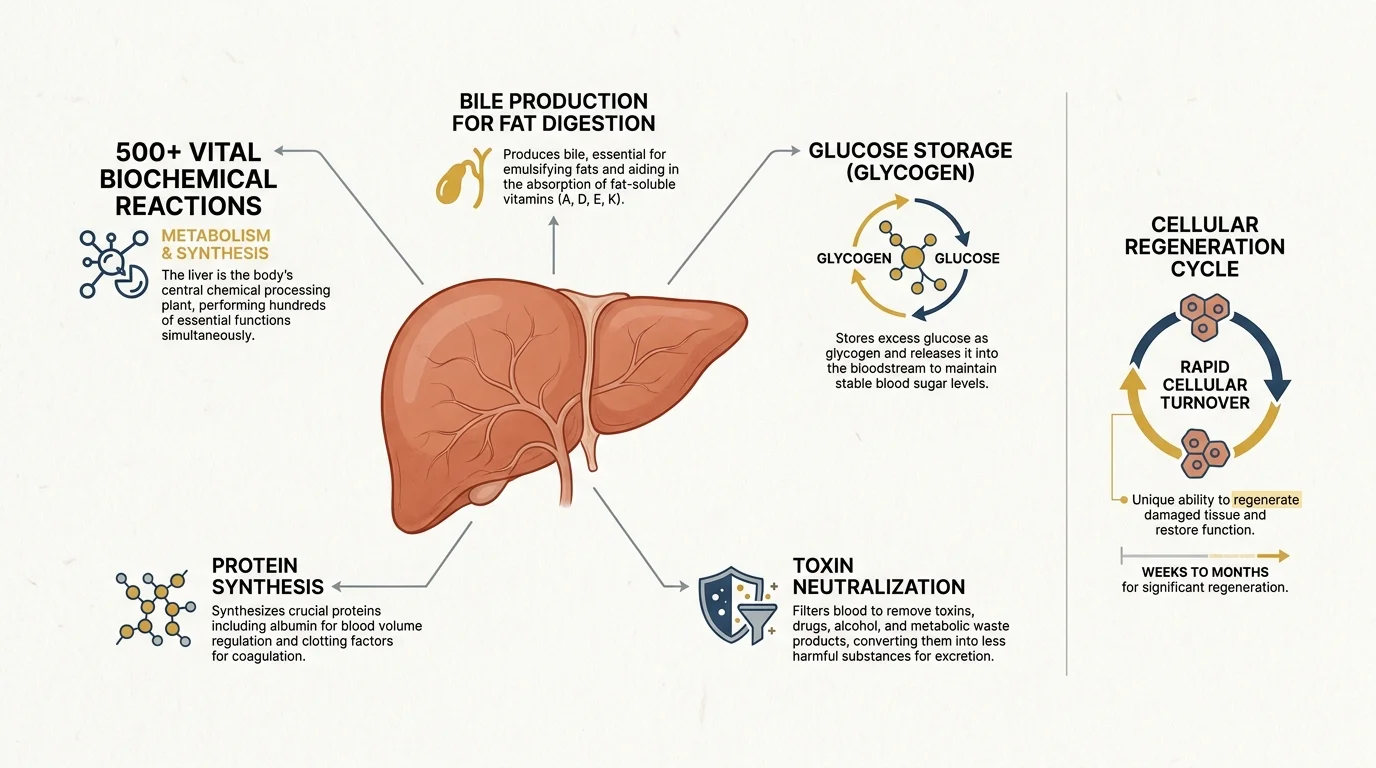
Your liver orchestrates over 500 vital biochemical reactions every single day. It produces bile to digest fats, stores glucose for energy, synthesizes crucial blood proteins, and neutralizes harmful substances before they reach your bloodstream. Despite its remarkable ability to regenerate damaged tissue, chronic exposure to metabolic stress eventually compromises this resilience. Medical professionals increasingly observe a rise in metabolic dysfunction-associated steatotic liver disease across diverse populations, a condition primarily driven by modern dietary patterns and sedentary lifestyles. When hepatic cells accumulate excess fat, the organ experiences persistent inflammation, triggering a cascade of systemic issues. Data from the National Institute of Diabetes and Digestive and Kidney Diseases indicates that early intervention dramatically improves clinical outcomes. Because the liver lacks pain receptors, early cellular damage often occurs silently; therefore, recognizing the systemic physical manifestations of hepatic stress remains your most powerful tool for proactive prevention.

7 Crucial Signs Your Liver May Need More Support

1. Pervasive and Unexplained Fatigue
Pervasive and unexplained fatigue often serves as the earliest indicator of diminished hepatic function. Your liver plays a critical role in energy metabolism by converting glucose into glycogen and storing it for later use. When liver health declines, this efficient storage mechanism falters, leaving your body struggling to maintain steady blood sugar levels throughout the day. You might experience profound exhaustion that sleep fails to resolve. Because systemic inflammation accompanies liver stress, your immune system continuously consumes vital energy reserves to manage the internal crisis. Paying attention to sudden shifts in your daily stamina provides critical insight into your metabolic health.
2. Noticeable Skin and Eye Discoloration
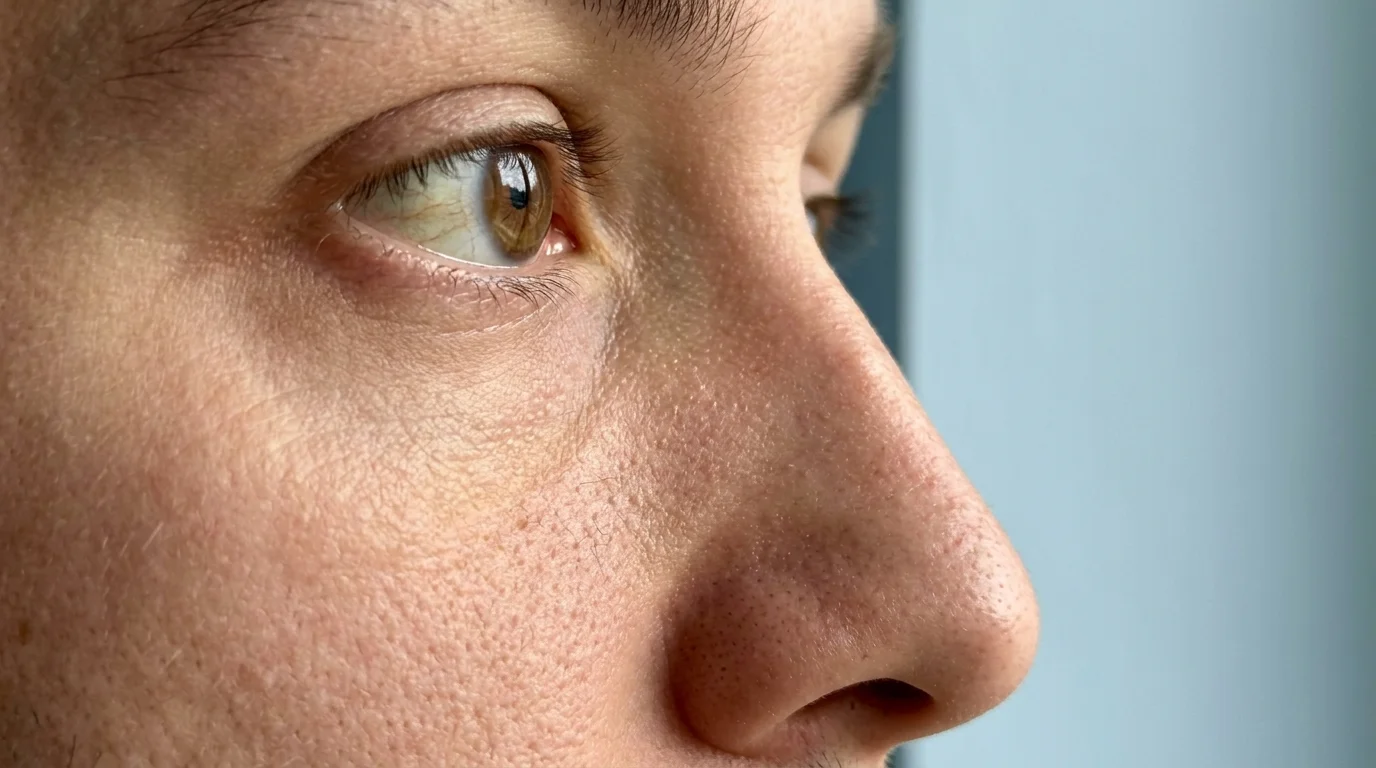
Noticeable yellowing of your skin or the whites of your eyes—medically known as jaundice—signals an immediate need for medical evaluation. This discoloration occurs when bilirubin, a yellowish pigment created during the normal breakdown of red blood cells, builds up in your bloodstream. A healthy liver effectively filters bilirubin and excretes it through bile; however, an overburdened liver struggles to process this byproduct. You might first notice a slight yellow tint in the corners of your eyes before it progresses to your skin. Treat these changes as an urgent communication requiring professional diagnostic testing rather than masking them with cosmetic products.
3. Abdominal Swelling and Discomfort
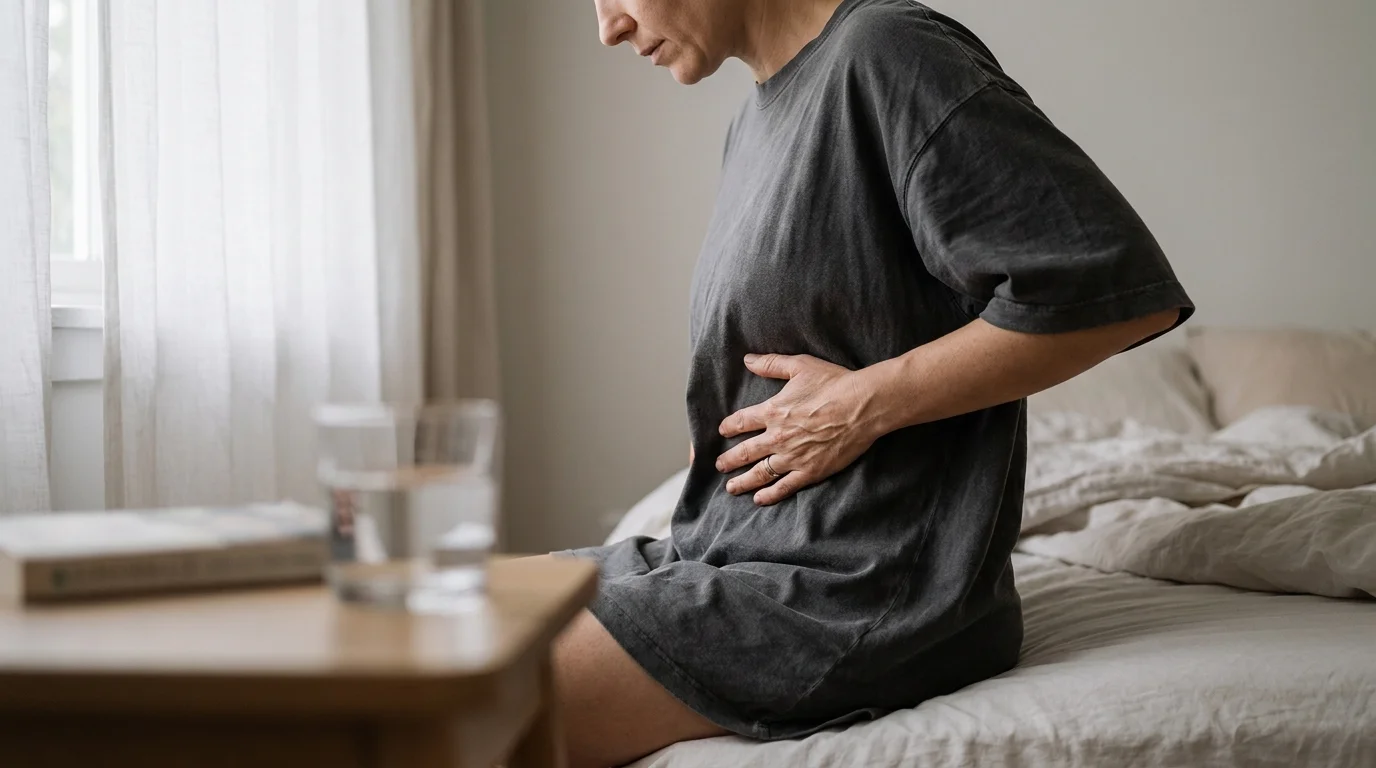
Abdominal swelling and persistent right-sided discomfort point toward structural changes within your hepatic system. While the liver itself cannot feel pain, it sits encased in a sensitive membrane called Glisson’s capsule. When inflammation causes the liver tissue to enlarge, it stretches this capsule, generating a dull, aching sensation in your upper right abdomen. In more advanced stages of liver distress, increased pressure in the blood vessels pushes fluid into the abdominal cavity, creating severe swelling known as ascites. Never dismiss localized abdominal tightness or unexplained waistline expansion as mere digestive bloating.
4. Persistent Skin Itchiness
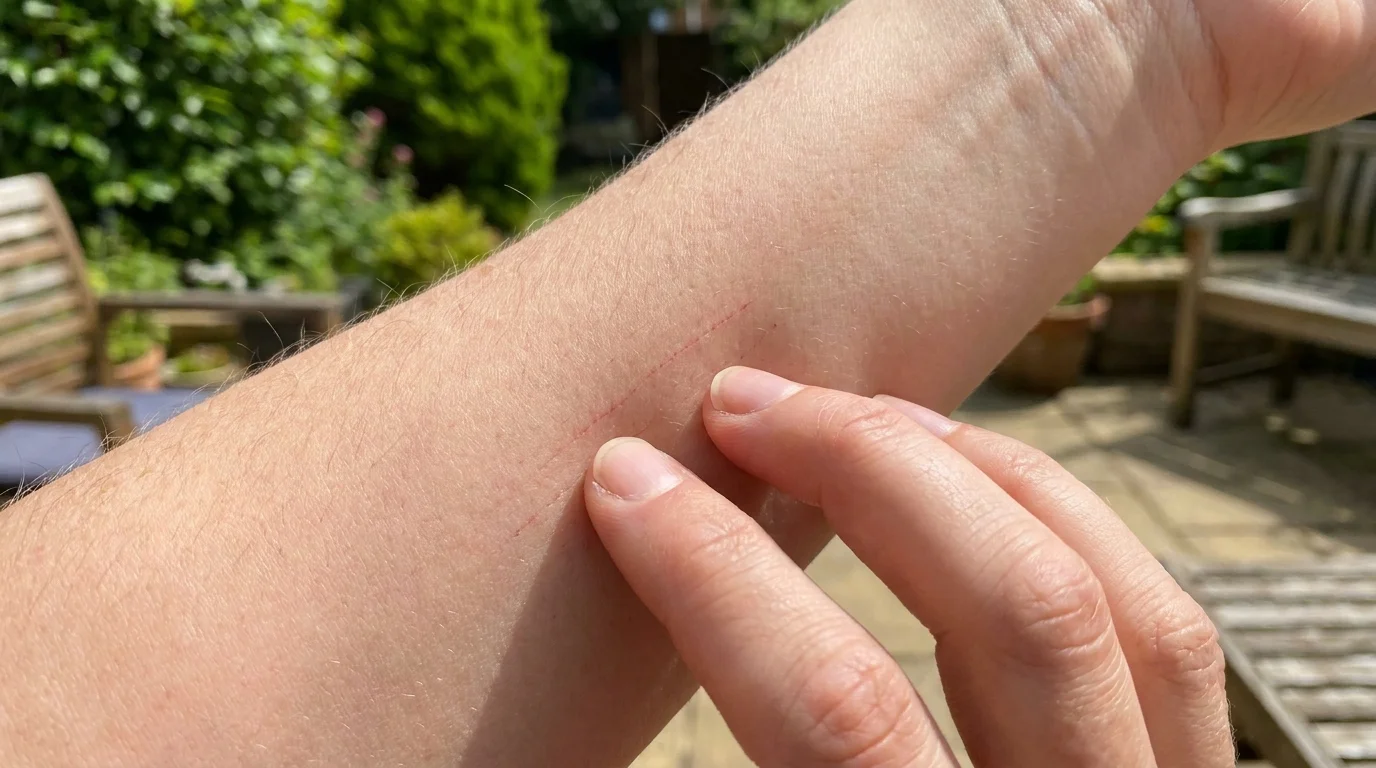
Persistent skin itchiness without an accompanying rash frequently links back to underlying liver dysfunction. When bile ducts become sluggish, bile salts intended for your digestive tract leak into your bloodstream and accumulate in your skin tissues. This condition, called pruritus, often intensifies during the evening and disproportionately affects the palms of your hands and the soles of your feet. Scratching rarely provides lasting relief. If you battle full-body itchiness despite using heavy moisturizers, your hepatic system may require targeted medical support to restore proper bile flow and clear these accumulated salts from your peripheral tissues.
5. Dark Urine and Pale Stool
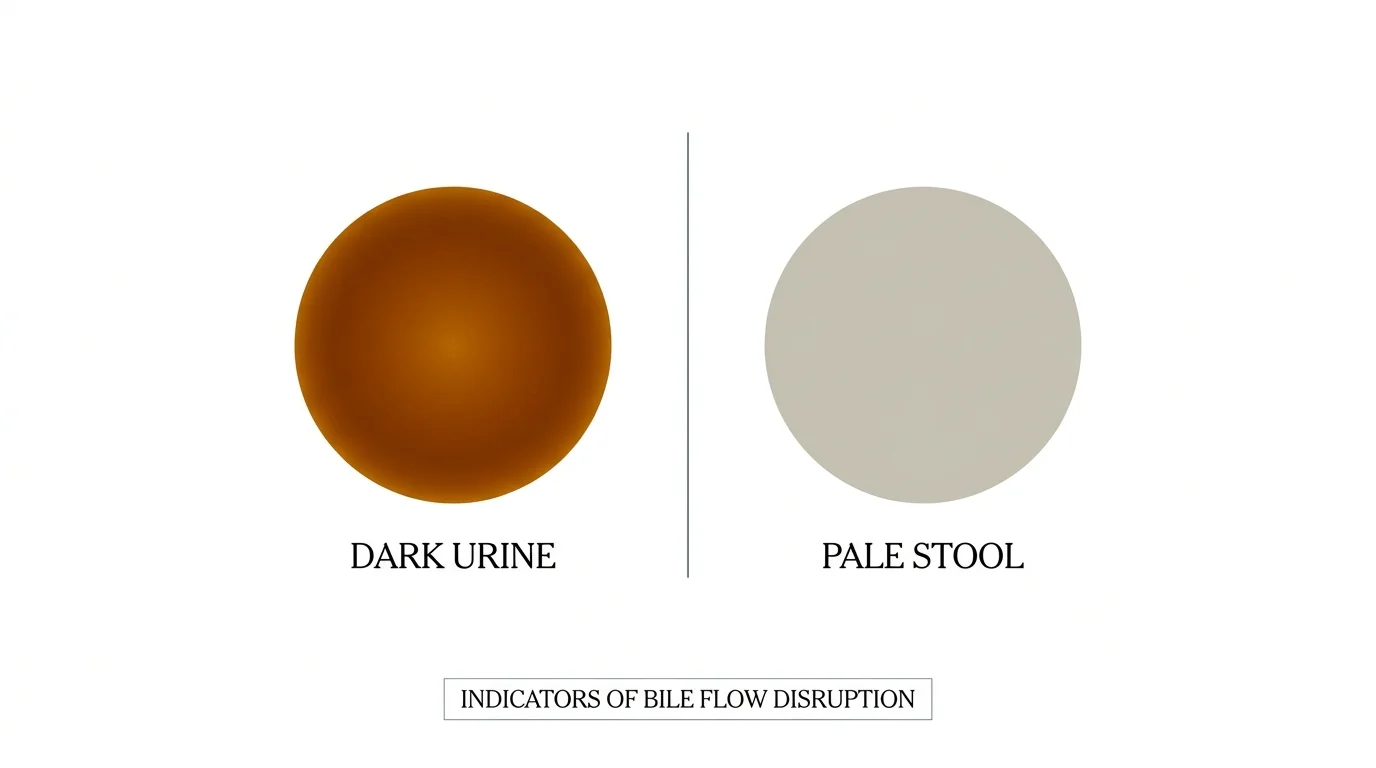
Significant changes in the color of your urine and stool offer direct visual feedback regarding your bile production. A well-functioning liver secretes bile that eventually gives stool its characteristic brown color. When liver pathways face obstruction, your stool may appear pale, clay-colored, or excessively greasy due to undigested dietary fats. Conversely, excess bilirubin spilling into your kidneys turns your urine a dark amber or brownish color, even when you maintain adequate daily hydration. Monitoring these excretory functions allows you to track your internal liver health directly.
6. Cognitive Sluggishness and Confusion
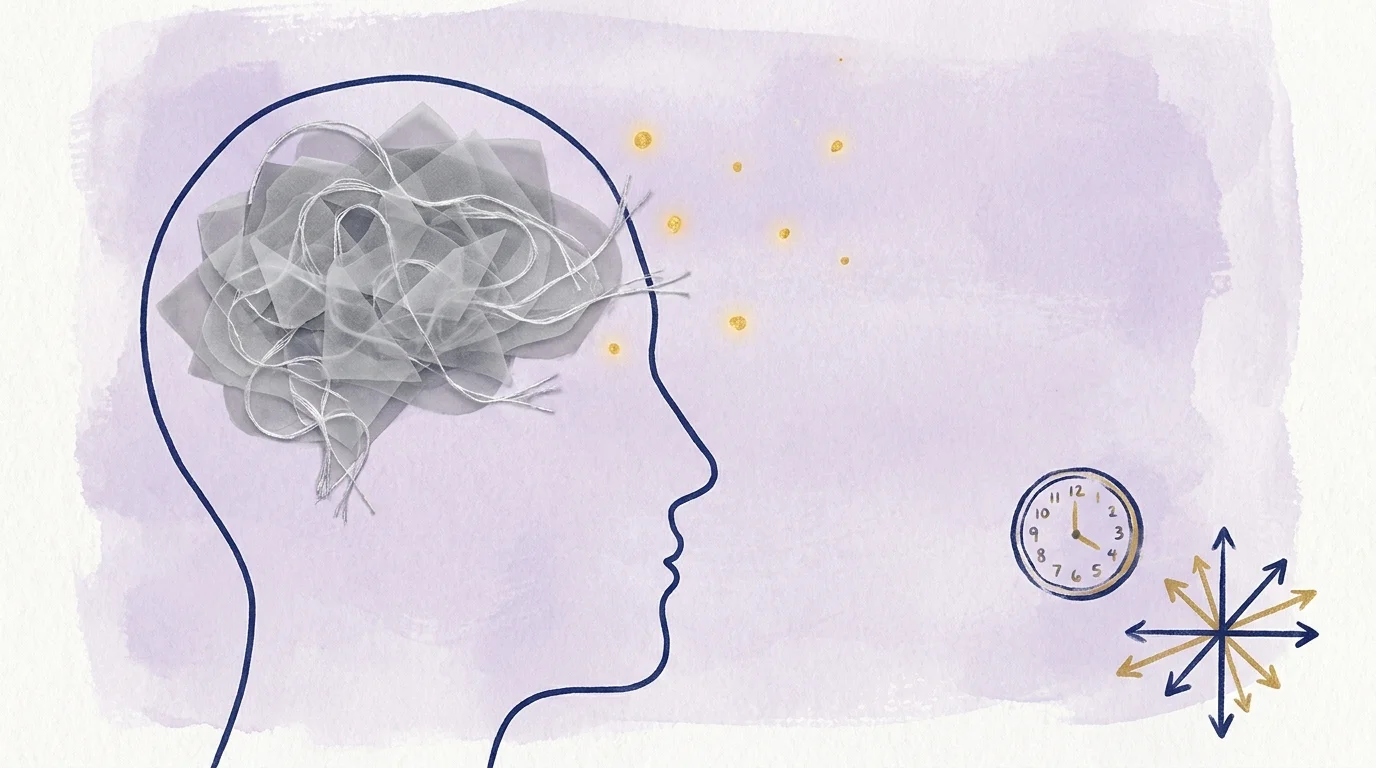
Cognitive sluggishness, frequent confusion, and severe brain fog demonstrate how liver health directly influences your neurological function. Your hepatic system neutralizes circulating toxins, including ammonia produced during protein digestion. When liver filtration slows down, ammonia bypasses the liver and crosses the blood-brain barrier, directly interfering with neurotransmitter function. You may struggle to concentrate on familiar tasks, forget important appointments, or experience sudden changes in your sleep patterns. While many people attribute this mental haziness to stress or aging, evaluating your liver health can uncover the true metabolic root of your cognitive decline.
7. Easy Bruising and Prolonged Bleeding
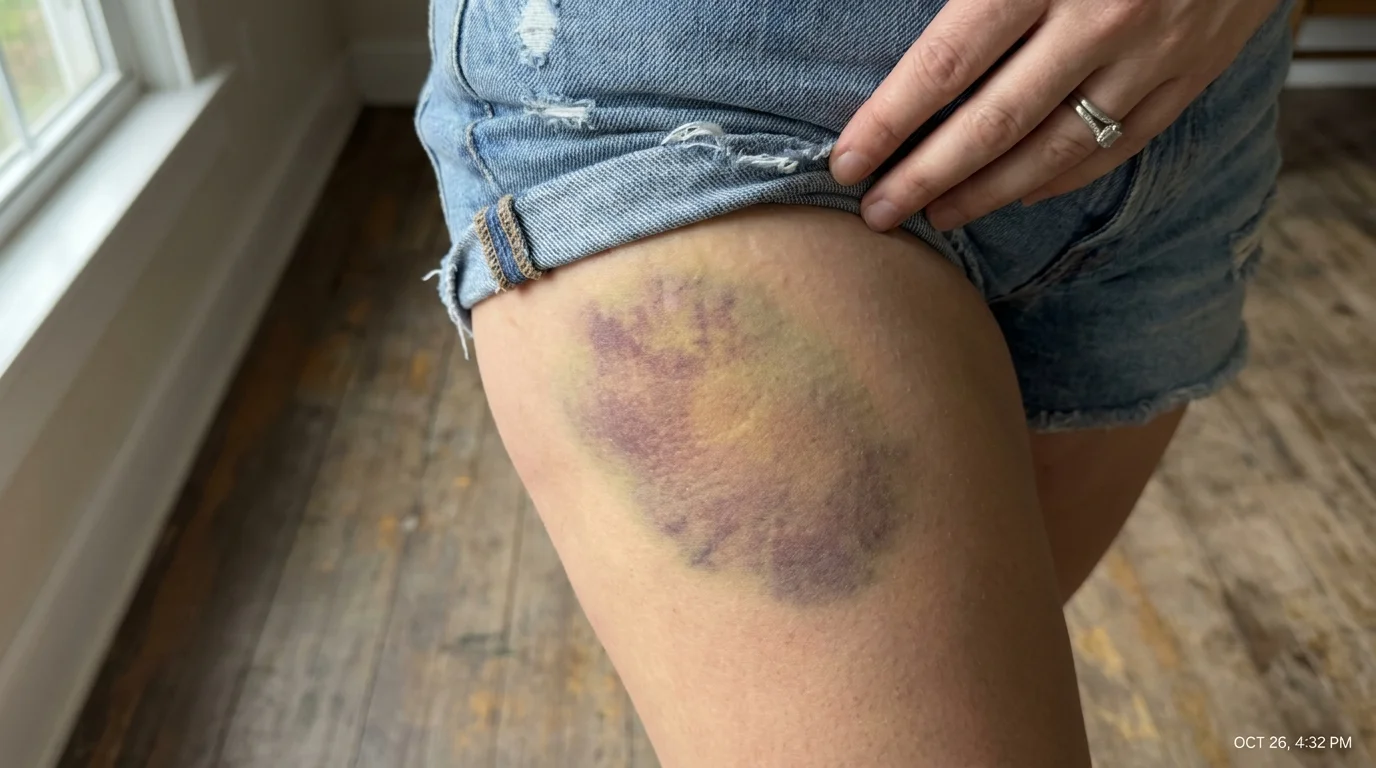
Unexplained bruising and prolonged bleeding after minor injuries reveal a breakdown in your liver’s protein synthesis capabilities. Your liver manufactures the majority of the blood-clotting factors your body needs to heal wounds. As hepatic function diminishes, the production of these crucial proteins drops significantly. You might notice large, dark bruises forming from trivial bumps, frequent nosebleeds, or bleeding gums during routine dental care. Recognizing this symptom empowers you to request specific coagulation panel blood tests during your next physician visit to ensure your blood maintains its necessary clotting mechanisms.
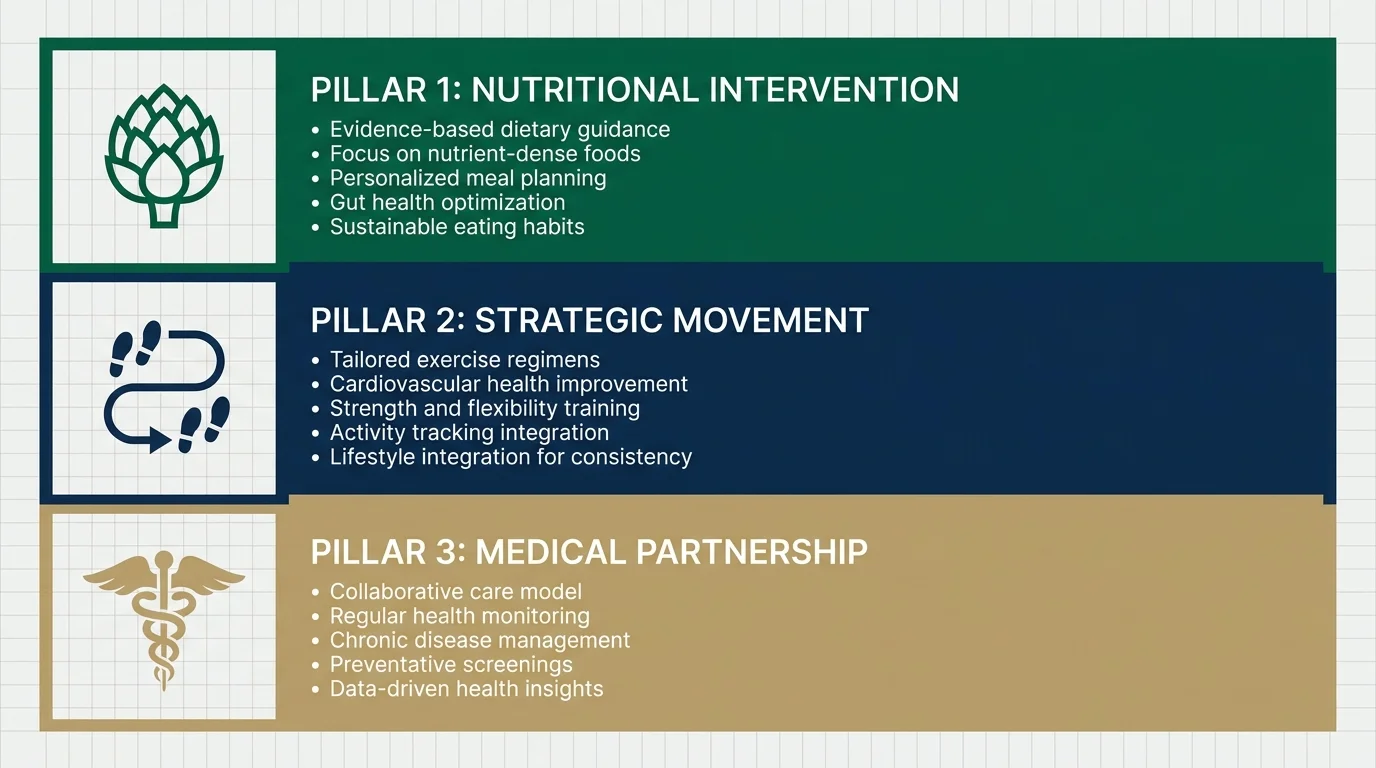
Strategy Pillars for Sustained Liver Support
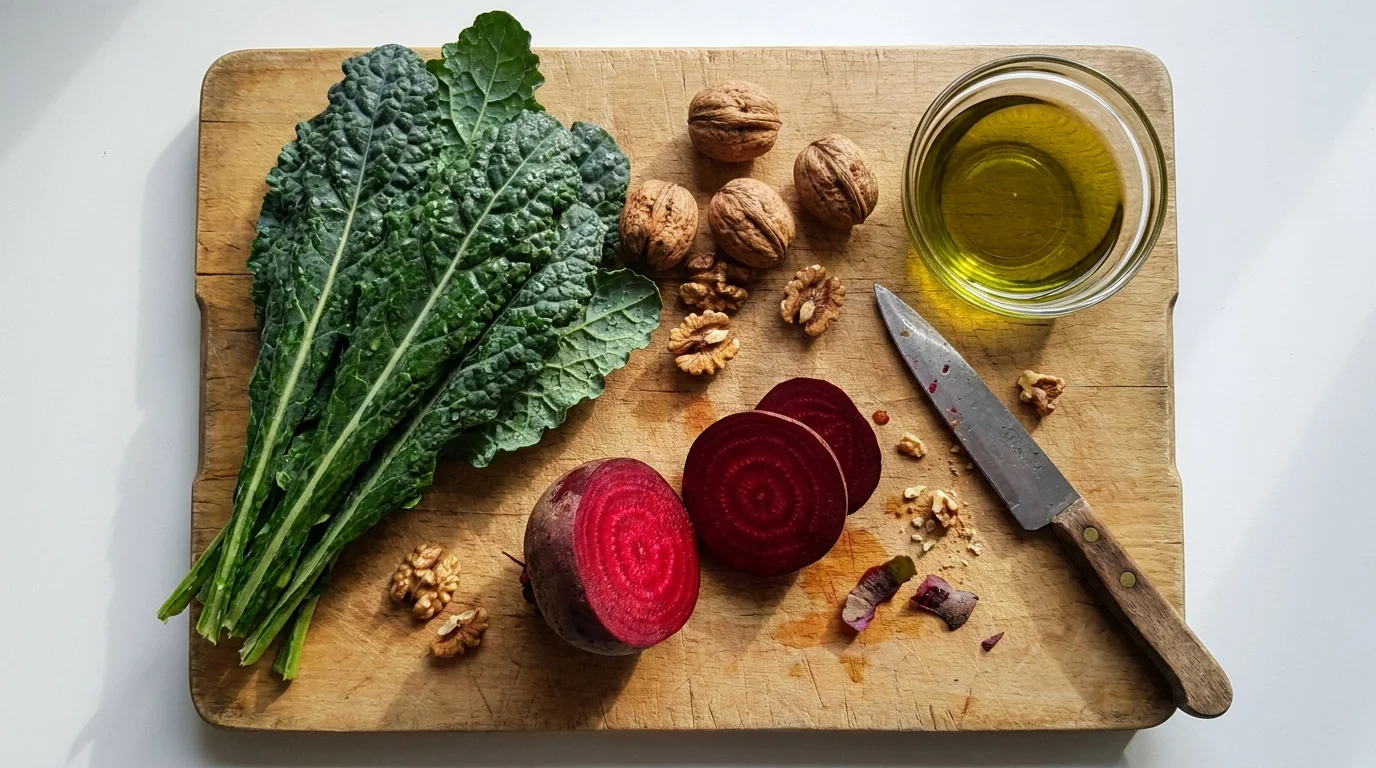
Nutritional Interventions for Hepatic Healing
Nutritional interventions provide the fundamental building blocks for hepatic healing and cellular regeneration. Prioritize a Mediterranean-style dietary approach rich in whole foods, soluble fiber, and powerful antioxidants to reduce oxidative stress within the liver tissue. Incorporate cruciferous vegetables like broccoli and Brussels sprouts, which contain organic compounds that actively support enzymatic detoxification pathways. While accessing fresh produce remains a systemic challenge in many communities, frozen vegetables and canned legumes offer highly nutritious, accessible alternatives. Additionally, clinical evidence suggests that moderate, unsweetened coffee consumption exerts a protective effect on hepatic cells by reducing abnormal enzyme levels. Eliminate ultra-processed carbohydrates and high-fructose corn syrup, as your body rapidly converts these refined ingredients directly into liver fat.

Strategic Movement to Reduce Liver Fat
Strategic movement acts as a powerful therapeutic tool to actively reduce accumulated liver fat and enhance systemic insulin sensitivity. When you engage your skeletal muscles through exercise, you create a massive demand for circulating glucose, directly easing the metabolic burden placed upon your liver. Aerobic exercises like brisk walking or cycling increase blood flow to your internal organs, promoting efficient waste removal. Resistance training proves equally critical; building lean muscle mass creates a permanent, metabolically active sink for blood sugar. Aim for at least 150 minutes of varied physical activity each week, tailoring the intensity to your current fitness level. Consistency matters far more than extreme intensity when attempting to reverse early signs of liver problems.
Managing Systemic Stress and Mindset
Managing systemic stress and cultivating a resilient mindset directly impacts the physical structure of your liver. Chronic psychological stress elevates your baseline cortisol levels, a primary driver of visceral fat accumulation around your abdominal organs. This persistent hormonal imbalance sustains low-grade systemic inflammation, thwarting your liver’s natural attempts at cellular regeneration. Implementing daily mindfulness practices, prioritizing seven to nine hours of restorative sleep, and establishing strong community connections dramatically lower your overall physiological burden. Acknowledging the profound connection between your mental state and your metabolic health allows you to treat true relaxation not as a luxury, but as a non-negotiable component of your holistic medical treatment plan.
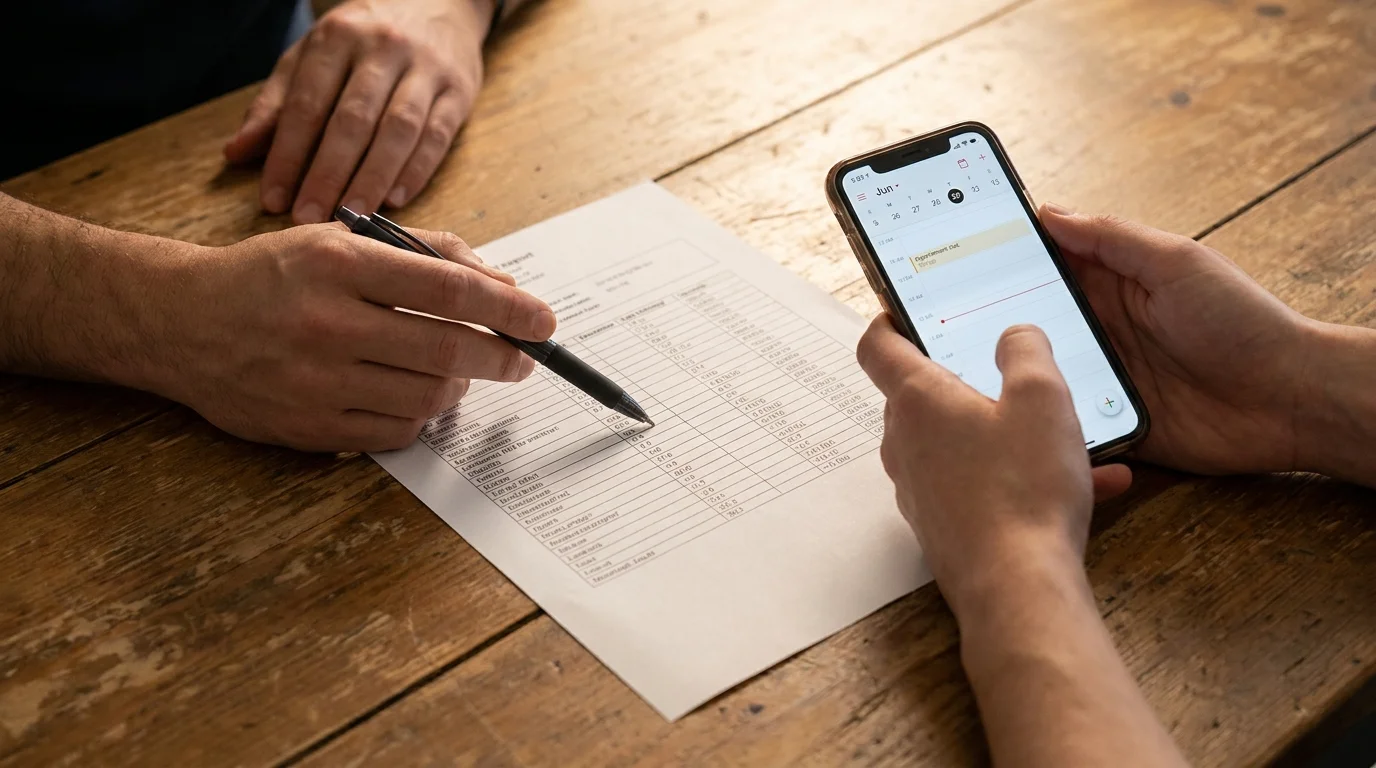
Partnering with Medical Professionals
Partnering with medical professionals ensures that your lifestyle modifications safely address your specific physiological needs. Request comprehensive metabolic blood panels during your annual examinations, paying close attention to your AST, ALT, and alkaline phosphatase enzyme levels. Beyond standard blood work, modern diagnostic tools like transient elastography provide painless, highly accurate measurements of liver stiffness and fat accumulation without invasive biopsies. The Centers for Disease Control and Prevention strongly recommends routine screening for viral hepatitis, as these infections often remain entirely asymptomatic for decades. Always consult your primary care physician or a board-certified hepatologist before initiating drastic dietary changes or new exercise regimens.

Real Voices from Clinical Practice
Clinical dietitians and hepatologists consistently emphasize that you cannot out-supplement a diet deficient in foundational nutrients. Medical professionals note that many patients arrive at clinics searching for a quick fix, heavily influenced by aggressive marketing for detoxification products and cleanses. Leading gastroenterology experts report that the most profound liver recoveries occur in patients who commit to incremental, sustainable lifestyle modifications rather than highly restrictive diets. Patients who successfully reverse early-stage liver disease frequently cite small daily victories—like replacing a sugary evening beverage with herbal tea or prioritizing a short walk after dinner—as the primary catalysts for their long-term healing.
Frequently Asked Questions
Can you naturally reverse early liver damage?
Yes, the liver possesses a unique capacity to regenerate damaged tissue. By implementing targeted nutritional changes, increasing your physical activity, and eliminating hepatotoxins like alcohol, you can successfully reverse early-stage fat accumulation and mild inflammation. However, advanced scarring requires professional medical intervention to manage effectively, making early symptom detection critical for a full organ recovery.
Are commercial liver detox supplements safe and effective?
The scientific consensus firmly rejects the necessity of commercial detox supplements. Research published by the National Institutes of Health indicates that certain unregulated herbal blends directly cause drug-induced liver injury. You should rely on whole foods and adequate hydration to support your natural detoxification pathways, and always consult a doctor before taking new over-the-counter supplements.
How does daily hydration genuinely impact liver function?
Adequate hydration maintains the proper viscosity of your blood, allowing your liver to filter metabolic waste with minimal physiological resistance. Water forms the primary component of bile, the essential fluid your liver uses to transport toxins into the digestive tract for safe elimination. Chronic dehydration directly impairs these vital clearance mechanisms and concentrates systemic toxins in your tissues.
How does alcohol consumption alter hepatic architecture?
Alcohol requires intensive enzymatic processing that forces the liver to halt other critical metabolic functions, including standard fat oxidation. The World Health Organization notes that frequent alcohol consumption produces toxic biochemical byproducts like acetaldehyde. These compounds directly trigger cellular inflammation and structural scarring over time, severely limiting your organ’s natural regenerative capabilities.
A Practical Step Forward
Taking proactive steps to support your liver translates to a profound investment in your overall longevity and daily vitality. You do not need to overhaul your entire lifestyle overnight to experience meaningful, measurable improvements in your hepatic function. Begin by adding one extra serving of cruciferous vegetables to your dinner plate or substituting one sweetened daytime beverage with a large glass of filtered water. Which single, manageable action will you take today to help your liver perform its vital, life-sustaining work?







Leave a Reply