
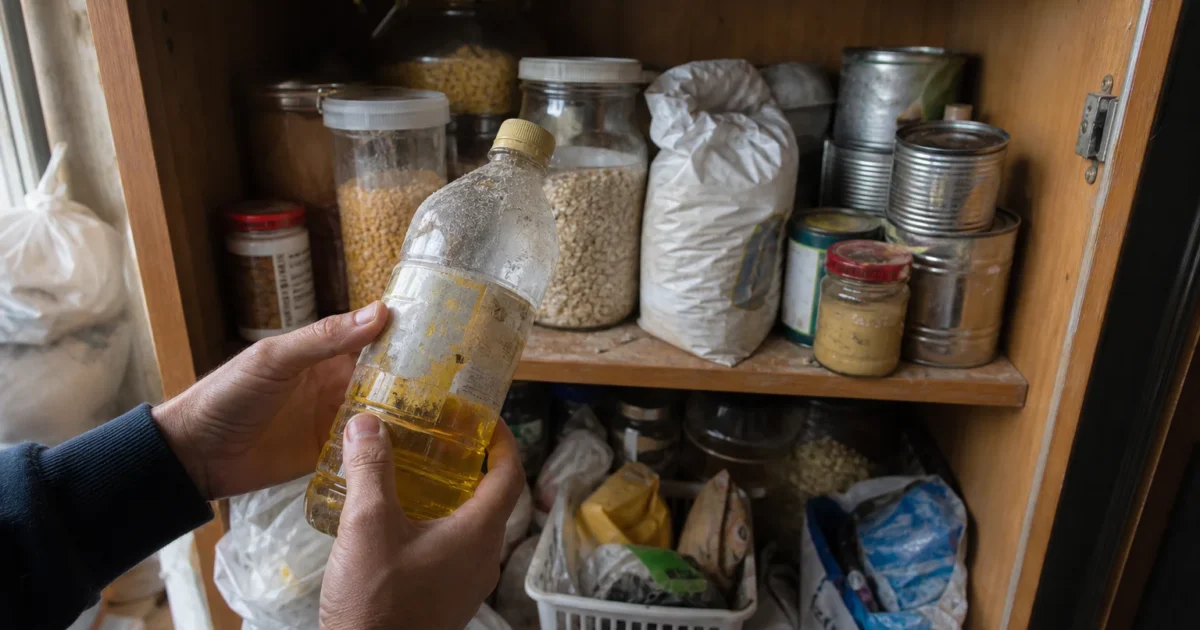
Clearing out expired or potentially harmful foods from your kitchen shelves instantly creates a foundation for healthier daily eating habits. A cluttered, outdated pantry often leads to poor nutritional choices and increased food waste, but a strategic purge removes these hidden dietary obstacles. Many common household staples silently degrade over time, losing vital nutrients or developing harmful compounds that can disrupt your metabolic health and digestive system. By systematically discarding these nine specific items, you reclaim control over your culinary environment and make room for ingredients that genuinely support your well-being. This focused decluttering process transforms your kitchen into a supportive space, encouraging mindful cooking and significantly reducing the daily friction of finding safe, nourishing ingredients.
The Science Behind Kitchen Storage and Nutrient Degradation
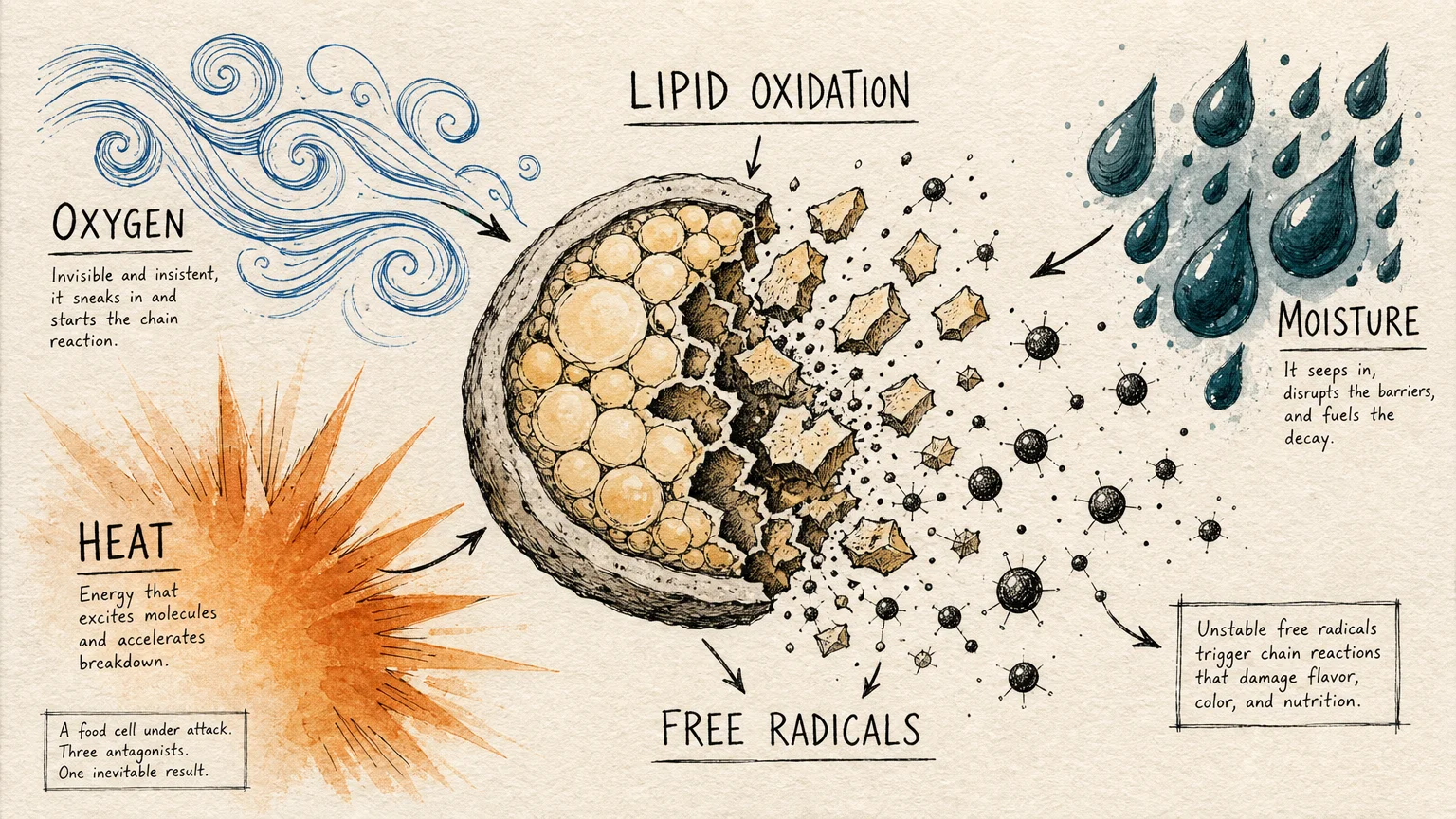
Food storage goes far beyond simply keeping items out of direct sunlight. The molecular structure of your food constantly interacts with the environment, and over time, these interactions compromise both nutritional value and physical safety. When you leave items in your pantry for extended periods, they face three primary environmental antagonists: oxygen, heat, and fluctuating moisture levels. These invisible forces catalyze chemical reactions that fundamentally alter your food at the cellular level.
For example, when polyunsaturated fats found in cooking oils and nuts encounter oxygen and ambient kitchen heat, they undergo lipid oxidation. This destructive chemical cascade breaks down healthy fats and generates free radicals—highly reactive molecules linked to cellular damage and chronic systemic inflammation. Consuming oxidized lipids consistently can undermine your cardiovascular health and accelerate cellular aging. To understand more about how specific dietary components support or harm metabolic function, you can review the comprehensive dietary supplement and nutrient guidelines provided by the National Institutes of Health.
Furthermore, moisture migration acts as a silent destroyer of dry goods. When grains, flours, and legumes sit in inadequately sealed containers, they absorb trace amounts of humidity from the air. This microscopic moisture creates an ideal breeding ground for mold spores and bacterial pathogens. Some of these fungi produce mycotoxins—resilient toxins that survive high cooking temperatures and place immense stress on your liver and immune system. By holding onto compromised goods, you inadvertently expose yourself to stealthy toxins and heavily degraded nutritional profiles.
Strategy Pillars: Purging, Replacing, and Moving Forward
Reclaiming your pantry requires a multi-dimensional approach that touches every aspect of your daily life. You cannot separate your physical environment from your bodily health; they remain deeply intertwined. By applying these four foundational strategy pillars, you transform a mundane household chore into a powerful intervention for your holistic well-being.
Nutrition: Designing an Environment for Success
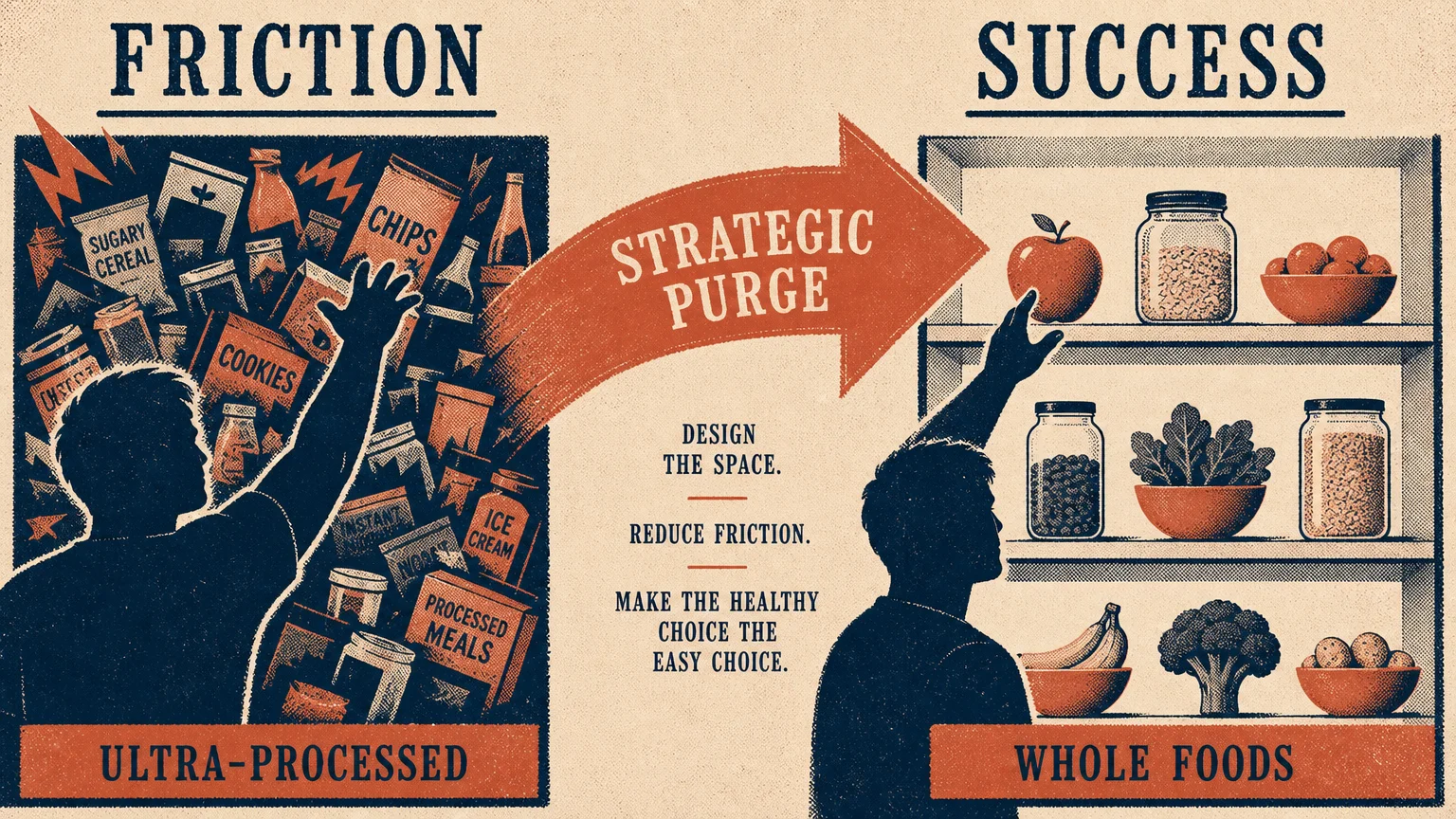
Human willpower remains a finite daily resource. If you keep ultra-processed snacks and degraded ingredients within arm’s reach, you will eventually consume them during moments of fatigue or stress. Strategic environmental design removes this friction entirely. By discarding foods that offer zero nutritional value and replacing them with whole, nutrient-dense alternatives, you naturally default to healthier choices. An optimally organized pantry actively guides your hand toward complex carbohydrates, quality proteins, and healthy fats, effectively outsourcing your willpower to your physical environment.
Movement: The Ergonomics of Kitchen Organization
We rarely consider kitchen maintenance as an opportunity for physical movement, yet deep cleaning demands functional mobility. As you empty your pantry, you engage in dynamic movement patterns—squatting to reach lower cabinets, stretching to access high shelves, and carrying moderately heavy loads of canned goods. Pay close attention to your body mechanics during this process. Maintain a neutral spine, hinge from your hips when lifting heavy containers, and use deliberate, controlled movements. Organizing your kitchen at an ergonomic level also benefits your future self; placing your heaviest, most frequently used items at waist height significantly reduces the daily strain on your lower back during meal preparation.
Mindset: Clearing the Psychological Clutter
Visual chaos in your home translates directly into cognitive overload. Psychologists frequently note that cluttered environments spike cortisol levels and induce decision fatigue. Every time you open a disorganized pantry door and struggle to find a specific spice or grain, your brain registers a micro-stressor. Discarding useless items clears away this psychological burden. The physical act of purging stale food provides a profound sense of accomplishment and control, shifting your mindset from overwhelm to capability. A minimalist, well-ordered kitchen promotes culinary creativity and transforms cooking from an exhausting chore into a mindful, restorative practice.
Medical Care: Minimizing Environmental Allergens
Pantry hygiene directly impacts respiratory health and allergy management. Microscopic dust mites, pantry weevils, and mold spores thrive in old, forgotten bags of flour and grain. For individuals with asthma or severe environmental allergies, aerosolizing these particles during cooking can trigger acute respiratory distress or systemic histamine reactions. If you or a family member experience unexplained allergic symptoms, maintaining a pristine kitchen environment becomes a medical necessity. Always work alongside your primary care physician or allergist to identify potential household triggers. For specialized guidance on managing indoor allergens, you can consult resources from the American College of Allergy, Asthma, and Immunology.

The Nine Pantry Items to Throw Away Today
1. Rancid Cooking Oils
Specialty oils like walnut, sesame, and high-quality extra virgin olive oil are fragile. When stored improperly near the stove or kept past their prime, these oils oxidize and turn rancid. Rancid oil takes on a highly distinct, unpleasant odor—often described as smelling like old crayons, putty, or oil paint. Consuming these degraded fats introduces free radicals into your digestive system and ruins the flavor profile of your meals. Perform a smell test on every bottle of oil in your pantry. If it lacks the fresh, grassy, or nutty aroma it originally possessed, discard it immediately and replace it with a fresh bottle stored in a cool, dark place.
2. Expired Spices and Dried Herbs
While ancient, fossilized ground cinnamon will not give you food poisoning, it completely fails to deliver the health benefits and culinary joy you expect. Spices derive their robust flavors and therapeutic properties from volatile essential oils. Over the years, these oils evaporate. Ground turmeric loses its anti-inflammatory curcumin potency; dried oregano loses its antimicrobial compounds. If your ground spices are older than six to eight months, or if they emit no fragrance when crushed between your fingers, throw them away. Replenish your collection in small batches to guarantee maximum antioxidant benefits and flavor.
3. Bulging or Deeply Dented Canned Goods
Canned food provides excellent long-term storage, but structural damage completely compromises its safety. A sharp dent right on the seam of a can, or a visible bulge in the metal, serves as a serious warning sign. These physical deformations indicate microscopic fractures in the protective inner lining, allowing environmental bacteria to infiltrate the food. In severe cases, bulging points to the presence of Clostridium botulinum, the neurotoxin-producing bacteria responsible for botulism. Never taste food from a compromised can to check if it is still good. Review the rigorous food safety protocols provided by the Centers for Disease Control and Prevention guidelines and discard damaged cans immediately.
4. Scratched or Warped Plastic Storage Containers
Take a hard look at the plastic containers housing your dry goods. Over time, plastic degrades, especially if it has previously endured the harsh heat of a dishwasher or microwave. Deep scratches, cloudy discoloration, and warped lids indicate that the structural integrity of the plastic has failed. Degraded plastics can shed microplastics and leach endocrine-disrupting chemicals into your food. Protect your hormonal health by throwing away these damaged vessels. Gradually replace them with inert, non-toxic materials like tempered glass, stainless steel, or food-grade silicone.
5. Old Baking Powder and Baking Soda
Chemical leaveners completely lose their carbon dioxide-producing power as they age and absorb ambient kitchen moisture. Using dead baking powder results in dense, flat, and highly unappetizing baked goods, which ultimately leads you to waste expensive organic flours and healthy fats. You can easily test their viability: drop a spoonful of baking soda into vinegar, or baking powder into hot water. If the mixture does not bubble vigorously and immediately, the leavener is dead. Throw it in the trash and buy fresh boxes to ensure your healthy baking endeavors succeed.
6. Grain Products Harboring Pantry Pests
Open bags of rice, quinoa, and specialty flours pushed to the back of the pantry frequently attract unwanted visitors. Pantry moths, flour beetles, and weevils lay microscopic eggs in raw grains. By the time you notice tiny webs inside the bag or small bugs crawling in your flour, the entire container is heavily contaminated. Attempting to salvage infested grains exposes you to bacterial cross-contamination and degraded food quality. Seal these infested items in a garbage bag, discard them outside immediately, and thoroughly vacuum the shelves to eliminate remaining eggs.
7. Stale Nuts and Seeds
Nuts and seeds pack a dense nutritional punch, heavily loaded with heart-healthy omega-3 and omega-6 fatty acids. However, these specific fats remain highly vulnerable to heat and light. A forgotten bag of walnuts or flaxseeds left in a warm pantry for several months will turn noticeably bitter and rancid. Eating rancid nuts introduces oxidized fats into your bloodstream, completely negating their cardiovascular benefits. Taste one nut from your old stash; if it tastes sharp, bitter, or smells faintly like paint thinner, toss the entire bag. Moving forward, store your replacement nuts and seeds in the refrigerator or freezer to dramatically extend their lifespan.
8. Outdated Dietary Supplements and Powders
Many people store bulk protein powders, collagen peptides, and herbal supplements in the pantry. While these dry powders do not spoil like dairy, their active ingredients undergo significant chemical degradation. Vitamins lose their potency, and the protein structures can denature over extended periods. Consuming a three-year-old tub of whey protein or oxidized fish oil capsules offers absolutely no biological benefit and can cause mild gastrointestinal distress. Clear out any supplement past its printed expiration date. For evidence-based recommendations on supplement safety and efficacy, review materials from the World Health Organization or similar regulatory bodies.
9. Forgotten, High-Sugar Condiments and Syrups
That dusty bottle of artificially flavored pancake syrup or heavy barbecue sauce hiding in the corner provides nothing but empty calories, high-fructose corn syrup, and artificial preservatives. While the heavy sugar content prevents bacterial growth, the quality of the product steadily declines, often separating into unappetizing layers. More importantly, keeping these hyper-palatable, nutrient-void items in your home anchors you to poor dietary habits. Throw them away to make physical and psychological space for healthier flavor enhancers, such as raw honey, pure maple syrup, balsamic glaze, and high-quality mustards.

Real Voices: Clinical Perspectives on Kitchen Health
Integrative healthcare professionals consistently highlight the profound connection between physical environments and dietary adherence. Clinical dietitians frequently observe that patients who struggle to maintain an anti-inflammatory diet often battle their own kitchen architecture. Registered Dietitians emphasize that your pantry acts as the absolute foundation of your daily nutrition. When you surround yourself with expired, hyper-palatable foods, you fight an exhausting, uphill battle against human nature. The effort required to cook a healthy meal multiplies exponentially when you have to dig through piles of expired boxes just to find a usable ingredient.
Similarly, behavioral psychologists point out that visual clutter heavily drains executive function. When a patient cleans out their pantry, they often report an immediate decrease in generalized anxiety regarding meal preparation. By systematically eliminating the visual noise of expired, unusable products, you reduce choice fatigue and empower yourself to make rapid, health-promoting decisions. The clinical consensus remains clear: curating your ingredient environment serves as a vital, non-negotiable step in any long-term health protocol.
Frequently Asked Questions About Pantry Cleaning
How can I safely identify if canned food is compromised beyond a visible dent?
Even if a can appears physically pristine on the outside, internal bacterial growth can still occur. When you open a can, listen closely. A sudden, loud hiss or liquid forcefully spurting out indicates active gas production from bacterial fermentation. Furthermore, if the food exhibits an unnaturally cloudy appearance, an unusually mushy texture, or any sour, off-putting odor, do not taste it. Discard the contents immediately and wash your hands thoroughly. When in doubt, safety must always dictate your actions.
What is the most environmentally responsible way to dispose of rancid cooking oils?
Never pour old, rancid cooking oil down your kitchen sink or flush it down the toilet. Oil congeals within household plumbing and municipal sewer lines, creating massive, expensive blockages known as fatbergs. Instead, pour the old oil into a disposable, sealable container—like an empty milk carton or a sturdy takeout container. Allow it to solidify, which you can expedite by placing it in the freezer or mixing it with an absorbent material like cat litter. Once secure, dispose of the sealed container in your regular household trash.
Does consuming mildly expired dry goods pose a genuine medical threat?
The dates printed on dry goods typically indicate peak flavor and optimal quality rather than absolute safety. Consuming a mildly expired box of dry pasta will rarely cause acute illness. However, the true threat lies in the degradation of the food’s nutritional profile and the subtle introduction of mold spores over time. While healthy adults might easily process these minor compounds without immediate symptoms, immunocompromised individuals, pregnant women, and the elderly should exercise strict caution. You should always seek personalized medical advice if you experience ongoing digestive distress after meals.
How often should I systematically clean and organize my pantry?
To maintain peak nutritional readiness and prevent pest infestations, you should execute a comprehensive pantry review once every three to four months. Tie this chore to the changing of the seasons to create a reliable mental trigger. During this quarterly review, pull every single item off the shelves, wipe down the surfaces with a mild, non-toxic cleaner, and ruthlessly evaluate each product. Frequent, manageable cleanings prevent the overwhelming accumulation of clutter and ensure your ingredients remain fresh, potent, and safe.
Your Next Step Toward a Nourishing Space
Overhauling your entire kitchen in a single afternoon can easily feel overwhelming, but you do not need to tackle the whole room at once. Choose one single shelf today. Take fifteen minutes to pull out every item, wipe down the surface, and discard the expired spices, rancid oils, or dented cans lurking in the back corners. As you physically remove these degraded items from your home, pay attention to how the space instantly feels lighter and more functional. Notice how discarding things that no longer serve your health creates an undeniable sense of momentum. Your pantry represents the literal fuel for your body; by curating it with intention, you take a profound, actionable step toward lifelong vitality. Take a breath, grab a trash bag, and reclaim your first shelf right now.









Leave a Reply