

Recognizing a drop in your vitality requires looking beyond the usual suspects like aging or a busy schedule to identify subtle shifts in your daily well-being. Identifying low testosterone symptoms early empowers you to take targeted action before these changes disrupt your quality of life. While severe testosterone deficiency announces itself through obvious physical transformations, the initial signs often masquerade as everyday stress or simple burnout. You might brush off a lingering bad mood, a sudden struggle to build muscle at the gym, or an unexpected lack of focus at work. By learning to spot these hidden indicators, you can work with your healthcare provider to map out an effective, evidence-based strategy for restoring your hormonal balance.
The Science Snapshot: Understanding Testosterone Deficiency
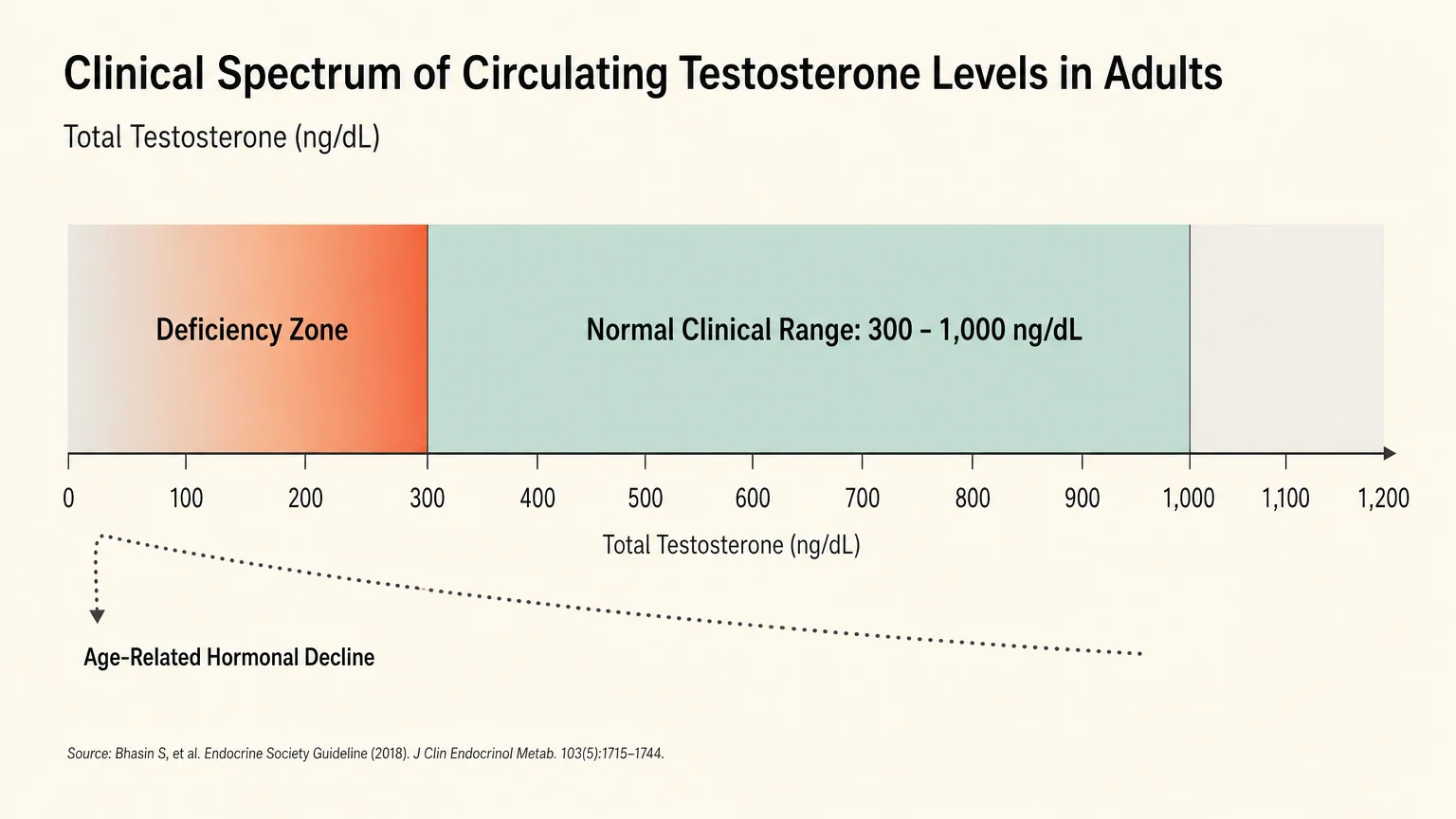
Testosterone operates as a powerful metabolic engine regulating far more than reproductive health. This vital hormone binds to androgen receptors scattered throughout your entire body—influencing everything from neurotransmitter production in your brain to the preservation of bone mass. Medical professionals define normal circulating testosterone levels as falling between 300 and 1,000 nanograms per deciliter. However, clinical ranges tell only part of the story; your individual baseline determines how effectively your body functions. When your levels drop below your optimal range, your physiological systems misfire. According to the National Institutes of Health, millions of adults experience age-related hormonal declines, yet many remain undiagnosed. Healthcare providers frequently misattribute the early indicators to the pressures of a demanding career. By examining the subtle physiological shifts accompanying a hormonal decline, you position yourself to address the root cause rather than merely masking symptoms.
8 Subtle Signs You Should Not Ignore
Paying attention to quiet changes in your body helps you intercept hormonal imbalances early. Consider these eight less obvious indicators that your testosterone levels might require clinical evaluation.
Sign 1: Persistent Brain Fog and Cognitive Fatigue
You might rely on a third cup of coffee to push through the afternoon, assuming your demanding schedule causes your mental exhaustion. However, testosterone plays a crucial role in maintaining cognitive sharpness. When levels decline, you may experience a lingering sense of brain fog—a state where concentrating feels laborious. Research indicates that androgen receptors in the brain require adequate testosterone to sustain optimal neurotransmitter function. Without this support, you might struggle to recall familiar names, lose your train of thought, or feel a generalized mental sluggishness that caffeine cannot fix.
Sign 2: Unexplained Shifts in Emotional Resilience
Hormonal health underpins your emotional stability; a sharp drop in testosterone frequently manifests as an unexpectedly short temper or a persistent low mood. You might find yourself reacting with disproportionate frustration to minor daily inconveniences. Unlike clinical depression, this testosterone-driven emotional fragility often presents as irritability or emotional numbness. This happens because hormonal fluctuations directly influence serotonin and dopamine pathways in your brain. Acknowledging these mood changes as physiological symptoms prevents you from unfairly blaming yourself for a perceived lack of willpower.
Sign 3: Slower Recovery After Physical Exertion
Building strength requires a balance between breaking down muscle fibers and providing the hormonal tools to repair them. Testosterone facilitates muscle protein synthesis, the process responsible for rebuilding stronger tissue. If your levels dip, you will likely notice your recovery periods stretching out uncomfortably long. A workout that previously left you energized might result in profound soreness lasting several days. You might also struggle to increase your lifting capacity despite consistent training. This blunted physical response signals a lack of essential anabolic hormones required for efficient repair.
Sign 4: A Stubborn Increase in Visceral Fat
Weight gain often happens gradually, but the specific distribution of body fat offers clues about your hormonal landscape. Low testosterone frequently triggers an accumulation of visceral fat around your midsection, creating a frustrating metabolic cycle. Fat cells produce an enzyme called aromatase, actively converting your remaining testosterone into estrogen. As estrogen levels rise, your body stores even more abdominal fat. If you are eating mindfully and exercising regularly but still noticing your waistline expanding, this localized fat storage strongly suggests an underlying hormonal shift requiring professional investigation.
Sign 5: Subtle Disruptions in Sleep Architecture
Healthy sleep hinges on hormonal equilibrium, making sleep disturbances a paradoxical sign of deficiency. While you might feel exhausted during the day, you may simultaneously struggle to maintain deep sleep at night. Low testosterone levels correlate strongly with an increased risk of sleep apnea, where breathing repeatedly stops during the night. You might find yourself waking up multiple times or experiencing an inability to cycle into REM sleep. Consulting the Centers for Disease Control and Prevention guidelines on sleep hygiene helps, but behavioral adjustments alone cannot override a fundamental hormonal imbalance.
Sign 6: A Gradual Decline in Bone Density
Bone is dynamic tissue that constantly rebuilds itself. Testosterone acts as a foundational pillar in this remodeling process by stimulating bone mineralization. While osteoporosis is predominantly associated with post-menopausal women, men with chronically low testosterone face a significant risk of diminished bone density. Because bone loss happens silently, you probably will not notice it until you experience a stress fracture from a minor impact or feel an unexplained ache in your joints. Monitoring bone health remains crucial, particularly if you have compounding risk factors like a sedentary lifestyle.
Sign 7: Decreased Spontaneous Morning Erections
While many associate low testosterone exclusively with erectile dysfunction during intimacy, the true early warning sign often involves spontaneous physiological responses. A healthy endocrine system typically produces nocturnal and early morning erections, serving as a reliable indicator of healthy vascular function. A gradual disappearance of these spontaneous morning occurrences serves as a profound clinical marker. Because the nervous system triggers this response automatically during specific sleep phases, a reduction points directly to an organic physiological issue—often low testosterone or compromised cardiovascular health—rather than psychological performance anxiety.
Sign 8: A Generalized Drop in Life Motivation
Vitality extends beyond physical stamina; it encompasses your inner drive to achieve goals and seek out new challenges. When testosterone levels plummet, a pervasive sense of apathy often follows. You might lose your competitive edge at work, abandon personal projects, or feel indifferent toward ambitions that once excited you. This psychological shift stems directly from testosterone’s influence on your brain’s reward centers. When dopamine receptors lack adequate hormonal stimulation, the satisfaction you normally derive from accomplishments fades, leaving you trapped in a state of motivational lethargy.
Strategy Pillars to Support Hormonal Health
Addressing low testosterone demands a comprehensive approach that targets your entire metabolic system. By combining strategic lifestyle modifications with targeted medical guidance, you create an environment where healthy hormone production can thrive.
Nutrition and Metabolic Support
Your endocrine system requires specific micronutrients to synthesize hormones effectively. Prioritizing foods rich in zinc, magnesium, and vitamin D forms the foundation of a hormone-supportive nutritional protocol. Incorporate nutrient-dense options like pumpkin seeds, dark leafy greens, and wild-caught fish into your meals. You can also leverage high-quality canned proteins or fortified staples to meet these nutritional demands. The Academy of Nutrition and Dietetics emphasizes that avoiding extreme calorie deficits proves equally critical; chronically starving your body prompts your brain to suppress testosterone production. Focus on steady, balanced nourishment.
Strategic Movement and Resistance Training
Exercise remains a potent behavioral tool for optimizing testosterone, provided you engage in the right movement. Heavy resistance training utilizing compound movements—such as squats, deadlifts, and overhead presses—triggers an acute hormonal response that encourages testosterone release. Conversely, excessive prolonged cardiovascular exercise can elevate cortisol levels and suppress androgen production. Aim for three to four focused strength sessions per week, allowing adequate time for tissue repair. You do not need expensive gym memberships; rigorous bodyweight exercises performed with progressive overload yield similar metabolic benefits.
Stress Management and Cortisol Control
Your body operates on a physiological hierarchy; when faced with chronic stress, it prioritizes the production of the survival hormone cortisol over reproductive hormones. Mastering stress management becomes a non-negotiable aspect of hormonal recovery. Integrating daily nervous system regulations—whether through deep diaphragmatic breathing or spending quiet time outdoors—helps actively lower your cortisol burden. Cultivating boundaries around your professional life and limiting your exposure to digital stressors directly shields your endocrine system from the constant fight-or-flight signaling that actively sabotages your natural testosterone production.
Navigating Medical Care and Diagnostic Testing
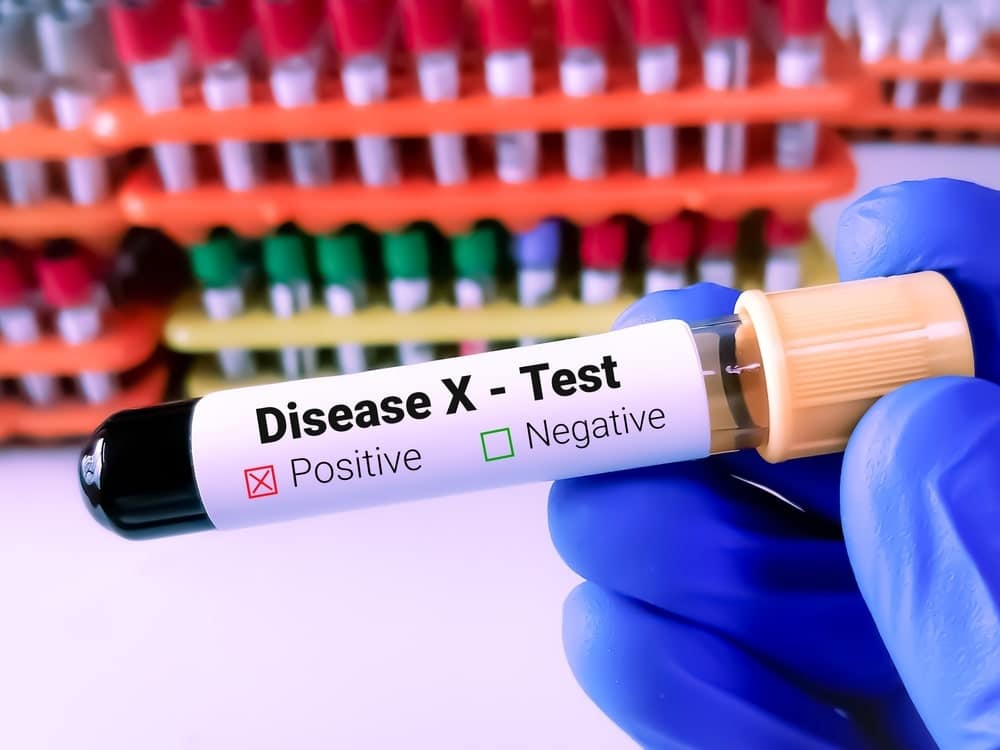
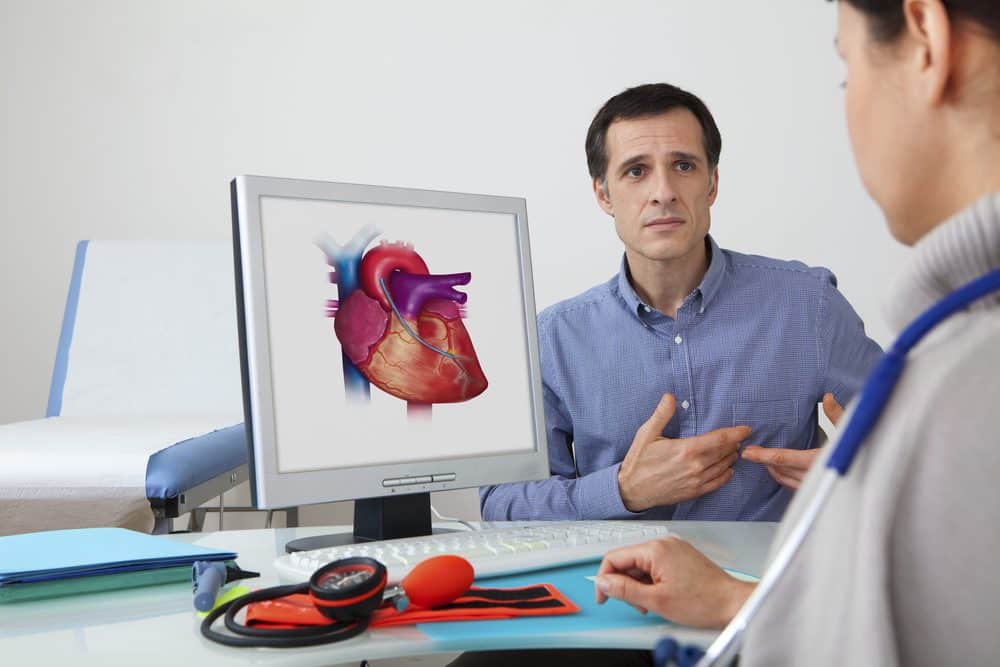
Lifestyle changes lay the groundwork, but objective medical data dictates your long-term strategy. If you suspect a deficiency, collaborate with a healthcare professional to order a comprehensive blood panel measuring total and free testosterone. Because systemic biases sometimes result in the dismissal of vague symptoms like fatigue, strongly advocate for yourself during clinical visits. Professional organizations, such as the American Urological Association, offer clear clinical guidelines for diagnosing and treating hypogonadism. Securing a clear medical baseline empowers you to make informed decisions regarding potential therapeutic interventions.

Real Voices: Clinical Perspectives on Testosterone
Medical professionals increasingly recognize that successfully managing testosterone deficiency requires treating the entire person, not just a number on a laboratory printout. Leading endocrinologists frequently observe that two patients with identical hormone levels might experience drastically different realities; one might feel energetic, while the other struggles to get out of bed. Clinical consensus emphasizes that isolated blood tests provide a mere snapshot of a moving target, since testosterone naturally peaks in the early morning. Medical providers encourage patients to maintain detailed symptom journals, documenting fluctuations in energy, mood, and sleep quality. This subjective data, combined with objective lab results, equips your healthcare team to design a responsive treatment plan honoring your unique physiological needs.
Frequently Asked Questions
Can younger individuals experience meaningful testosterone drops?
Absolutely. While testosterone naturally declines slowly after age thirty, poor lifestyle factors, chronic stress, and environmental toxins can accelerate this process significantly. Medical professionals frequently diagnose hypogonadism in men in their twenties and thirties who present with severe metabolic dysfunction or chronic sleep deprivation. Age should never disqualify you from seeking a thorough hormonal evaluation if you experience persistent symptoms.
Are natural supplements effective for boosting hormone levels?
The supplement market heavily promotes testosterone boosters, yet independent clinical research rarely supports their bold claims. While correcting an outright vitamin D or zinc deficiency will naturally improve your endocrine function, proprietary herbal blends generally offer minimal impact on circulating hormone levels. You achieve far more sustainable results by investing your time into optimizing sleep hygiene, managing psychological stress, and maintaining a consistent resistance training program.
Does testosterone replacement therapy carry medical risks?
Like all medical interventions, testosterone replacement therapy requires careful consideration of both benefits and potential drawbacks. While modern protocols prove highly effective for alleviating severe deficiency symptoms, therapy can suppress your natural hormone production, potentially impacting fertility. Physicians must closely monitor your cardiovascular health, prostate function, and red blood cell count throughout your treatment. Working closely with an experienced endocrinologist ensures you navigate these risks safely.
How long does it take to see improvements after making lifestyle changes?
Patience remains your greatest asset when attempting to restore hormonal balance naturally. Physiological changes unfold gradually over several weeks. You might notice subtle improvements in sleep quality and morning energy within the first month of prioritizing nutrition and stress management. However, significant changes in your muscle mass, body fat distribution, and overall emotional resilience typically require consistently executing your strategy for three to six months.
Your Next Step Toward Vitality
Reclaiming your energy and mental clarity begins with gathering accurate information about your internal chemistry. If the subtle signs outlined above resonate with your daily experience, consider scheduling an early morning comprehensive blood panel with your primary care provider. This simple, actionable step transforms vague worries into concrete data. Take a moment today to reflect honestly on how you have been feeling physically and mentally over the past six months. Acknowledging that your body needs support is not a sign of failure; it is the vital first step toward engineering a healthier and more vibrant future.






Leave a Reply