
Rethinking Cholesterol Screening Seniors Face After 60
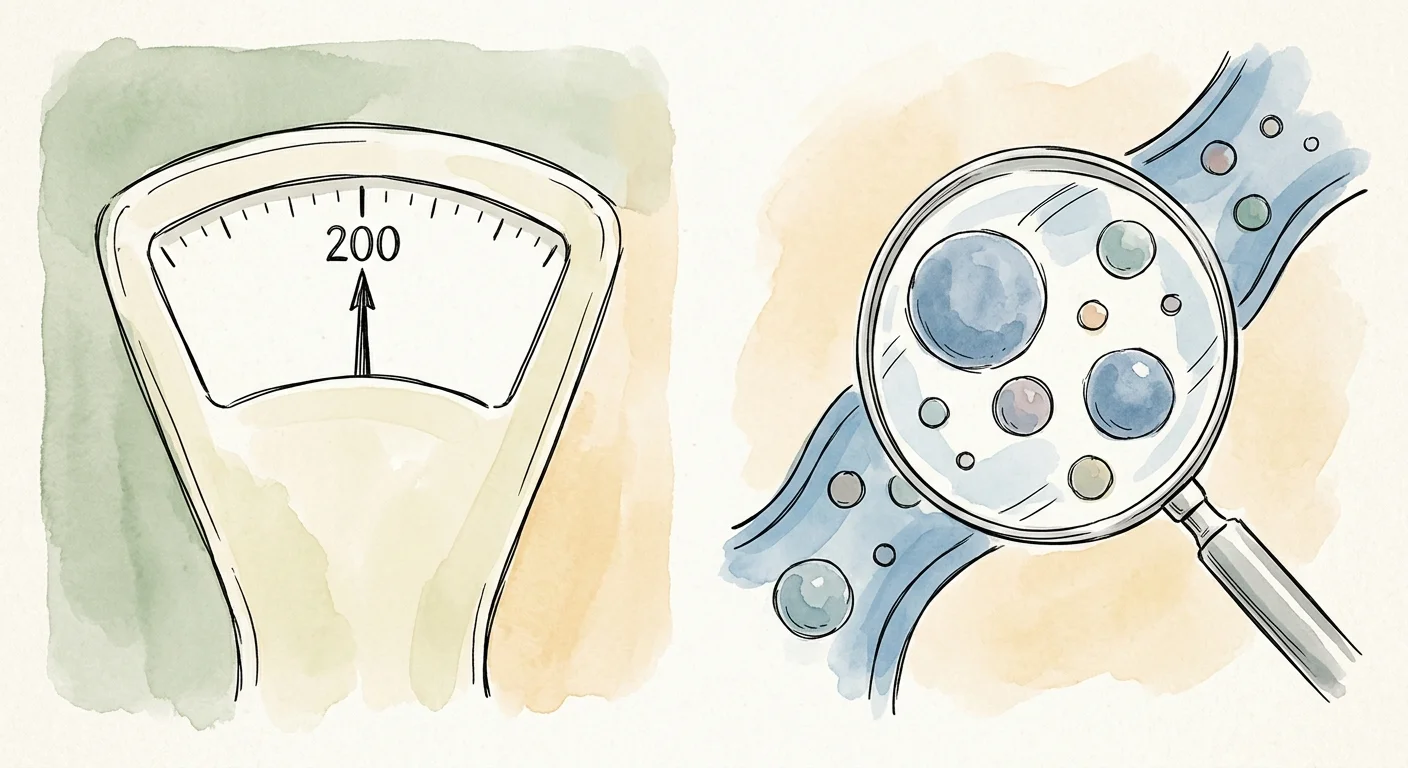
For decades, conventional medicine trained adults to obsess over a single metric: total cholesterol. You might remember a time when staying under 200 mg/dL was considered the ultimate gold standard of heart health. However, modern cardiologists recognize that total cholesterol offers an incomplete, and sometimes misleading, picture of arterial risk. As you enter your 60s, arterial walls naturally stiffen, and plaque accumulation becomes tied to specific subfractions of blood fats rather than total lipid volume.
Age-related shifts in liver function and cellular metabolism alter how your body produces and clears blood lipids. Consequently, modern cholesterol screening seniors undergo involves analyzing how distinct lipoprotein particles interact with your arterial lining. A high total cholesterol reading might stem from protective high-density lipoproteins, whereas a low total cholesterol score could conceal dangerous small, dense low-density lipoprotein particles. To protect your heart effectively, you must look beneath the surface of traditional lipid panels.







Leave a Reply