

Real Voices in Clinical Practice
Understanding the clinical reality of this illness requires listening to the professionals who treat it and the patients who endure it. Infectious disease specialists repeatedly emphasize that the diagnostic puzzle hinges entirely on patient communication.
Clinicians note that when a previously healthy adult arrives at the emergency room with unexplained, rapidly progressive shortness of breath, a detailed environmental history is just as critical as a chest X-ray.
Doctors working in rural healthcare settings often observe that the initial symptoms are so deceptively mild that patients try to push through the fatigue, only seeking help when they can no longer walk across a room without gasping for air.
From the patient perspective, survivors of hantavirus pulmonary syndrome frequently describe the psychological trauma of their physical deterioration. Many recall the terrifying speed at which their bodies shut down, transitioning from feeling slightly under the weather to requiring life support in a matter of hours.
Their stories serve as powerful reminders that vigilance is not paranoia; recognizing the warning signs and respecting the severity of zoonotic diseases can quite literally save your life.
Organizations tracking global health threats, such as the World Health Organization, continue to highlight patient narratives to raise awareness about the hidden dangers of human-wildlife interactions.
Frequently Asked Questions About Hantavirus Symptoms
Can hantavirus spread from person to person?
In North America, the strains of hantavirus responsible for causing pulmonary syndrome—most notably the Sin Nombre virus—cannot be transmitted from one person to another. You cannot catch this specific respiratory infection from touching, kissing, or being near an infected individual, nor can it be contracted from a healthcare worker. You must inhale the aerosolized rodent excrement directly. However, it is important to note that a different strain found in South America, known as the Andes virus, has documented cases of rare person-to-person transmission among close contacts.
How quickly do hantavirus symptoms appear after exposure?
The incubation period is notoriously variable and can be frustratingly long. Symptoms generally take anywhere from one week to eight weeks to manifest after you inhale the viral particles. This long gap often causes individuals to forget about the exposure event entirely. By the time the initial fever and muscle aches appear, you might not associate your current illness with the dusty attic you cleaned out a month prior, making accurate self-reporting to your physician incredibly difficult.
Are early hantavirus symptoms different from COVID-19 or the seasonal flu?
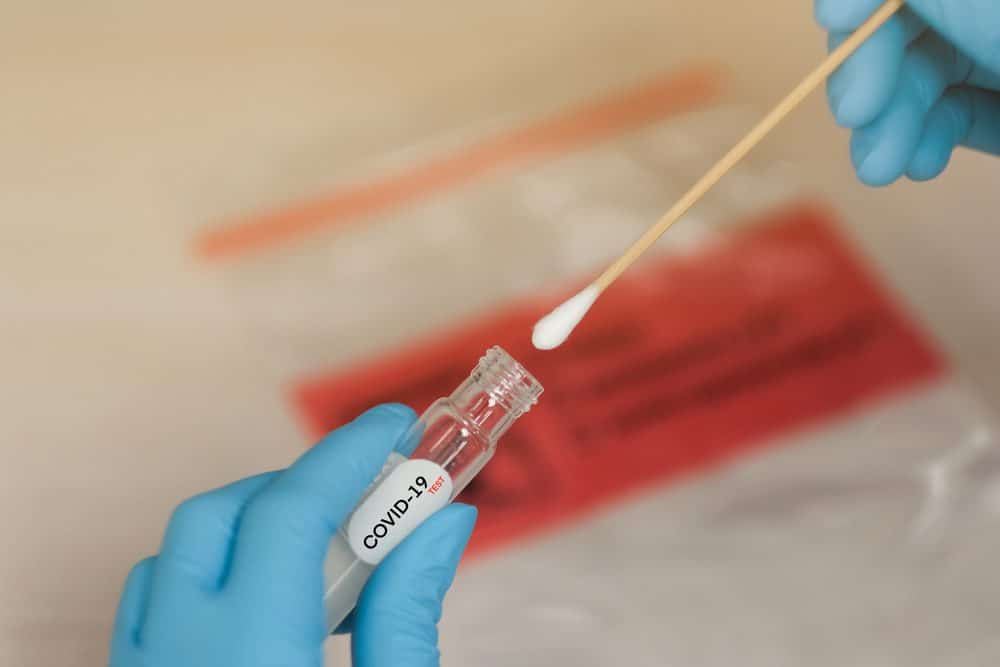
During the first few days, distinguishing hantavirus from COVID-19 or influenza based purely on symptoms is nearly impossible without laboratory testing. All three conditions present with systemic inflammation, high fever, fatigue, and muscle aches. However, hantavirus does not typically cause the distinct loss of taste and smell associated with COVID-19, nor does it immediately present with a runny nose or sore throat like many common colds. The differentiating factor is almost always your recent environmental history and the abrupt, severe shift into fluid-filled lungs a few days later.
What exactly should you tell your doctor if you suspect an infection?
If you experience severe flu-like symptoms and have recently been in a high-risk environment, you must provide your doctor with a clear chronological narrative. Tell them exactly when you were exposed to rodents or rodent droppings, what specific activities you were doing—such as sweeping a cabin, opening a sealed crawlspace, or working in an agricultural building—and when your fever and muscle aches began. Explicitly ask if they can rule out hantavirus pulmonary syndrome, which prompts them to order the appropriate serologic tests for specific antibodies rather than just standard viral panels.
A Compassionate Approach to Your Preventive Health
Protecting yourself from rare but severe environmental pathogens does not require living in fear; it requires replacing ignorance with intentional, informed action. By understanding how the virus is transmitted and recognizing the critical timeline of symptoms, you possess the knowledge needed to protect your respiratory health. When you respect the spaces where wildlife and human habitats intersect, you inherently lower your risk of exposure.
Your health is a continuous practice of awareness and self-advocacy. The most manageable first step you can take today is simply assessing your own living spaces and storage areas for signs of rodent activity, ensuring you have the right supplies—like bleach, rubber gloves, and proper masks—ready before you begin any deep cleaning projects. Take a moment to reflect on your own environmental exposures: are there neglected spaces in your home that require a mindful, safe approach to maintenance? By addressing these areas with care and caution, you create a safer, healthier environment for yourself and your family.








Leave a Reply