

Pillar 3: Flavor Preservation and Mindful Alternatives
Preserving the integrity of your brew requires practical strategies that honor both convenience and your biology. You do not need expensive commercial appliances to enjoy consistently warm, health-supportive coffee.
Investing in a double-walled, vacuum-insulated stainless steel travel tumbler provides an ideal passive solution. These containers preserve thermal energy for up to six hours without exposing liquids to degrading heat cycles.
Electric mug warmers present another popular modern compromise for busy desk workers. While they prevent cold spots, prolonged continuous heat still slowly cooks the coffee and concentrates bitter acids over time.
If you must rewarm leftover black coffee, use a small saucepan over low heat on the stovetop. Gentle thermal conduction heats the liquid uniformly without scorching delicate coffee oils or volatilizing subtle aromas.
Stir the liquid continuously during stovetop warming to distribute heat evenly and prevent hot spots. Remove the pot from heat just before vapor rises, avoiding the bitter boiling threshold entirely.
Setting a strict thirty-minute window for hot coffee consumption guarantees optimal flavor and digestive ease. Once that window closes, transitioning to iced preparation maintains chemical integrity without discomfort.
Alternatively, transform cooled coffee into a refreshing iced beverage rather than fighting thermal degradation. Pouring room-temperature coffee over ice cubes retains the original flavor profile without generating irritating quinic acid.
You can also freeze leftover morning coffee into ice cubes for future blended drinks. This mindful habit minimizes kitchen food waste while protecting your digestive tract from harsh, microwaved compounds.
Pillar 4: Micronutrients and Antioxidant Stability
Coffee serves as one of the largest dietary contributors of antioxidants in modern adult nutrition. Studies from the Harvard T.H. Chan School of Public Health confirm its role in reducing systemic chronic inflammation.
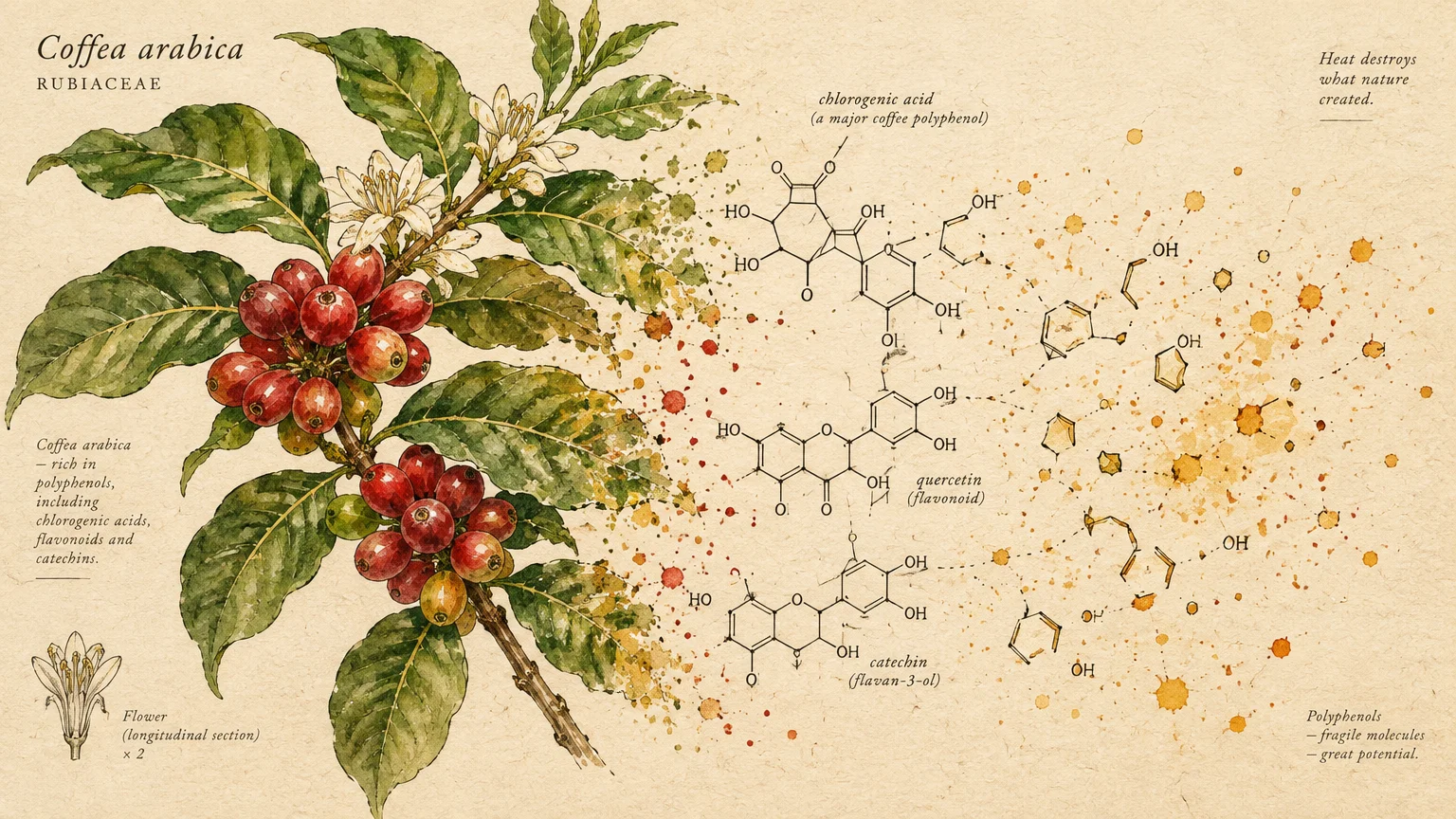
Polyphenols such as ferulic and caffeic acid derivatives scavenge free radicals across your vascular system. However, repeated thermal shocks systematically degrade these fragile antioxidant networks.
Microwaving coffee diminishes total antioxidant capacity by altering the molecular conformation of bioactive polyphenols. While some antioxidant value remains, the net physiological benefit decreases noticeably.
Maintaining regular antioxidant intake supports your metabolic health, liver function, and cardiovascular wellness over time. Drinking freshly brewed or properly insulated coffee ensures you receive the maximum biological payoff.
Nutritional value should never come at the expense of digestive comfort or biochemical integrity. Prioritizing fresh extraction delivers clean energy alongside potent cellular protection.