
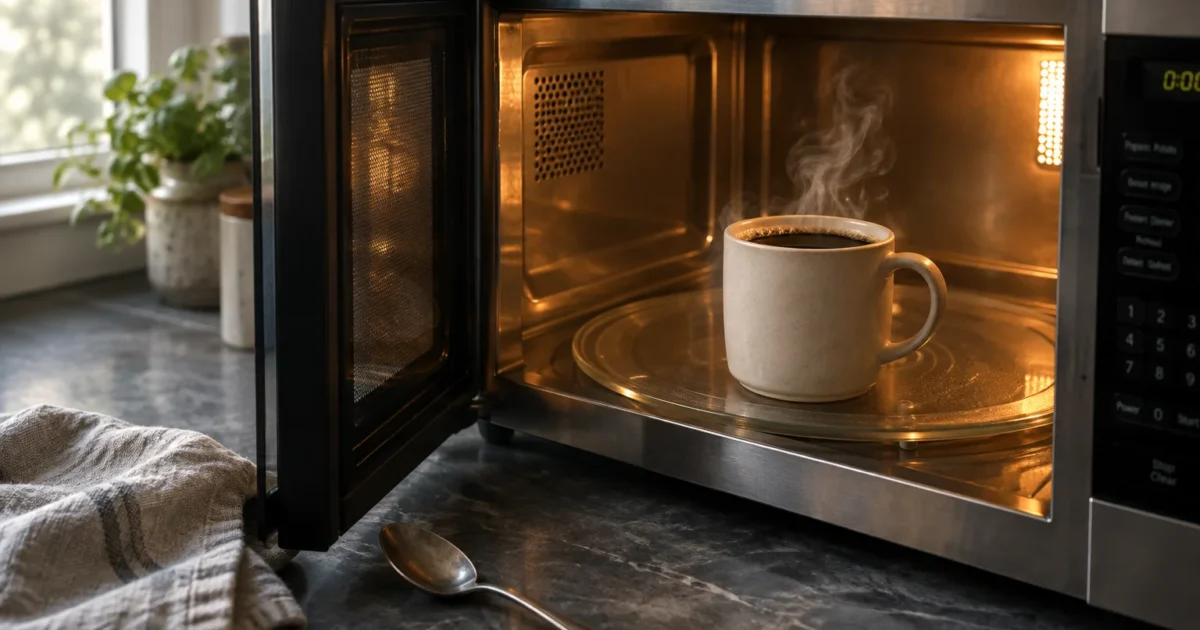
Reheating your morning mug seems harmless, but rapid thermal radiation radically alters coffee chemistry within seconds. This quick convenience often turns bright, smooth roasts into a bitter brew that provokes digestive discomfort.
Microwaves agitate water molecules unevenly, degrading delicate aromatic compounds while rapidly concentrating harsh organic acids. You end up trading genuine sensory enjoyment for an astringent beverage that challenges your stomach lining.
Understanding these molecular shifts helps you protect both your daily energy ritual and your gastrointestinal wellbeing. Simple adjustments preserve flavor integrity, beneficial polyphenols, and daily comfort without demanding extra time.
The Chemistry of the Reheated Cup: A Science Snapshot
Freshly brewed coffee contains a complex matrix of over one thousand chemical compounds. These molecules create the nuanced aroma, rich body, and balanced acidity that coffee drinkers cherish.
When coffee cools to room temperature, these compounds remain relatively stable for a short window. However, reintroducing intense microwave heat restarts chemical reactions that degrade the beverage.
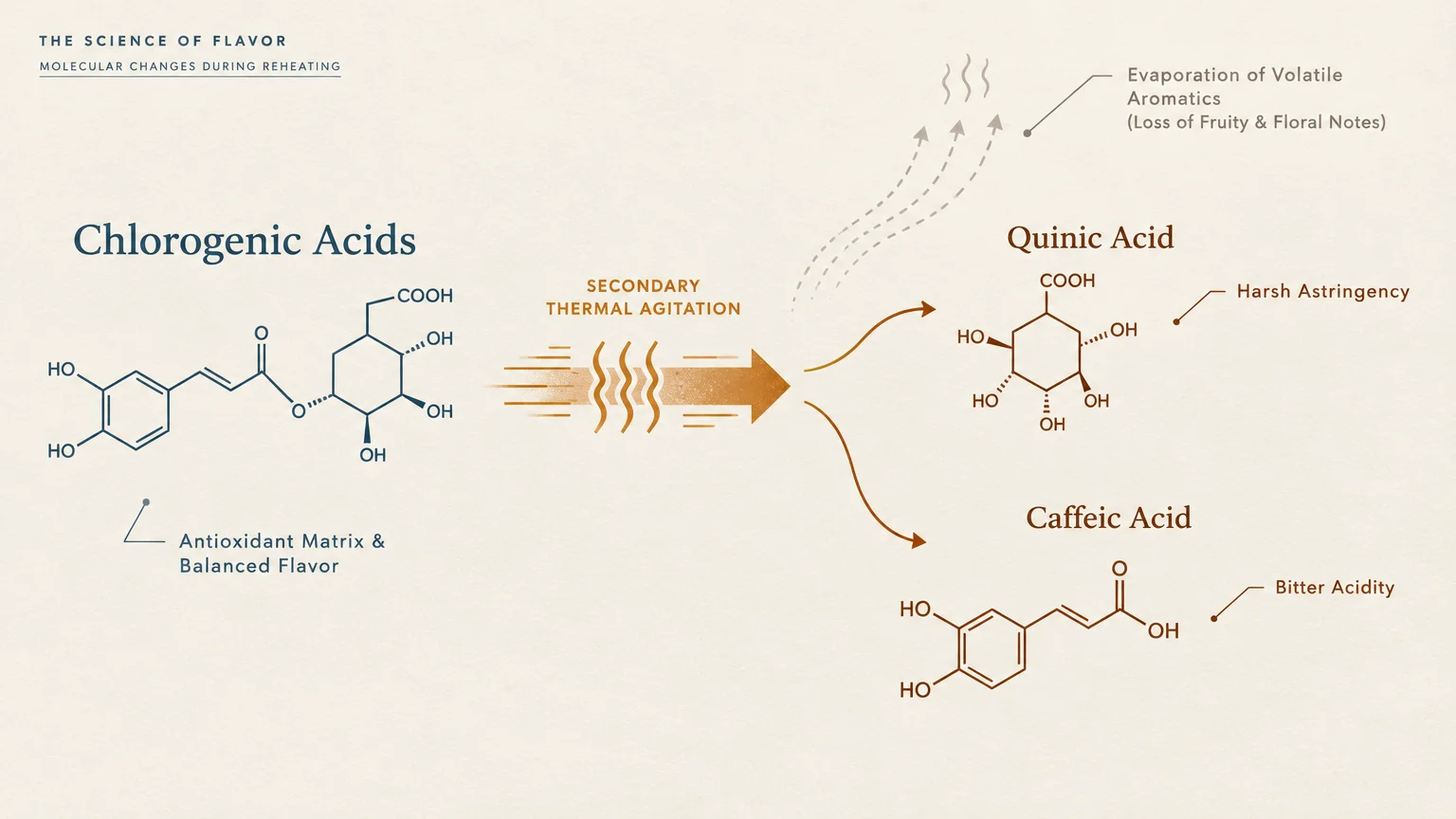
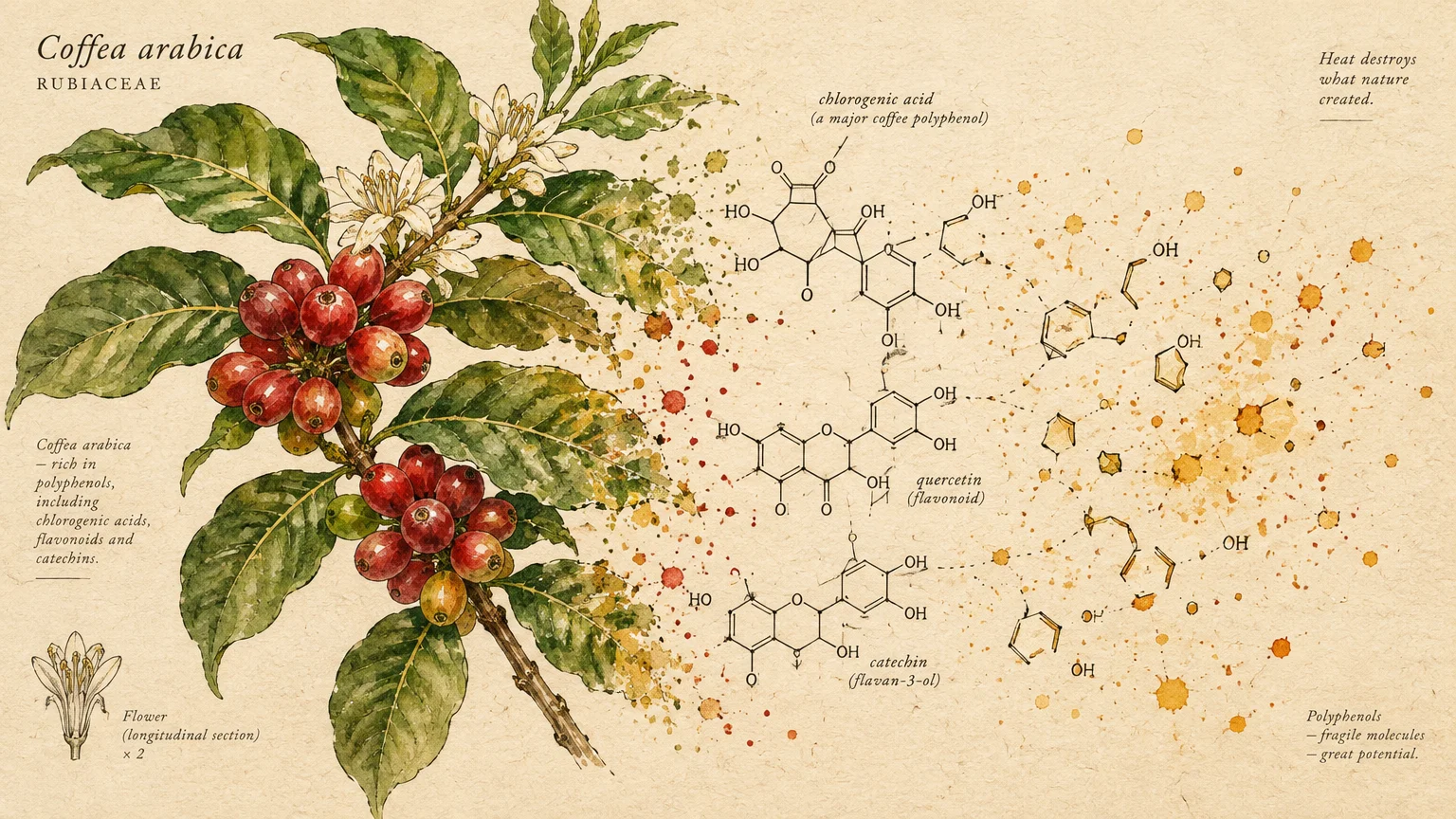
The primary change involves chlorogenic acids, the abundant antioxidants celebrated for their cellular health benefits. Heat converts these molecules into quinic and caffeic acids, which carry an intensely astringent flavor profile.
According to research indexed by the National Institutes of Health, chlorogenic acid degradation correlates directly with increased bitterness and palate harshness. You taste this transformation as an acrid, burnt bite.
When you subject cooled coffee to secondary heat, you also initiate rapid oxidation. Oxygen molecules interact with dissolved lipids, generating rancid flavor notes that persist long after the cup is empty.
This chemical cascade explains why simply adding fresh milk or sugar rarely masks the bitterness of reheated coffee. The unpleasant taste originates from fundamental molecular restructuring rather than temperature alone.
Furthermore, volatile organic compounds evaporate almost instantaneously under microwave radiation. These delicate aromatics provide your brain with the perception of sweetness and floral or fruity notes.
Once these compounds vaporize into the air, they leave behind only heavy, sour notes. The resulting liquid bears little chemical resemblance to the balanced cup you originally brewed.
How Microwaves Alter Liquid Dynamics
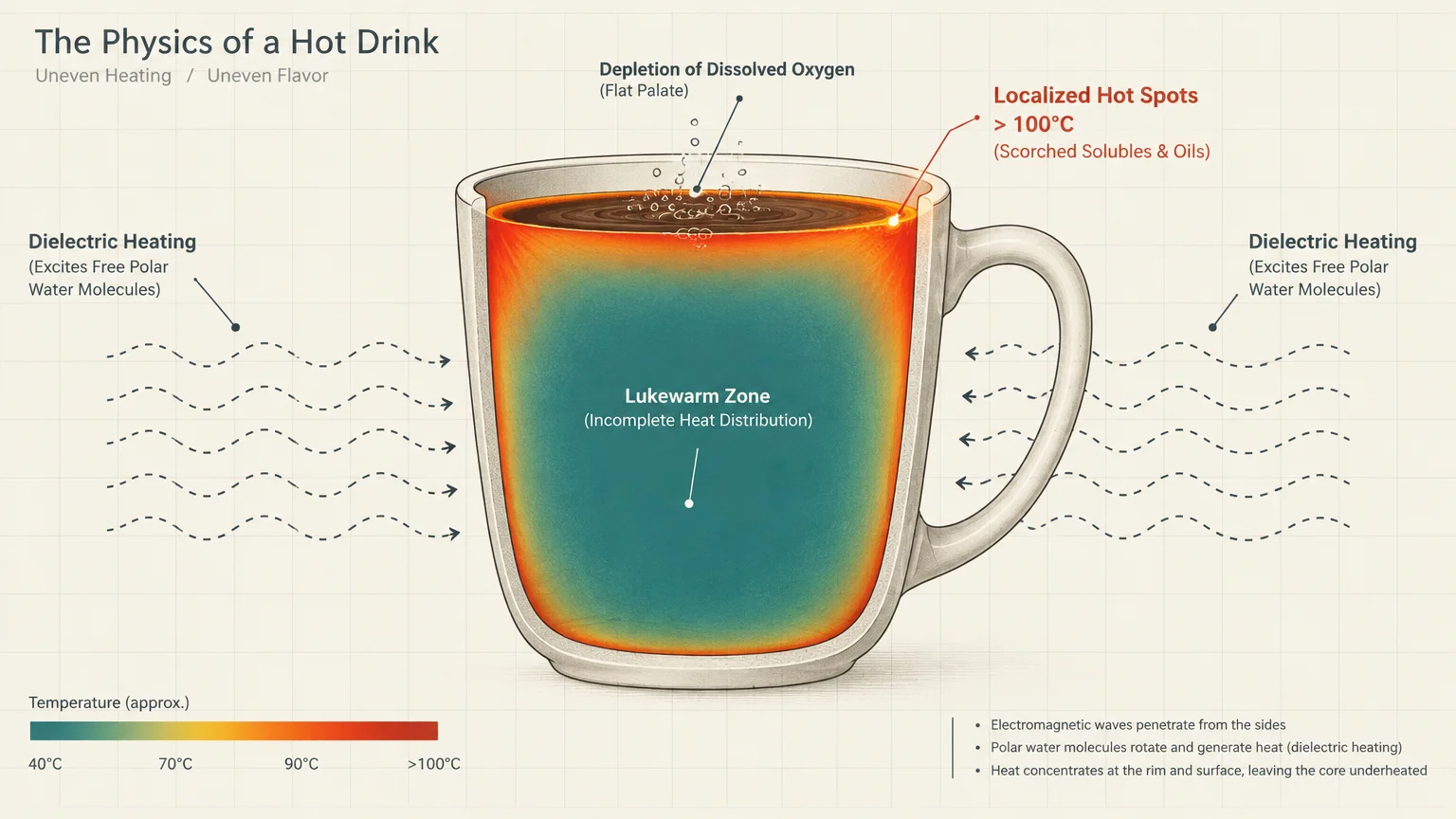
Microwaves do not heat liquids from the center outward like a conventional oven does. Instead, they produce non-ionizing electromagnetic waves that excite water molecules near the exterior of your mug.
This phenomenon creates drastic temperature gradients, producing localized hot spots that can exceed boiling temperatures. These thermal spikes scorch coffee oils and residual suspended solubles instantly.
Meanwhile, other sections of the mug remain lukewarm during the heating cycle. This uneven thermal exposure prevents a gentle, uniform restoration of the beverage’s original drinking temperature.
Dielectric heating selectively targets free polar molecules, leaving bound moisture relatively unaffected. This selective excitation strips away the silky mouthfeel that distinguishes specialty brews from industrial alternatives.
Superheating also forces dissolved oxygen out of the liquid in seconds. A complete loss of dissolved gases leaves the brew tasting notably stale, flat, and hollow on your palate.
Despite persistent urban legends, microwave radiation does not introduce carcinogenic toxins or alter genetic material. The hazard lies entirely in thermal degradation, moisture loss, and secondary bacterial concerns.
Pillar 1: Digestive Health and Acid Management
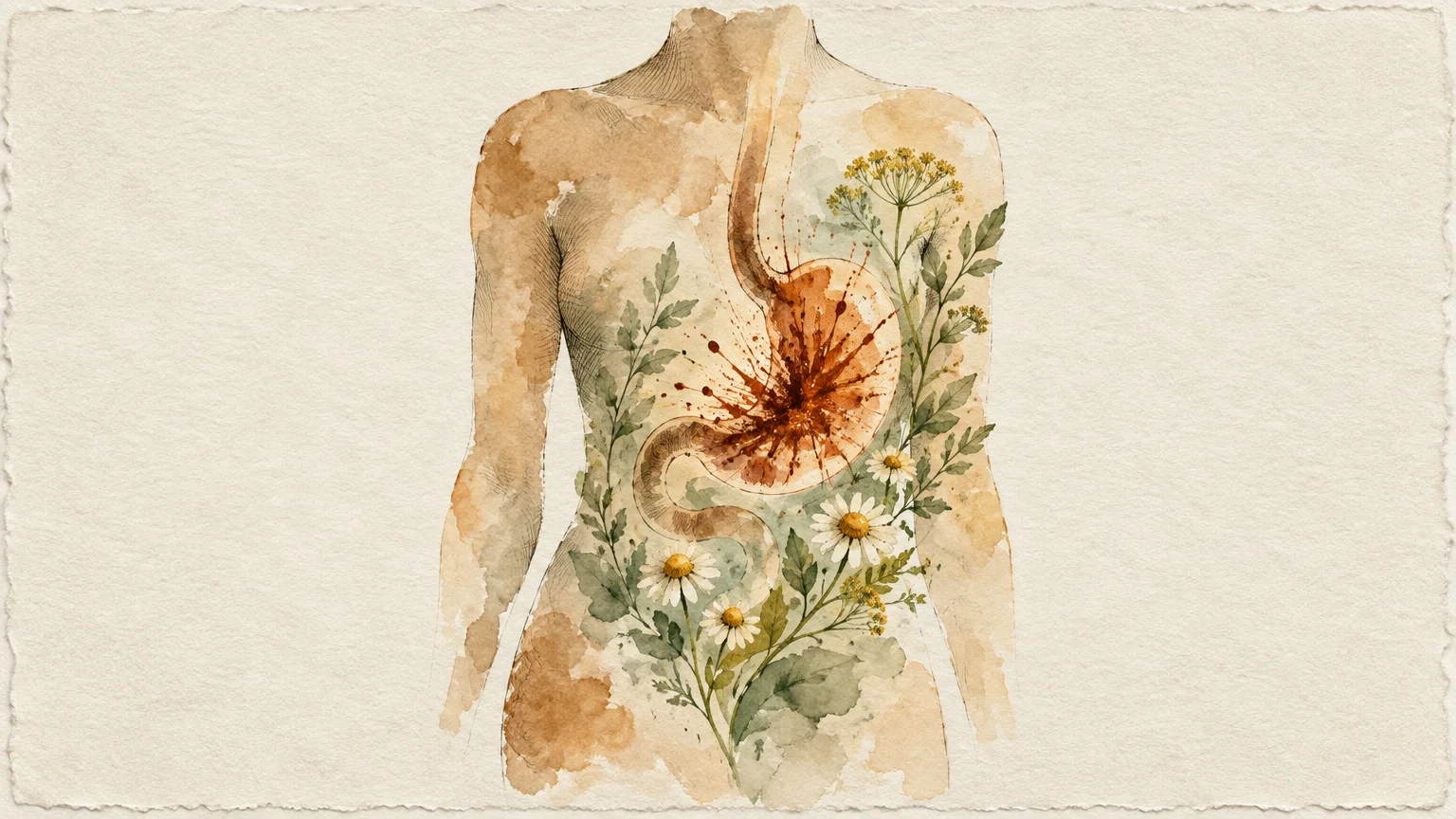
The sharp spike in quinic and caffeic acids does more than ruin the taste of your morning roast. These compounds directly trigger sensory nerve endings in your upper gastrointestinal tract.
For individuals prone to acid reflux, this chemical shift can provoke painful episodes of heartburn. Research highlighted by the American Gastroenterological Association shows that heightened beverage acidity frequently aggravates esophageal tissue.
When harsh acids contact the stomach lining, they stimulate excess gastric acid secretion. This surge can disrupt normal digestive rhythm, creating bloating, nausea, and abdominal cramping.
Chronic consumption of irritated, highly acidic liquids may wear down the protective mucous lining of your stomach. Over several months, this subtle irritation can contribute to persistent subclinical gut inflammation.
If you manage irritable bowel syndrome or functional dyspepsia, reheated coffee poses an unnecessary physical stressor. Your gut lining thrives on stability rather than sudden exposures to degraded, irritating compounds.
Selecting low-acid beans or dark roasts offers modest initial protection against reflux. However, microwaving those beans quickly undoes the natural gentleness achieved during the roasting process.
Working alongside a healthcare provider allows you to identify whether everyday beverage habits quietly exacerbate gut symptoms. Often, simple habit shifts yield noticeable therapeutic relief without medical prescriptions.

Pillar 2: Food Safety and the Two-Hour Threshold
Black coffee possesses natural antimicrobial properties due to its acidity and low nutrient profile for microbes. Left alone at room temperature, black coffee remains microbiologically safe for several hours.
The danger escalates drastically once you incorporate dairy milk, half-and-half, or sweetened plant-based creamers. These additions introduce sugars, proteins, and moisture that foster rapid bacterial multiplication.
According to food safety guidelines from the United States Department of Agriculture, perishable liquids should never sit between 40°F and 140°F for over two hours. Pathogens thrive aggressively within this thermal boundary.
Plant-based milks made from oat, soy, or almond also harbor perishable starches and proteins. These vegan alternatives ferment quickly when left at room temperature, creating identical food safety liabilities.
Many people assume a thirty-second microwave burst sterilizes cold, milky coffee sitting on their office desk. Unfortunately, brief microwave exposure fails to heat the liquid evenly enough to eliminate established bacterial colonies.
Spore-forming bacteria like Bacillus cereus can survive short heat exposures and produce heat-stable enterotoxins. These microscopic toxins persist even if you bring the coffee back to a steaming temperature.
Consuming contaminated reheated coffee can lead to sudden foodborne distress, including acute stomach cramps and diarrhea. Protecting your wellbeing means treating milky coffee with the same caution as perishable food.
Pillar 3: Flavor Preservation and Mindful Alternatives
Preserving the integrity of your brew requires practical strategies that honor both convenience and your biology. You do not need expensive commercial appliances to enjoy consistently warm, health-supportive coffee.
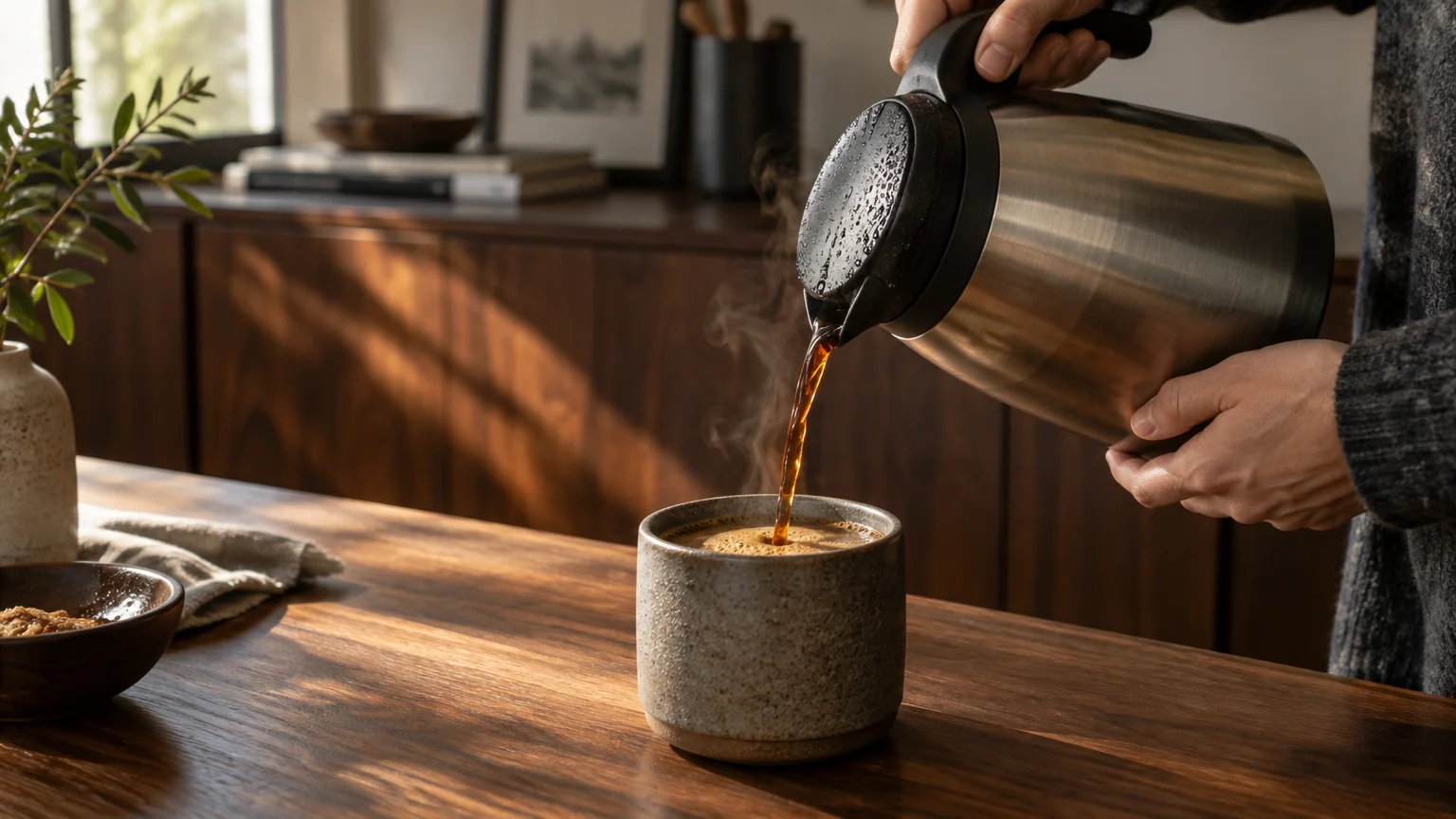
Investing in a double-walled, vacuum-insulated stainless steel travel tumbler provides an ideal passive solution. These containers preserve thermal energy for up to six hours without exposing liquids to degrading heat cycles.
Electric mug warmers present another popular modern compromise for busy desk workers. While they prevent cold spots, prolonged continuous heat still slowly cooks the coffee and concentrates bitter acids over time.
If you must rewarm leftover black coffee, use a small saucepan over low heat on the stovetop. Gentle thermal conduction heats the liquid uniformly without scorching delicate coffee oils or volatilizing subtle aromas.
Stir the liquid continuously during stovetop warming to distribute heat evenly and prevent hot spots. Remove the pot from heat just before vapor rises, avoiding the bitter boiling threshold entirely.
Setting a strict thirty-minute window for hot coffee consumption guarantees optimal flavor and digestive ease. Once that window closes, transitioning to iced preparation maintains chemical integrity without discomfort.
Alternatively, transform cooled coffee into a refreshing iced beverage rather than fighting thermal degradation. Pouring room-temperature coffee over ice cubes retains the original flavor profile without generating irritating quinic acid.
You can also freeze leftover morning coffee into ice cubes for future blended drinks. This mindful habit minimizes kitchen food waste while protecting your digestive tract from harsh, microwaved compounds.
Pillar 4: Micronutrients and Antioxidant Stability
Coffee serves as one of the largest dietary contributors of antioxidants in modern adult nutrition. Studies from the Harvard T.H. Chan School of Public Health confirm its role in reducing systemic chronic inflammation.
Polyphenols such as ferulic and caffeic acid derivatives scavenge free radicals across your vascular system. However, repeated thermal shocks systematically degrade these fragile antioxidant networks.
Microwaving coffee diminishes total antioxidant capacity by altering the molecular conformation of bioactive polyphenols. While some antioxidant value remains, the net physiological benefit decreases noticeably.
Maintaining regular antioxidant intake supports your metabolic health, liver function, and cardiovascular wellness over time. Drinking freshly brewed or properly insulated coffee ensures you receive the maximum biological payoff.
Nutritional value should never come at the expense of digestive comfort or biochemical integrity. Prioritizing fresh extraction delivers clean energy alongside potent cellular protection.
Real Voices: Clinical and Culinary Perspectives
Healthcare professionals frequently encounter patients unaware that their morning reheating habits aggravate persistent digestive complaints. Simple behavioral modifications often resolve symptoms without prescription interventions.
Registered dietitians working through the Academy of Nutrition and Dietetics emphasize treating beverage preparation as an essential component of personal wellness. Consistency in food preparation protects gut barrier health.
Dr. Elena Morales, a clinical gastroenterologist, often counsels individuals experiencing unexplainable morning dyspepsia. She notes that patients who stop microwaving old coffee frequently report immediate reductions in acid reflux episodes.
Morales observes that reheated brews provoke heightened stomach acid secretion far more aggressively than fresh pour-overs. This clinical observation aligns directly with the chemical conversion of chlorogenic acids into quinic compounds.
Culinary instructor Julian Ramos encourages home coffee enthusiasts to treat their morning beverage like fresh culinary produce. He reminds students that nobody reheats delicate salads or expects revived flavor from cooked fresh herbs.
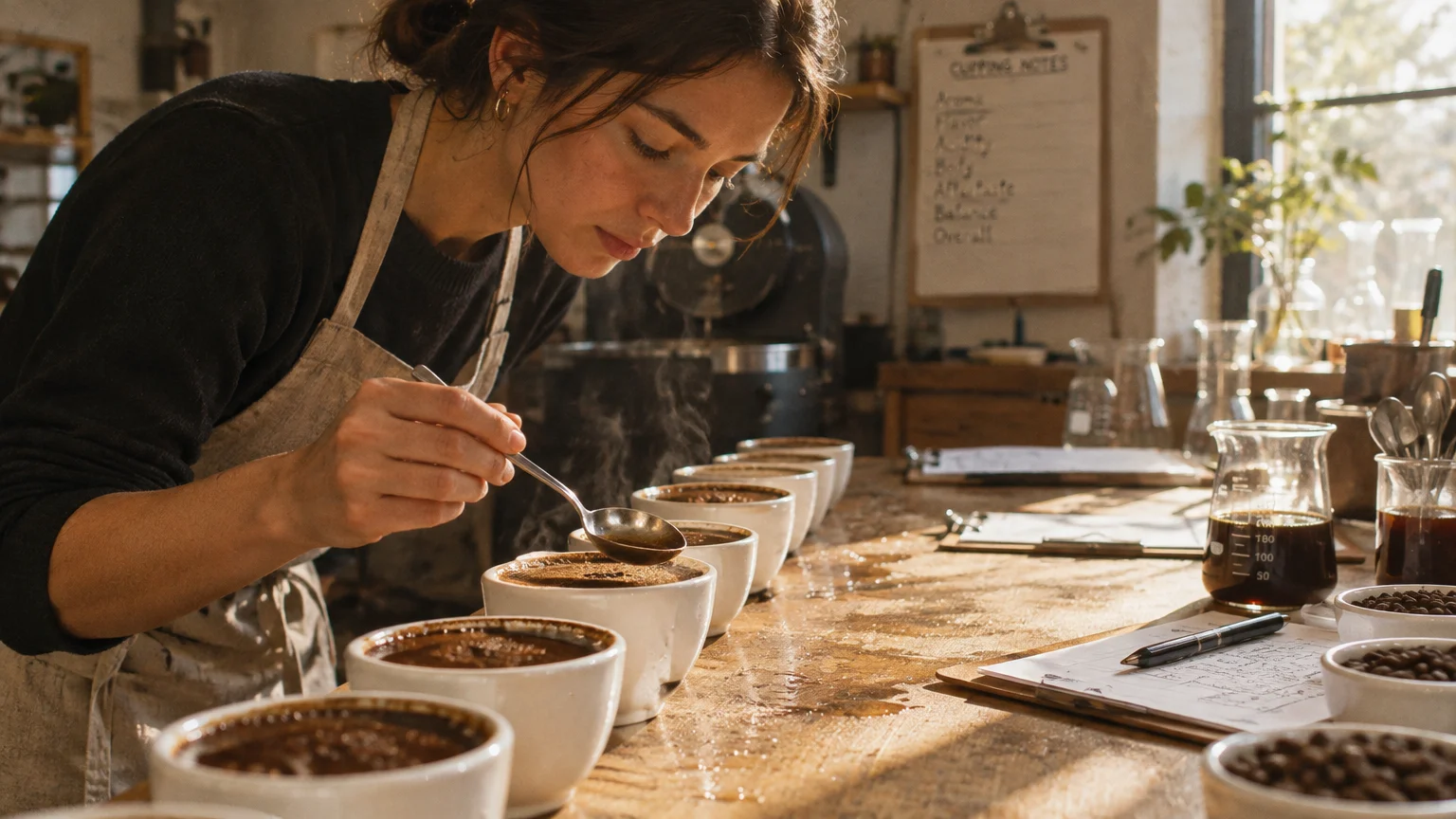
Specialty coffee roaster Marcus Vance explains that delicate floral notes perish within seconds of microwave exposure. He advocates for brewing smaller, frequent batches rather than attempting to rescue stale, cold coffee.
Vance suggests that embracing smaller servings fundamentally elevates your sensory appreciation throughout the busy workday. Quality consistently triumphs over volume when supporting sustained vitality.
Frequently Asked Questions
Does reheating coffee destroy its caffeine content?
Reheating coffee in the microwave does not destroy or significantly diminish its caffeine content. Caffeine is an exceptionally stable alkaloid molecule that withstands temperatures far beyond standard boiling points.
However, the perceived energy boost may feel jittery rather than smooth. The heightened acidity can irritate your nervous system and gastrointestinal tract simultaneously.
Can microwaving coffee create harmful toxins?
Microwaving coffee does not generate carcinogenic compounds, hazardous radiation, or toxic artificial byproducts. The electromagnetic energy simply oscillates polar water molecules to produce thermal energy through molecular friction.
The only biological risks involve bacterial toxins from neglected dairy additions or stomach irritation from concentrated acids. Ensure your mug is microwave-safe ceramic or glass to prevent synthetic plastic leaching.
Is reheating black coffee safer than reheating coffee with milk?
Black coffee is significantly safer from a microbiological standpoint because it lacks the dairy proteins bacteria require. However, both black and milky coffees suffer identical flavor degradation and acid accumulation when microwaved.
Milky coffees carry genuine food poisoning risks if left at room temperature for over two hours. For personalized digestive guidance, consult a clinical dietitian or healthcare professional.
How many times can you safely reheat the same cup of coffee?
You should never reheat a single cup of coffee more than once. Each successive heating cycle compounds chemical degradation, destroys remaining antioxidants, and further elevates bitter quinic acid levels.
Repeated thermal cycling also increases bacterial proliferation risk if milk or creamers are present. Discard coffee that has cooled twice and brew a fresh, invigorating cup instead.
Your Path Forward: A Mindful Morning Ritual
Transforming your daily coffee ritual does not require perfection or complicated kitchen equipment. Sustainable wellness grows through small, intentional choices that honor your bodily comfort and mental clarity.
Tomorrow morning, begin by brewing only the exact volume of coffee you intend to drink immediately. Notice how the temperature, aroma, and stomach comfort shift when you drink coffee fresh.
How might honoring your morning nourishment with fresh, intentional choices create greater calm throughout your day? Give yourself permission to pause, brew mindfully, and savor every nourishing drop.







Leave a Reply